Visual perception Easy Math Worksheets for Ages 6-8
18 filtered results
-
From - To
Discover our “Visual Perception Easy Math Worksheets” designed specifically for children aged 6-8! These engaging printable worksheets help young learners enhance their visual perception skills while mastering essential math concepts. Fun and interactive activities foster critical thinking and problem-solving abilities, ensuring a comprehensive learning experience. Each worksheet encourages children to recognize patterns, shapes, and spatial relationships, making math enjoyable and accessible. Perfect for classroom use or at-home practice, our resources support early math education with vibrant visuals and user-friendly layouts. Watch your child’s confidence soar as they develop their math skills through these exciting worksheets! Explore now and get started on their learning journey!
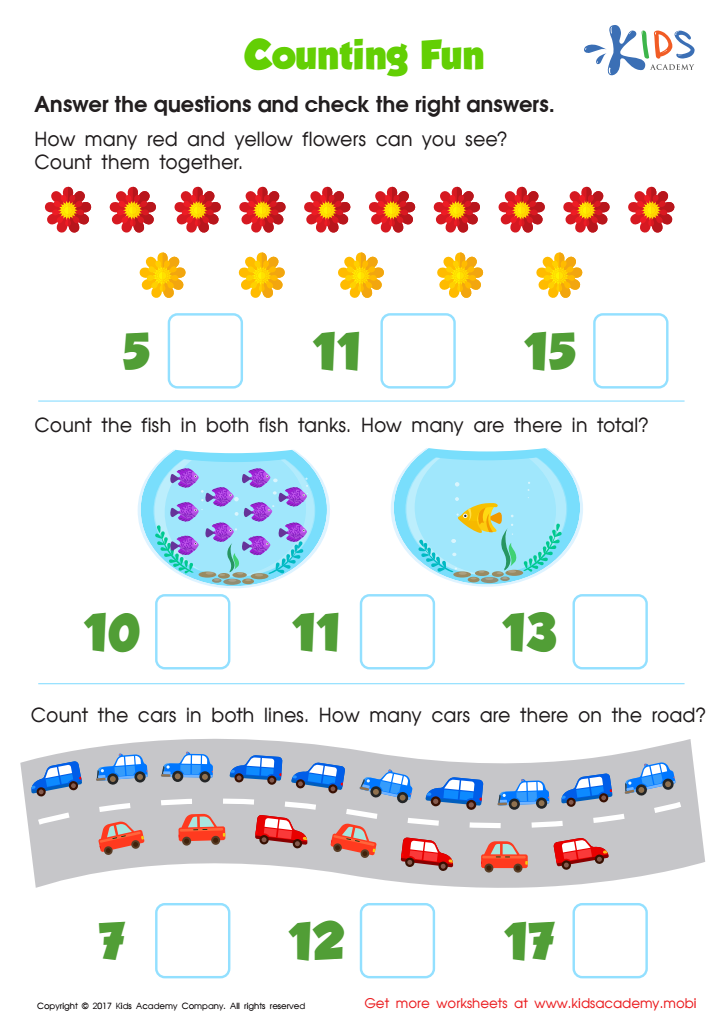
Counting Fun Worksheet
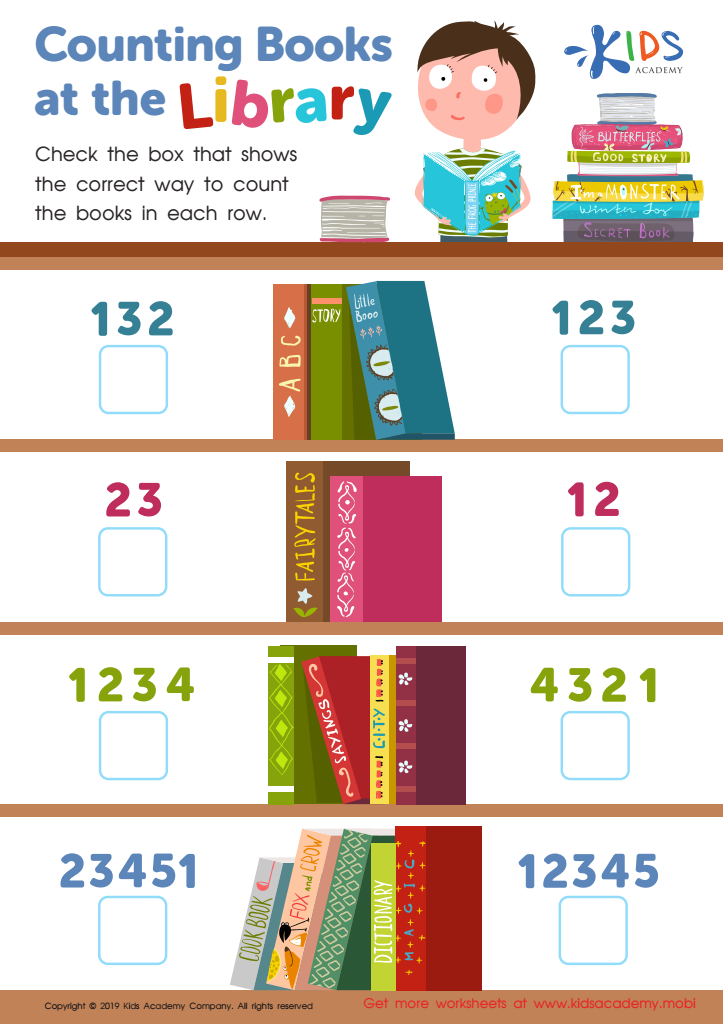
Counting Books at the Library Worksheet
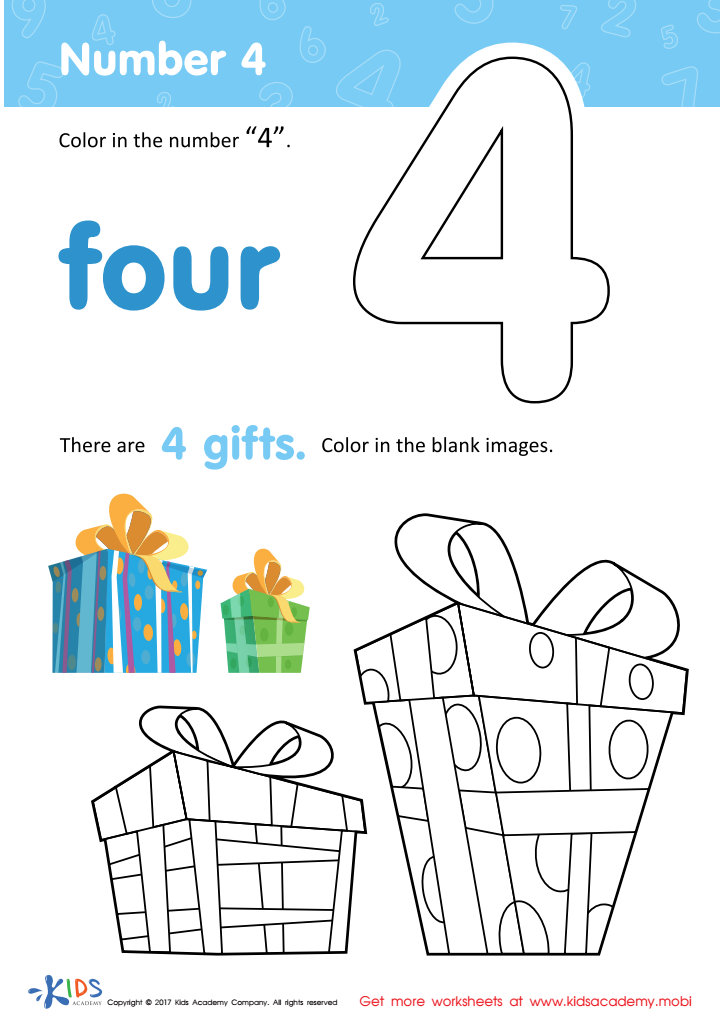
Number 4 Printable
 Assign to My Students
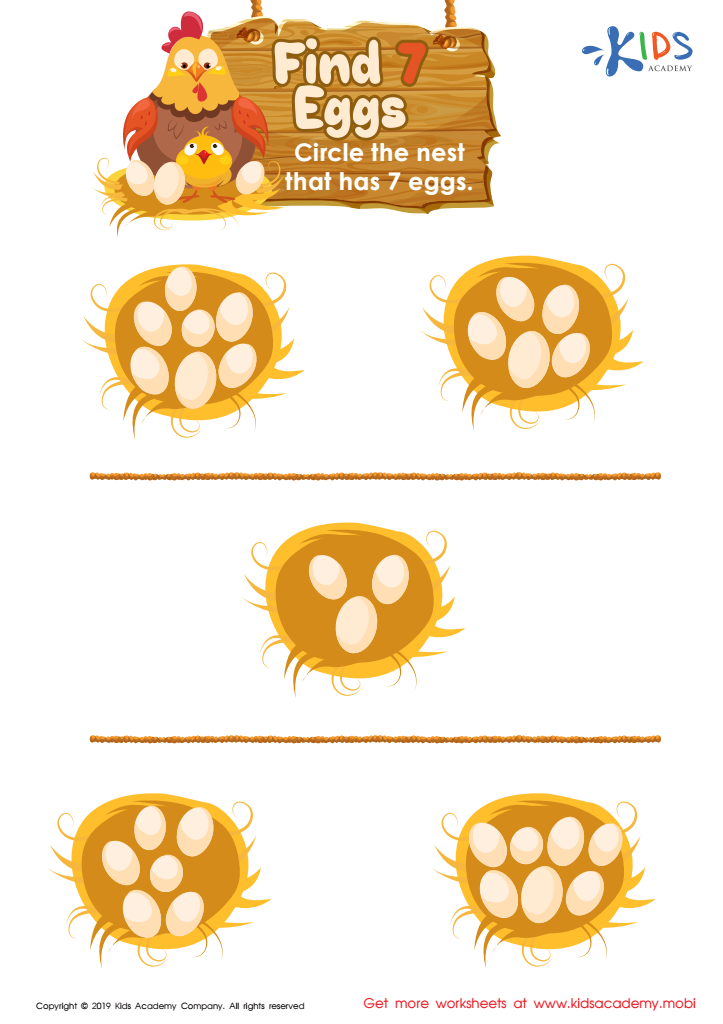
Find 7 Eggs Worksheet
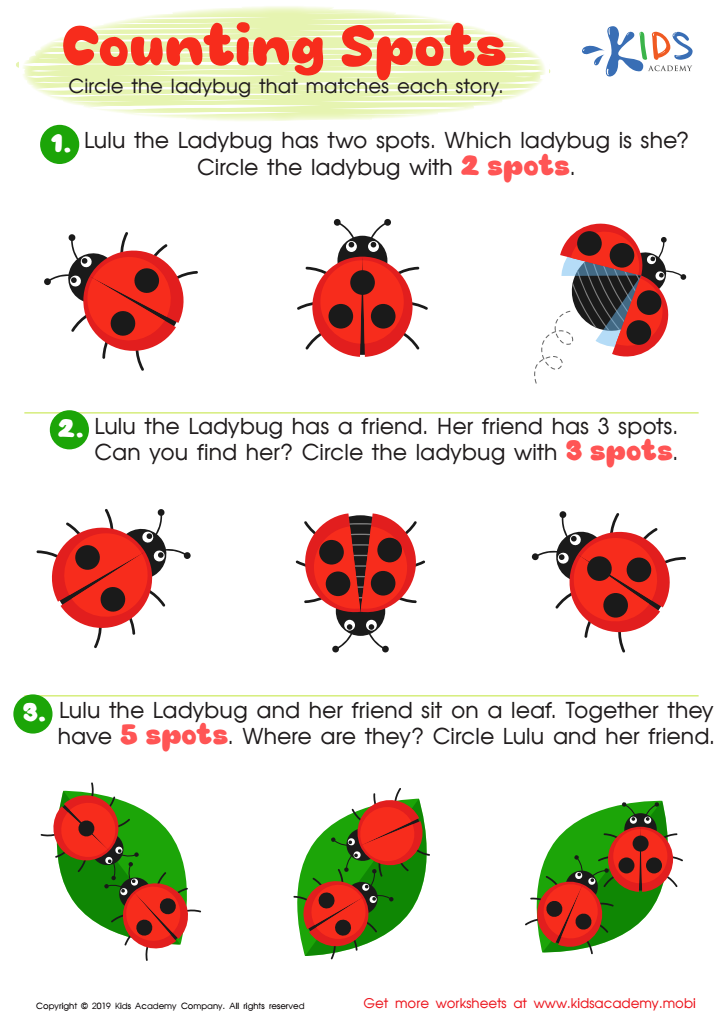
Counting Spots Worksheet
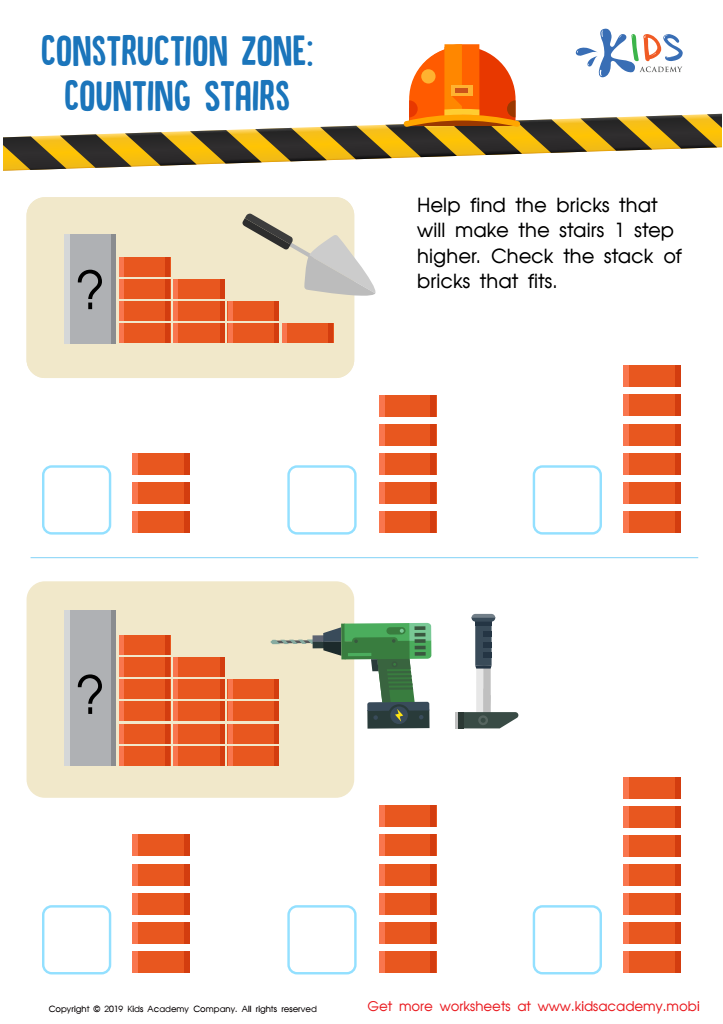
Construction Zone: Counting Stairs Worksheet
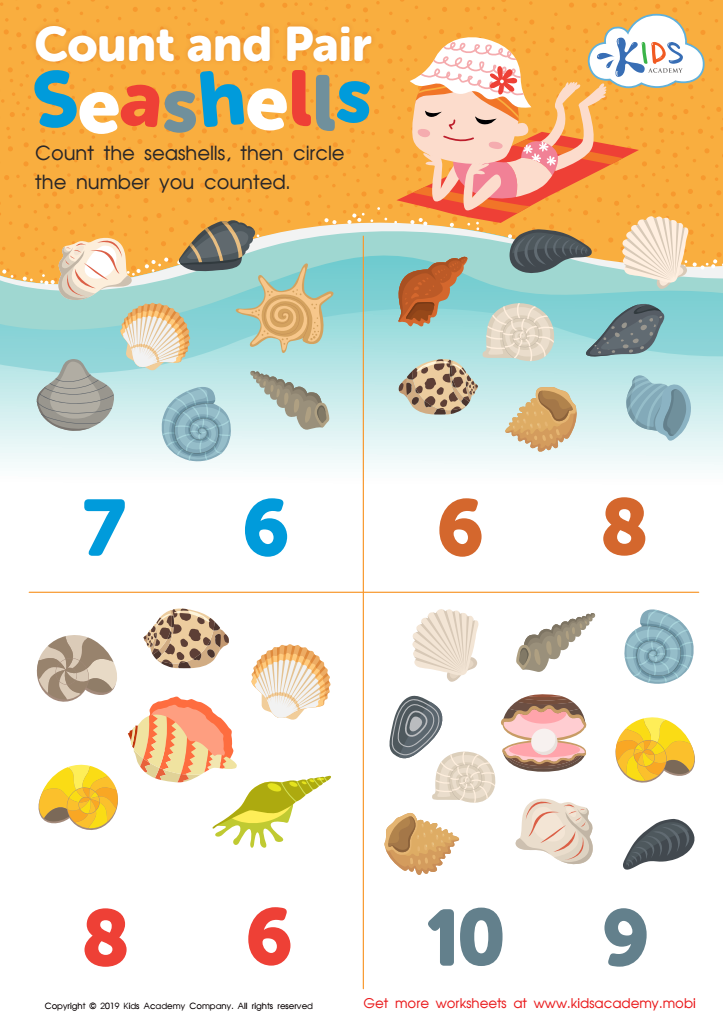
Count and Pair Seashells Worksheet
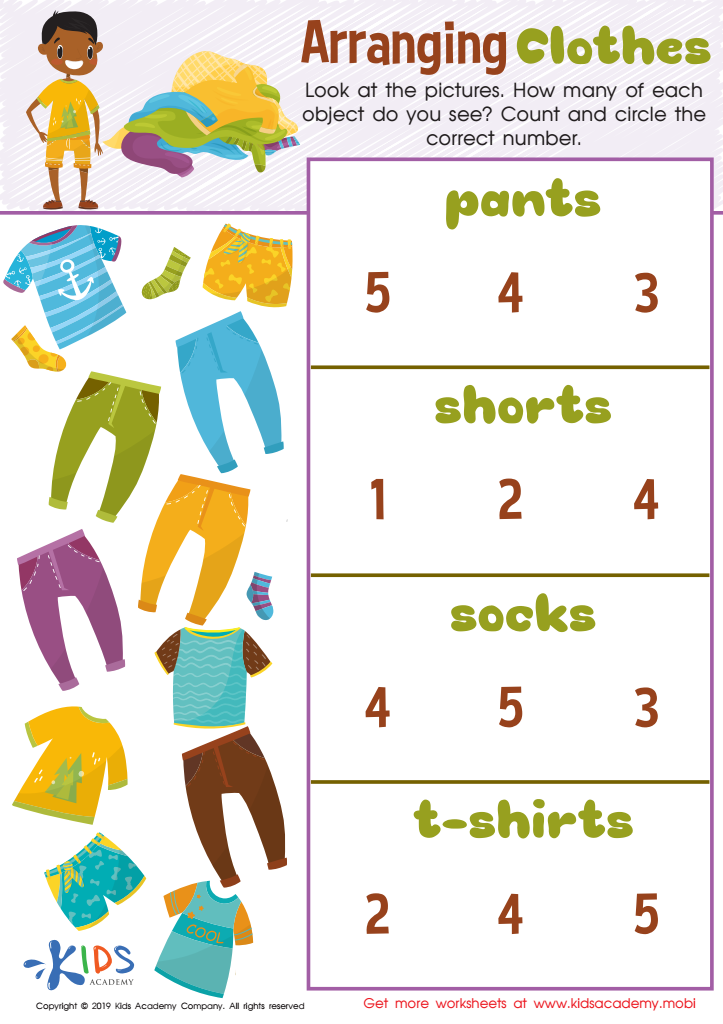
Arranging Clothes Worksheet
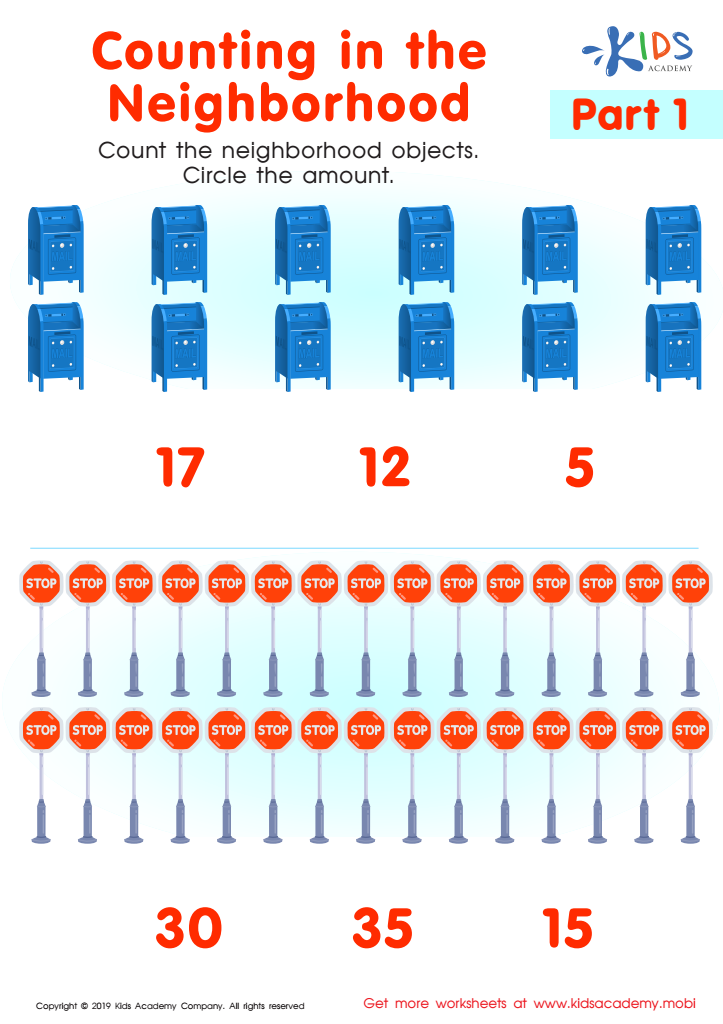
Counting in the Neighborhood Part1 Worksheet
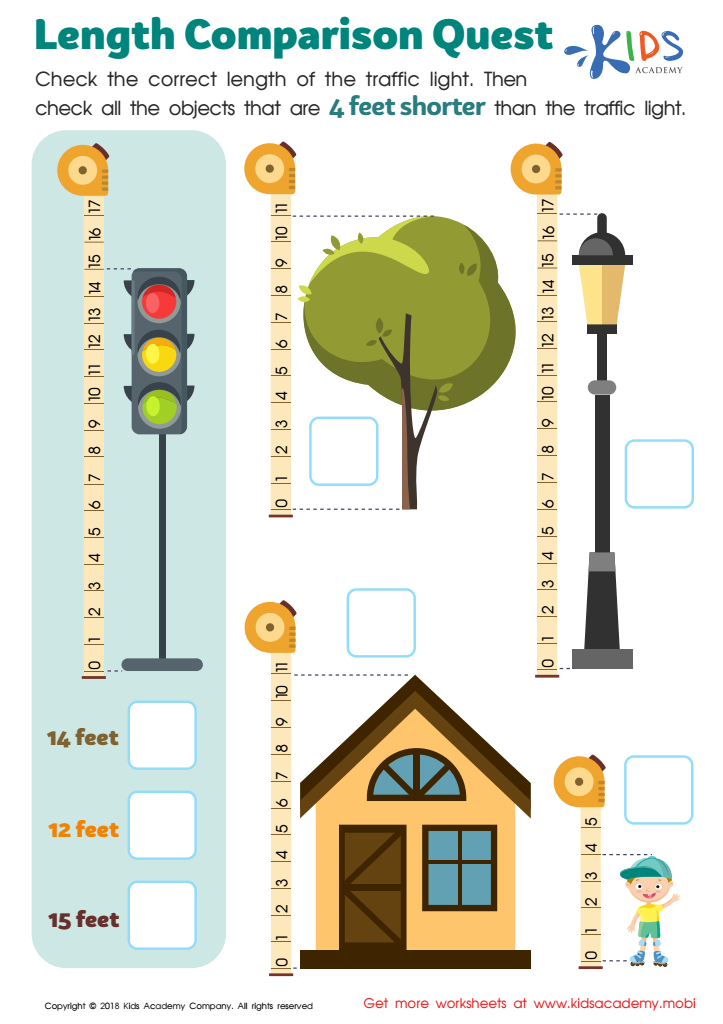
Length Comparison Quest Worksheet
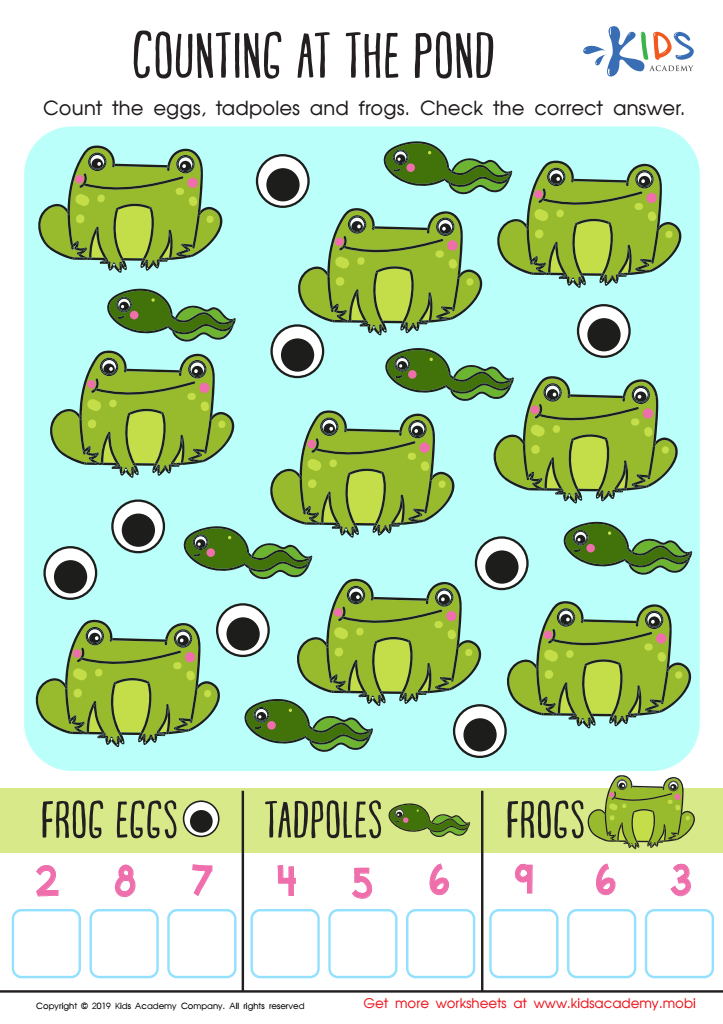
Counting at the Pond Worksheet
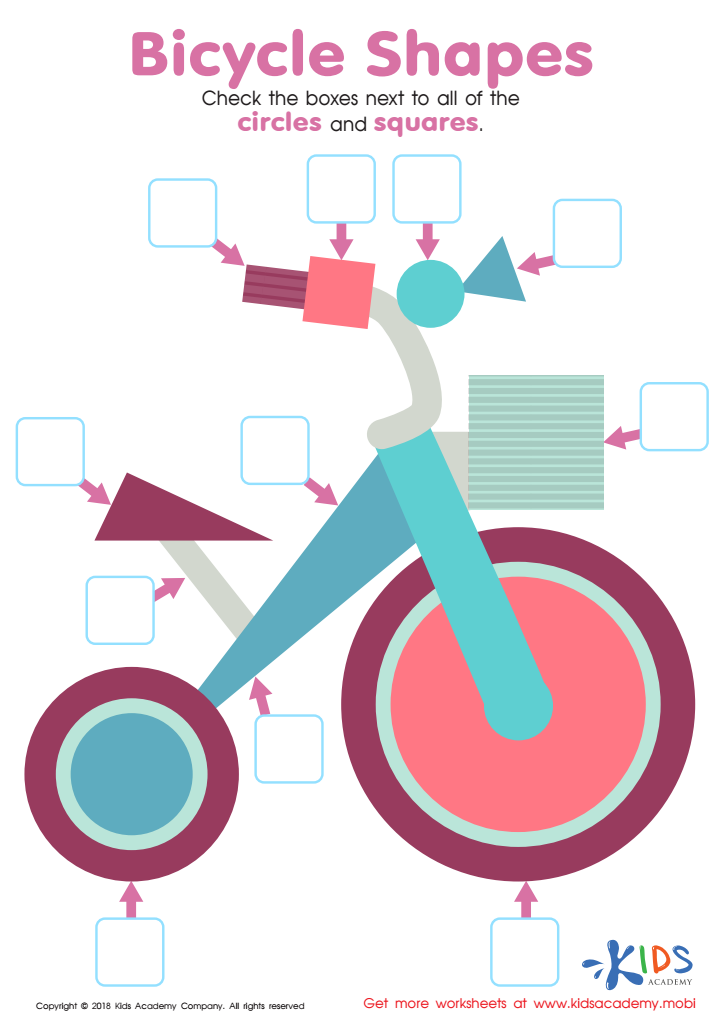
Bicycle Shapes Worksheet
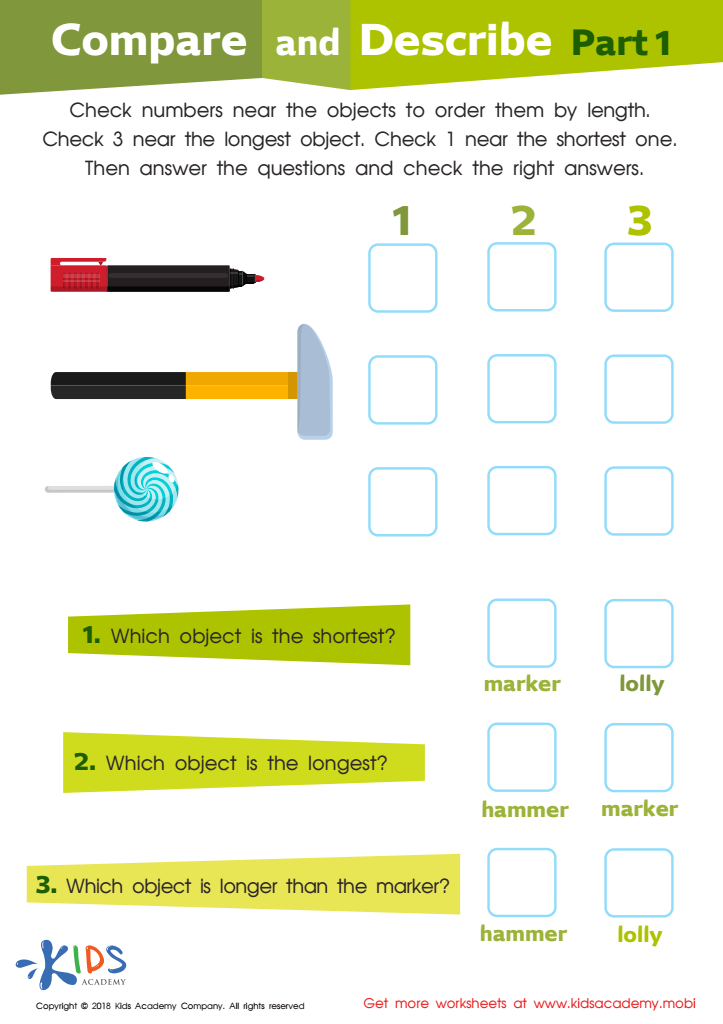
Compare and Describe: Part 1 Worksheet
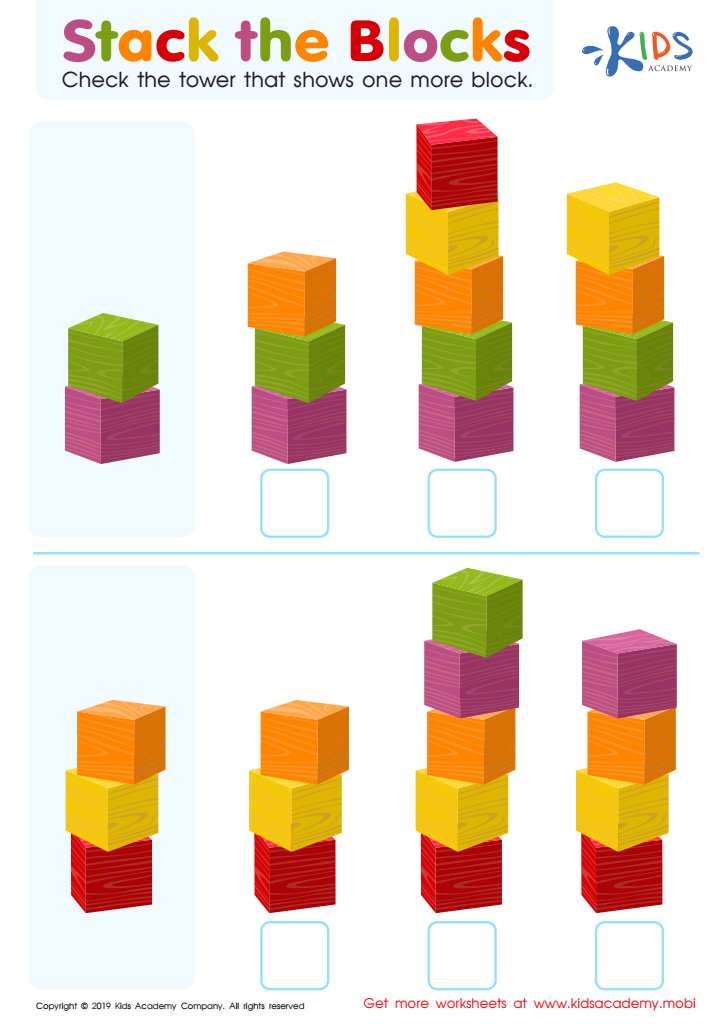
Stack the Blocks Worksheet
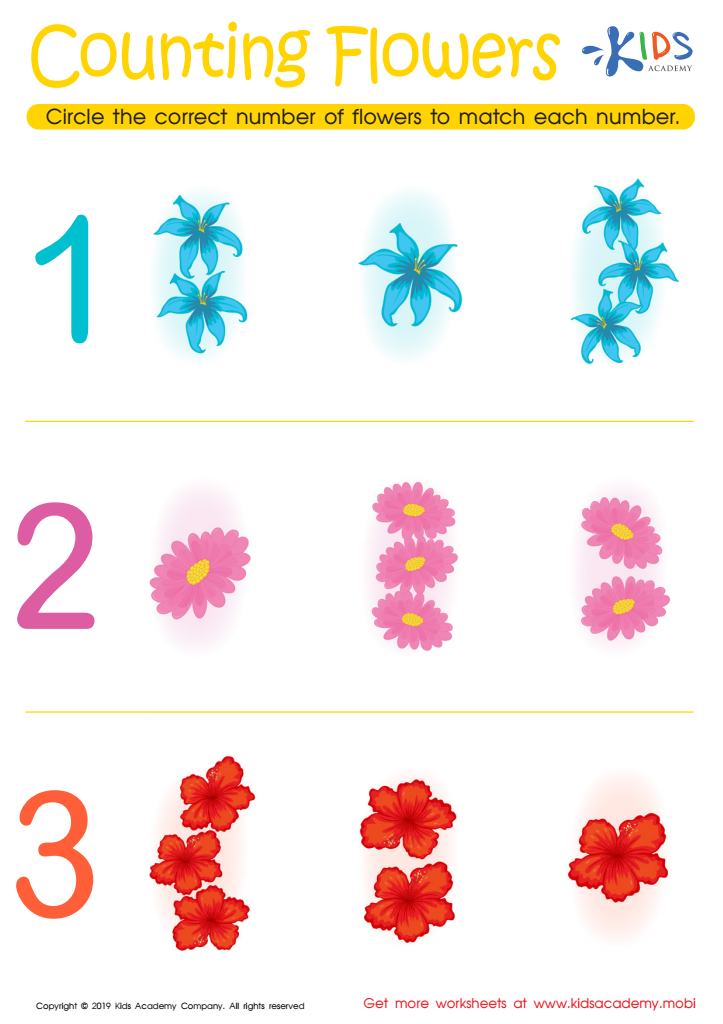
Counting Flowers Worksheet
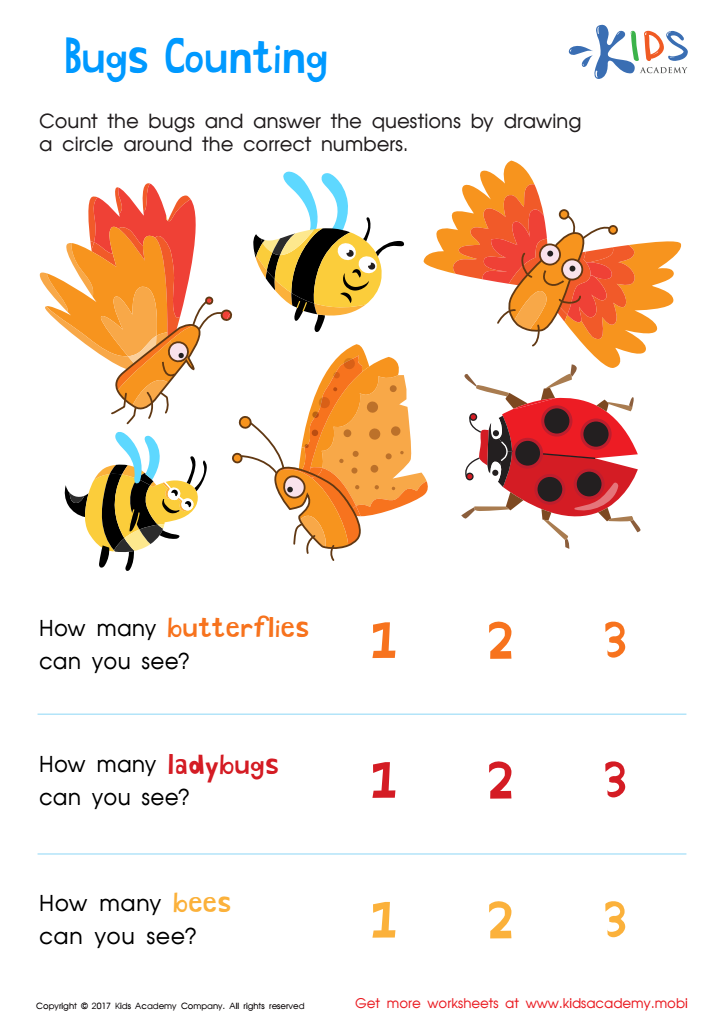
Bugs Counting Worksheet
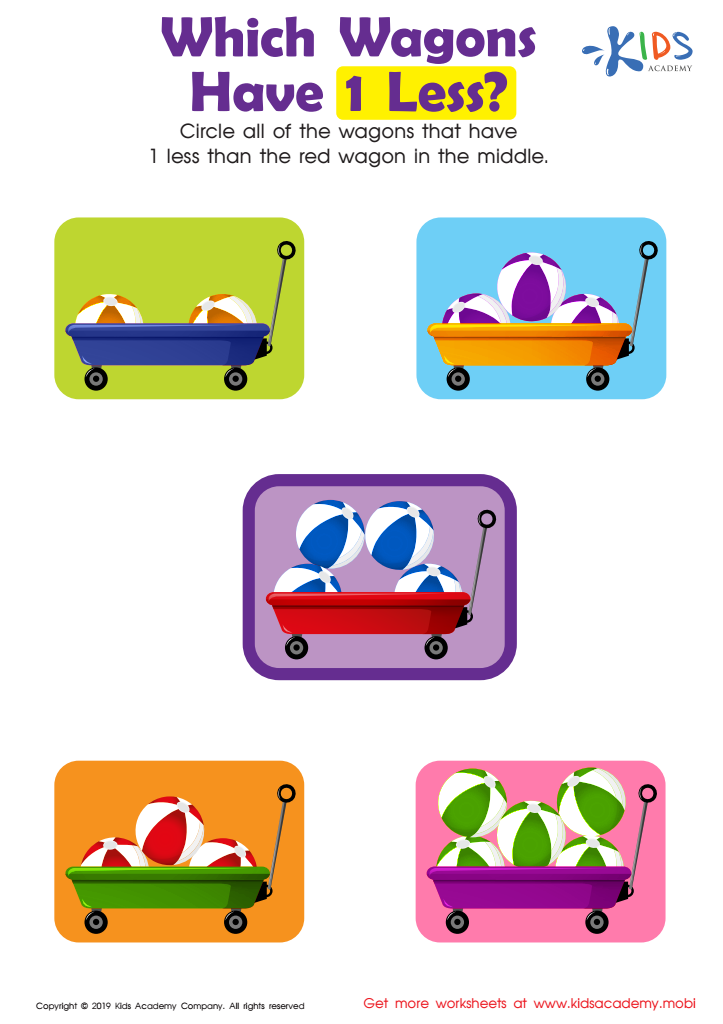
Which Wagons Have 1 Less? Worksheet
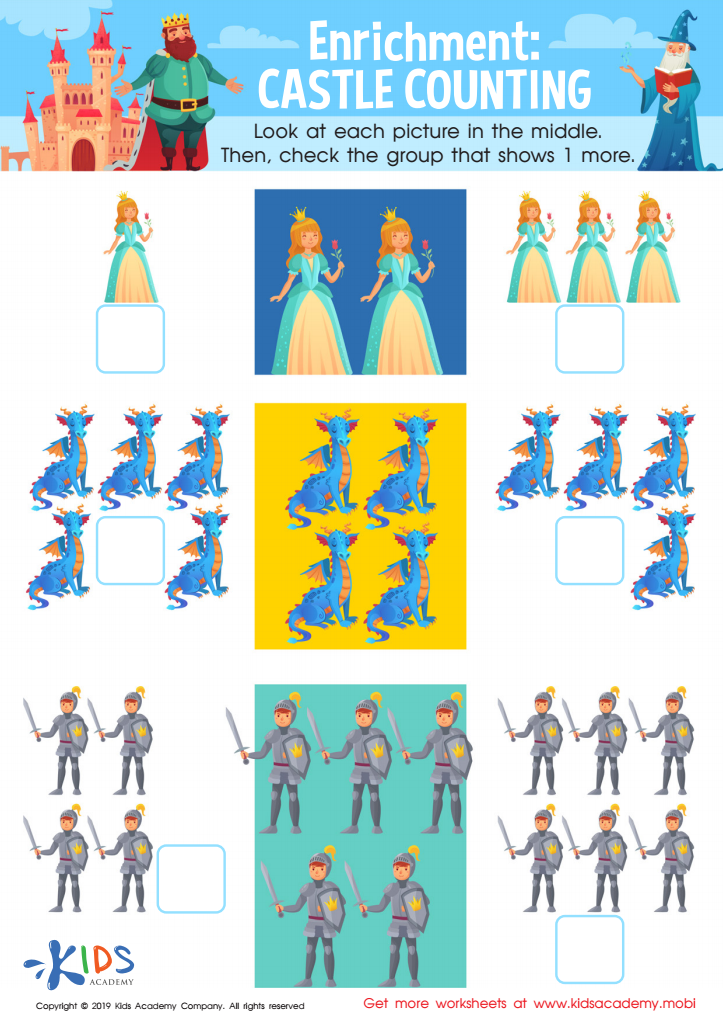
Enrichment: Castle Counting Worksheet


.jpg)




Visual perception is a key cognitive skill that allows children aged 6-8 to interpret and make sense of the world around them. For parents and teachers, fostering visual perception skills is essential during this developmental stage, especially in relation to math. These skills include the ability to recognize shapes, understand spatial relationships, and follow patterns, all of which are foundational for early math concepts.
When children can visually distinguish numbers and shapes, they are better equipped to tackle basic math operations such as addition and subtraction, as well as more complex tasks like geometry later on. Activities that enhance visual perception—like puzzles, sorting games, or pattern recognition exercises—can be integrated into playful learning. By emphasizing visual perception, adults can help children build confidence and become more engaged learners.
Moreover, improved visual perception aids in reading readiness, as it supports letter recognition and the understanding of directional movement (left to right). Thus, fostering these skills not only enhances mathematical understanding but also contributes to overall academic success. In supporting visual perception, parents and teachers play a crucial role in laying a strong foundation for children’s future learning experiences and lifelong skills.








