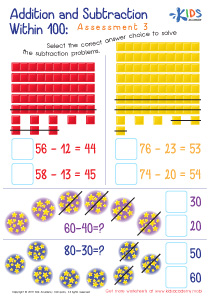
Fine Motor Skills Easy Numbers up to 100 Worksheets for Ages 6-8
5 filtered results
-
From - To
Enhance your child's fine motor skills and number recognition with our engaging "Fine Motor Skills Easy Numbers up to 100 Worksheets for Ages 6-8." These printable worksheets are specially designed to develop hand-eye coordination, pencil control, and precise movements essential for effective handwriting. Your young learner will enjoy a variety of fun tasks, including tracing, dot-to-dot activities, and number writing practice, all while boosting their mathematical skills. Perfect for both classroom and at-home learning, our worksheets make mastering numbers up to 100 an enjoyable and rewarding experience for children aged 6-8.
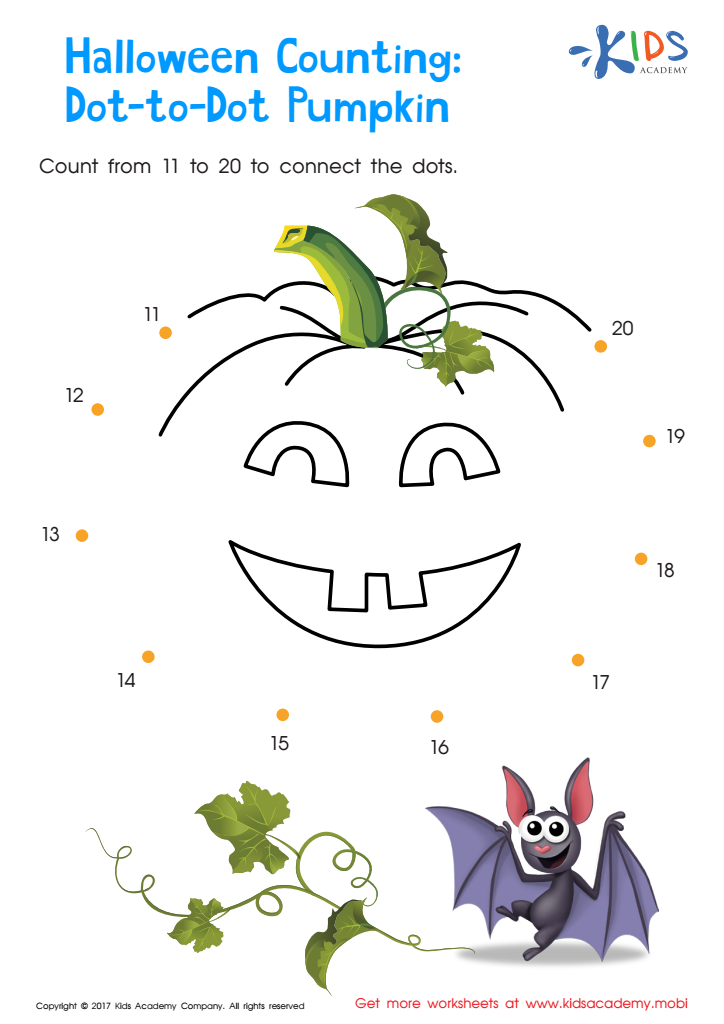
Ordering 11–20: Halloween Counting Worksheet
 Assign to My Students
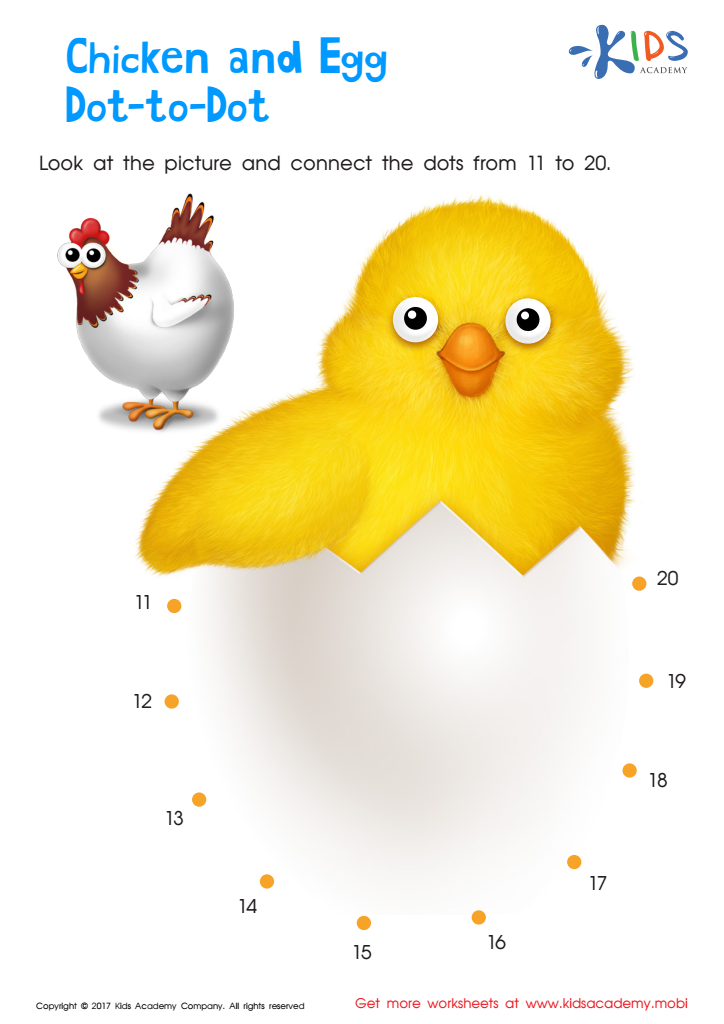
Ordering 11–20: Chicken & Egg Dot–to–dot Worksheet
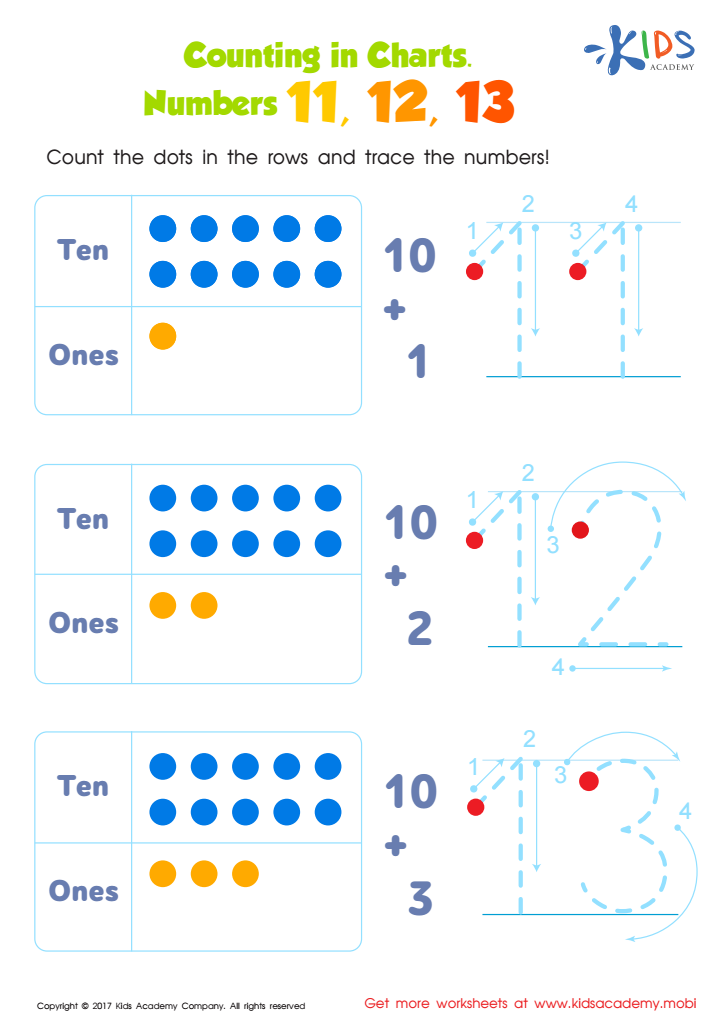
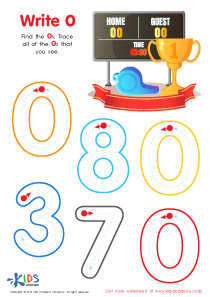
Number Tracing Worksheet For Kindergarten
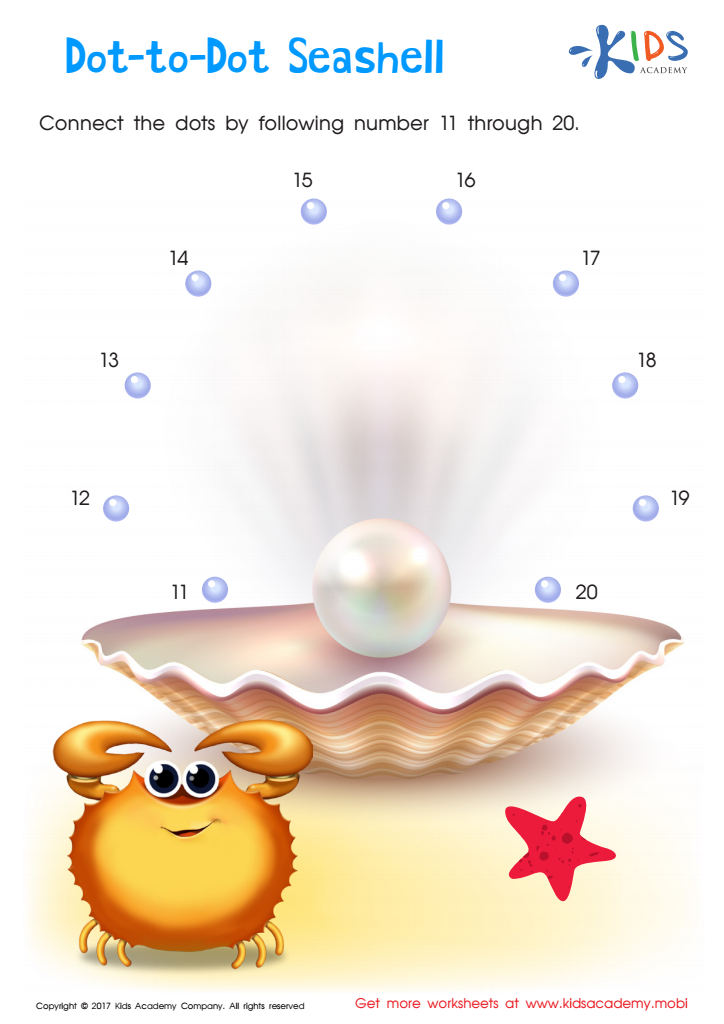
Ordering 11–20: Dot–to–dot Seashell Printable

Counting on the City Skyline: Dot-to-Dot Worksheet








Parents and teachers should prioritize the development of fine motor skills related to numbers up to 100 for children aged 6-8 because these skills are critical for both academic success and daily functioning. Fine motor skills enable precise movements, essential for activities such as writing numbers neatly, using a ruler, and even typing on a computer.
Grasping numbers up to 100 is a fundamental milestone in early math curriculum and is crucial for more complex mathematical concepts in the future. Being confident with numbers aids in developing strong numerical reasoning, problem-solving skills, and a solid foundation for subjects like arithmetic and measurement.
Moreover, improving fine motor skills enhances a child's ability to focus, boosting their overall classroom engagement and productivity. Engaging in activities like counting, tracing numbers, and using manipulatives not only strengthens finger dexterity and hand-eye coordination but also promotes cognitive development. These activities help to reinforce the neural connections required for planning, execution of tasks, and sustaining attention, which are vital for lifelong learning.
By consciously fostering these skills, parents and teachers can equip children with the tools they need for both academic challenges and everyday tasks, thereby supporting their overall development and boosting their confidence.