Filters

6 filtered results

Clear all filters
Favorites
With answer key
Interactive

6 filtered results

Difficulty Level

Grade


Enhance your child's learning experience with our "Fine Motor Skills Easy Reading Comprehension Worksheets" designed for ages 6-8. These engaging worksheets blend fun with education, allowing young learners to practice essential reading comprehension while developing fine motor skills. Each activity features captivating stories and relevant questions, promoting critical thinking and fine motor practice through tracing, cutting, or coloring tasks. Ideal for classrooms or home, our worksheets foster a love for reading alongside essential hand-eye coordination and dexterity. Explore a variety of themes to keep children motivated and interested. Start building their skills today with our easy-to-use worksheets!

Check out this FREE Trial Lesson on Reading Comprehension for age 6-8!

Key Details in a Text

Favorites
With answer key
Interactive
  • 6-8
  • Fine Motor Skills
  • Reading Comprehension
  • Easy
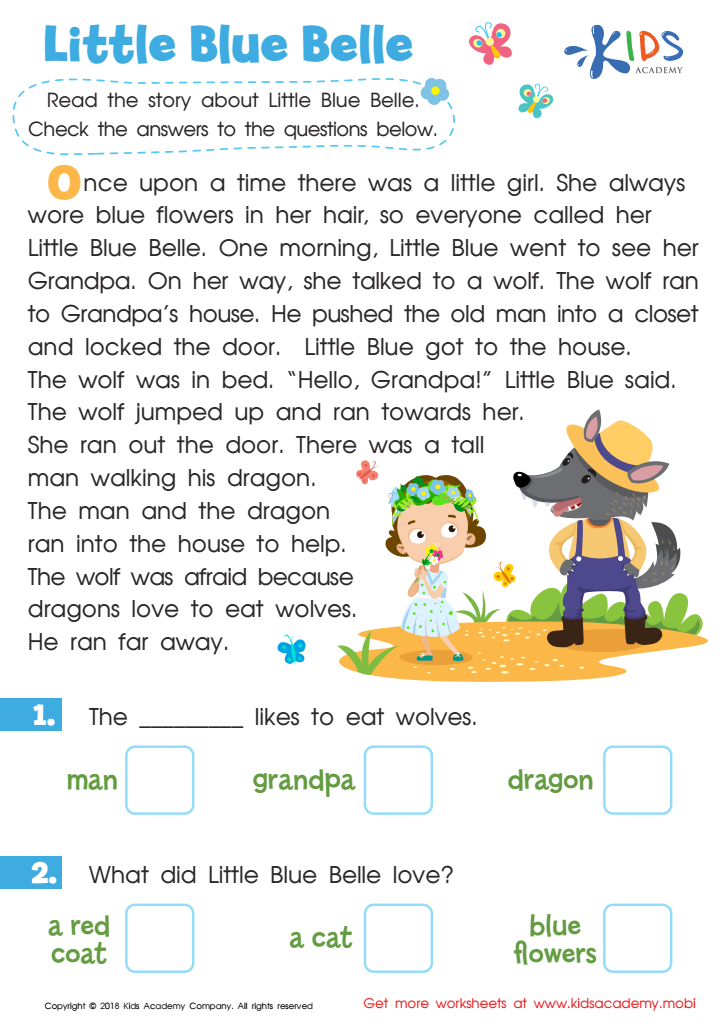
Little Blue Belle Worksheet

Little Blue Belle Worksheet

Check comprehension of fiction read in class by asking questions. Some students may struggle, so provide extra practice with a reading worksheet. Students read a story and answer questions at the bottom. A handy resource for reading classrooms!
Little Blue Belle Worksheet
Worksheet
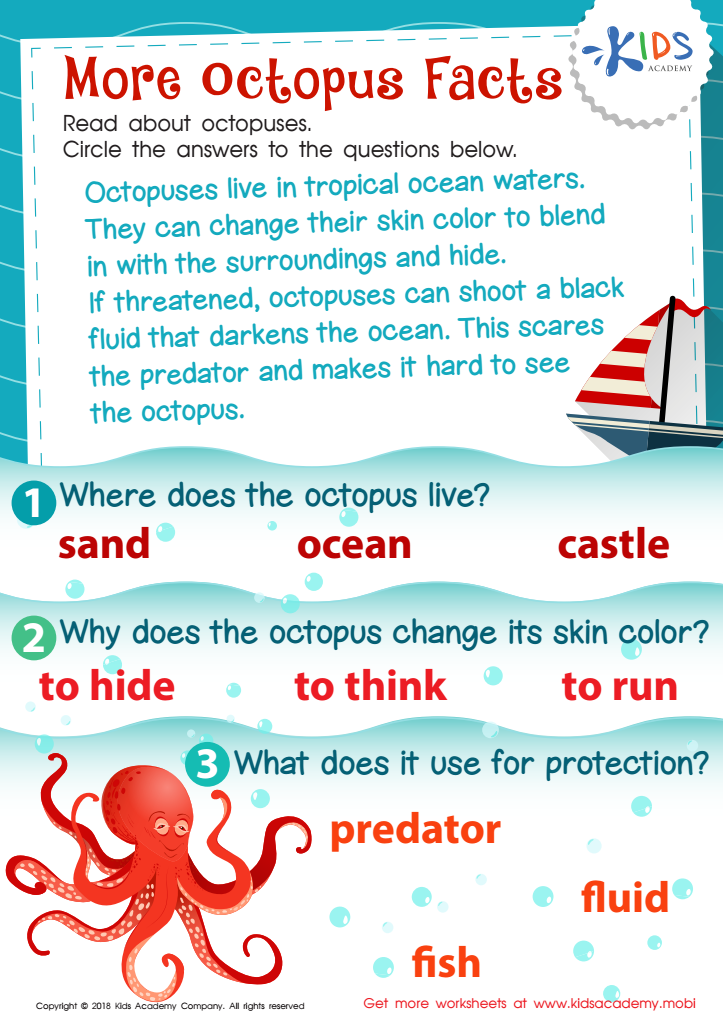
More Octopus Facts Worksheet

More Octopus Facts Worksheet

This worksheet will help your kids learn about the Octopus. Read the text carefully and have kids read with you. Now, ask them questions based on it and help them answer them by circling the right choices. Teaching your kids facts about animals will help them in the long run.
More Octopus Facts Worksheet
Worksheet
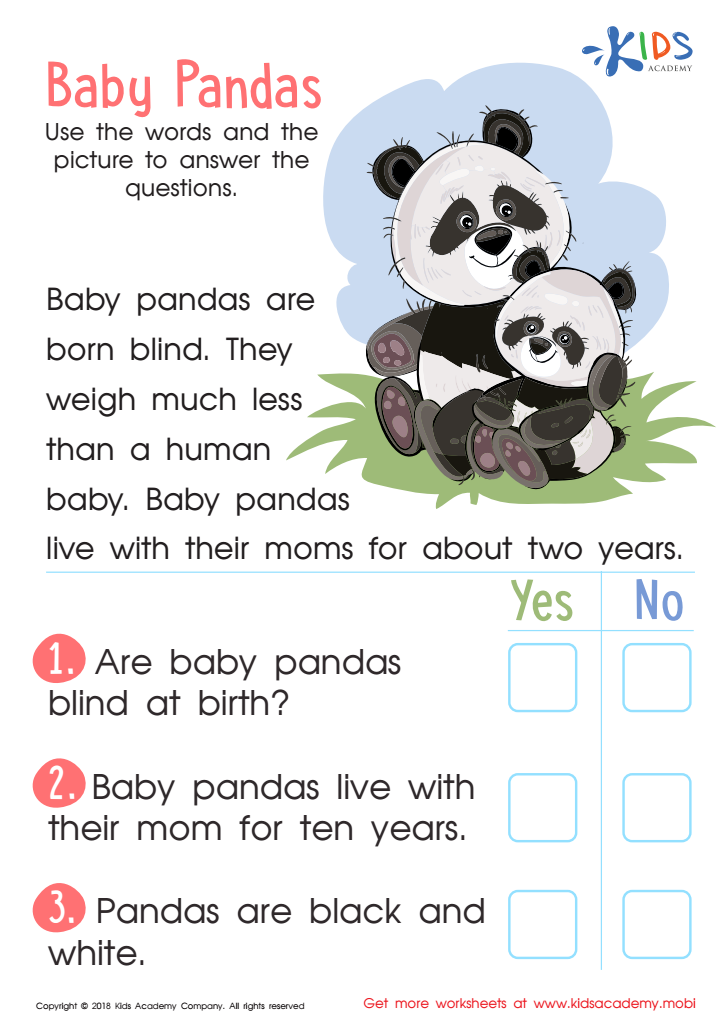
Baby Pandas Worksheet

Baby Pandas Worksheet

Kids can't usually see pandas in person, but they can learn more about them with this fun worksheet! It includes a passage and picture, plus questions at the end to check kids' reading comprehension. Just ask them to read the text, check the "yes" and "no" boxes, and enjoy the fascinating facts about baby pandas!
Baby Pandas Worksheet
Worksheet
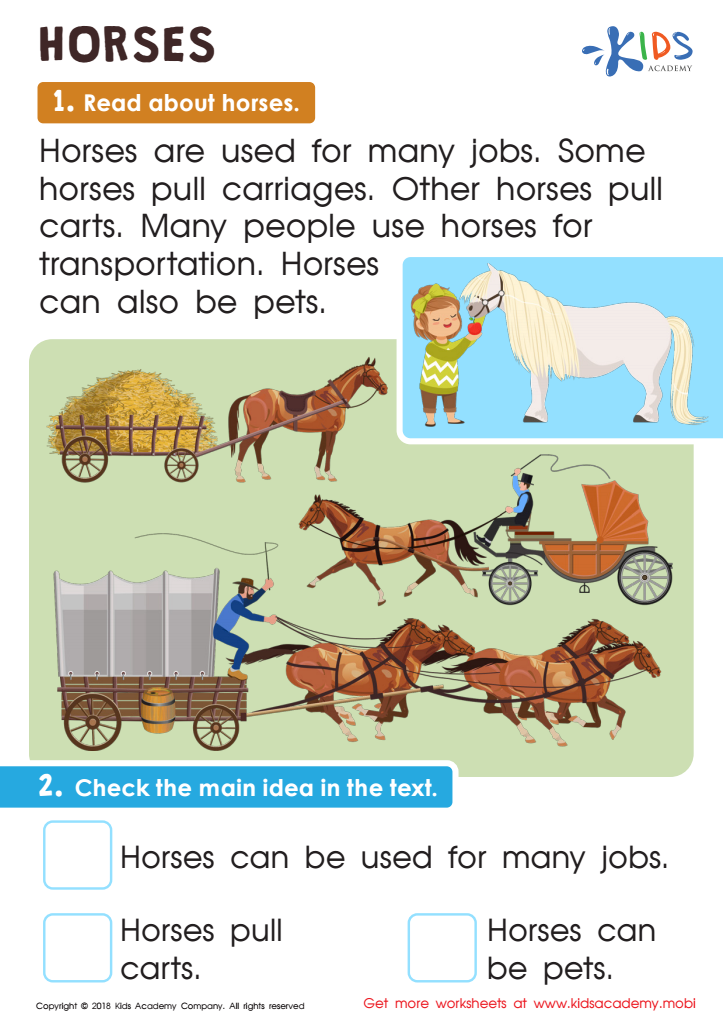
Horses Worksheet
Horses Worksheet

Horses Worksheet

Help your little reader differentiate between details and the main idea with this fun worksheet about horses. Kids will be excited to learn about the different roles horses play. To ensure they understand the overall concept, discuss it before having them choose the right statement at the end.
Horses Worksheet
Worksheet
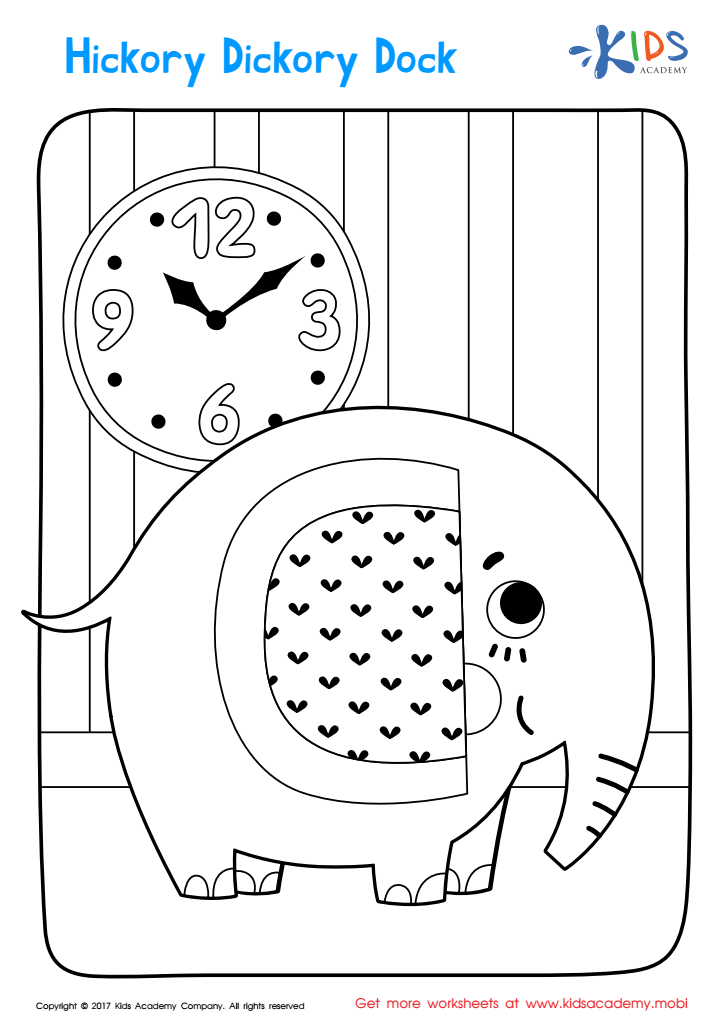
Printable Coloring Page: Hickory Dickory Dock

Hickory Dickory Dock Coloring Page

Sing and color with your child! Enjoy the classic nursery rhyme Hickory Dickory Dock as they color this fun printable. Watch the elephant climb and crash down the clock in the final part of the song. It's sure to bring smiles and giggles!
Download (PDF)
Assign to My Students
Hickory Dickory Dock Coloring Page
Worksheet
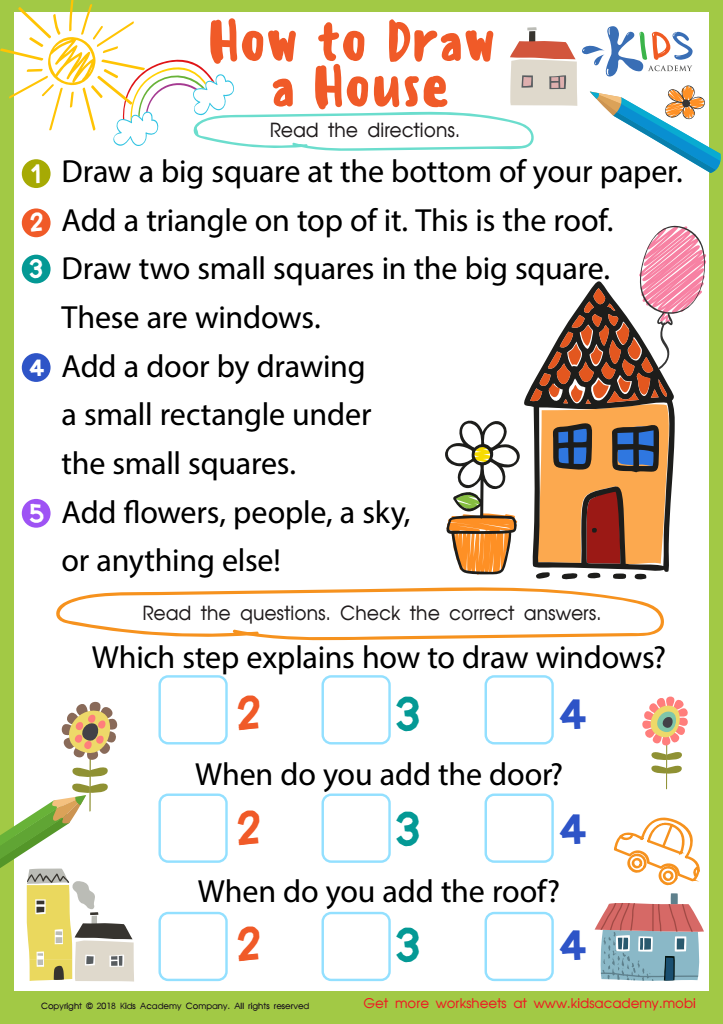
How to Draw House Worksheet

How to Draw House Worksheet

Does your child love to draw? Why not try teaching them some easy tricks? Get them to follow directions on this worksheet and learn how to draw a house. Read the questions at the end and ensure they get the answers right. Your kids will surely love it!
How to Draw House Worksheet
Worksheet


Fine motor skills are essential for young children's overall development and significantly impact their reading comprehension, especially between the ages of 6-8. For parents and teachers, understanding this connection is crucial for fostering literacy skills.

Fine motor skills involve the precise movements of small muscles in the hands and fingers, enabling tasks like holding a pencil, cutting with scissors, and manipulating small objects. As children develop these skills, they gain confidence in their ability to write and engage with texts. This confidence positively influences their reading comprehension, as they can better focus on understanding words and sentences without frustration over the mechanics of writing.

Moreover, activities that enhance fine motor skills, such as drawing and crafting, can also make reading more engaging. When children can physically interact with letters and books, they are more likely to develop a genuine interest in reading, leading to improved comprehension over time.

Parents and teachers play a vital role in supporting these skills through targeted activities and encouragement. By doing so, they contribute to academic success and foster a love for reading, which is foundational to a child's lifelong learning journey.