Reading comprehension Easy Reading Non-Fiction Worksheets for Ages 6-8
8 filtered results
-
From - To
Discover our engaging Easy Reading Non-Fiction Worksheets designed for children ages 6-8, perfect for enhancing reading comprehension skills! Our thoughtfully crafted worksheets feature age-appropriate, captivating content that sparks curiosity and encourages exploration of real-world topics. With an emphasis on critical thinking, students will practice summarizing, identifying main ideas, and making connections, all while enjoying informative texts. Each worksheet comes with a variety of questions and activities suitable for young learners, fostering a love for reading and learning. Ideal for classroom use or at-home practice, these resources provide effective, enjoyable ways to boost literacy skills and build confidence in budding readers!
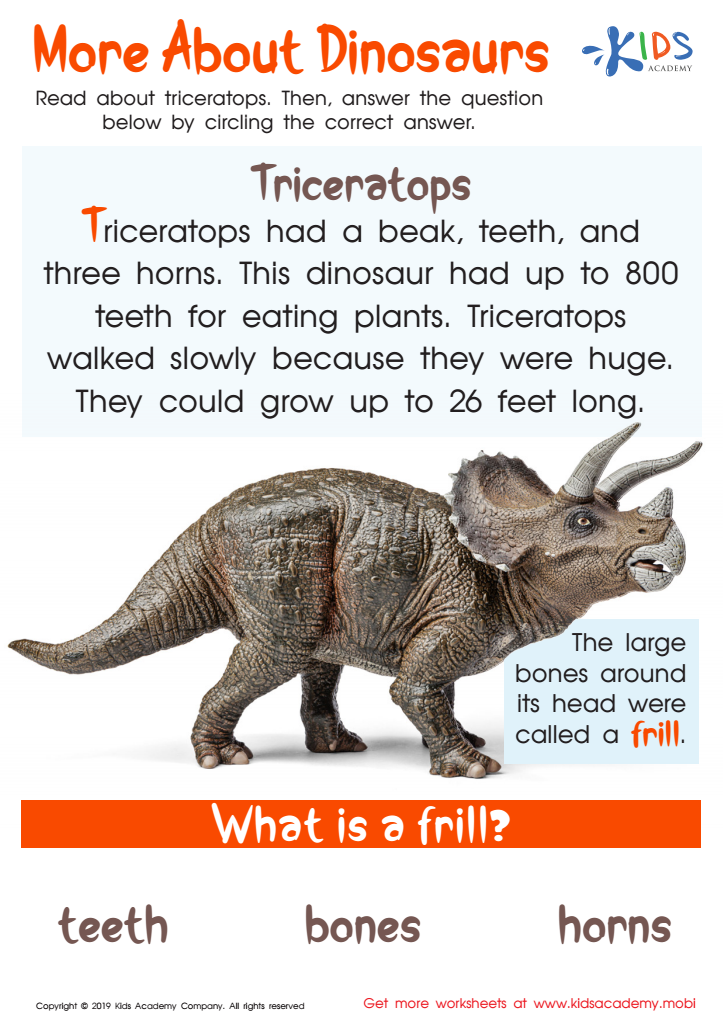
More About Dinosaurs Worksheet
 Assign to My Students
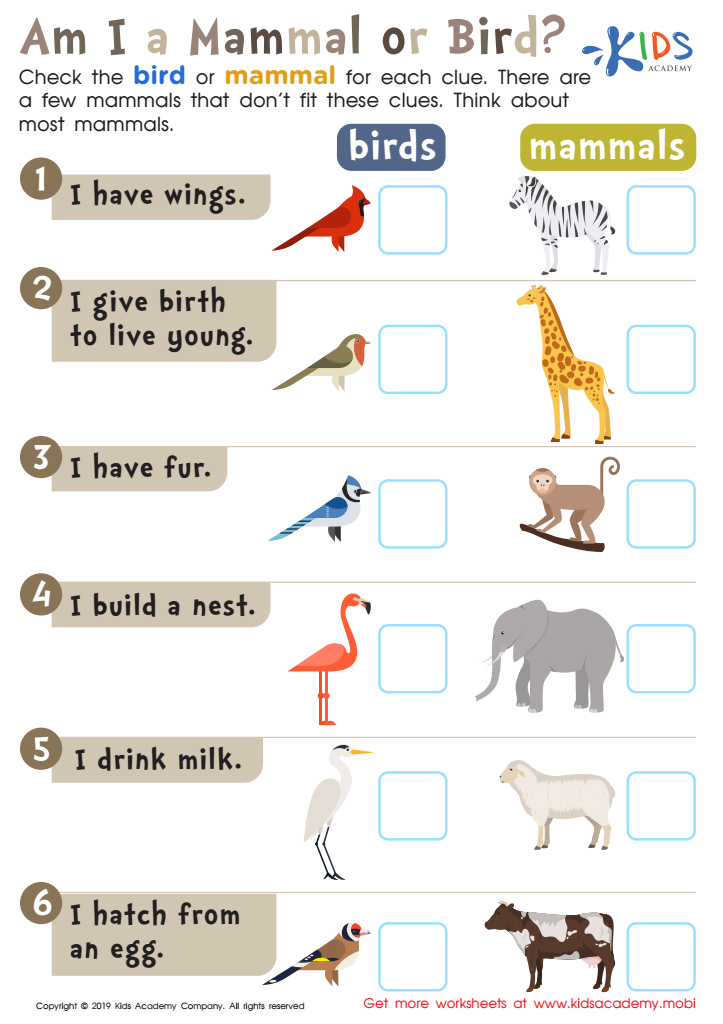
Am I a Mammal or Bird? Worksheet
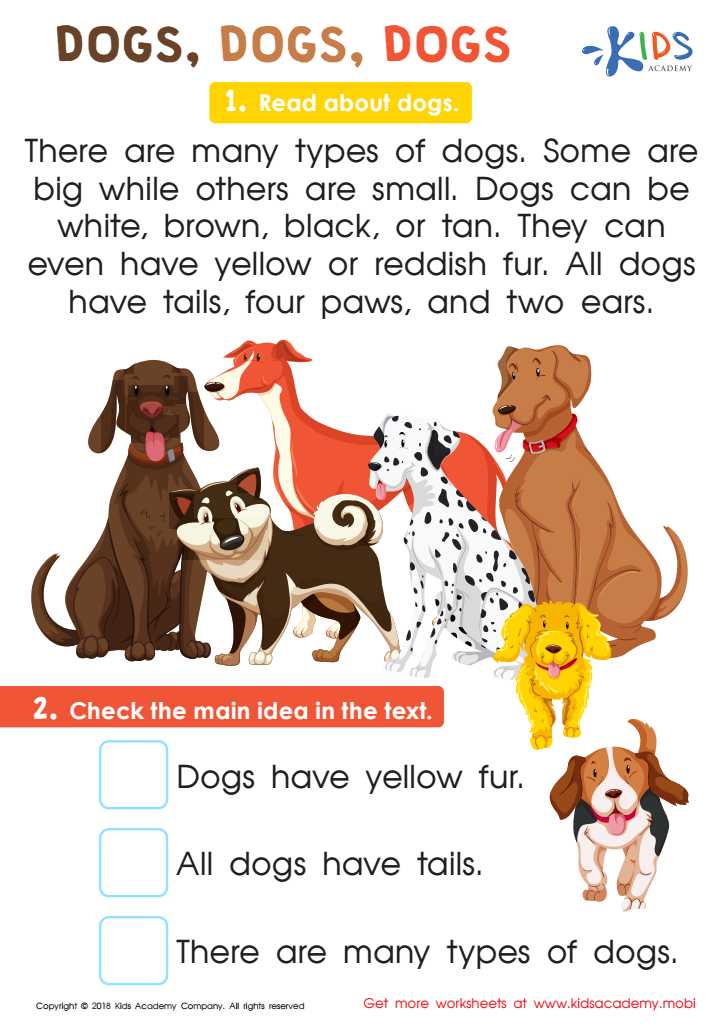
Dogs, Dogs Worksheet
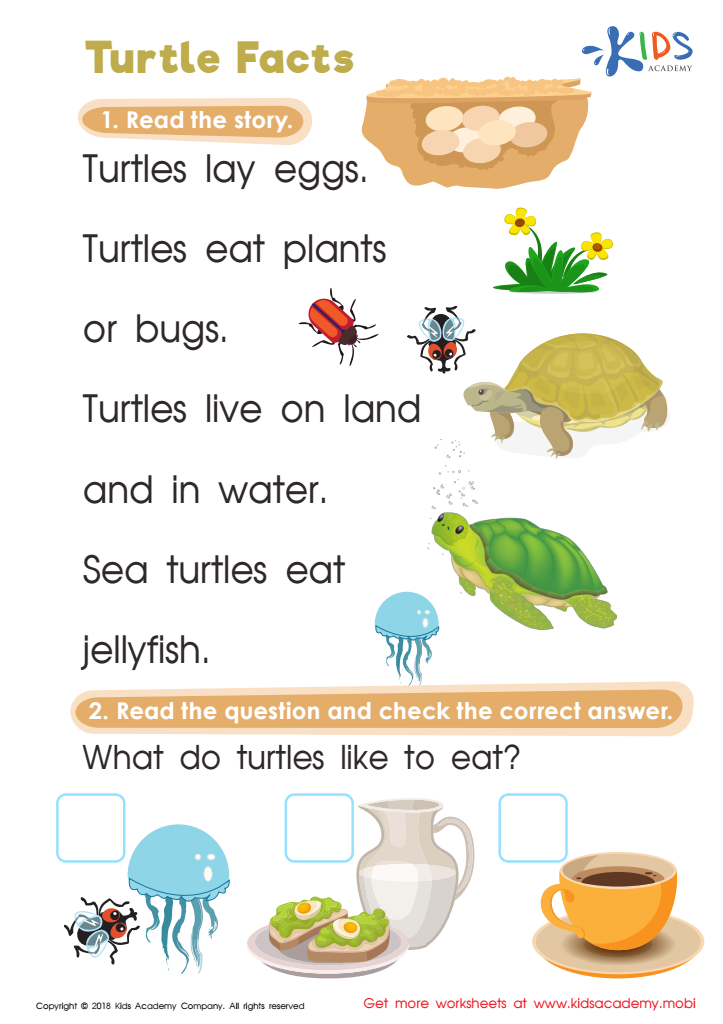
Turtle Facts Worksheet
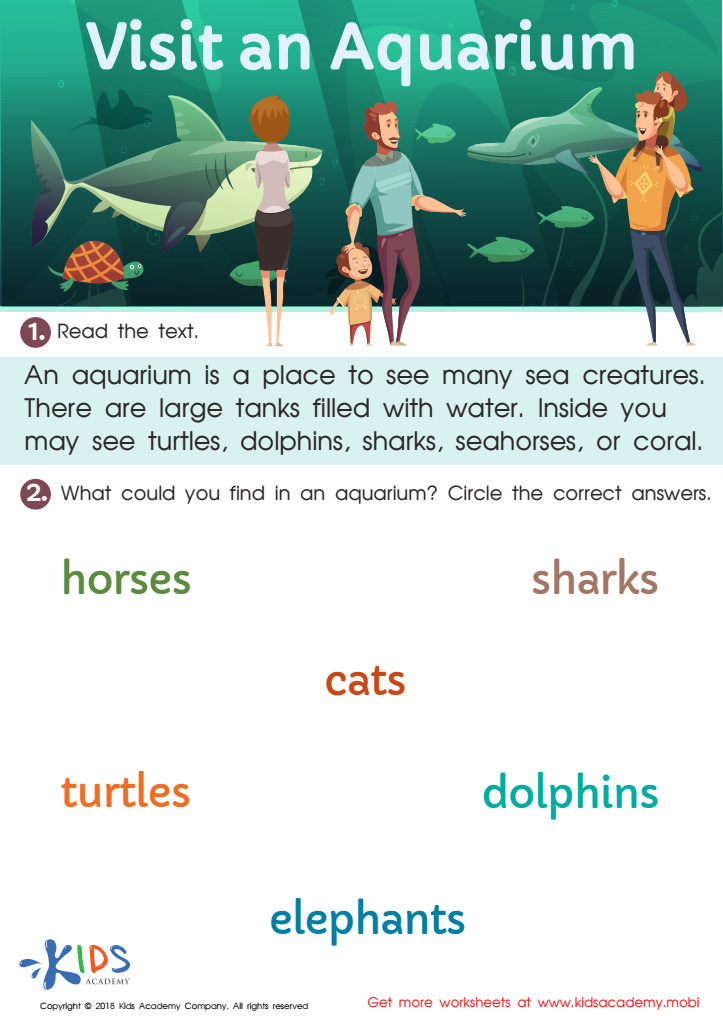
Visit an Aquarium Worksheet
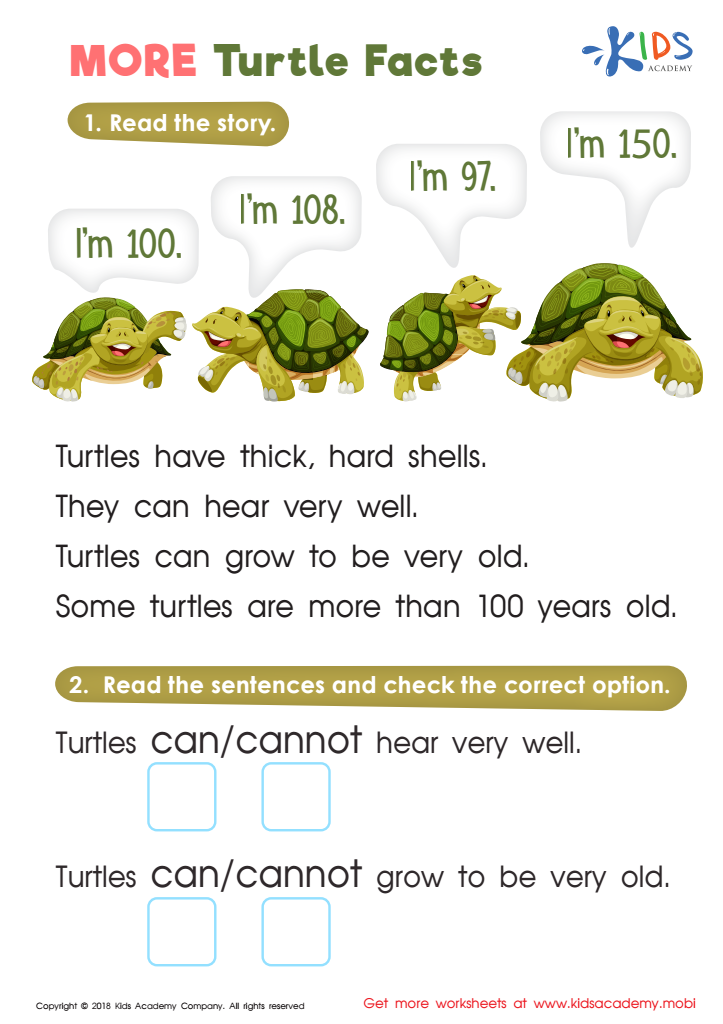
More Turtle Facts Worksheet
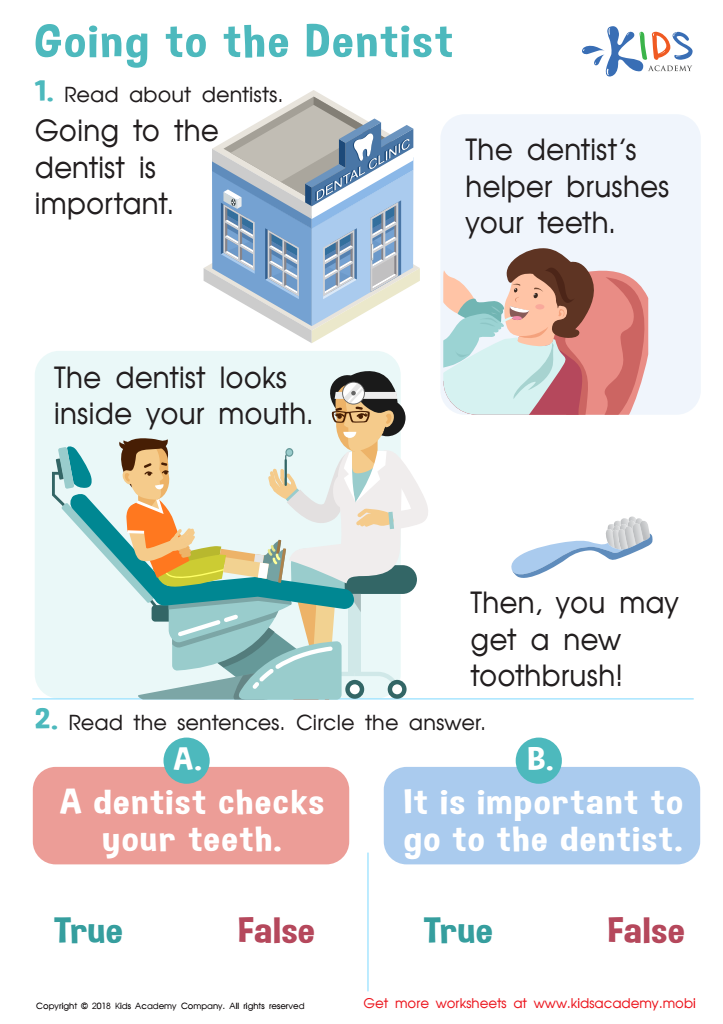
Going to the Dentist Part 2 Worksheet
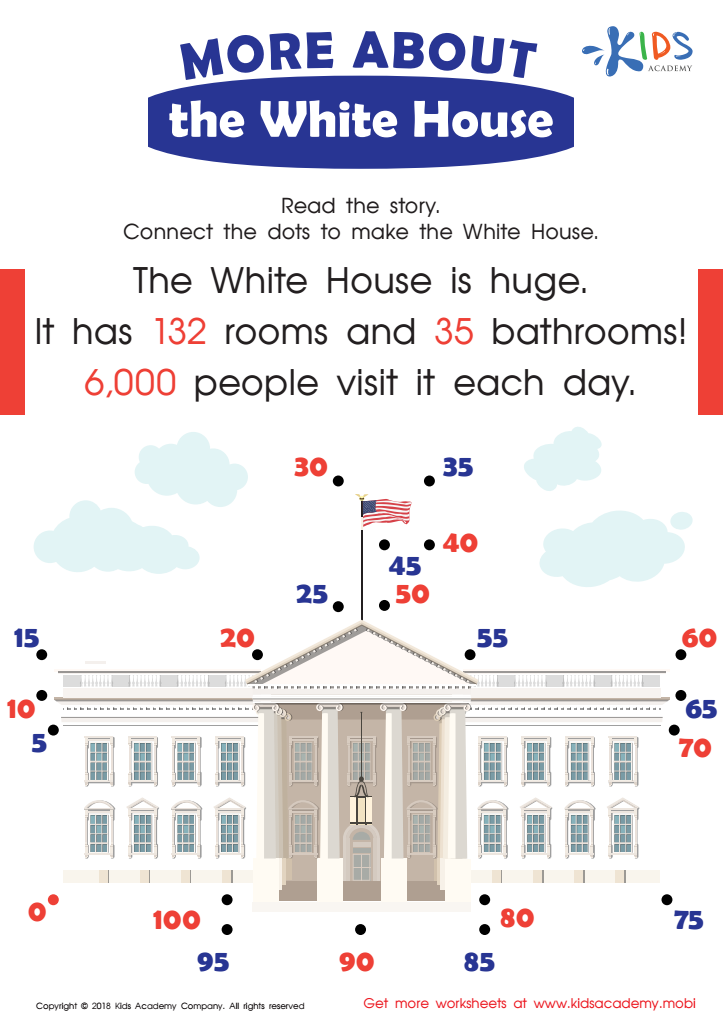
More About the White House Worksheet








Parents and teachers should prioritize reading comprehension in easy non-fiction texts for children aged 6-8 due to its pivotal role in overall educational development. At this crucial stage, children are developing foundational literacy skills, and non-fiction helps them engage with the real world, cultivating curiosity and critical thinking. These texts introduce young learners to diverse topics, promoting knowledge in areas like science, history, and culture.
Enhanced reading comprehension supports vocabulary growth and better retention of facts, empowering children to savor the joy of reading while building essential skills for academic success. Furthermore, effective comprehension strategies nurture the ability to ask questions, make connections, and draw conclusions, laying a groundwork for analytical thinking.
Moreover, exposure to non-fiction texts in early childhood fosters a sense of responsibility for gaining knowledge, encouraging active learning beyond the classroom. A well-rounded understanding of various subjects at a young age also spurs engagement in classroom discussions and enhances emotional and social development by providing context for their world. Ultimately, prioritizing reading comprehension in easy non-fiction nurtures avid readers and lifelong learners, ensuring children are well-equipped to navigate and understand the complexities of the world around them.







