Fine Motor Skills Easy Science Worksheets for Ages 6-8
4 filtered results
Difficulty Level
Grade
Age
-
From - To
Subject
Activity
Standards
Discover engaging science worksheets designed specifically for children ages 6-8 to enhance their fine motor skills. At Kids Academy, we offer fun and educational activities that captivate young minds while refining essential hand-eye coordination and dexterity. Our worksheets include interactive puzzles, tracing exercises, and simple experiments that promote critical thinking and fine motor development. Perfect for early learners, these resources seamlessly blend learning with play, providing an enjoyable and effective way for kids to explore basic scientific principles. Visit our site to download and print these easy, ready-to-use worksheets that support both learning and motor skill mastery.
Favorites
With answer key
Interactive
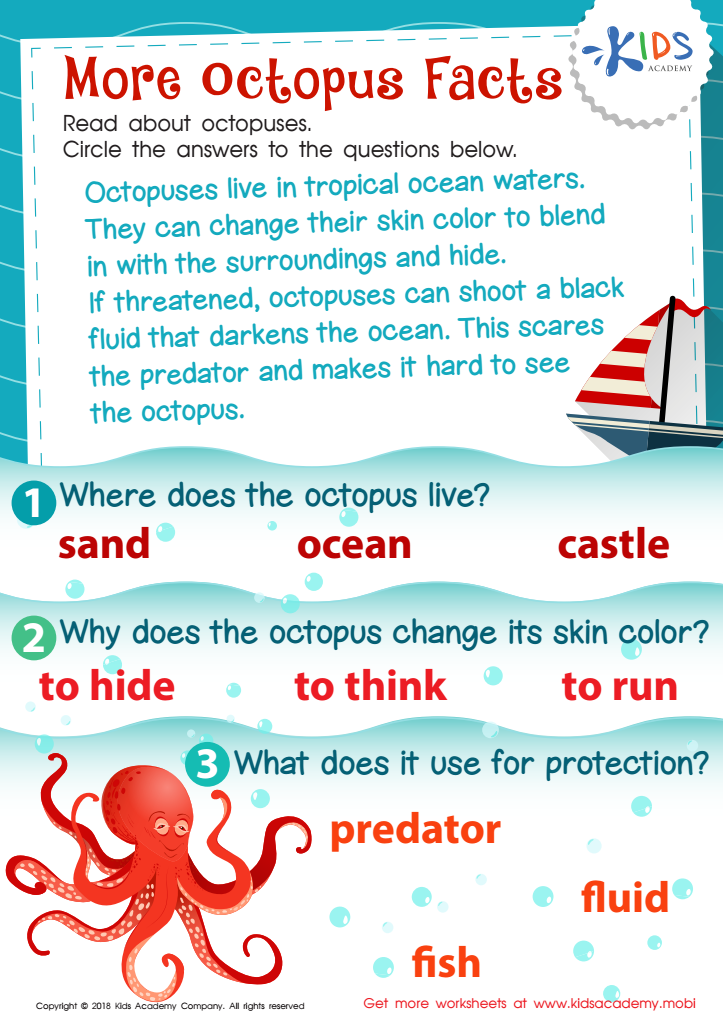
More Octopus Facts Worksheet
This worksheet will help your kids learn about the Octopus. Read the text carefully and have kids read with you. Now, ask them questions based on it and help them answer them by circling the right choices. Teaching your kids facts about animals will help them in the long run.
 Assign to My Students
More Octopus Facts Worksheet
Worksheet
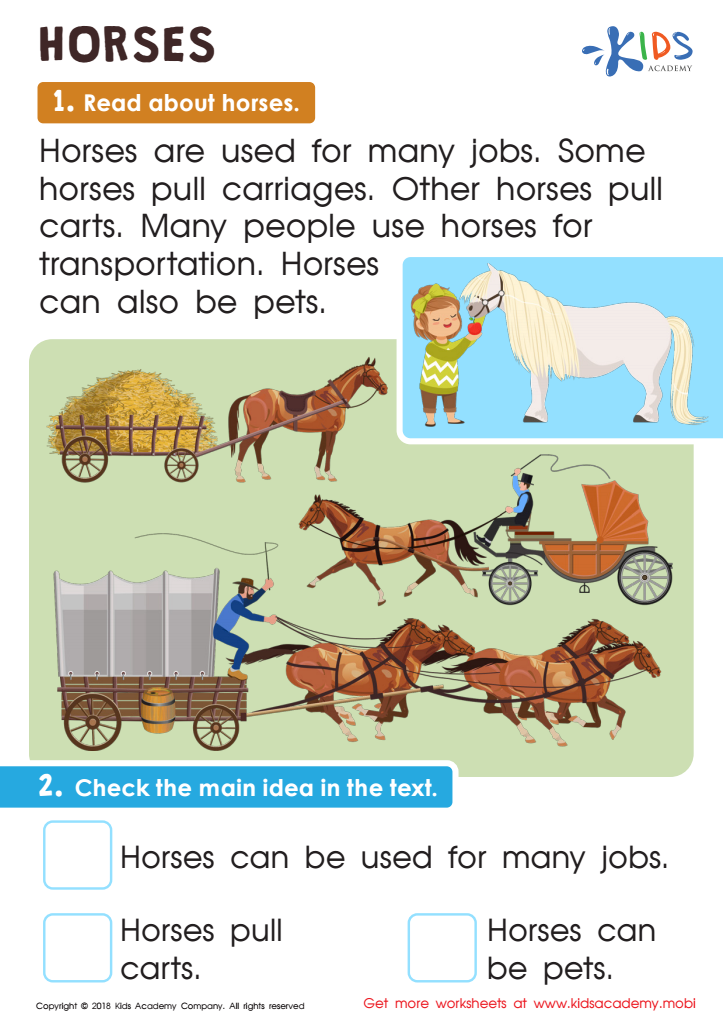
Horses Worksheet
Help your little reader differentiate between details and the main idea with this fun worksheet about horses. Kids will be excited to learn about the different roles horses play. To ensure they understand the overall concept, discuss it before having them choose the right statement at the end.
Horses Worksheet
Worksheet
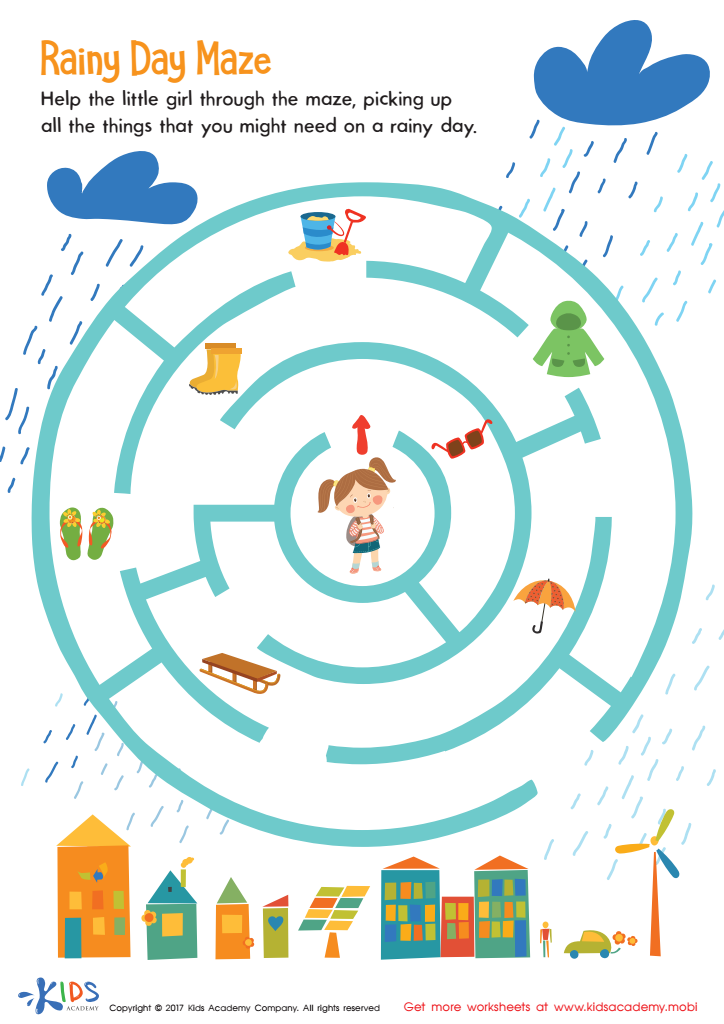
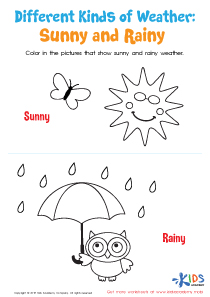
Rainy Day Maze Worksheet
Help your child use critical and problem solving skills to choose the right items! With this fun rainy day worksheet, they'll have a blast helping the character in the maze while learning about weather. Let’s get started!
Rainy Day Maze Worksheet
Worksheet
Join Kids Academy for Free
Who is primarily going to use this learning content?







Fine motor skills are crucial for children's overall development, and integrating these skills with easy science activities for ages 6-8 offers multiple benefits. At this age, children are still refining their ability to perform precise movements using the small muscles in their hands and fingers. These skills are fundamental for everyday tasks such as writing, cutting with scissors, tying shoelaces, and buttoning clothes.
Why should parents and teachers care? First, developing fine motor skills enhances academic readiness. Easier manipulation of pencils and scissors can make a substantial difference in a child’s performance and enjoyment of school tasks, fostering a positive attitude toward learning. Engaging in science activities like sorting small objects, using tweezers to move items, or conducting simple experiments can significantly improve these skills through practical, hands-on experience.
Secondly, fine motor development supports cognitive growth. These science activities often require children to follow step-by-step instructions, plan sequences of actions, and pay close attention to detail, all of which contribute to cognitive skills such as critical thinking and problem-solving.
Finally, achieving proficiency in fine motor skills boosts self-esteem and independence. Children feel more confident and autonomous when they can accomplish tasks on their own. Combining these skills with the natural curiosity-driven joy of science creates a powerful, engaging learning environment that fosters both intellectual and motor development.