Basic counting skills Easy Worksheets for Ages 6-9
6 filtered results
-
From - To
Develop essential counting skills with our easy-to-use worksheets for children aged 6-9. At Kids Academy, we've curated a variety of engaging counting activities designed to make learning fun and effective. From counting objects to simple addition and subtraction, these printable worksheets are perfect for early learners. Each sheet builds foundational math skills, promoting accuracy and confidence. Whether used at home or in the classroom, our resources provide children with the practice they need to excel in numeracy. Visit our website to explore and download our high-quality, easy worksheets that support fundamental counting abilities.
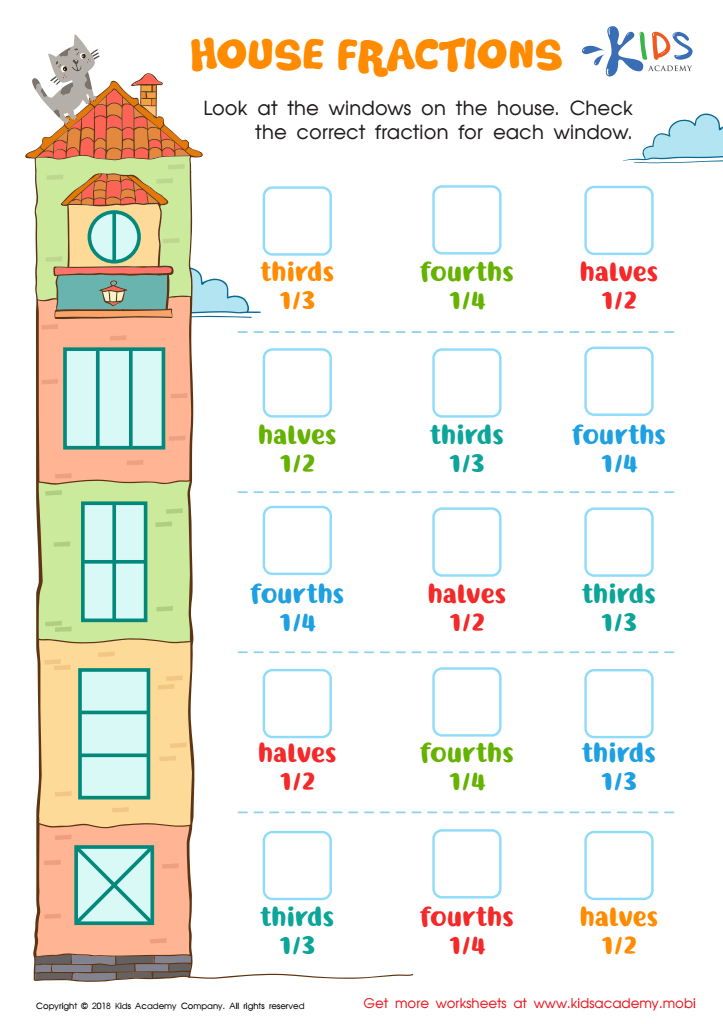
House Fractions Worksheet
 Assign to My Students
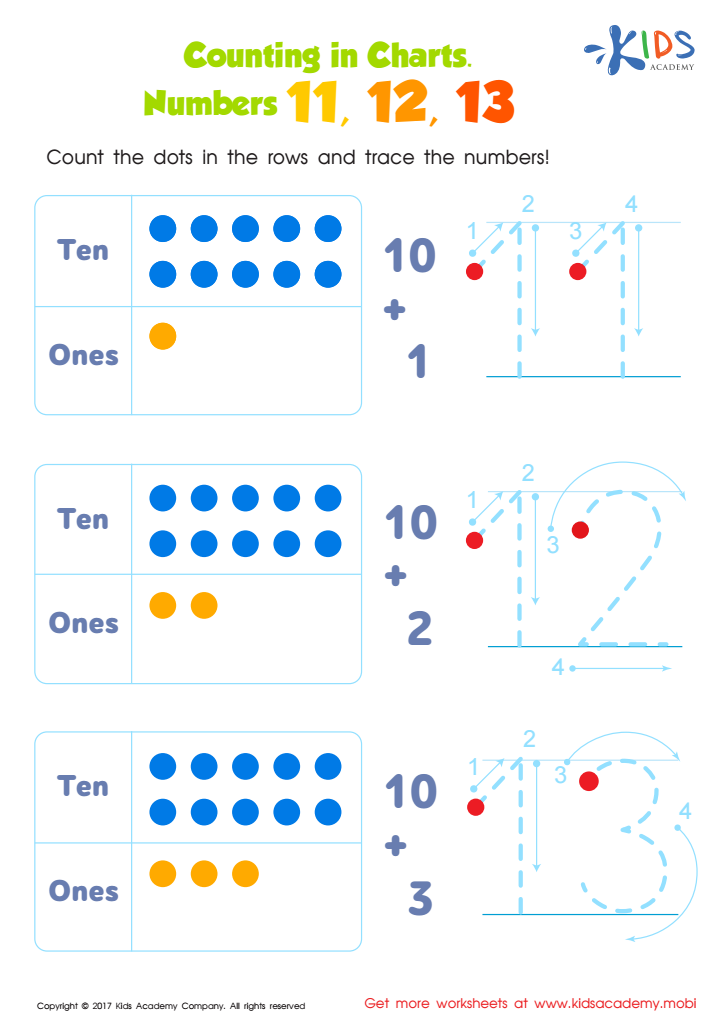
Number Tracing Worksheet For Kindergarten
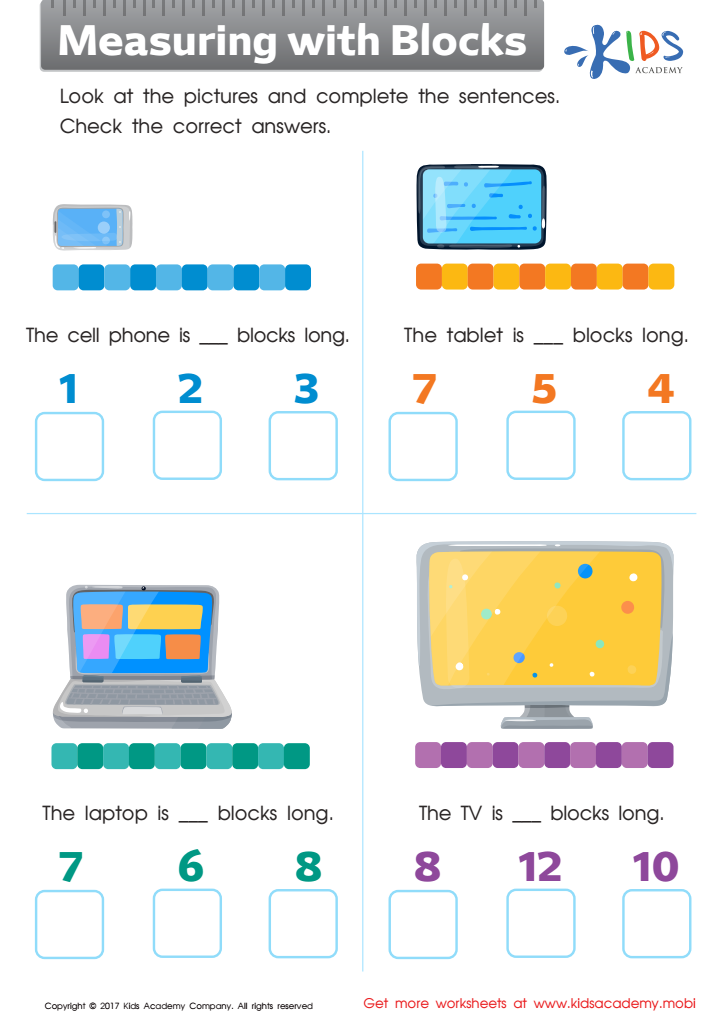
Measuring with Blocks Worksheet
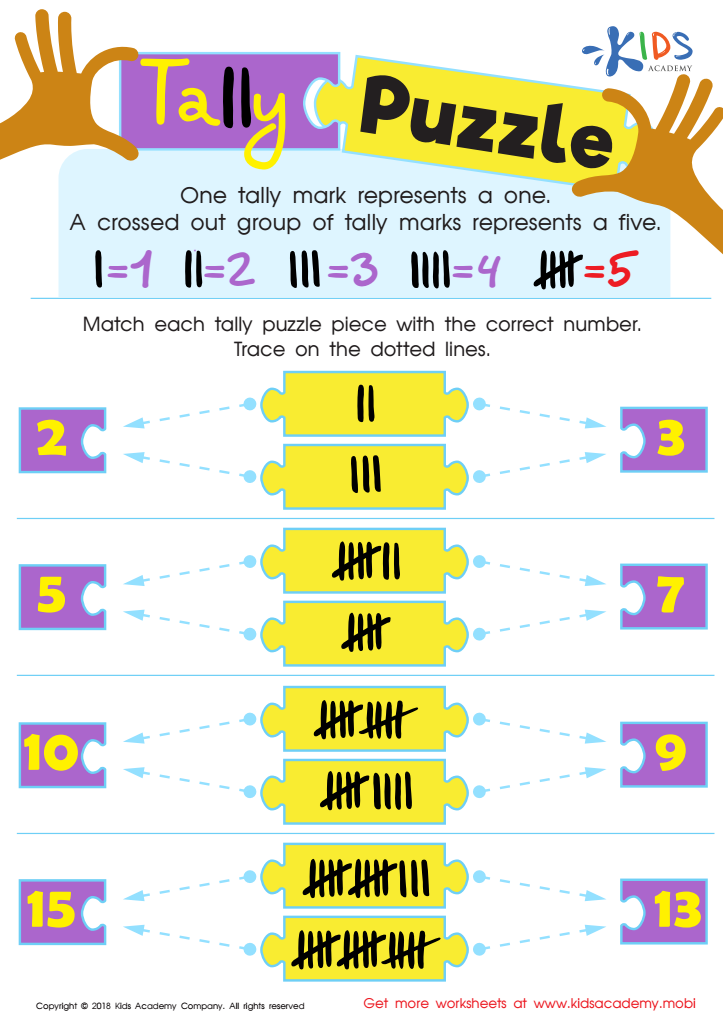
Tally Puzzle Worksheet
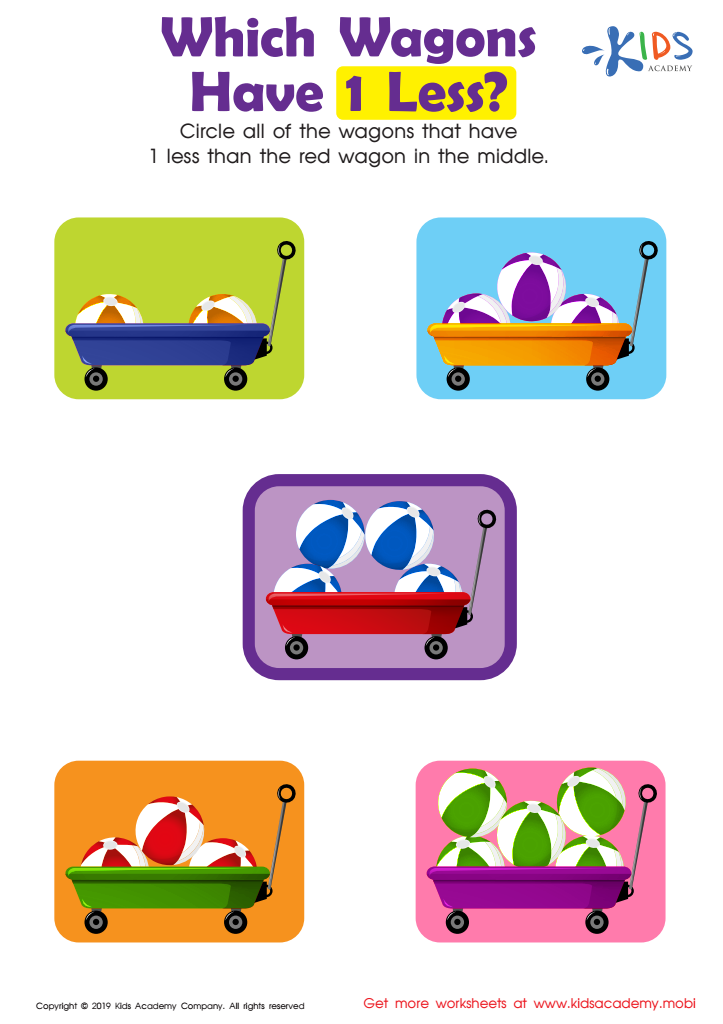
Which Wagons Have 1 Less? Worksheet






Basic counting skills are foundational to a child's overall math development and critical for ages 6-9. During these early years, children are building the core competencies that will support their understanding of more complex mathematical concepts later on. Mastering basic counting helps children visually and cognitively grasp the concept of quantity, order, and one-to-one correspondence, which are vital for their numeric literacy.
For parents and teachers, prioritizing basic counting skills means fostering a positive relationship with math from the outset. Counting is often a child's first interaction with mathematics and can shape their attitude towards the subject. Engaging counting activities, like counting objects, playing counting games, or singing counting songs, can make learning enjoyable and less intimidating for young learners.
Additionally, proficiency in counting lays the groundwork for arithmetic operations such as addition and subtraction. It helps children understand patterns, develop problem-solving skills, and commence logical reasoning. In a classroom setting, confident counting also facilitates group activities and participation, boosting social and communication skills as children compare quantities and counts together.
Finally, early counting skills are highly relevant for everyday tasks, such as time management, handling money, and following sequences. Thus, equipping children with strong basic counting abilities early on helps them feel competent and prepared for both academic and real-world challenges.








