Motor skills development Easy Worksheets for Ages 6-9
8 filtered results
-
From - To
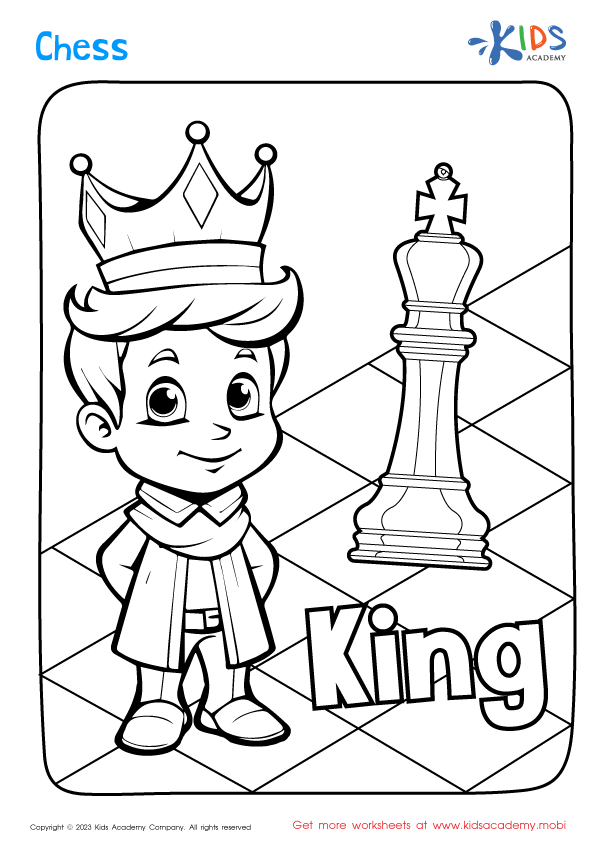
Enhance your child's fine motor skills with our Motor Skills Development Easy Worksheets for Ages 6-9. Specially designed to improve dexterity, hand-eye coordination, and precision, these engaging activities feature fun, educational tasks that children will love. From tracing shapes to intricate drawing prompts, each worksheet gradually increases in complexity to match your child's growing abilities. Perfect for home or classroom use, our worksheets provide the ideal support for bright, young minds. Promote skillful, confident hands with Kids Academy's delightful motor skills worksheets, and watch your child's creativity and competence soar!

A Fox and Bird Coloring Page
 Assign to My Students
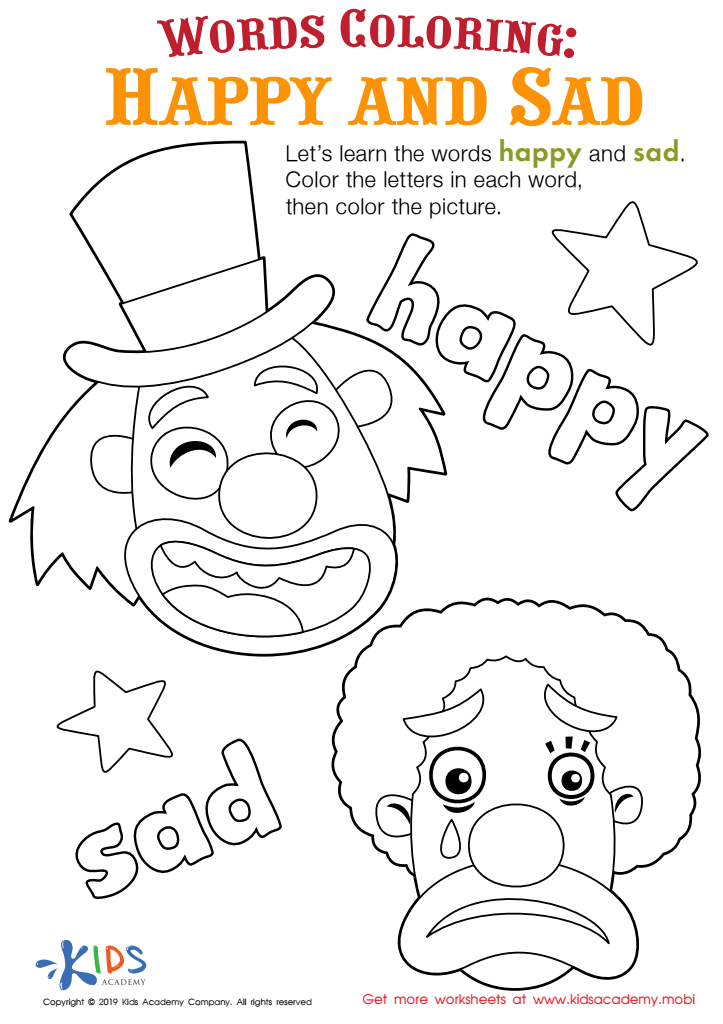
Happy and Sad Words Coloring Worksheet
Assign to My Students
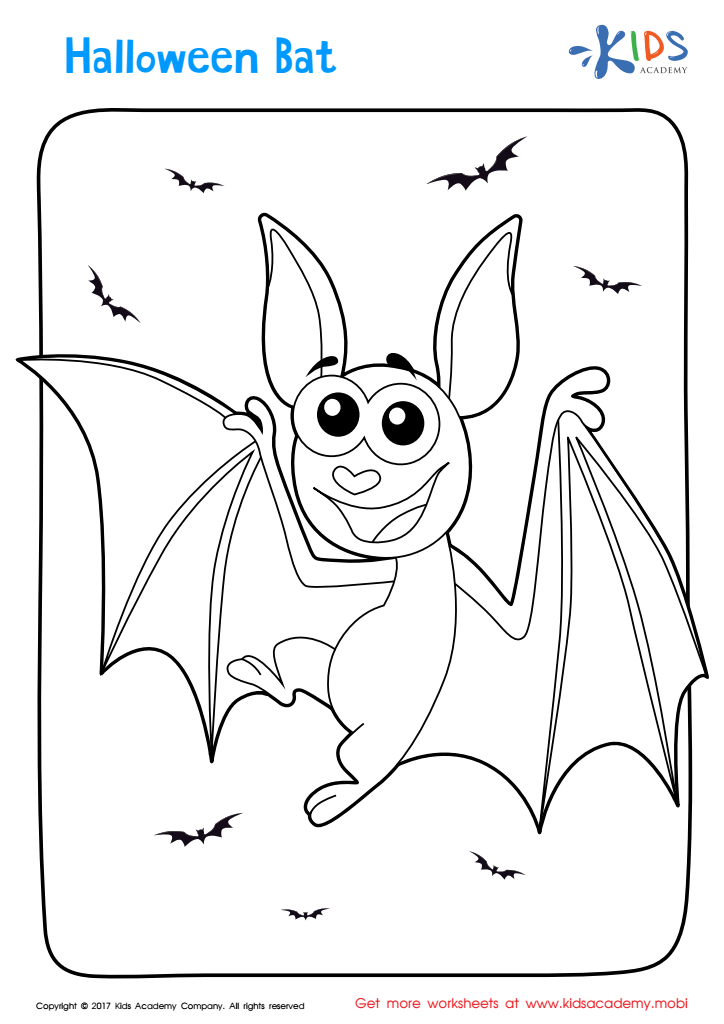
Halloween: A Bat Printable
Assign to My Students
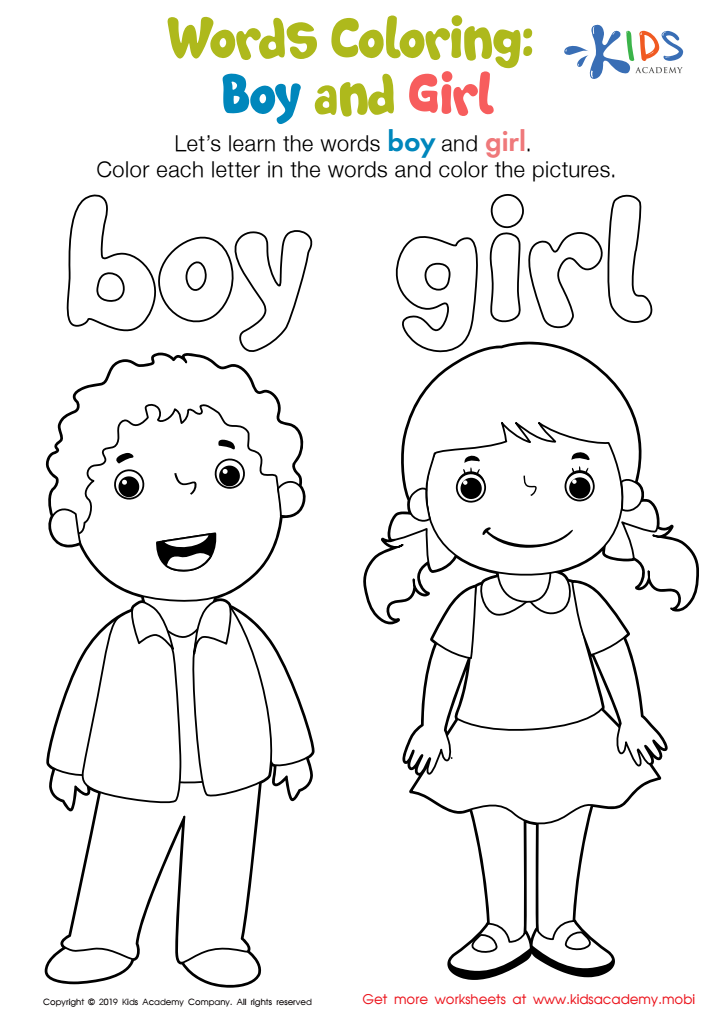
Boy and Girl Words Coloring Worksheet
Assign to My Students

Dot to Dot Worksheet for 3rd Grade
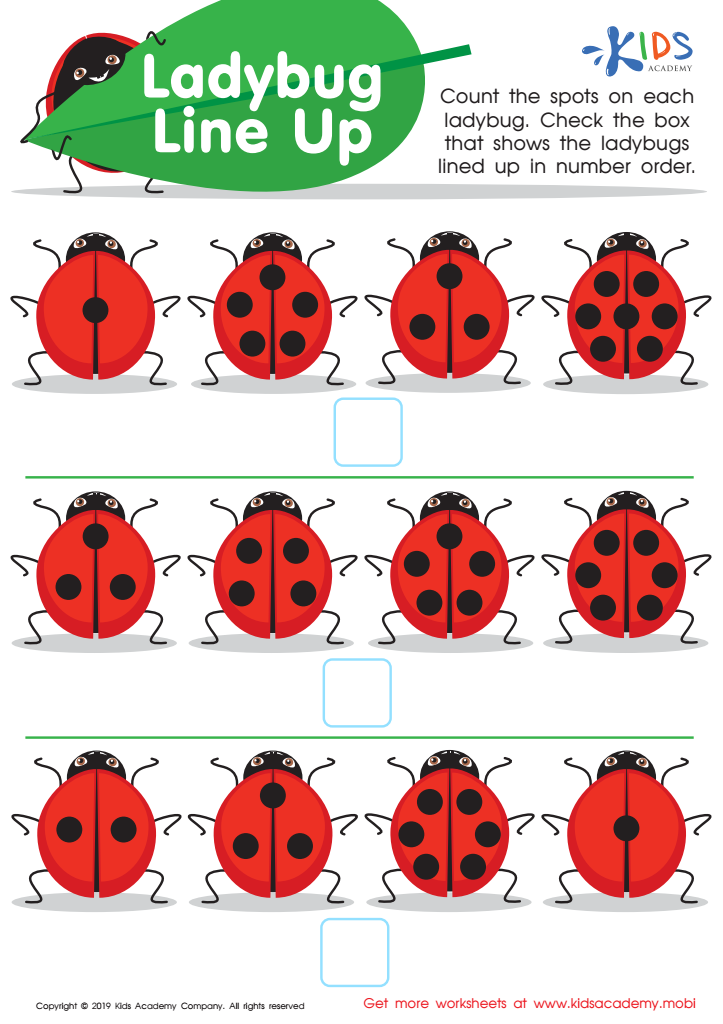
Ladybug Line Up Worksheet

Picnic Time Coloring Page
Assign to My Students








Motor skills development is crucial for children ages 6-9 as it lays the foundation for their overall growth and daily functioning. Fine motor skills involve the coordination of small muscles in movements—usually involving synchronizing the hands and fingers with the eyes. Gross motor skills involve the larger muscles used for activities such as running, jumping, and balancing.
For parents and teachers, focusing on motor skills development is important because it impacts a child's ability to perform everyday tasks. Fine motor skills are necessary for writing, drawing, and using utensils, which are essential for academic success and self-sufficiency. Likewise, strong gross motor skills support overall physical health and the ability to engage in playful and social activities, which bolster emotional and mental well-being.
Motor skills also enhance cognitive development. Activities that improve these skills often involve planning and problem-solving, leading to improved focus, memory, and critical thinking. Children who develop these skills early are generally more confident and have higher self-esteem because they can independently complete tasks and participate in physical activities.
Therefore, it’s important for both parents and teachers to engage children in activities that promote motor skills development—like cutting paper, playing sports, and interactive games. This investment yields long-term benefits for children’s academic progression, physical health, and social interaction skills.








