Vocabulary Building Easy Worksheets for Ages 6-9
7 filtered results
-
From - To
Looking to expand your child's vocabulary in a fun and engaging way? Our "Vocabulary Building Easy Worksheets for Ages 6-9" are the perfect solution! Specially designed for young learners, these worksheets help children enhance their language skills through exciting activities, word games, and puzzles. Each worksheet focuses on introducing new words, improving spelling, and enhancing word comprehension tailored to kids aged 6-9. A blend of colorful illustrations and interactive tasks will keep your child motivated and eager to learn. Unlock your child's potential and watch their vocabulary blossom with our expertly crafted resources!
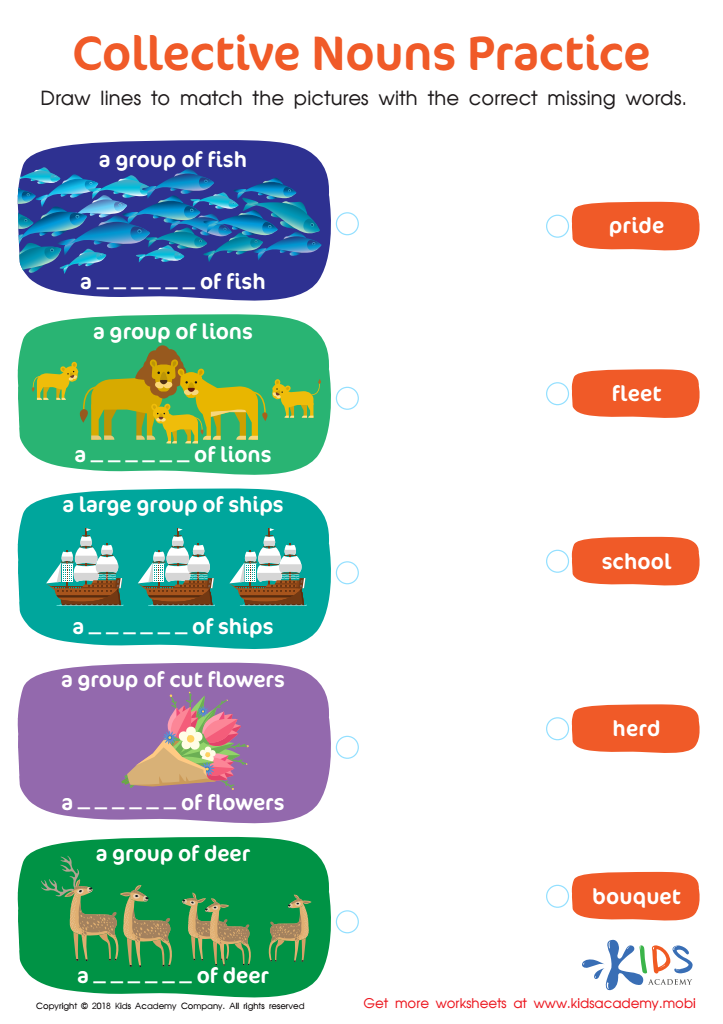
Collective Nouns Practice Worksheet
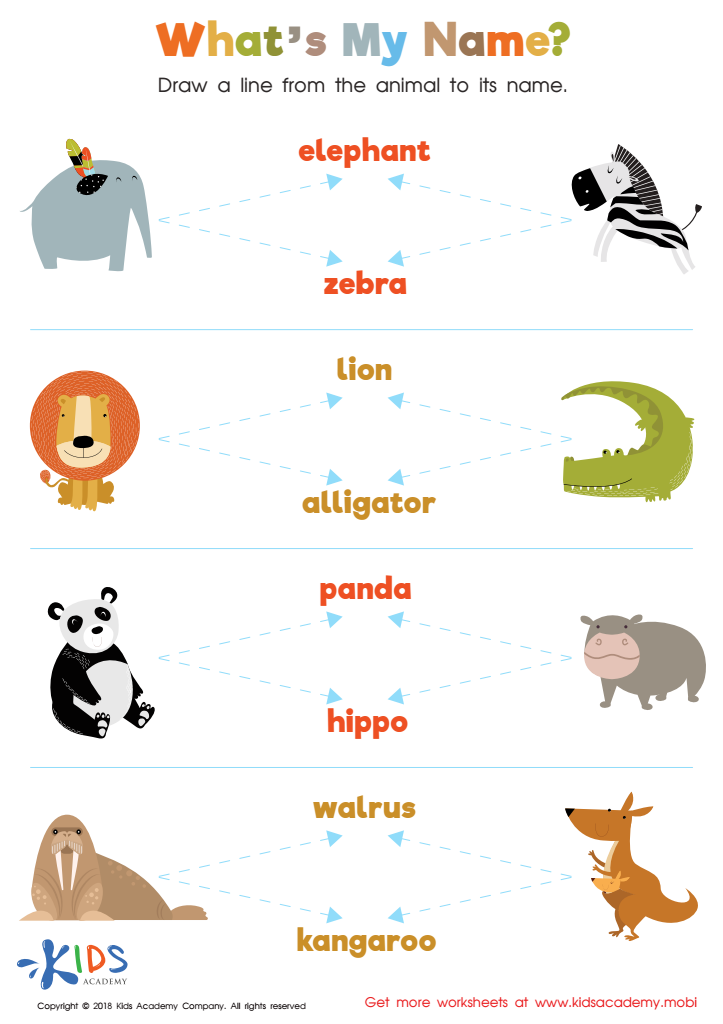
Animals and Their Names Worksheet
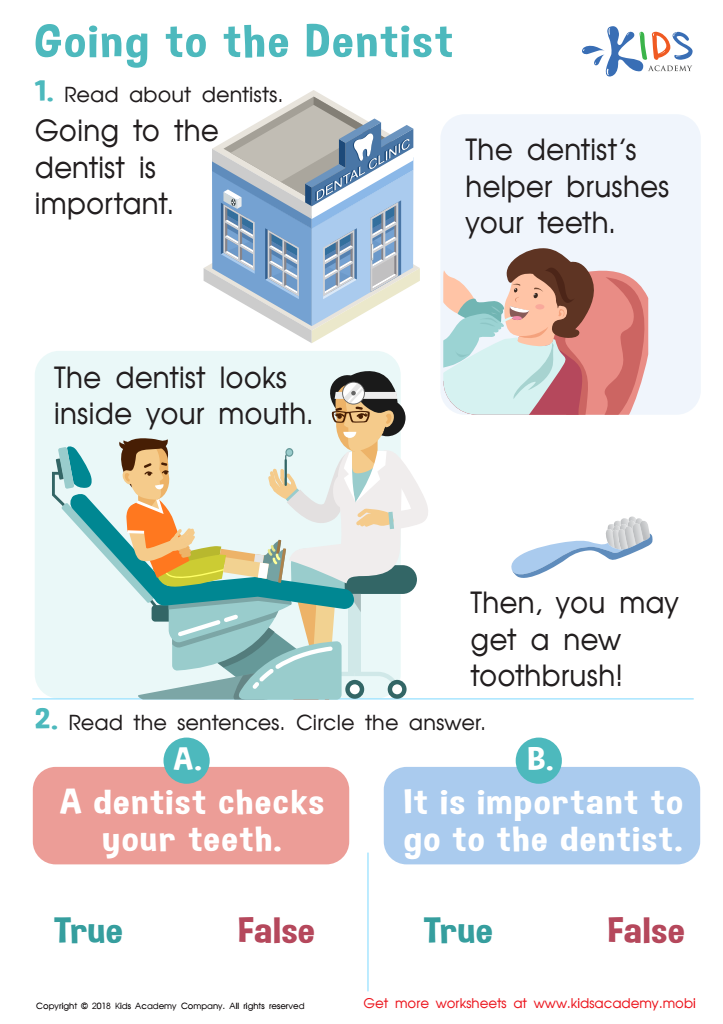
Going to the Dentist Part 2 Worksheet
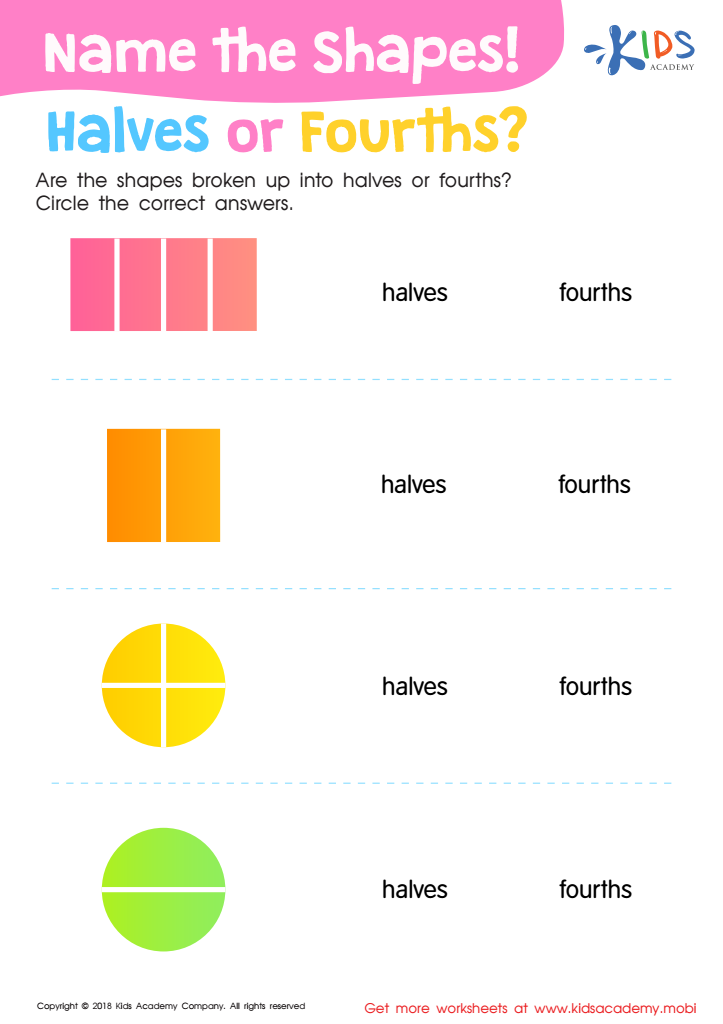
Name the Shapes Halves or Fourths? Worksheet
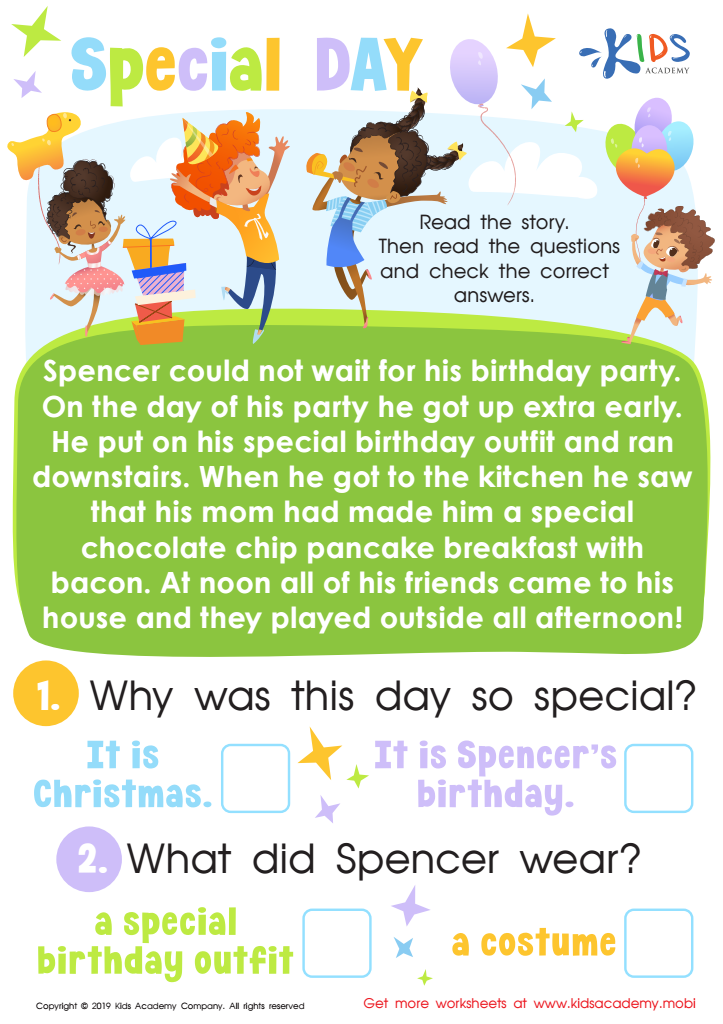
Special Day Worksheet
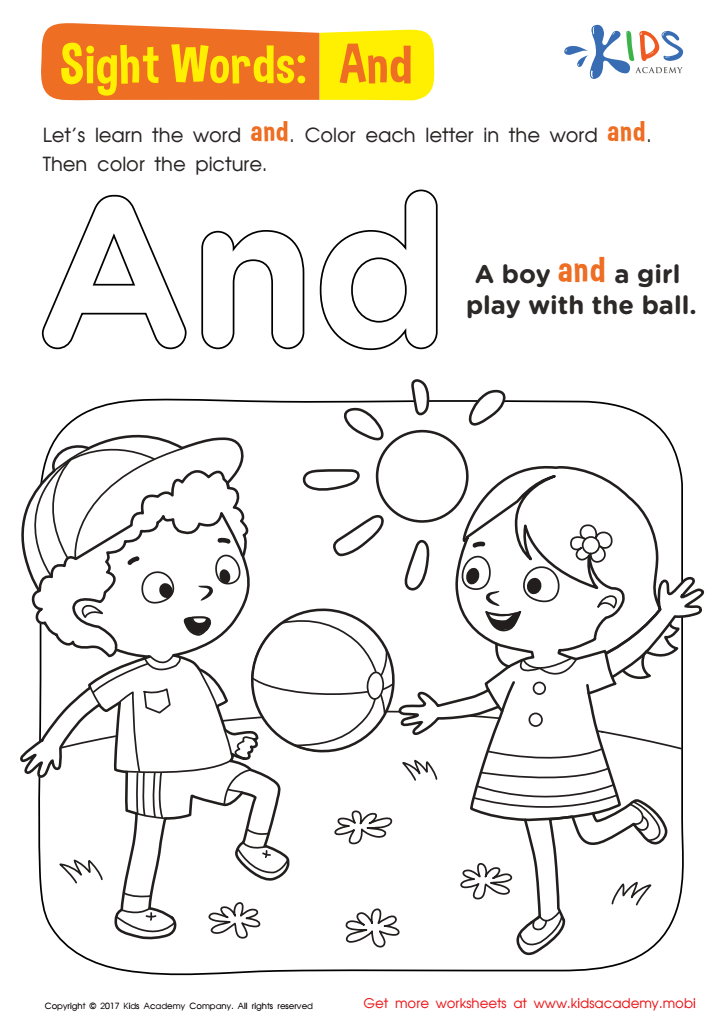
And Worksheet Sight Words Worksheet
 Assign to My Students








Parents and teachers should care about vocabulary building for ages 6-9 because it is a crucial period for language development. A strong vocabulary serves as the foundation for reading comprehension, effective communication, and academic success across various subjects. During this critical stage, children are like sponges, absorbing and making connections with words at an astonishing rate. Enhancing their vocabulary can nurture curiosity, improve expressive and receptive language skills, and boost their confidence in both academic and social settings.
A rich vocabulary equips children to better understand instructions, participate in class discussions, and express their ideas more clearly and accurately. It also helps them decode new words while reading, thus improving their ability to understand and enjoy literature, further fostering a love for reading. Moreover, a strong vocabulary is linked to higher writing proficiency, enabling children to convey their thoughts more precisely and creatively.
Early vocabulary development can also bridge educational inequalities by providing all children, regardless of background, a common ground to succeed academically. Engaging activities such as reading aloud, interactive word games, and classroom discussions can make vocabulary building fun and effective. In turn, this sets children up for long-term educational and life success by creating strong foundational linguistic and cognitive skills.








