Following instructions Easy Math Worksheets for Ages 6-9
7 filtered results
-
From - To
Boost your child's math learning with our "Following Instructions Easy Math Worksheets for Ages 6-9". Expertly designed for young learners, these engaging and fun activities help children develop critical math skills through simple instructions. Perfect for kids aged 6 to 9, each worksheet promotes independence, problem-solving, and attention to detail. From addition and subtraction to pattern recognition and basic geometry, these easy-to-follow exercises offer a step-by-step approach that makes learning math enjoyable and effective. Ideal for both homeschooling families and teachers seeking additional practice material, our worksheets ensure a solid foundation in math. Get started today!
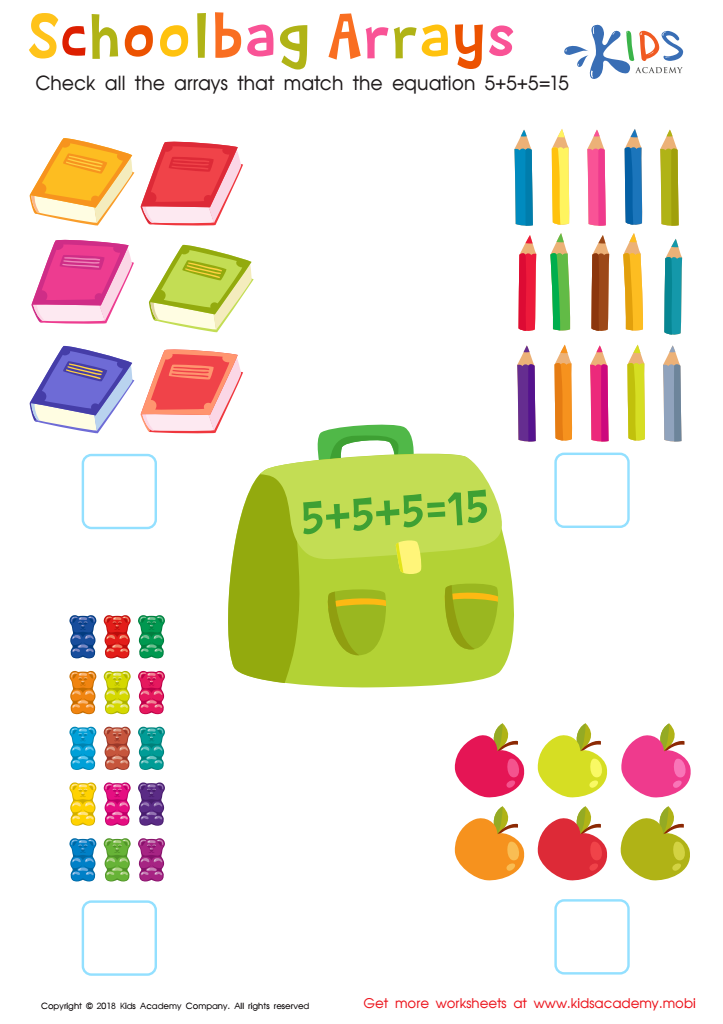
Schoolbag Arrays Worksheet
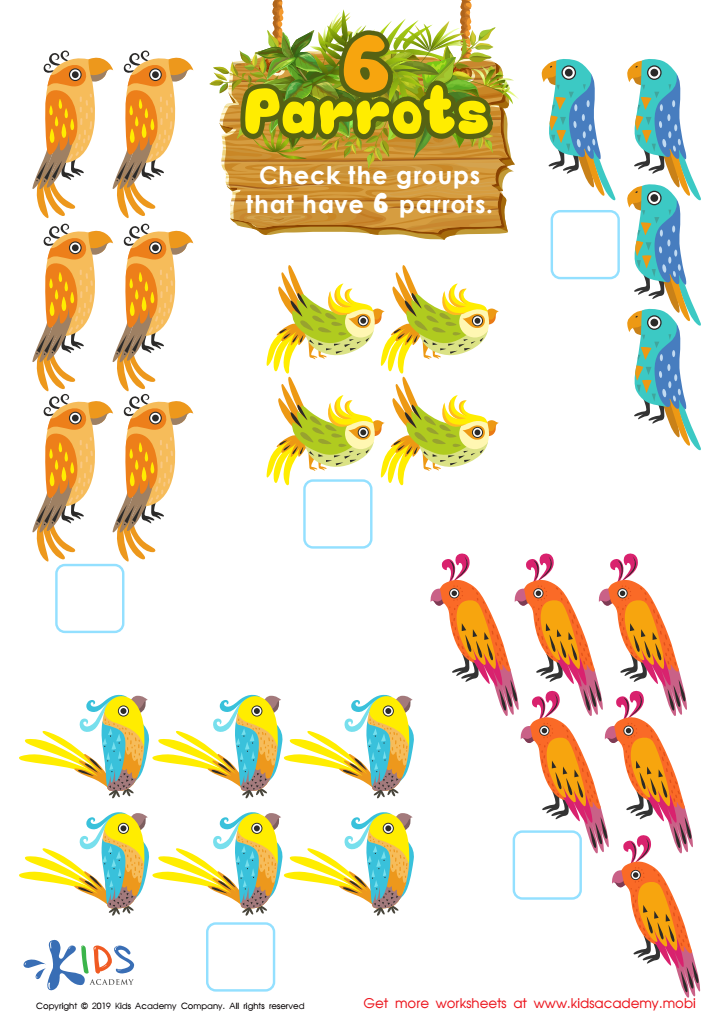
6 Parrots Worksheet
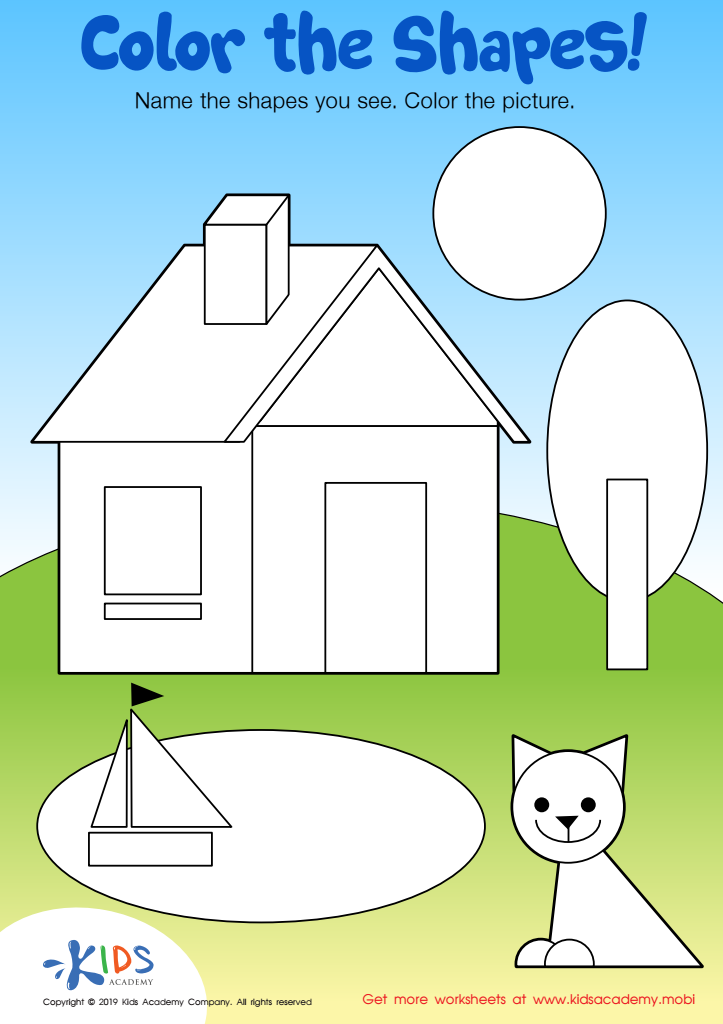
Color the Shapes Worksheet
 Assign to My Students
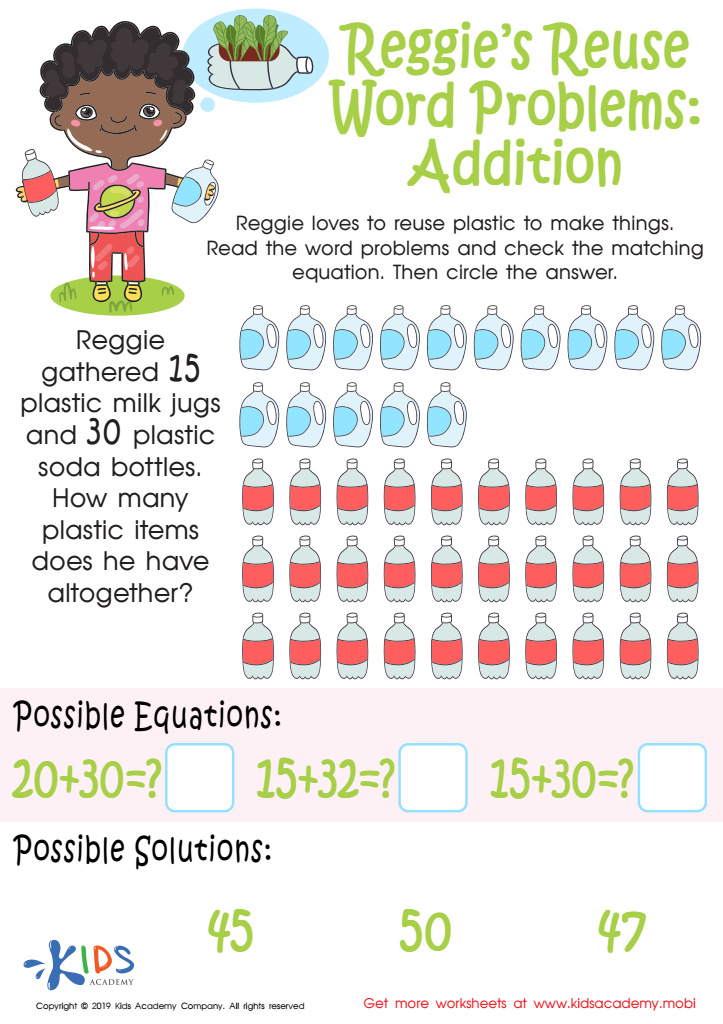
Reggie's Reuse Word Problems: Addition Worksheet
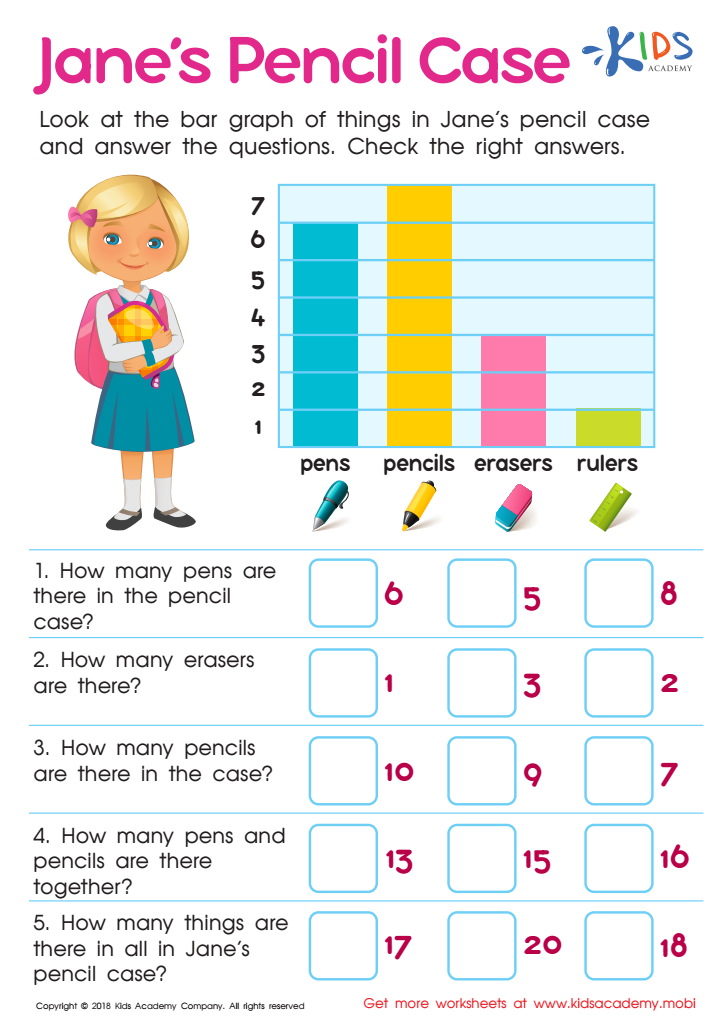
Jane's Pencil Case Worksheet
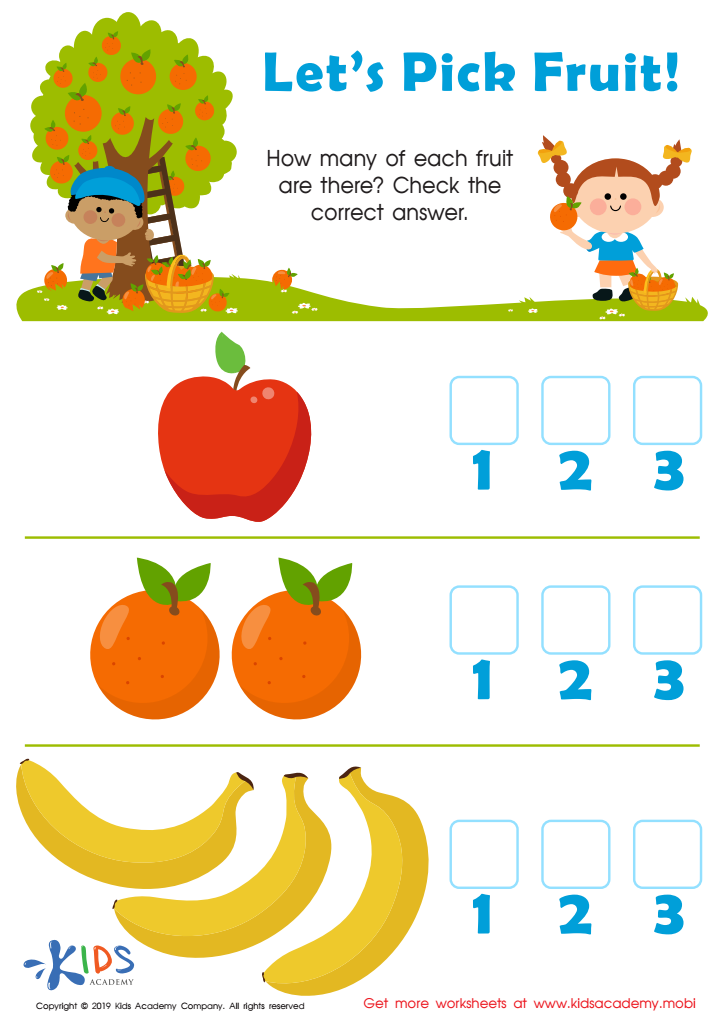
Let's Pick Fruit Worksheet
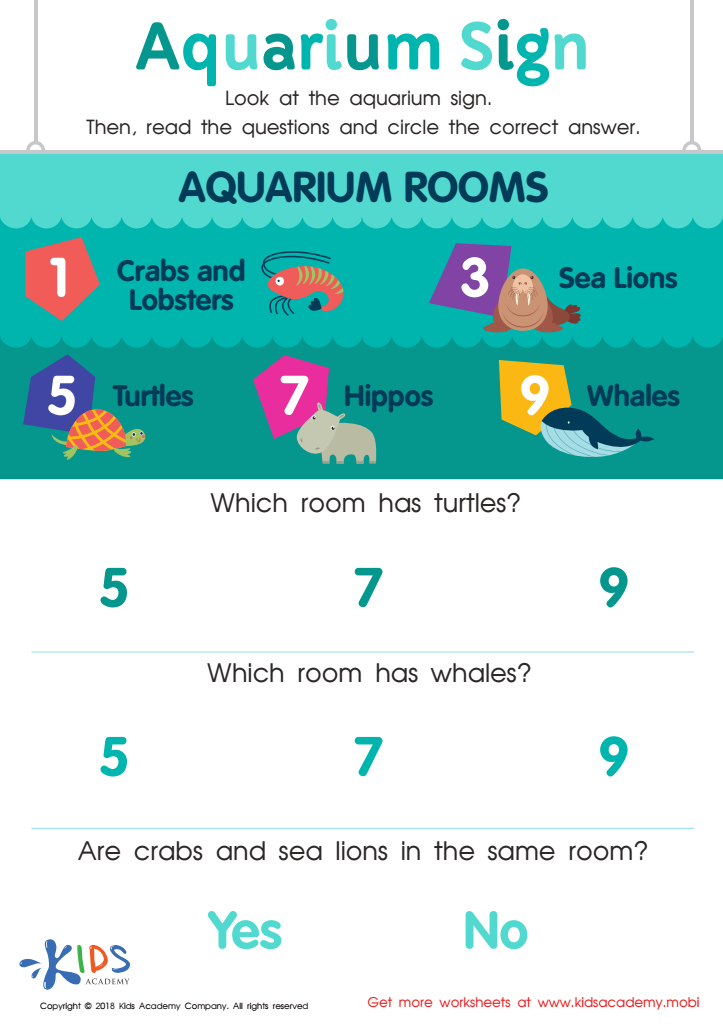
Assessment: Aquarium Sign Worksheet




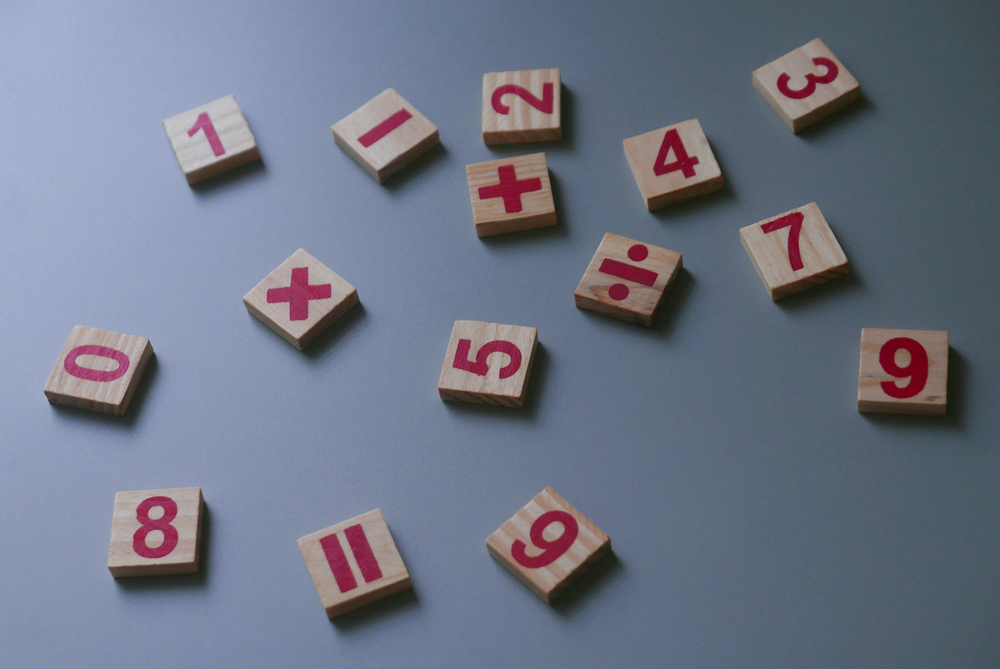



Following instructions in easy math activities for children aged 6-9 is critical for several reasons. It builds a strong foundation for future learning and instills essential skills such as attention to detail, problem-solving, and critical thinking. When children learn to follow instructions accurately, they develop the ability to understand complex directions and apply them effectively, a skill that is indispensable in all areas of life and learning.
In math, following instructions is not just about getting the right answer; it's about understanding the processes and methods used to arrive at that answer. This understanding lays the groundwork for more complex mathematical concepts that children will encounter as they advance in their education. By prioritizing instructional comprehension, parents and teachers help children develop patience and persistence, which are crucial traits for tackling more challenging problems in the future.
Moreover, mastering the focus required to follow instructions in math can boost a child's confidence, leading to a more positive attitude towards the subject. It encourages a love for learning and curiosity about how things work, which can translate into academic success across various subjects. Therefore, caring about following instructions in easy math activities ensures that children not only develop mathematical skills but also vital life skills that contribute to their overall growth.








