Shape Recognition Easy Math Worksheets for Ages 6-9
20 filtered results
-
From - To
Enhance your child's geometry skills with our "Shape Recognition Easy Math Worksheets for Ages 6-9." Designed to make learning fun and engaging, these printable worksheets help kids identify, compare, and classify different shapes. Featuring colorful illustrations and interactive activities, they are perfect for building foundational math skills. Ideal for classroom use or at-home practice, these resources promote critical thinking and problem-solving abilities. Encourage your young learners' curiosity and boost their confidence with these exciting shape recognition exercises, crafted by educational experts to meet the developmental needs of children ages 6-9.
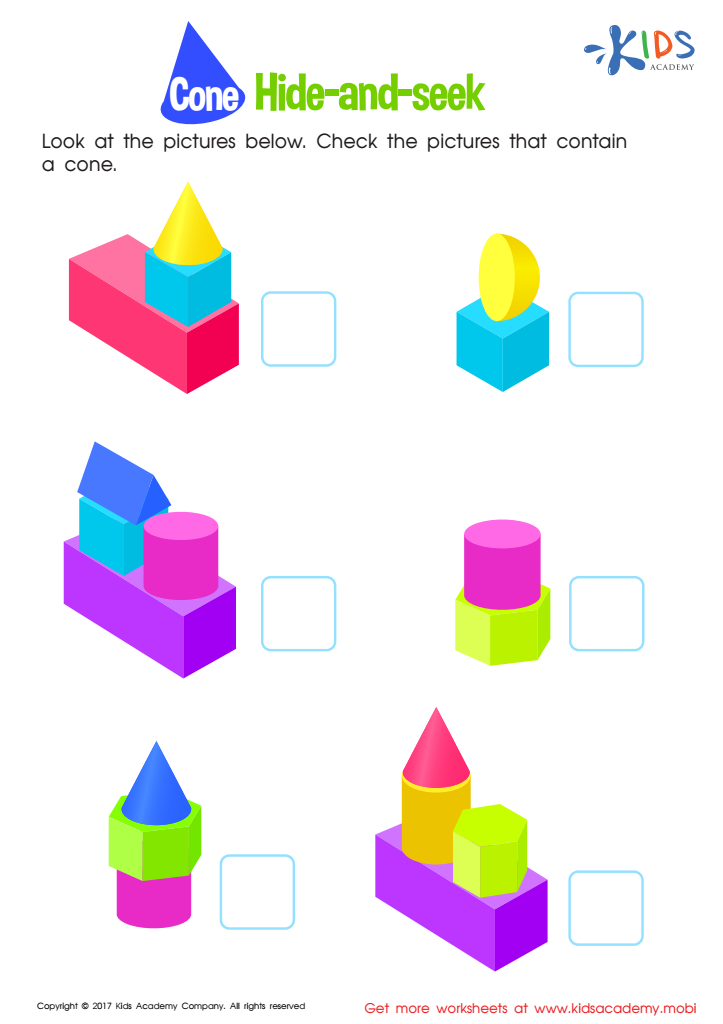
Cone Hide-and-Seek Worksheet
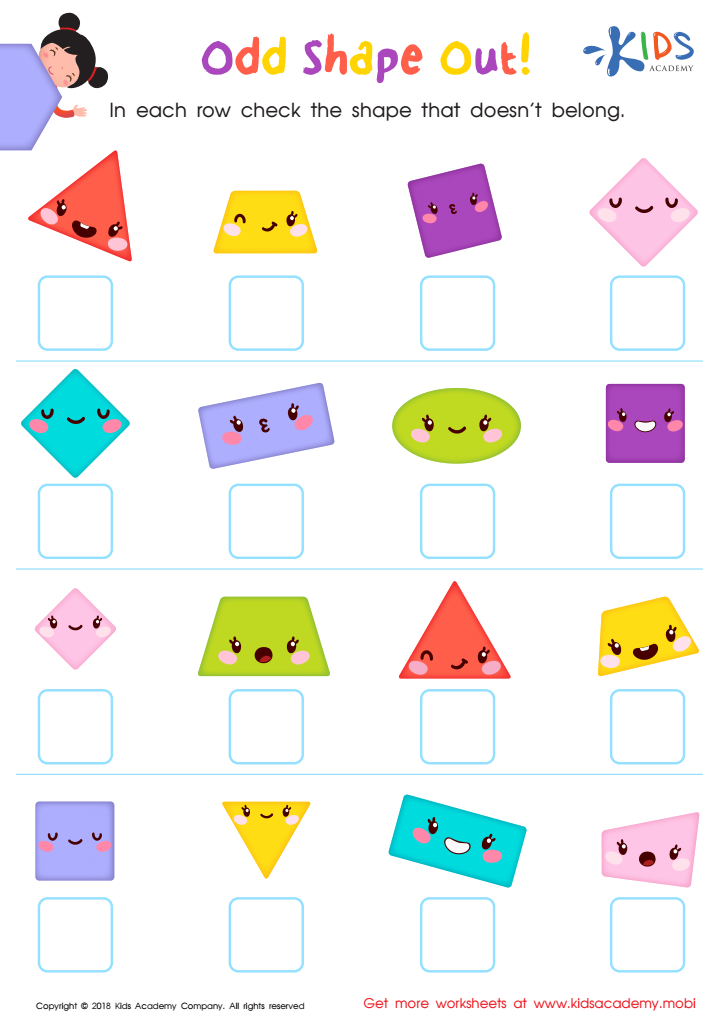
Odd Shape Out Worksheet for Grade 3
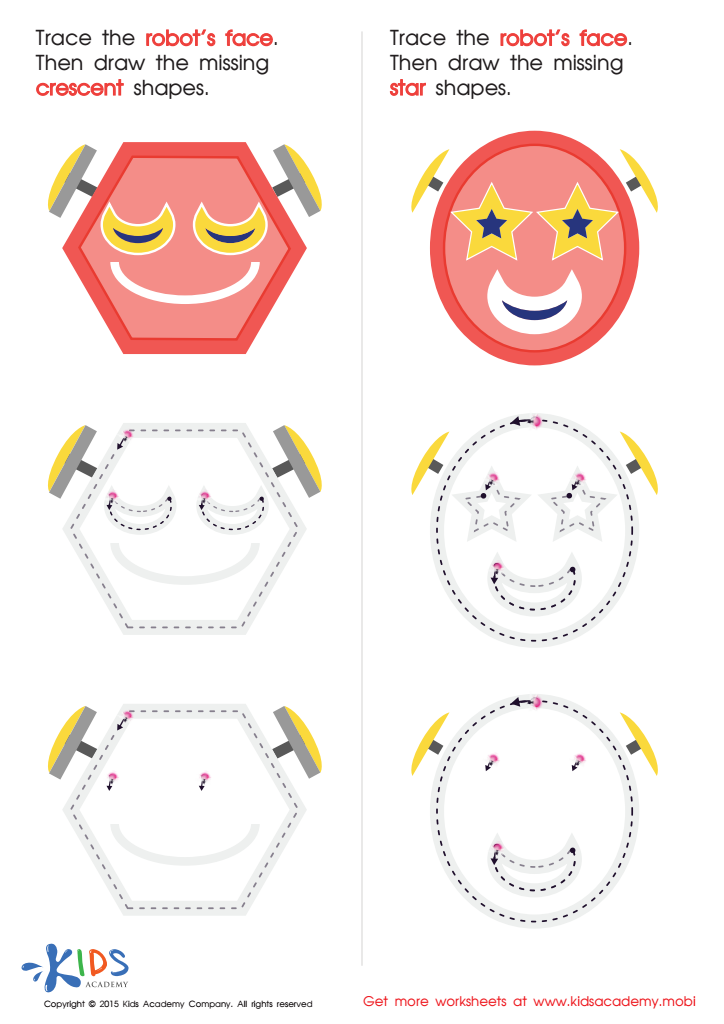
Composing a Robot's Face of Crescents And Stars Worksheet
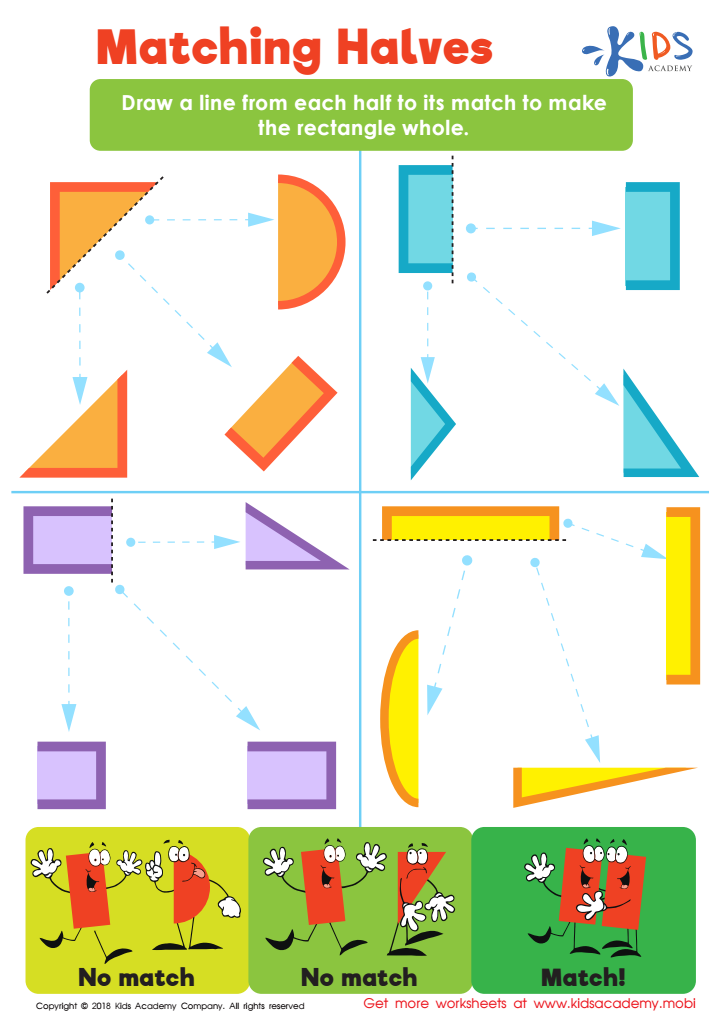
Matching Halves Worksheet
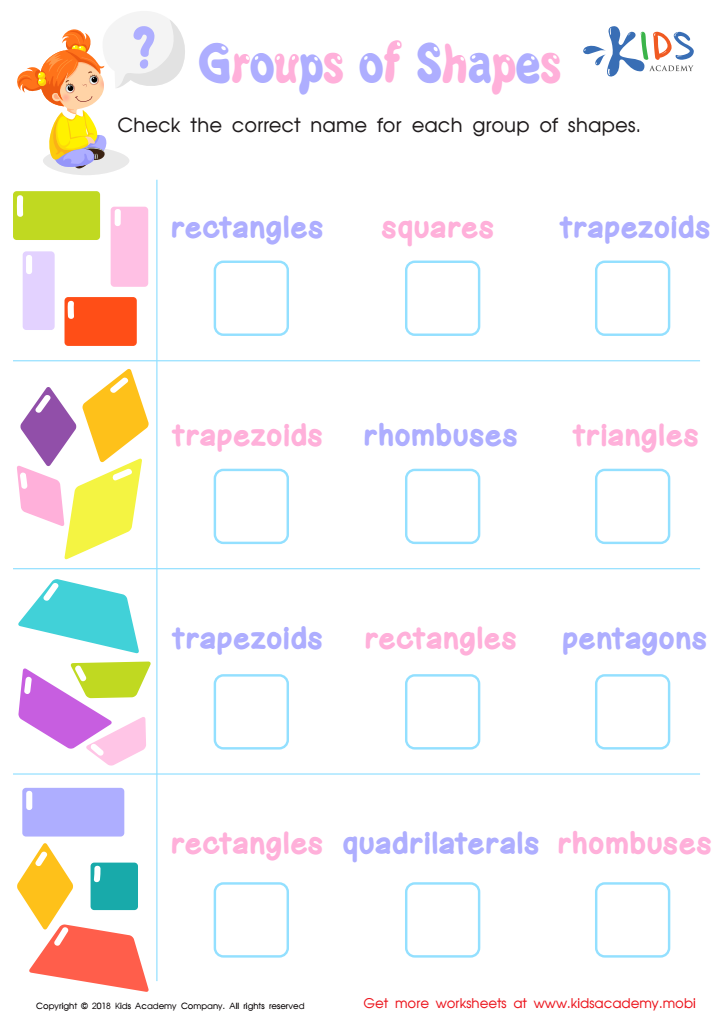
Groups of Shapes Worksheet
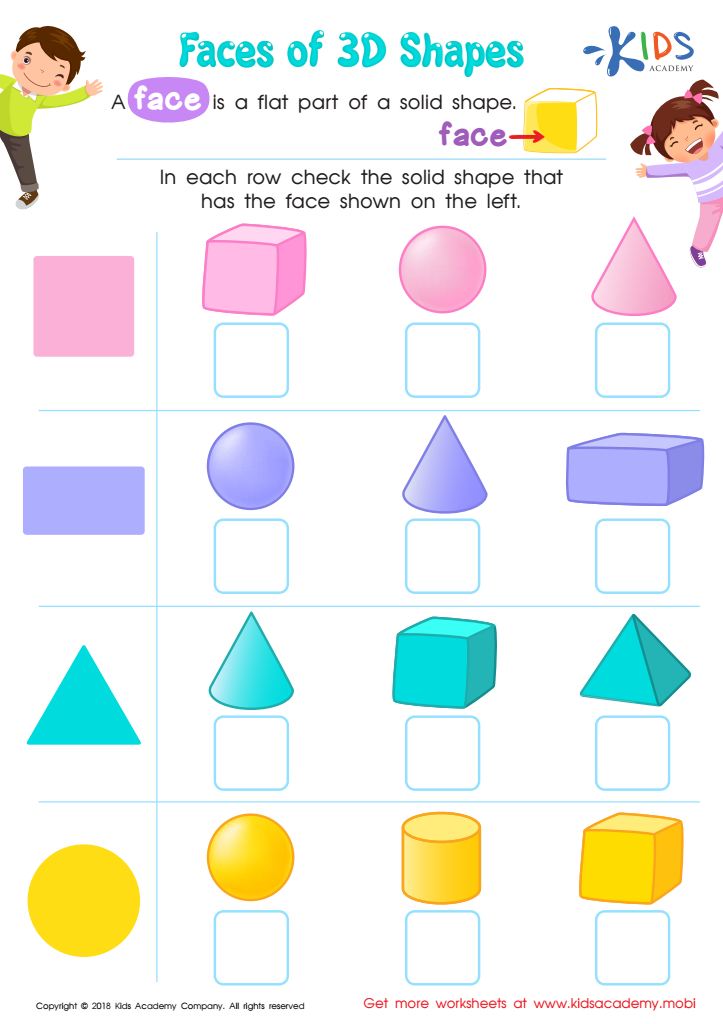
Faces of 3D Shapes Worksheet
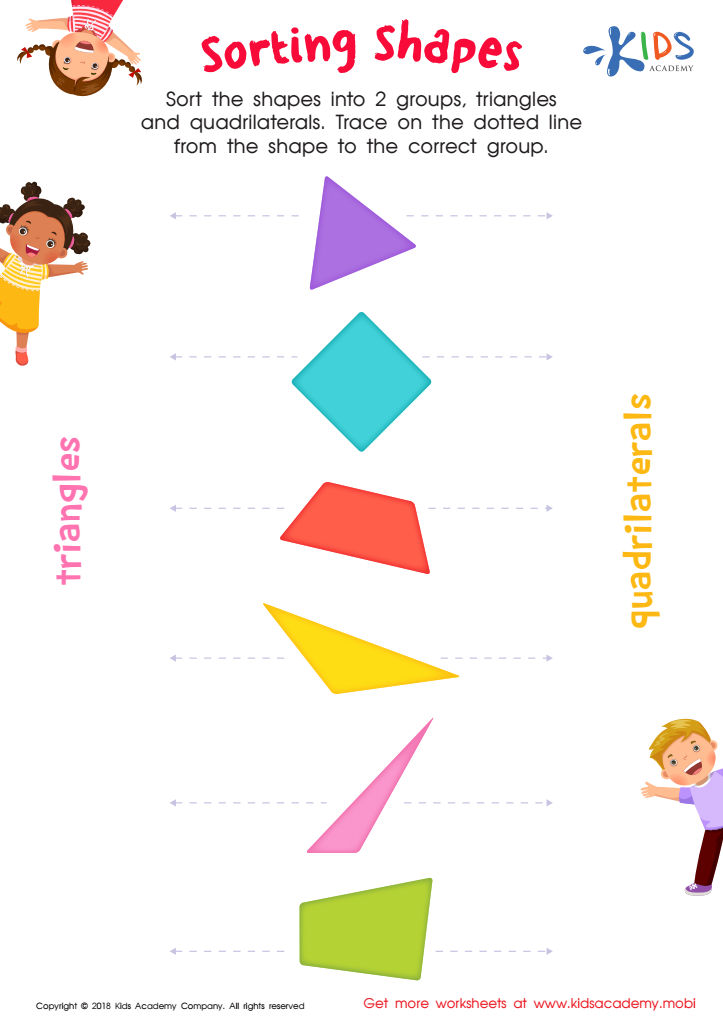
Sorting Shapes Worksheet
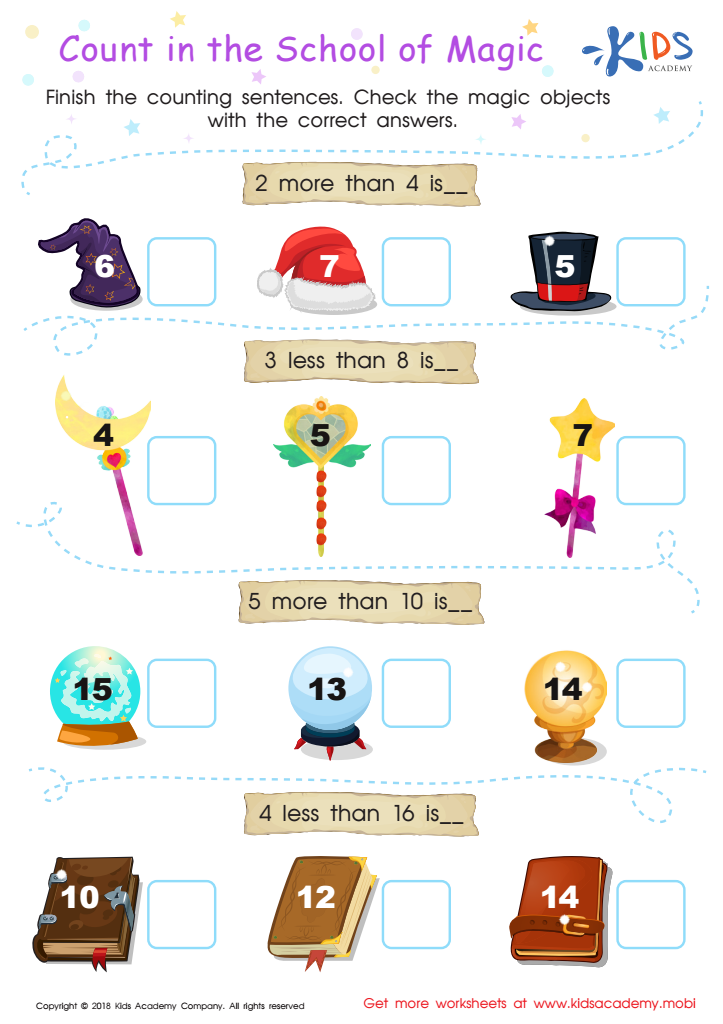
Count in the School of Magic Worksheet
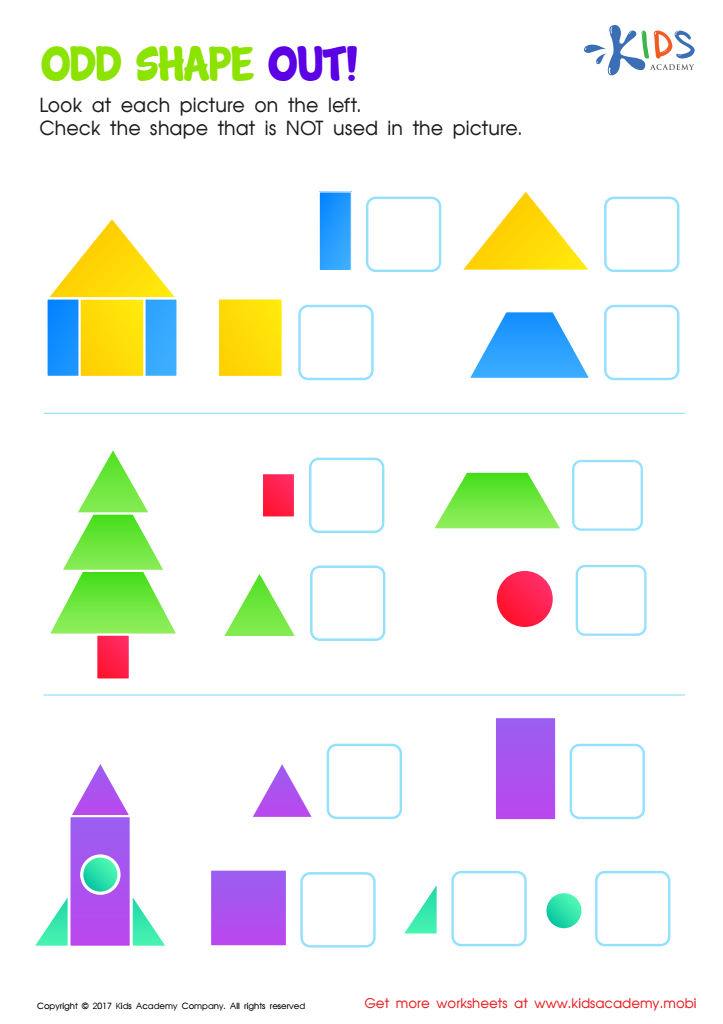
Odd Shape Out Worksheet for Grade 1
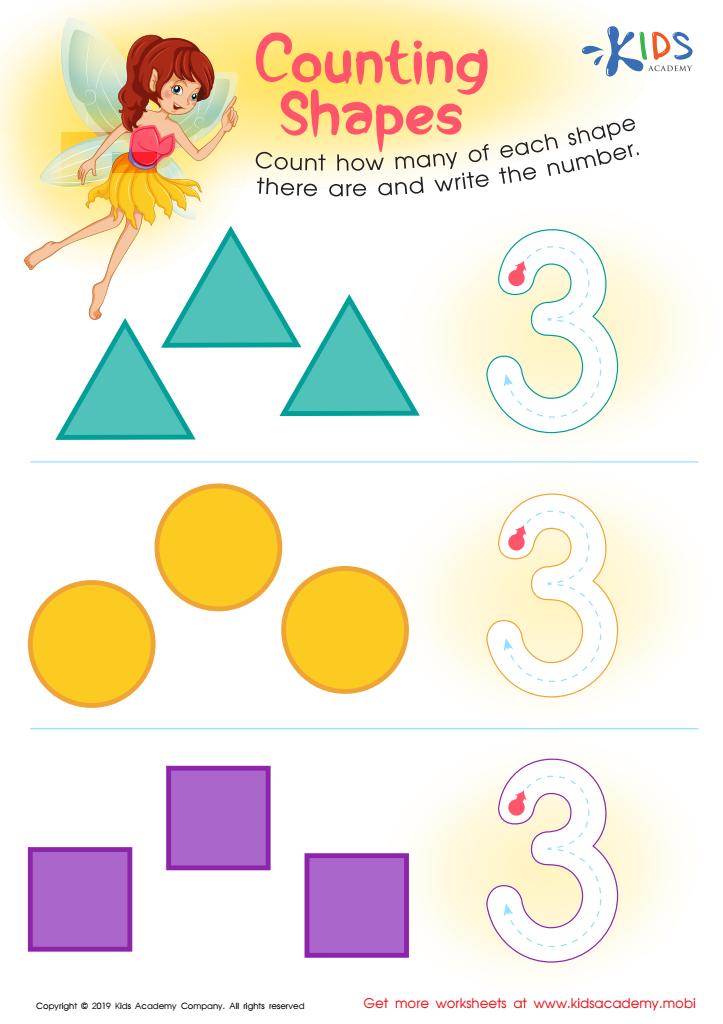
Counting Shapes Worksheet
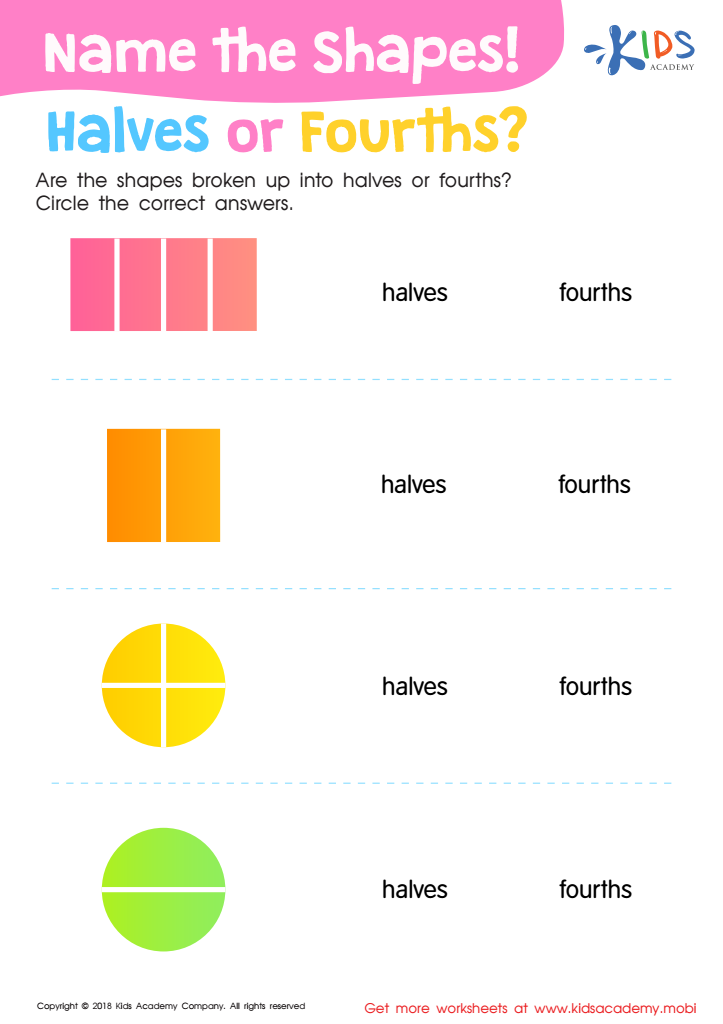
Name the Shapes Halves or Fourths? Worksheet
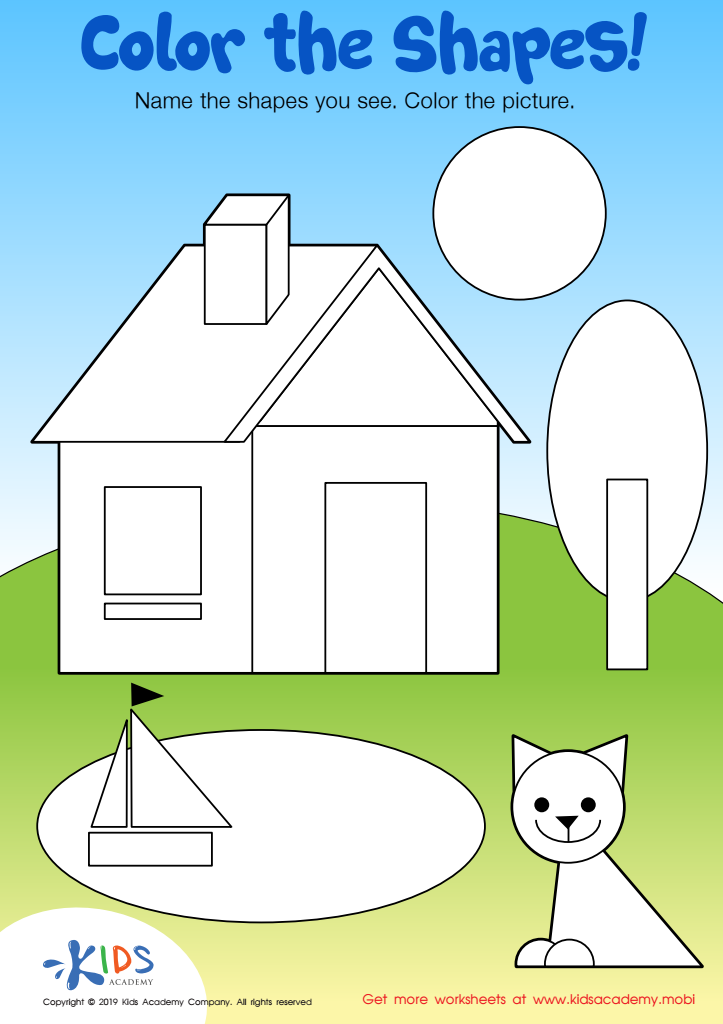
Color the Shapes Worksheet
 Assign to My Students
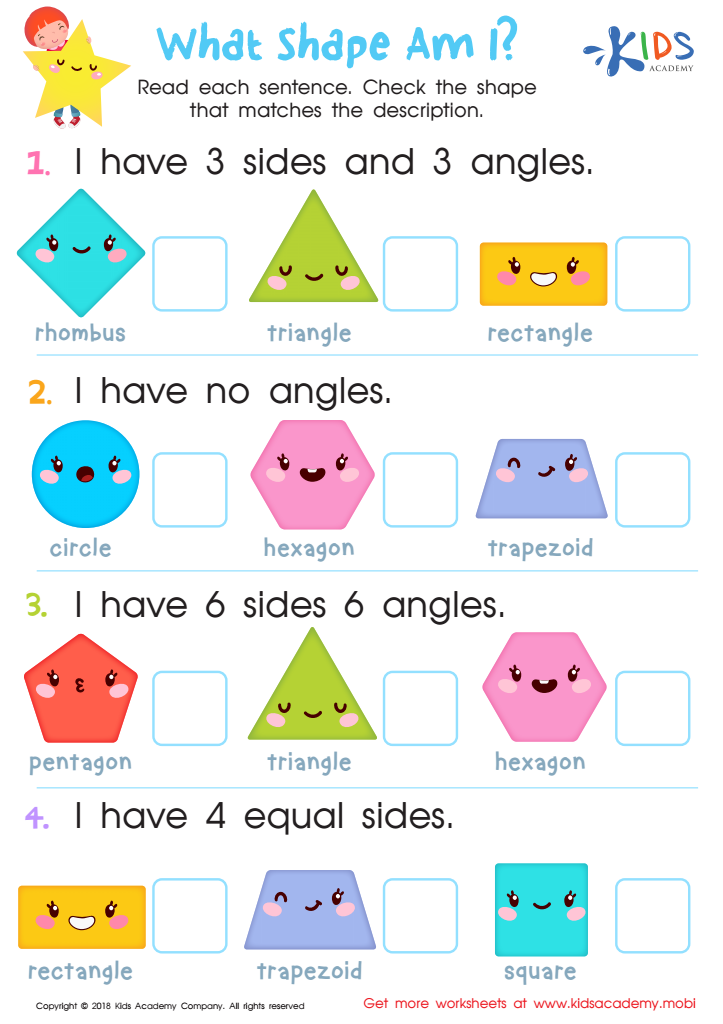
What Shape Am I? Worksheet
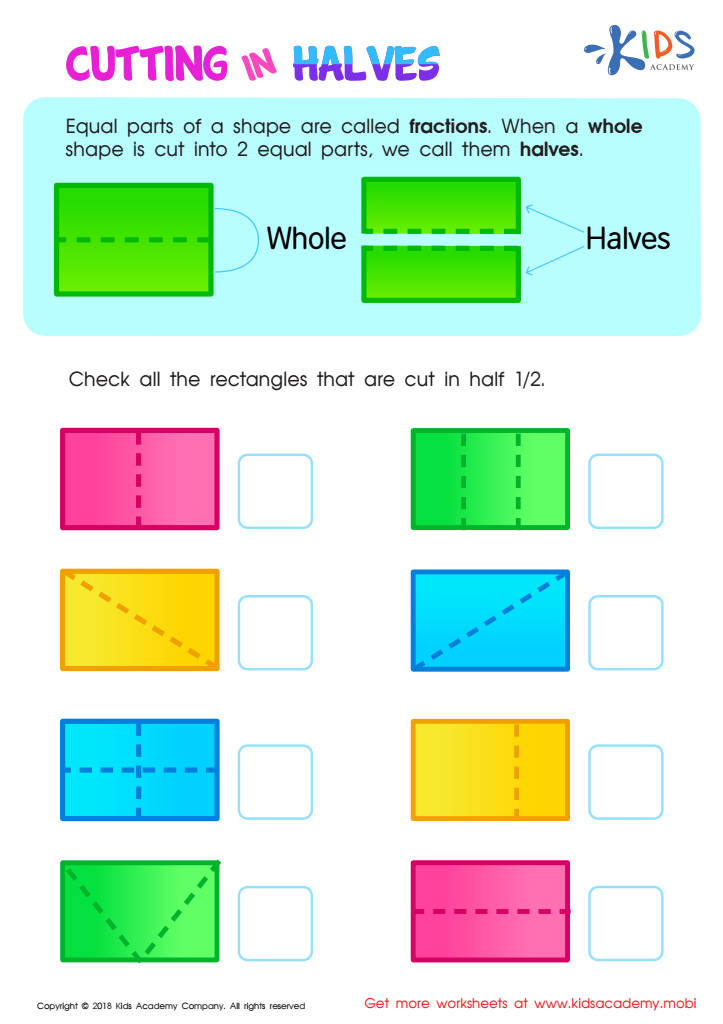
Cutting in Halves Worksheet
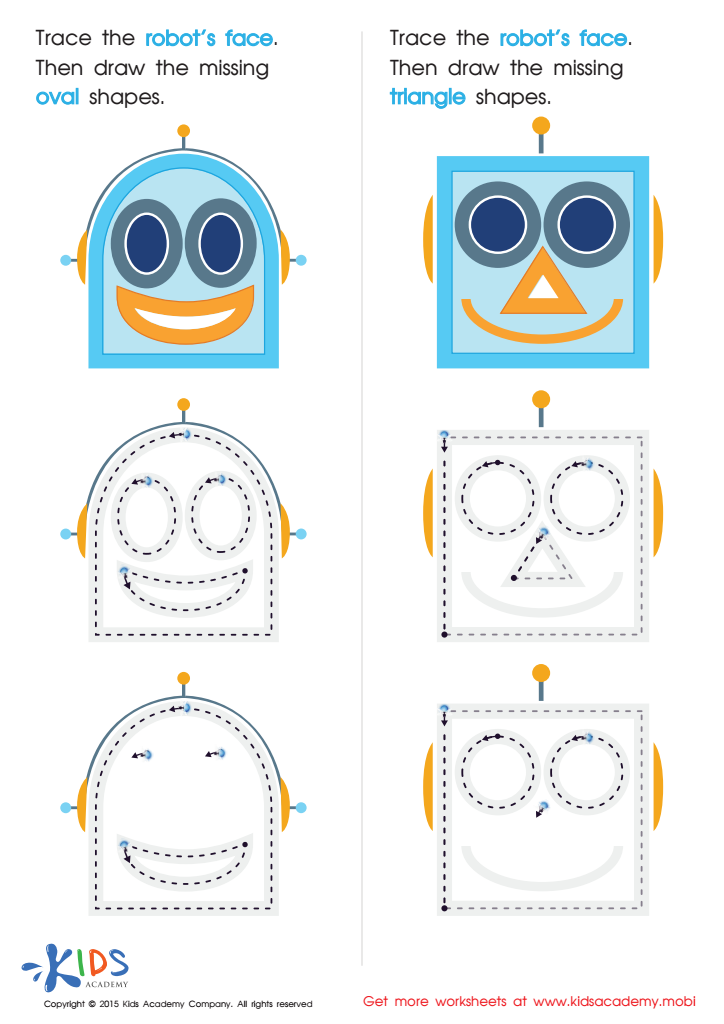
Drawing Ovals And Triangles with Fun Printable
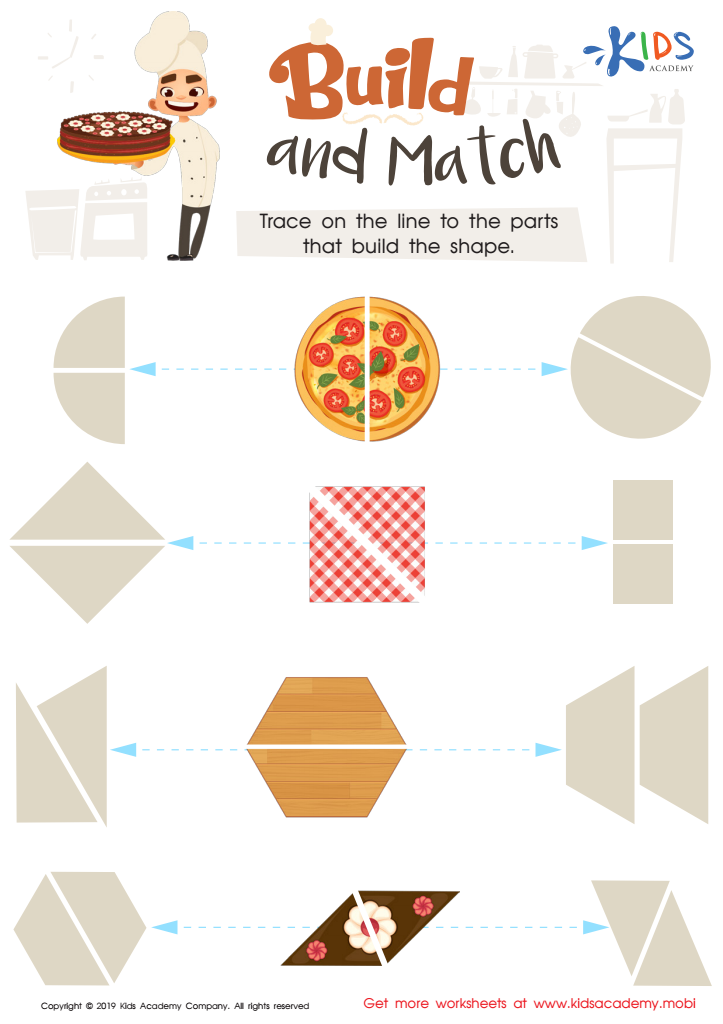
Build and Match Worksheet
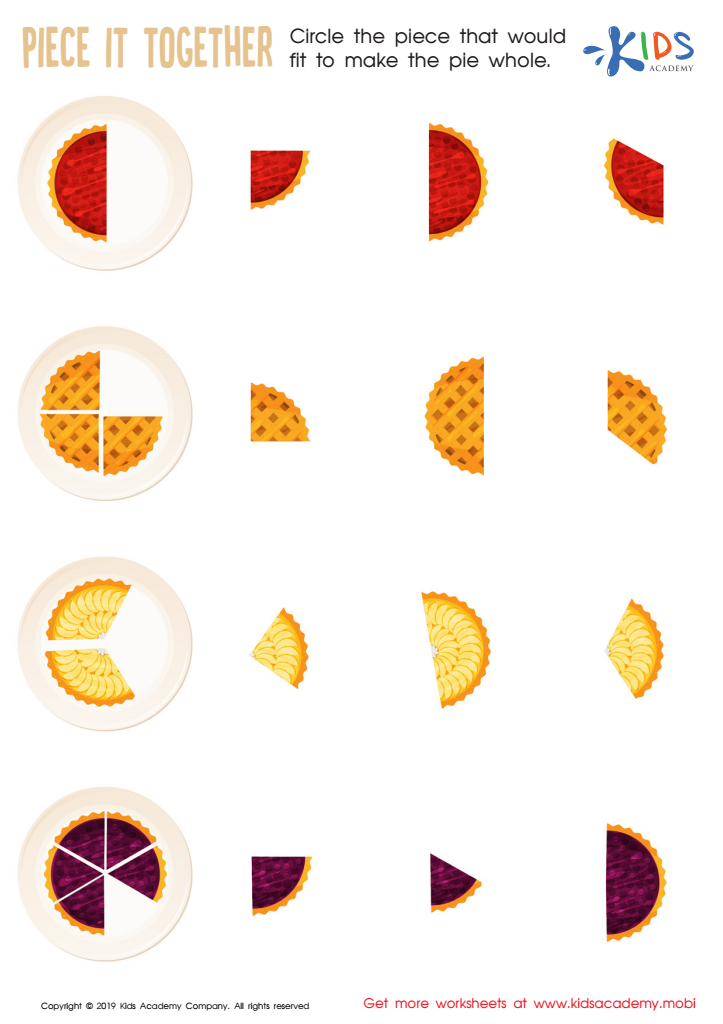
Piece it together Worksheet
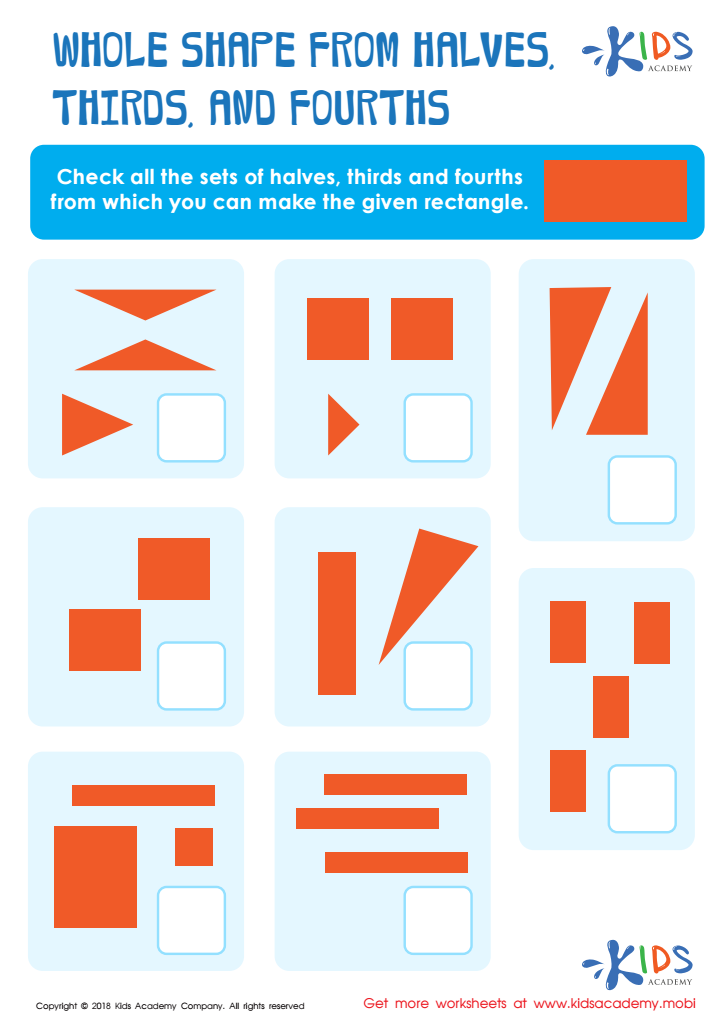
Whole Shape from Halves, Thirds and Fourths Worksheet
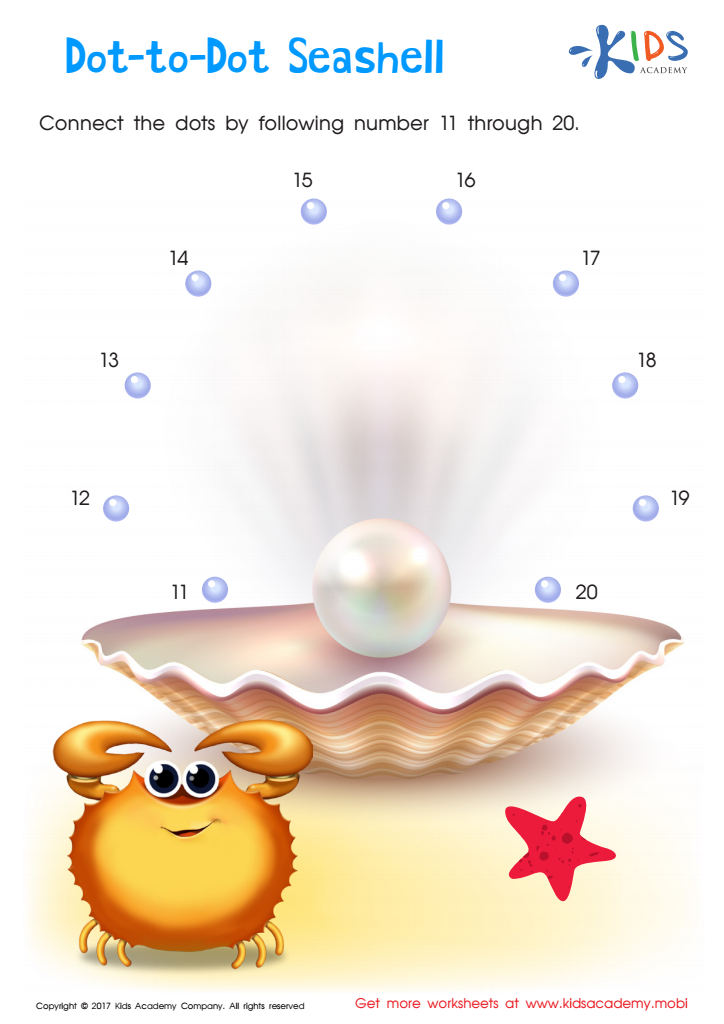
Ordering 11–20: Dot–to–dot Seashell Printable
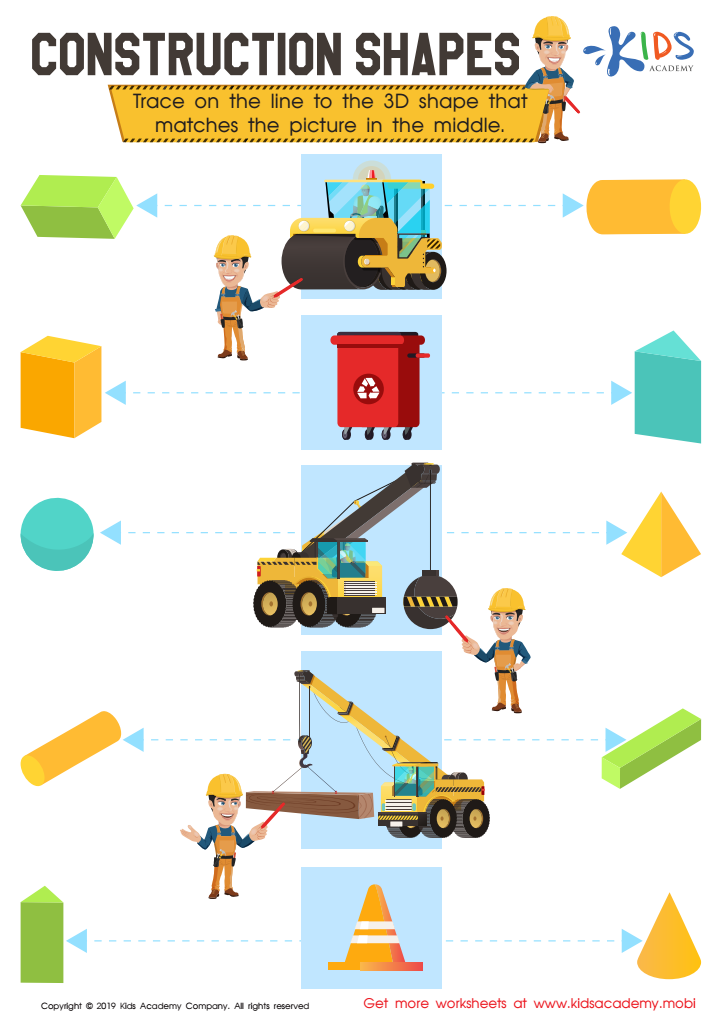
Construction Shapes Worksheet







Shape recognition is a fundamental skill for young children, typically ages 6-9, and plays a critical role in their overall cognitive development. Parents and teachers should care about fostering this skill for several reasons.
Firstly, shape recognition lays the groundwork for more complex mathematical concepts. Understanding shapes helps children grasp geometry basics, spatial reasoning, and property identification, such as the number of sides or symmetry. These concepts are foundational for more advanced math problems they will encounter later.
Secondly, shape recognition enhances visual perception and improves problem-solving skills. When children learn to identify and categorize different shapes, they develop critical thinking abilities and logical reasoning. This skill transfer impacts other academic areas too, like reading and writing, as recognizing shapes is similar to recognizing letters and numbers.
Additionally, learning shapes can make math fun and engaging. Using hands-on activities like puzzles, drawing, and shape games integrates play into learning, which is essential at this age. This engaging approach fosters a positive attitude towards math, reducing anxiety and building confidence.
In conclusion, parents and teachers should prioritize shape recognition in early education because it not only strengthens mathematical foundations but also supports general cognitive development, enhancing a child’s ability to observe, analyze, and solve problems across various contexts.








