Subtraction practice Easy Subtraction Worksheets for Ages 6-9
19 filtered results
-
From - To
Welcome to our collection of easy subtraction worksheets designed specifically for children aged 6-9! These engaging resources provide a fun and interactive way for young learners to practice and enhance their subtraction skills. Our worksheets feature colorful visuals and age-appropriate exercises that encourage kids to master basic subtraction concepts, develop their problem-solving abilities, and gain confidence in their math skills. Perfect for classroom use or at-home practice, these worksheets cater to different learning styles and ensure students remain motivated. Help your child build a strong math foundation with our easy subtraction worksheets today!
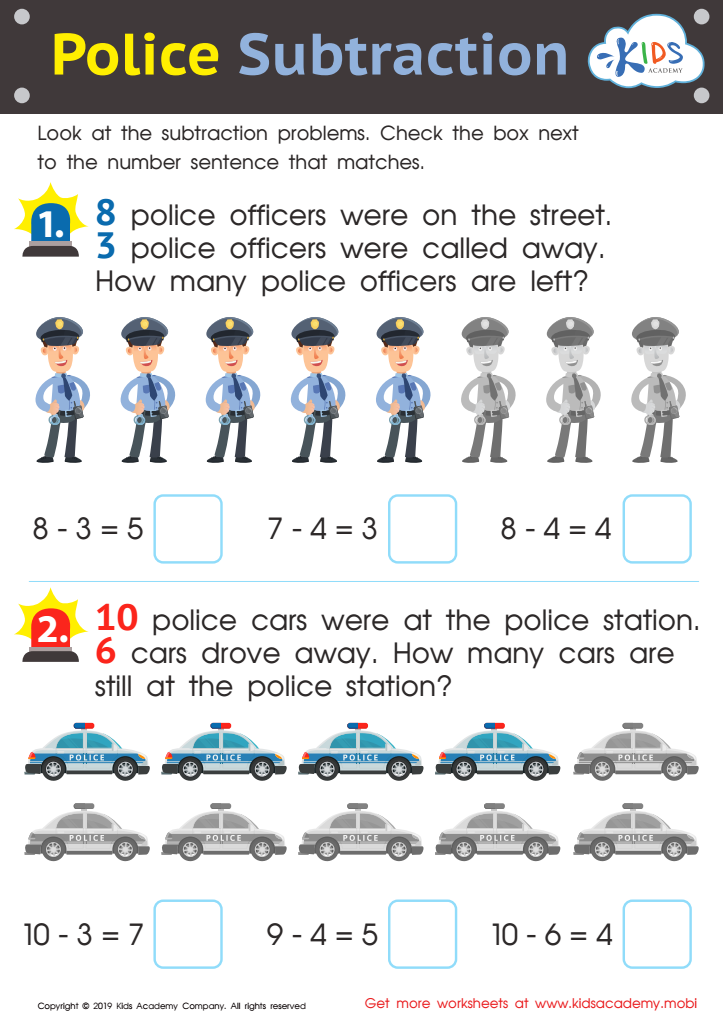
Police Subtraction Worksheet
 Assign to My Students
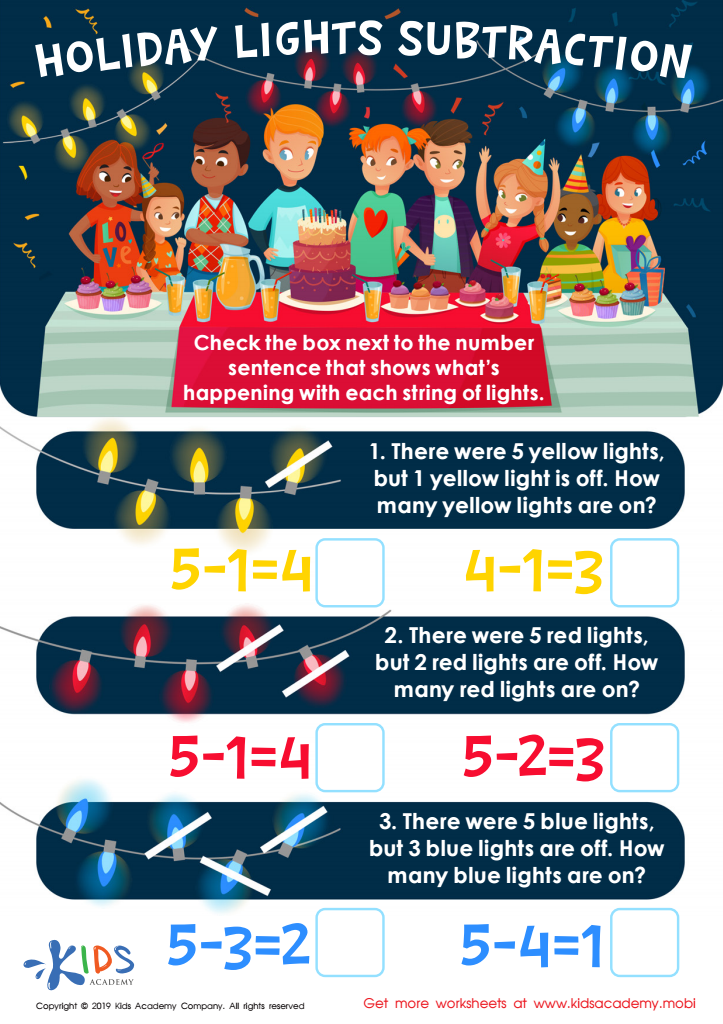
Holiday Lights Subtraction Worksheet
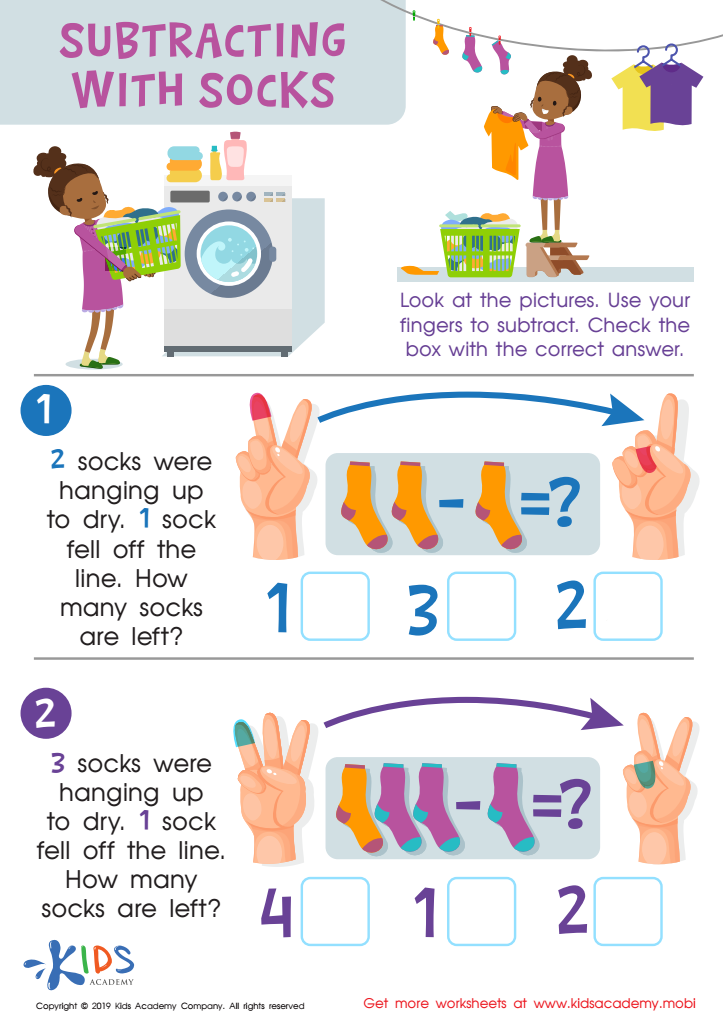
Subtracting Socks Worksheet
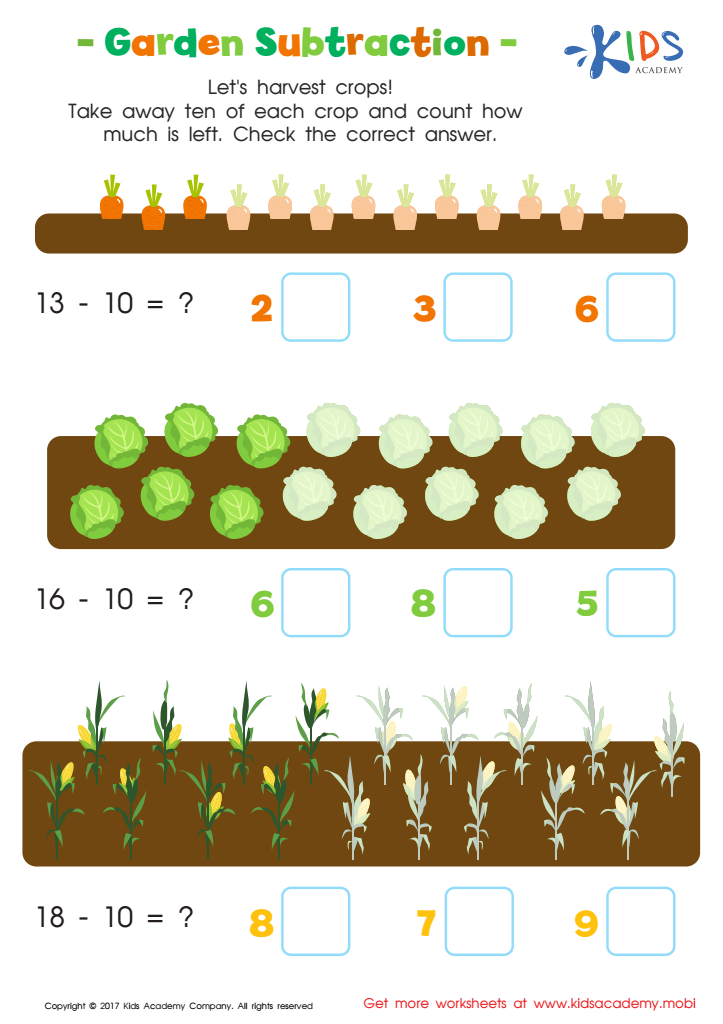
Garden Subtraction Worksheet
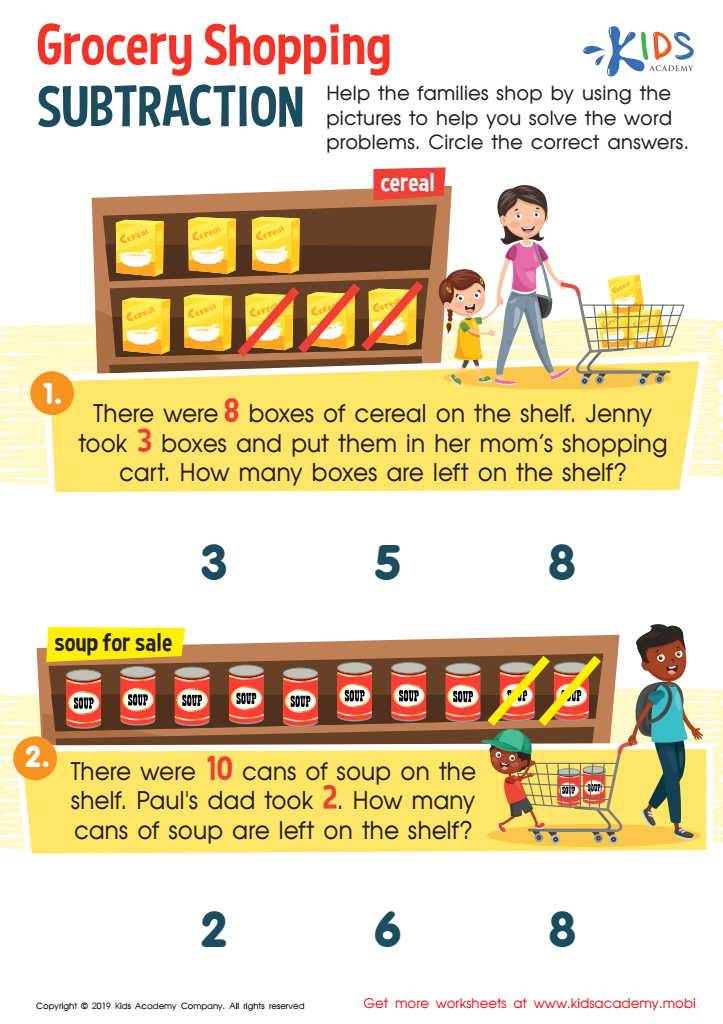
Grocery Shopping Subtraction Worksheet
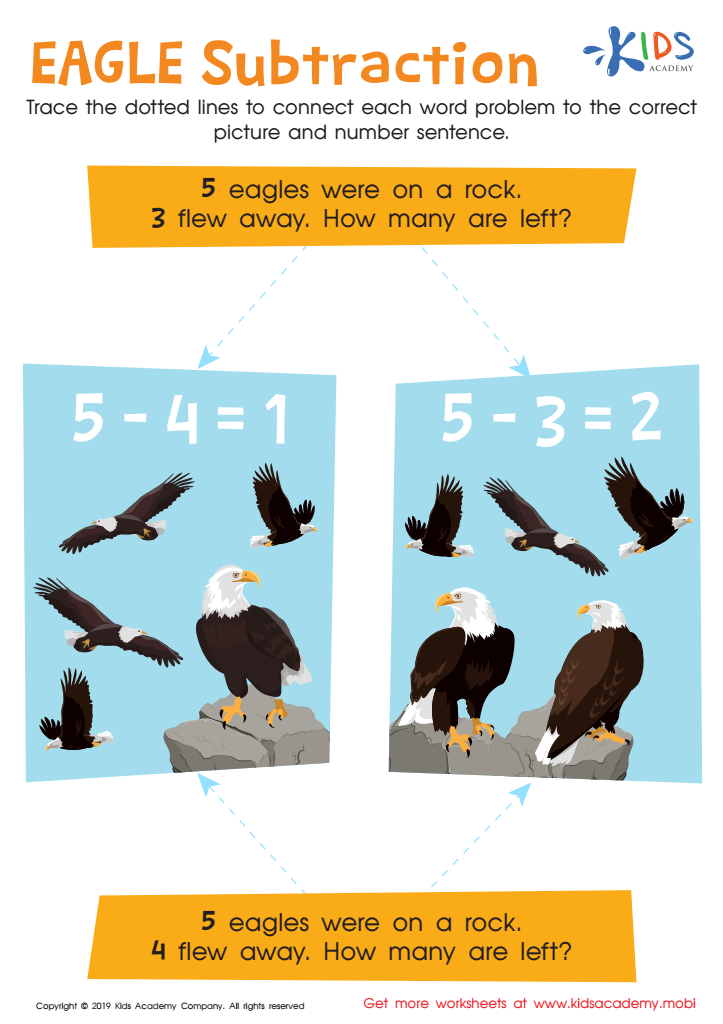
Eagle Subtraction Worksheet
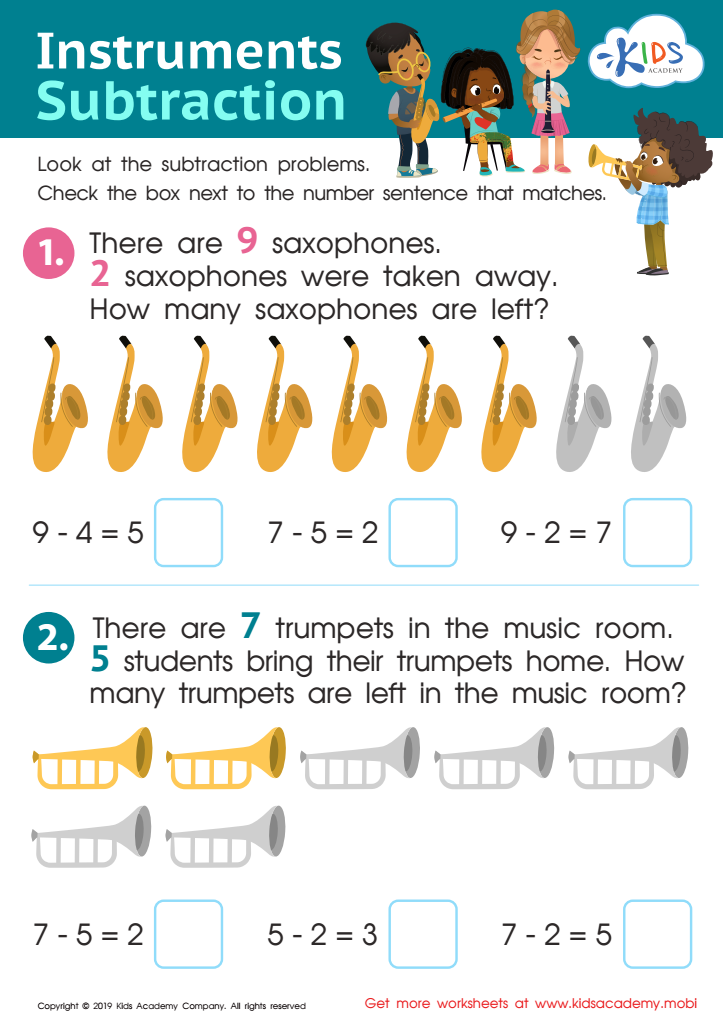
Instrument Subtraction Worksheet
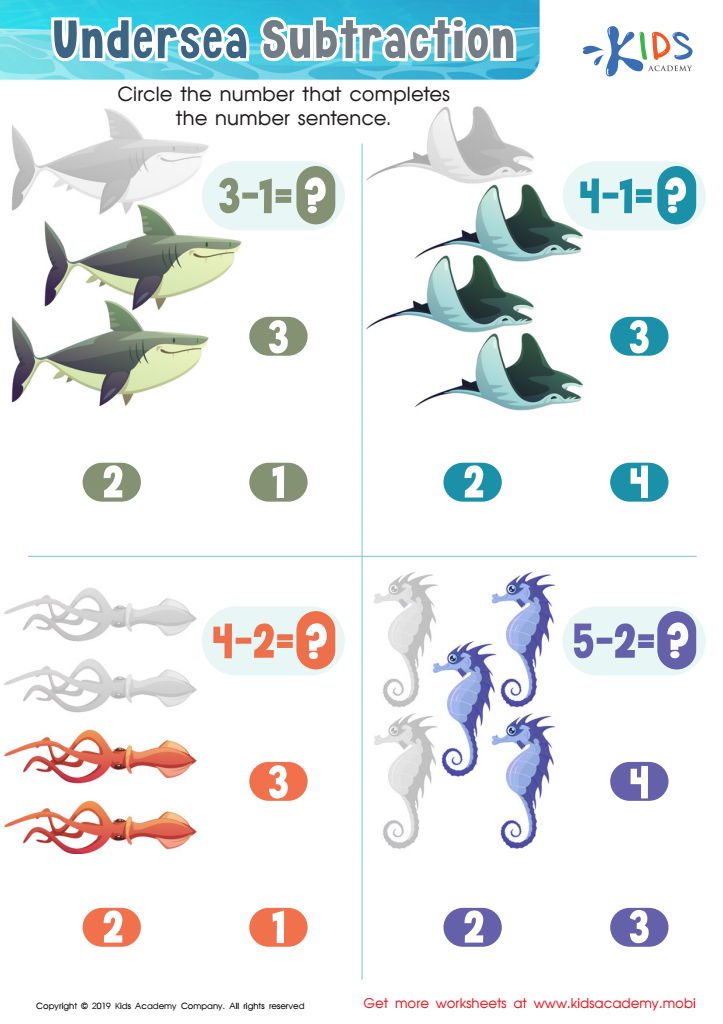
Undersea Subtraction Worksheet
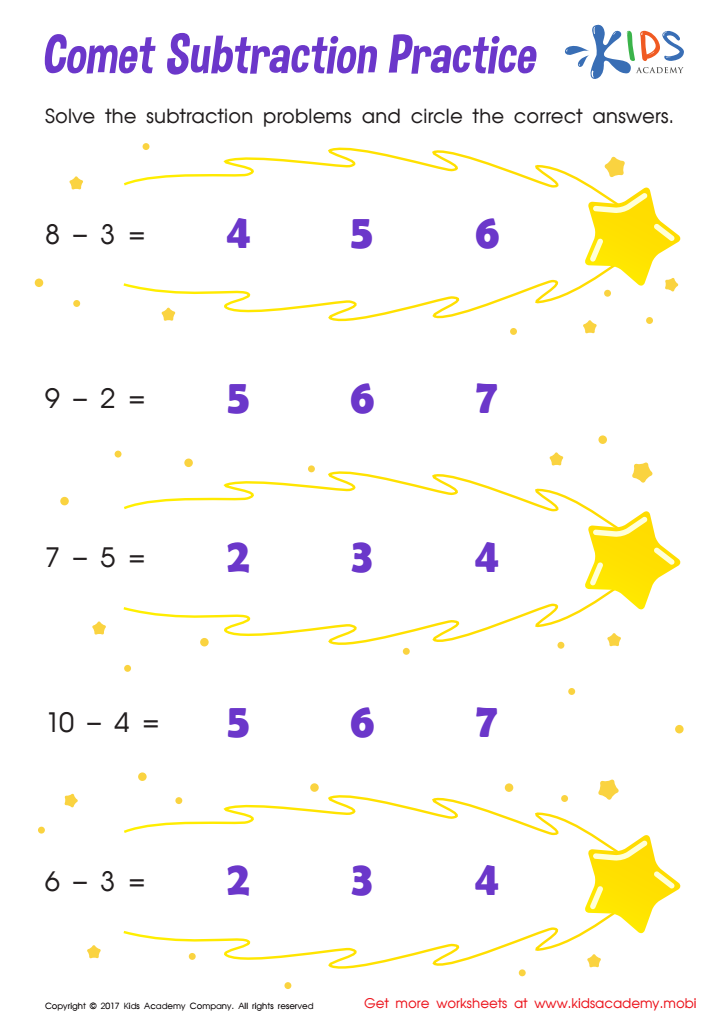
Comet Subtraction Practice Substraction Worksheet
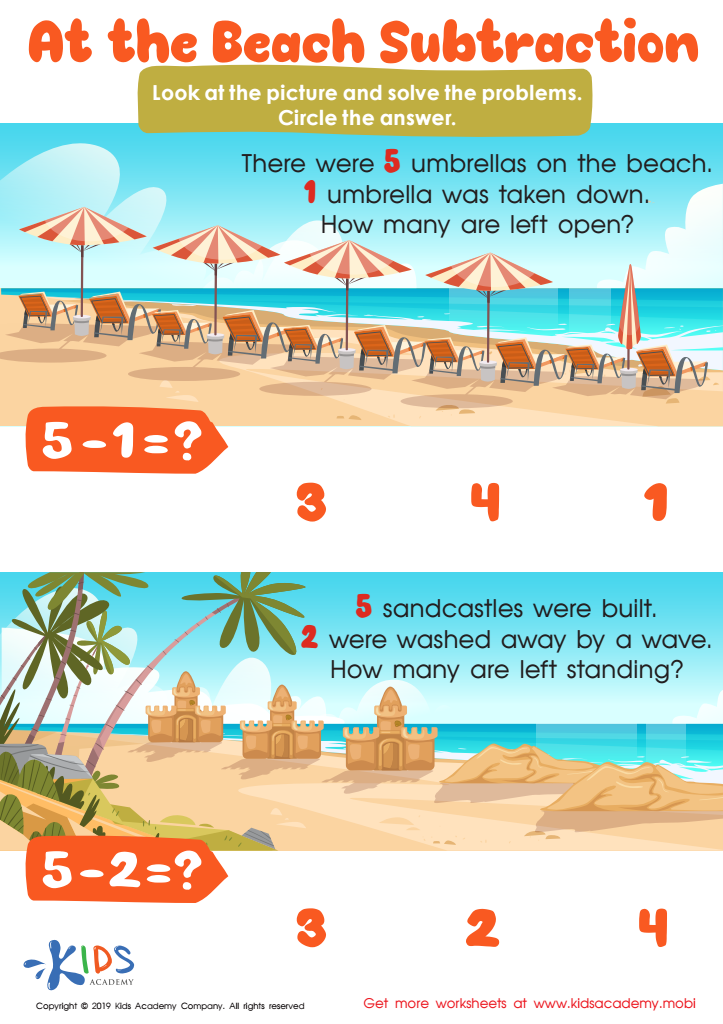
At the Beach Subtraction Worksheet
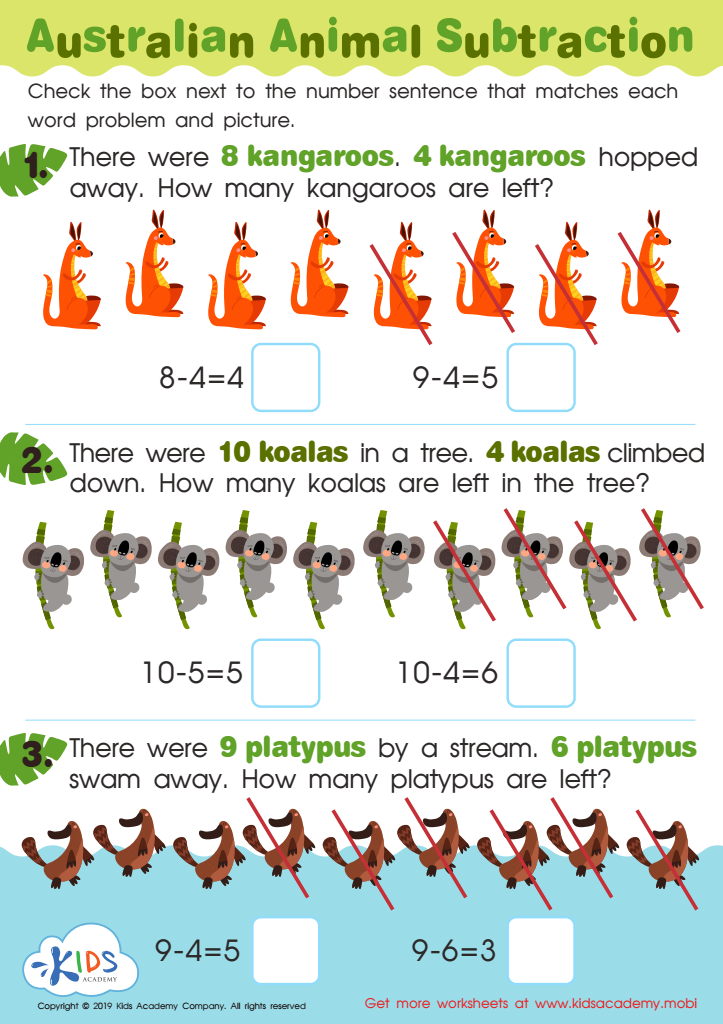
Australian Animal Subtraction Worksheet
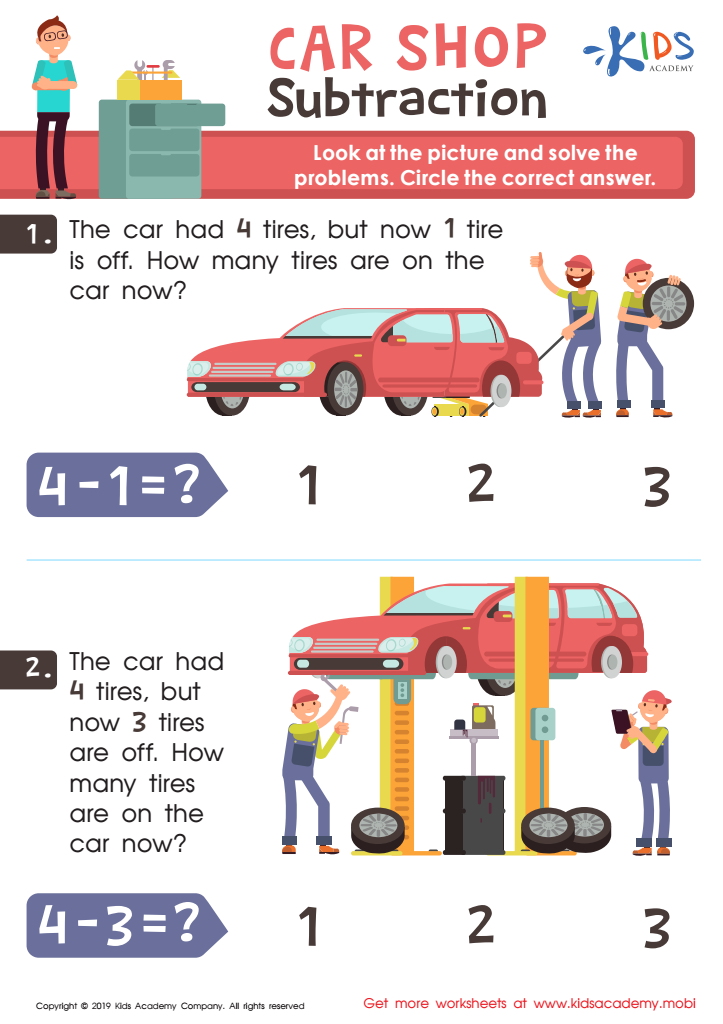
Car Shop Subtraction Worksheet
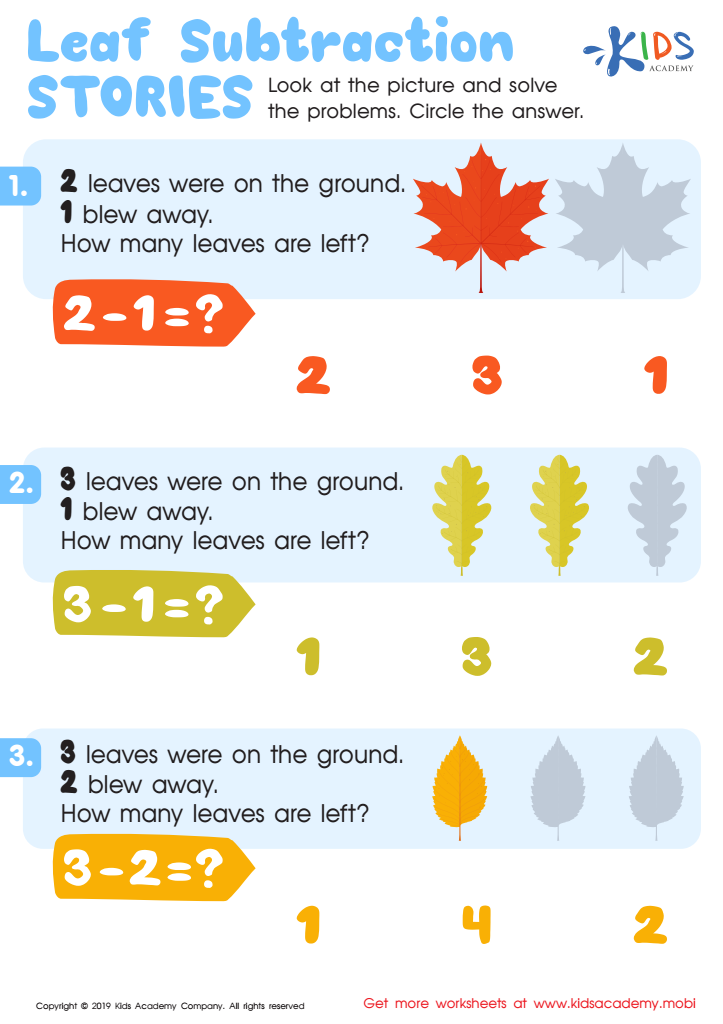
Leaf Subtraction Stories Worksheet
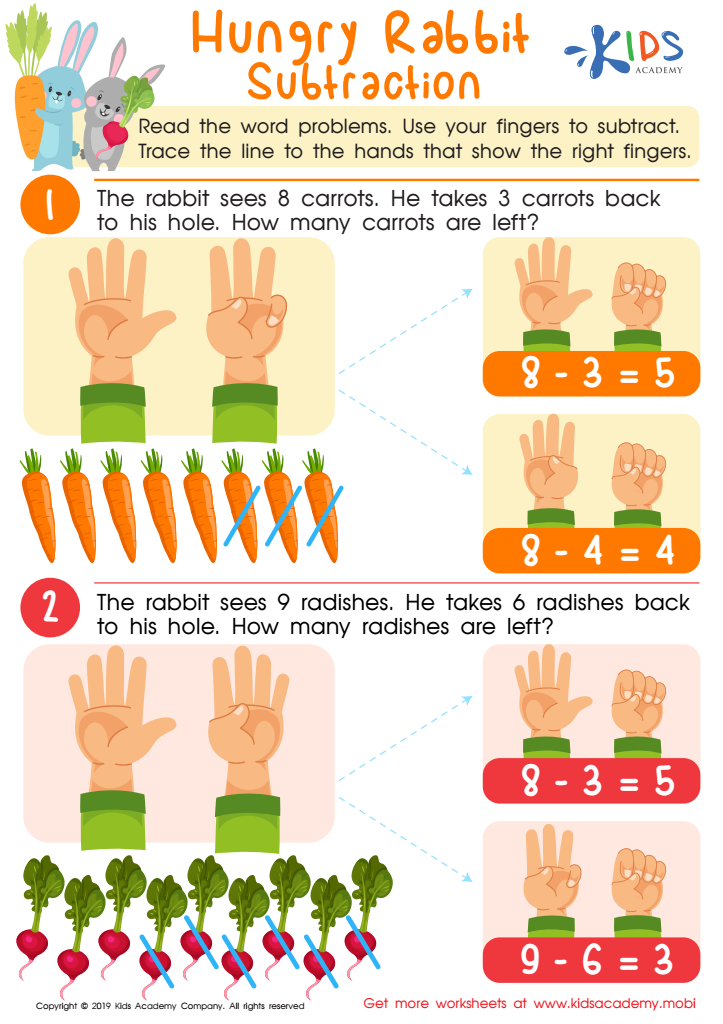
Hungry Rabbit Subtraction Worksheet
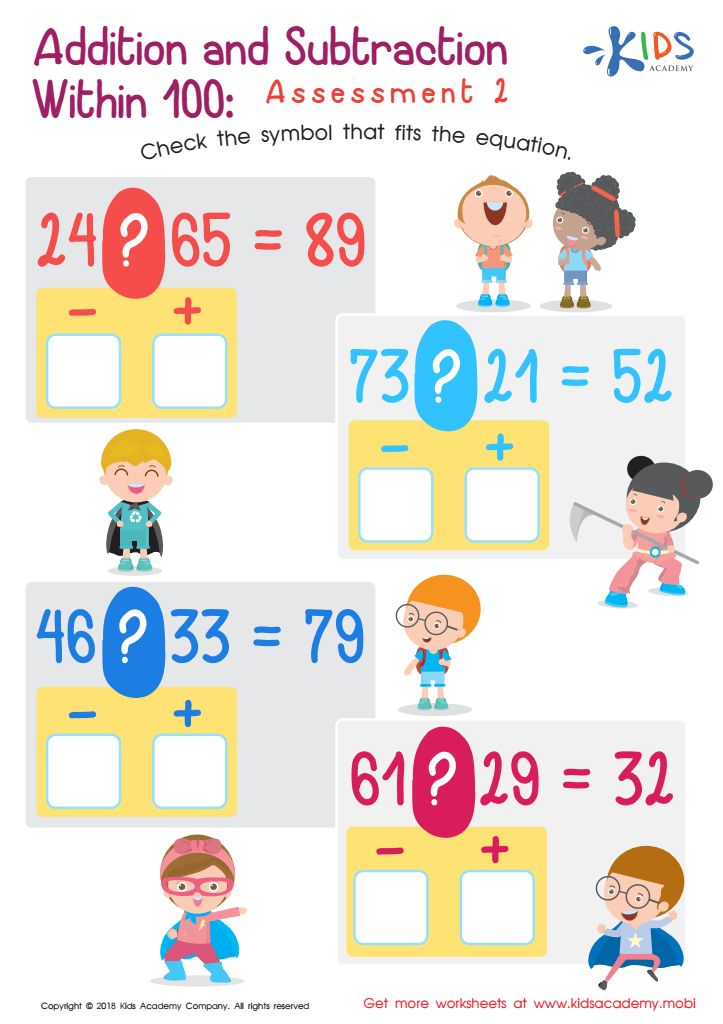
Addition and Subtraction Within 1: Assessment 2 Worksheet
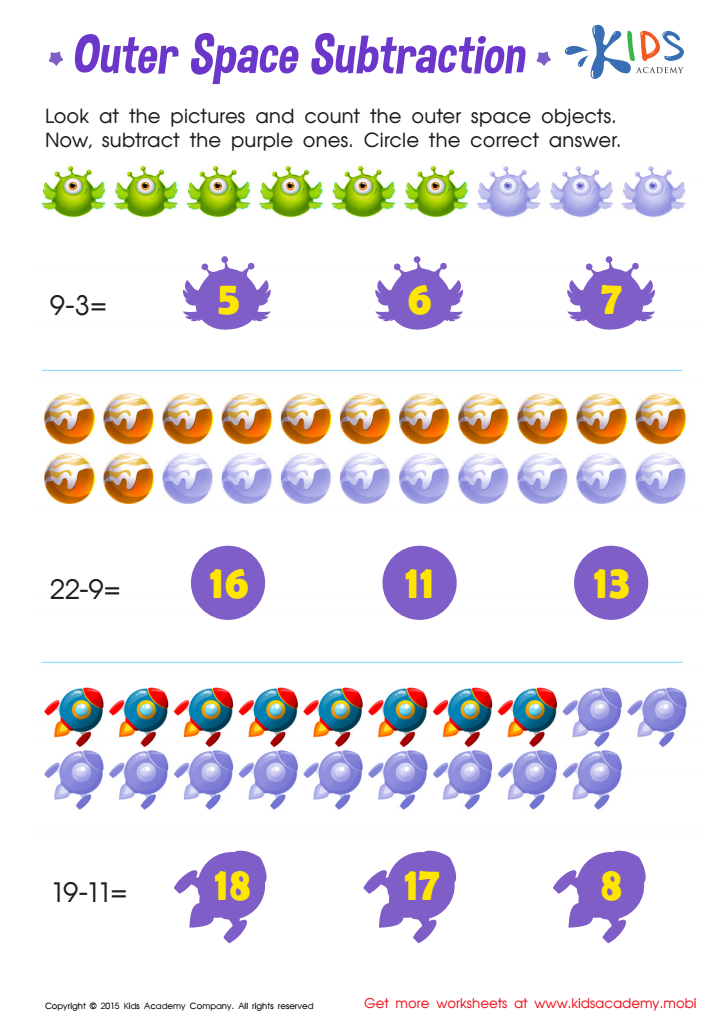
Outer Space Substraction Worksheet
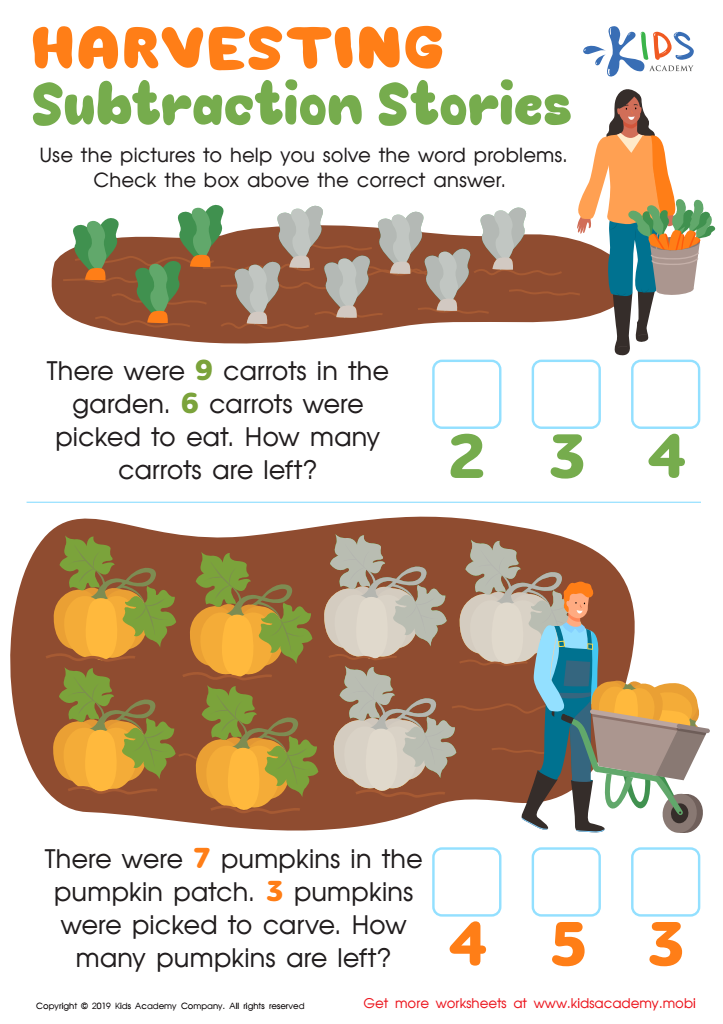
Harvesting Subtraction Stories Worksheet
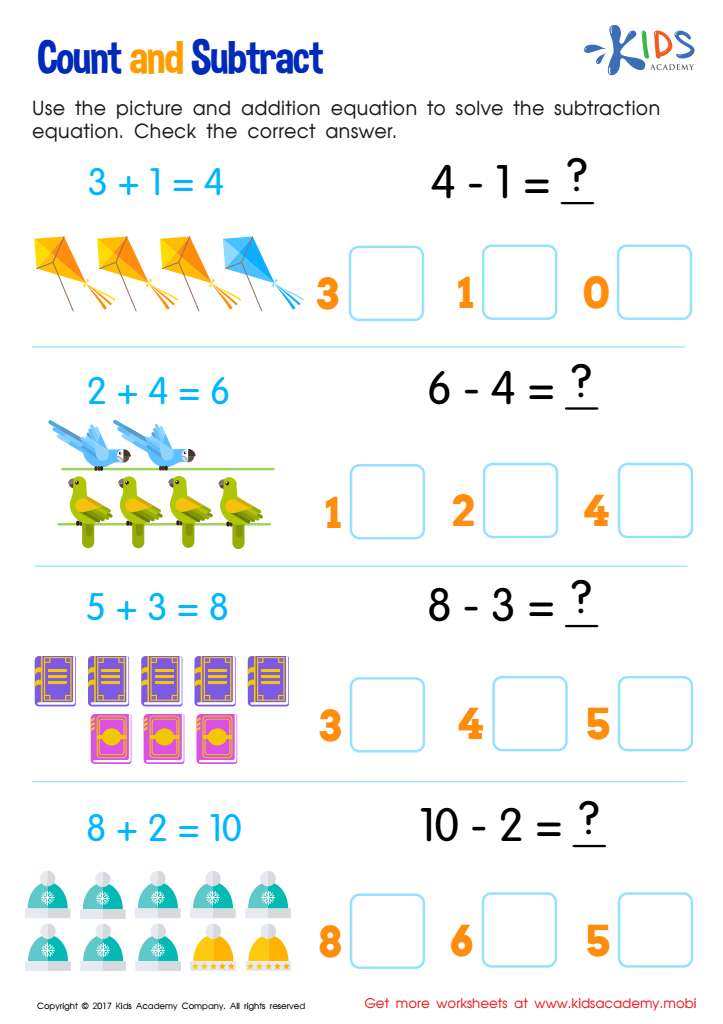
Count and Subtract Worksheet
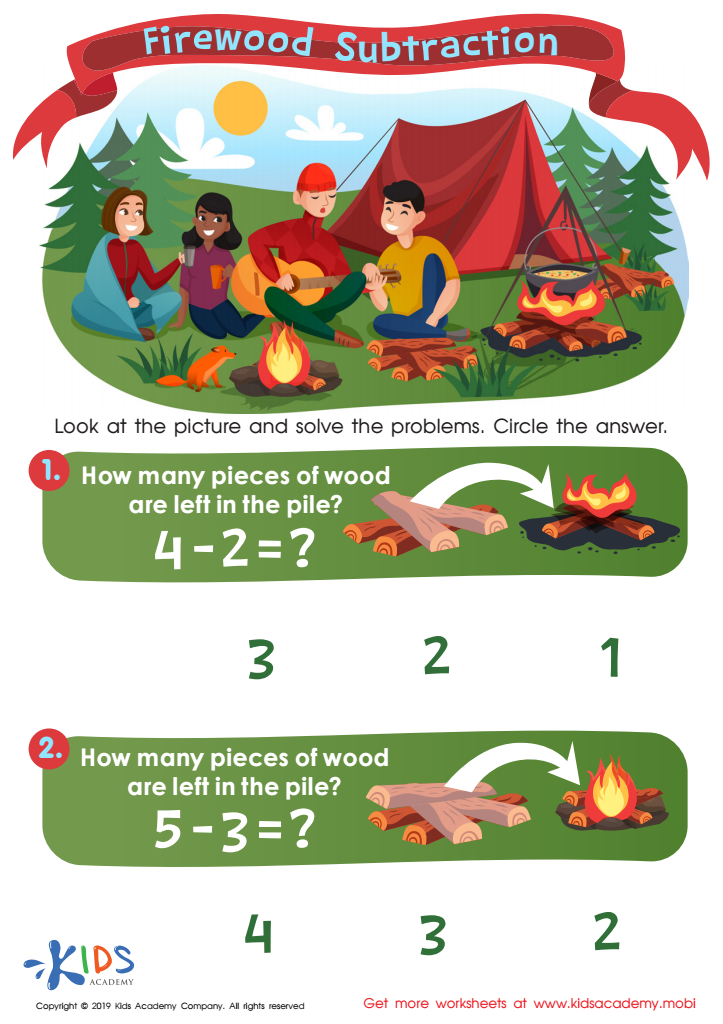
Firewood Subtraction Worksheet




.jpg)



Subtraction practice for children aged 6-9 is essential for their mathematical development and overall cognitive growth. At this stage, children are building foundational skills that will support their understanding of more complex math concepts later on. For parents and teachers, engaging students in easy subtraction exercises helps solidify number sense, enhances problem-solving abilities, and boosts confidence in their mathematical skills.
Developing strong subtraction skills allows children to grasp basic arithmetic operations, which are crucial for daily activities, such as counting change and evaluating quantities—skills they will use repeatedly throughout their lives. Moreover, consistent practice promotes mental agility, enabling students to perform calculations more swiftly and accurately.
An enjoyable approach to subtraction, incorporating games or interactive activities, can also foster a positive attitude toward math, mitigating anxiety and resistance to the subject. By focusing on easy subtraction tasks, children can achieve mastery at their own pace, ensuring they build a solid foundation before progressing to more challenging concepts.
In essence, subtraction practice nurtures critical thinking and logical reasoning, empowering children with essential skills while encouraging a love for learning that lasts a lifetime. Therefore, the commitment of parents and teachers to support these practices is instrumental in their holistic development.