Number Recognition Easy Worksheets for Ages 7-9 - Page 2
45 filtered results
-
From - To
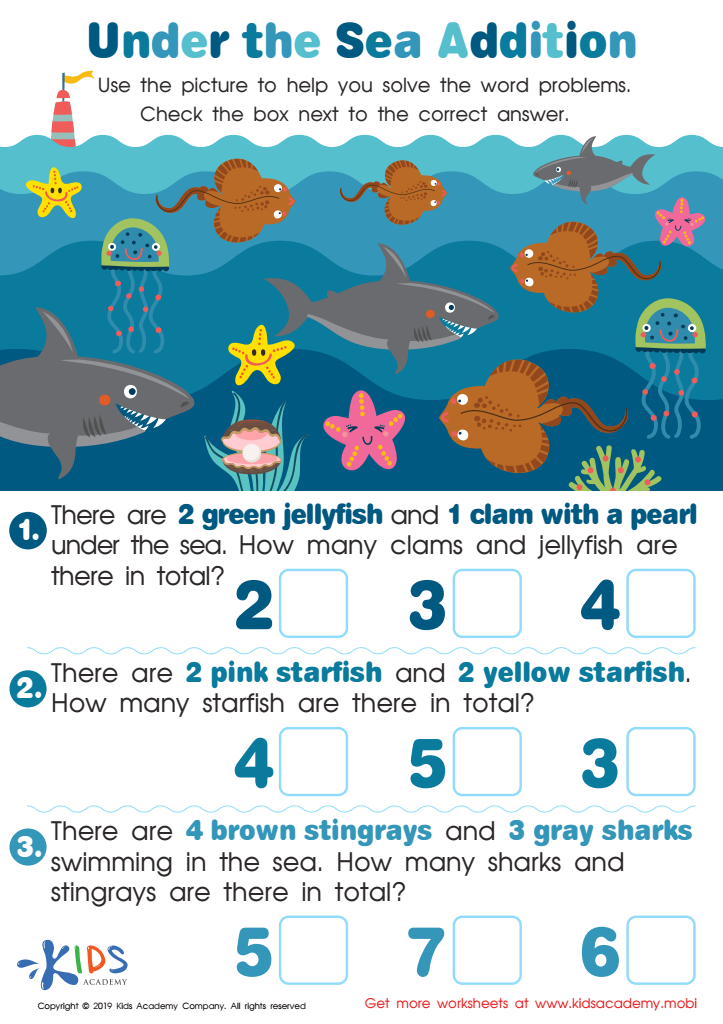
Under the Sea Addition Worksheet
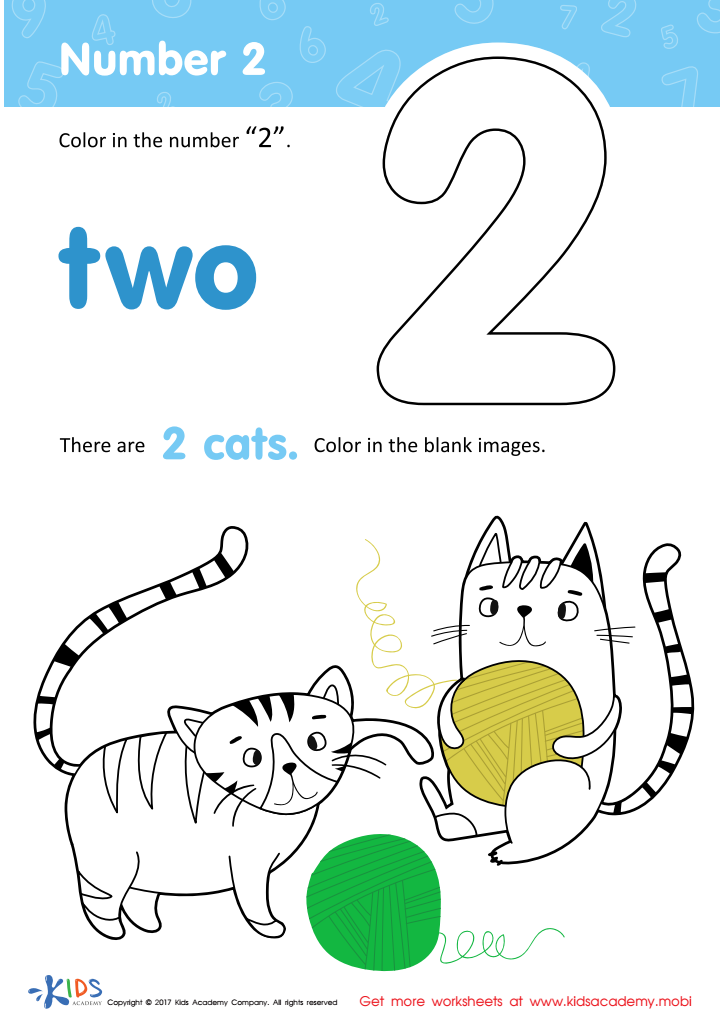
Number 2 Printable
 Assign to My Students
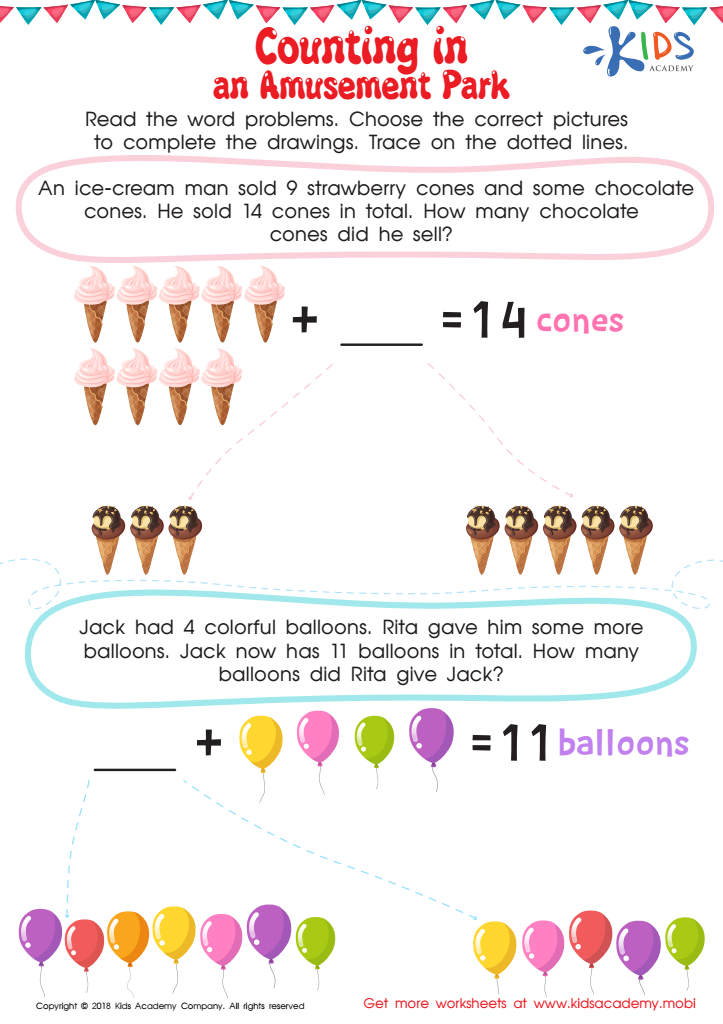
Counting in an Amusement Park Worksheet
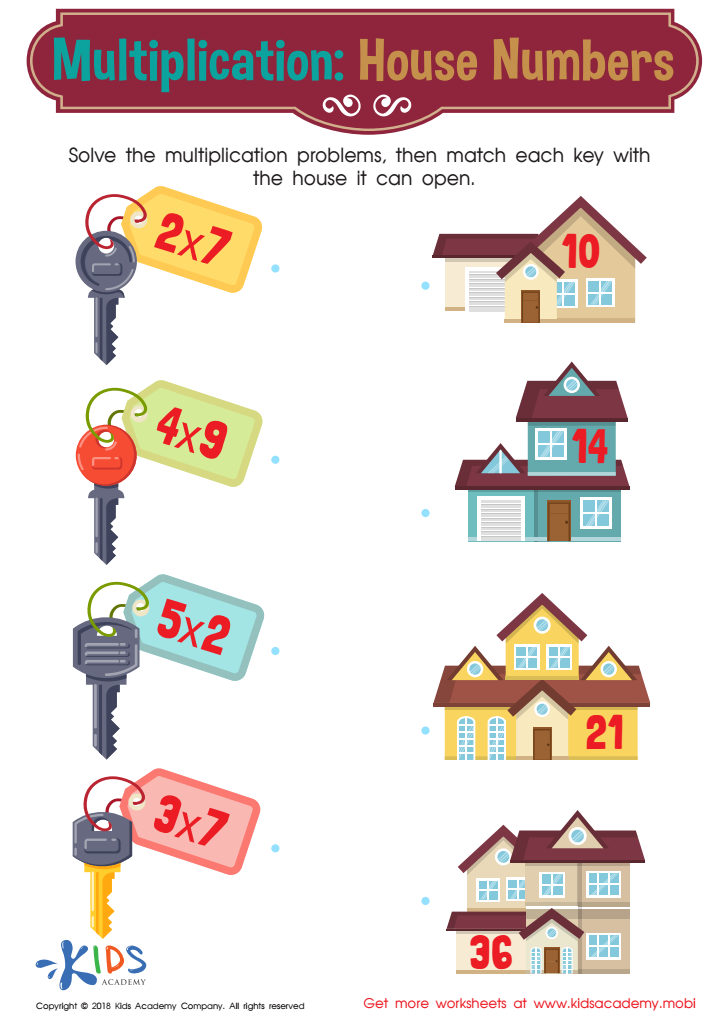
House Numbers Worksheet
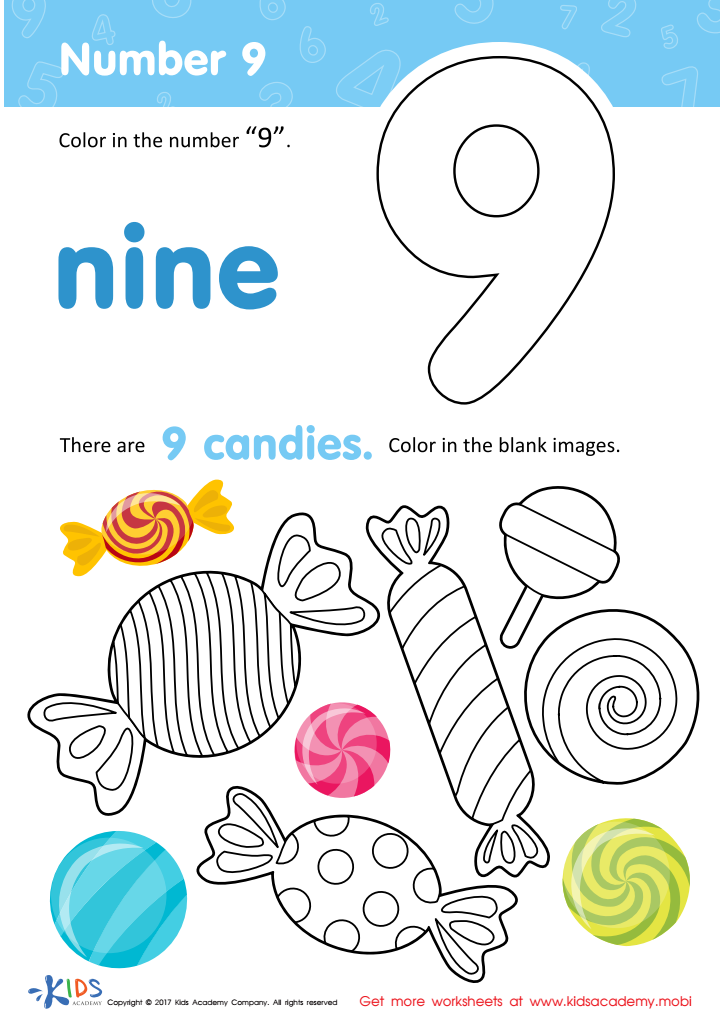
Number 9 Printable
Assign to My Students
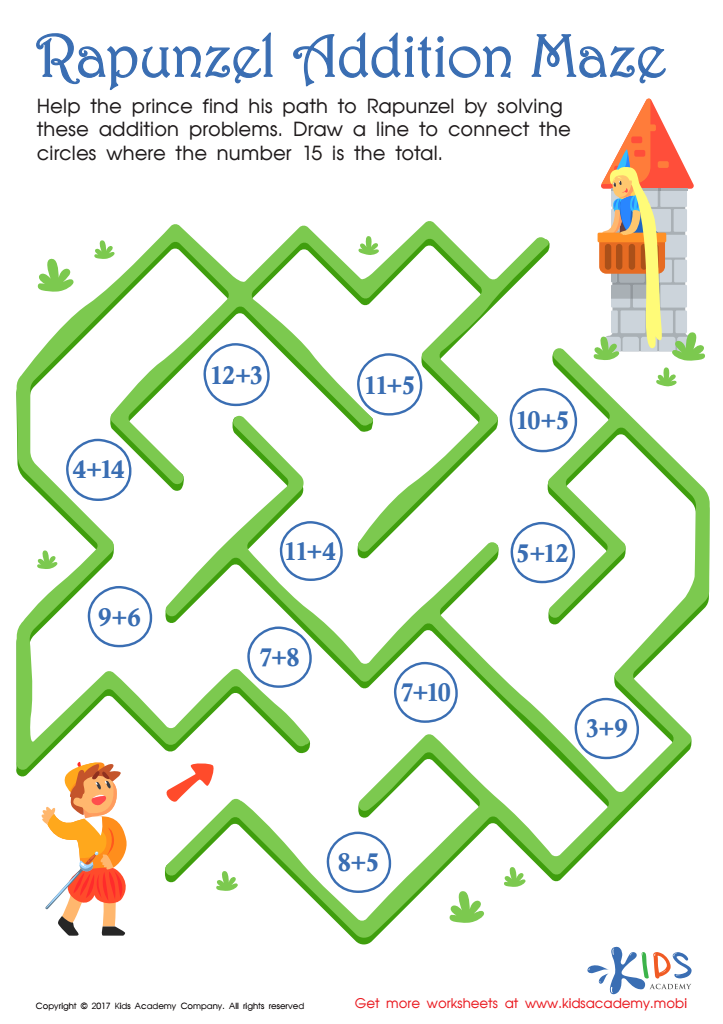
Rapunzel Addition Maze Worksheet
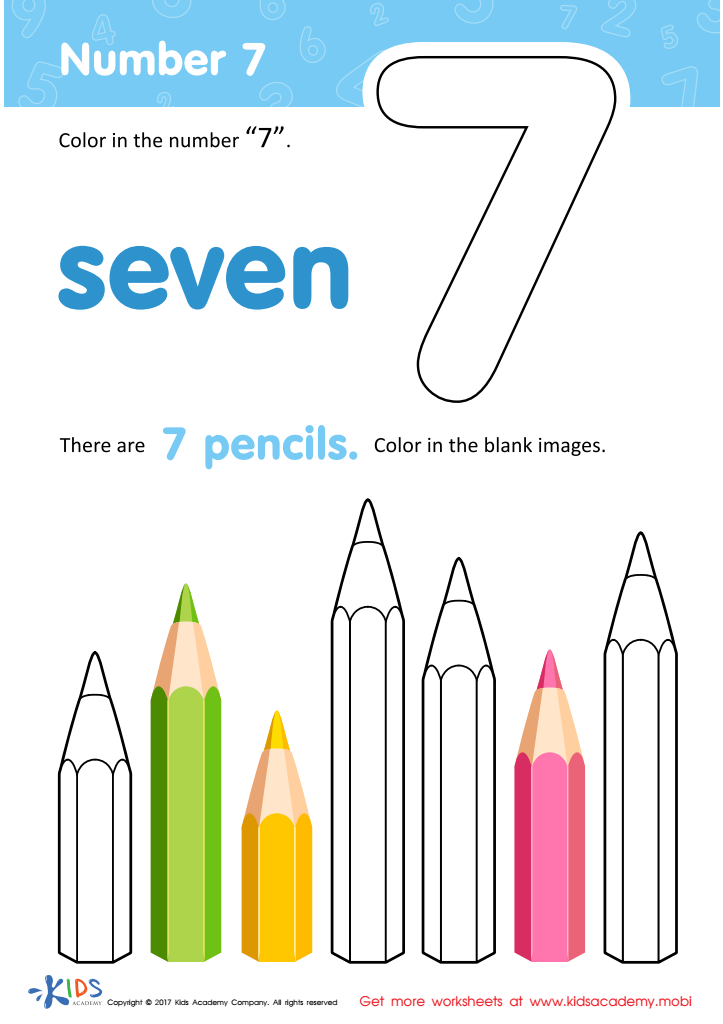
Number 7 Worksheet
Assign to My Students
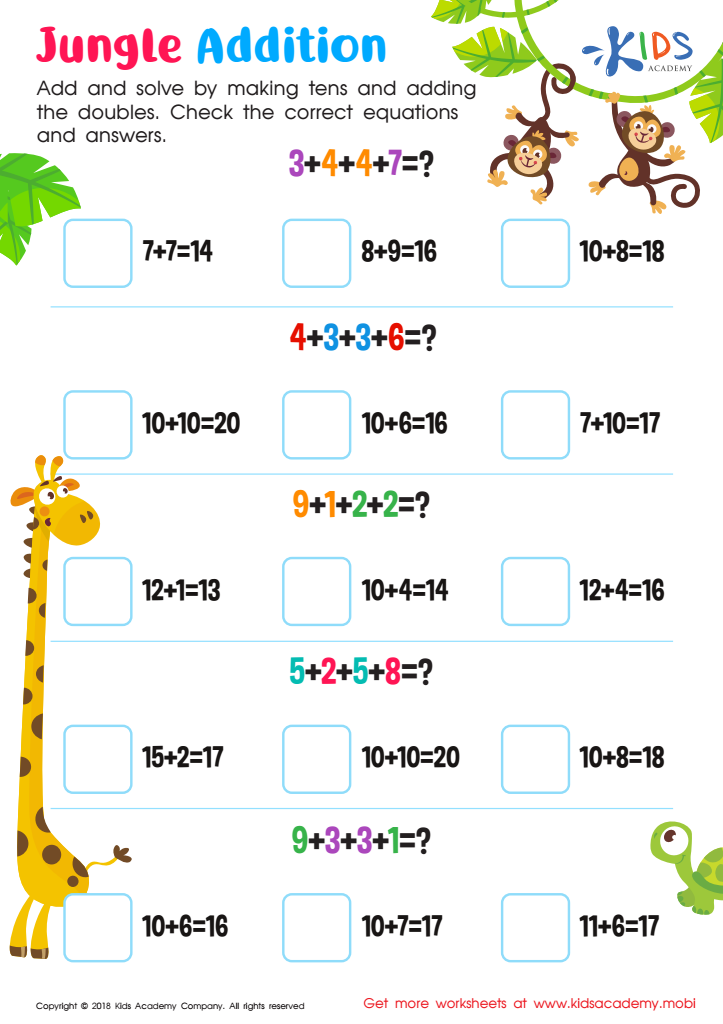
Jungle Addition Worksheet
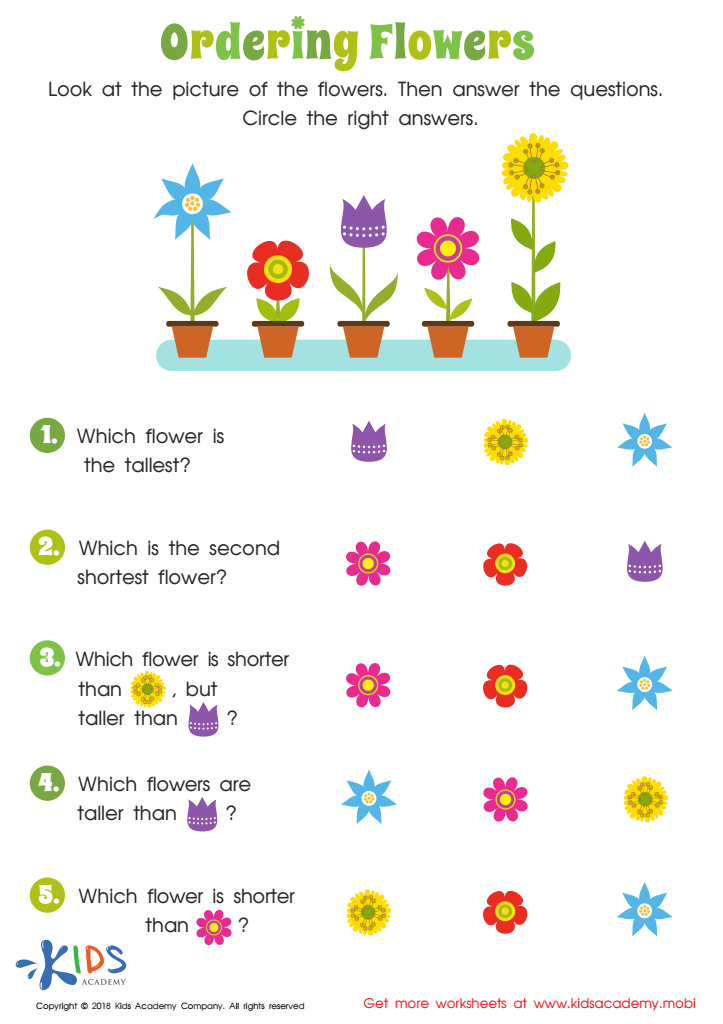
Ordering Flowers Worksheet
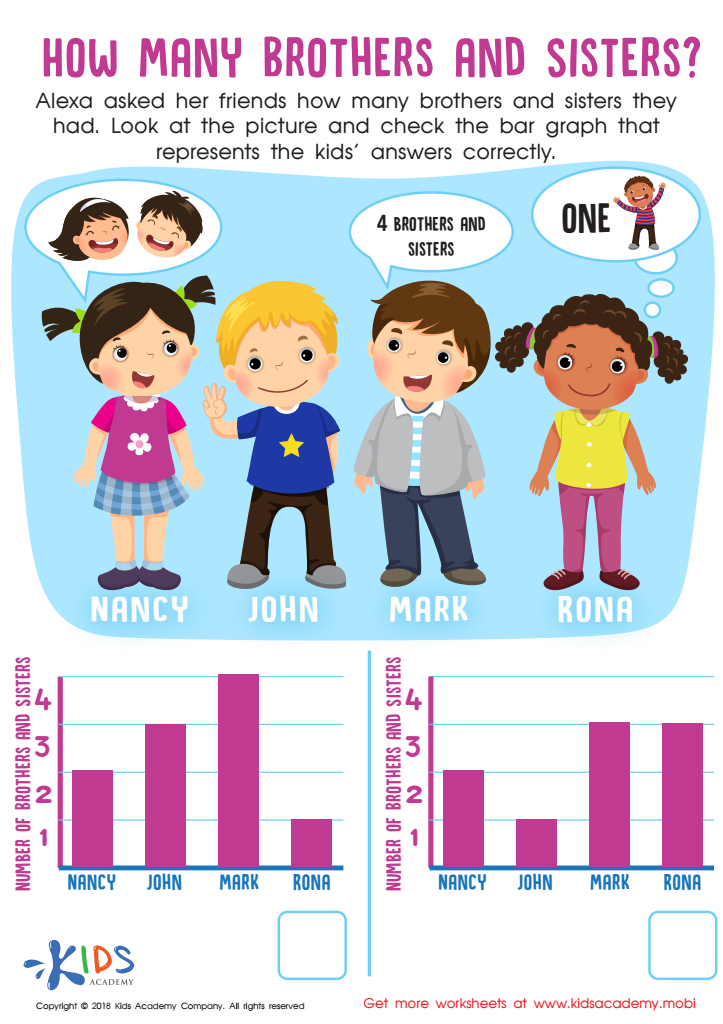
How Many Brothers and Sisters? Worksheet
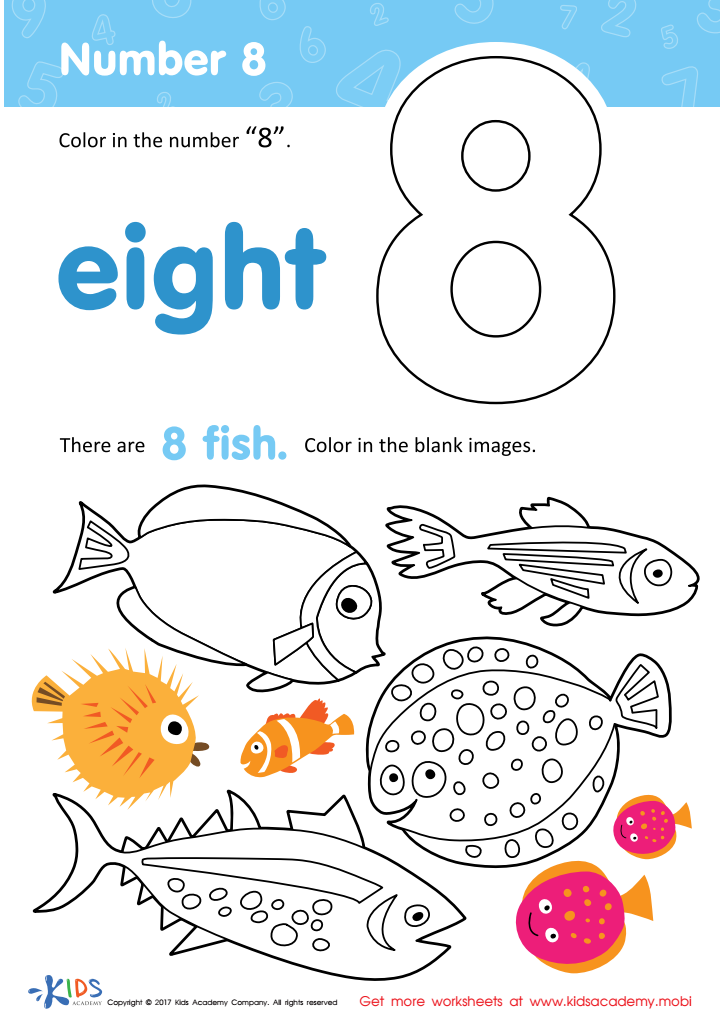
Number 8 Printable
Assign to My Students
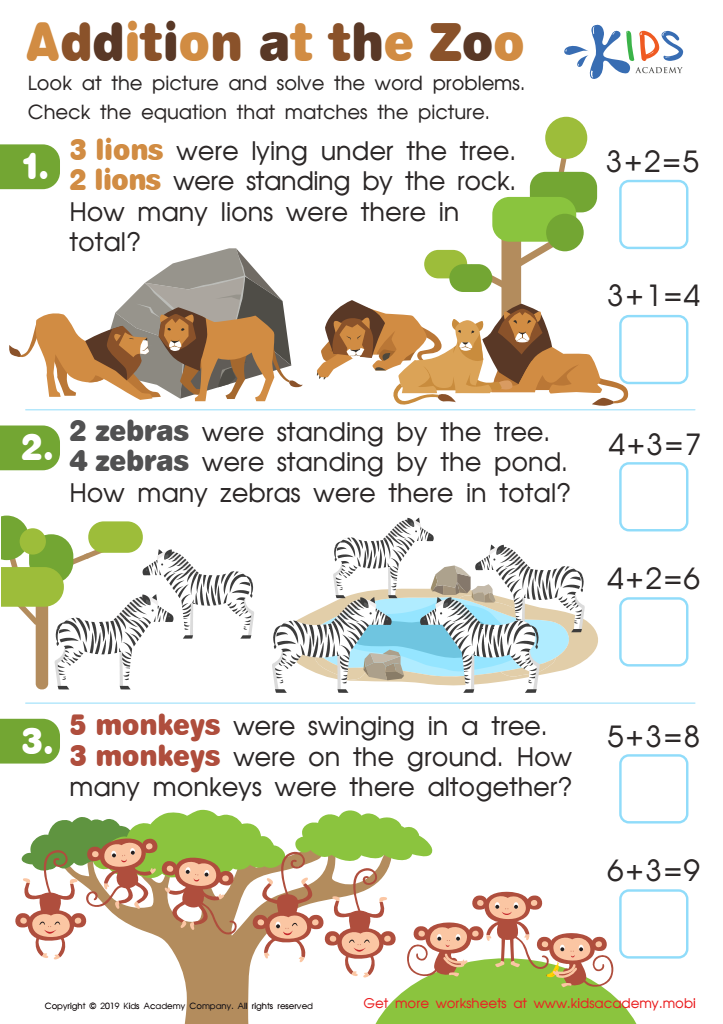
Addition at the Zoo Worksheet
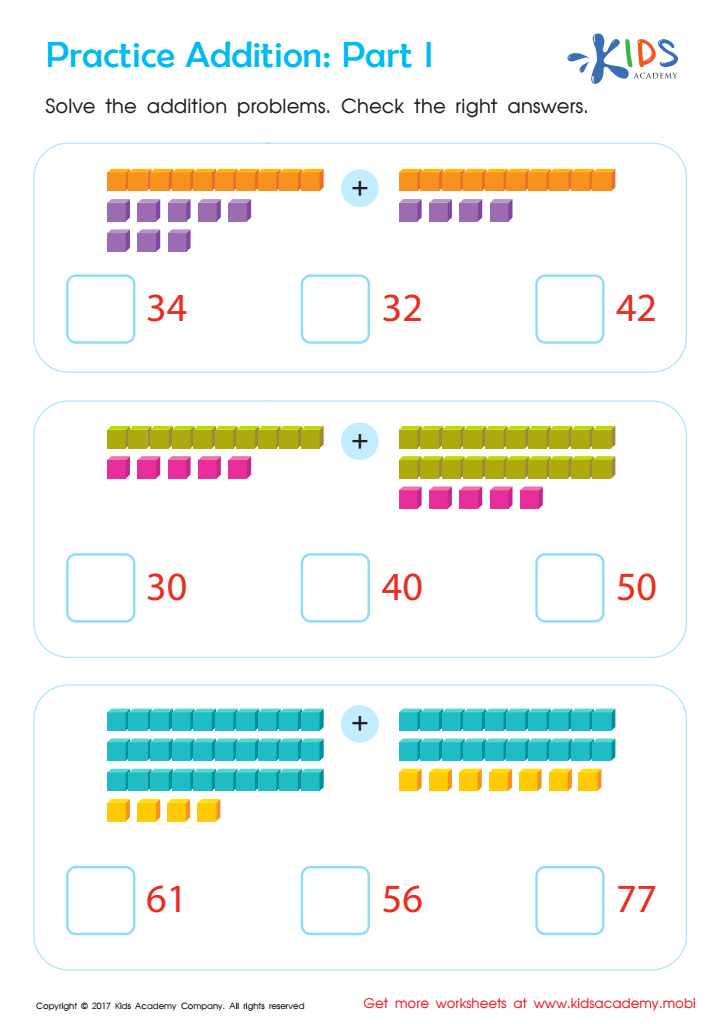
Practice Addition: Part 1 Worksheet
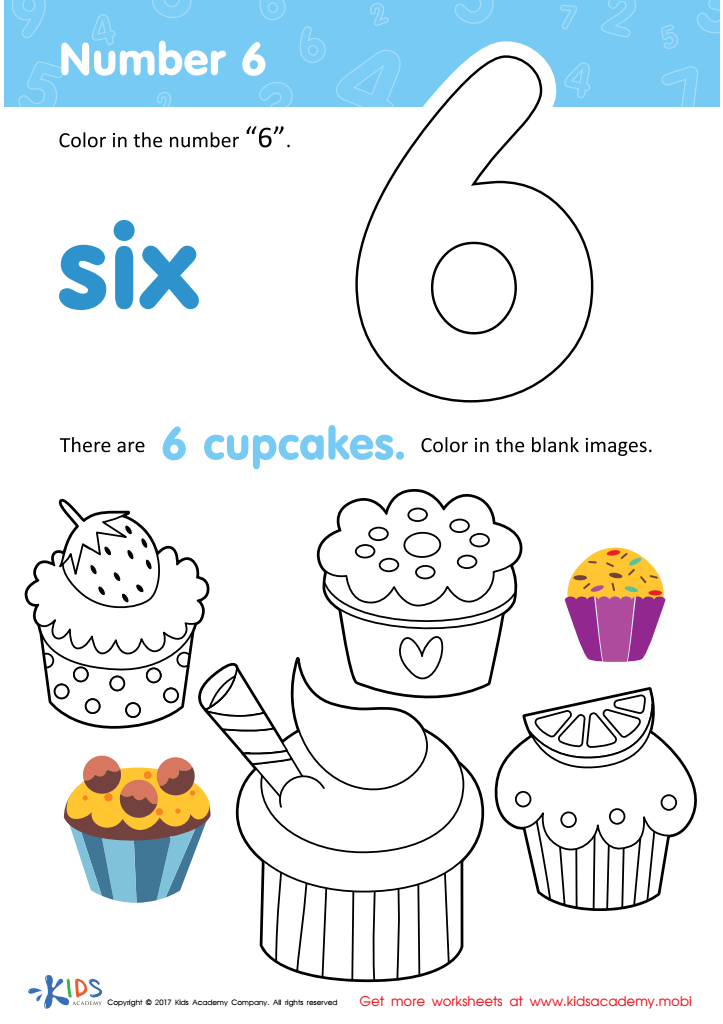
Number 6 Worksheet
Assign to My Students
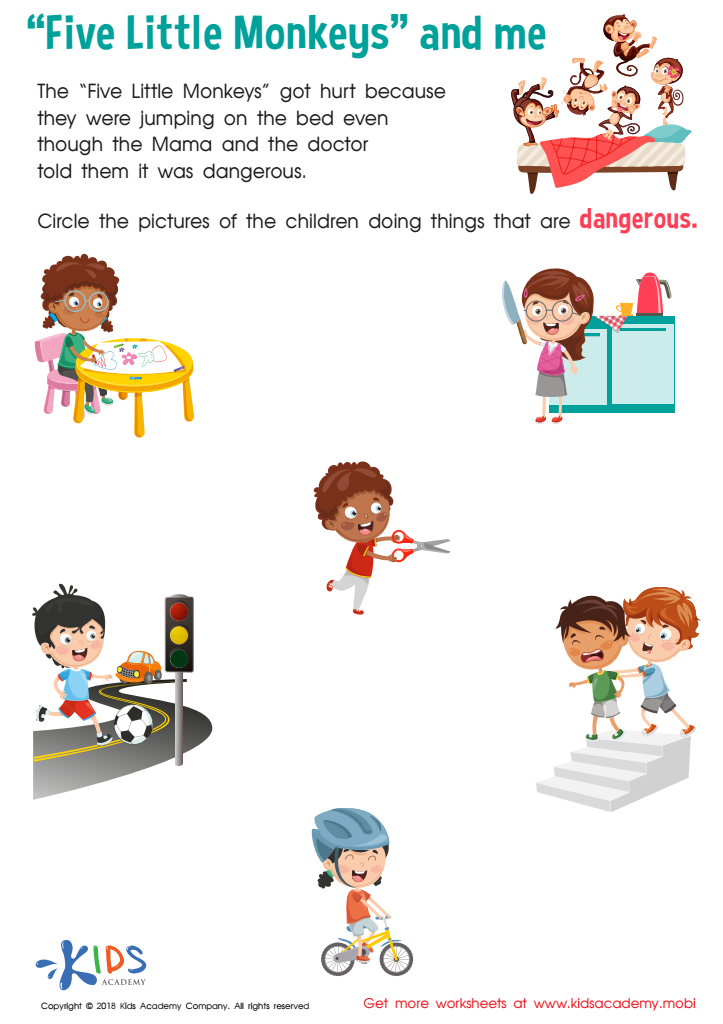
Five Little Monkeys and Me Worksheet
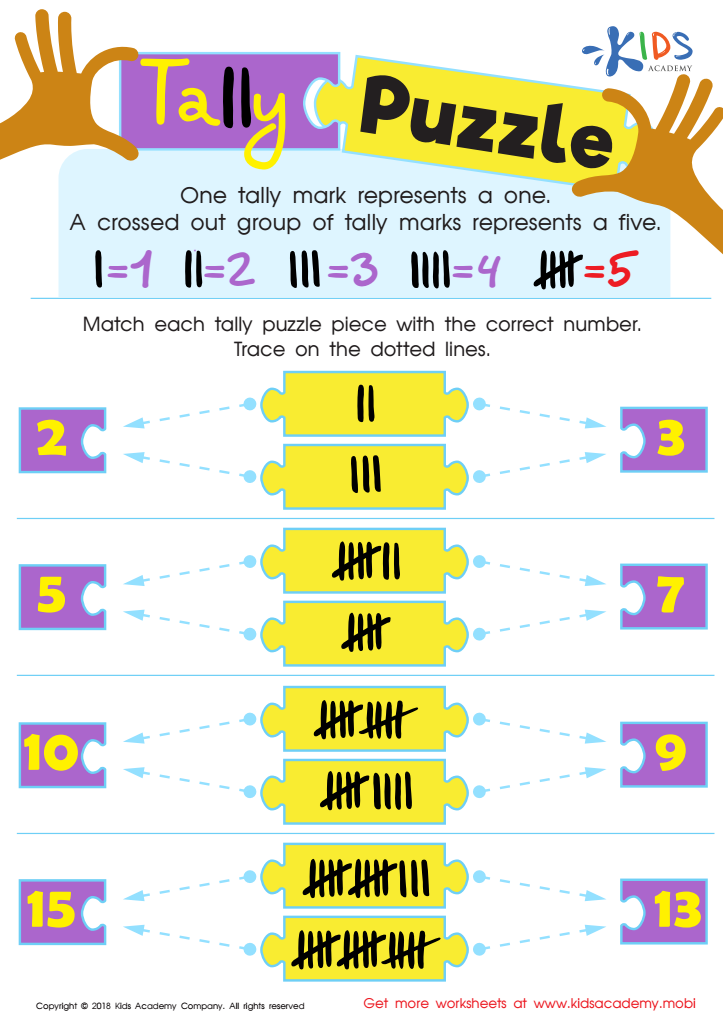
Tally Puzzle Worksheet
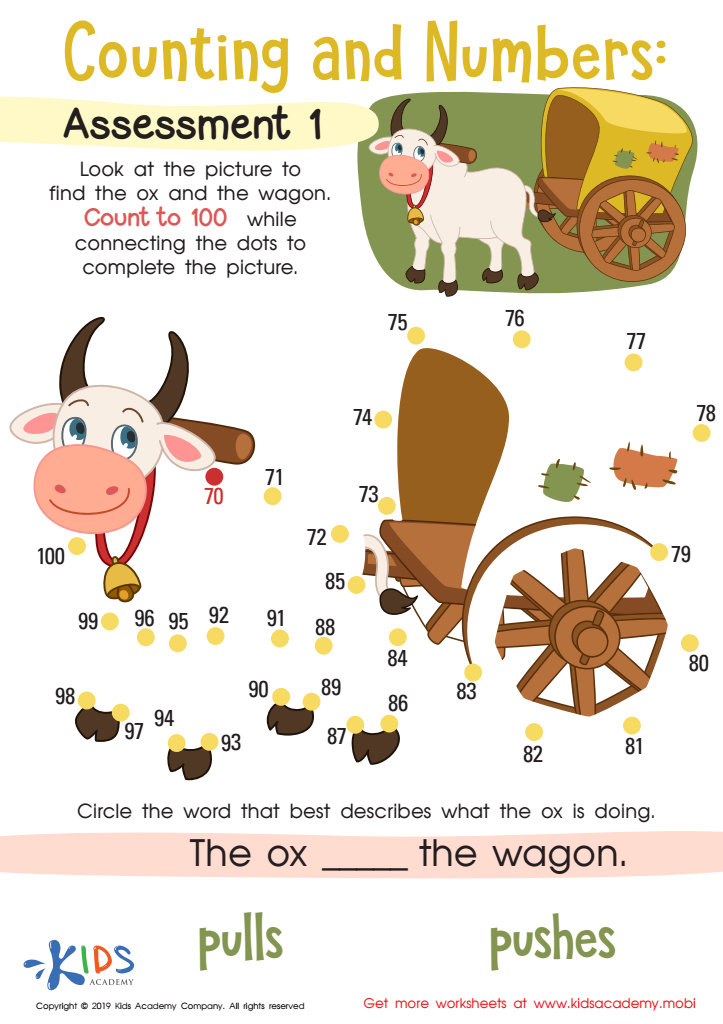
Counting and Numbers: Assessment 1 Worksheet
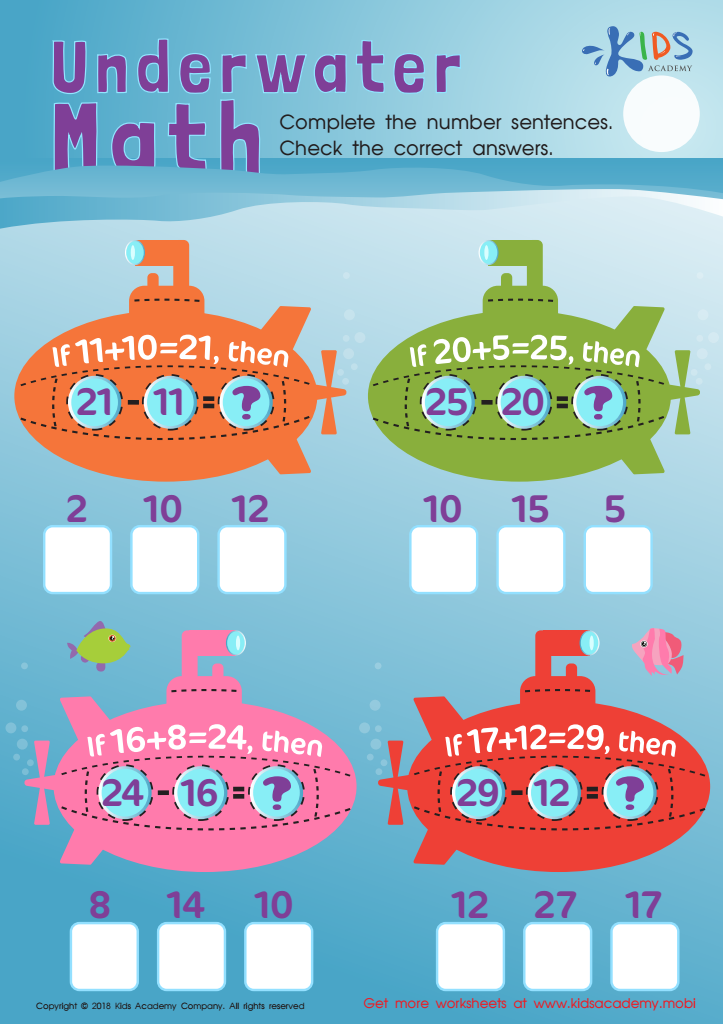
Addition and Subtraction: Underwater Math Worksheet
Number 3 Worksheet
Assign to My Students
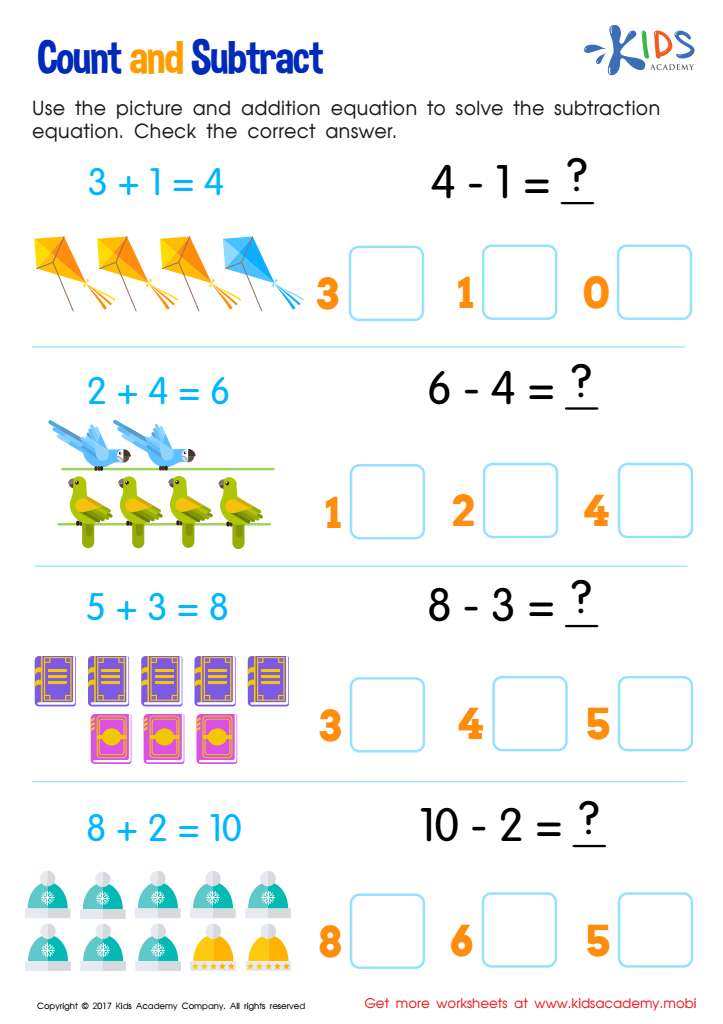
Count and Subtract Worksheet

Counting on the City Skyline: Dot-to-Dot Worksheet








Number recognition in early childhood sets the foundation for all future mathematics learning. For children aged 7-9, it is crucial that parents and teachers carefully foster this skill because it contributes significantly to the development of essential numerical and problem-solving abilities.
First, understanding numbers helps children with basic arithmetic operations such as addition, subtraction, multiplication, and division. Accurate number recognition allows children to smoothly transition into these more complex concepts, ensuring they do not fall behind their peers in math proficiency.
Second, number recognition supports daily life skills. Children use numbers when telling time, understanding money, and measuring quantities in cooking or spatial arrangements. This practical knowledge helps children become more independent and confident in their abilities.
Third, early mastery of number recognition boosts a child’s self-esteem and encourages a positive attitude towards learning. When children can identify numbers quickly and accurately, they feel competent, which fosters a liking for math rather than anxiety or resentment.
Finally, strong number recognition skills are linked to better overall academic performance. Research demonstrates that early numeracy skills are predictive of later success in various subjects, not just math. By placing importance on number recognition, parents, and teachers lay the groundwork for children’s holistic educational development.
In essence, fostering number recognition is critical, foundational work that shapes academic success and everyday competency.








