Problem-solving practice Easy Worksheets for 7-Year-Olds
3 filtered results
-
From - To
Discover our engaging "Problem-Solving Practice Easy Worksheets for 7-Year-Olds," designed to foster critical thinking and enhance math skills. These worksheets offer a variety of fun, age-appropriate problems that encourage children to think creatively and develop effective strategies for solving challenges. With vibrant illustrations and interactive exercises, our resources make learning enjoyable while helping students build confidence in their problem-solving abilities. Perfect for reinforcing classroom lessons or providing extra practice at home, these worksheets are beneficial for parents, teachers, and young learners. Unlock your child's potential with our thoughtfully crafted materials that make problem-solving a stimulating adventure!
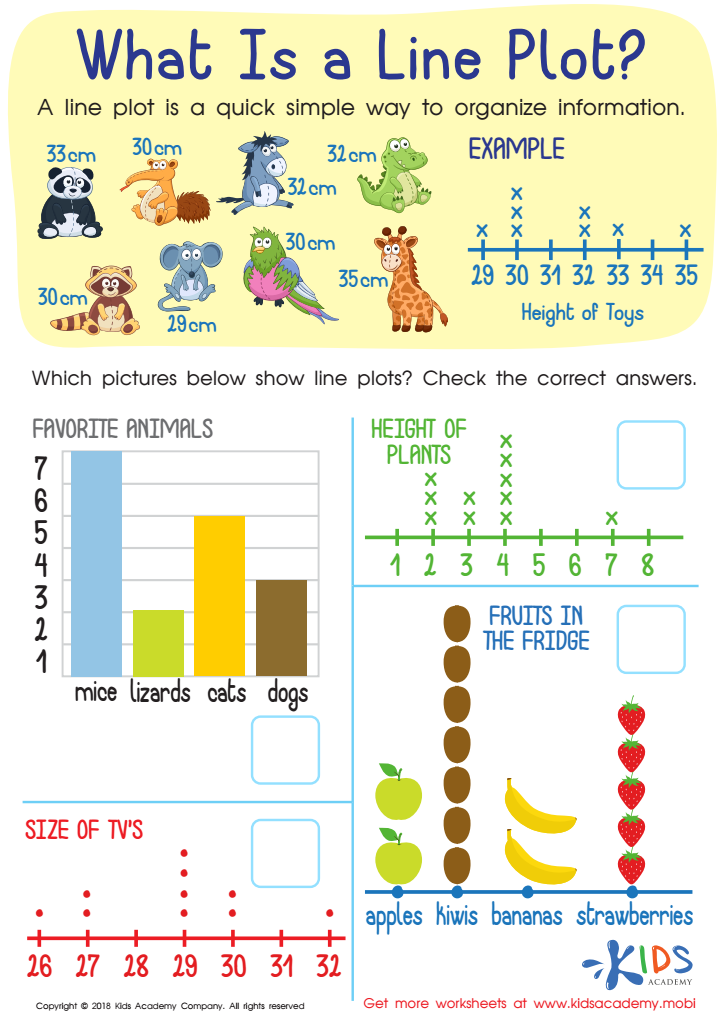
What Is a Line Plot? Worksheet
 Assign to My Students
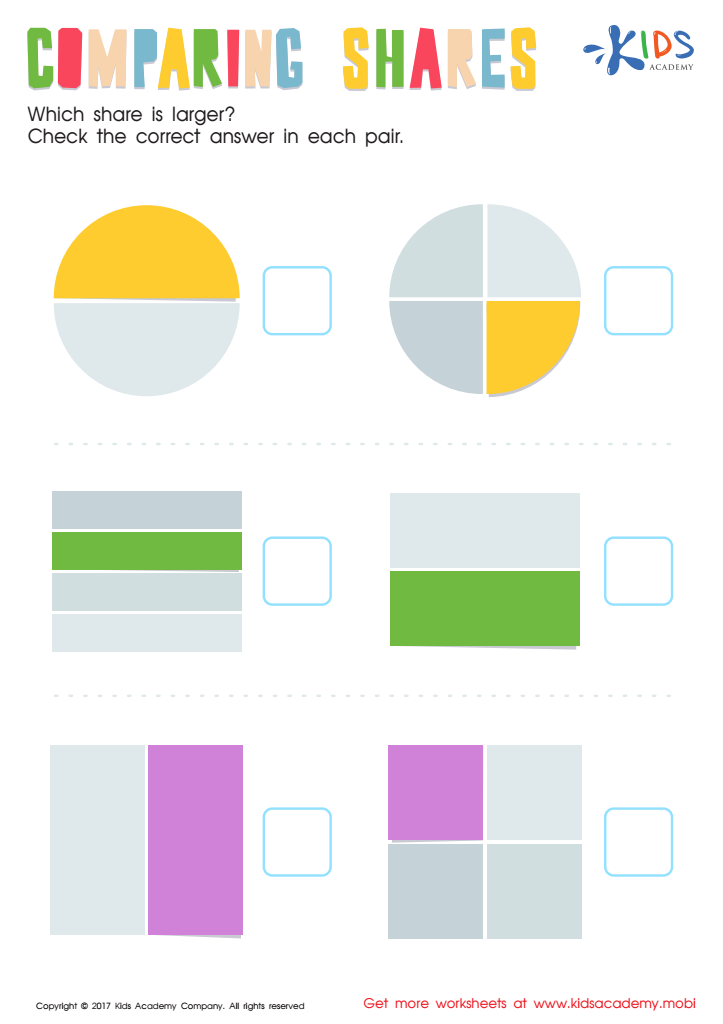
Comparing Shares Worksheet
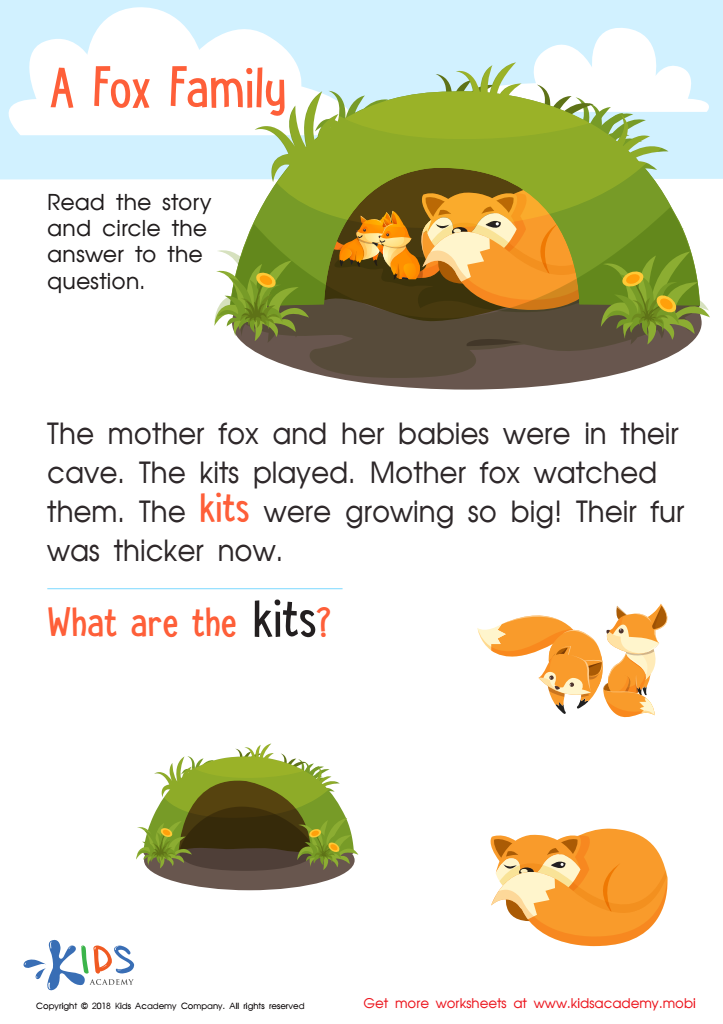
A Fox Family Worksheet








Parents and teachers should prioritize problem-solving practice for 7-year-olds because it lays the foundation for critical thinking and life skills. At this age, children are naturally curious and eager to explore. Engaging in problem-solving activities nurtures their ability to think logically, assess situations, and develop solutions. These skills are essential not just in academics but also in everyday life, helping children navigate social situations, resolve conflicts, and make decisions.
Moreover, practicing problem-solving enhances a child's resilience. When faced with challenges, they learn that failure is a part of the learning process, building confidence in their abilities to tackle obstacles. This fosters a growth mindset, encouraging them to view challenges as opportunities rather than setbacks.
Furthermore, problem-solving exercises encourage teamwork and communication. Working together to solve a problem allows children to express their thoughts and listen to others, promoting cooperation and empathy.
Ultimately, investing in problem-solving practice equips children with vital tools for their future. It cultivates inquisitiveness, critical analysis, and creativity, all of which are invaluable in an increasingly complex world. By prioritizing these skills in early education, parents and teachers help learners prepare for academic success and personal growth.








