Basic Addition Easy Worksheets for Ages 8-9
6 filtered results
-
From - To
Explore our collection of Basic Addition Worksheets designed specifically for ages 8-9! These engaging and easy-to-follow worksheets help young learners grasp essential addition skills through fun exercises and varied problems. Perfect for reinforcing math comprehension at home or in the classroom, our worksheets include vibrant illustrations and enjoyable themes to keep students motivated. Teachers and parents will appreciate the clear instructions and diverse problem sets that cater to different learning styles. Boost your child’s confidence in math with our thoughtfully crafted resources, making basic addition not just educational, but also enjoyable! Download for free and watch their math skills soar!
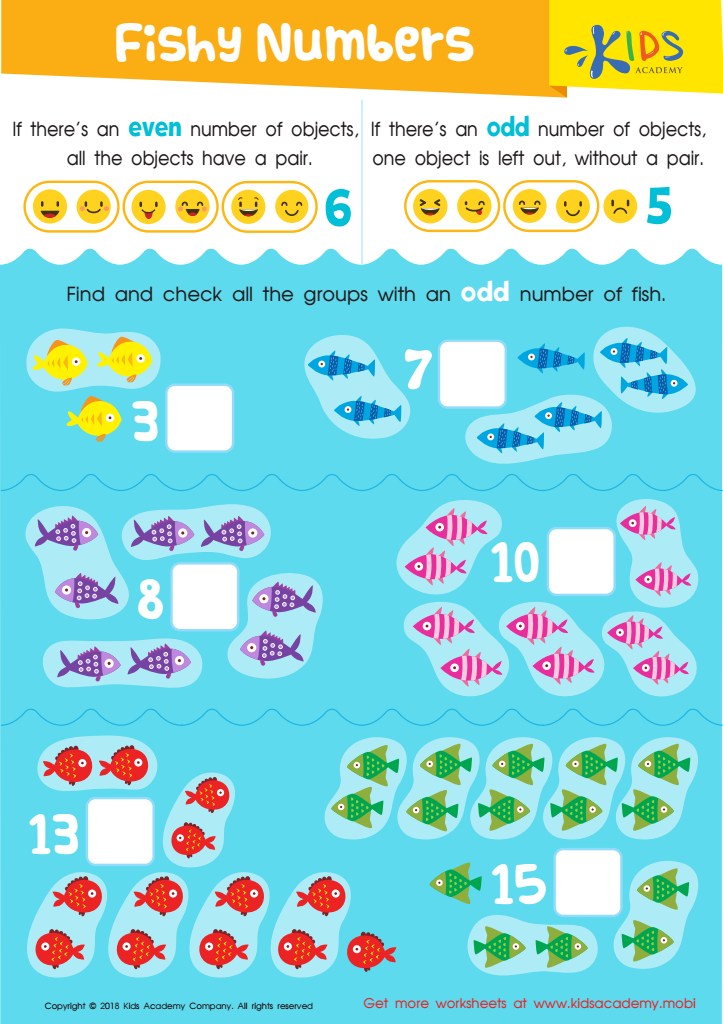
Fishy Numbers Worksheet
 Assign to My Students
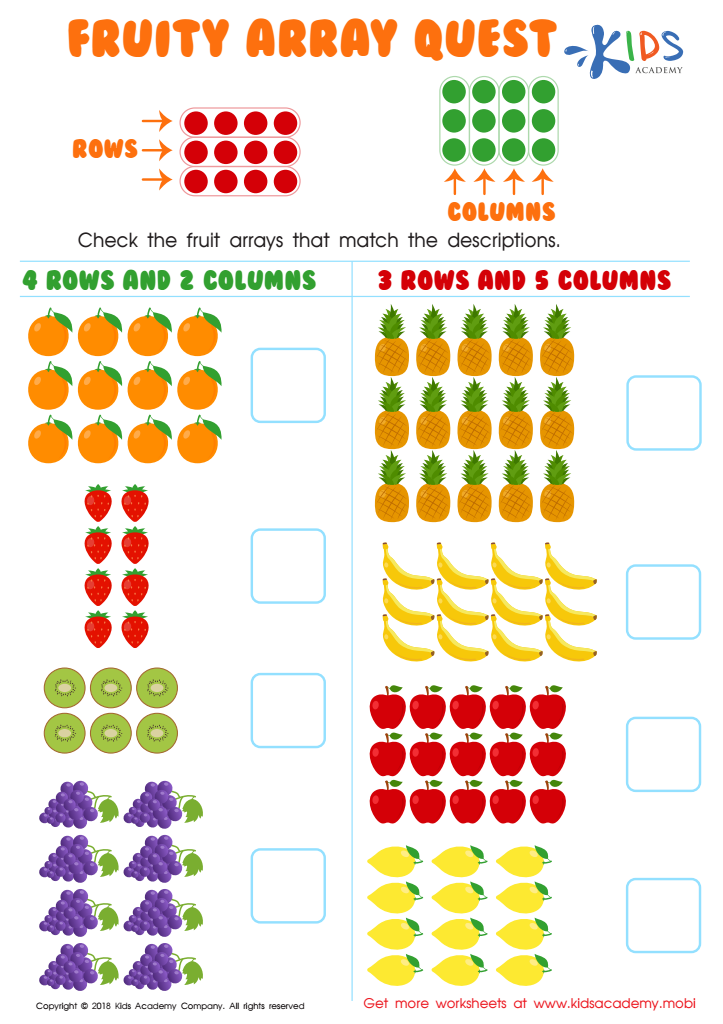
Fruity Array Quest Worksheet
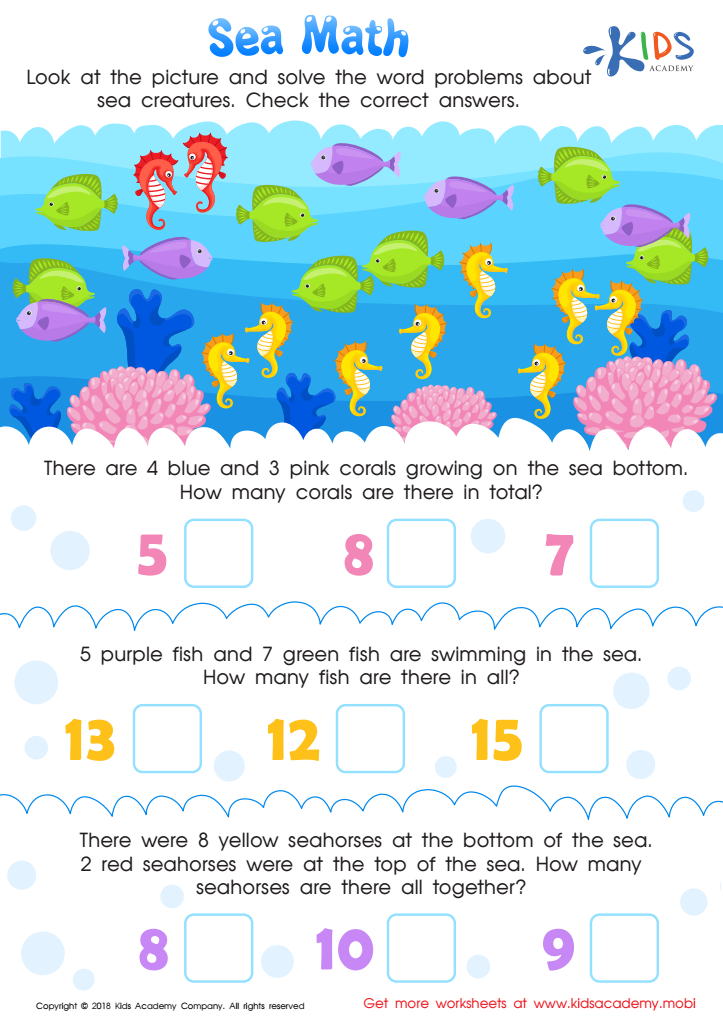
Sea Math Worksheet
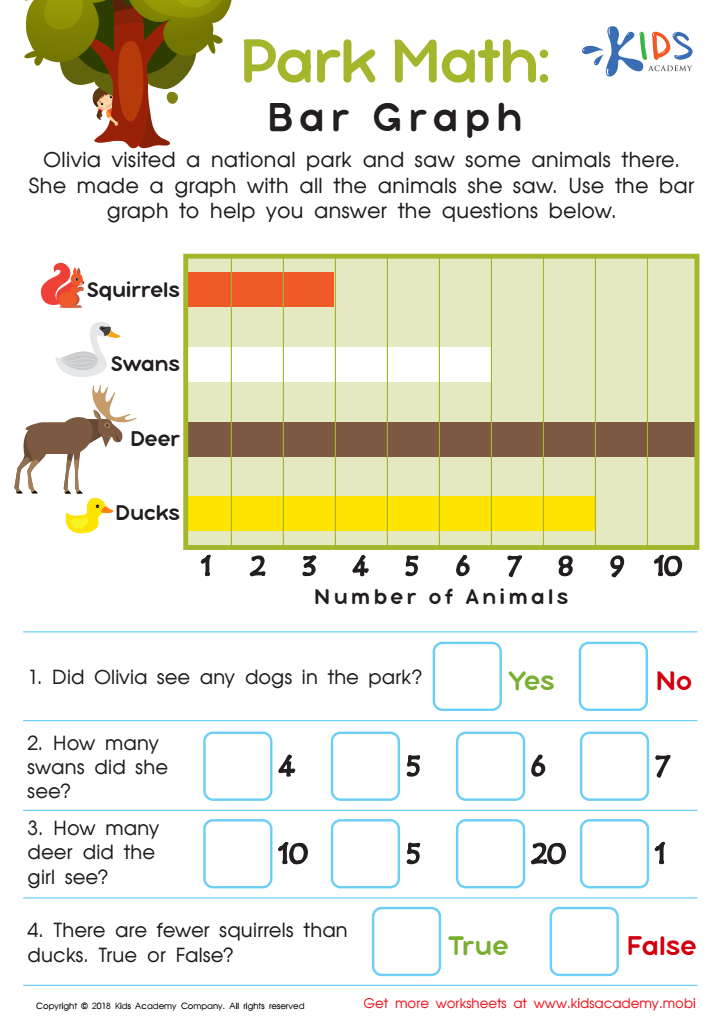
Park Math: Bar Graph Worksheet
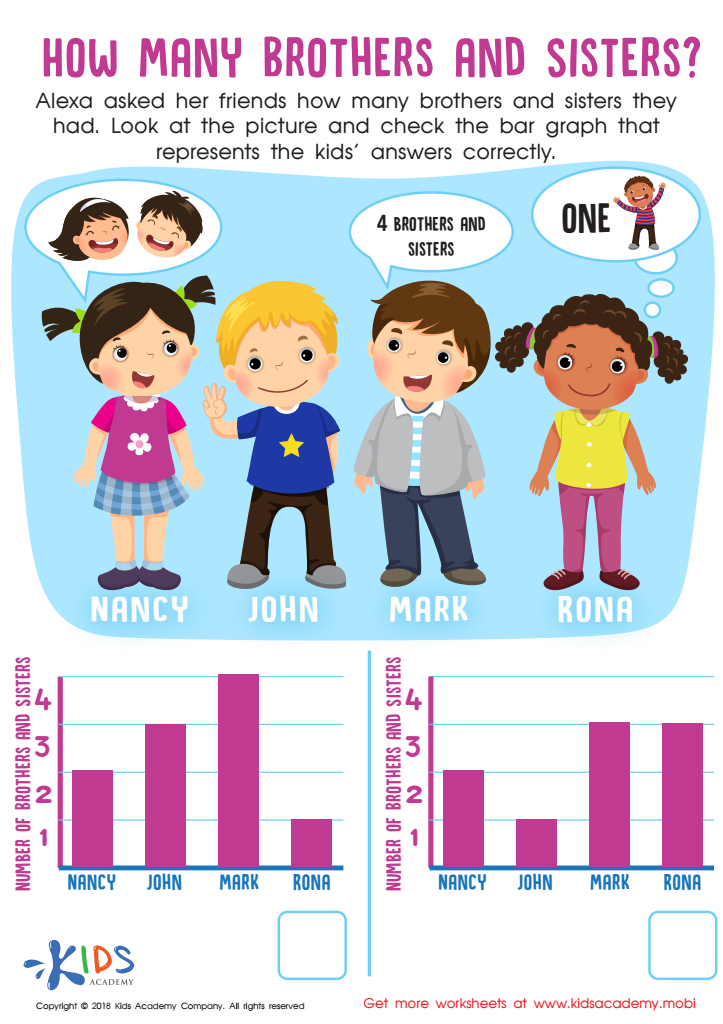
How Many Brothers and Sisters? Worksheet
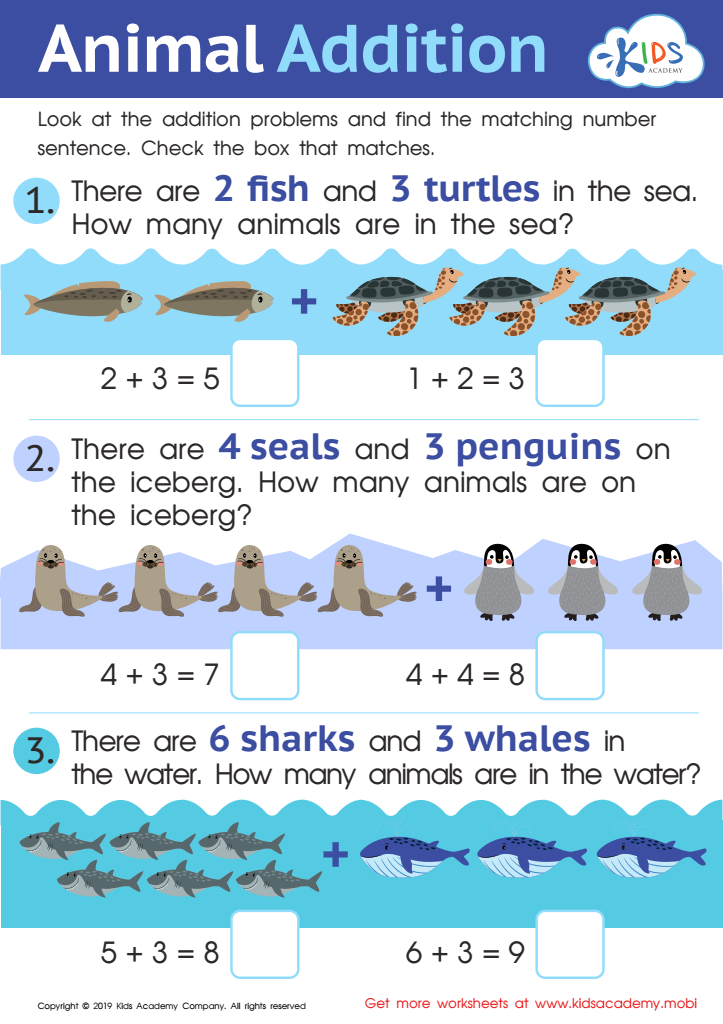
Animal Addition Worksheet







Parents and teachers should care about basic addition concepts for ages 8-9 because this skill serves as the foundation for all future mathematical learning. At this age, children are transitioning from simple arithmetic to more complex operations, and proficiency in addition is crucial to their overall academic success.
Effective addition skills enable children to tackle more challenging math problems, such as subtraction, multiplication, and division, which they will encounter in following grades. Additionally, mastering these basic skills fosters confidence in their ability to engage with mathematics. This confidence is essential for encouraging a positive attitude towards learning, as students who feel competent in their abilities are more likely to embrace new challenges.
Moreover, basic addition benefits everyday life skills, such as budgeting, shopping, and time management. When teachers and parents actively support the development of addition skills, they can help children not only excel in mathematics but also apply these skills in real-world situations. Furthermore, fostering a collaborative learning environment at home and in school can enhance children's problem-solving skills and critical thinking abilities, key competencies required for any future endeavor. Ultimately, a solid grasp of basic addition empowers children academically and personally, laying the groundwork for lifelong success.








