
Color Identification Easy Worksheets for Ages 8-9
3 filtered results
Difficulty Level
Grade
Age
-
From - To
Subject
Activity
Standards
Enhance your child's color recognition skills with our engaging "Color Identification Easy Worksheets" designed for ages 8-9! These worksheets are perfect for reinforcing color identification through fun and interactive exercises. Your child will explore vibrant colors and apply their knowledge in various exciting activities, such as matching colors, identifying them in daily objects, and completing playful color-themed puzzles. Each worksheet is curriculum-aligned, ensuring a comprehensive learning experience. Ideal for home study or classroom activities, these resources make learning enjoyable while building essential skills. Download our easy-to-use worksheets today and watch your child's confidence and color recognition grow!
Favorites
With answer key
Interactive
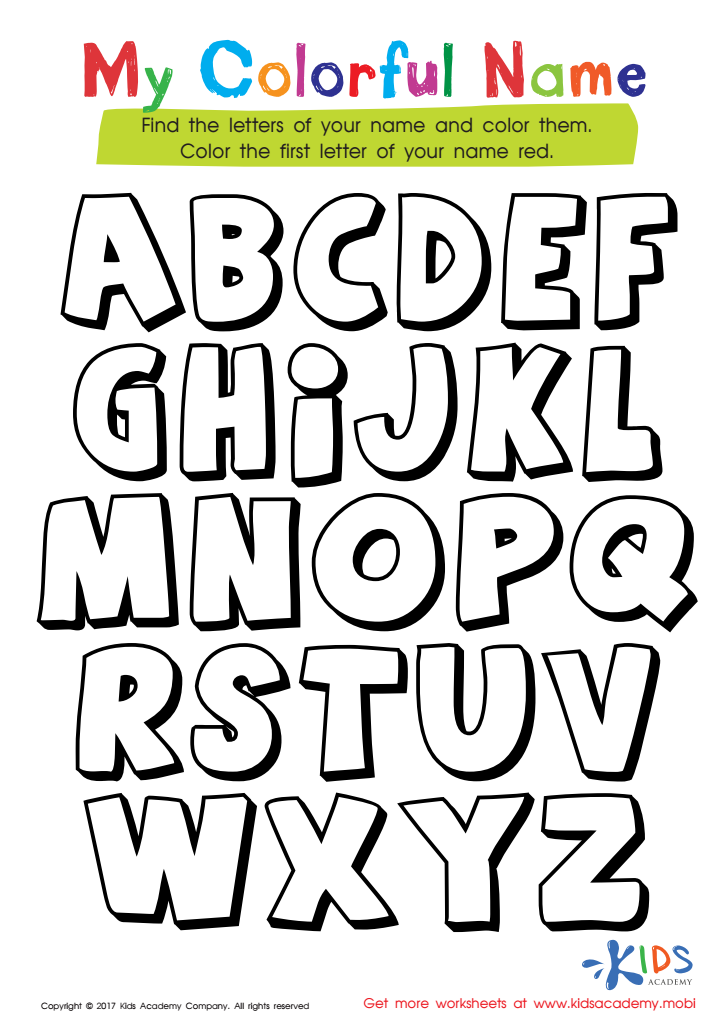
My Colorful Name Worksheet
Writing their names is a milestone for children. With this worksheet, they recall the letters in their name and color the letters one at a time. Spelling and alphabet order are reinforced as they find each letter. Use this fun printable to help kids learn to write their names!
Download (PDF)
 Assign to My Students
Assign to My Students
My Colorful Name Worksheet
Worksheet
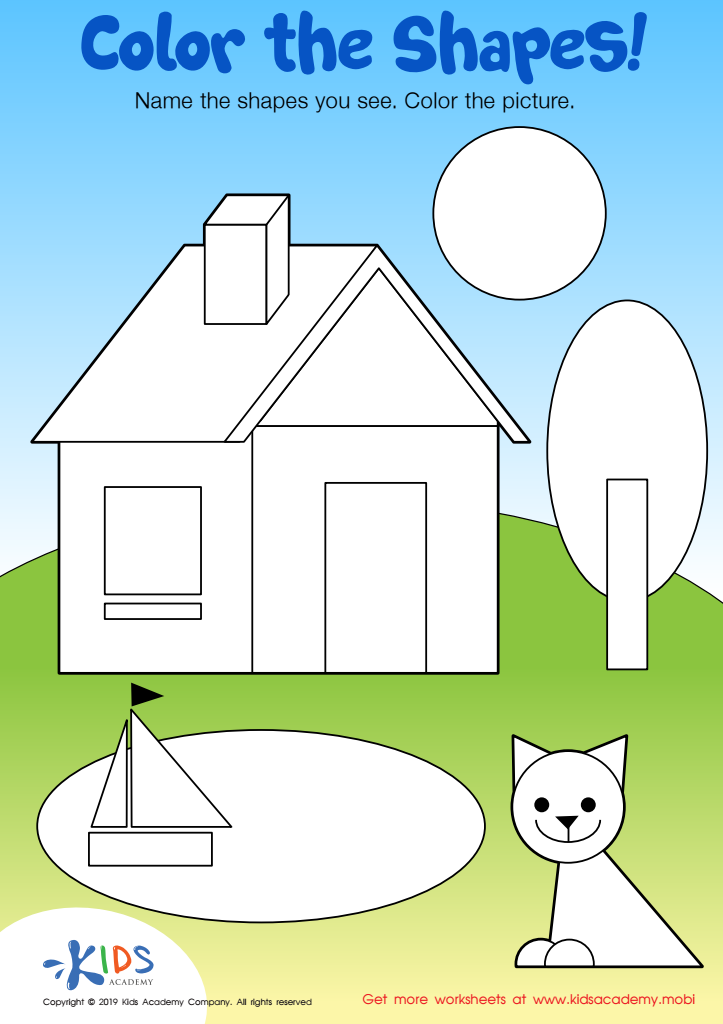
Color the Shapes Worksheet
Help your student master shape identification with this fun worksheet. Ask them to name the shapes in the picture, then color it! Ask questions like "How many squares do you see?" and "How many triangles?" to extend the learning. Identify squares, circles, triangles and rectangles with this enjoyable coloring page.
Download (PDF)
Assign to My Students
Assign to My Students
Color the Shapes Worksheet
Worksheet
Join Kids Academy for Free
Who is primarily going to use this learning content?






Color identification is a fundamental skill that plays a crucial role in the cognitive and developmental growth of children aged 8-9. At this age, children are refining their visual perception and expanding their understanding of the environment. When parents or teachers emphasize color identification, they are not just teaching children to recognize colors; they are enhancing their ability to categorize objects, improve memory, and encourage better communication skills.
Understanding colors can also promote creativity, as children begin to explore color combinations and use them in art projects, which fosters self-expression and innovation. Additionally, color identification is linked to emotional intelligence; specific colors can evoke feelings and moods, helping children articulate their emotions more effectively.
In educational contexts, mastering color recognition supports children in understanding various subjects, including science, mathematics (like graphing), and language arts (like descriptive writing). By nurturing this skill, parents and teachers set the groundwork for enhanced learning experiences and cognitive function. Engaging with colors through games, activities, and real-world application makes the learning process enjoyable, leading to increased enthusiasm and retention of information. Ultimately, prioritizing color identification translates to a well-rounded education and personal development for children.








