Color recognition Easy Worksheets for Ages 8-9
28 filtered results
-
From - To
Enhance your child's color recognition abilities with our easy worksheets designed specifically for ages 8-9. These activities are perfect for making learning engaging and fun while developing important skills. Each worksheet focuses on helping young learners accurately identify and match colors through a variety of creative exercises. From vibrant coloring tasks to interactive color matching games, our worksheets are crafted to ensure kids stay captivated and motivated. Encourage your child to explore the enchanting world of colors and improve their cognitive and visual perception skills with Kids Academy’s expertly designed color recognition worksheets.
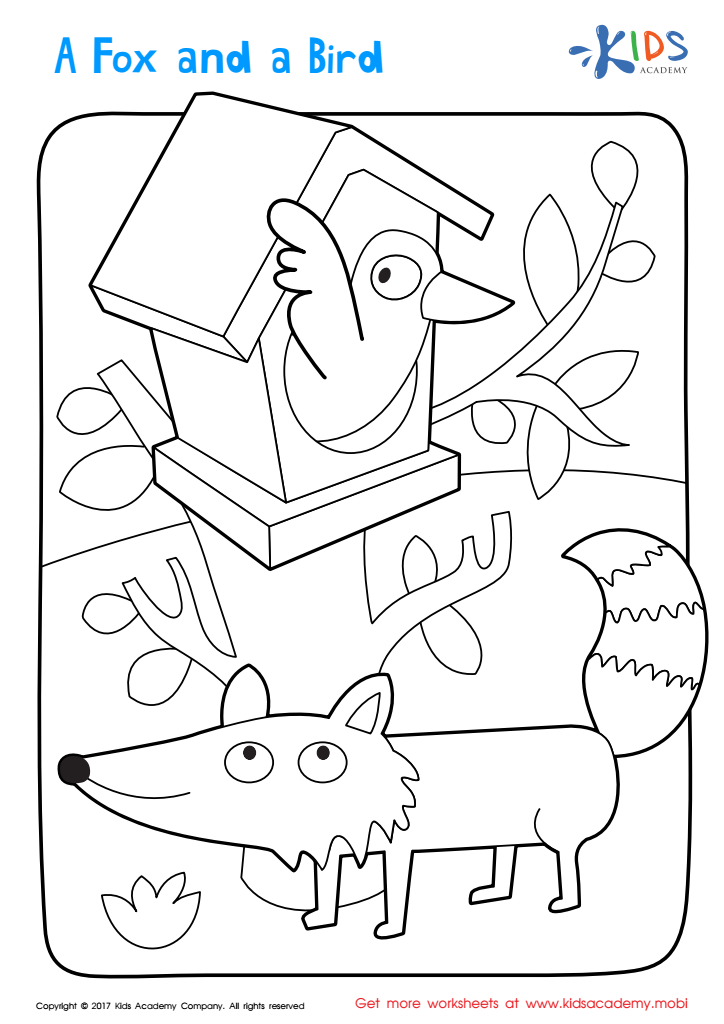
A Fox and Bird Coloring Page
 Assign to My Students
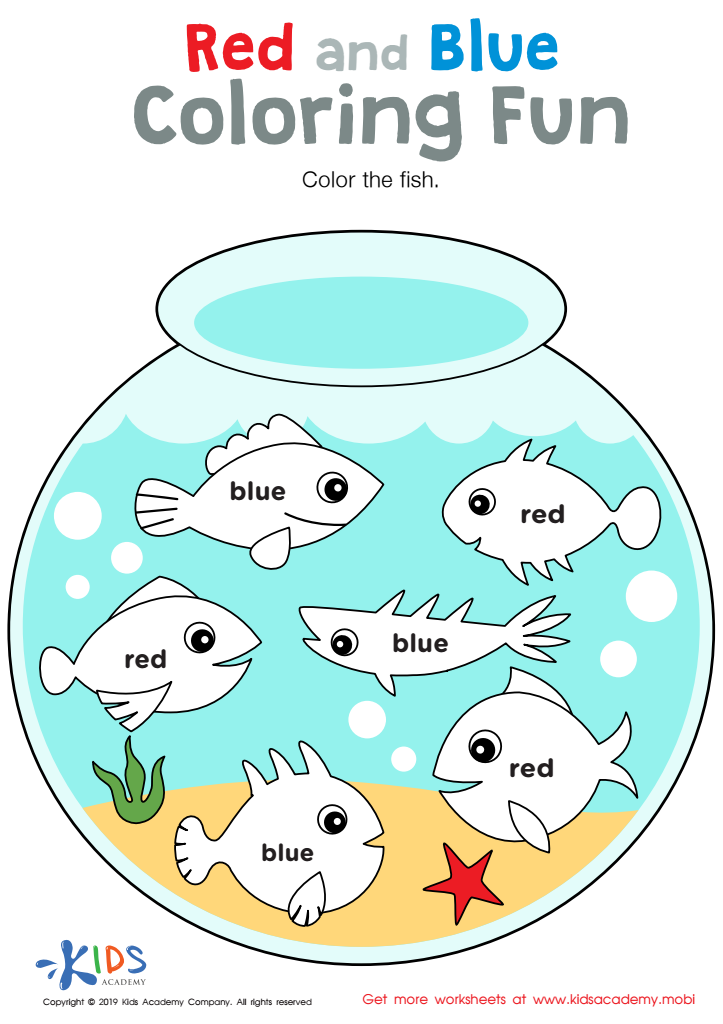
Red and Blue Coloring Fun Worksheet
Assign to My Students
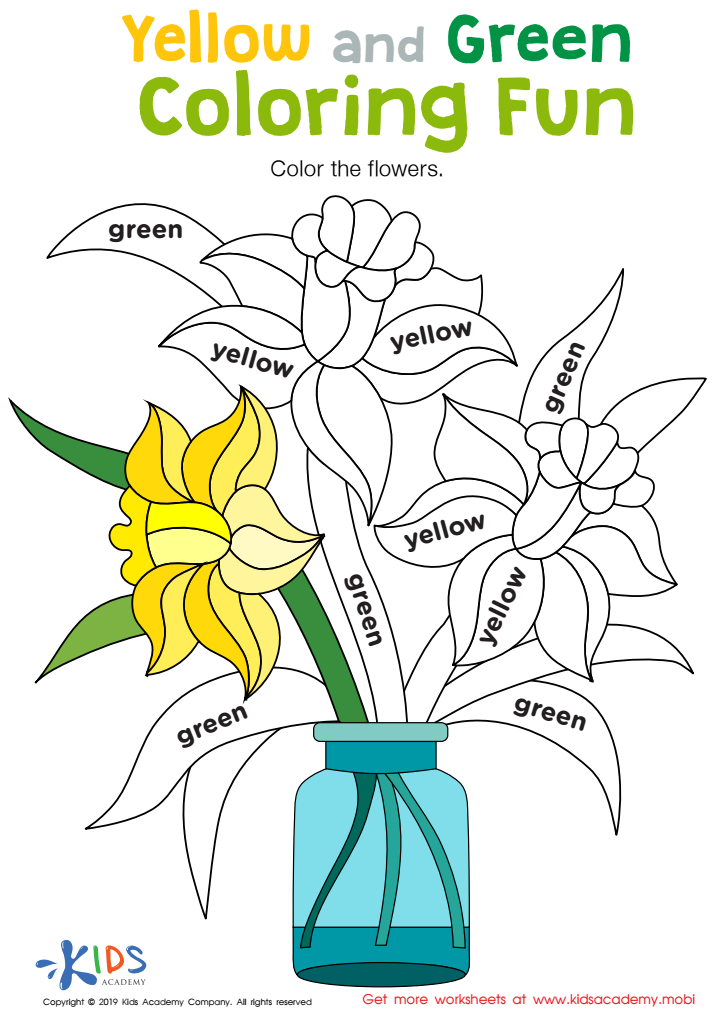
Yellow and Green Coloring Fun Worksheet
Assign to My Students
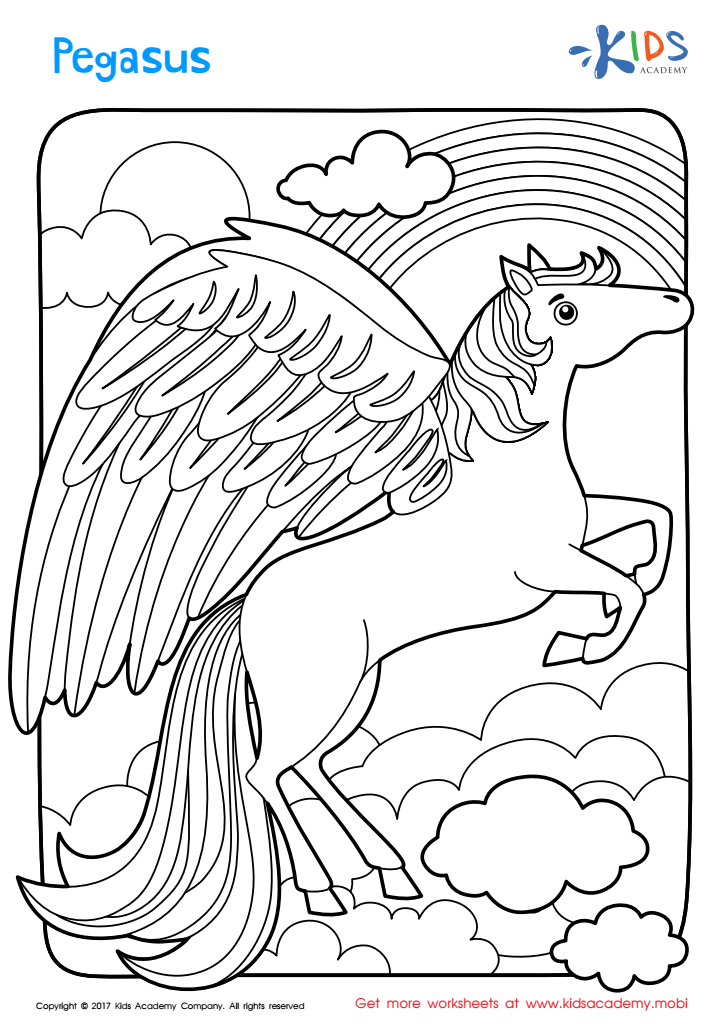
Pegasus Printable
Assign to My Students
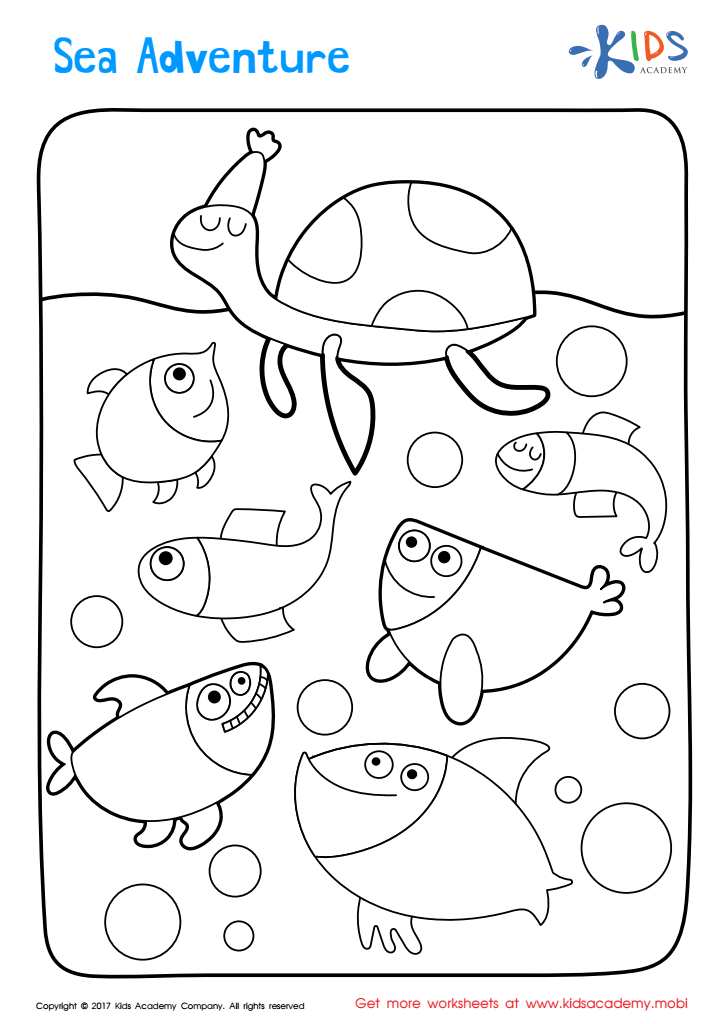
Sea Adventure Coloring Page
Assign to My Students
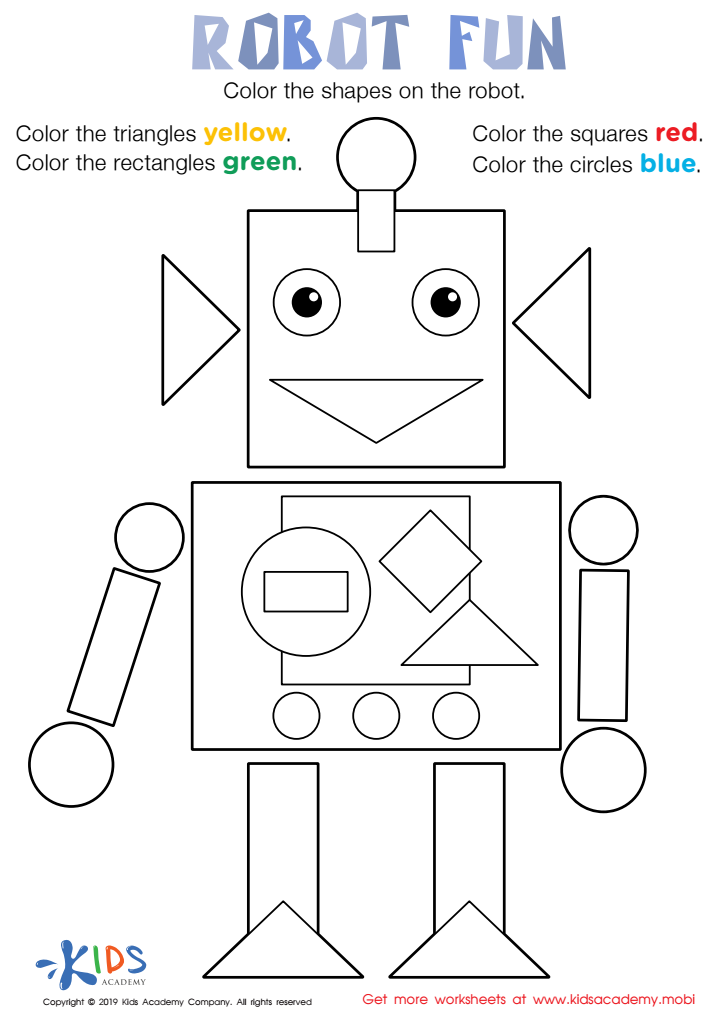
Robot Fun Worksheet
Assign to My Students
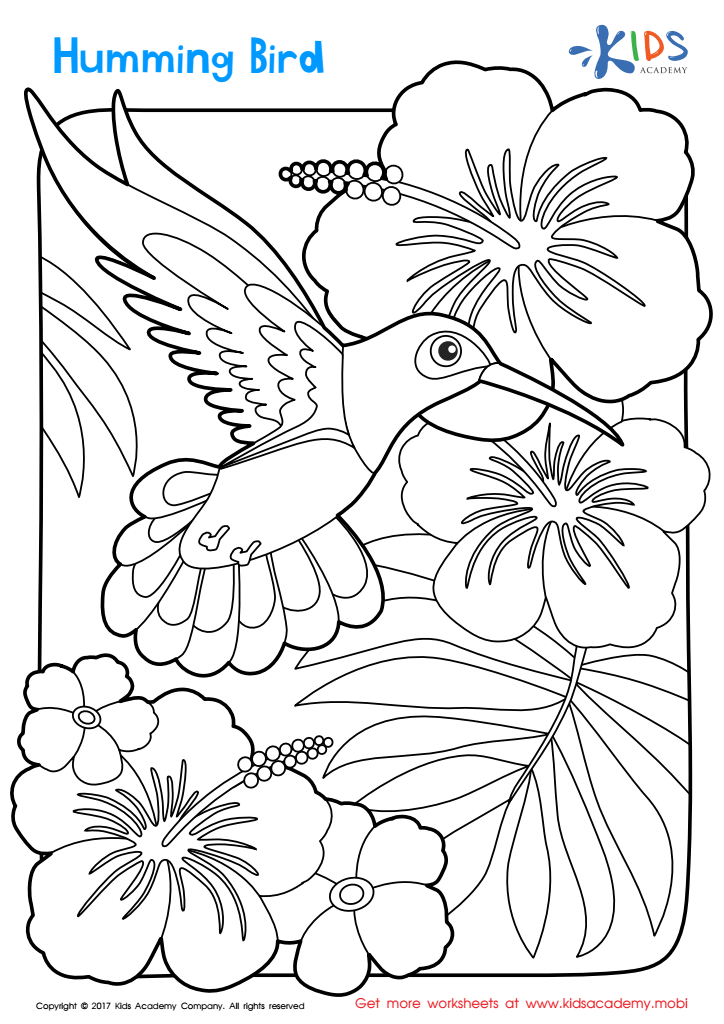
Humming Bird Worksheet
Assign to My Students
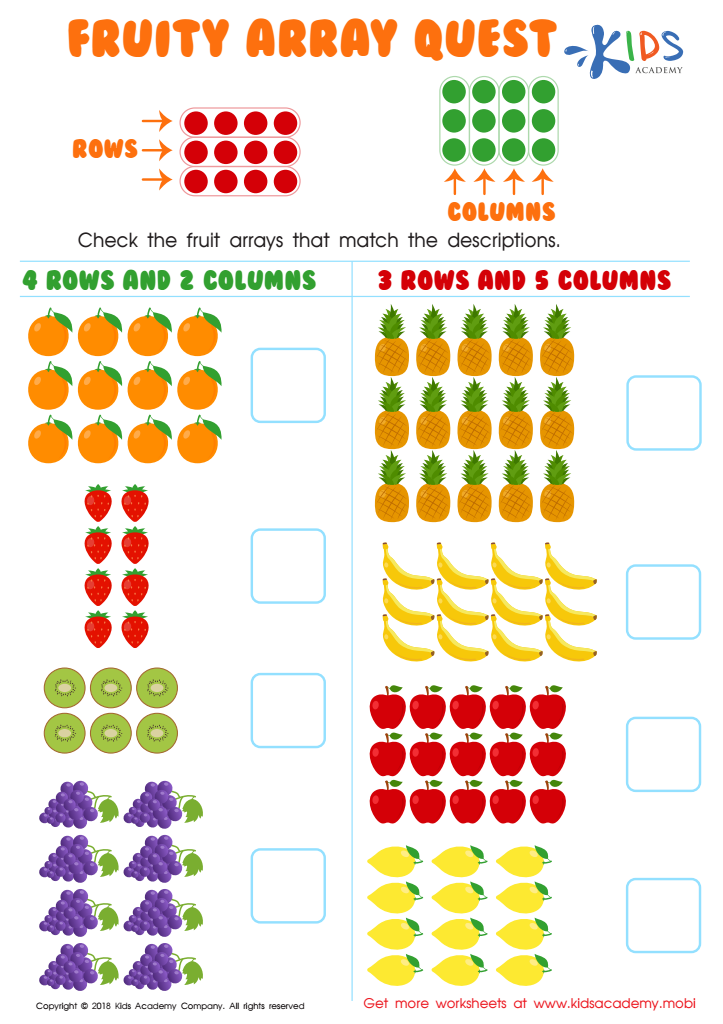
Fruity Array Quest Worksheet
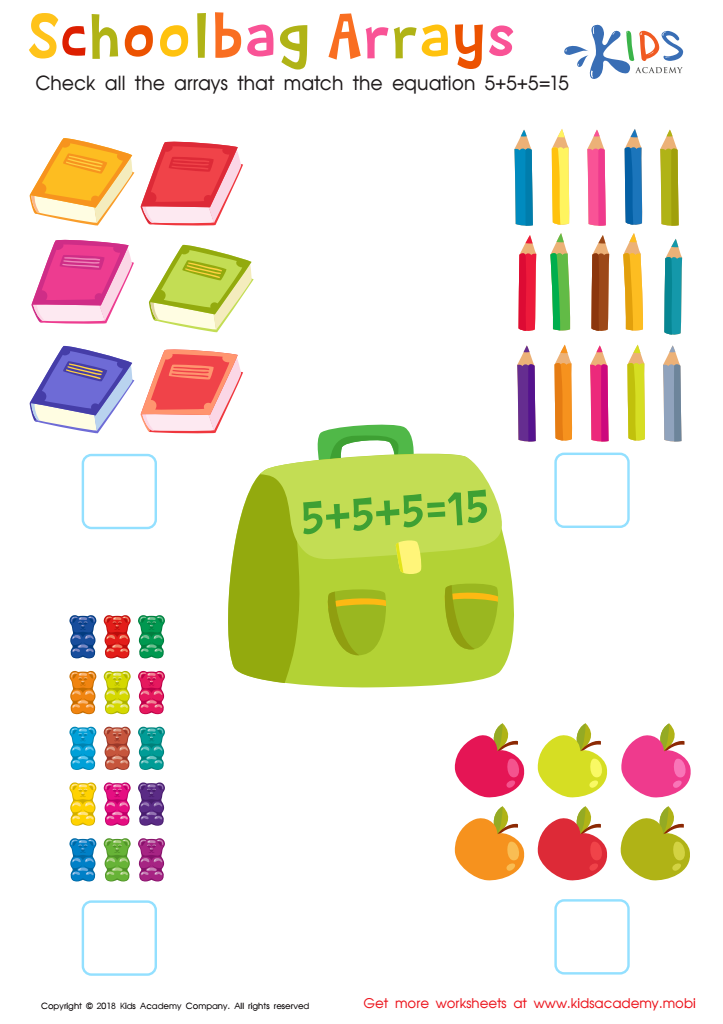
Schoolbag Arrays Worksheet
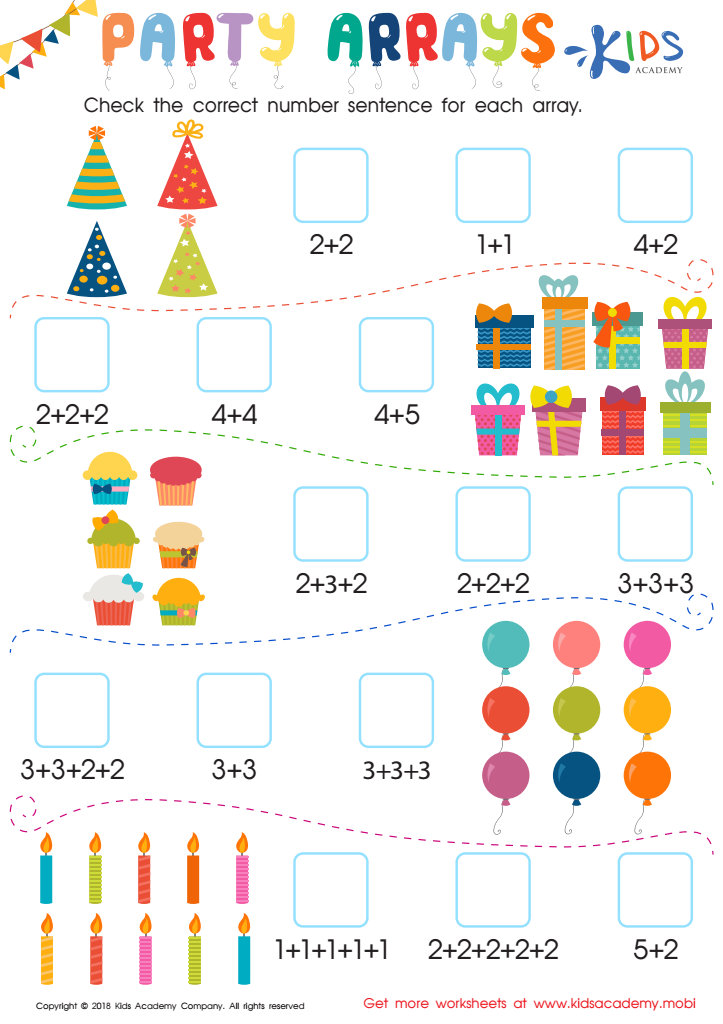
Party Arrays Worksheet
Halloween: A Bat Printable
Assign to My Students
Little Mermaid Coloring Page
Assign to My Students
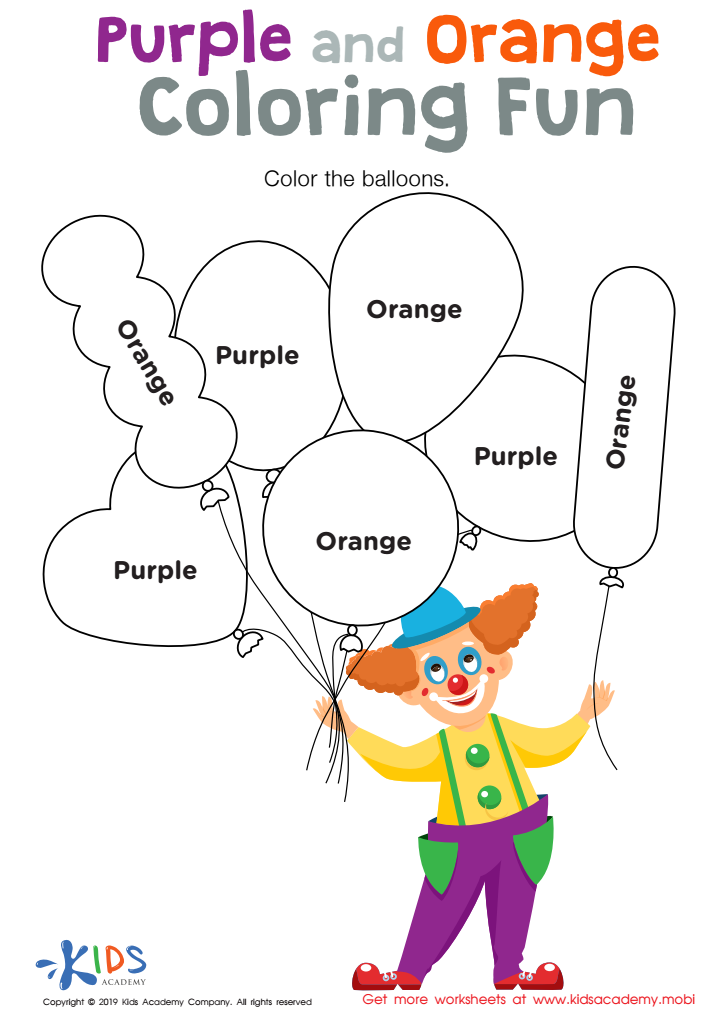
Purple and Orange Coloring Fun Worksheet
Assign to My Students
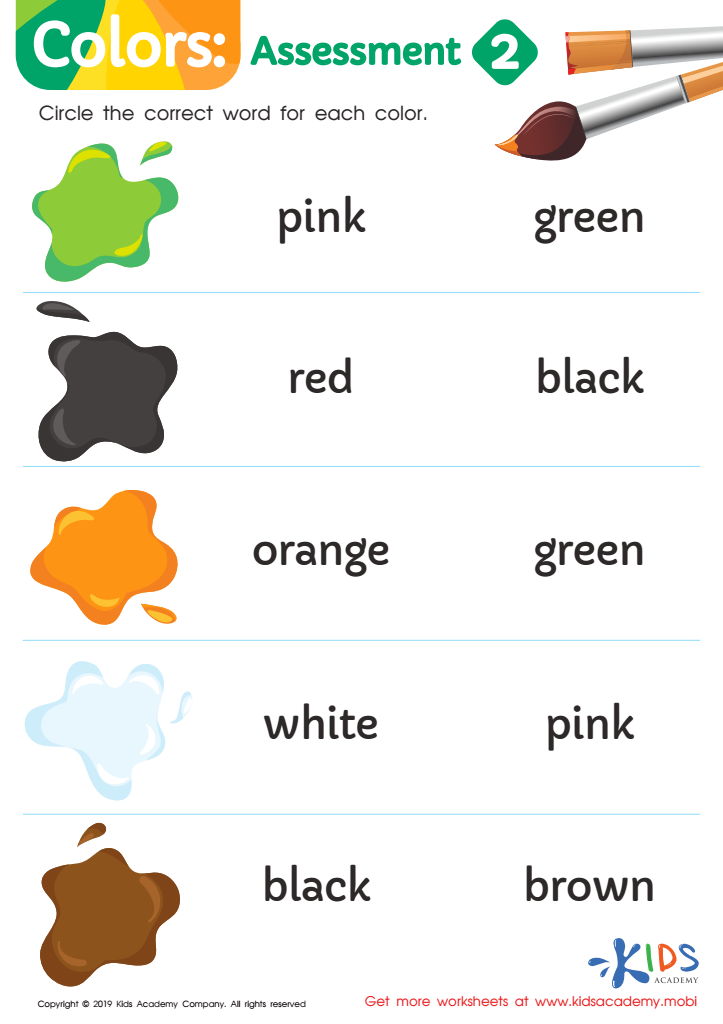
Colors: Assessment 2 Worksheet
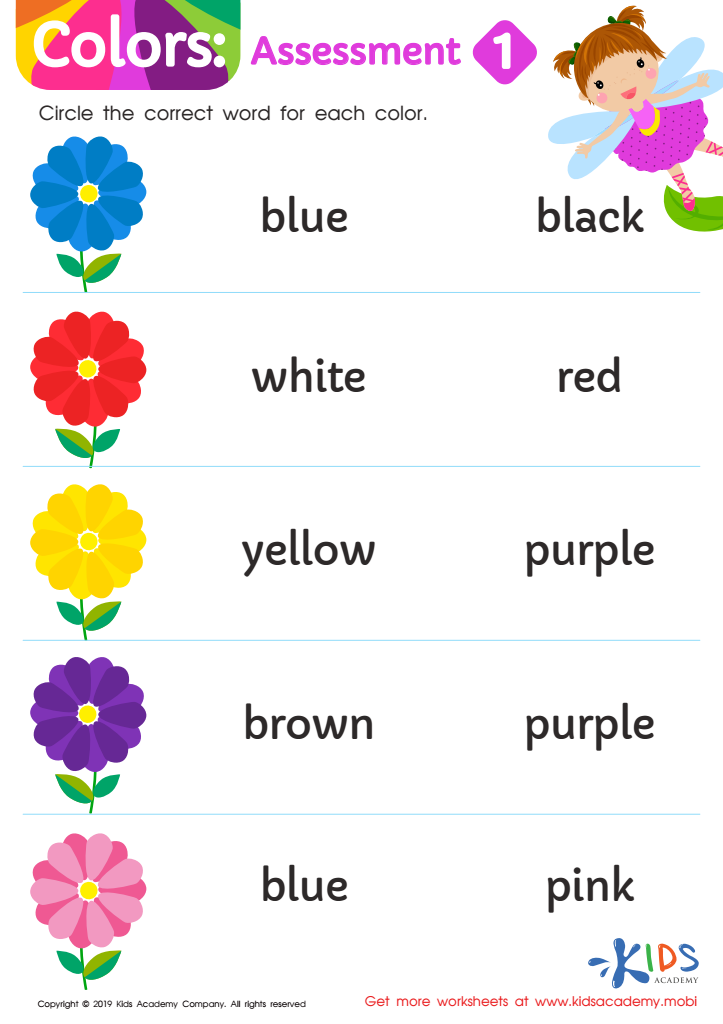
Colors: Assessment 1 Worksheet
Hickory Dickory Dock Coloring Page
Assign to My Students
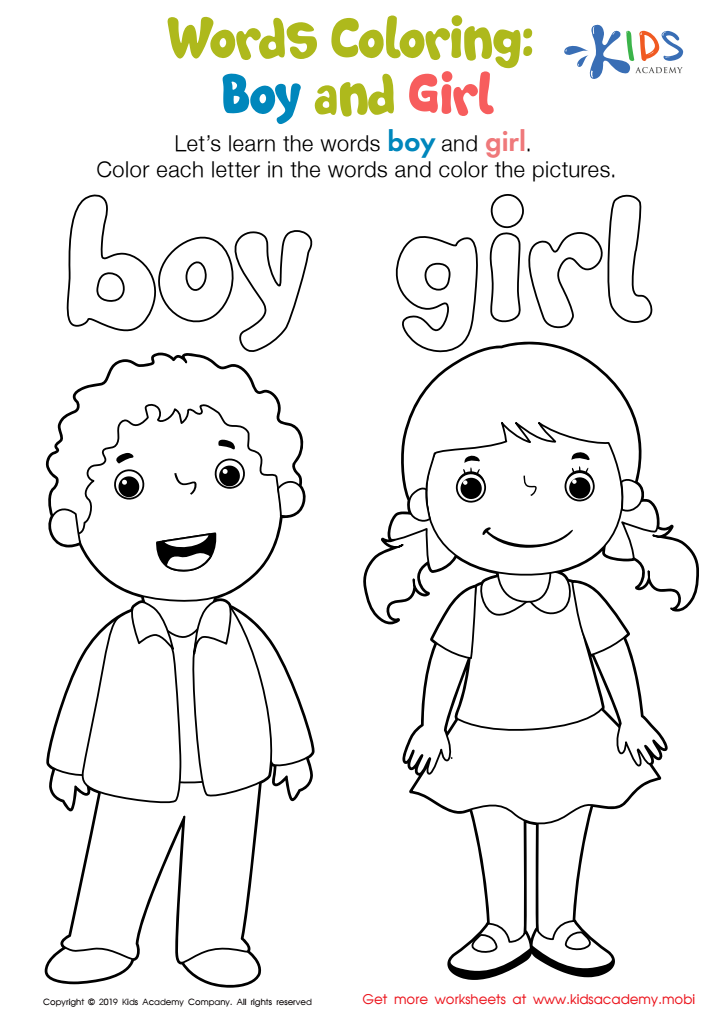
Boy and Girl Words Coloring Worksheet
Assign to My Students
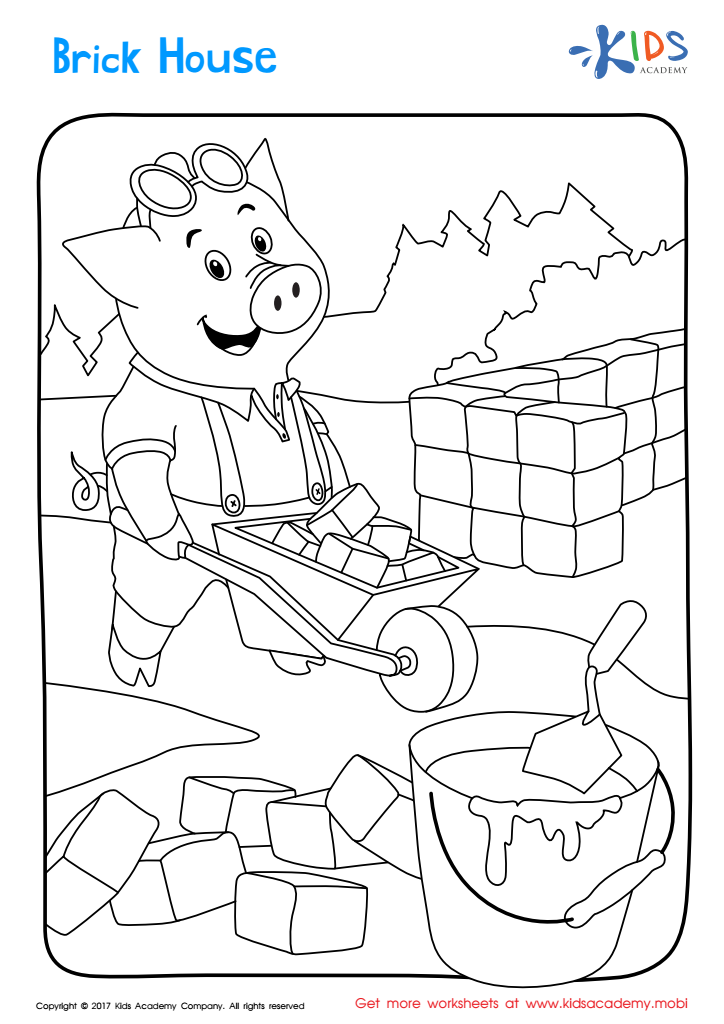
Brick House Printable Coloring Page
Assign to My Students
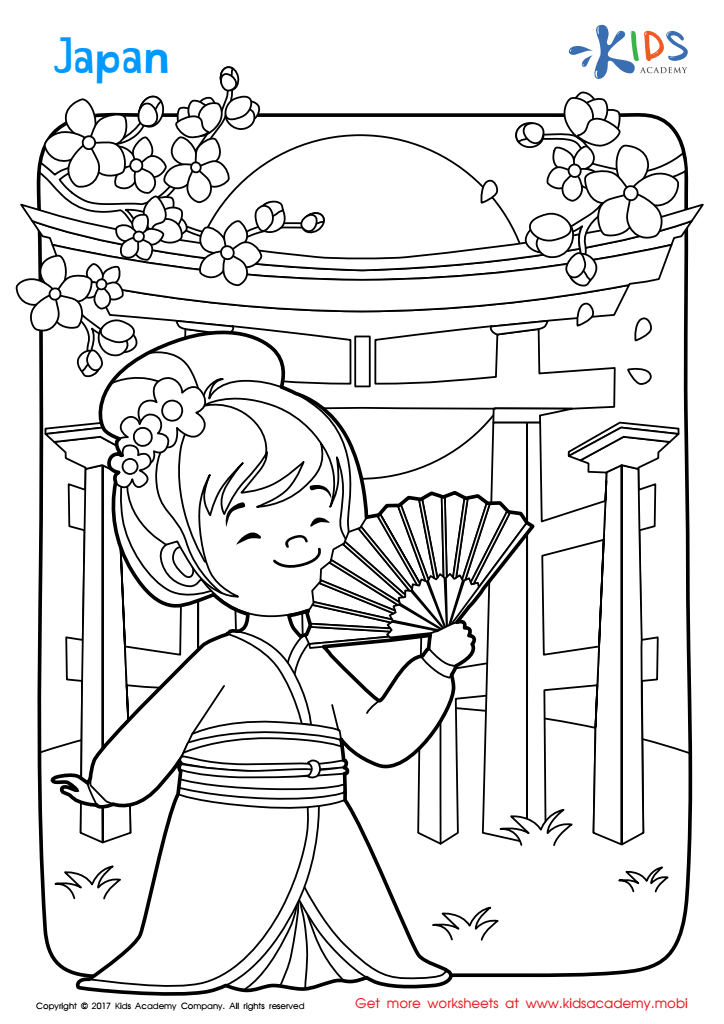
Japan Printable
Assign to My Students
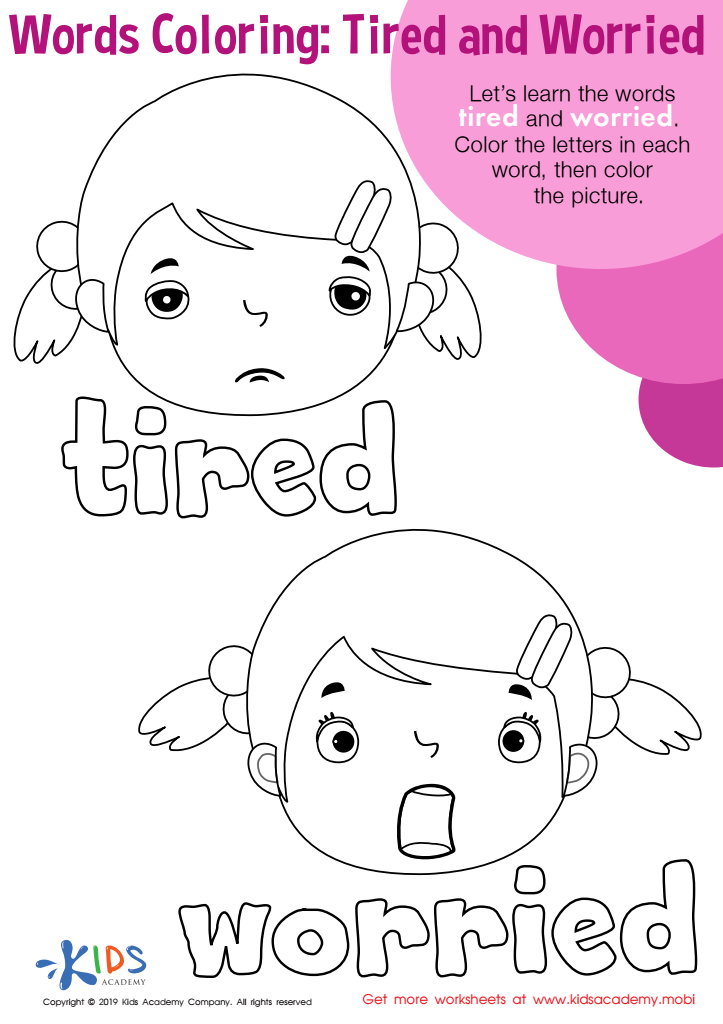
Tired and Worried Words Coloring Worksheet
Assign to My Students
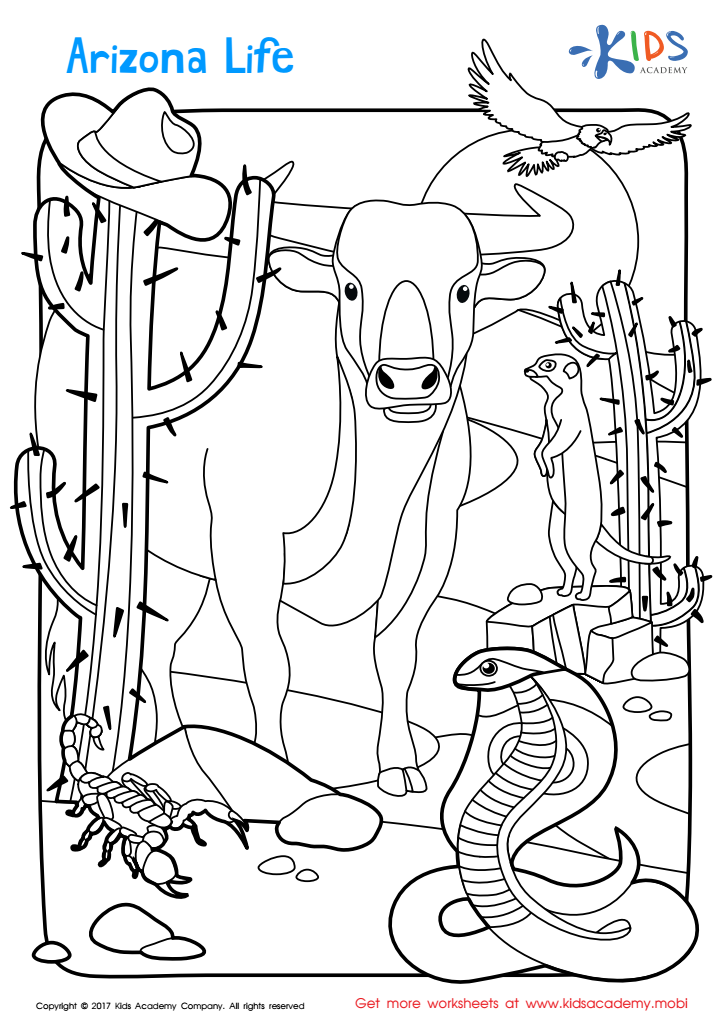
Arizona Coloring Page Worksheet
Assign to My Students
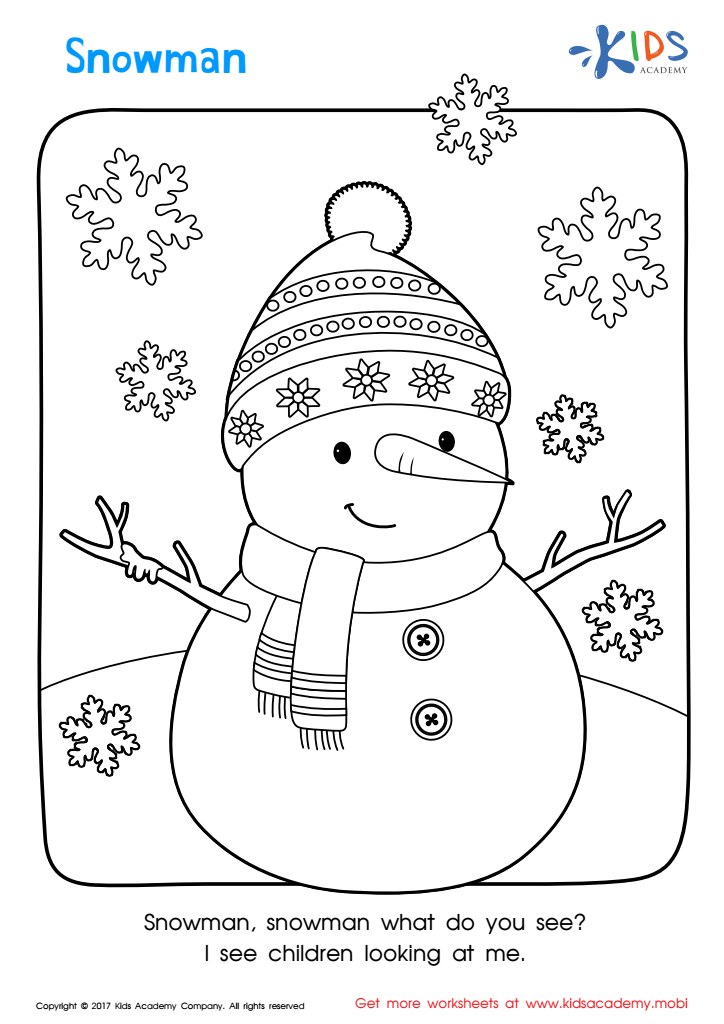
Christmas: Snowman Printable
Assign to My Students
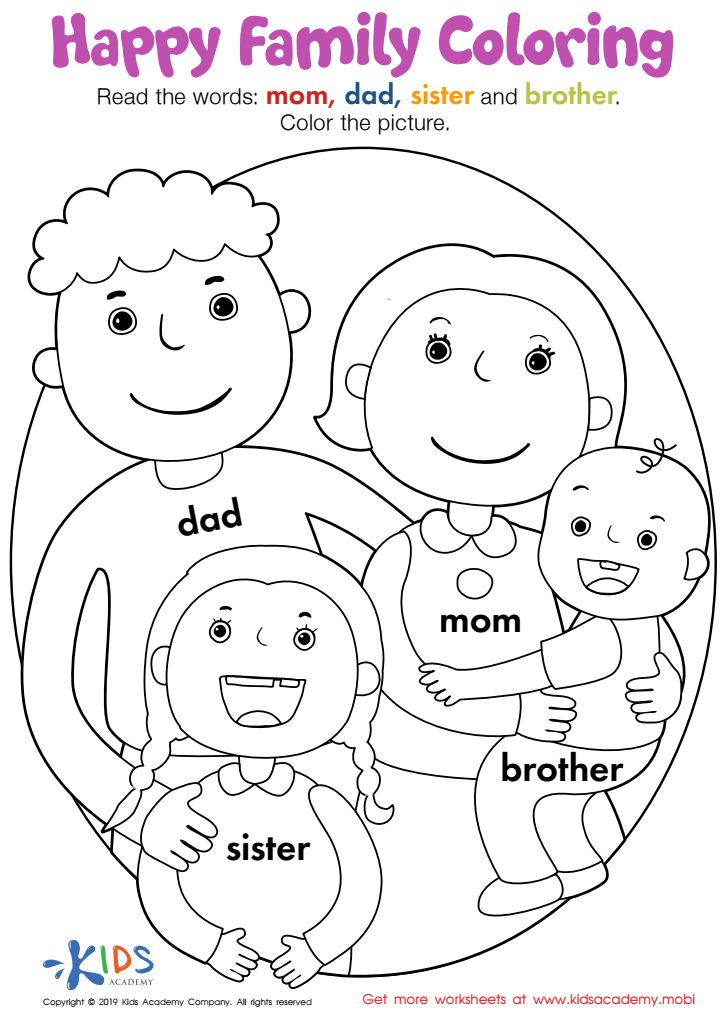
Happy Family Coloring Worksheet
Assign to My Students
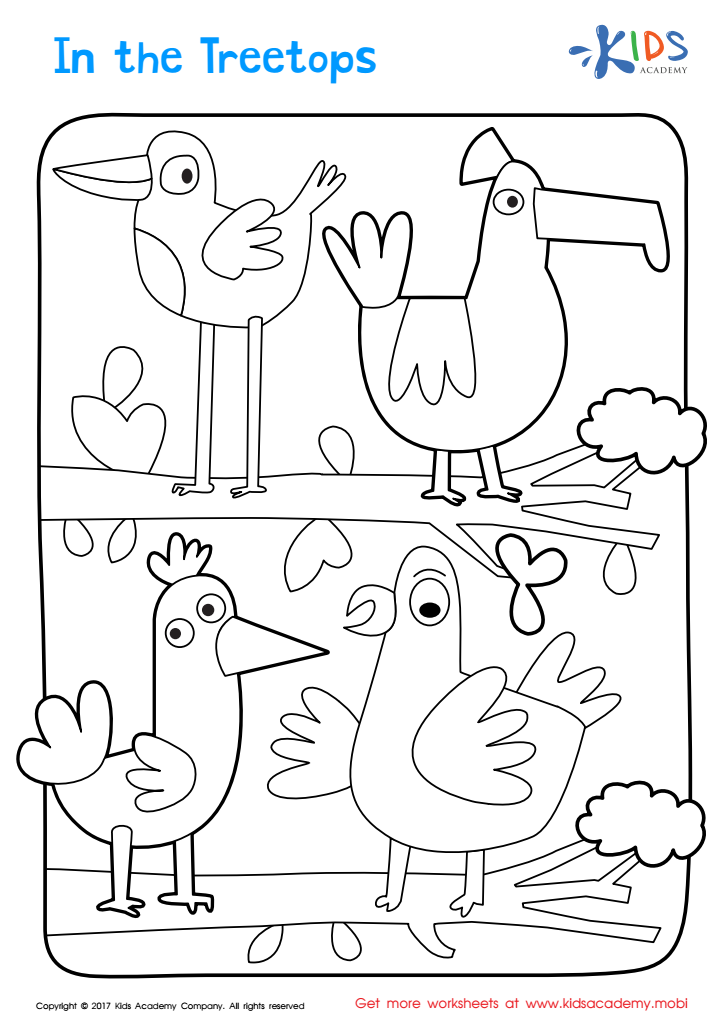
In the Treetops Coloring Page
Assign to My Students






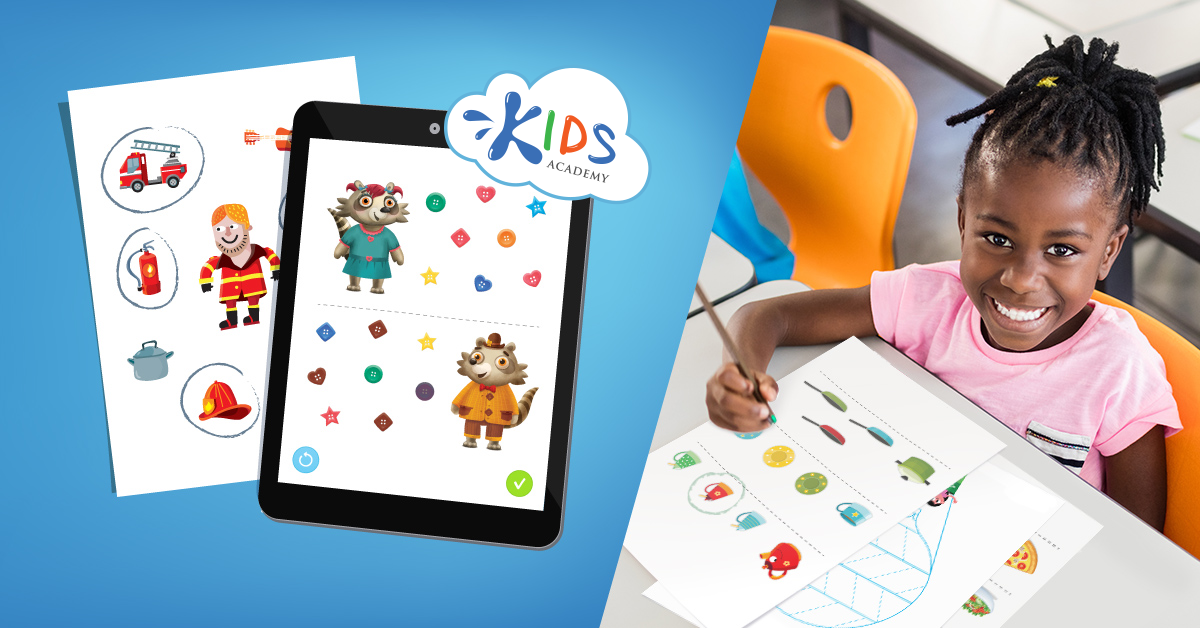

Color recognition is a fundamental skill that significantly impacts various aspects of a child's development and learning. For children aged 8-9, color recognition is not just about identifying hues, but also a building block to a multitude of educational and cognitive domains.
Firstly, understanding colors enhances language development. As children learn to identify and name different colors, they expand their vocabulary and descriptive language abilities. This skill is particularly useful in creative writing and storytelling, allowing for richer and more precise descriptions.
Secondly, basic color recognition is vital for understanding mathematical concepts. Classifying and sorting objects by color improves logical thinking and organizational skills, which are crucial when tackling more complex math topics. Additionally, patterns, an elemental aspect of math, often use colors to distinguish sequences, aiding in early problem-solving skills.
Emotionally, colors can influence mood and feelings. Recognizing and understanding colors help children articulate their emotions better, saying how colors like red might make them feel energetic, while blue might help them stay calm. This emotional awareness can positively impact social interactions and emotional intelligence.
Lastly, the ability to recognize colors supports creative development. Art and science projects often rely on a nuanced understanding of colors, which can foster creativity, critical thinking, and engage the hands-on learning critical in these years.
In summary, for children between 8-9, mastering color recognition can play a crucial role in enhancing language, cognitive skills, emotional growth, and overall creativity.








