Fine Motor Skills Easy Math Worksheets for Ages 8-9
8 filtered results
-
From - To
Fine Motor Skills Easy Math Worksheets for Ages 8-9 are designed to seamlessly combine the enhancement of fine motor skills with foundational math practice. These engaging, printable worksheets from Kids Academy encourage fine movement precision while strengthening essential math concepts such as addition, subtraction, multiplication, and division. Each colorful and imaginative activity is curated to captivate your child's interest, fostering a positive attitude towards learning. Perfect for in-class or at-home practice, these worksheets provide a balanced approach to cognitive and physical skill development, ensuring your child gains confidence and dexterity while enjoying math during these crucial learning years.
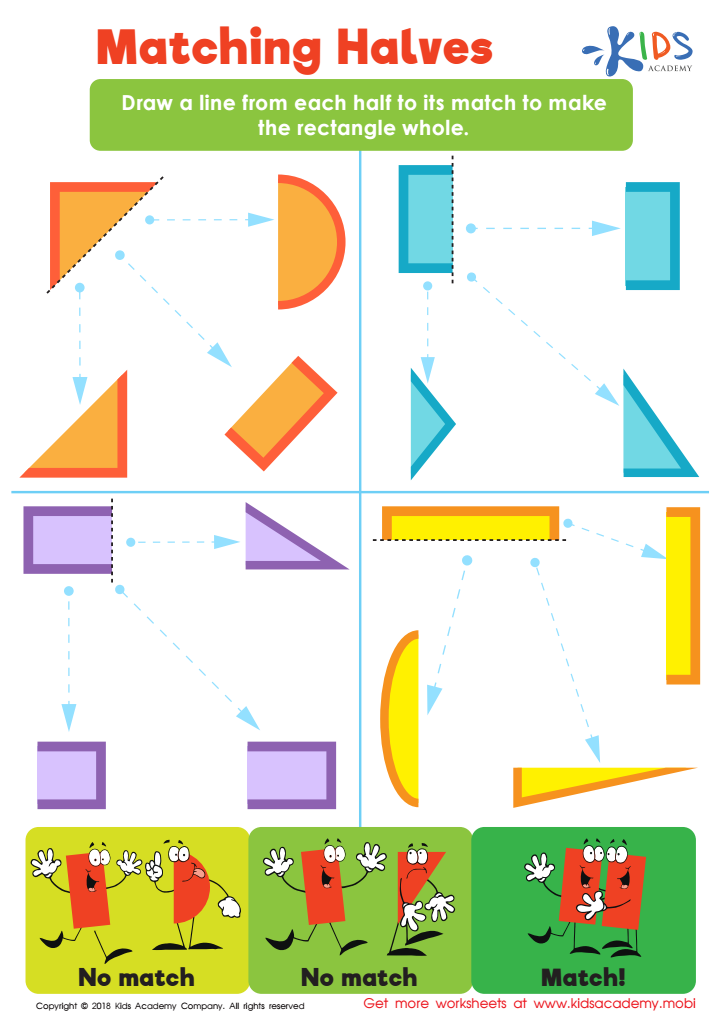
Matching Halves Worksheet
 Assign to My Students
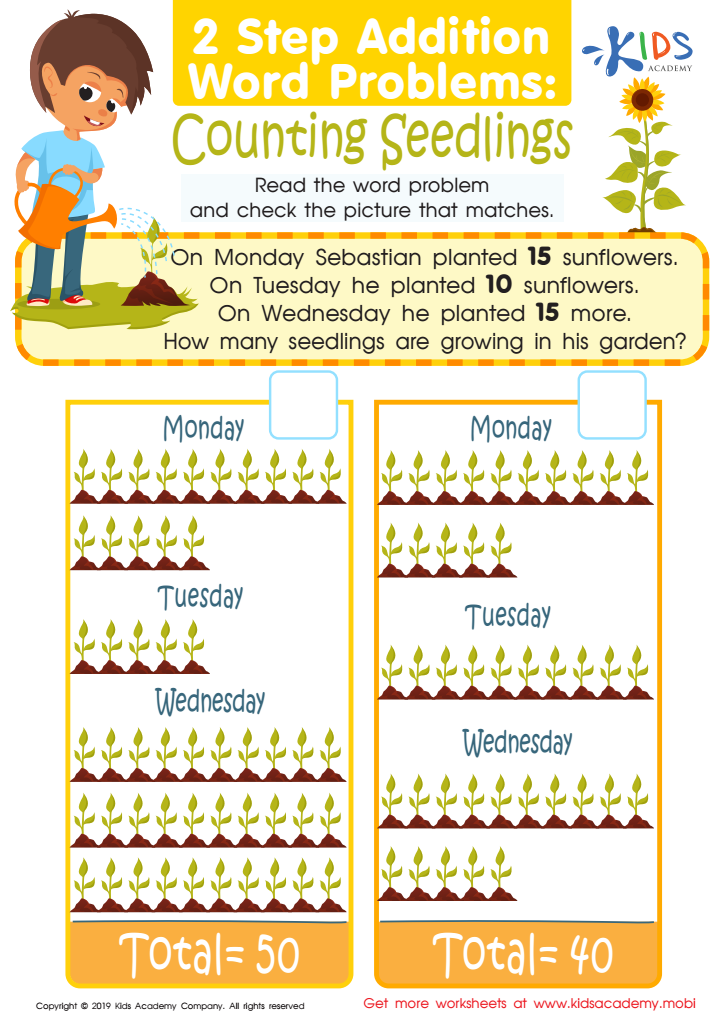
Counting Seedlings Worksheet
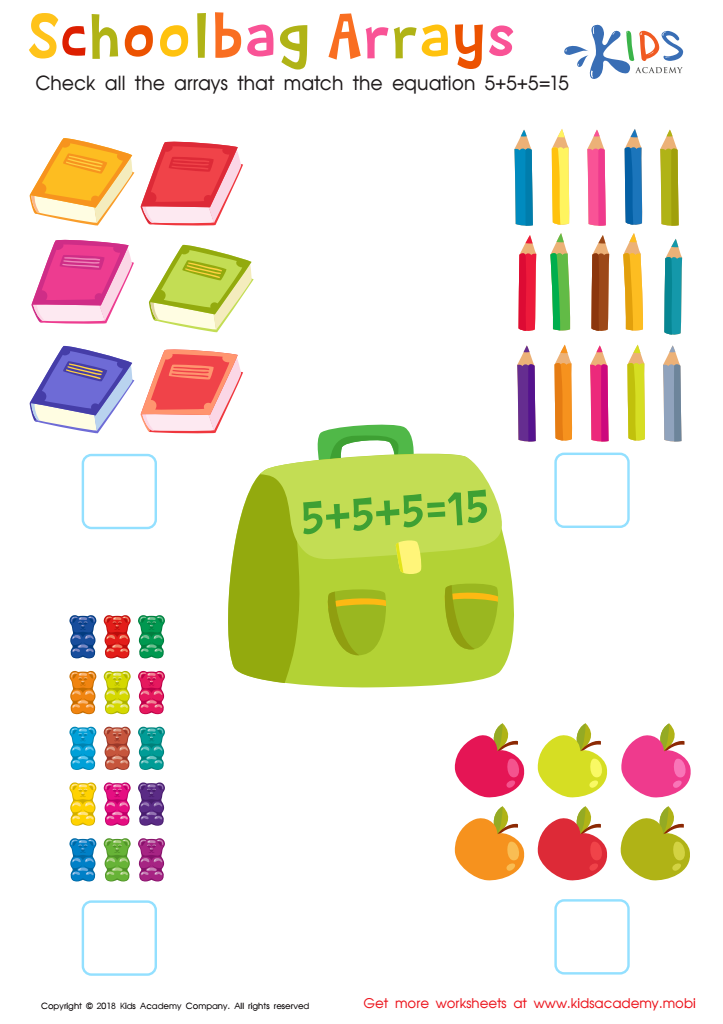
Schoolbag Arrays Worksheet
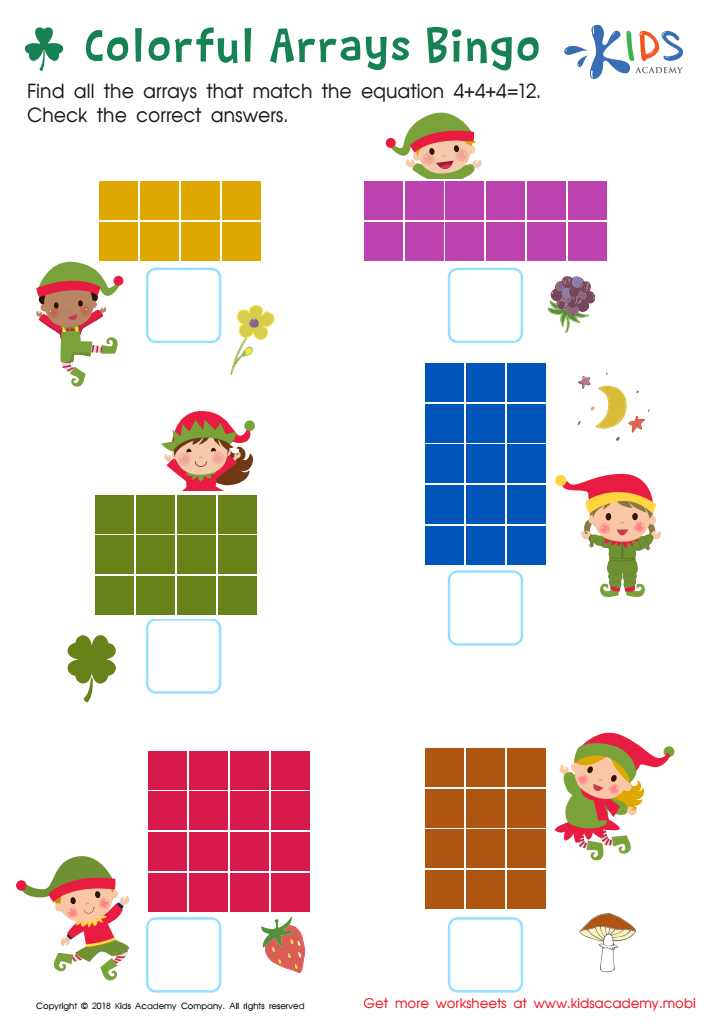
Colorful Arrays Bingo Worksheet
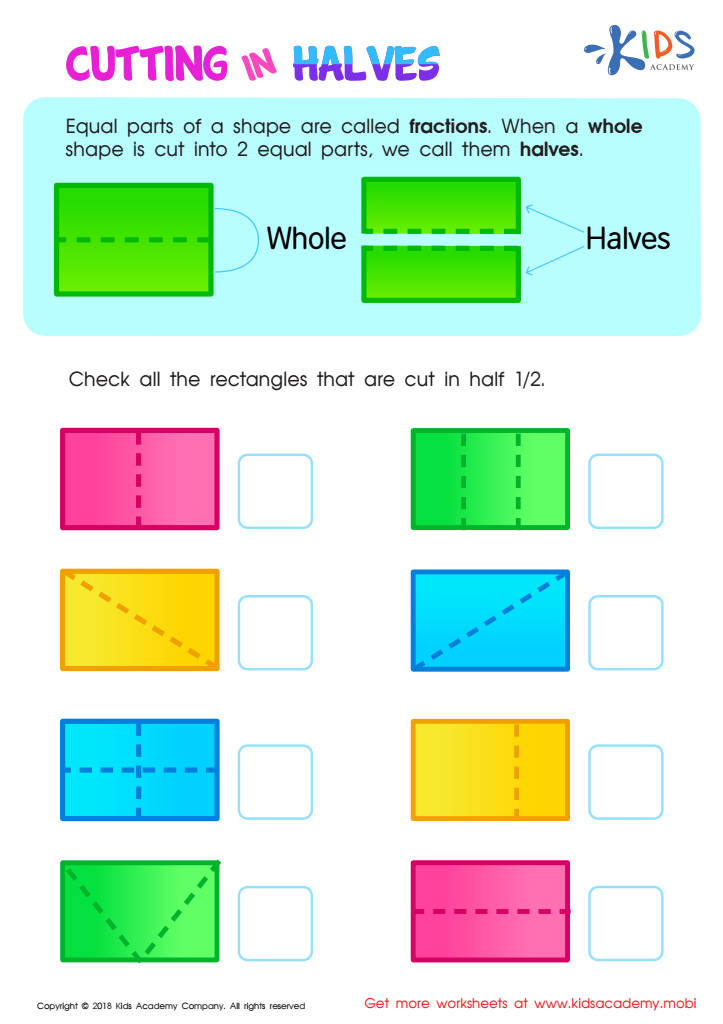
Cutting in Halves Worksheet
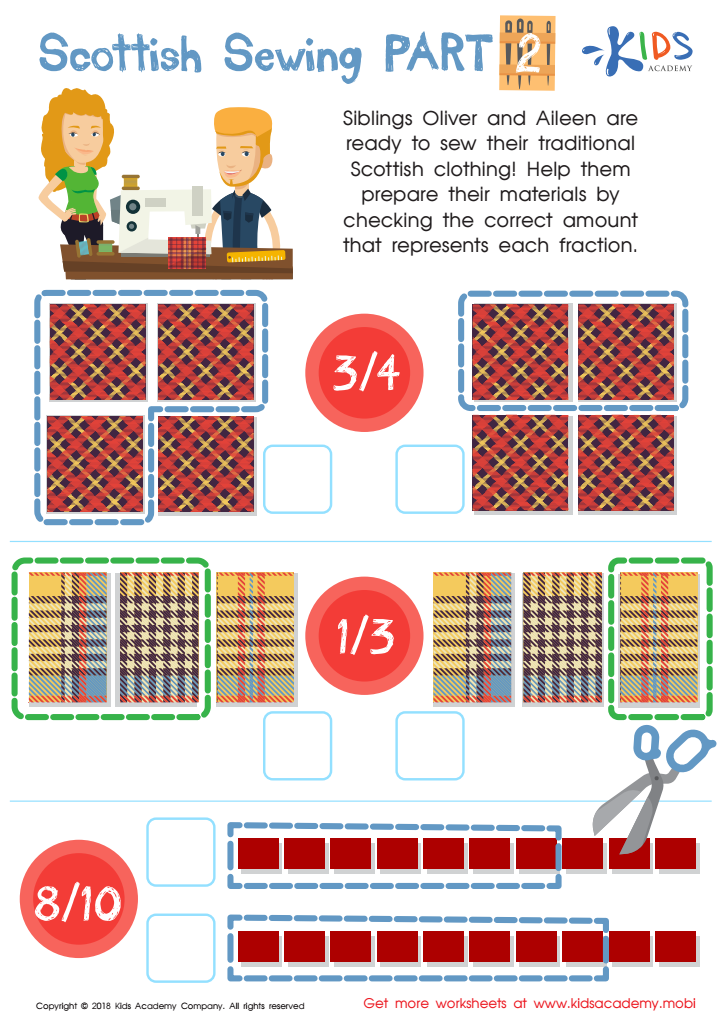
Scottish Sewing Part 2 Worksheet
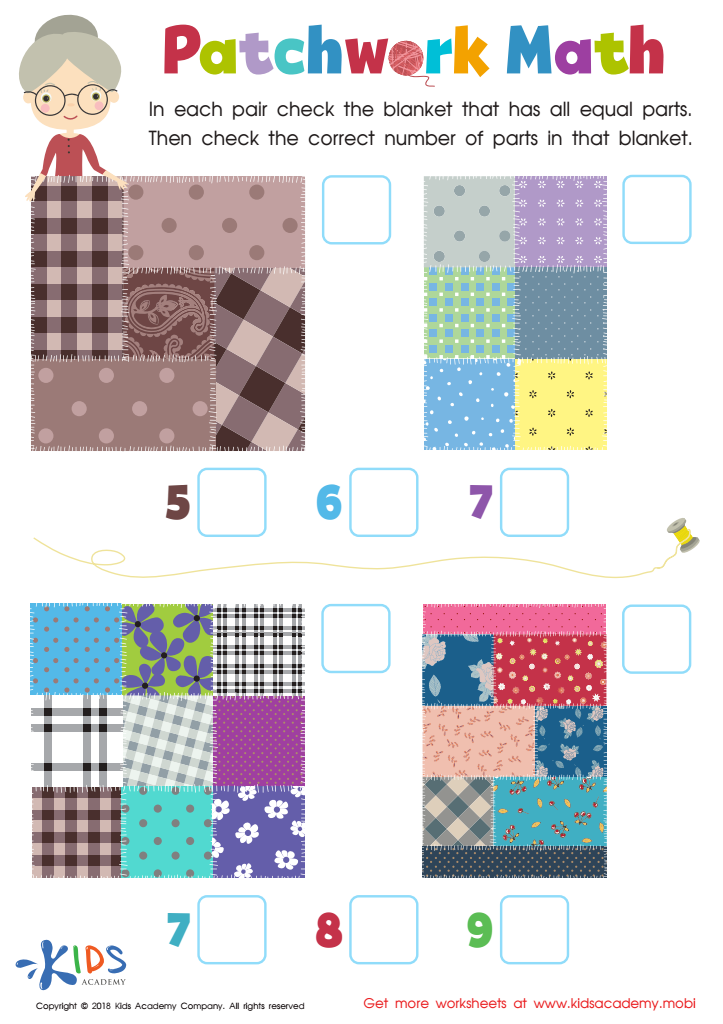
Patchwork Math Worksheet
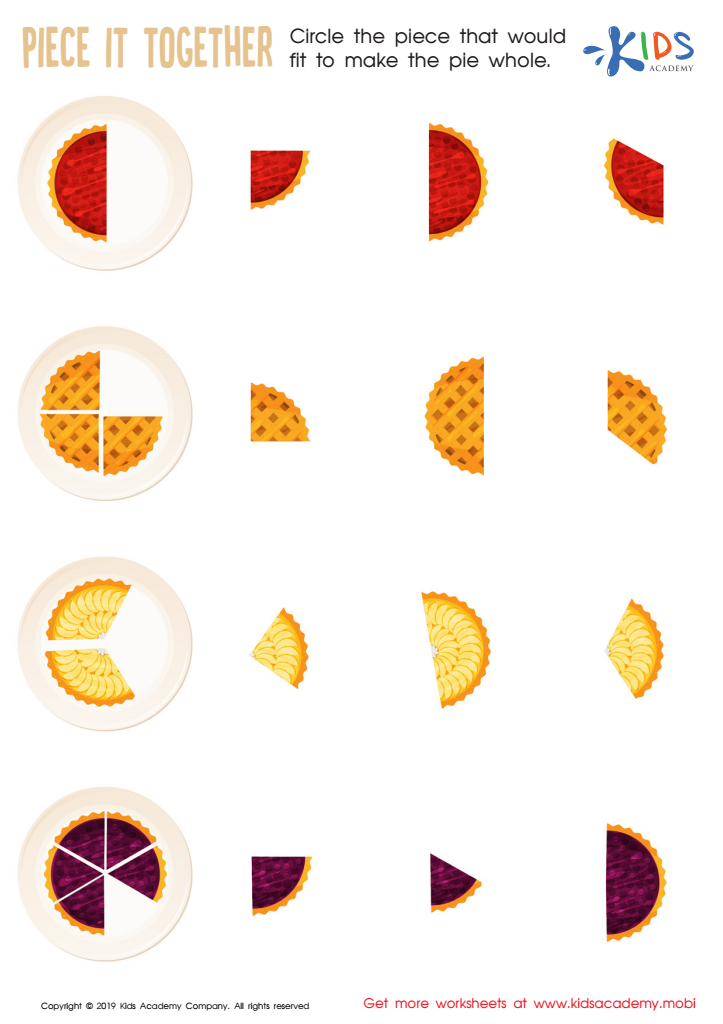
Piece it together Worksheet








Fine motor skills are essential for children aged 8-9 as they directly impact their ability to perform day-to-day tasks and succeed academically. For parents and teachers, fostering fine motor skills through easy math activities can be incredibly beneficial.
Firstly, fine motor skills are intertwined with handwriting. Children with well-developed fine motor skills can write more legibly and rapidly, preventing frustration and boosting their confidence in written tasks. Easy math activities, such as solving problems with manipulatives like beads or blocks, help children gain control over their hand movements.
Secondly, many math concepts at this age involve physical interaction, such as measuring objects or using rulers, which require precise hand coordination. Engaging children in activities that combine fine motor skills with mathematical thinking can solidify their understanding and make abstract concepts more tangible. For example, arranging puzzles to solve math problems hones their dexterity while reinforcing math skills.
Finally, developing fine motor skills at this crucial stage lays a foundation for future academic and personal milestones. It supports brain development by encouraging the use of both hands, refining bilateral coordination, and promoting cognitive skills like sequencing and spatial awareness. Therefore, prioritizing fine motor skills through easy math activities can create a more comprehensive and supportive learning environment for children aged 8-9.








