Basic Addition Easy Worksheets for 8-Year-Olds
6 filtered results
-
From - To
Discover our "Basic Addition Easy Worksheets for 8-Year-Olds," designed to make learning addition fun and engaging for young learners. Perfectly catered to grade-level skills, these worksheets help children practice and improve their basic addition proficiency through a variety of interactive activities and problems. The exercises offer gradual difficulty to build confidence and ensure understanding. With vibrant illustrations and clear instructions, these worksheets turn math practice into an exciting adventure and provide a solid foundation for more advanced mathematical concepts. Plus, they support home and classroom learning environments, making them an ideal choice for educators and parents alike.
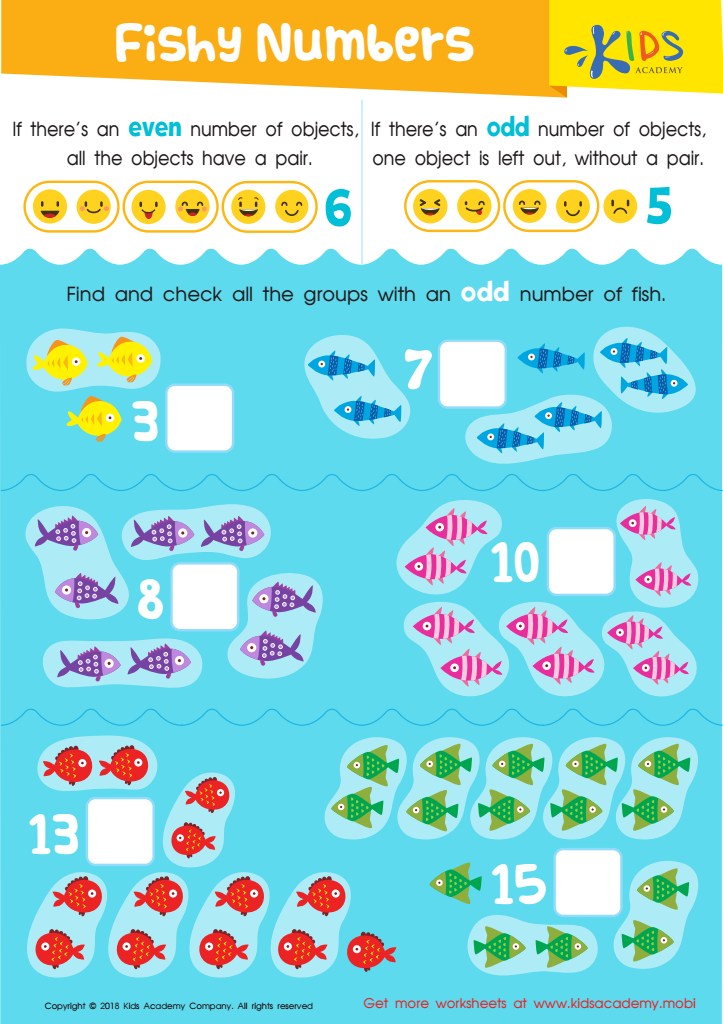
Fishy Numbers Worksheet
 Assign to My Students
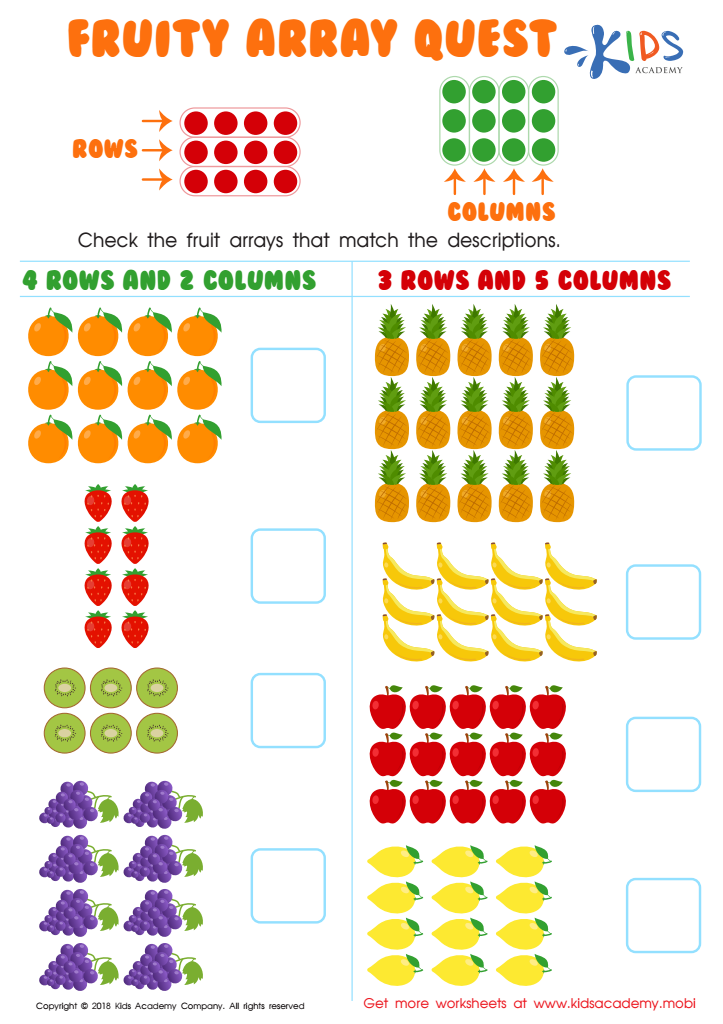
Fruity Array Quest Worksheet
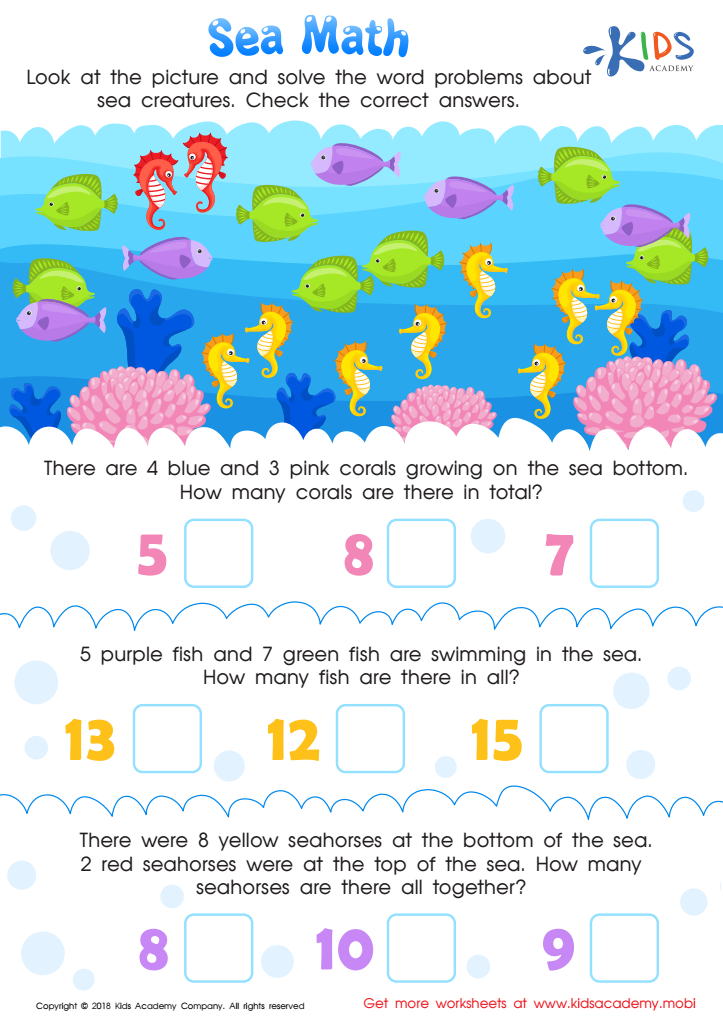
Sea Math Worksheet
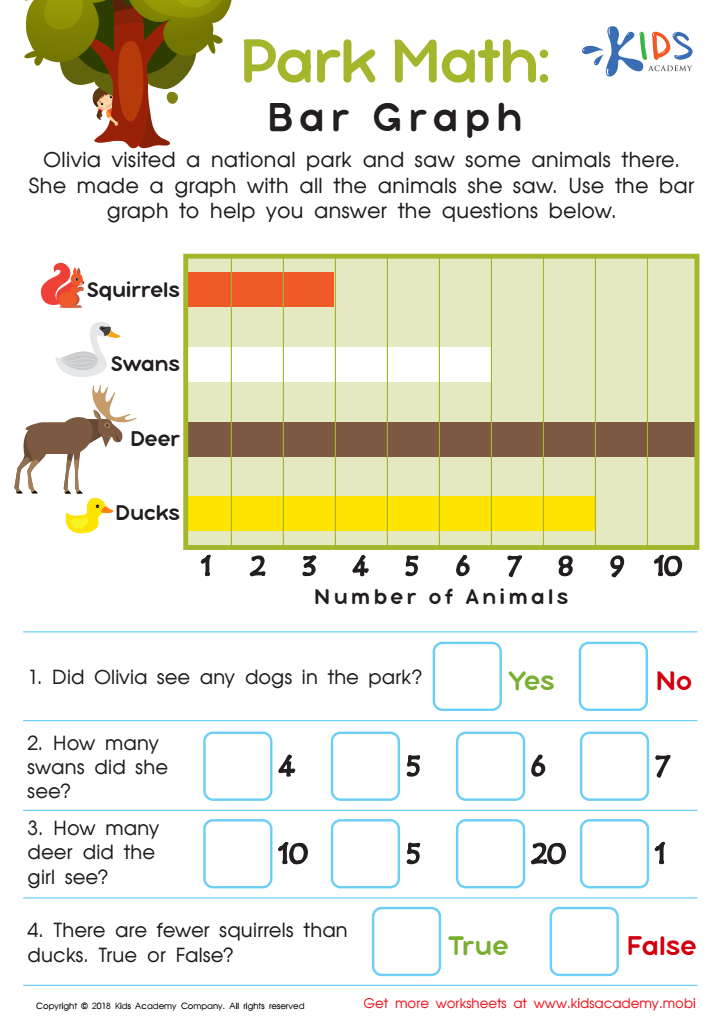
Park Math: Bar Graph Worksheet
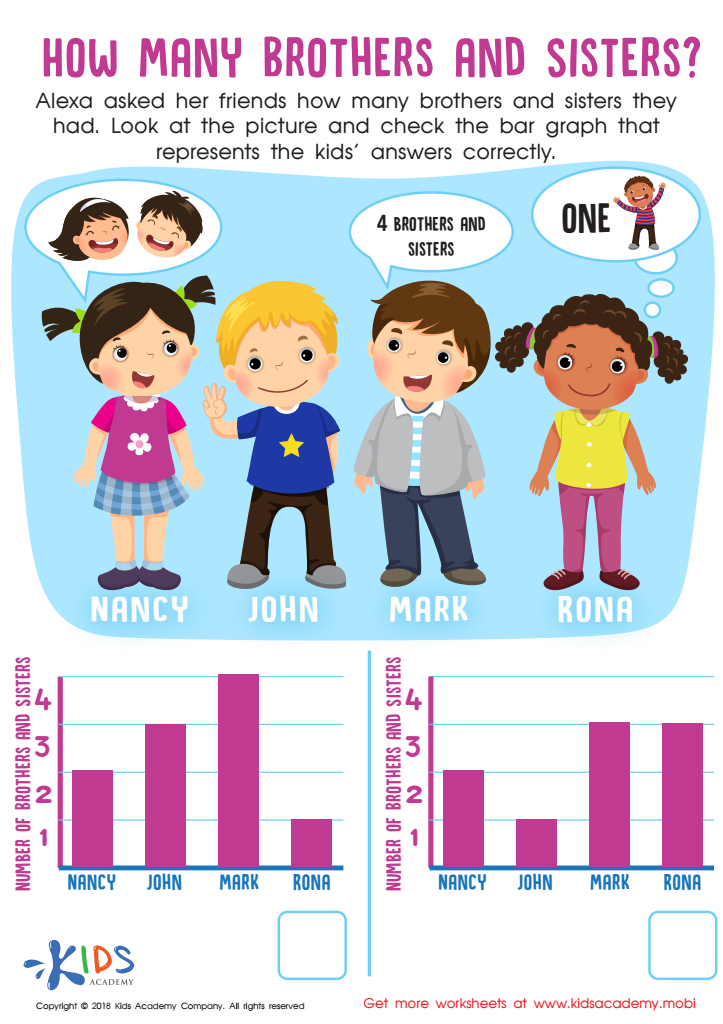
How Many Brothers and Sisters? Worksheet
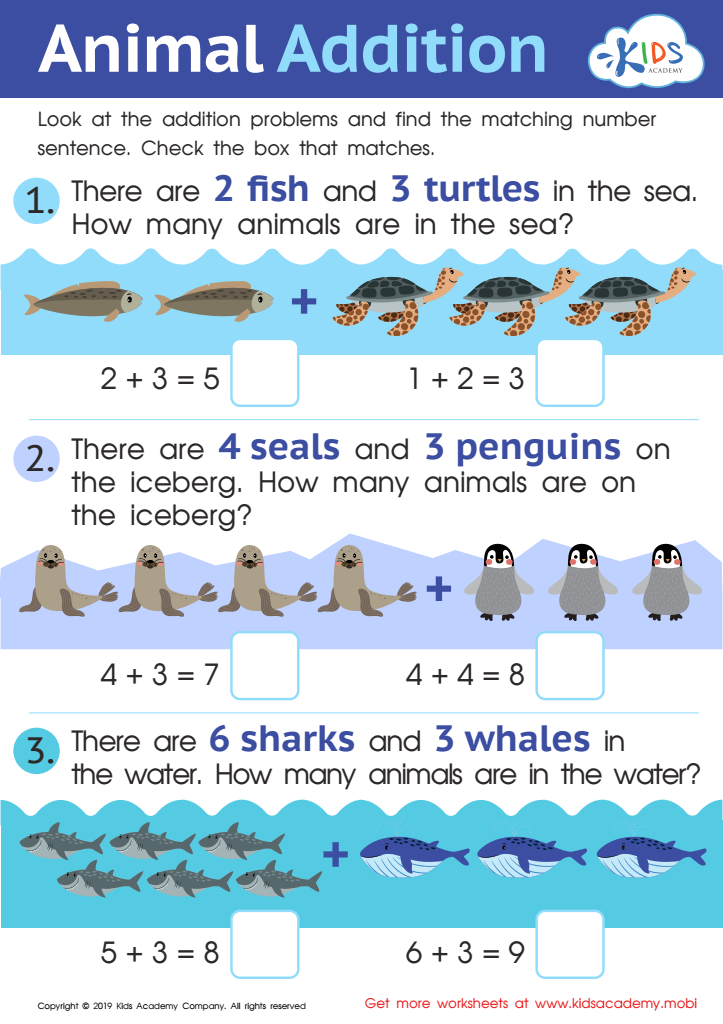
Animal Addition Worksheet








Basic addition is a fundamental building block in a child's mathematical education. For 8-year-olds, mastering simple addition is crucial because it sets the stage for their future learning. When children understand basic addition, they develop confidence in their mathematical abilities, which is essential for tackling more complex problems in the future. This foundational skill helps improve their number sense, which includes understanding the size of numbers, how numbers relate to each other, and how they can be manipulated.
Parents and teachers should care about strengthening this skill because it supports other areas of learning as well. For example, science and technology heavily rely on mathematical concepts, and strong addition skills make these subjects more accessible. Additionally, proficiency in basic addition fosters problem-solving skills and logical thinking. These skills are not only vital for academic success but also for everyday life, from managing money to understanding time.
Ensuring that children grasp basic addition early on can prevent gaps in their learning that could lead to difficulties with more advanced math concepts such as subtraction, multiplication, and division. By prioritizing this fundamental skill, parents and teachers are laying a solid foundation for a child's educational journey and helping them become confident, competent, and lifelong learners.








