Fine Motor Skills Easy Worksheets for 8-Year-Olds - Page 2
33 filtered results
-
From - To
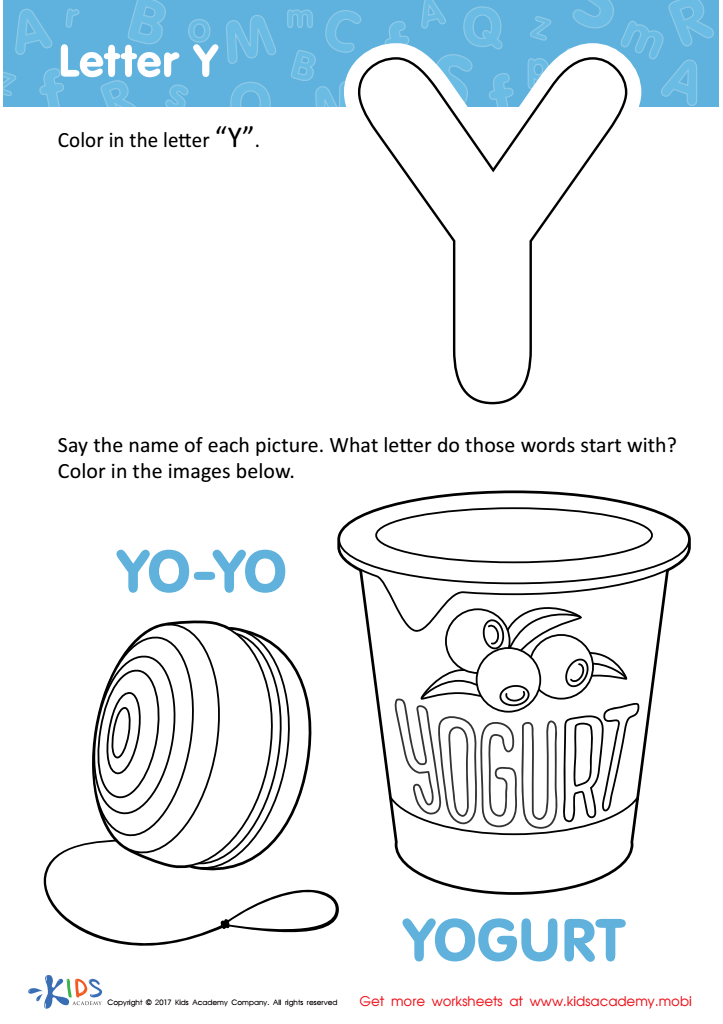
Letter Y Coloring Sheet
 Assign to My Students
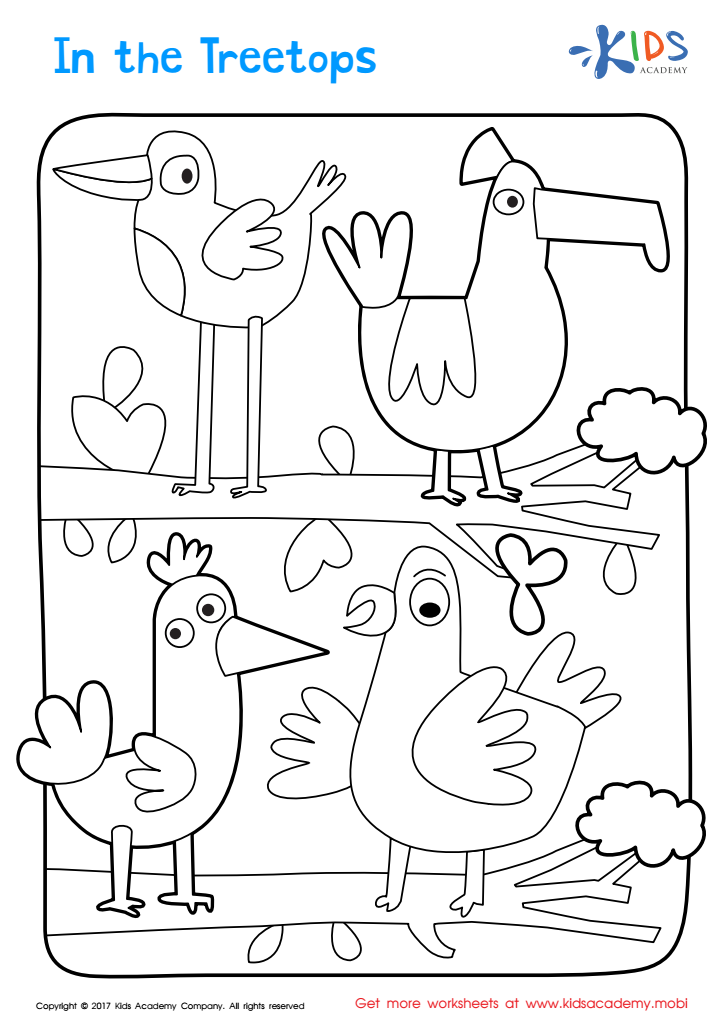
In the Treetops Coloring Page
Assign to My Students
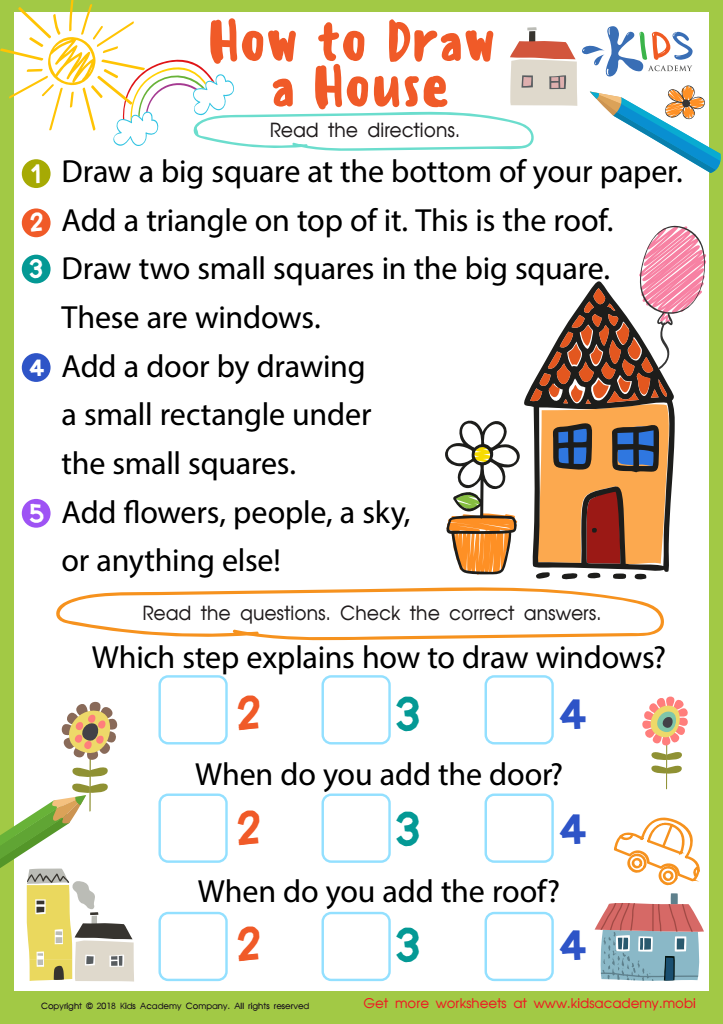
How to Draw House Worksheet
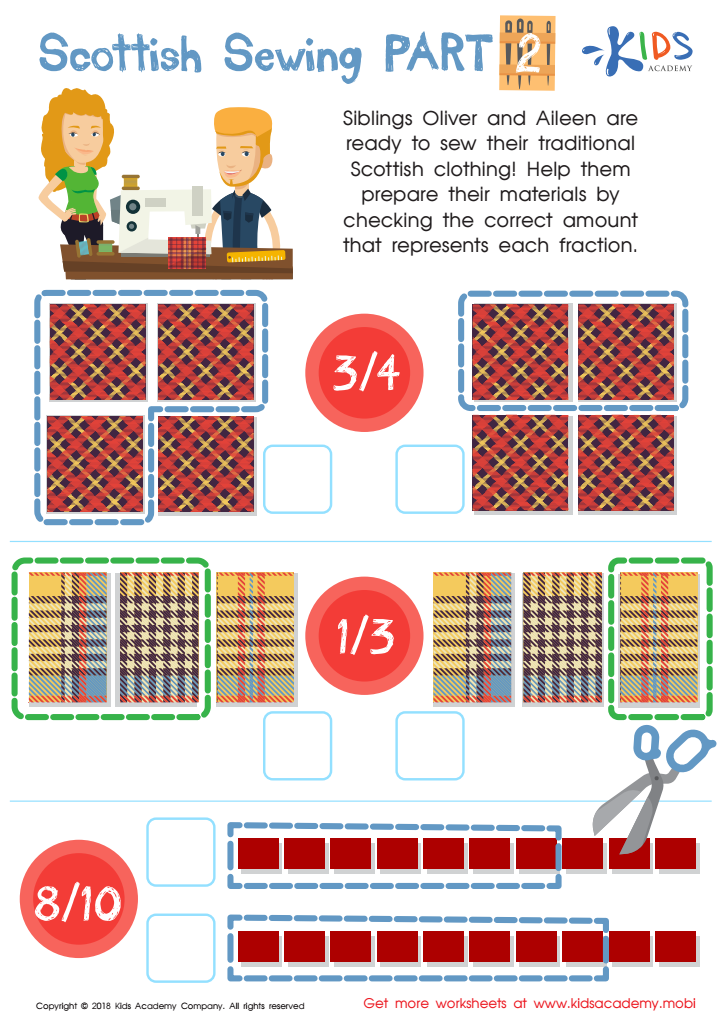
Scottish Sewing Part 2 Worksheet
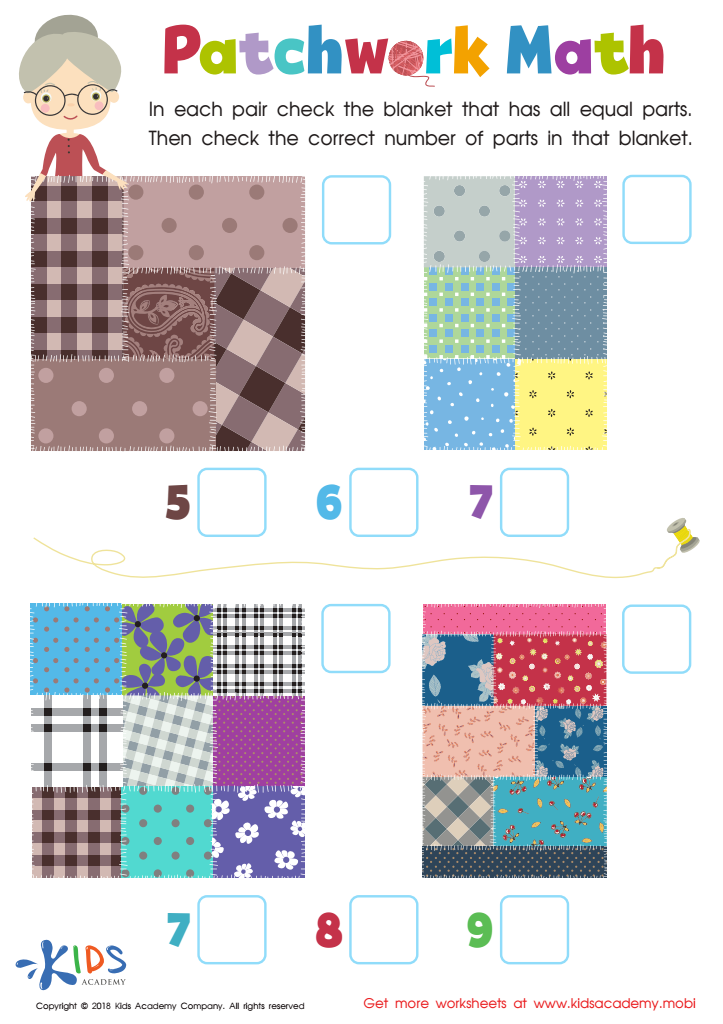
Patchwork Math Worksheet
Straw House Printable Coloring Page
Assign to My Students
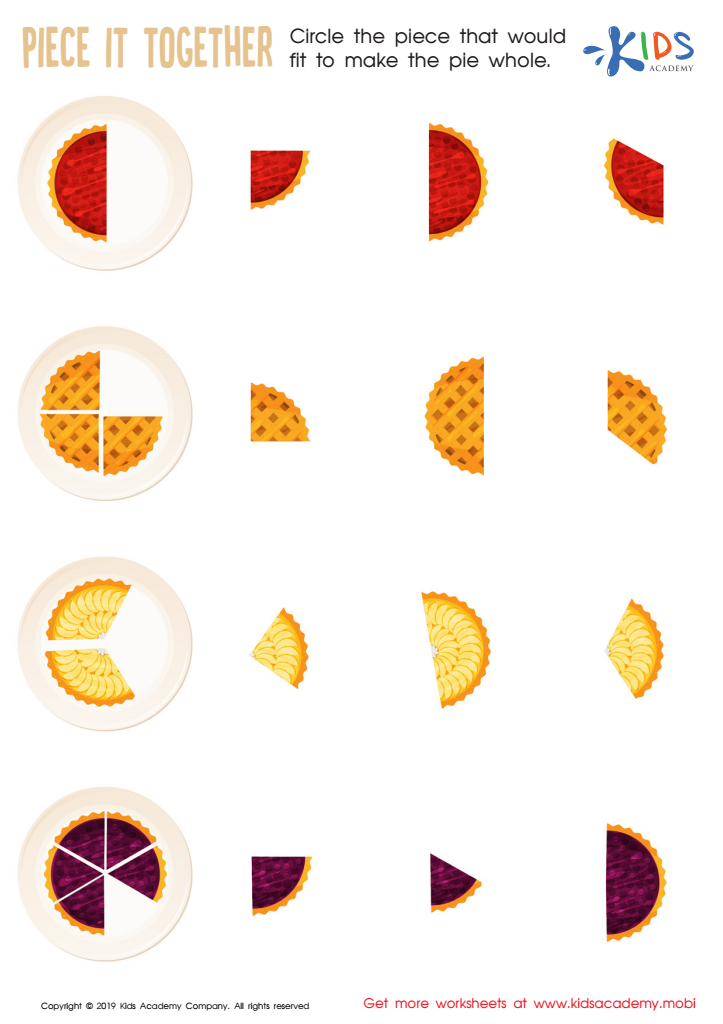
Piece it together Worksheet
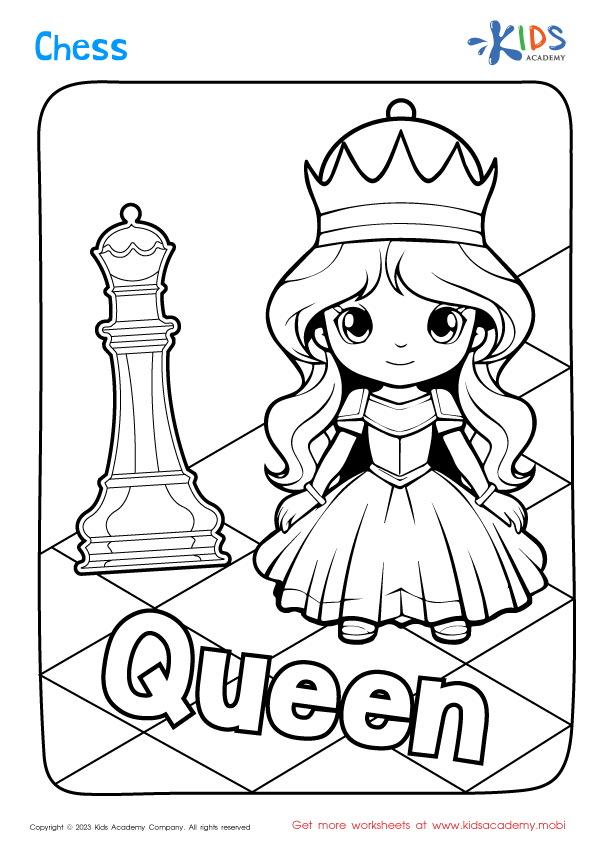







Parents and teachers should prioritize fine motor skills for 8-year-olds because these skills are crucial for a child's overall development and daily functioning. Fine motor skills involve small muscle movements, particularly in the hands and fingers, and are essential for tasks like writing, drawing, cutting, and proper coordination when using tools or playing instruments.
At this age, children are refining their abilities, which directly impacts their academic performance. For example, better fine motor skills typically lead to improved handwriting and the ability to complete worksheets more efficiently, enhancing a child's confidence in school. Additionally, fostering these skills plays a vital role in promoting independence. Children who can tie their shoes, button shirts, or use utensils effectively are more self-reliant and can take pride in their accomplishments.
Moreover, fine motor skills are closely linked to cognitive development. Activities that involve manipulating objects help improve concentration and hand-eye coordination, nurturing critical thinking and problem-solving skills. By supporting the development of fine motor skills through engaging activities like arts and crafts, puzzles, or sports, parents and teachers contribute to a child's well-rounded growth, ensuring they thrive both academically and socially. Thus, early attention to fine motor skills can lay a solid foundation for future success.








