Number Sequencing Easy Worksheets for 8-Year-Olds
3 filtered results
-
From - To
Looking for an enjoyable way to bolster your 8-year-old's number skills? Our "Number Sequencing Easy Worksheets" are perfect! These engaging printables help children master the essential skill of number sequencing, boosting their confidence in math. Designed especially for 8-year-olds, each worksheet is filled with fun, age-appropriate activities that make learning feel like play. Whether your child is counting forwards or backwards, these exercises will enhance their numerical fluency and pattern recognition effortlessly. Perfect for classroom use, homeschooling, or extra practice at home. Download now and turn learning into an exciting adventure!
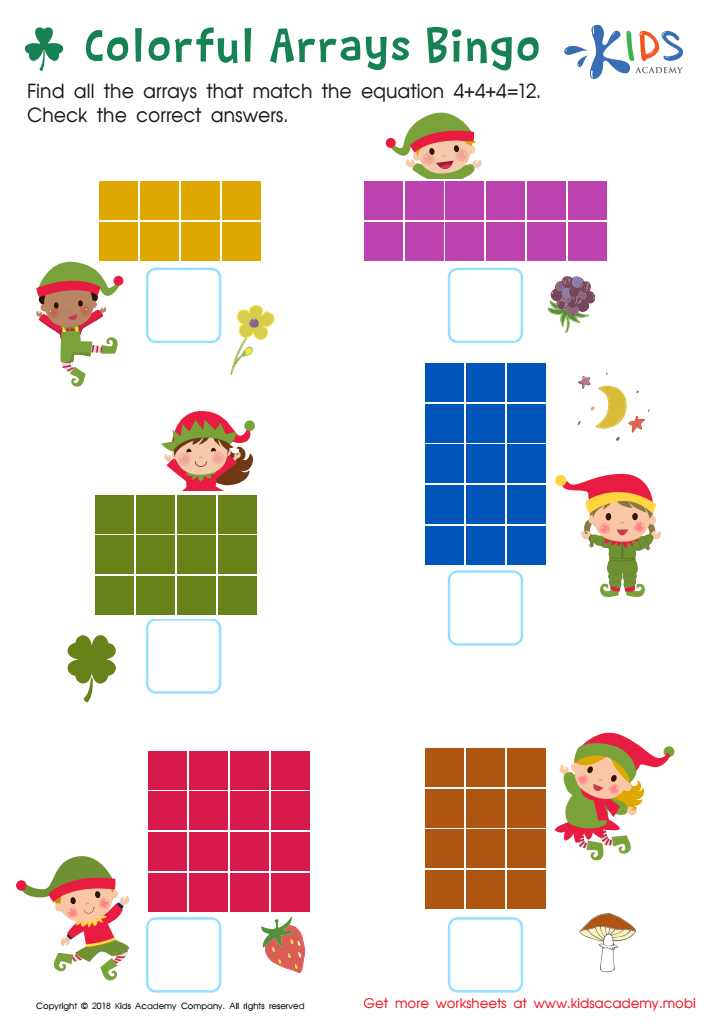
Colorful Arrays Bingo Worksheet
 Assign to My Students
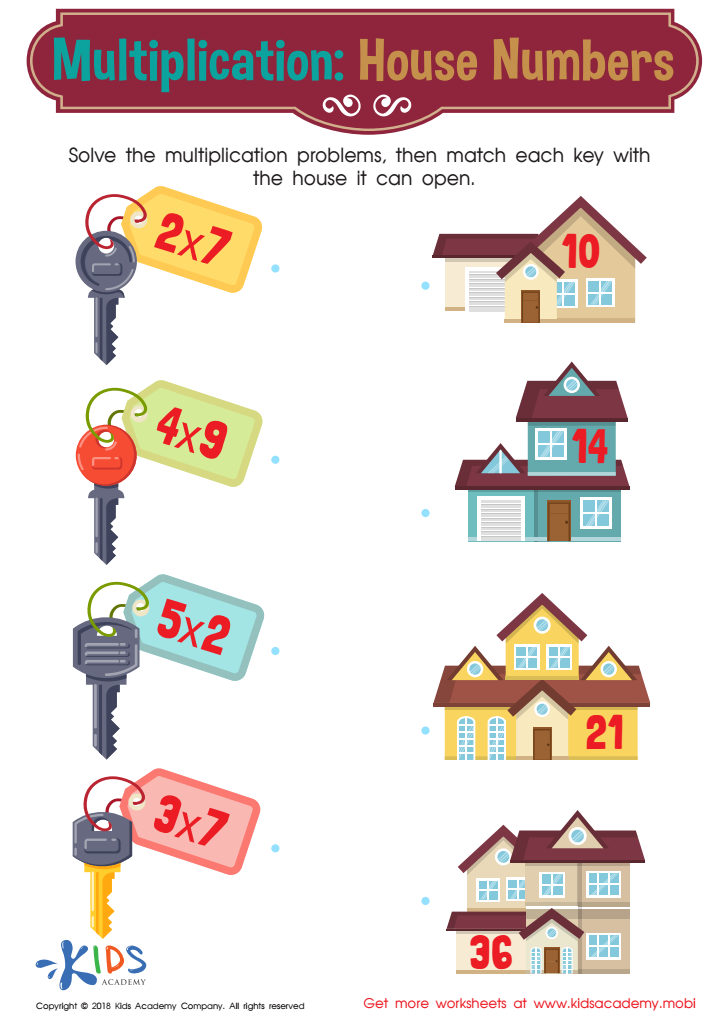
House Numbers Worksheet
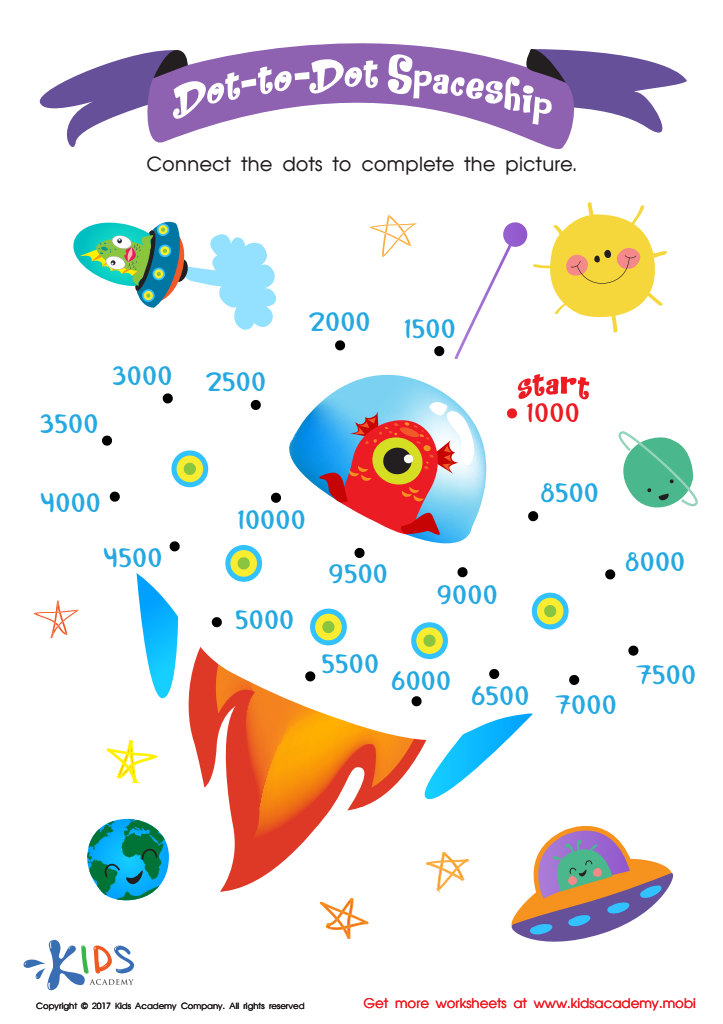
Dot to Dot Worksheet for 3rd Grade







Number sequencing is a foundational math skill for 8-year-olds that justifies the attention of both parents and teachers. At this stage, children are developing crucial cognitive abilities, and understanding numerical order enhances their thinking and problem-solving skills.
First, number sequencing helps in developing strong numerical sense. Recognizing patterns in numbers, such as counting by 2s or 5s, builds a solid groundwork for more complex arithmetic operations, including addition, subtraction, multiplication, and division. When children can fluently sequence numbers, they find math operations easier and more intuitive.
Second, mastering number sequences contributes to a sense of order and logic. Sequencing teaches children how numbers relate to one another and progresses their ability to predict sequences. This predictive skill sharpens reasoning and analytical abilities, which are essential not only in math but across subjects like science and reading.
Moreover, familiarity with sequences is pivotal for life skills. From telling time, to understanding the days of the week and the months of the year, sequences are omnipresent in everyday activities. Thus, it is a building block to numerous daily tasks and supports overall academic performance.
In summary, focusing on number sequencing in early childhood sets the stage for future academic success and practical life skills. It strategically develops logical thinking, problem-solving abilities, and a strong numerical foundation, making it a critical aspect of early education.








