Problem-Solving Skills Easy Worksheets for 8-Year-Olds - Page 2
27 filtered results
-
From - To
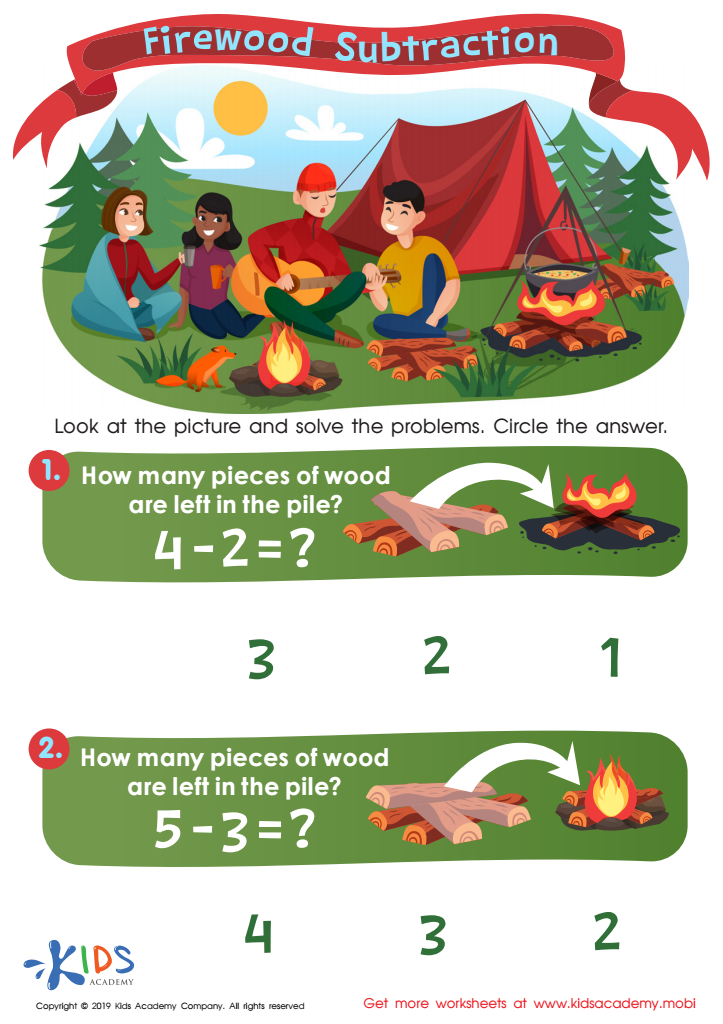
Firewood Subtraction Worksheet
 Assign to My Students

Piece it together Worksheet
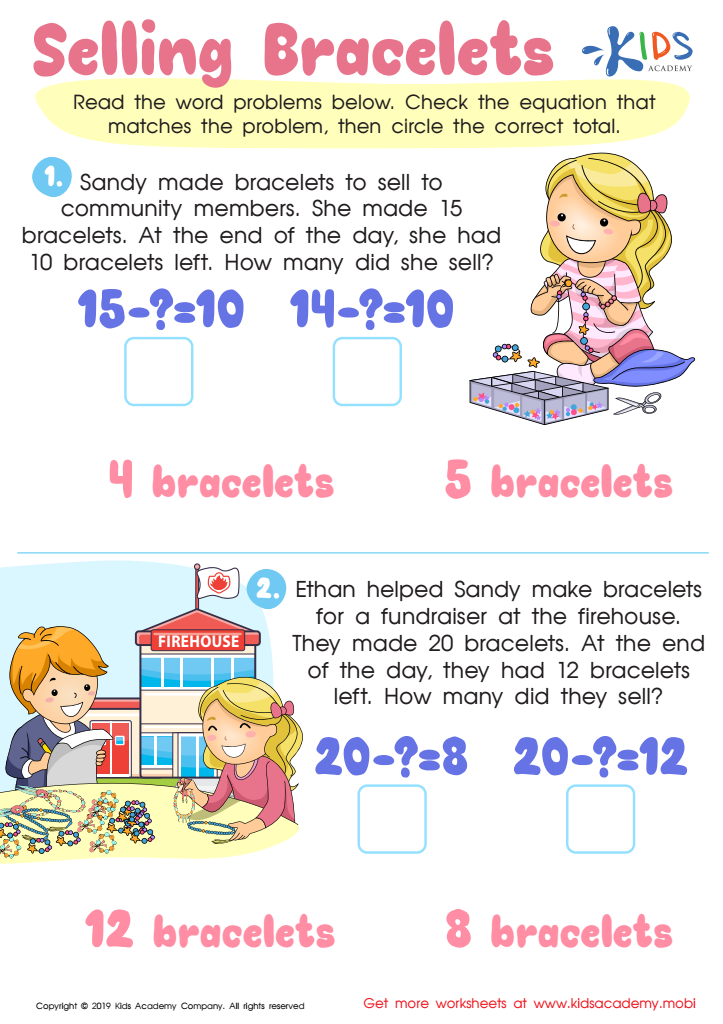
Selling the Bracelets Worksheet







.jpg)
Parents and teachers should care about problem-solving skills for 8-year-olds because these skills are essential for children’s overall development and future success. At this age, children start to encounter more complex challenges in both academic and social settings. By fostering problem-solving abilities, educators and caregivers empower children to think critically, develop resilience, and approach obstacles with confidence.
Problem-solving skills enable children to navigate everyday challenges, from resolving conflicts with peers to tackling difficult math problems. When they learn to analyze situations, brainstorm solutions, and evaluate outcomes, they build a solid foundation for effective decision-making. Moreover, these skills encourage independence, as children become more capable of handling situations without relying solely on adults.
Developing problem-solving skills also promotes creativity and innovation. Children learn to think outside the box and explore various solutions, which can lead to a greater understanding of the world around them. By nurturing these skills now, parents and teachers prepare children not just for academic success, but also for meaningful contributions in their communities as they grow. Ultimately, investing in problem-solving abilities ensures that future generations are equipped to face real-world challenges with confidence and ingenuity.








