Problem-Solving Skills Easy Grade 1 Worksheets - Page 2
31 filtered results
-
From - To
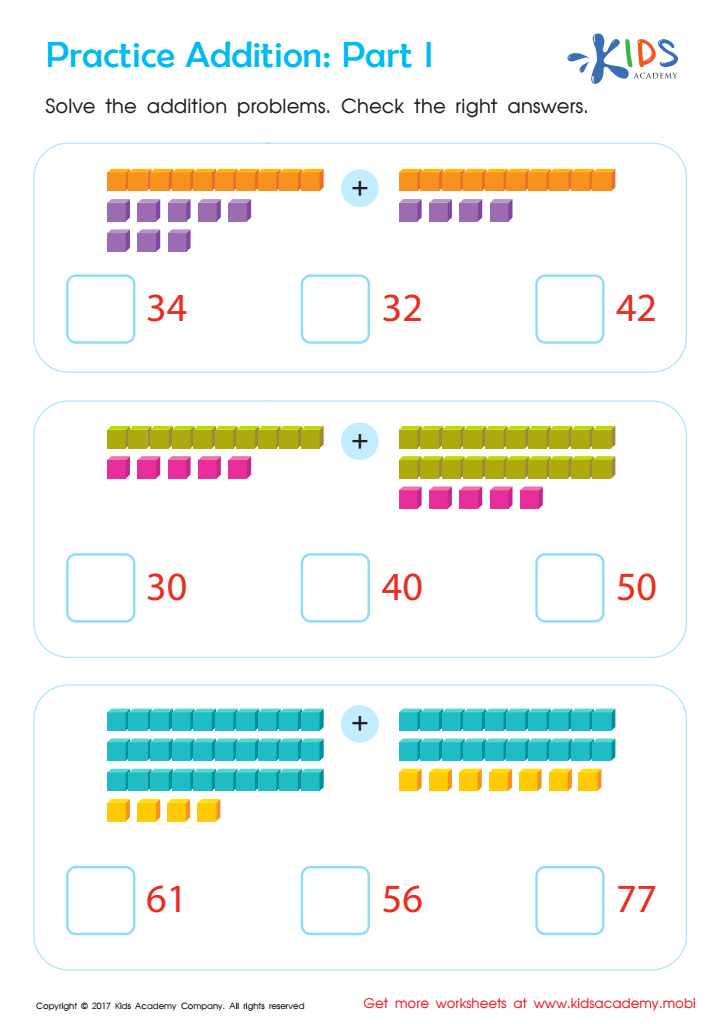
Practice Addition: Part 1 Worksheet
 Assign to My Students
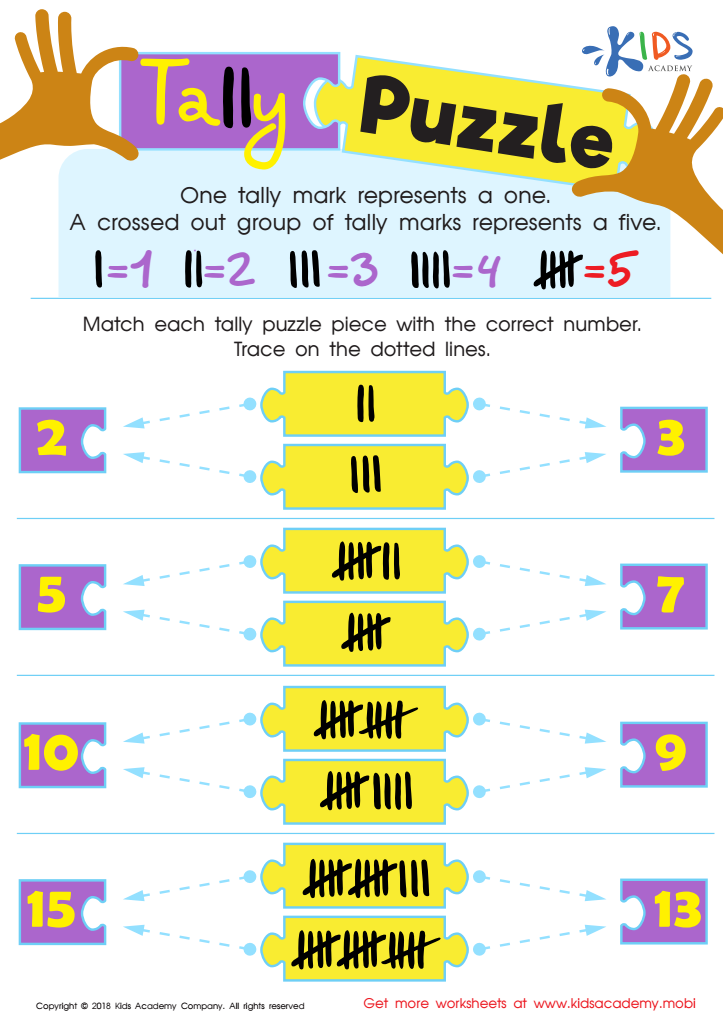
Tally Puzzle Worksheet
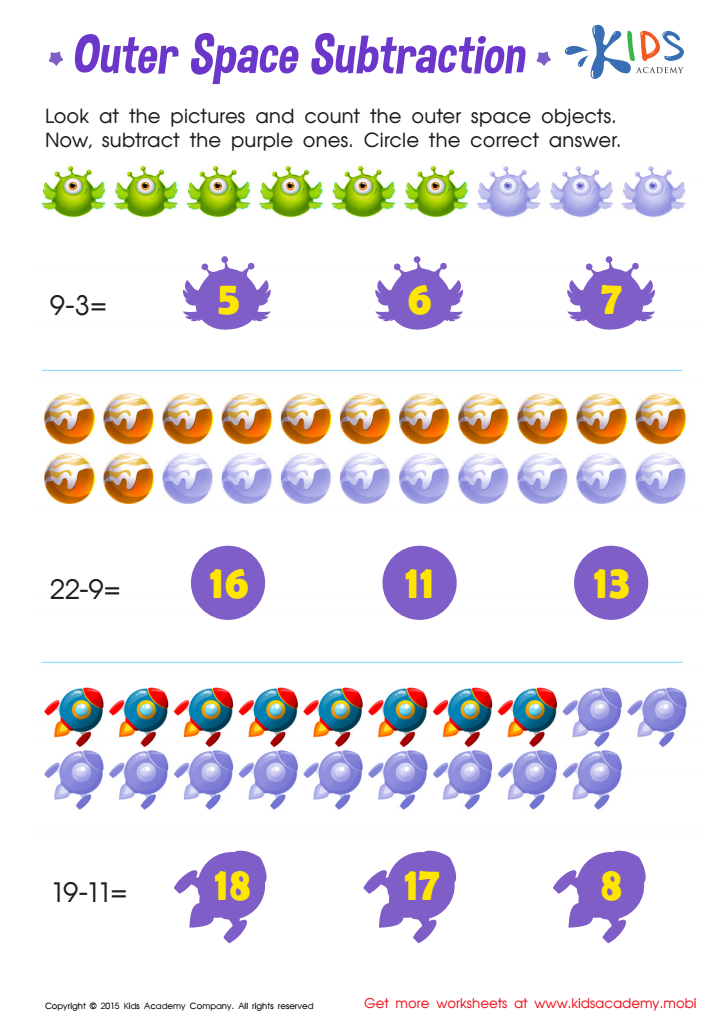
Outer Space Substraction Worksheet
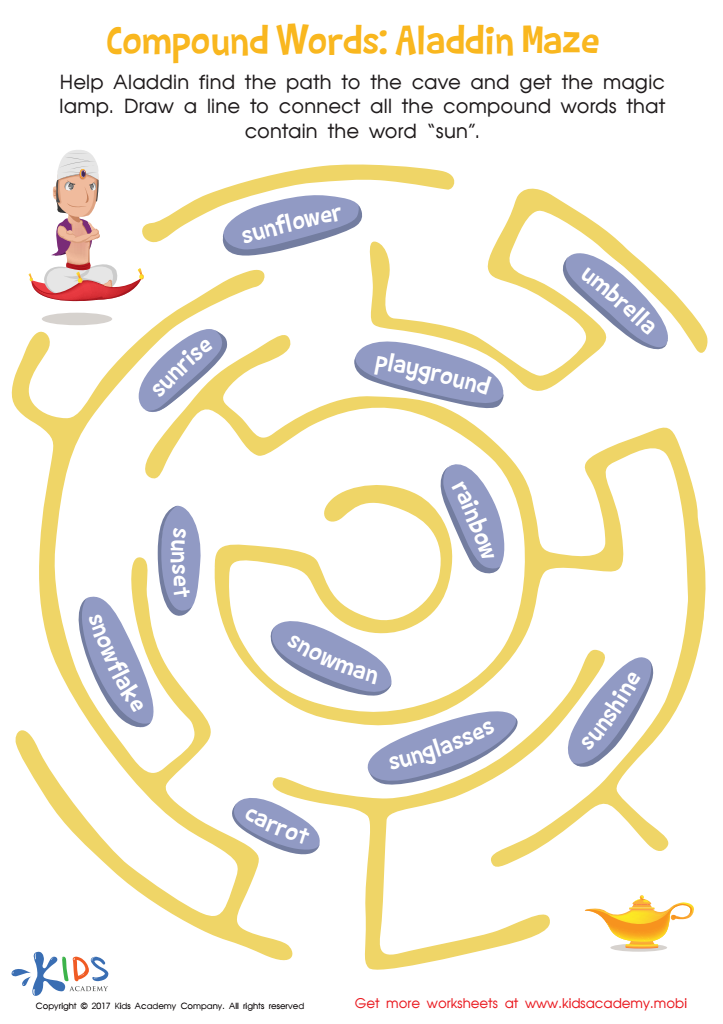
Compound Aladdin Maze Word Structure Worksheet
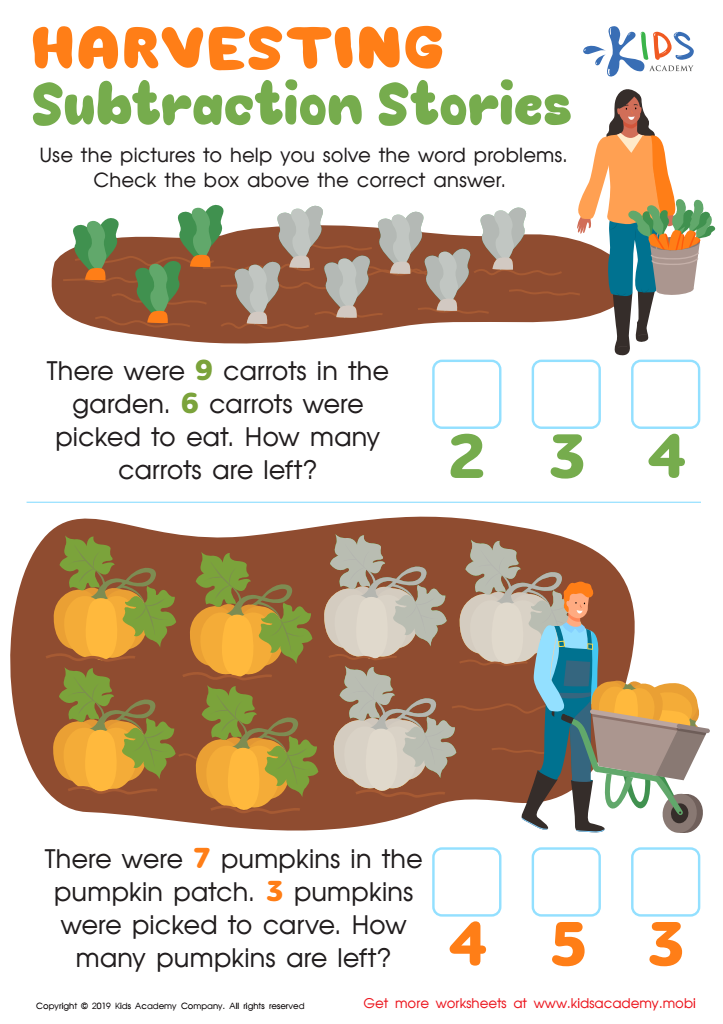
Harvesting Subtraction Stories Worksheet
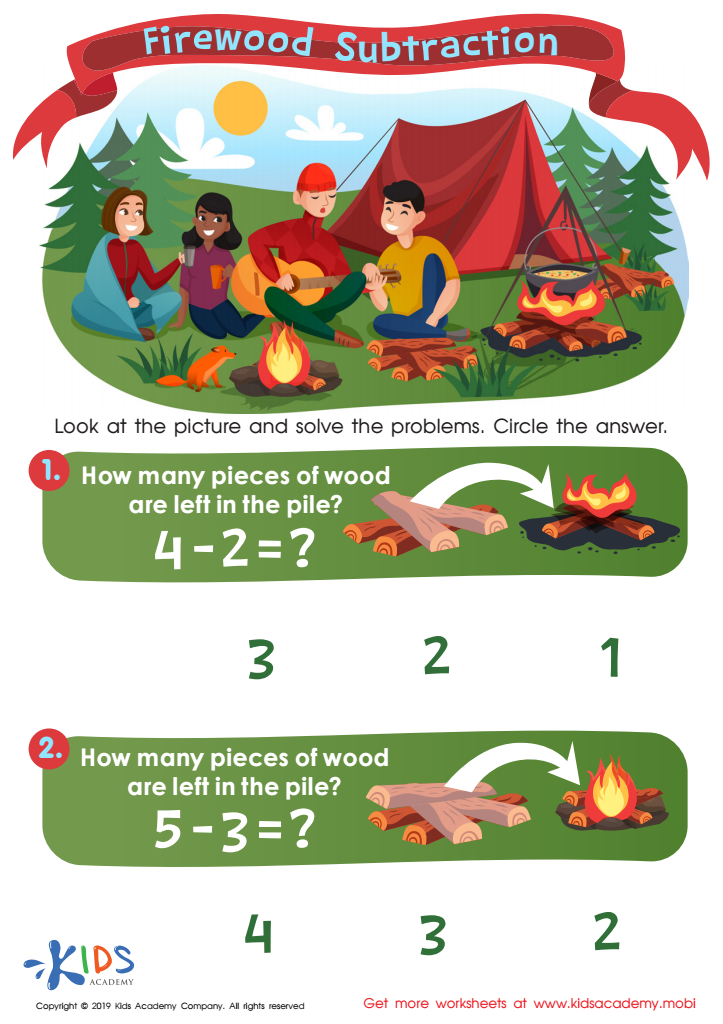
Firewood Subtraction Worksheet
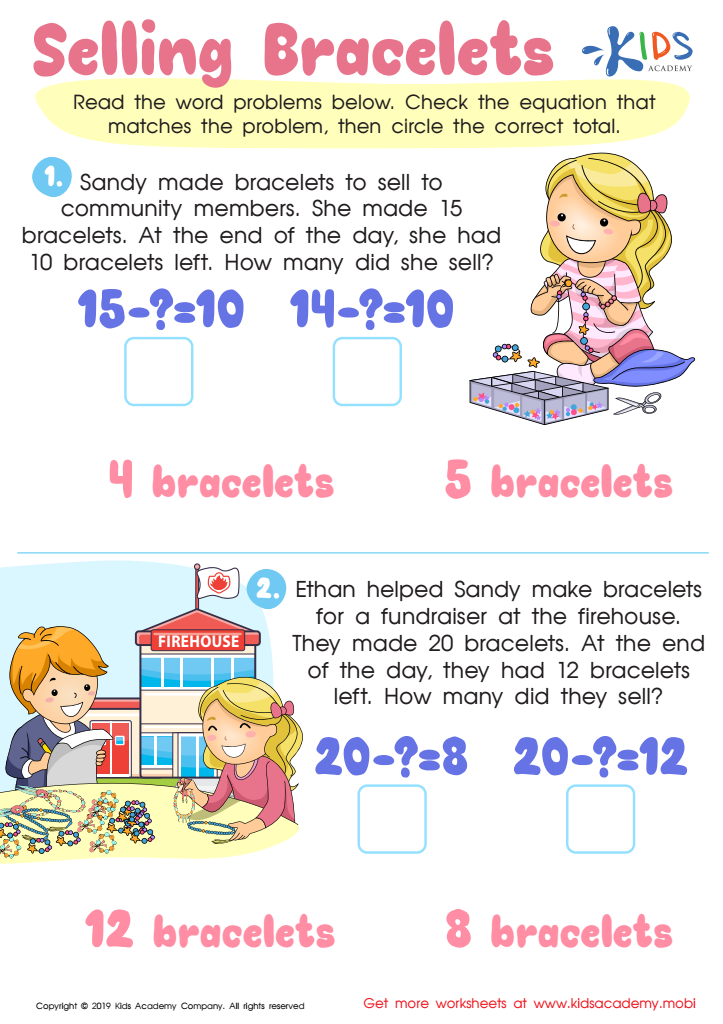
Selling the Bracelets Worksheet






Problem-solving skills are crucial for young learners, especially in Grade 1, as they form the foundation for critical thinking and lifelong learning. When parents and teachers prioritize these skills, they help children navigate challenges effectively, fostering resilience and adaptability. At this early age, children start encountering various problems, from simple puzzles to social situations. Teaching them to approach these problems systematically enhances their confidence and creativity, encouraging them to explore multiple solutions.
Problem-solving also stimulates language development, as children learn to articulate their thoughts, ask questions, and engage in discussions about their reasoning. This skill is essential not just in math but across all subjects and day-to-day life. Furthermore, a strong problem-solving ability contributes to better collaboration, as children often work together to solve tasks, enhancing their teamwork and communication skills.
When educators and parents actively engage in teaching and modeling problem-solving strategies, they nurture a growth mindset in children. This understanding leads to resilience when faced with failures, helping them recognize that mistakes are part of the learning journey. Thus, fostering problem-solving skills in Grade 1 equips children with essential tools to thrive academically and socially as they progress in their education.