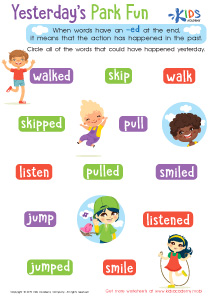
Hand-eye Coordination Easy Kindergarten Worksheets
23 filtered results
-
From - To
Enhance your child’s learning experience with our Hand-eye Coordination Easy Kindergarten Worksheets! Designed specifically for young learners, these worksheets focus on developing essential hand-eye coordination skills through engaging activities. Kids will enjoy tracing, connecting dots, and completing fun exercises that promote fine motor skills and spatial awareness. Perfect for classroom use or at-home practice, our printable worksheets are colorful and captivating, ensuring children remain motivated while learning. Empower your little ones to build confidence in their abilities while enjoying the fun of learning. Visit our website to access a wide variety of worksheets that make skill-building enjoyable and effective!
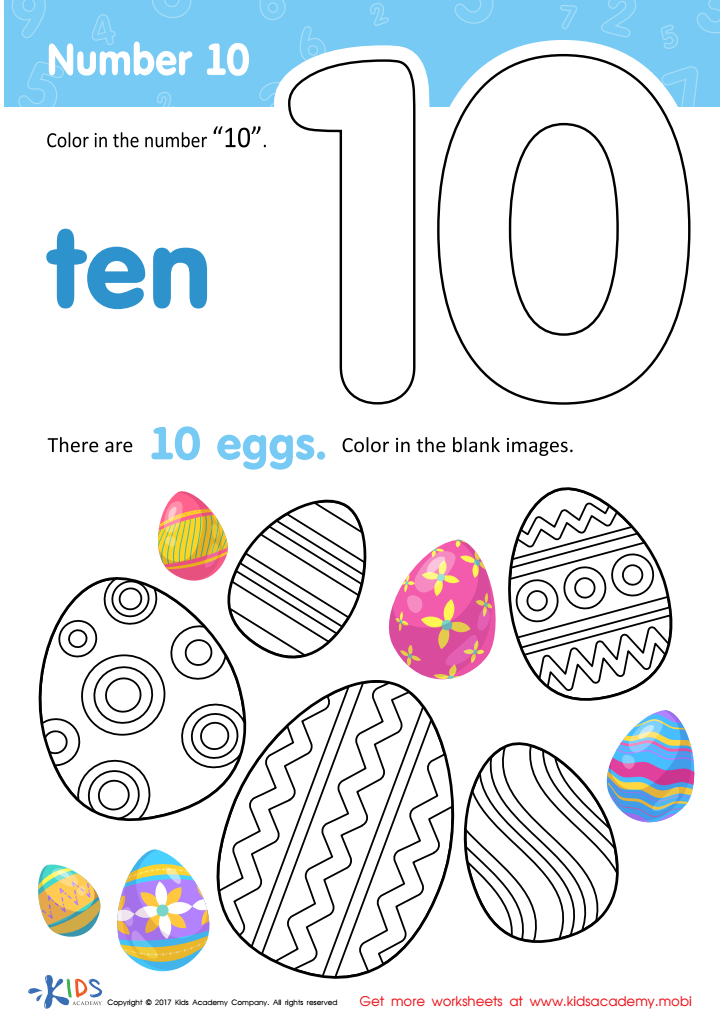
Number 10 Printable
 Assign to My Students
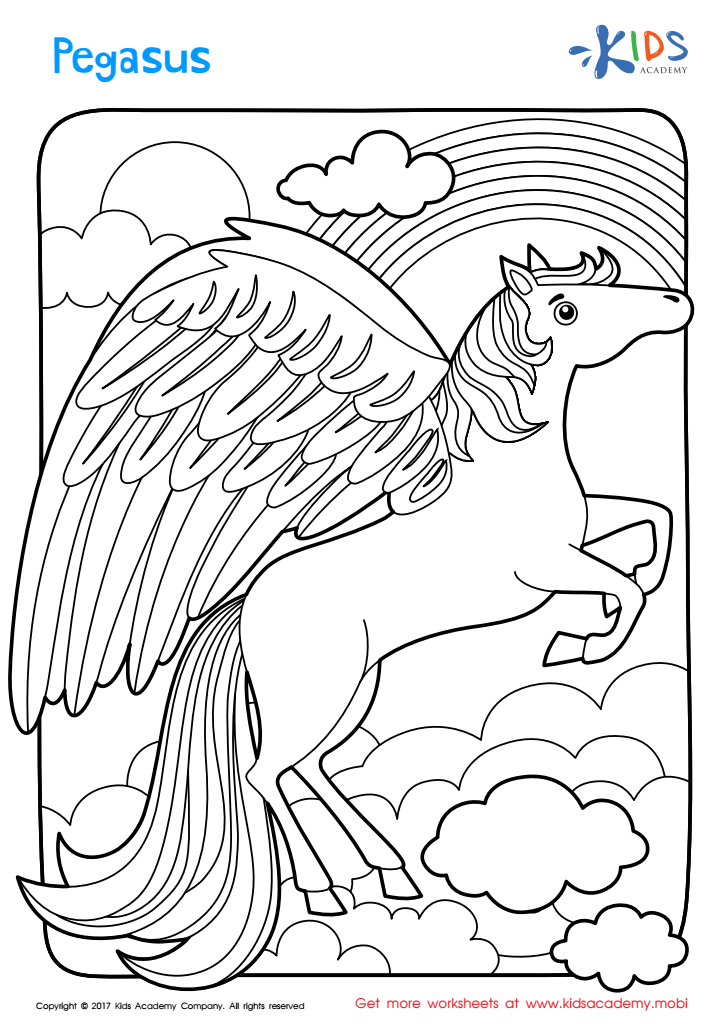
Pegasus Printable
Assign to My Students
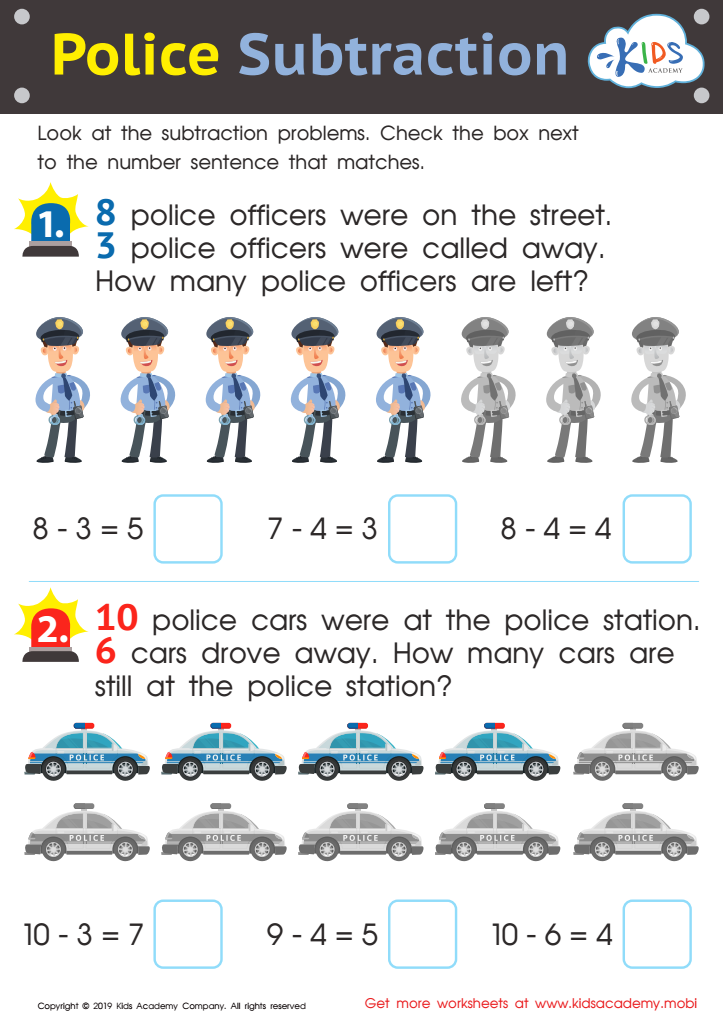
Police Subtraction Worksheet
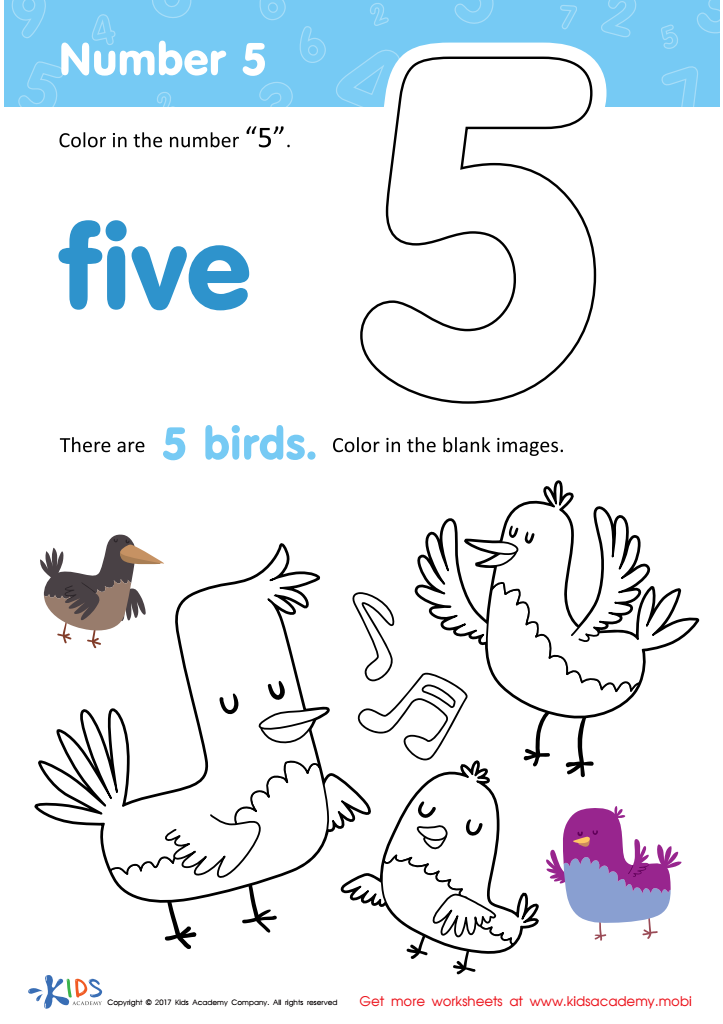
Number 5 Printable
Assign to My Students
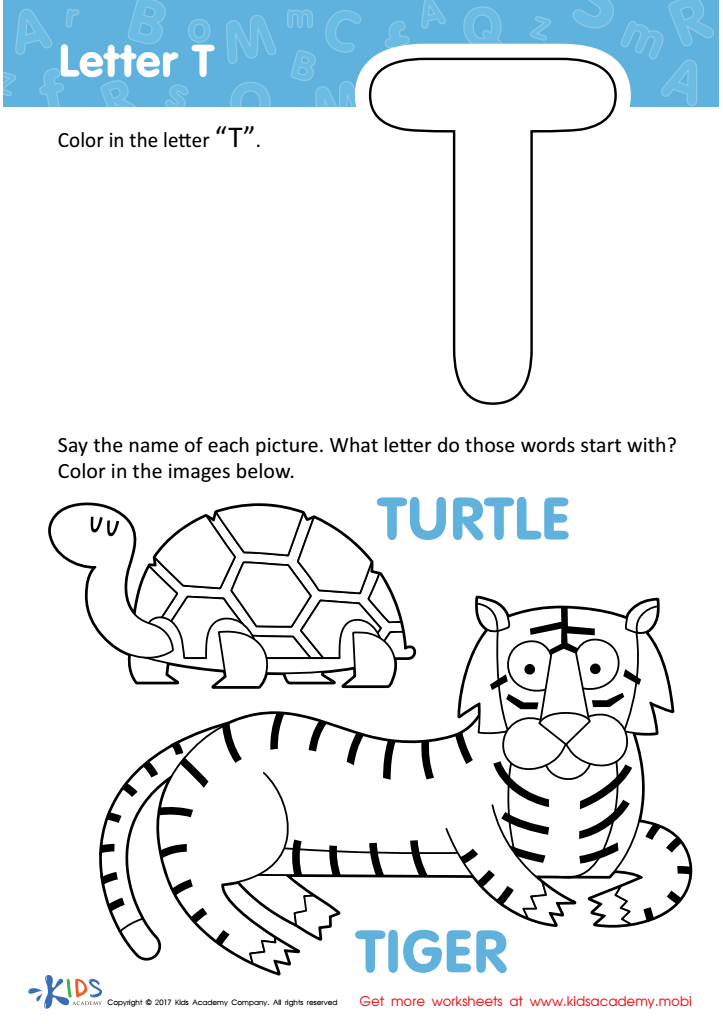
Letter T Coloring Sheet
Assign to My Students
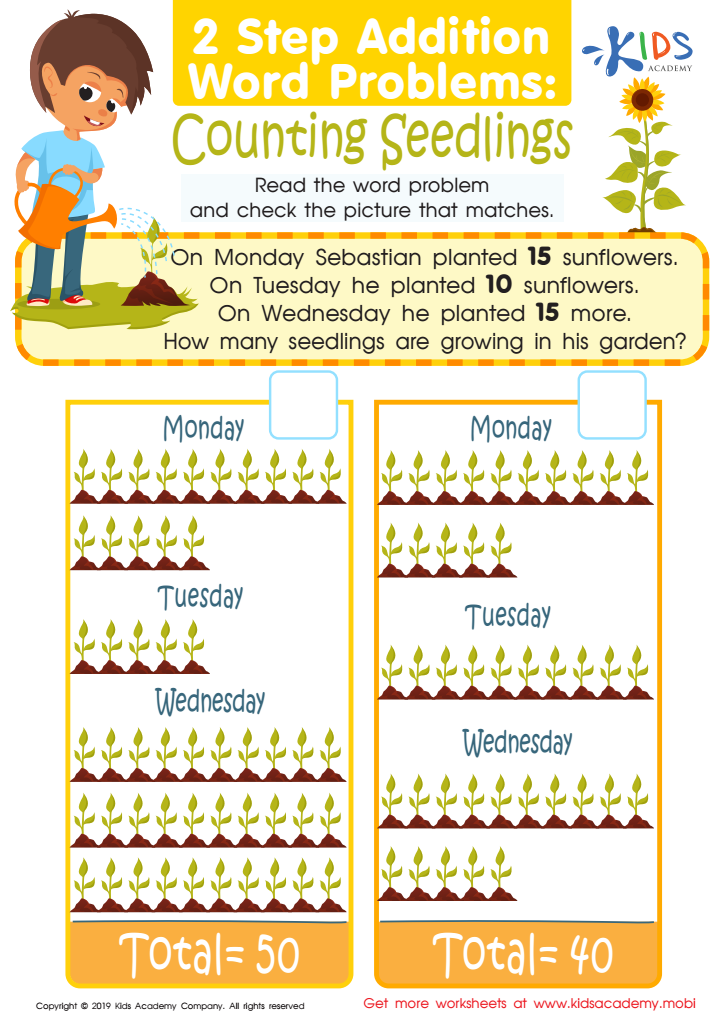
Counting Seedlings Worksheet
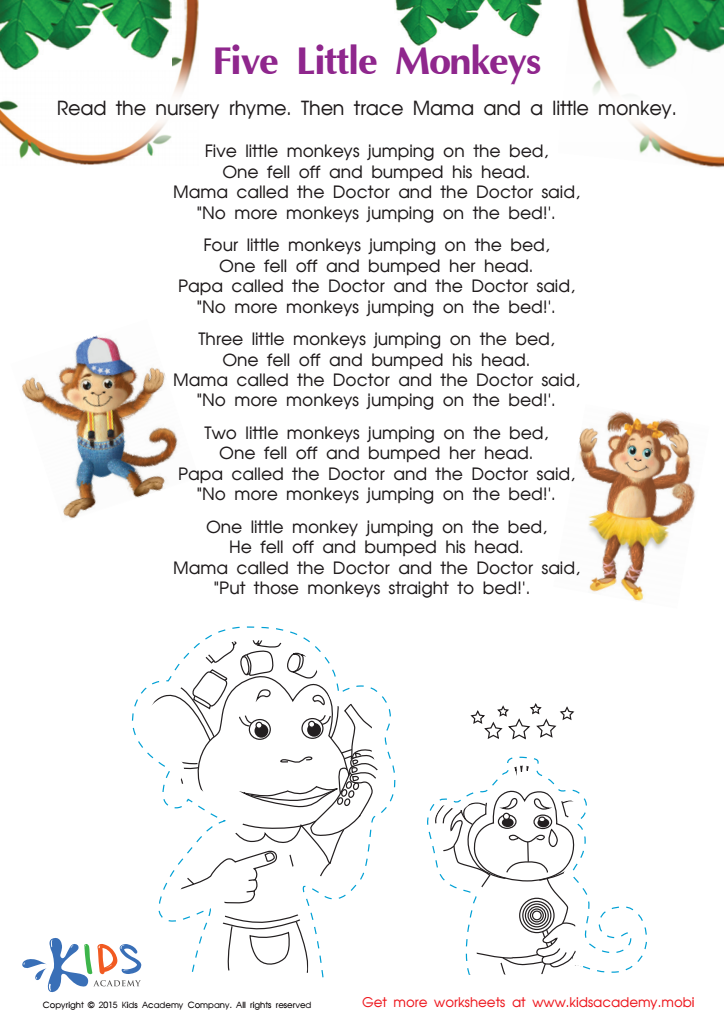
The Five Little Monkeys Nursery Rhyme Worksheet
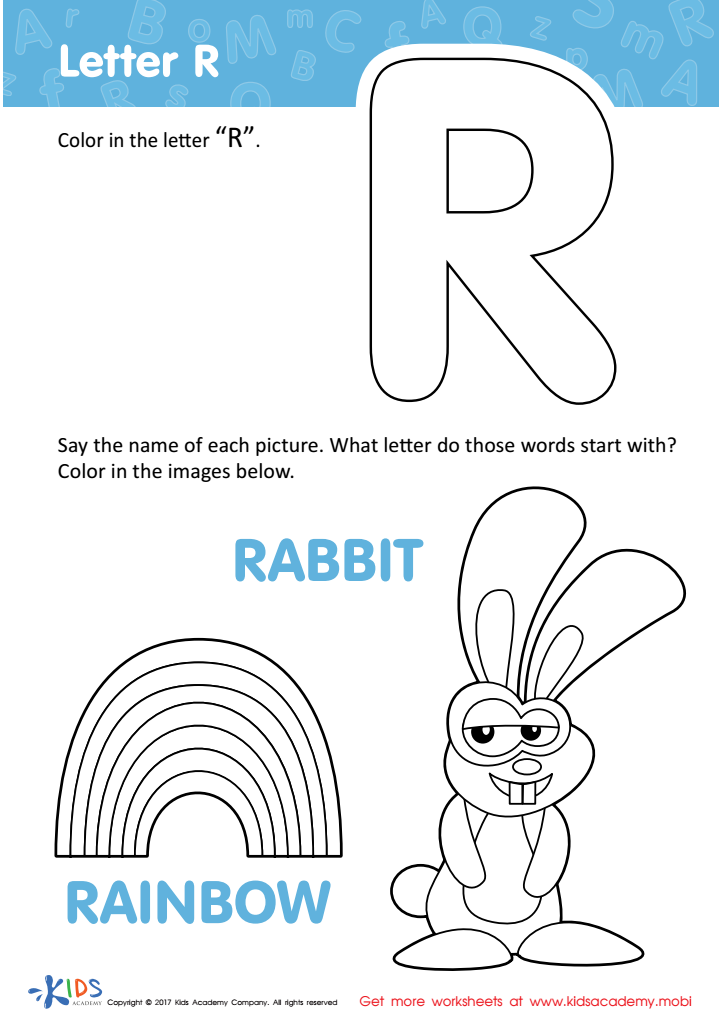
Letter R Coloring Sheet
Assign to My Students
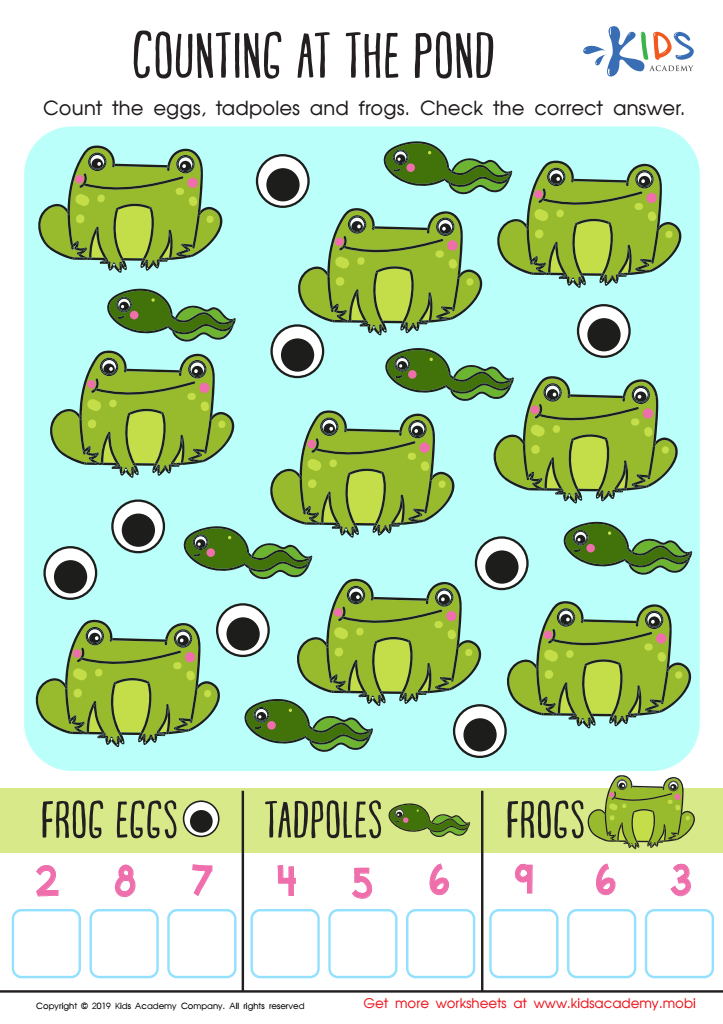
Counting at the Pond Worksheet
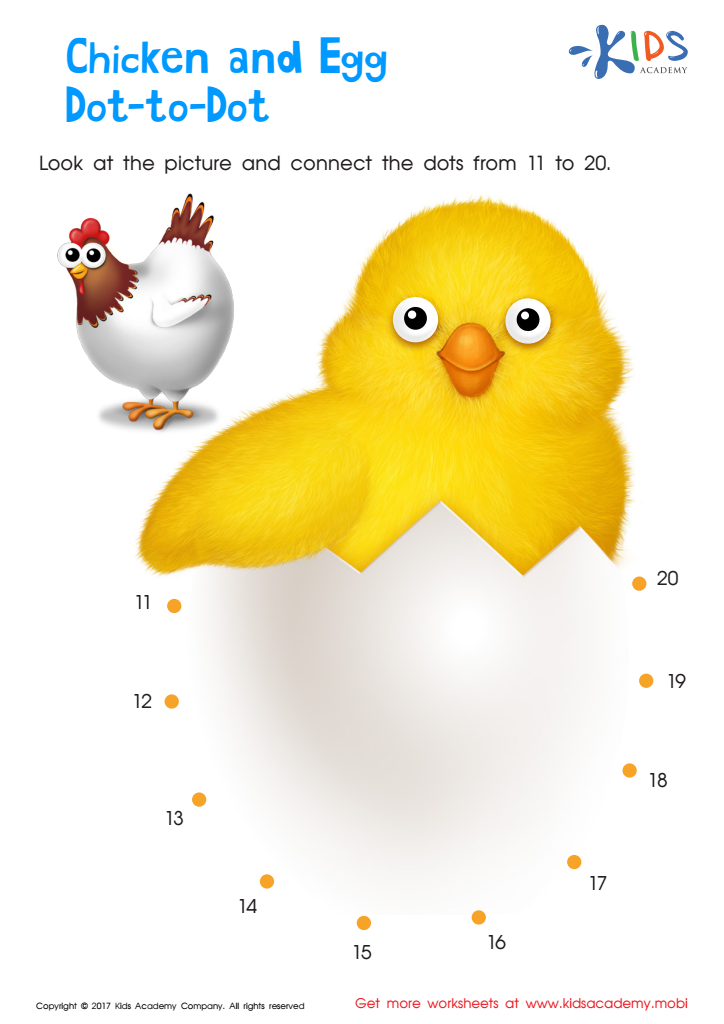
Ordering 11–20: Chicken & Egg Dot–to–dot Worksheet
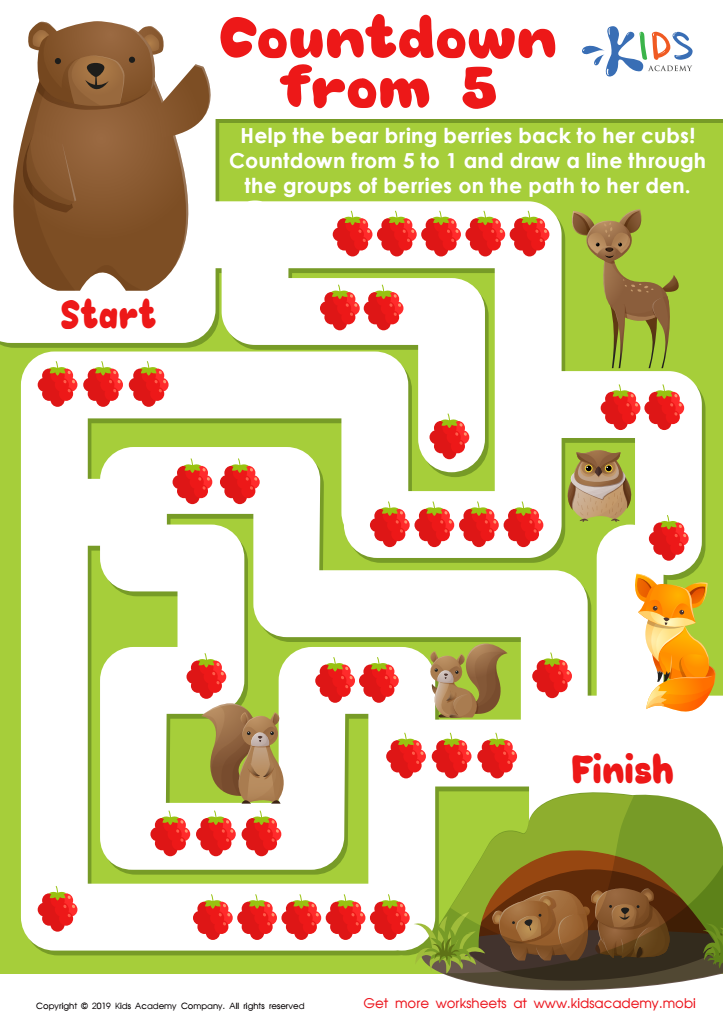
Countdown from 5 Worksheet
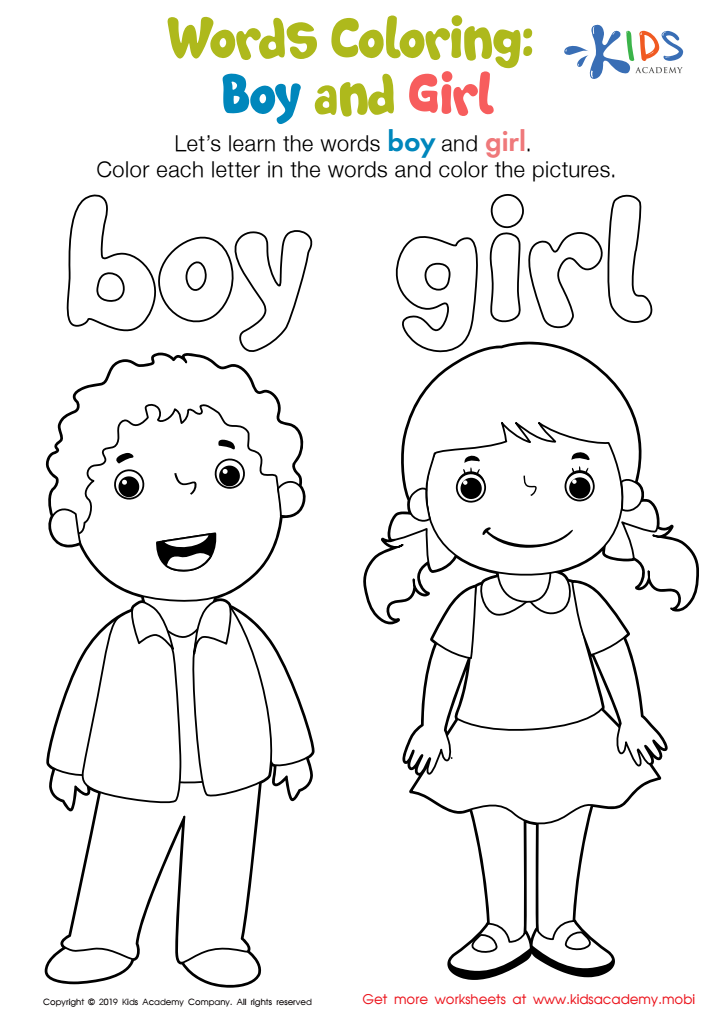
Boy and Girl Words Coloring Worksheet
Assign to My Students
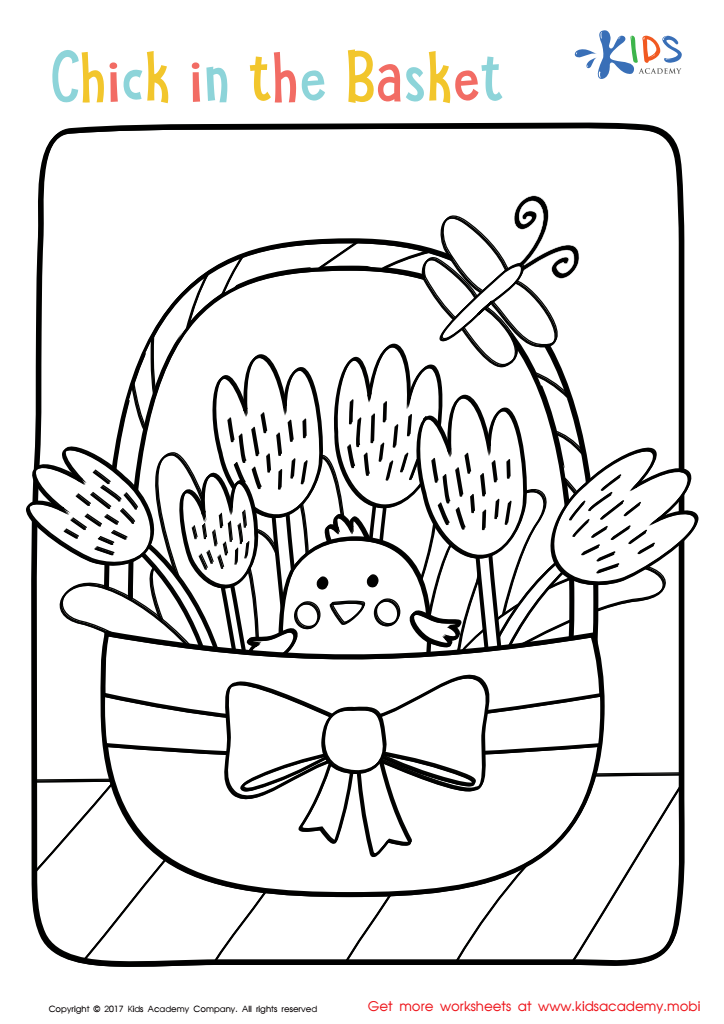
Easter: Chick in the Basket Worksheet
Assign to My Students
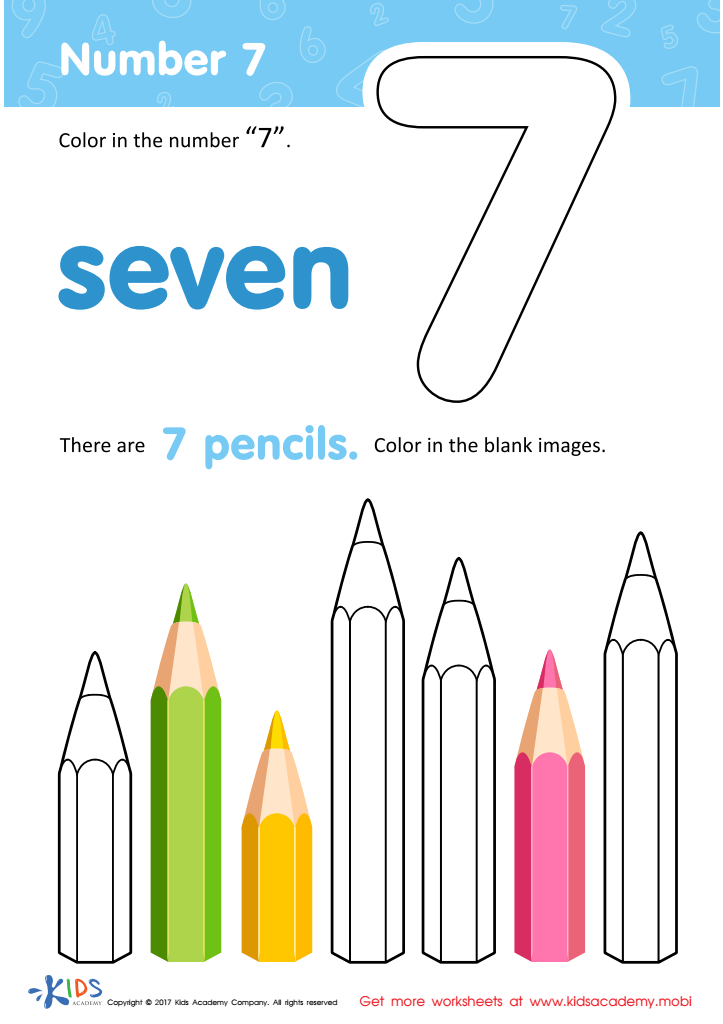
Number 7 Worksheet
Assign to My Students
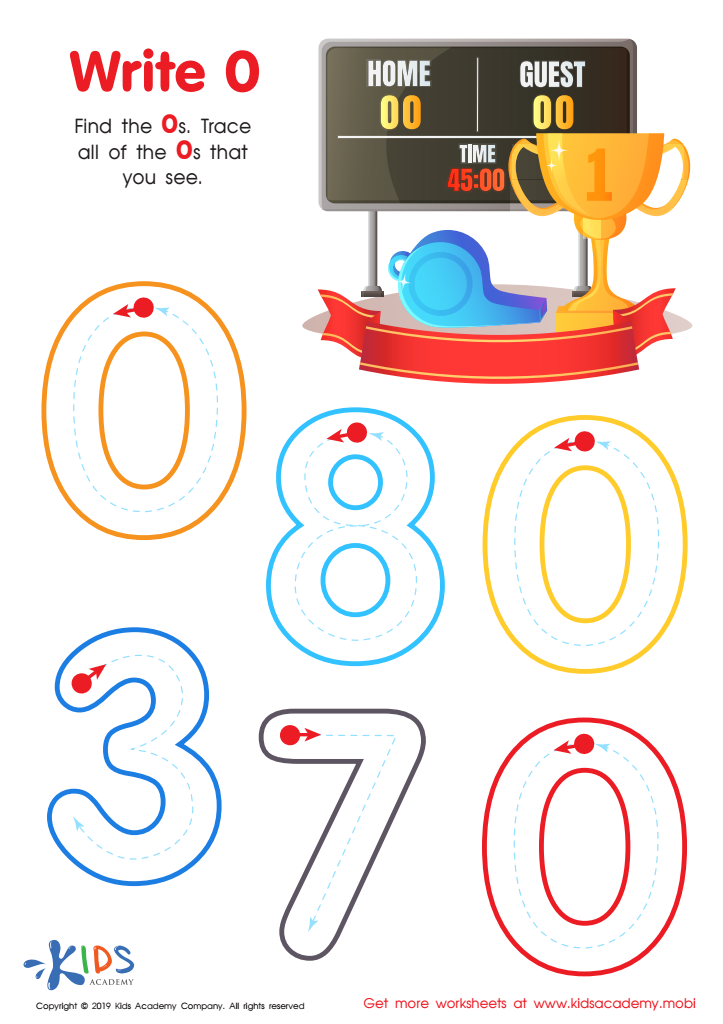
Write 0 Worksheet
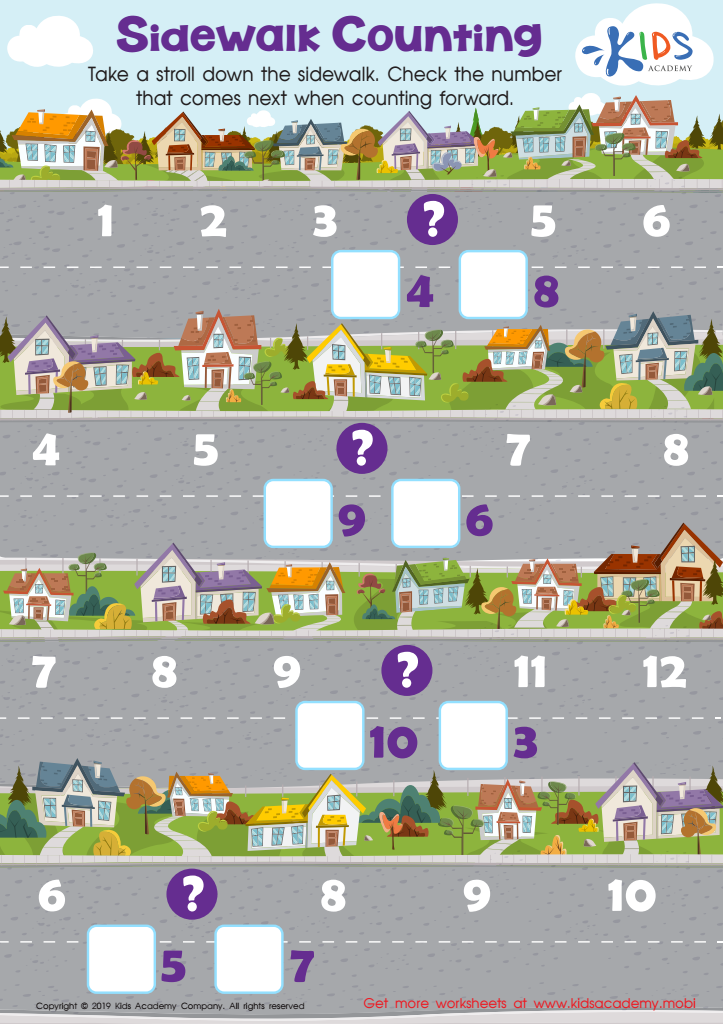
Sidewalk Counting Worksheet
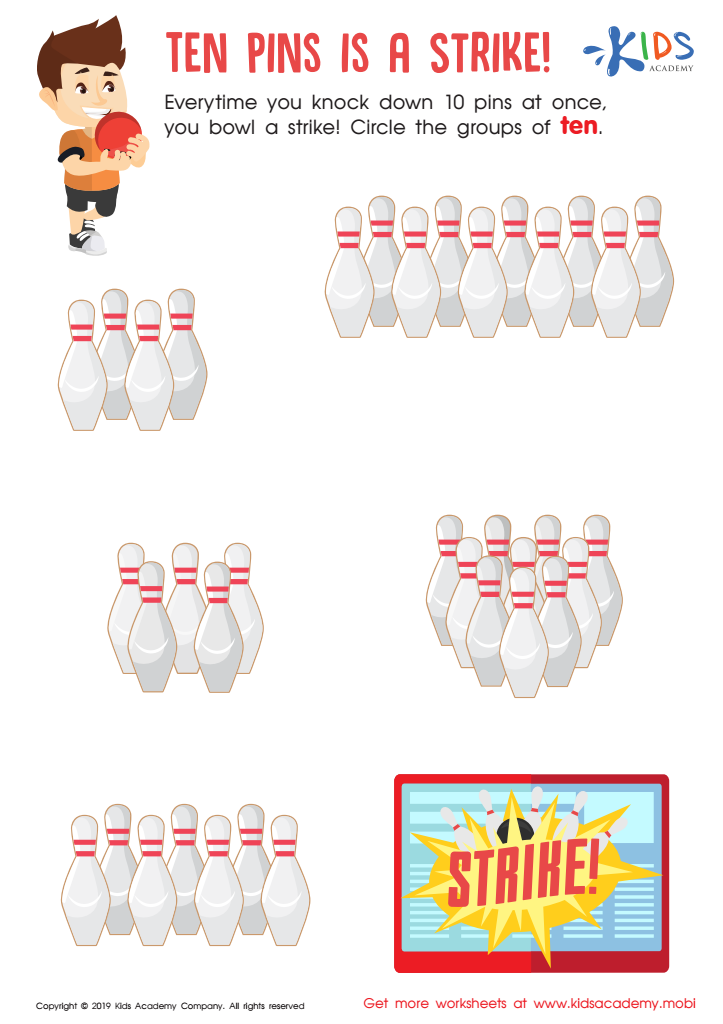
Ten Pins is a Strike Worksheet
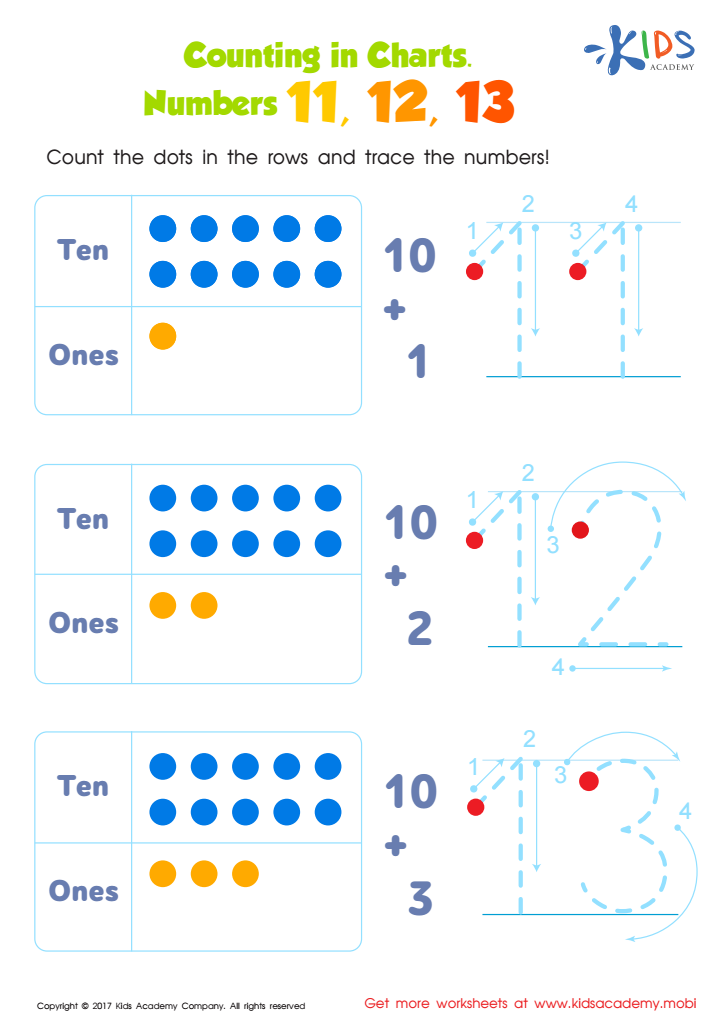
Number Tracing Worksheet For Kindergarten
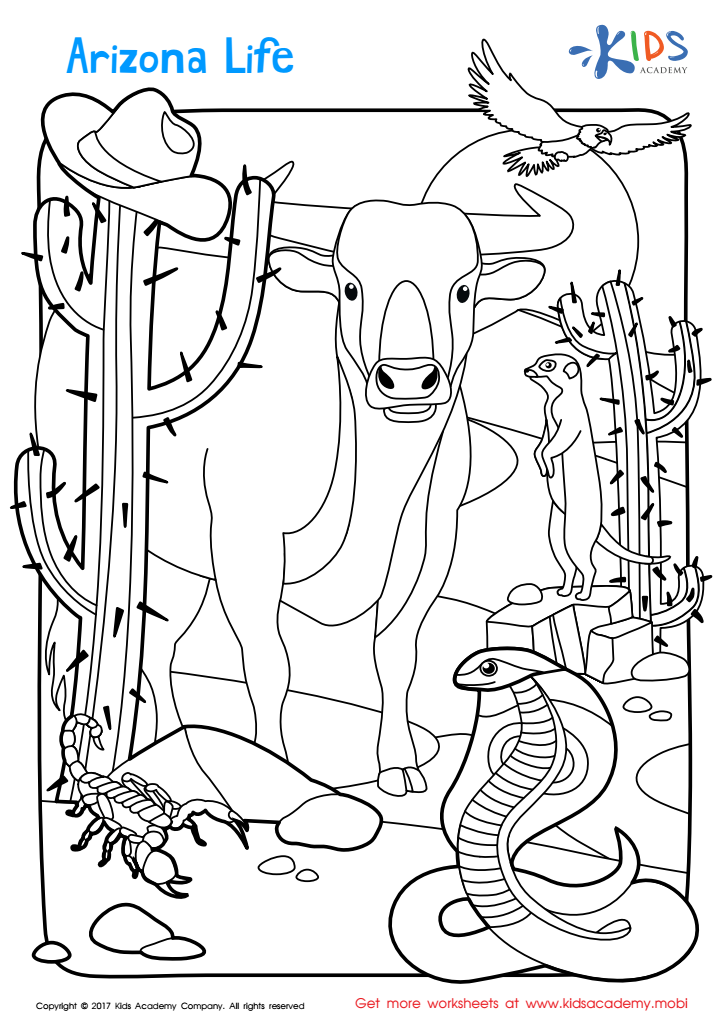
Arizona Coloring Page Worksheet
Assign to My Students
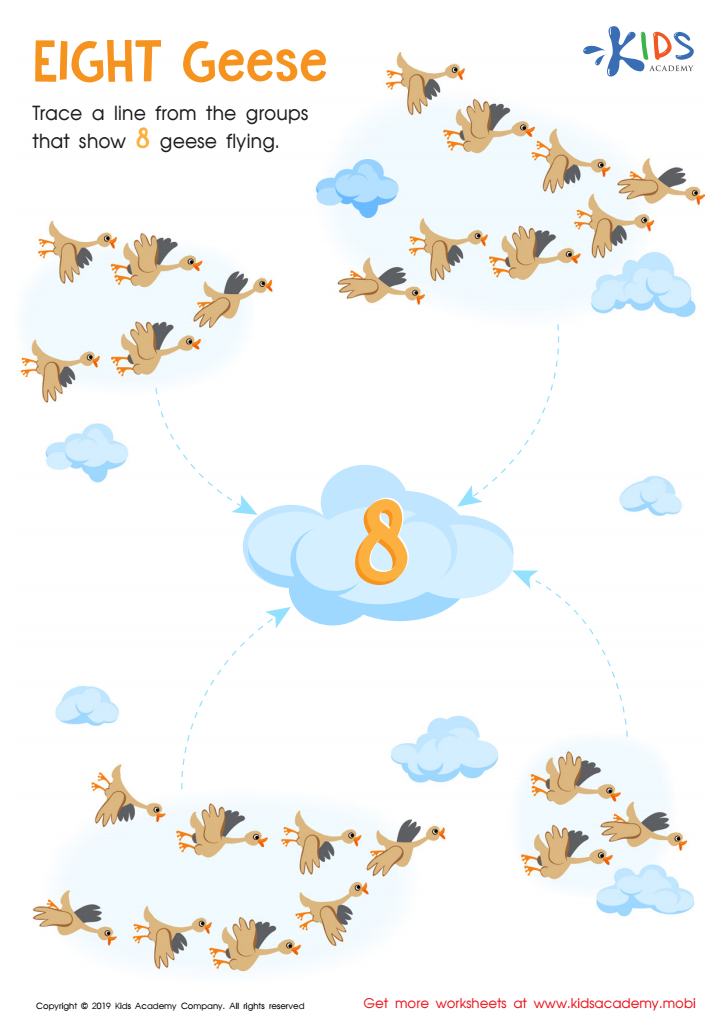
Eight Geese Worksheet
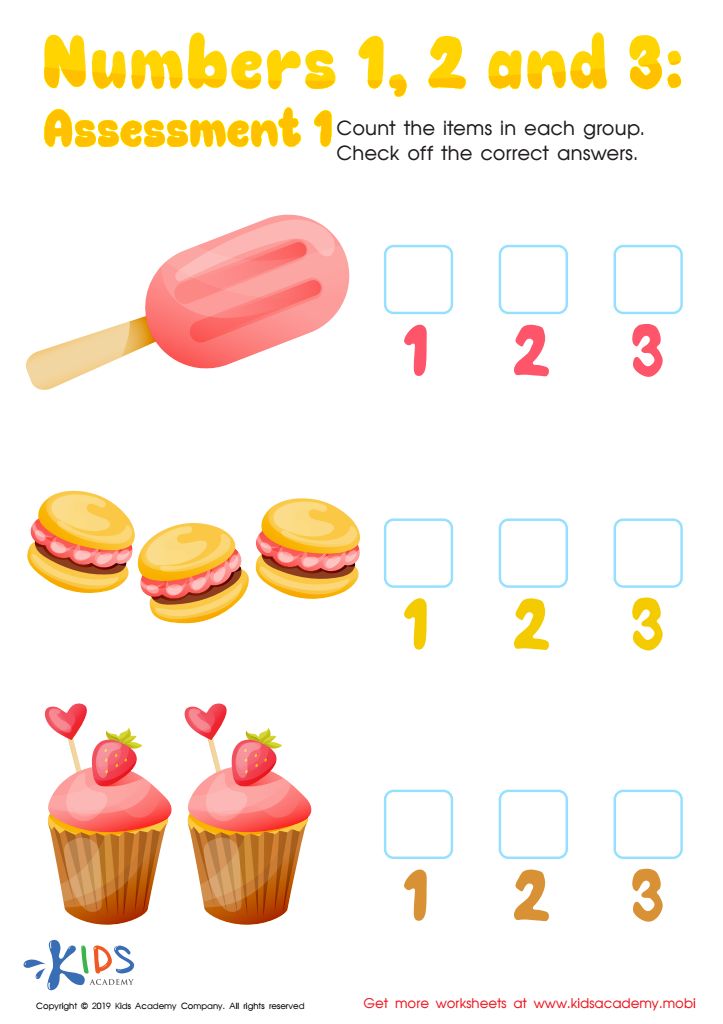
Numbers 1, 2 and 3: Assessment 1 Worksheet
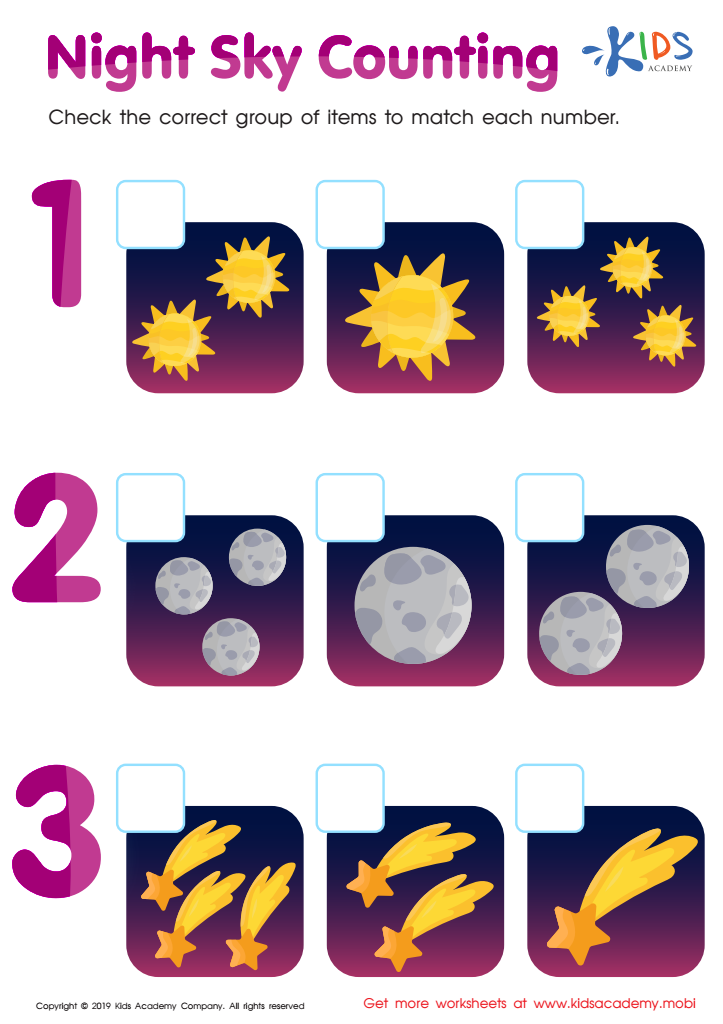
Night Sky Counting Worksheet
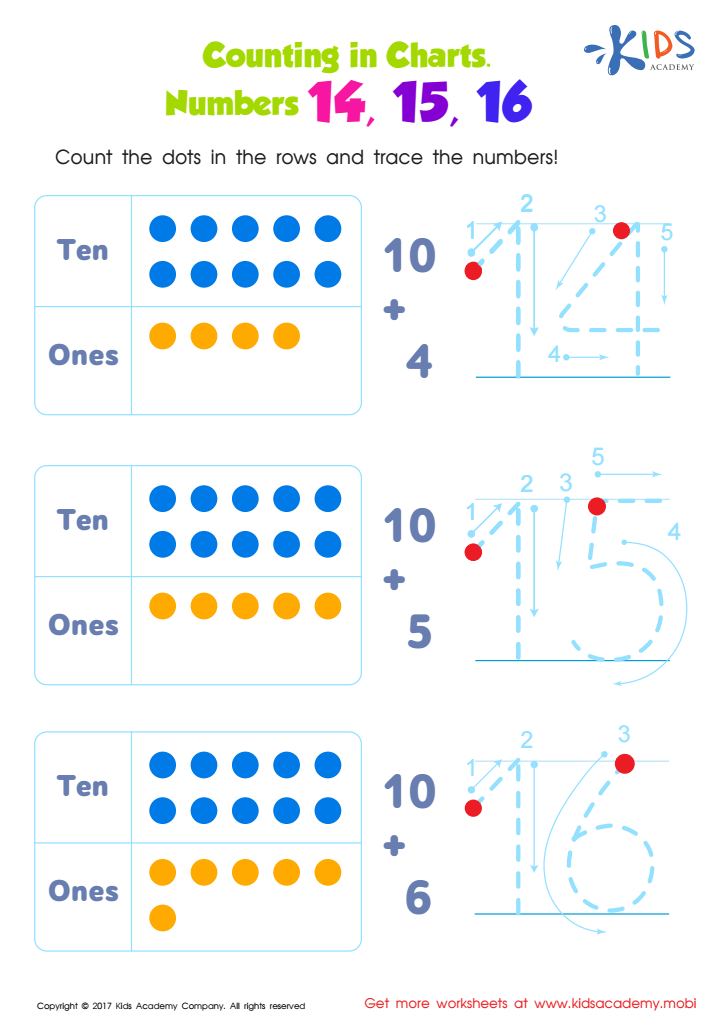
Number Tracing Worksheet



.jpg)


Hand-eye coordination is a crucial skill for young children, forming a foundation for overall development, particularly in early learning settings like kindergarten. It refers to the ability to synchronize visual input with motor actions, enabling children to perform daily tasks effectively. Parents and teachers should prioritize hand-eye coordination for several reasons.
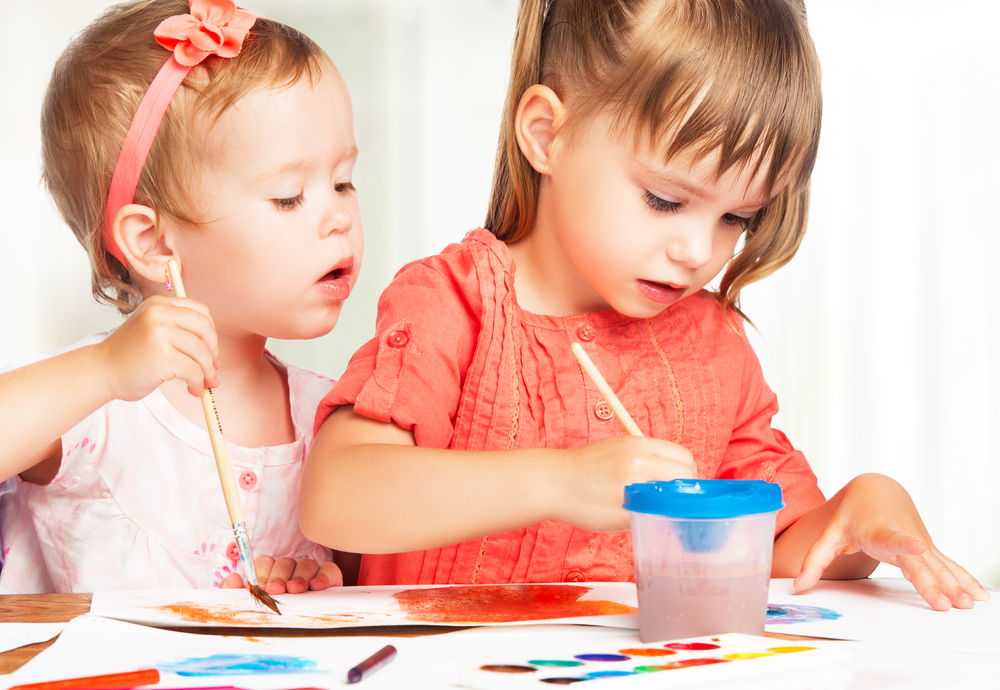
Firstly, it supports the development of fine motor skills, which are essential for activities such as writing, drawing, and building. Mastering these skills not only boosts a child's confidence but also enhances their academic performance.
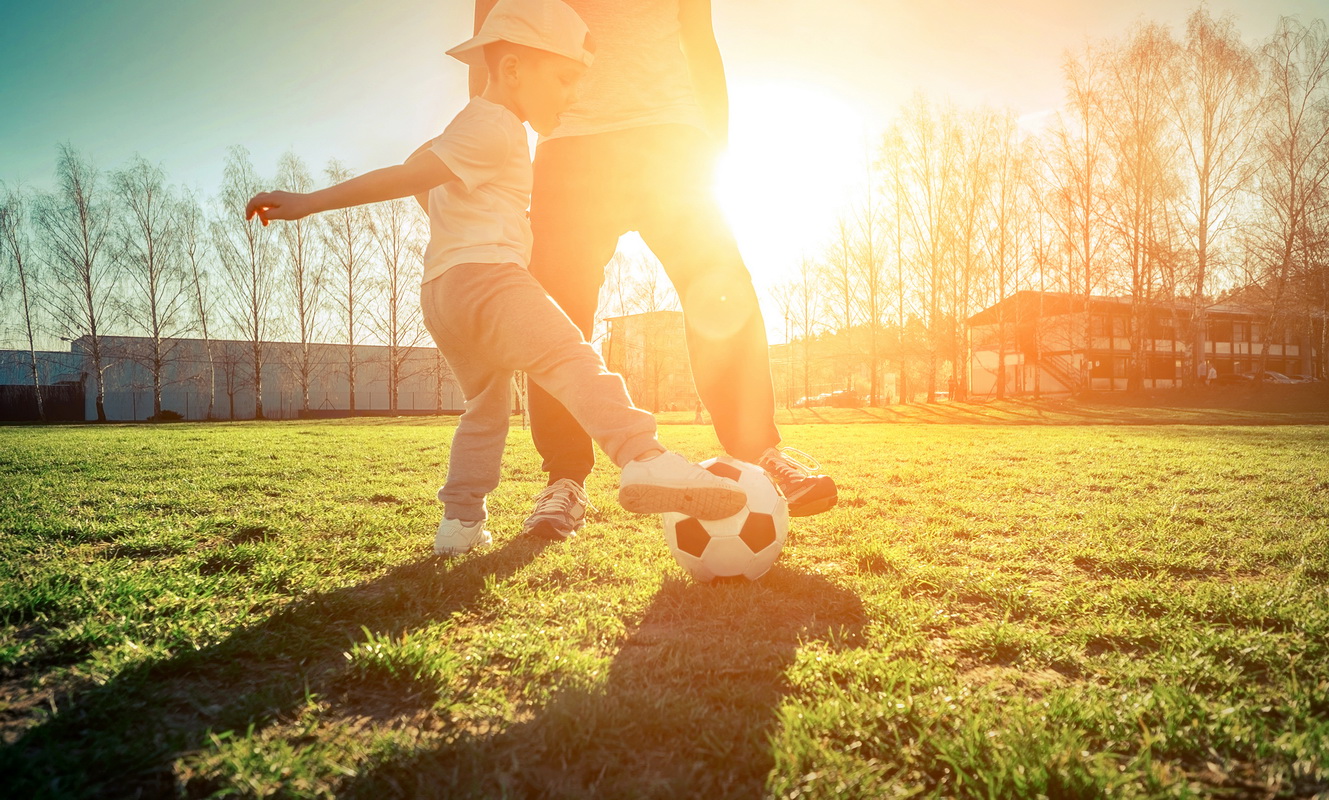
Additionally, hand-eye coordination plays a vital role in physical activities, impacting children’s ability to participate in sports and play. It fosters a sense of achievement and teamwork, reducing the likelihood of frustration during playtime.
Furthermore, strong hand-eye coordination can influence cognitive development. Engaging in tasks that require coordination promotes problem-solving skills and concentration, encouraging children to explore and learn from their environment.
Ultimately, by cultivating hand-eye coordination in kindergarten, parents and teachers can help set the stage for a child's holistic development, ensuring they are better prepared for future academic challenges and social interactions. This foundational skill not only aids learning but also enhances overall confidence and well-being in young learners.