Enhancing observation skills Easy Worksheets
6 filtered results
-
From - To
Enhance your students’ observation skills with our engaging Easy Worksheets! Designed for early learners, these worksheets help children sharpen their ability to notice details, recognize patterns, and develop critical thinking. Featuring fun exercises and colorful illustrations, our resources encourage active participation while making learning enjoyable. Perfect for classroom or home use, these worksheets promote focus and mindfulness, helping children improve their everyday observation skills. Ideal for teachers and parents alike, they serve as a valuable tool to foster curiosity and enhance cognitive development. Dive into our collection today and empower your young learners to become keen observers of the world around them!
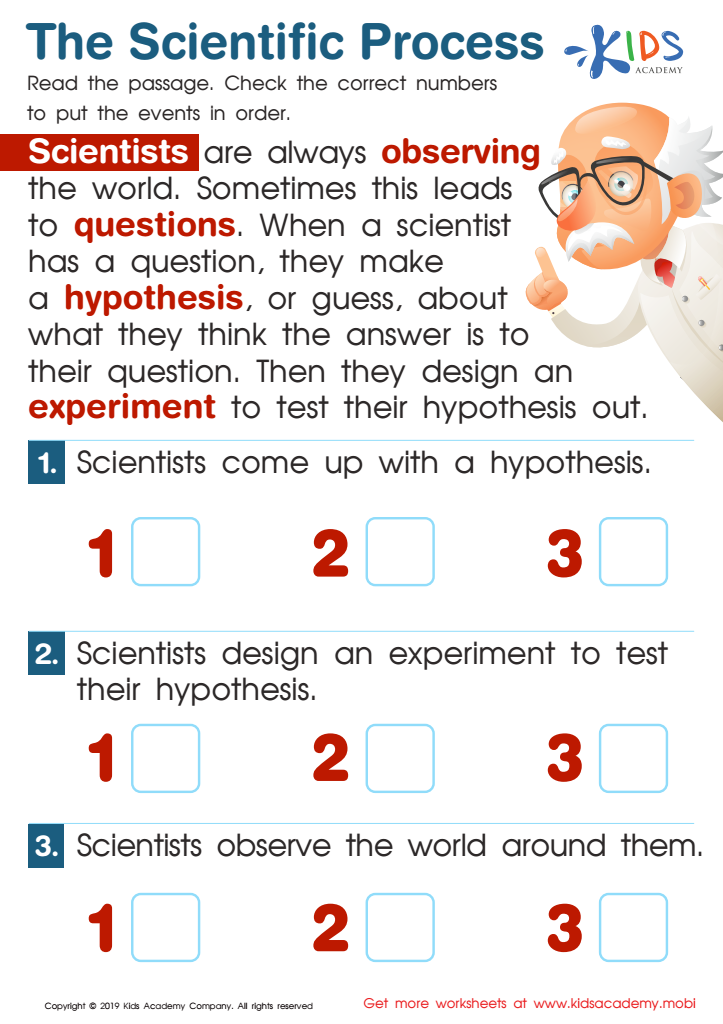
The Scientific Process Worksheet
 Assign to My Students
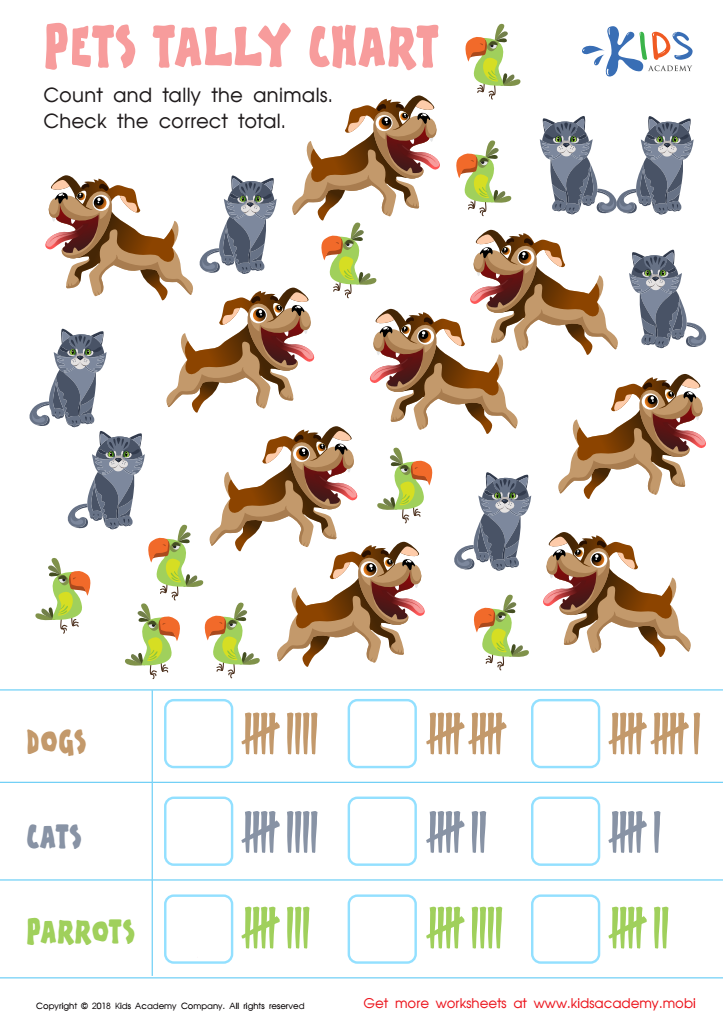
Pets Tally Chart Worksheet
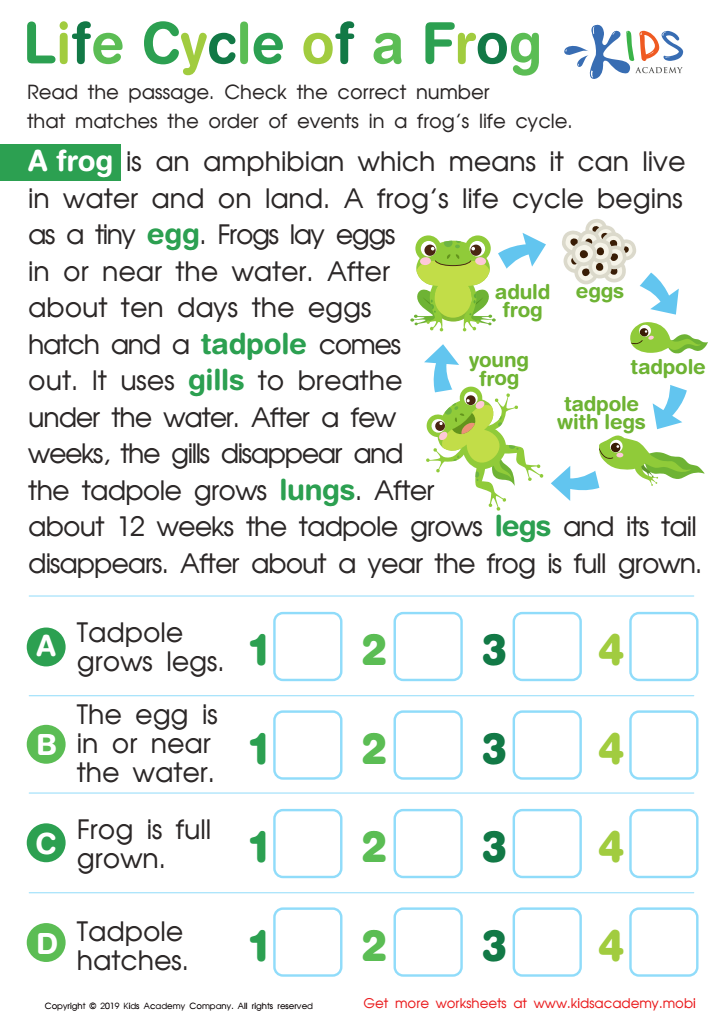
Life Cycle of a Frog Worksheet
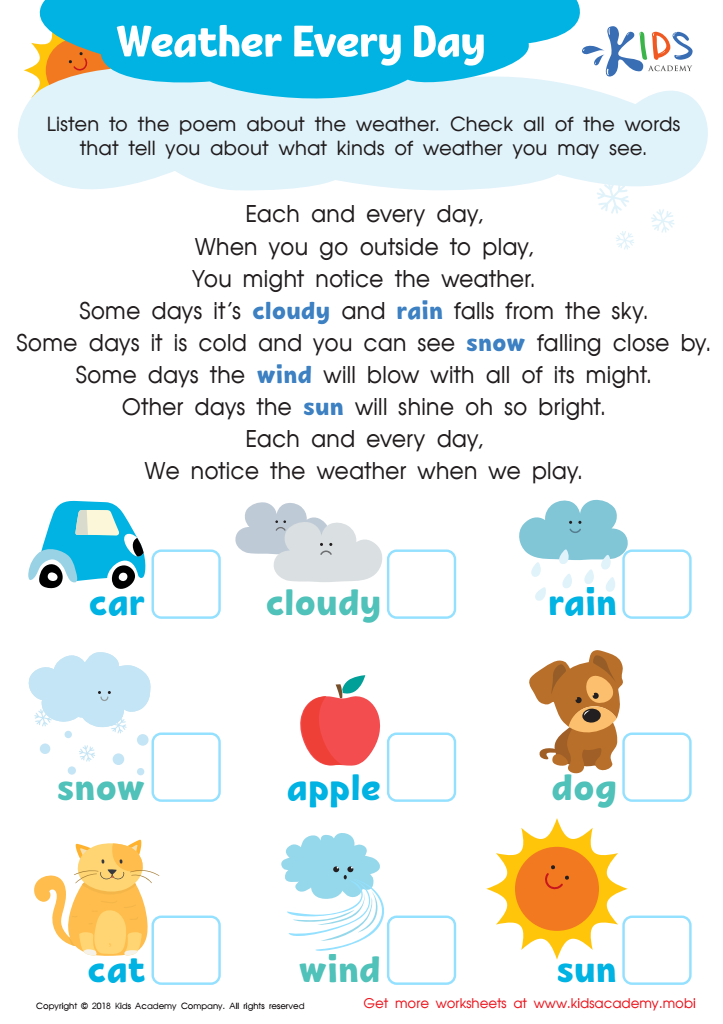
Weather Every Day Worksheet
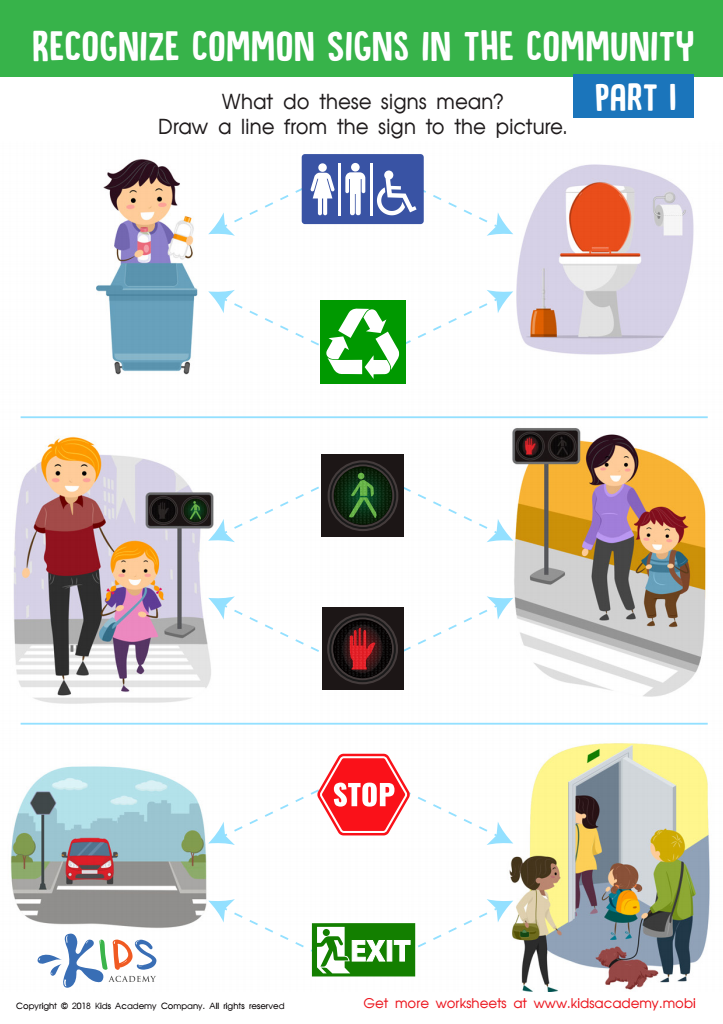
Recognize Common Signs: Part 1 Worksheet
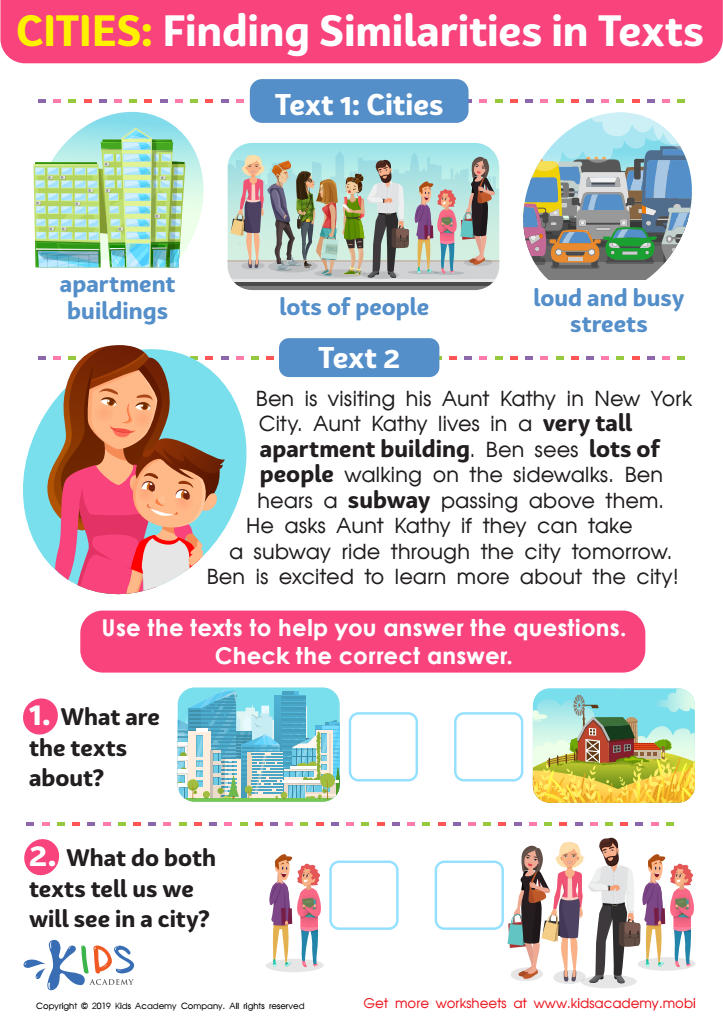
Cities: Finding Similarities Worksheet







Enhancing observation skills is crucial for both parents and teachers as it significantly impacts children's development and learning. By refining these skills, adults can become more attuned to the subtle behaviors, emotions, and needs of children. This heightened awareness fosters a nurturing environment where children feel safe and understood.
For teachers, improved observation skills assist in identifying learning styles, strengths, and areas that require additional support. This can lead to tailored lesson plans that cater to individual needs, thus promoting better academic outcomes and boosting confidence. Teachers who keenly observe the dynamics of the classroom can also intervene early in social conflicts or emotional struggles, contributing to a positive learning atmosphere.
Parents, on the other hand, can better support their children’s emotional and social development by paying attention to their non-verbal cues and interactions. Observing how children relate to friends and handle challenges can provide insights into their self-esteem and coping strategies. Moreover, parents can harness their observations to reinforce learning at home, aligning their efforts with what teachers are doing in school.
Ultimately, cultivating strong observation skills benefits everyone involved, ensuring that children receive the attention and support they need to thrive emotionally, socially, and academically.








