Number Recognition Easy Numbers Worksheets - Page 4
75 filtered results
-
From - To
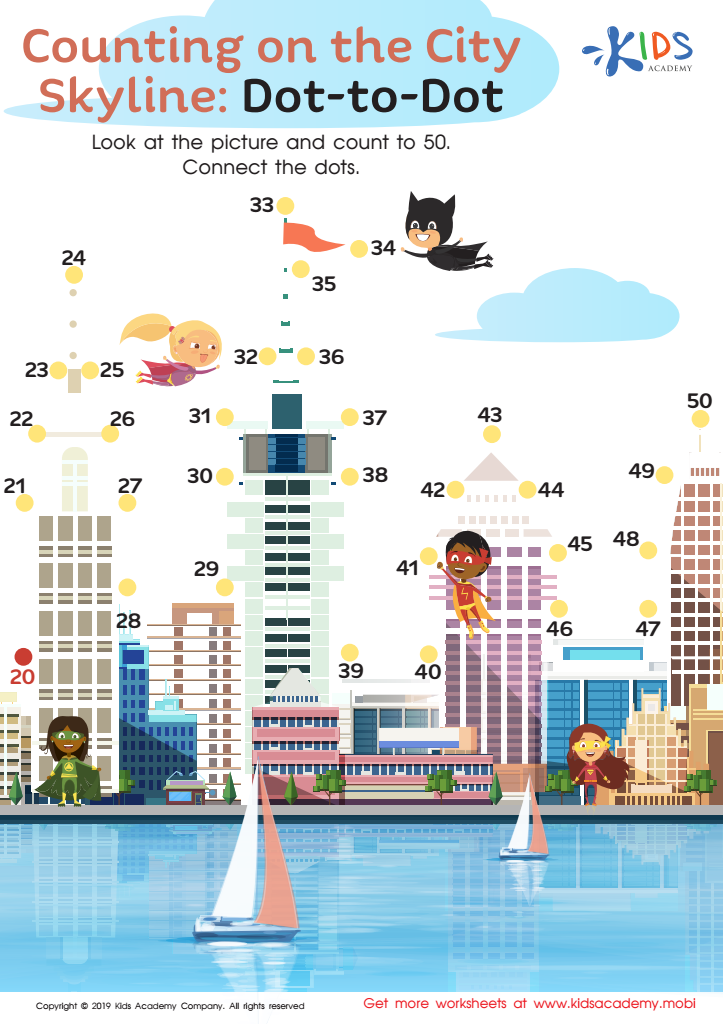
Counting on the City Skyline: Dot-to-Dot Worksheet
 Assign to My Students
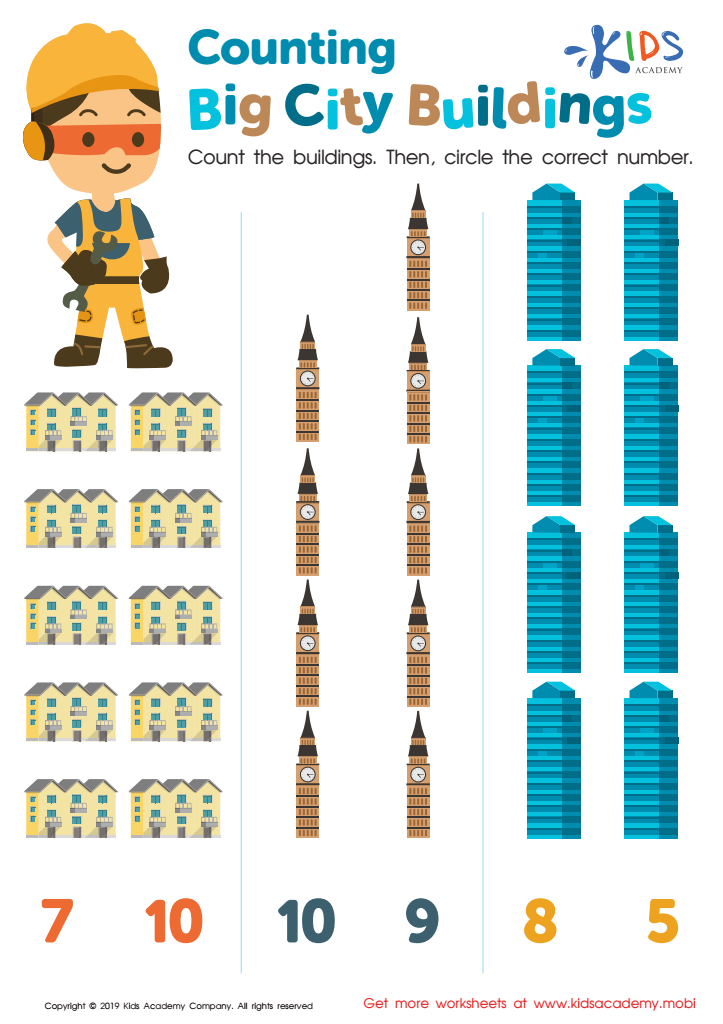
Counting Big City Buildings Worksheet
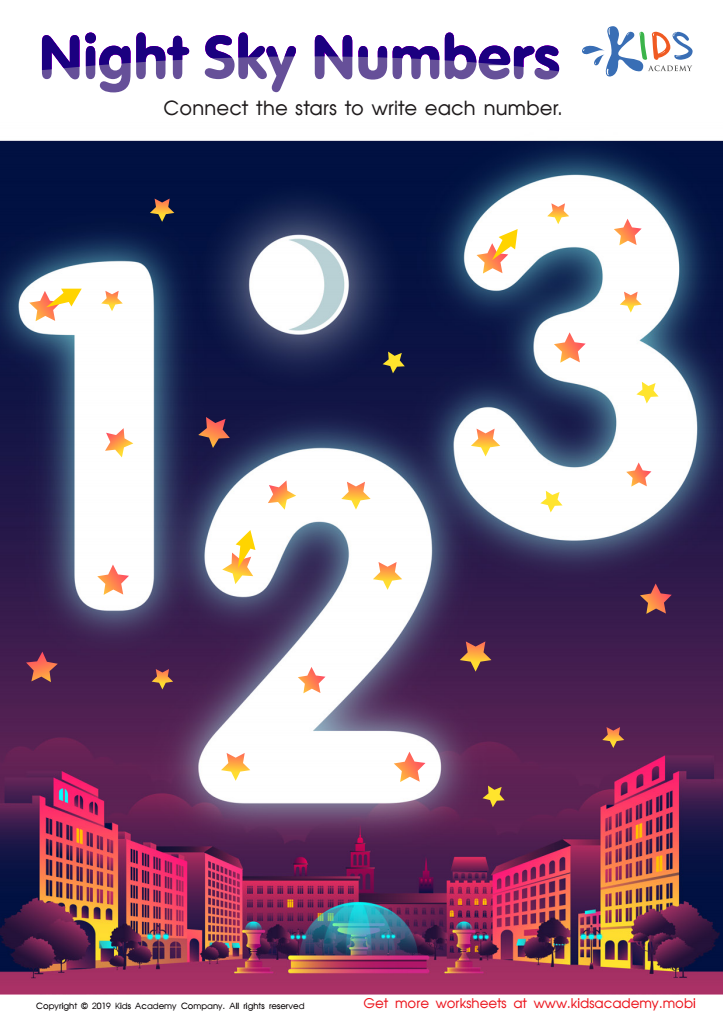
Night Sky Numbers Worksheet







Number recognition is a fundamental skill that lays the foundation for math fluency and overall academic success in early education. Parents and teachers should prioritize easy number recognition for several reasons.
Firstly, recognizing numbers helps children develop essential cognitive skills. When children can identify and understand numbers, they build a framework for counting and basic arithmetic, fostering their problem-solving abilities. Moreover, number recognition enhances children’s familiarity with mathematics in their everyday lives—from recognizing house numbers to understanding prices in stores.
Secondly, easy number recognition supports confidence and motivation in young learners. A solid grasp of numbers empowers children to participate actively in math-related activities, alleviating anxiety and reluctance towards the subject. This positive association with numbers can lead to a lifetime appreciation for mathematics.
Lastly, number recognition is an integral component of early literacy. It connects to other subjects, such as reading and writing, as children learn to associate symbols (numbers) with meaning. Consistent practice and reinforcement at home and school provide children with a robust foundation, allowing them to develop more complex mathematical concepts as they progress in their education.
In summary, promoting number recognition not only enhances mathematical skills but also enriches a child's overall academic experience.








