Fine Motor Skills Easy Math Worksheets - Page 2
44 filtered results
-
From - To
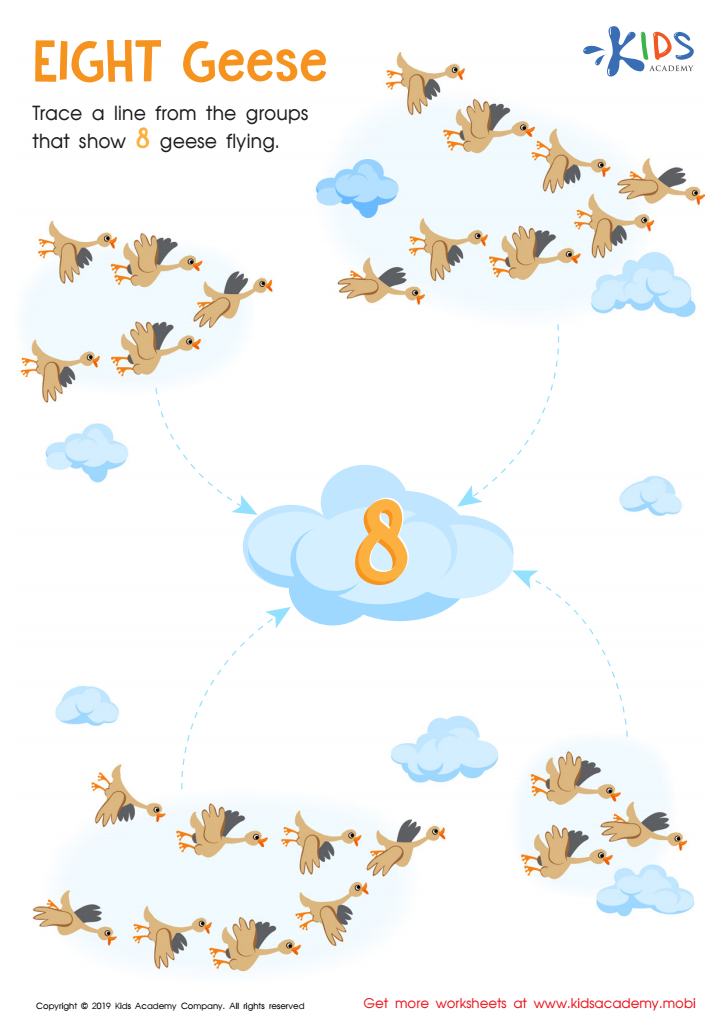
Eight Geese Worksheet
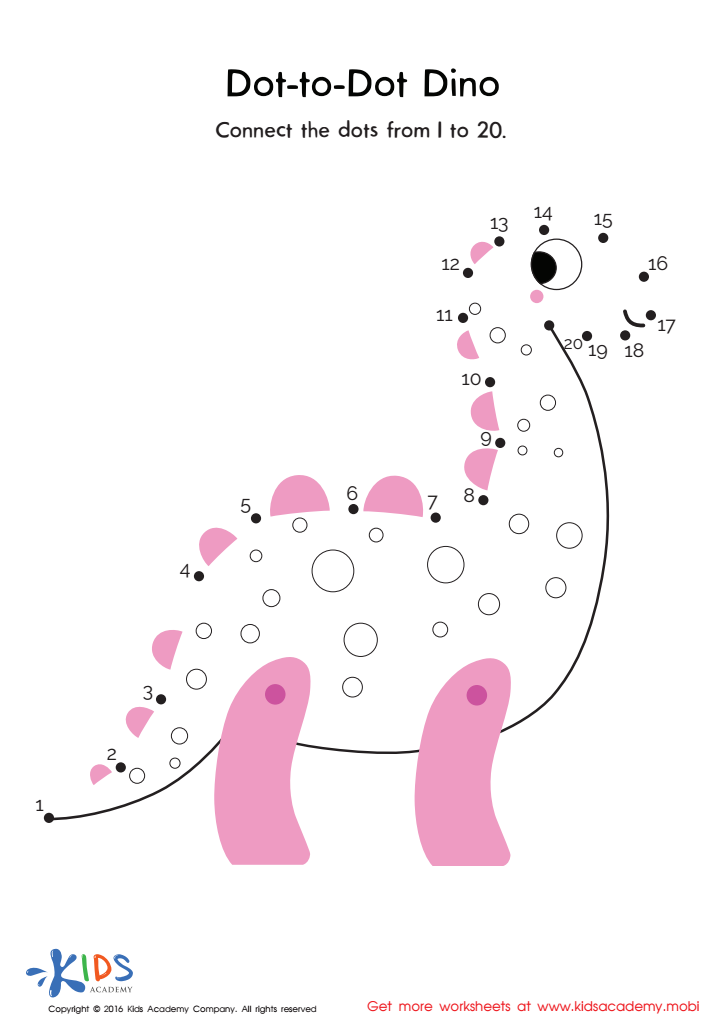
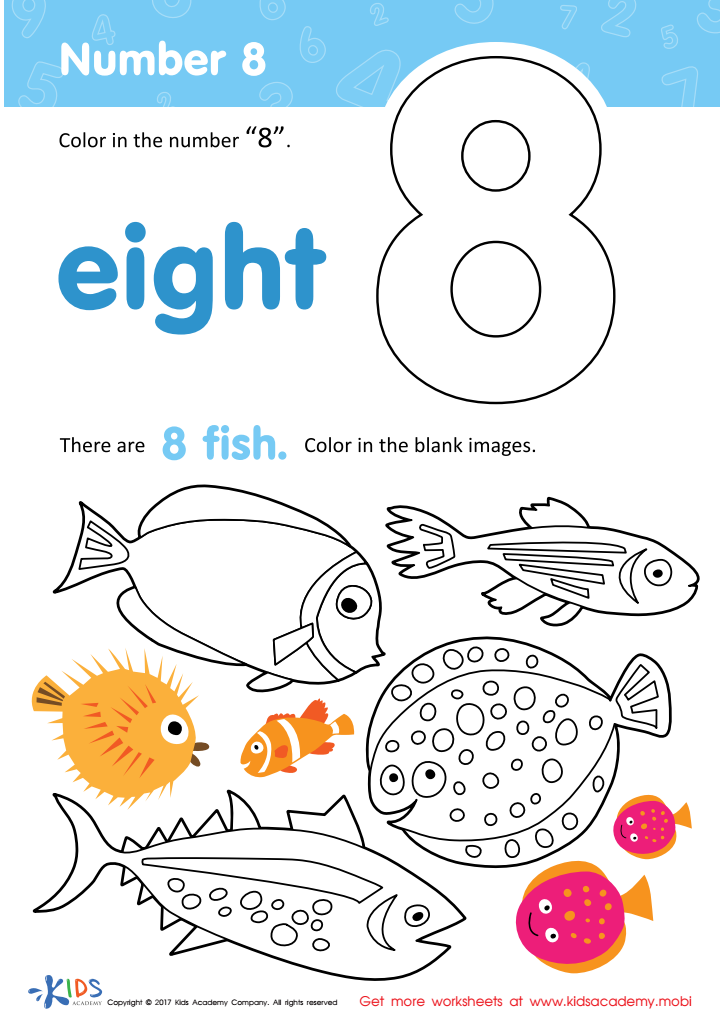
Number 8 Printable
 Assign to My Students
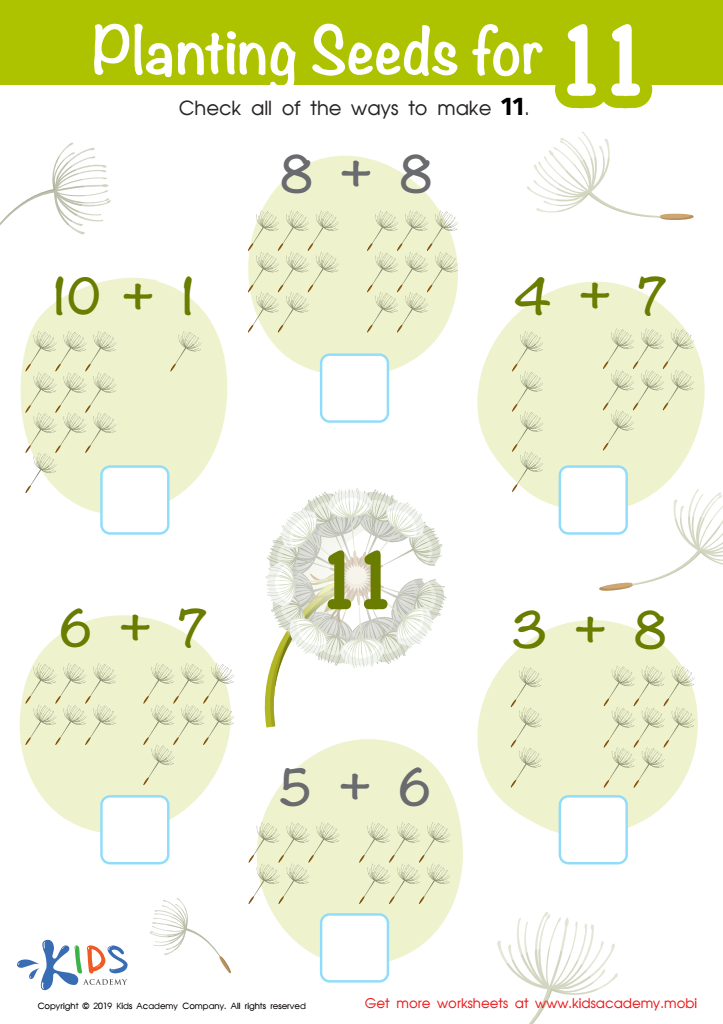
Planting Seeds for 11 Worksheet
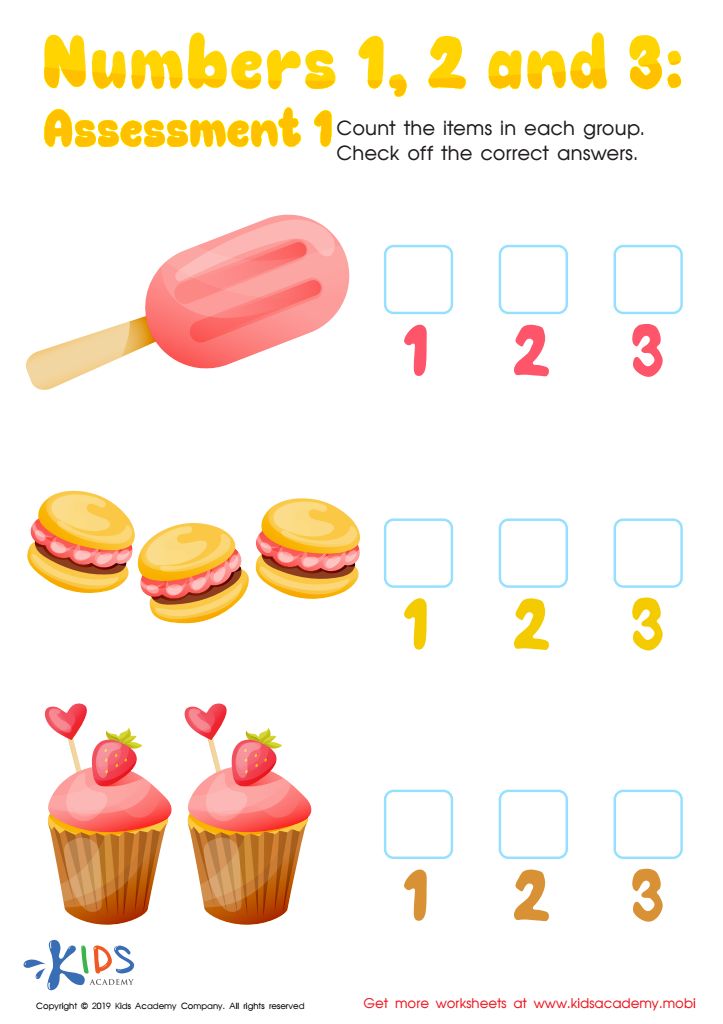
Numbers 1, 2 and 3: Assessment 1 Worksheet
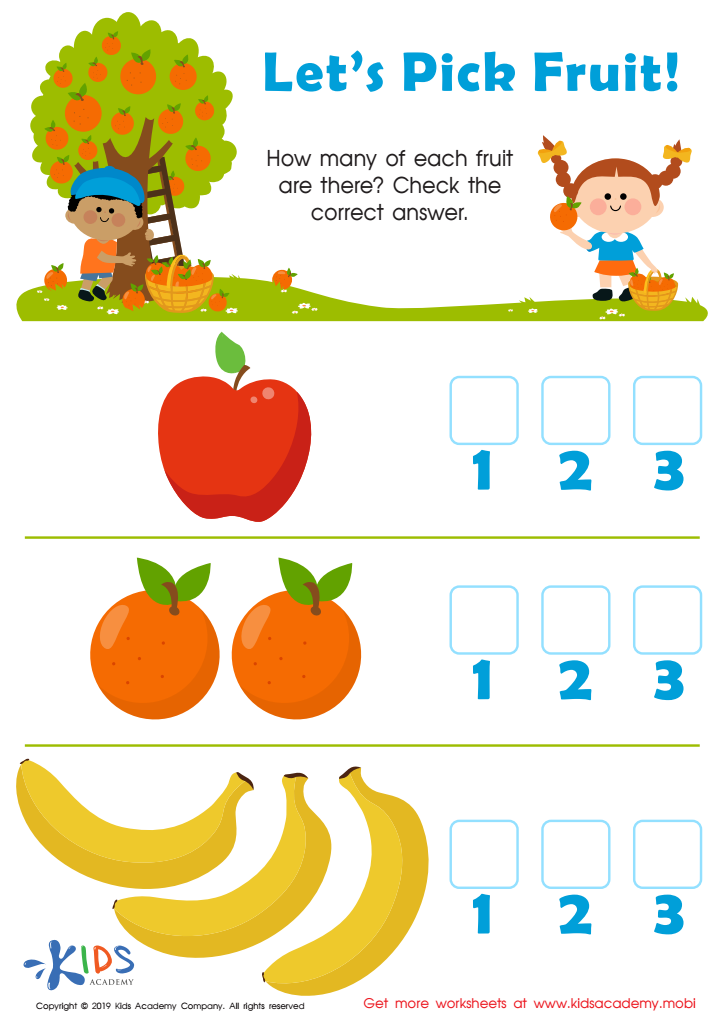
Let's Pick Fruit Worksheet
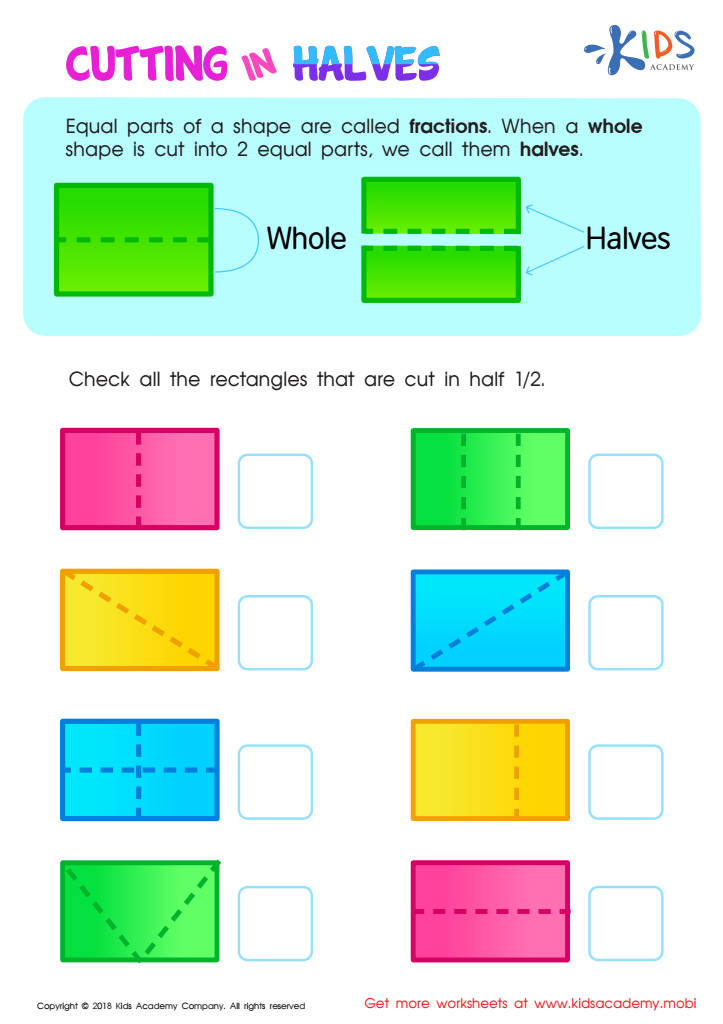
Cutting in Halves Worksheet
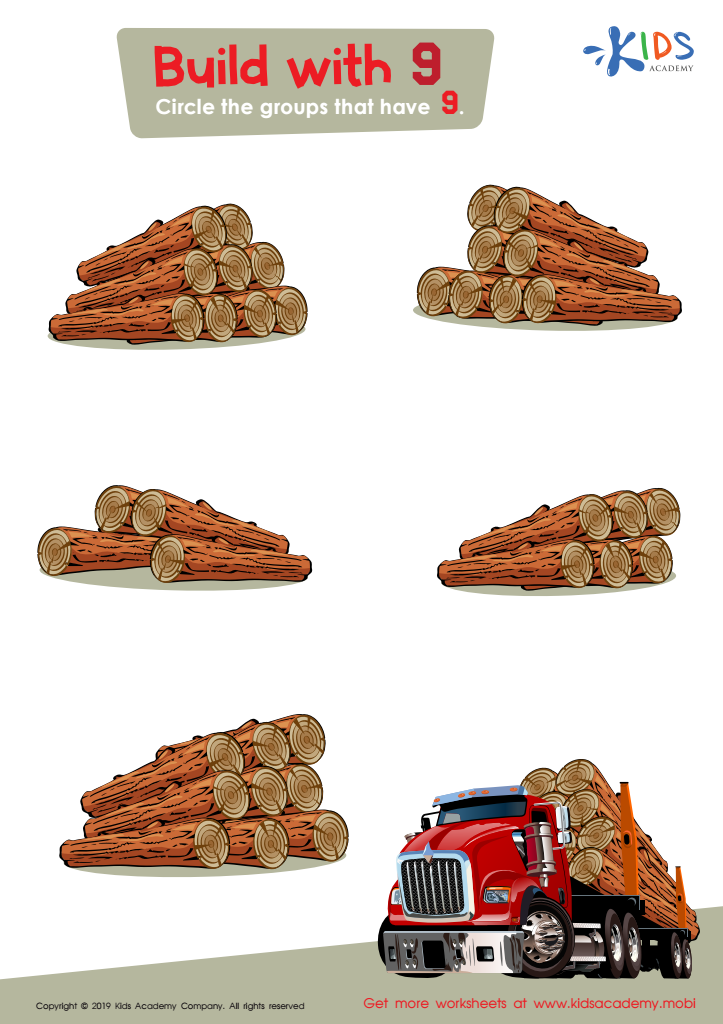
Build with 9 Worksheet
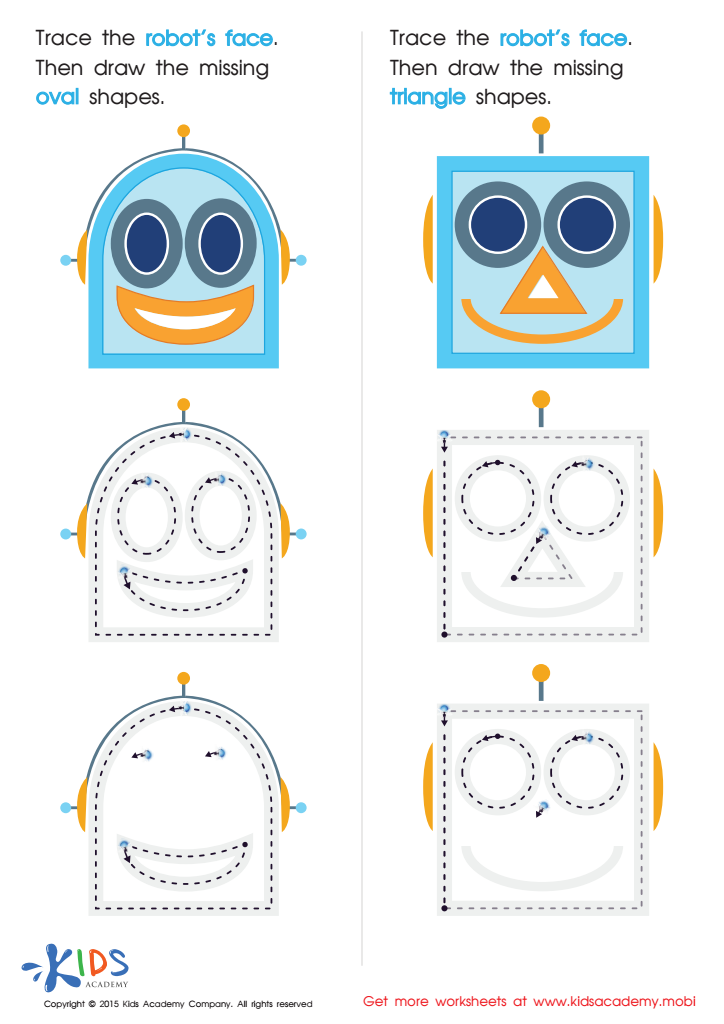
Drawing Ovals And Triangles with Fun Printable
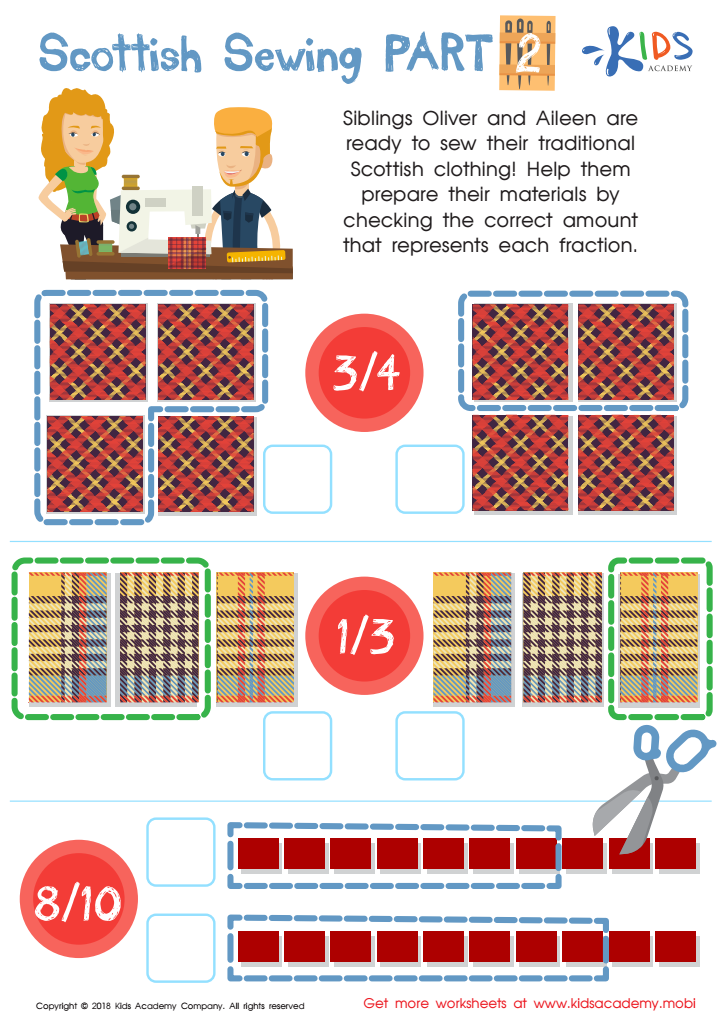
Scottish Sewing Part 2 Worksheet
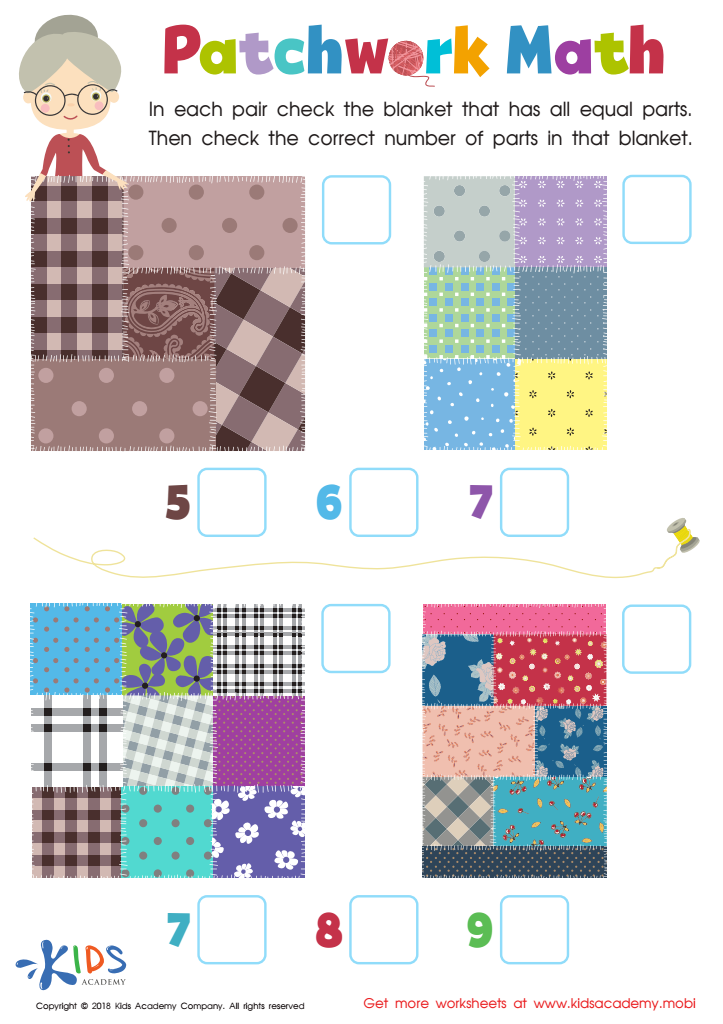
Patchwork Math Worksheet
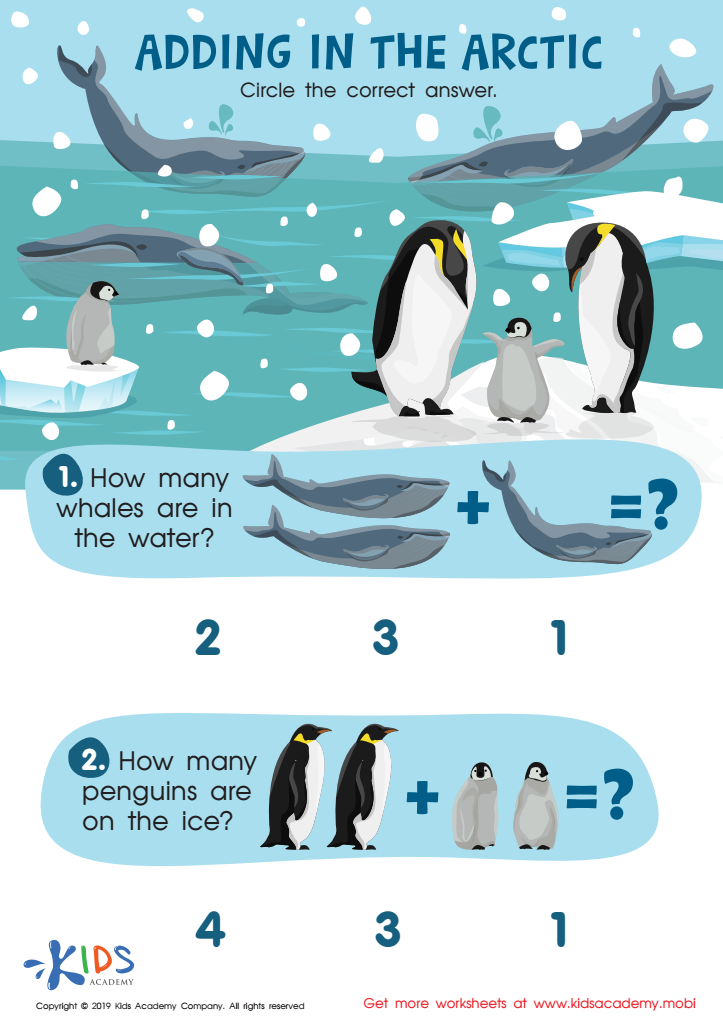
Adding in the Arctic Worksheet
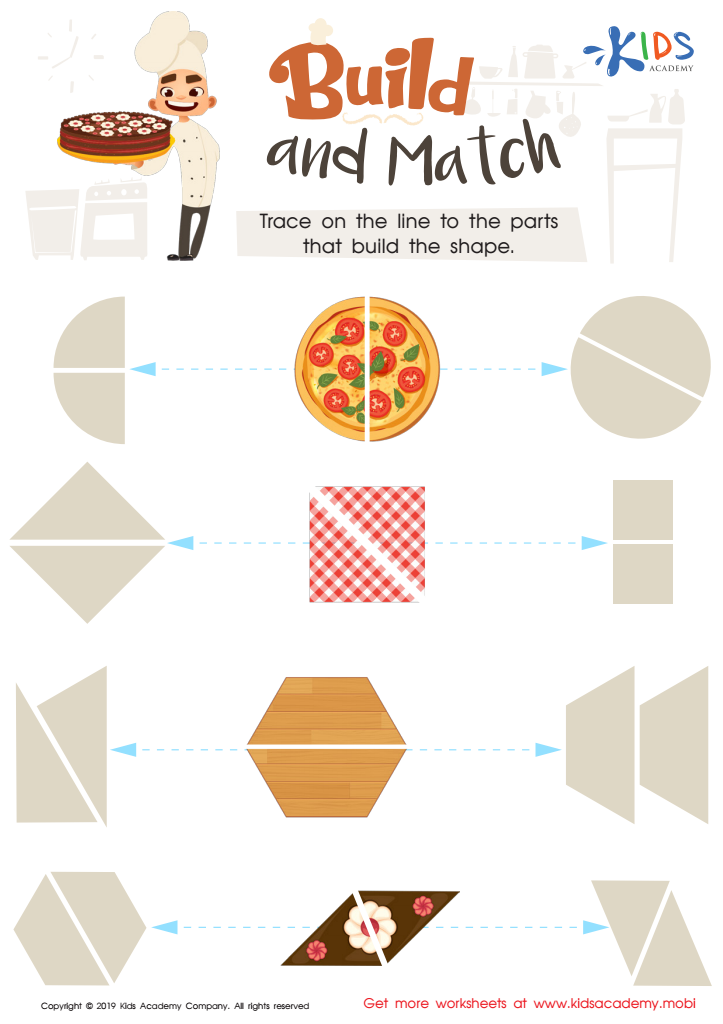
Build and Match Worksheet
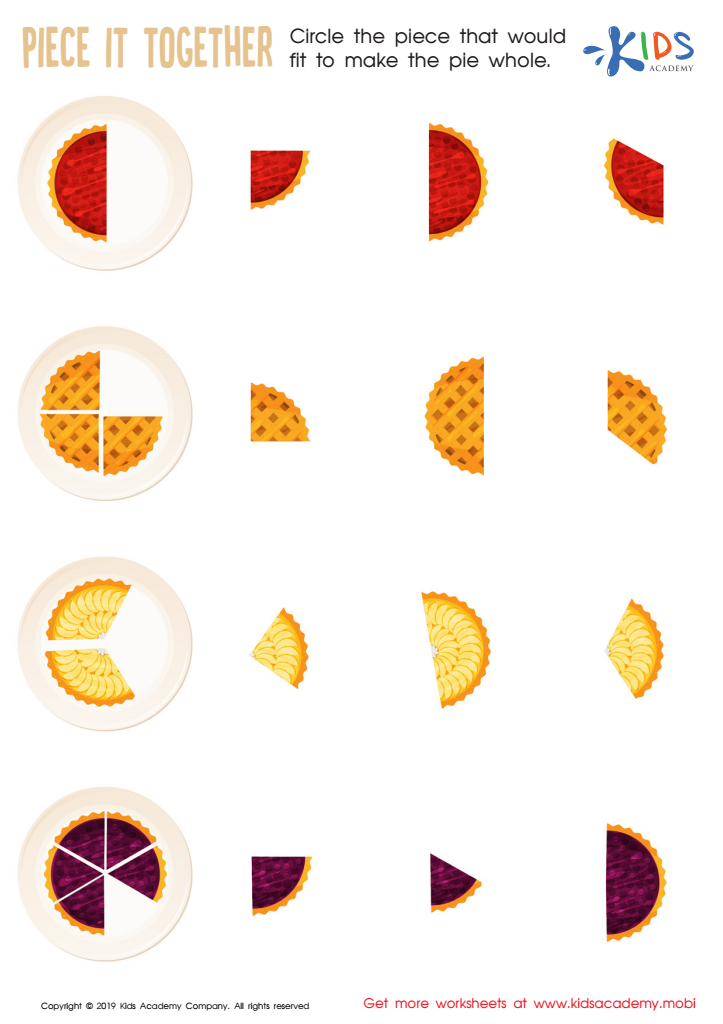
Piece it together Worksheet
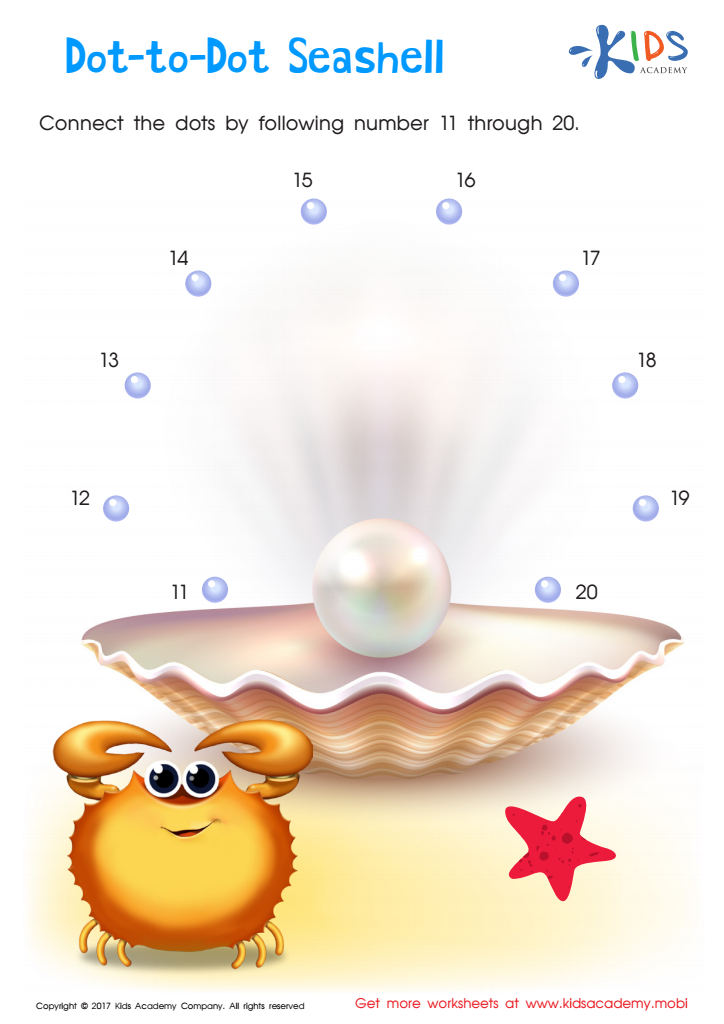
Ordering 11–20: Dot–to–dot Seashell Printable
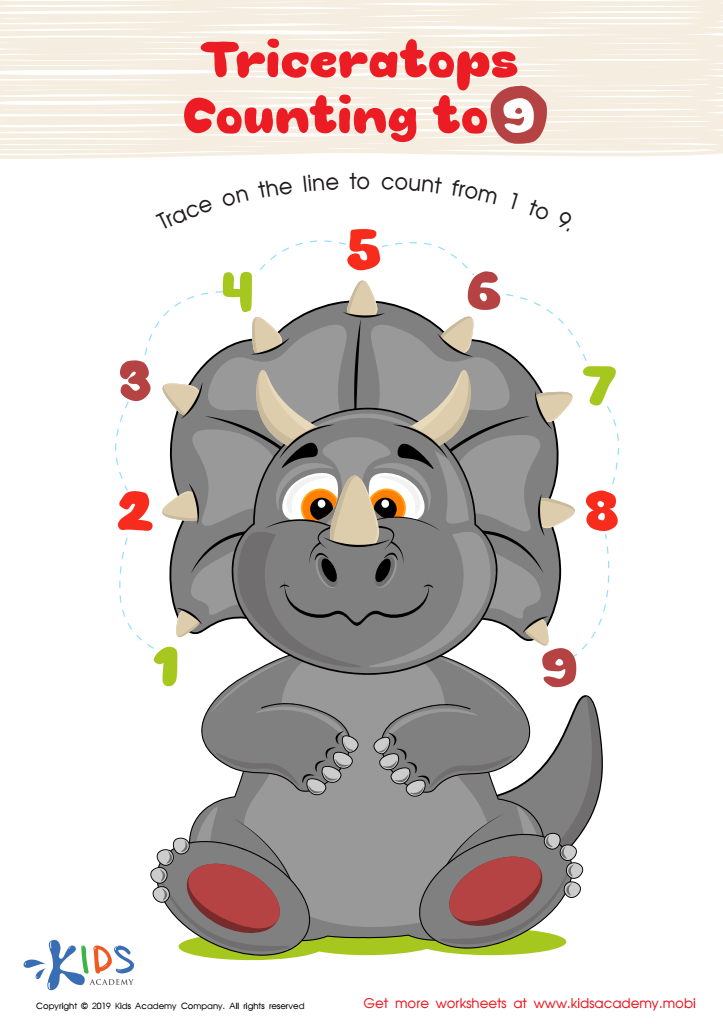
Triceratops Counting to 9 Worksheet
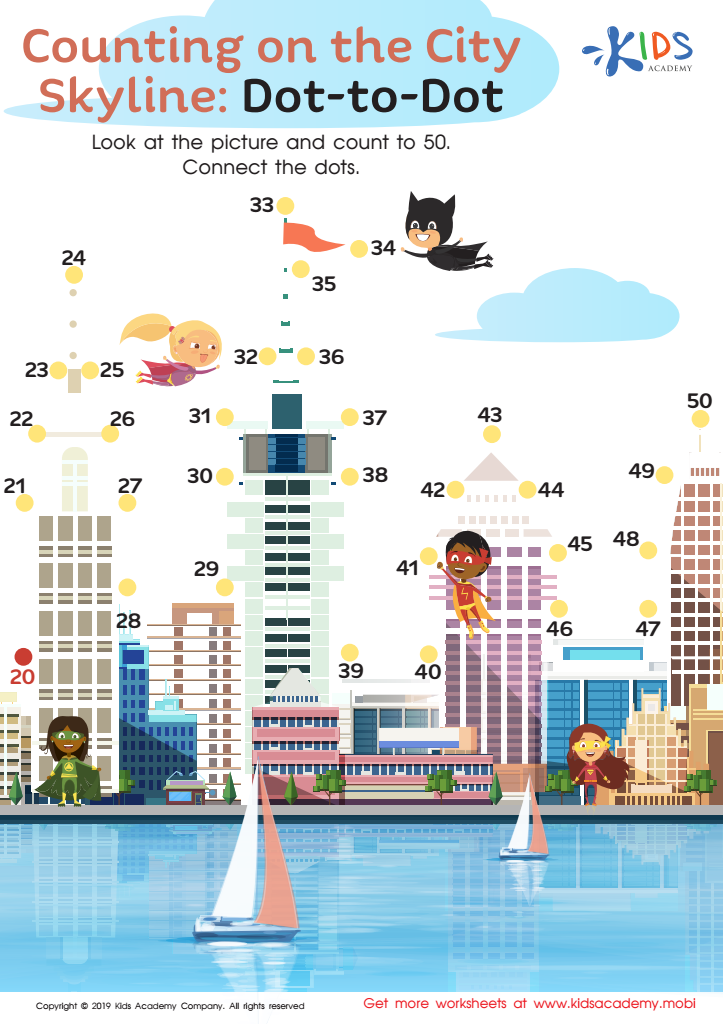
Counting on the City Skyline: Dot-to-Dot Worksheet
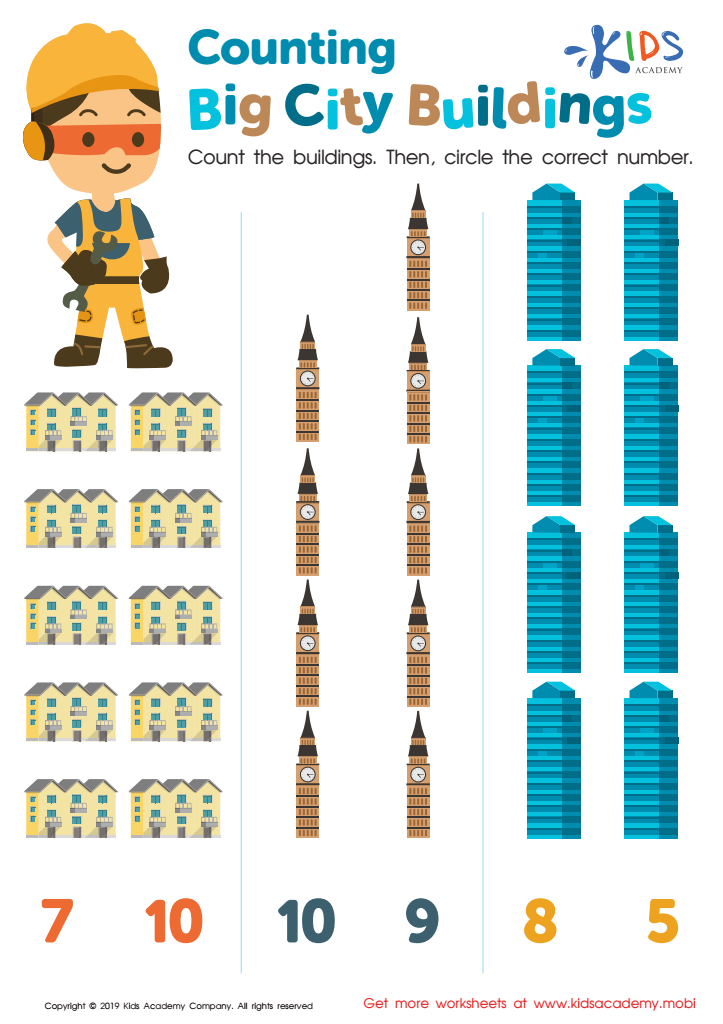
Counting Big City Buildings Worksheet
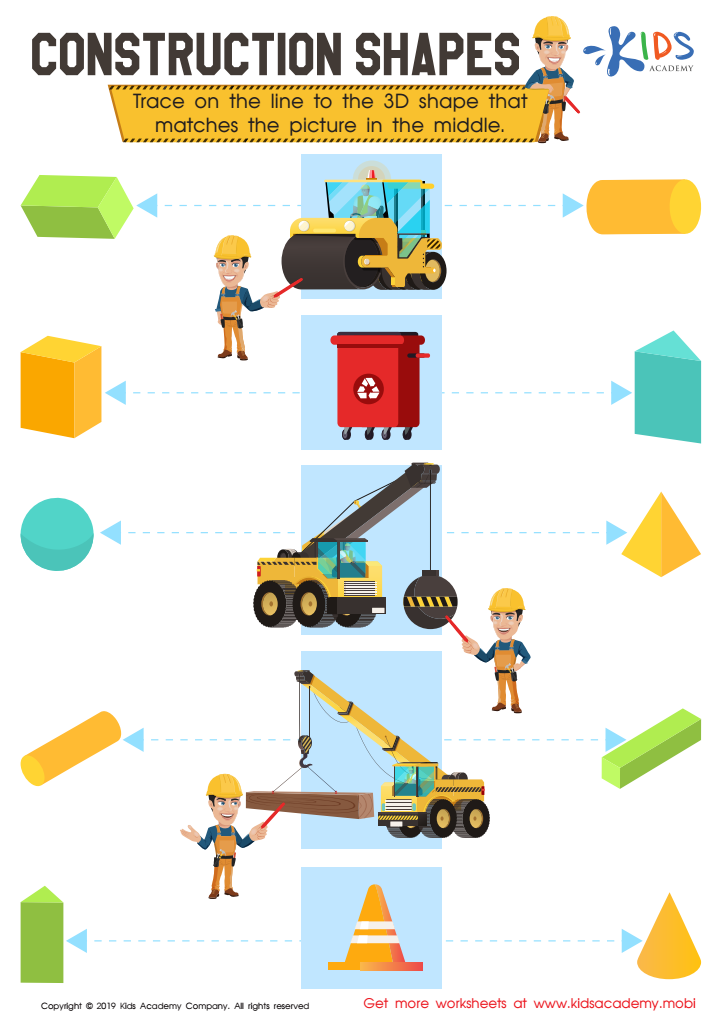
Construction Shapes Worksheet
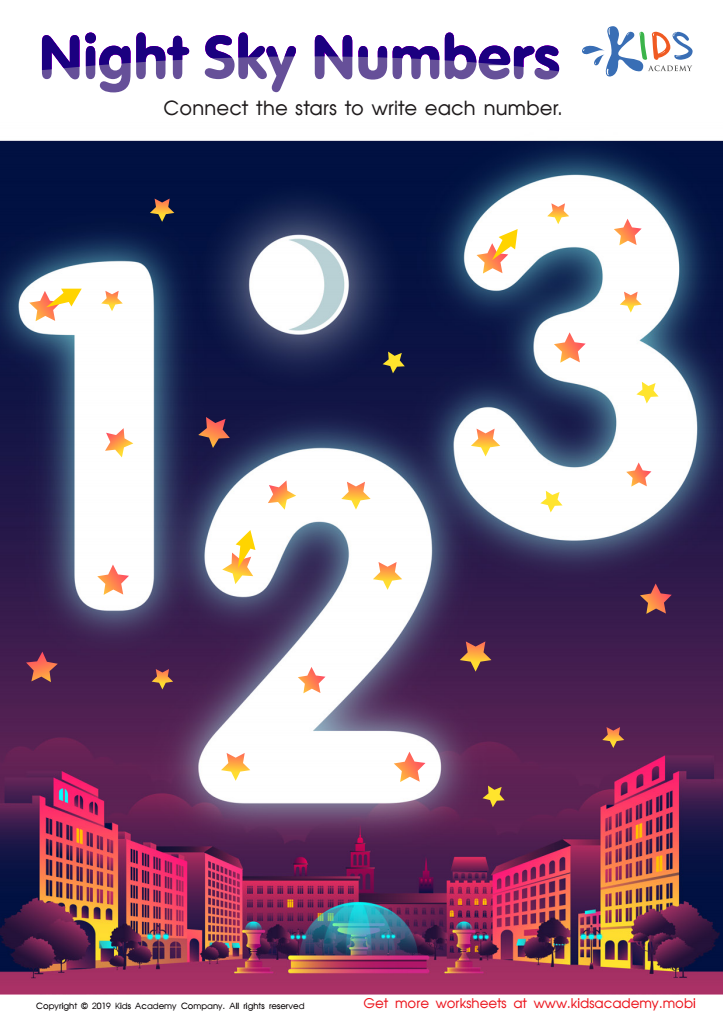
Night Sky Numbers Worksheet



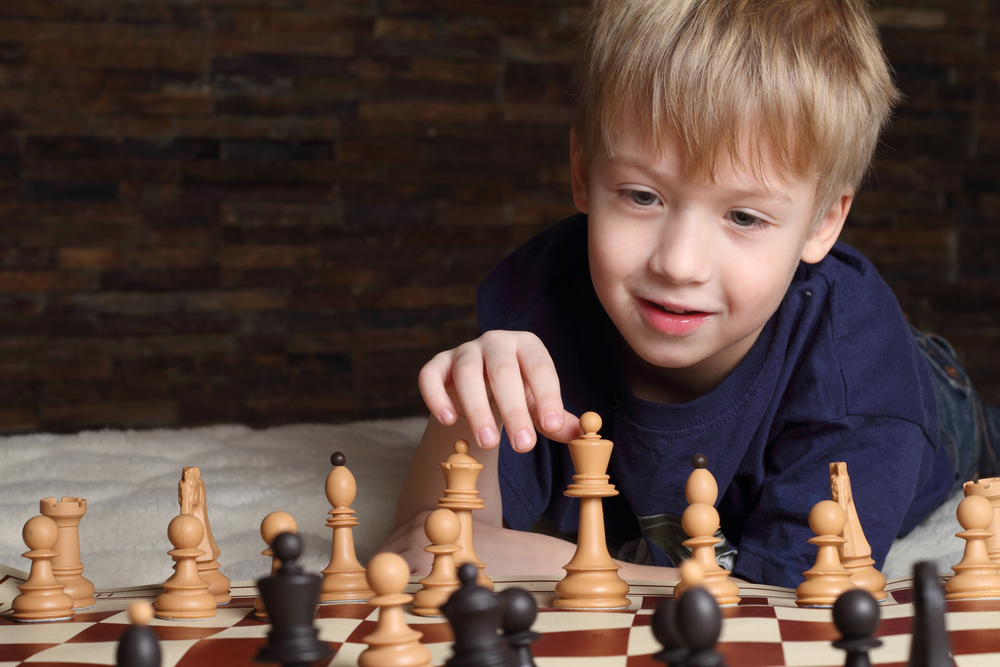




Fine motor skills and easy math are crucial components of early childhood development, playing a vital role in children's learning and everyday life. Fine motor skills refer to the ability to use small muscles in the hands and fingers for tasks like writing, cutting, and buttoning clothes. These skills are essential for mastering the physical aspects of writing and manipulating objects, which are foundational for academic success.
When children develop fine motor skills, they enhance their cognitive abilities simultaneously. Simple math tasks often require counting objects, sorting shapes, or using manipulatives that engage fine motor skills, helping children to visually and physically grasp mathematical concepts. As a result, the development of fine motor skills can foster a positive attitude towards math, making it more tangible and enjoyable for young learners.
Encouraging both fine motor skills and early math concepts can support children in becoming independent, confident learners. As parents and teachers engage children in activities that promote these skills, they help facilitate a love for learning and problem-solving. Caring about fine motor skills and easy math ensures that children thrive academically while building a strong foundation for future skills in both mathematics and daily life tasks.








