Counting skills Easy Preschool Numbers Worksheets - Page 2
44 filtered results
-
From - To
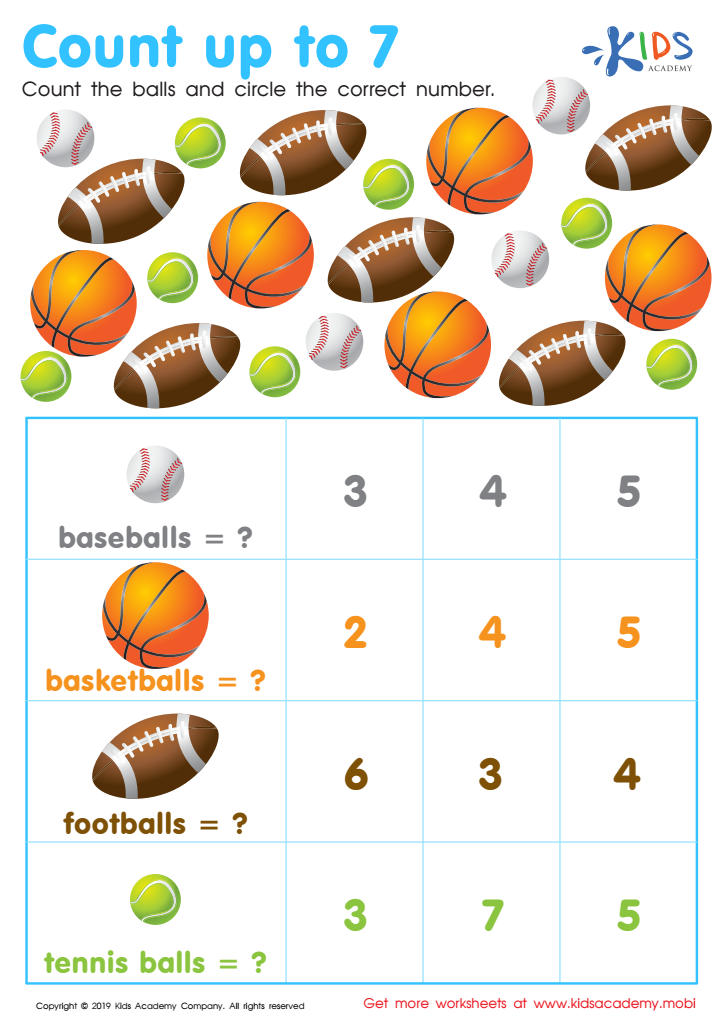
Count up to 7 Worksheet
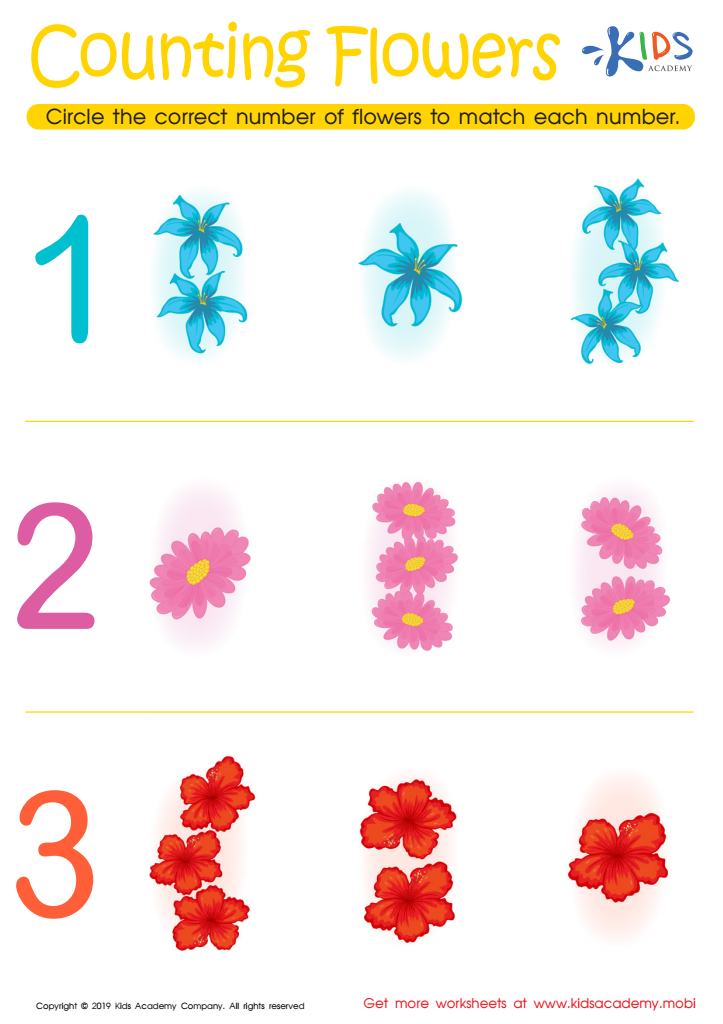
Counting Flowers Worksheet
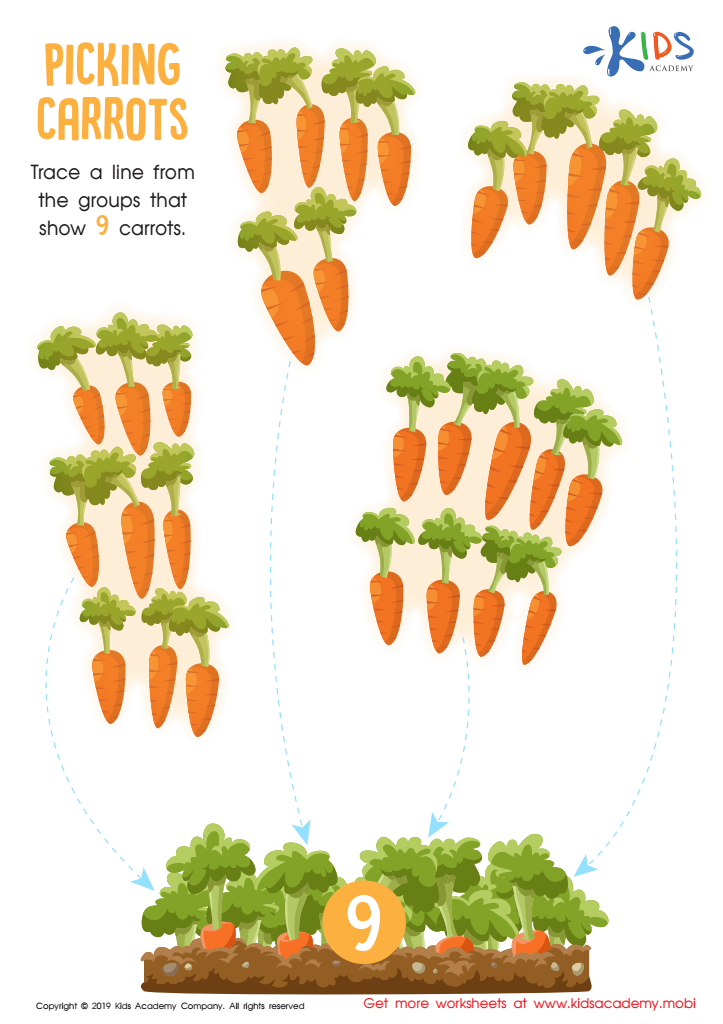
Picking Carrots Worksheet
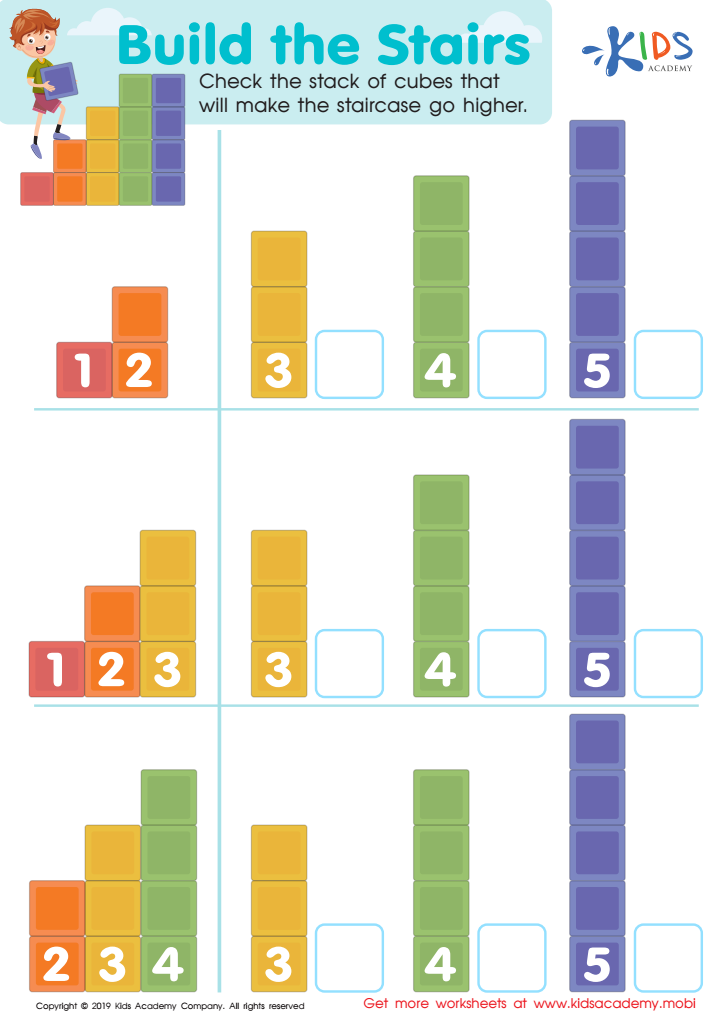
Build the Stairs Worksheet
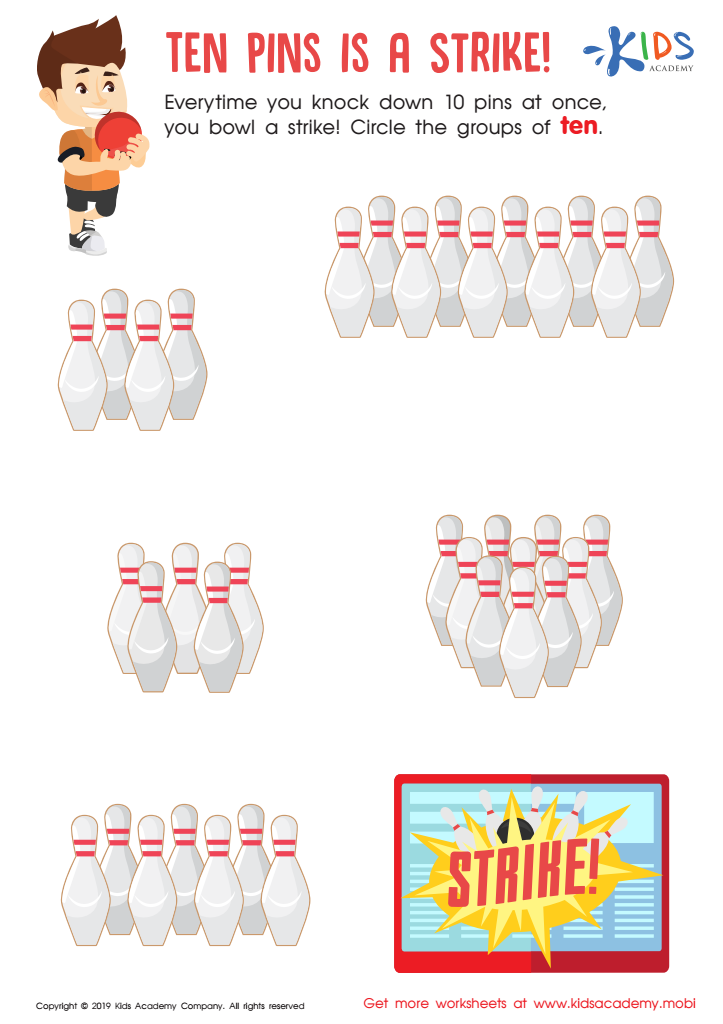
Ten Pins is a Strike Worksheet
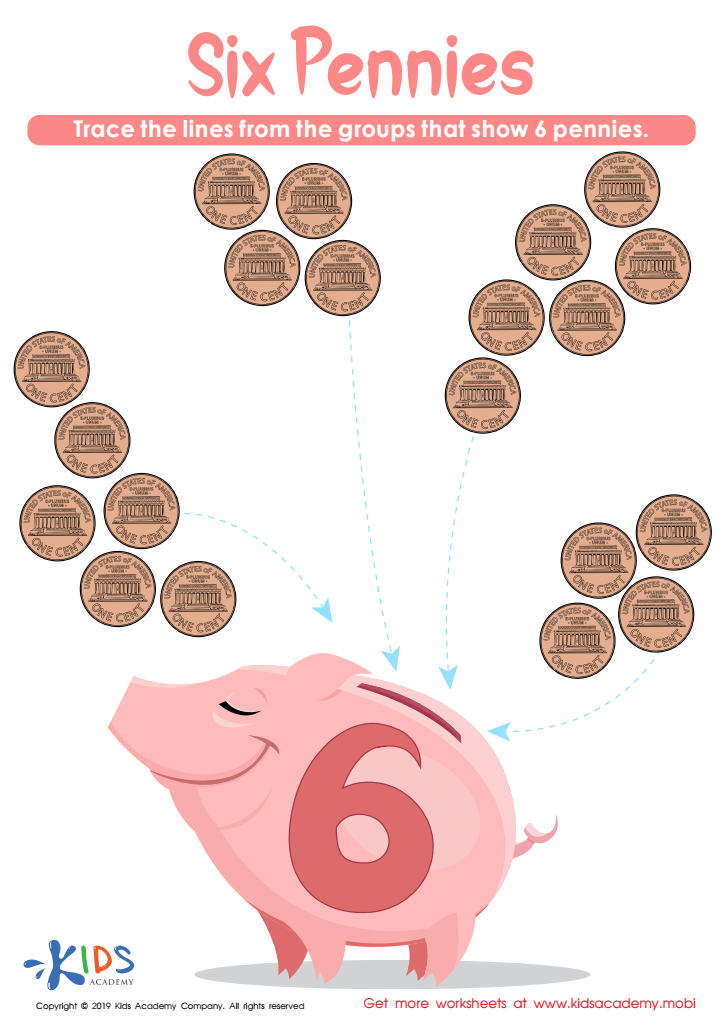
Six Pennies Worksheet
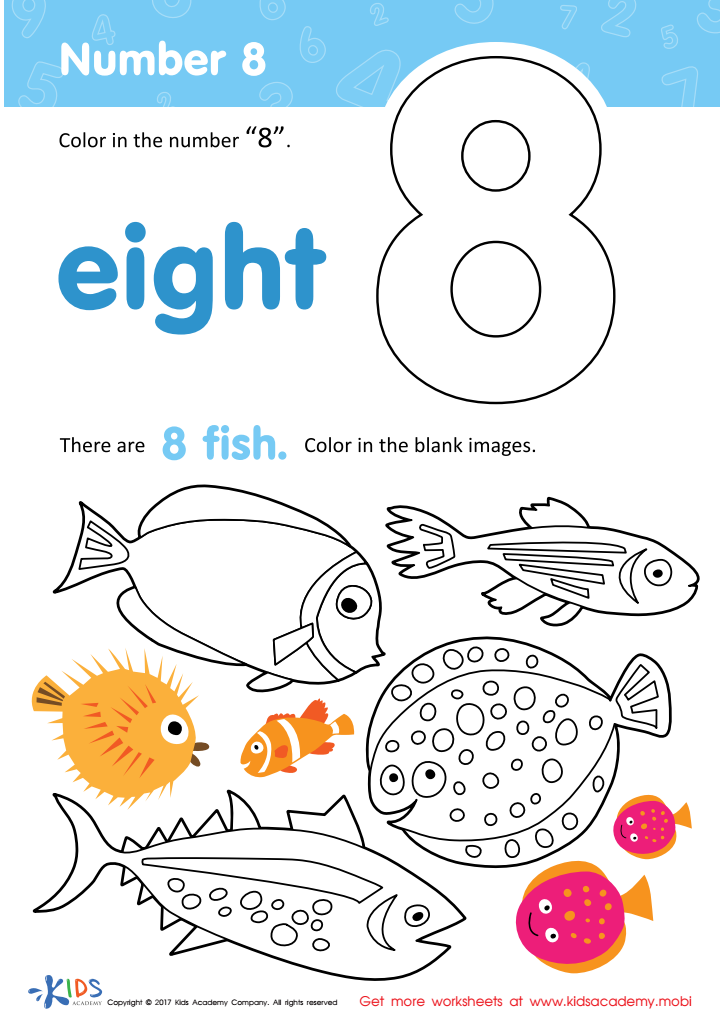
Number 8 Printable
 Assign to My Students
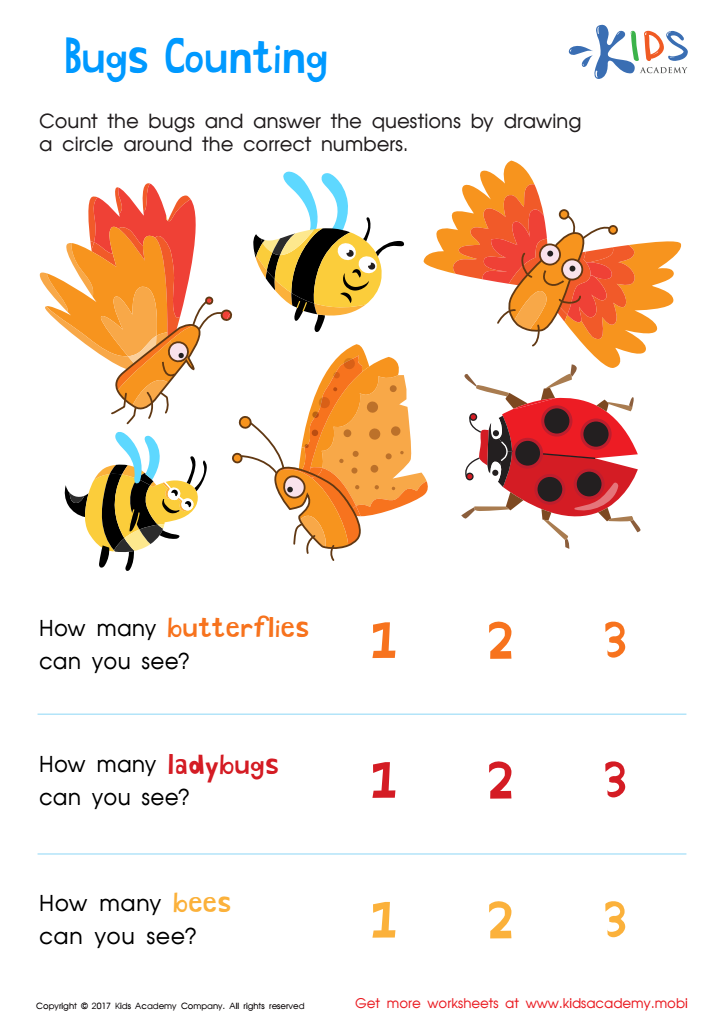
Bugs Counting Worksheet
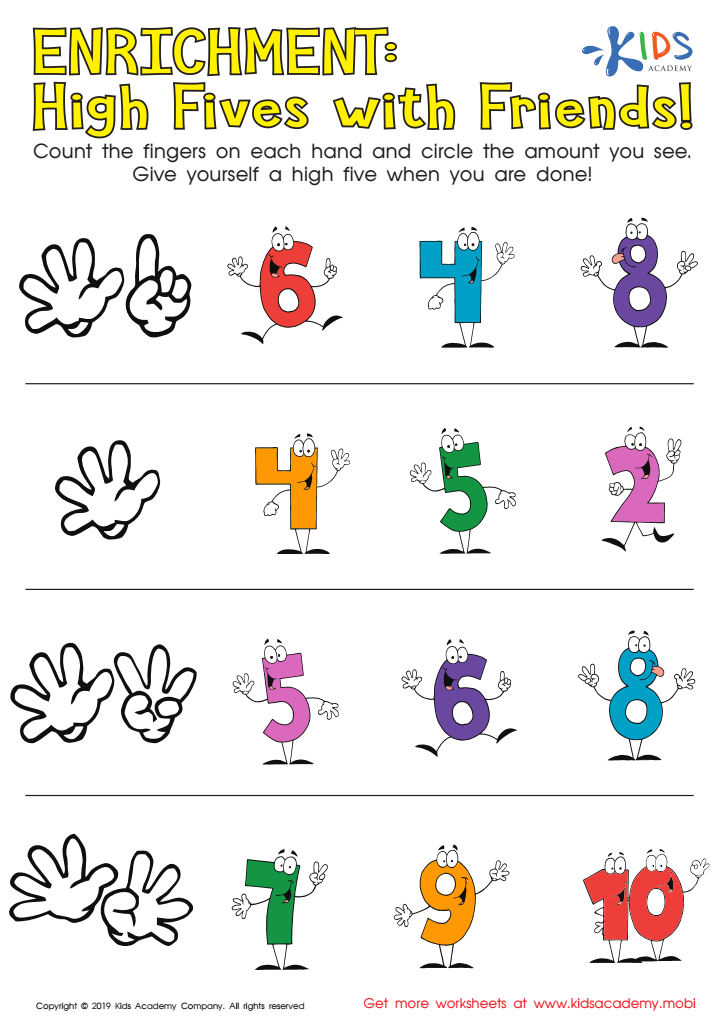
Enrichment: High Fives with Friends! Worksheet
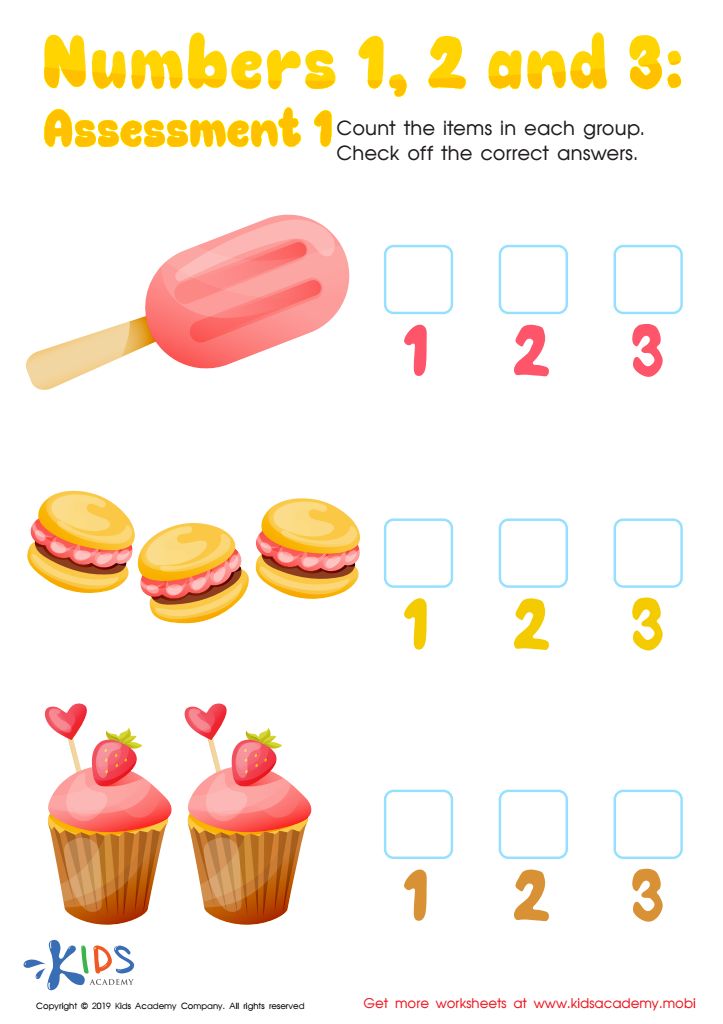
Numbers 1, 2 and 3: Assessment 1 Worksheet
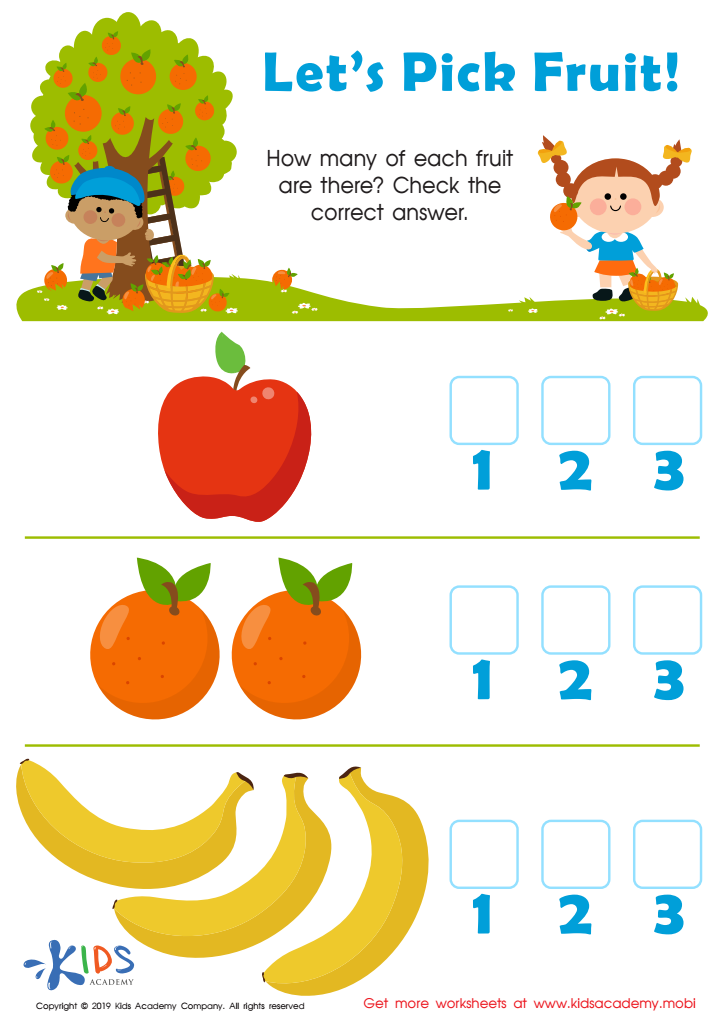
Let's Pick Fruit Worksheet
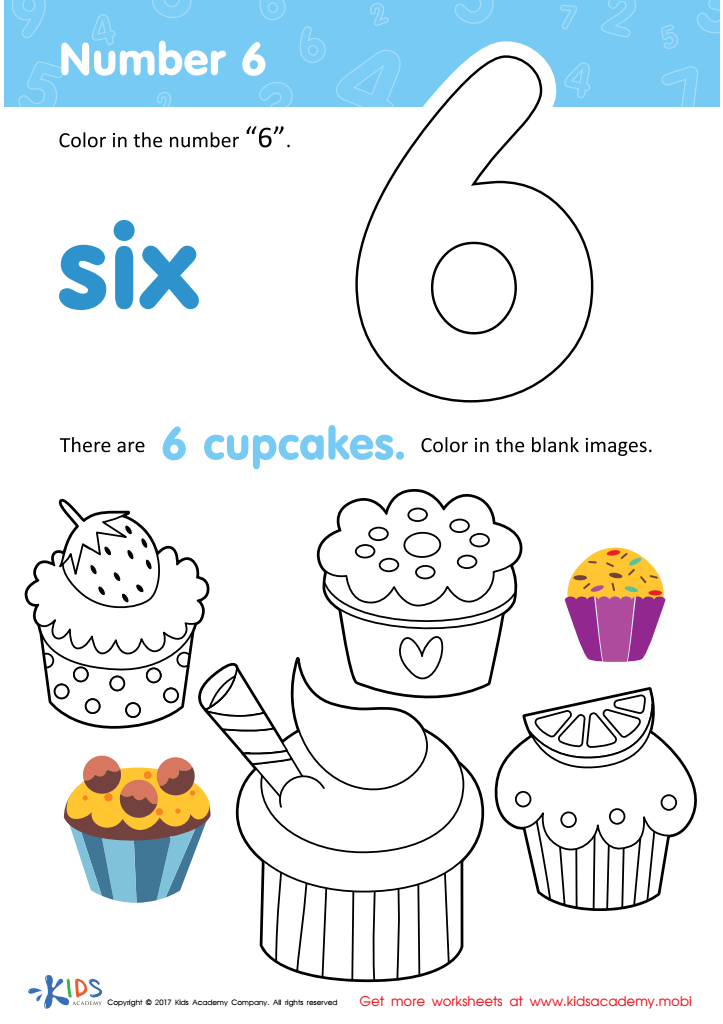
Number 6 Worksheet
Assign to My Students
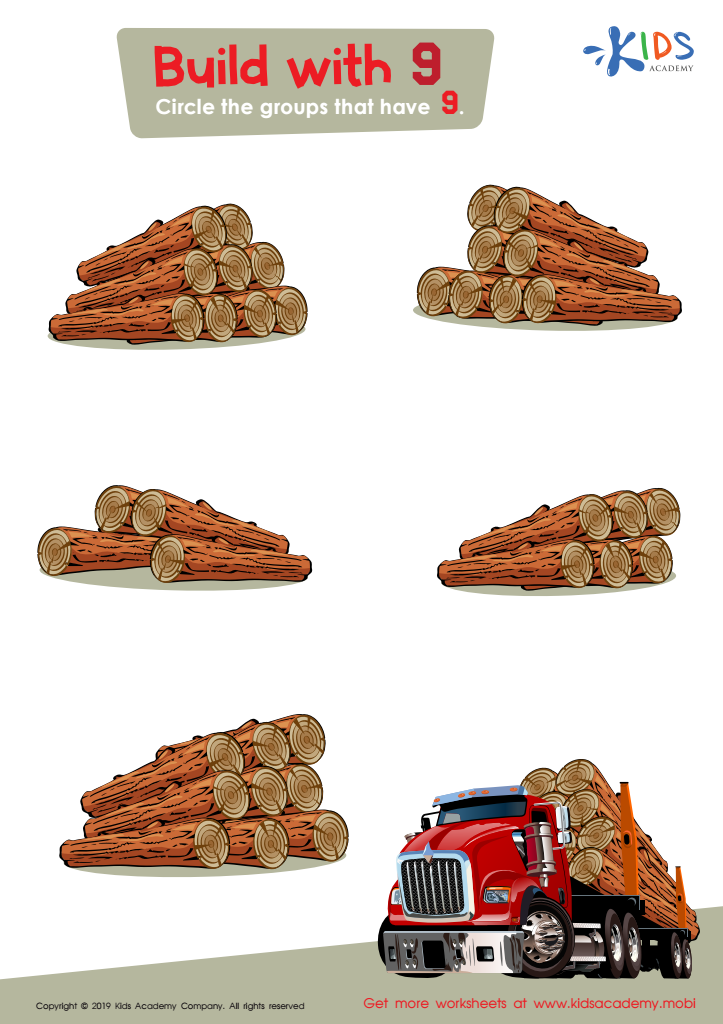
Build with 9 Worksheet
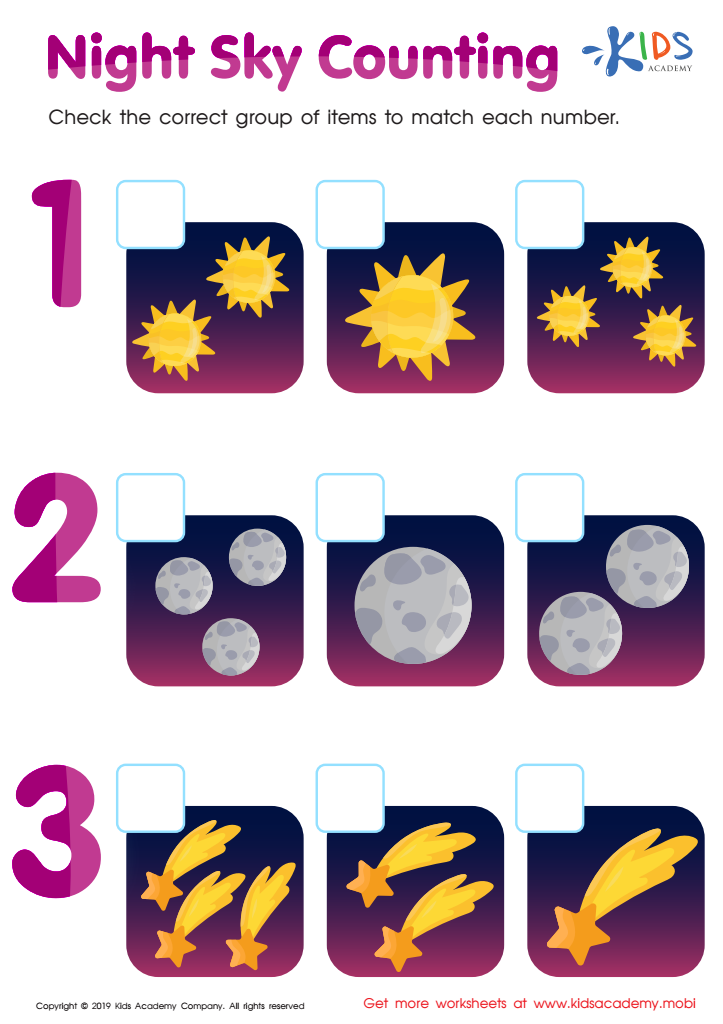
Night Sky Counting Worksheet
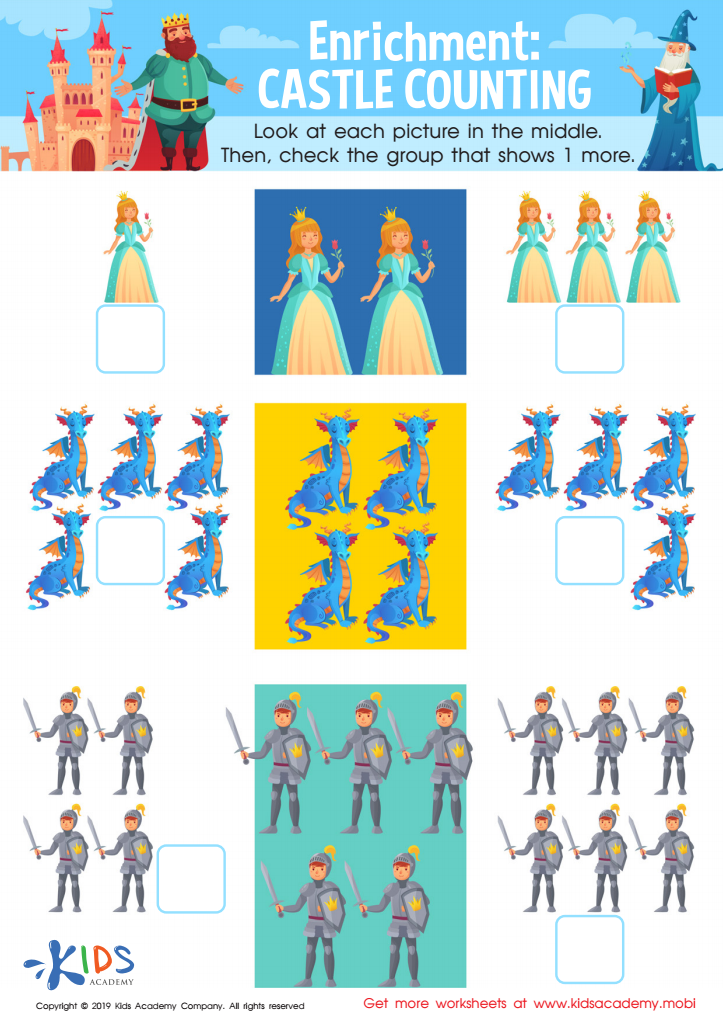
Enrichment: Castle Counting Worksheet
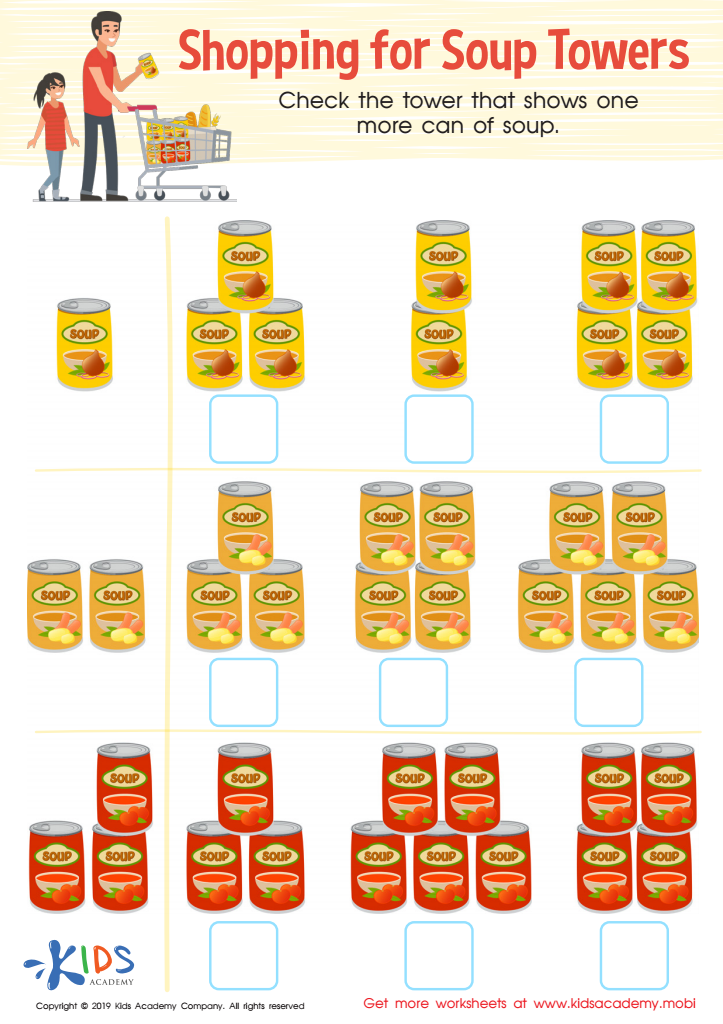
Soup Towers Worksheet
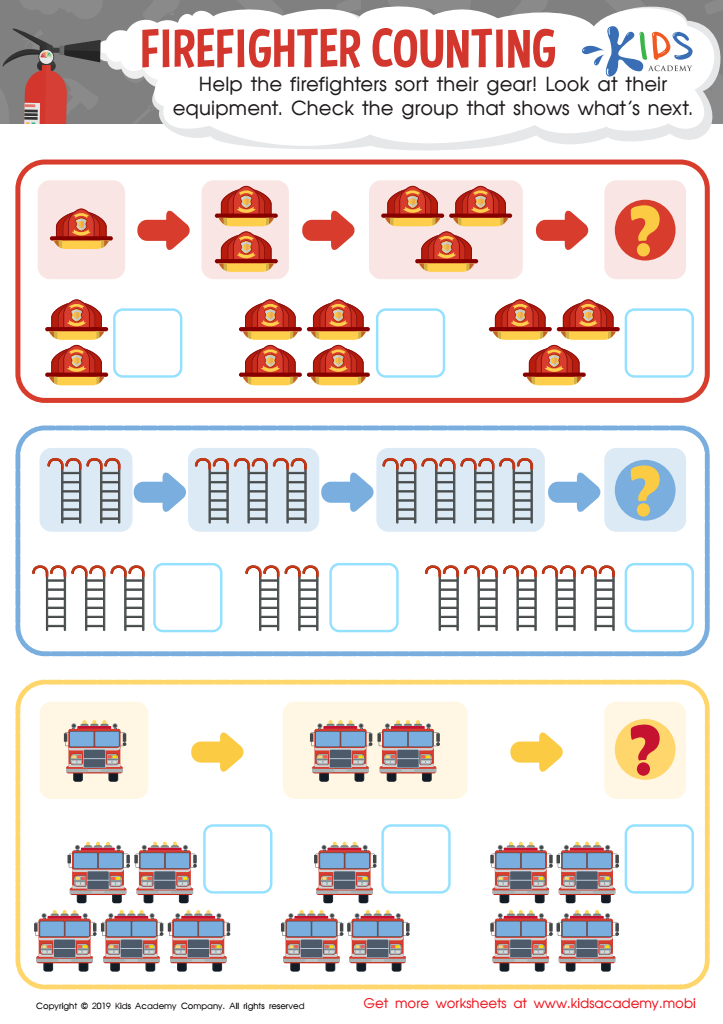
Firefighter Counting Worksheet
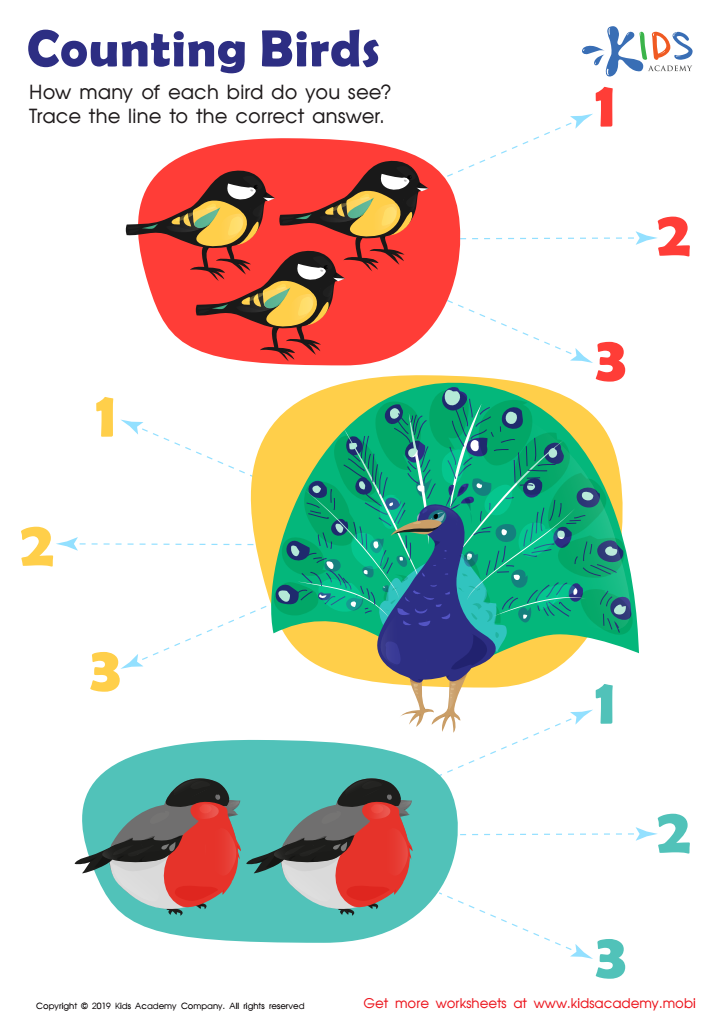
Counting Birds Worksheet
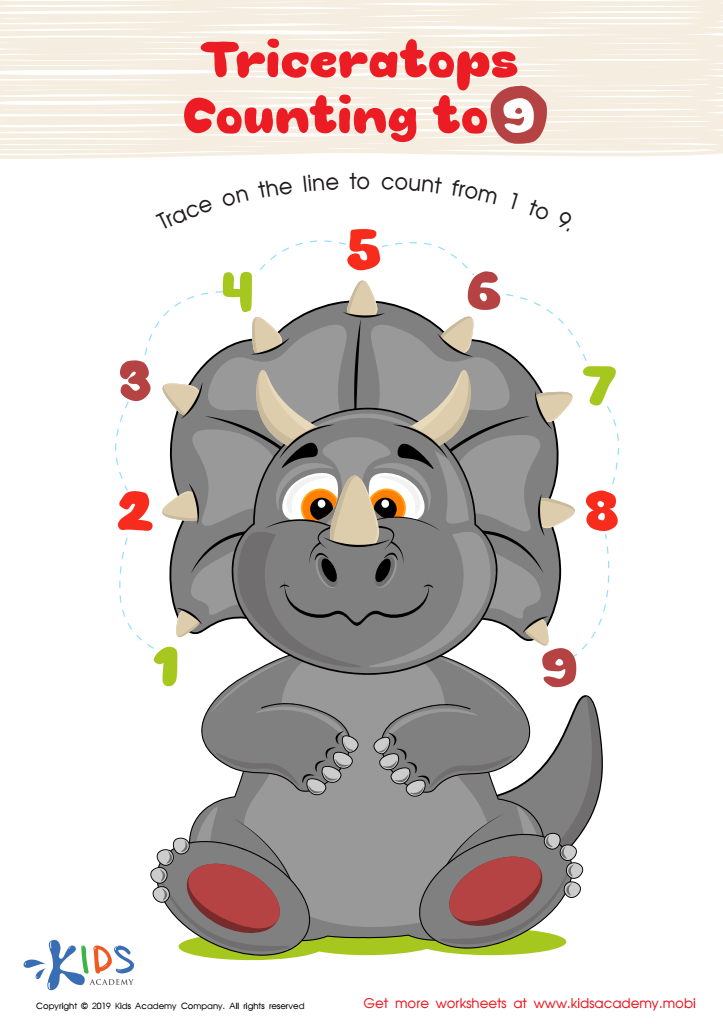
Triceratops Counting to 9 Worksheet
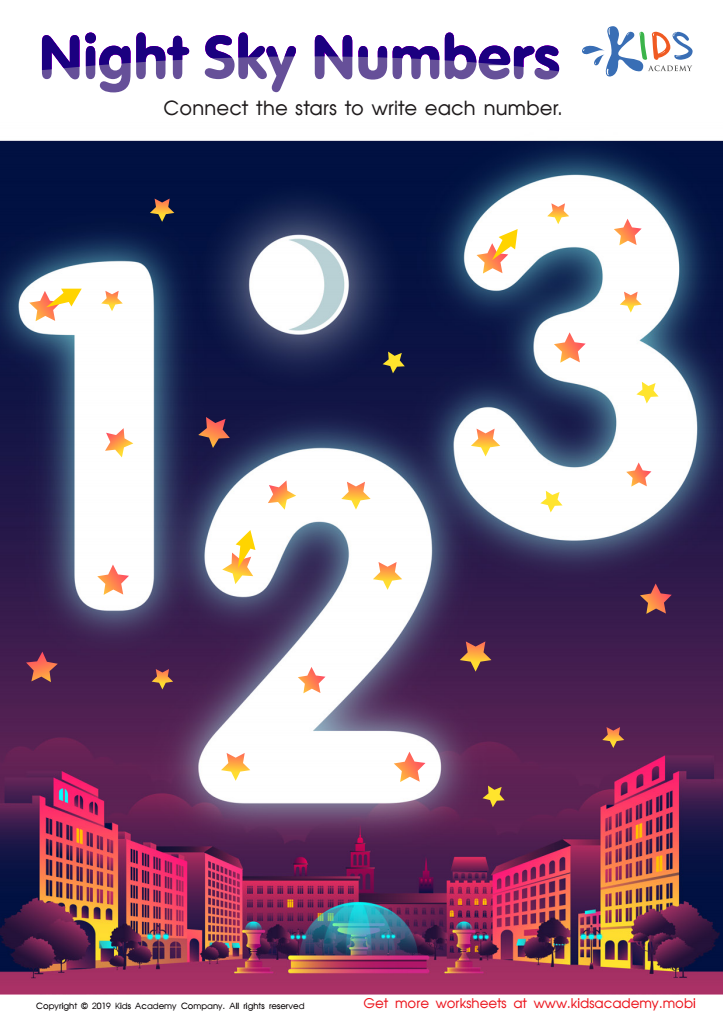
Night Sky Numbers Worksheet







Counting skills form the bedrock of early mathematics understanding and are crucial for a child’s cognitive development. Parents and teachers should prioritize teaching these skills to preschoolers because they play a key role in everyday life and in more complex mathematical concepts. Being able to count helps children understand the concept of quantity, recognize patterns, and make comparisons—skills essential for problem-solving.
For young children, counting goes beyond reciting numbers in the correct order; it includes recognizing number symbols, understanding one-to-one correspondence (where each object counted represents one number increment), and grasping the concept of cardinality (the final number represents the total amount of objects counted). These skills contribute to a higher level of numeracy fluency, laying the foundation for arithmetic operations such as addition and subtraction.
Moreover, early counting practice fosters attention to detail, memory, and fine motor skills as children often count by touching and moving objects. It also encourages perseverance and focus.
Engagement in counting activities can be delightful and can spur natural curiosity, thereby improving a young child's attitude toward learning math. Appropriate mastery of counting skills early on thus sets children up for future academic success and builds confidence in their ability to tackle more advanced mathematical challenges.