Hand-eye Coordination Grade 1 Math Worksheets
16 filtered results
-
From - To
Welcome to our collection of Hand-Eye Coordination Grade 1 Math Worksheets! Designed specifically for first graders, these engaging resources combine fun math activities with essential hand-eye coordination skills. Our worksheets feature colorful illustrations and interactive exercises that help young learners strengthen their dexterity while practicing fundamental math concepts. From counting objects to simple addition and subtraction problems, each worksheet promotes active learning and fine motor skills development. Ideal for at-home practice or classroom use, our worksheets make math enjoyable and effective. Download today to empower your child’s numerical understanding while enhancing their hand-eye coordination! Perfect for every curious young mind!
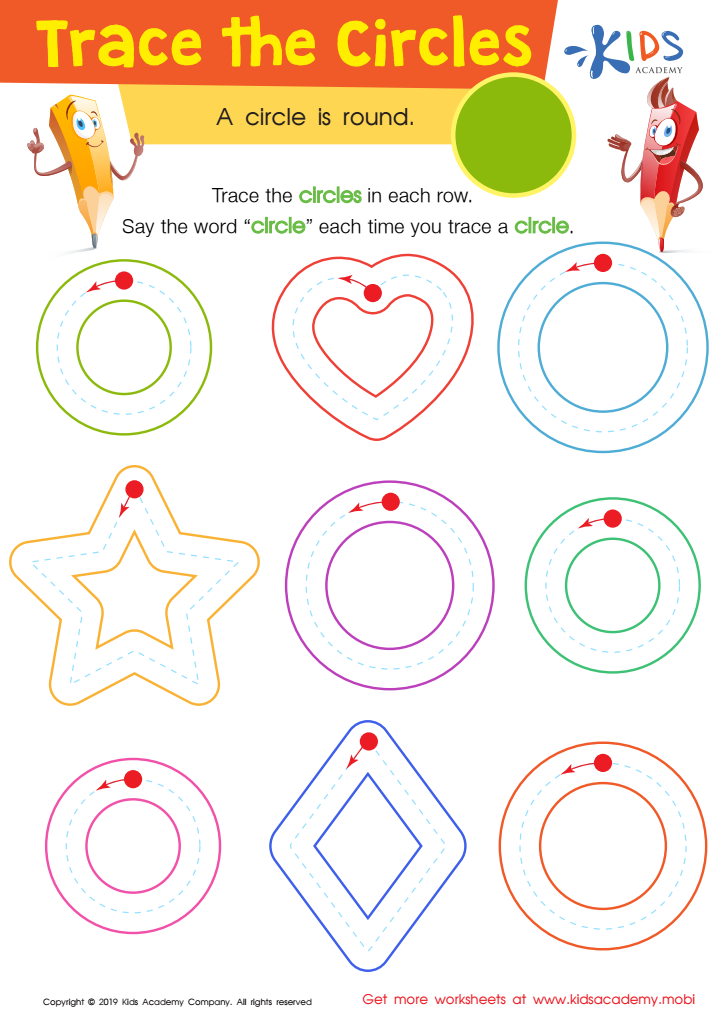
Trace The Circles Worksheet
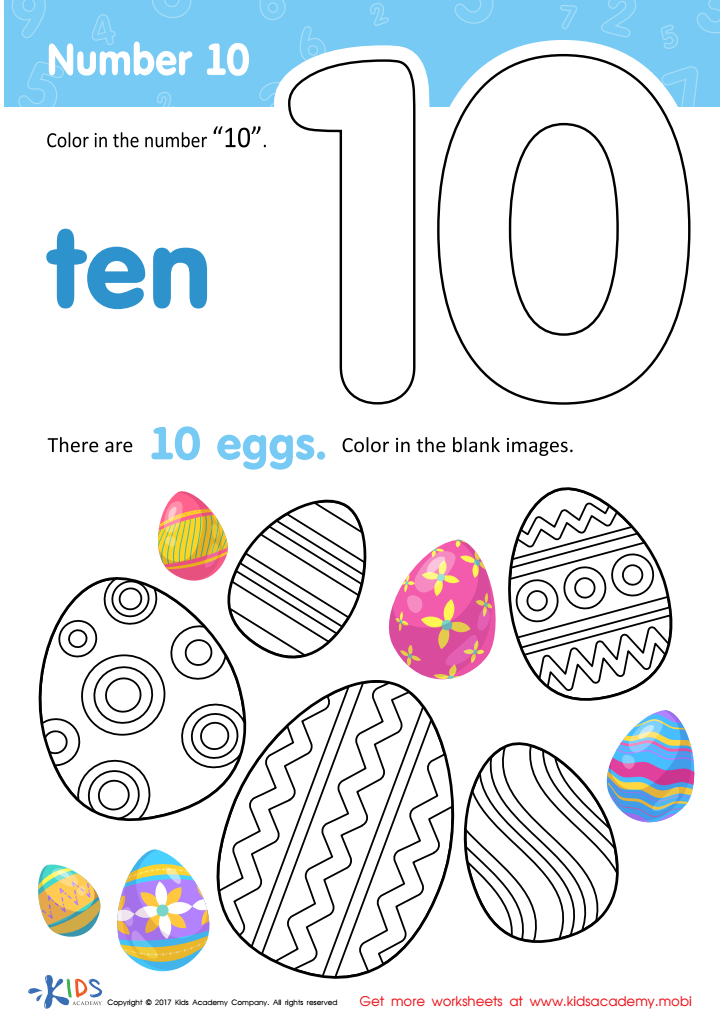
Number 10 Printable
 Assign to My Students
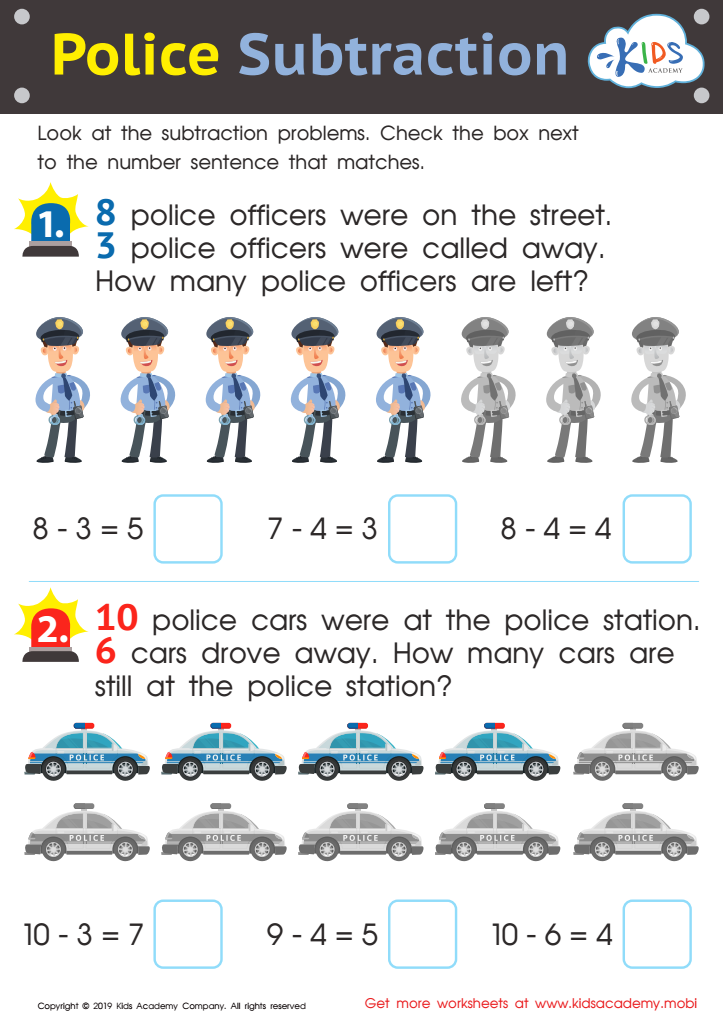
Police Subtraction Worksheet
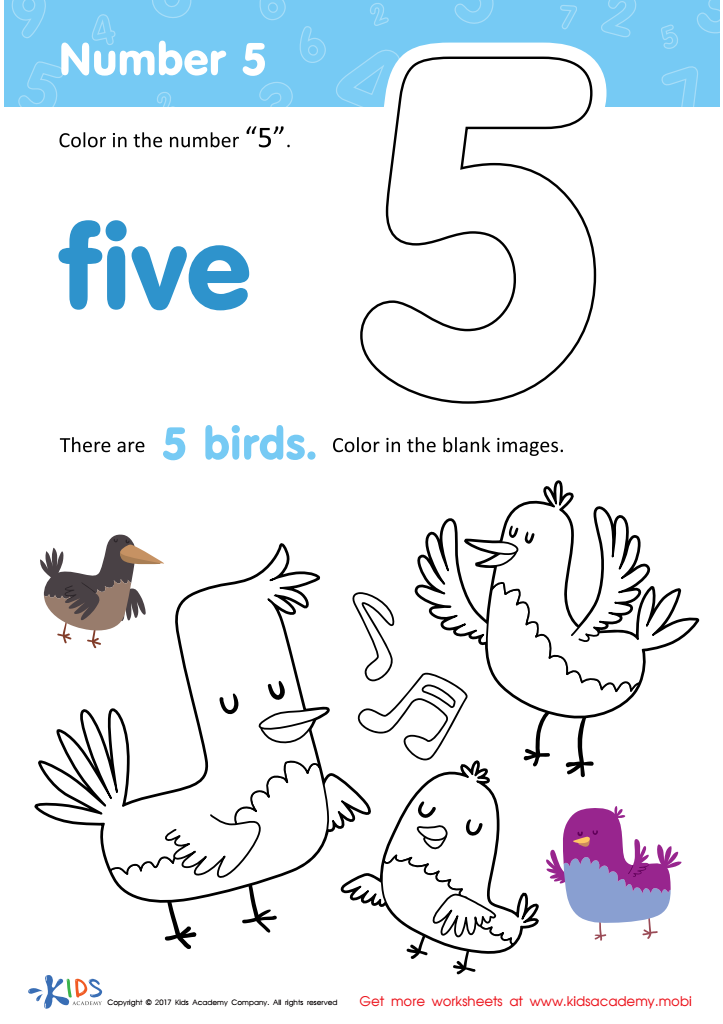
Number 5 Printable
Assign to My Students
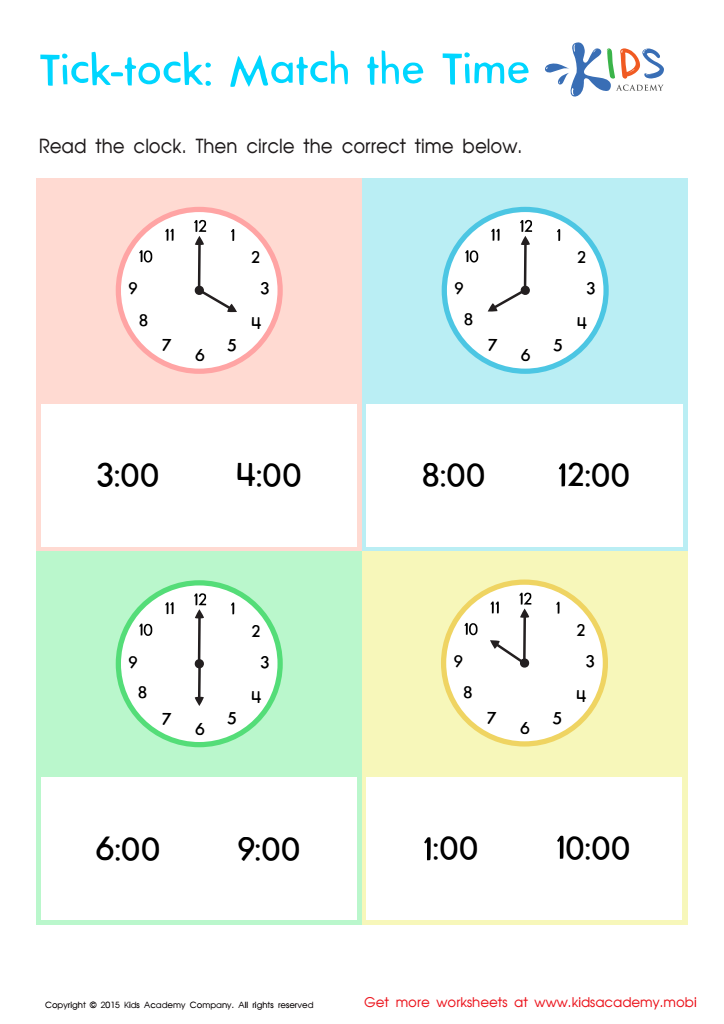
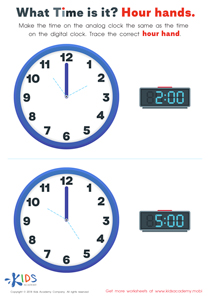
Telling The Time Worksheet: Part 4
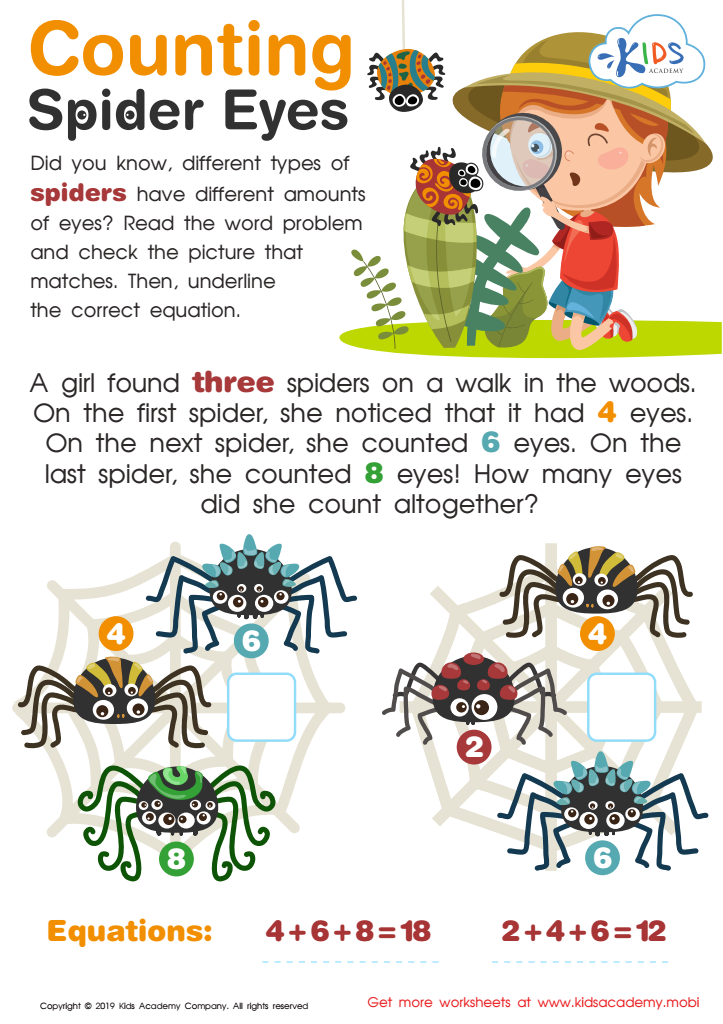
Counting Spider Eyes Worksheet
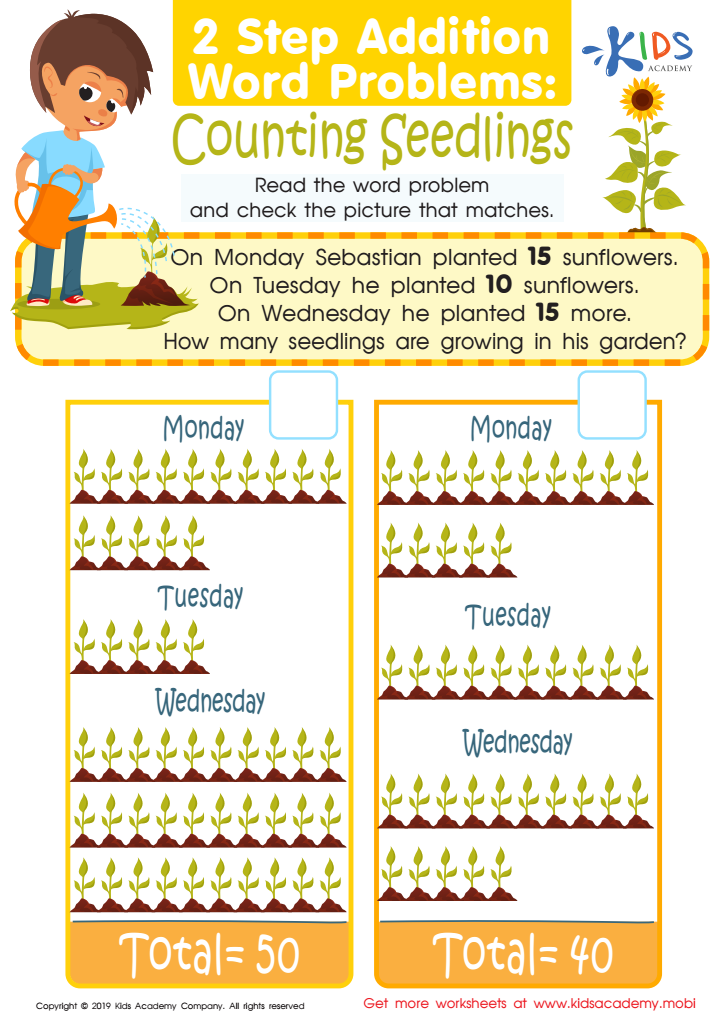
Counting Seedlings Worksheet
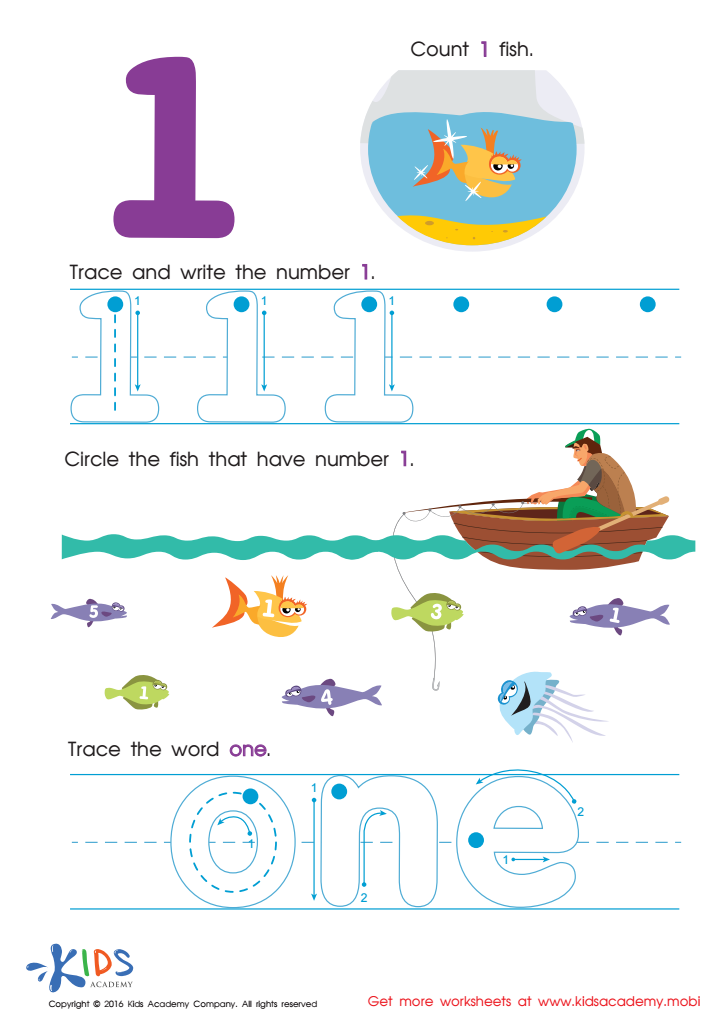
Learning to Write 1 Worksheet
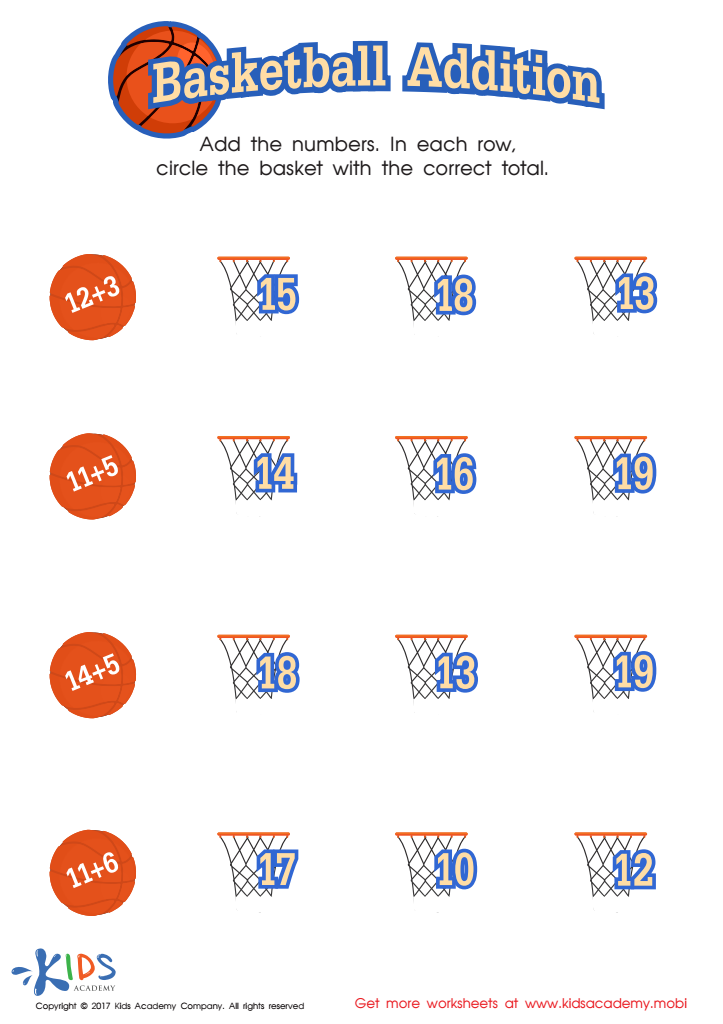
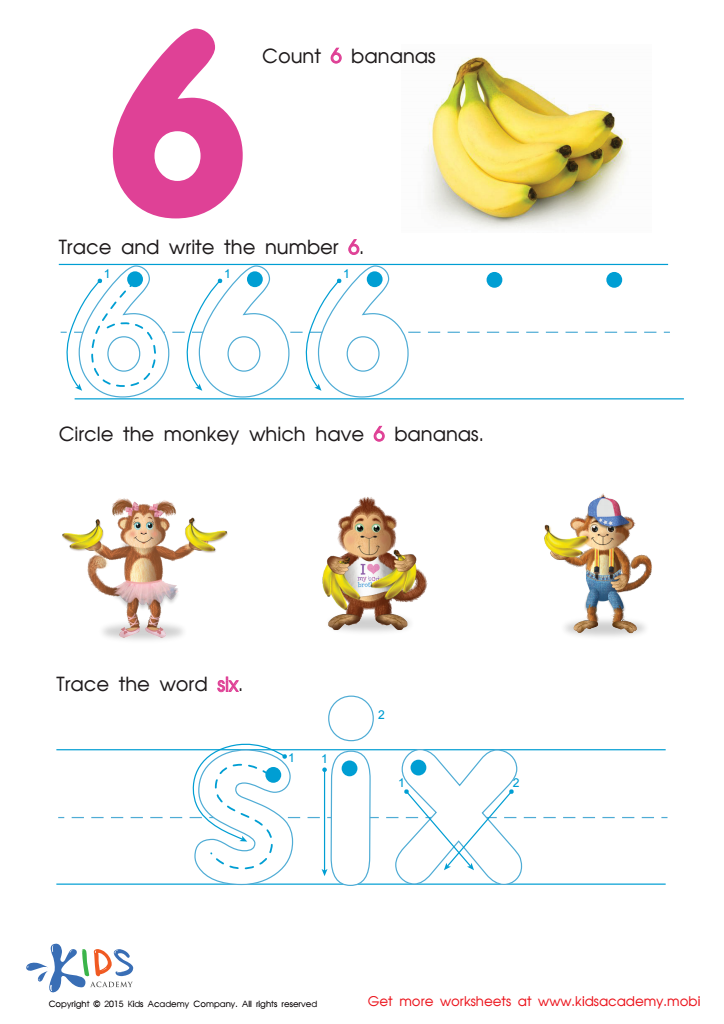
Tracing And Writing Number 6 Worksheet
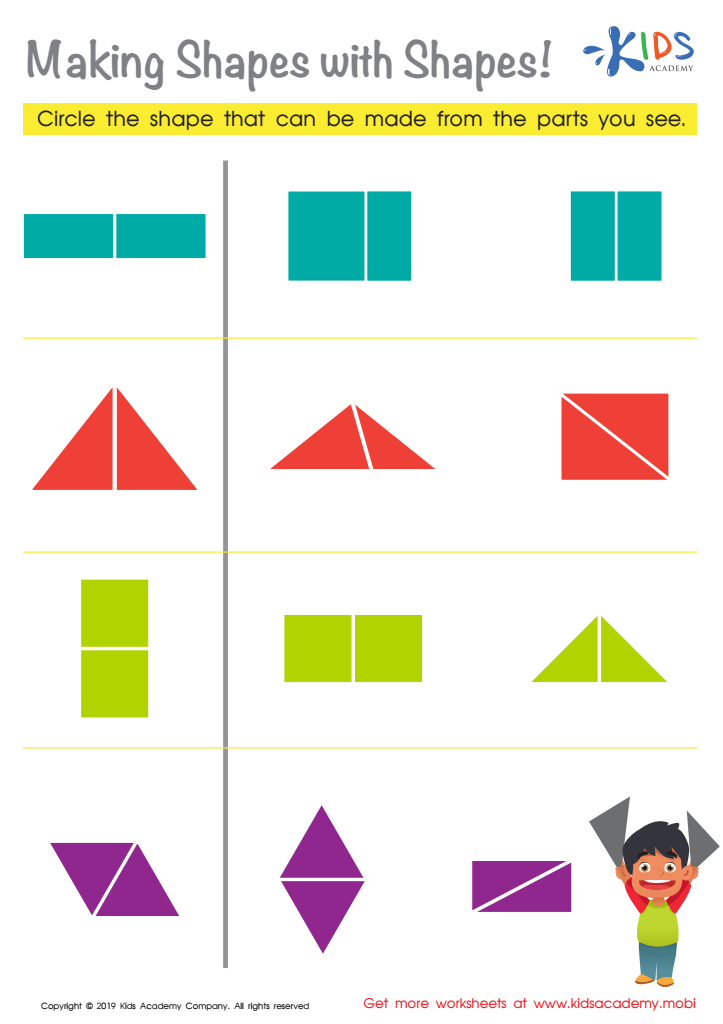
Making Shapes with Shapes Worksheet
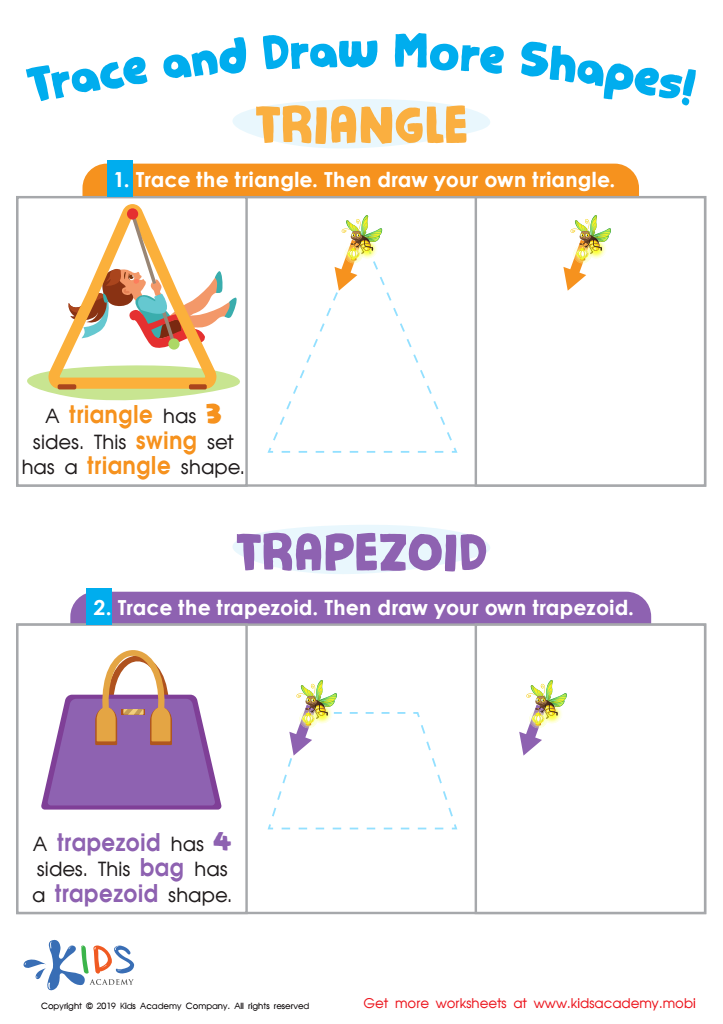
Trace and Draw More Shapes Worksheet
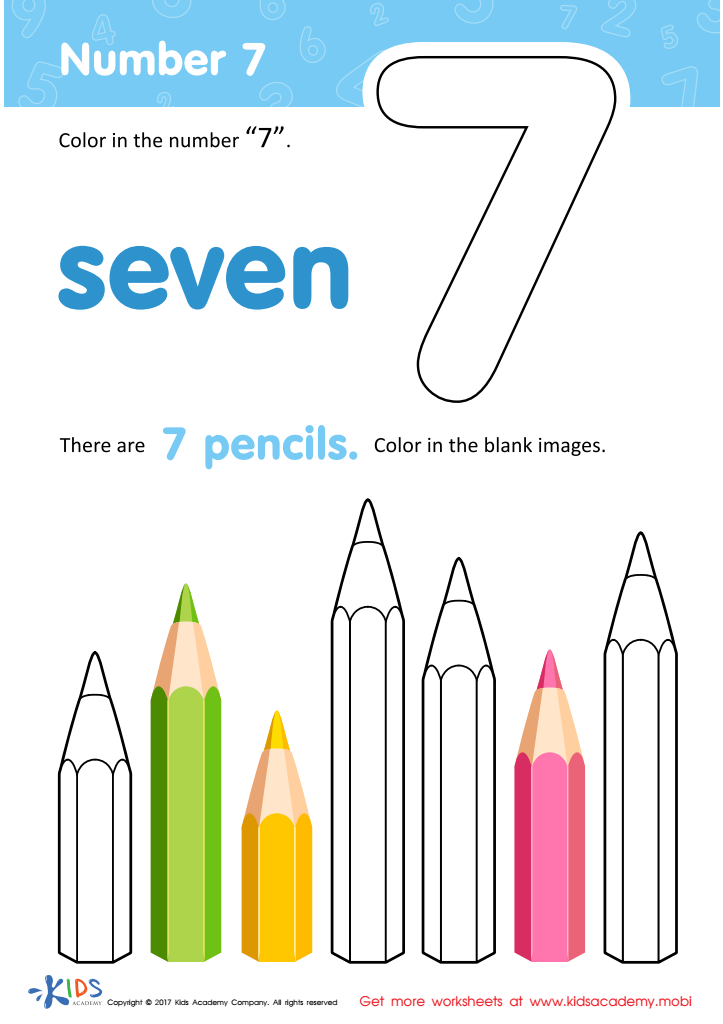
Number 7 Worksheet
Assign to My Students
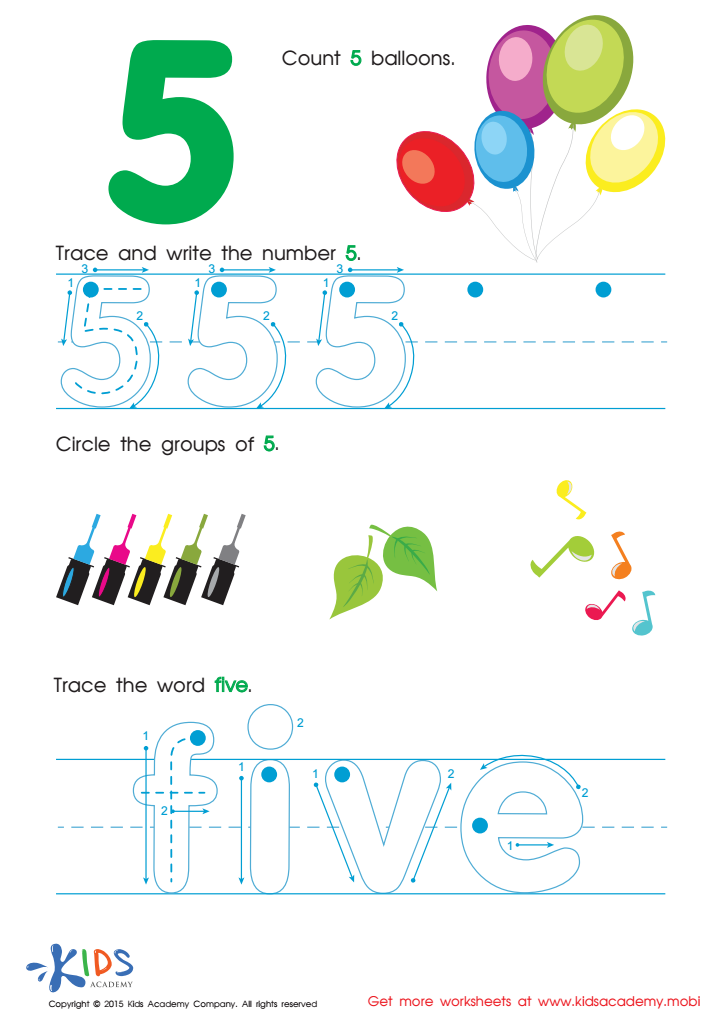
Practice Writing Number 5 Worksheet
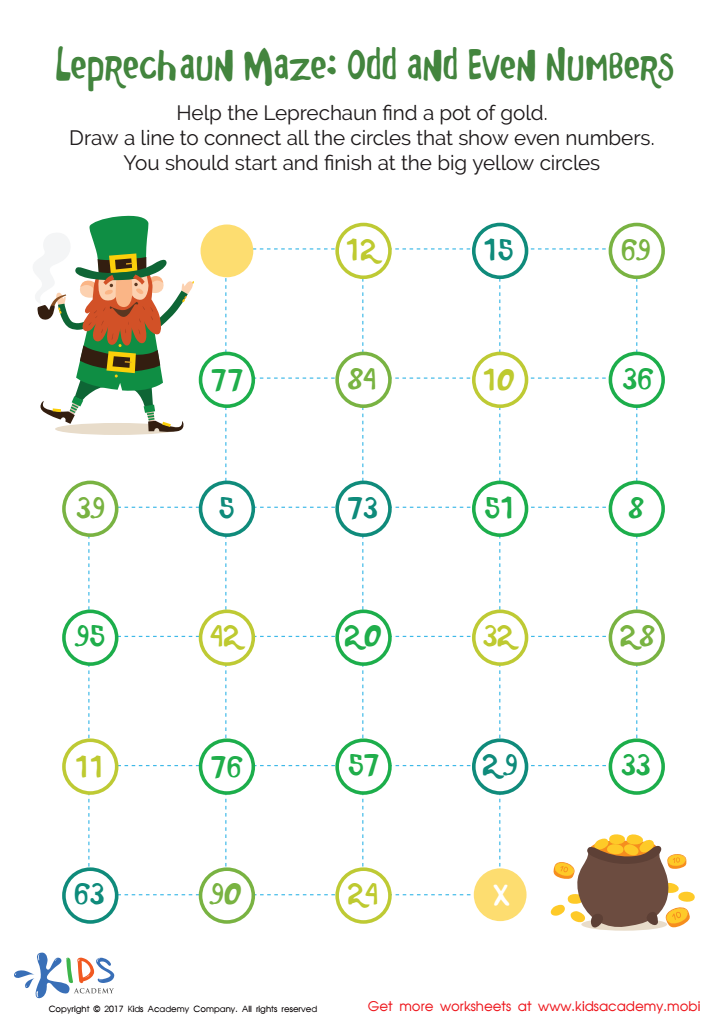
Leprechaun Maze Printable
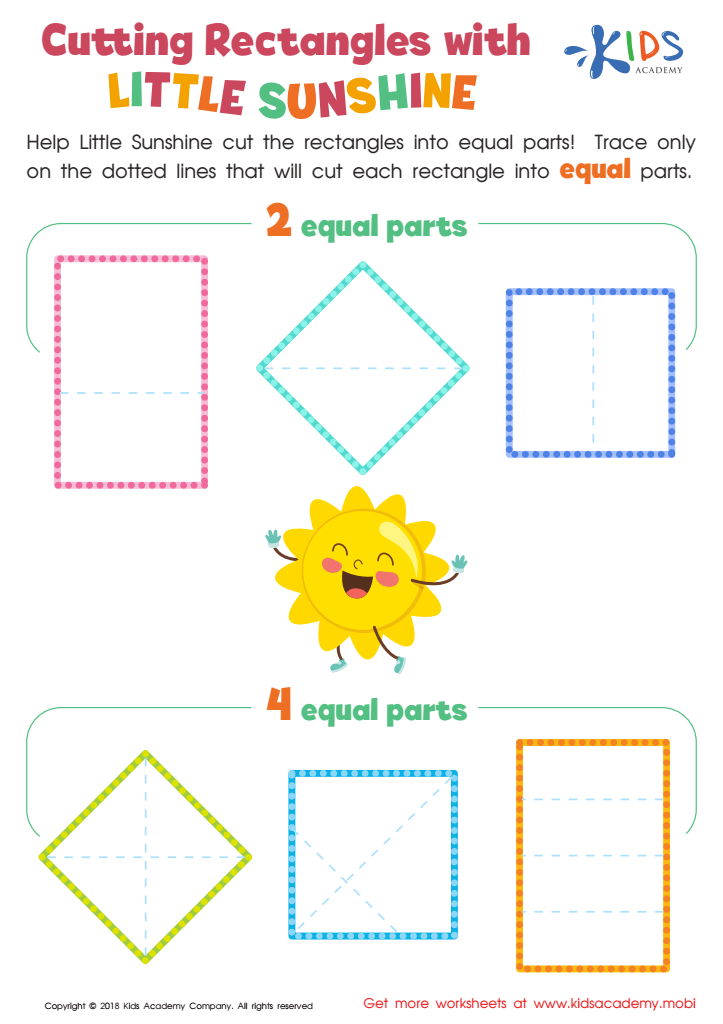
Cutting Rectangles with Little Sunshine Worksheet




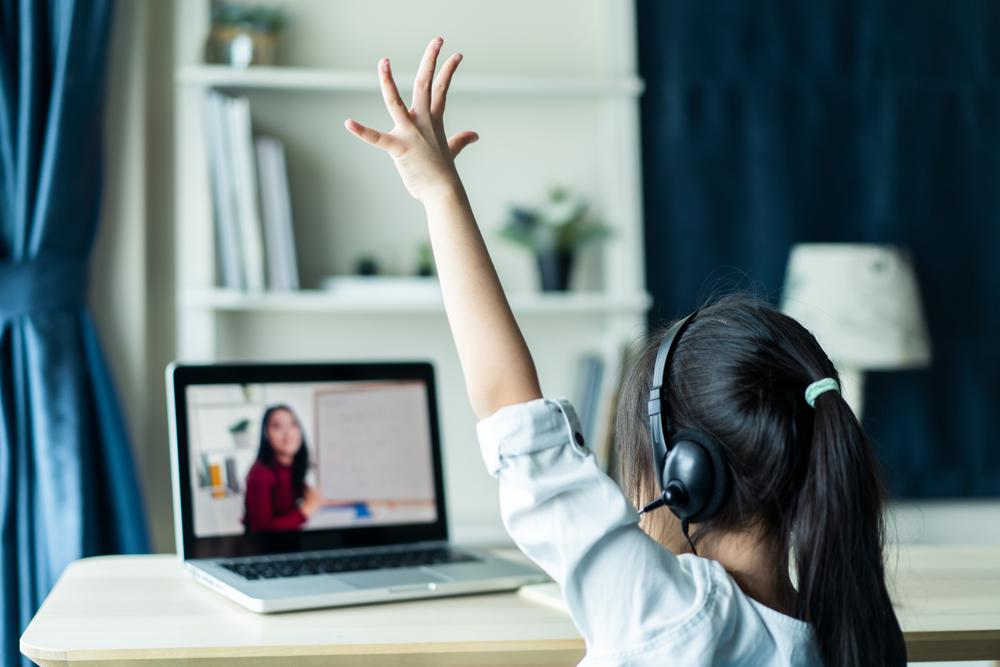


Parents and teachers should care about hand-eye coordination in Grade 1 math because it plays a crucial role in a child's overall development and academic success. Hand-eye coordination is essential for many math-related activities such as counting, measuring, sorting, and even writing numerals. As children manipulate physical objects like blocks or counters, they develop fine motor skills and spatial awareness, which are necessary for understanding mathematical concepts.
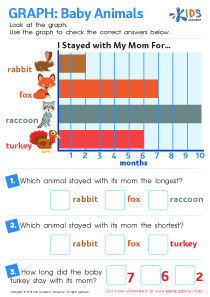
In Grade 1, children begin to build a foundation in math that includes recognizing shapes, understanding patterns, and performing simple calculations. Engaging in activities that require hand-eye coordination, such as cutting shapes, drawing graphs, or using math manipatives, enhances their ability to visualize and solve problems. This integration of physical movement with cognitive tasks helps reinforce learning and retention.
Moreover, improving hand-eye coordination can boost a child's confidence and enthusiasm for learning. Children who feel competent in their abilities are more likely to participate actively in classroom activities and excel academically. Thus, fostering hand-eye coordination in grade school not only supports math skills but also contributes to a child's holistic development, laying the groundwork for future learning. Therefore, parents and teachers should prioritize activities that enhance these skills to help children thrive.