
Story sequencing Extra Challenge Worksheets for Ages 3-4
3 filtered results
Difficulty Level
Grade
Age
-
From - To
Subject
Activity
Standards
Discover our engaging "Story Sequencing Extra Challenge Worksheets for Ages 3-4," designed to boost your child's narrative skills and comprehension. These printable sheets invite young learners to arrange images and events in the correct order, fostering critical thinking and attention to detail. Ideal for preschoolers, this resource enhances early literacy, cognitive abilities, and helps build a strong learning foundation. Make storytime extra fun and educational with our vibrant, age-appropriate sequencing activities. Perfect for home or classroom use, these worksheets turn learning into an exciting journey of discovery and creativity. Visit Kids Academy and start the adventure today!
Favorites
With answer key
Interactive
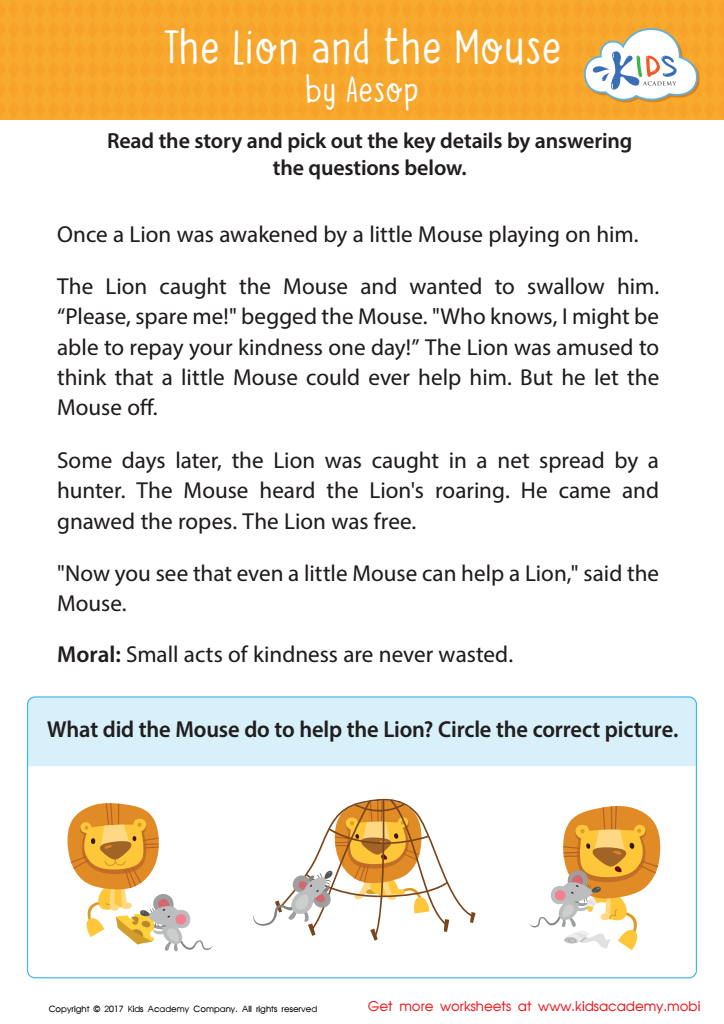
The Lion and The Mouse Sequencing Worksheet
Read the fable "The Lion and the Mouse" and test your child's comprehension skills! Answer the question by selecting the image that best matches the answer. It's a great way to practice reading comprehension.
 Assign to My Students
The Lion and The Mouse Sequencing Worksheet
Worksheet
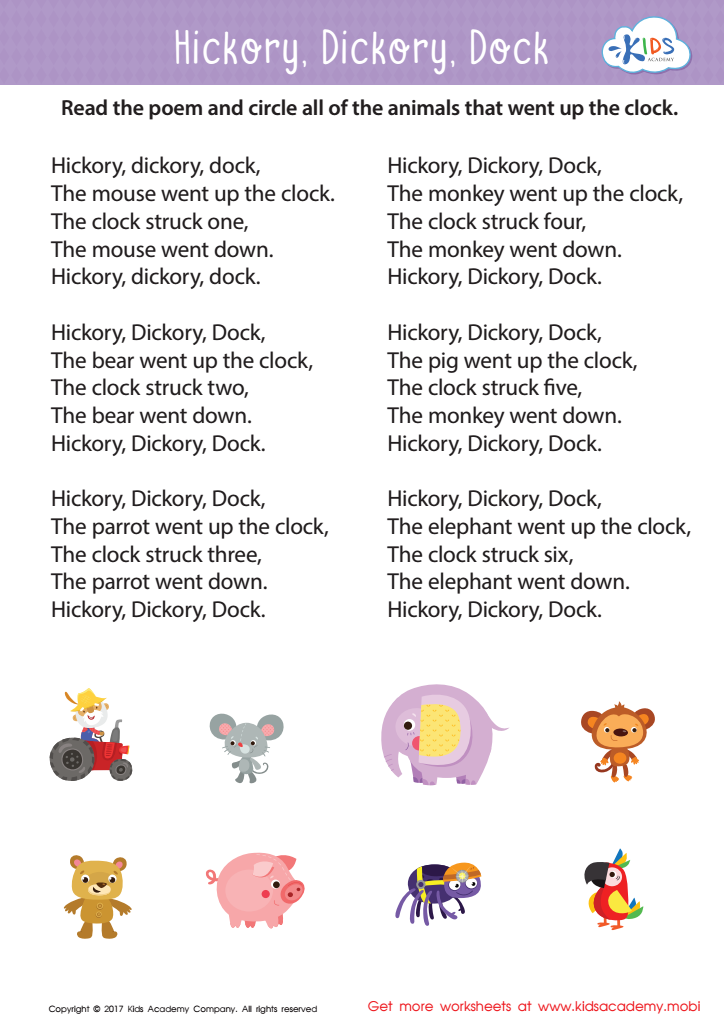
Hickory Dickory Dock Sequencing Worksheet
Help your child boost their reading skills with this fun Hickory Dickory Dock sequencing worksheet! They'll read and identify the animals in the right order, strengthening their story sequencing and comprehension skills.
Hickory Dickory Dock Sequencing Worksheet
Worksheet
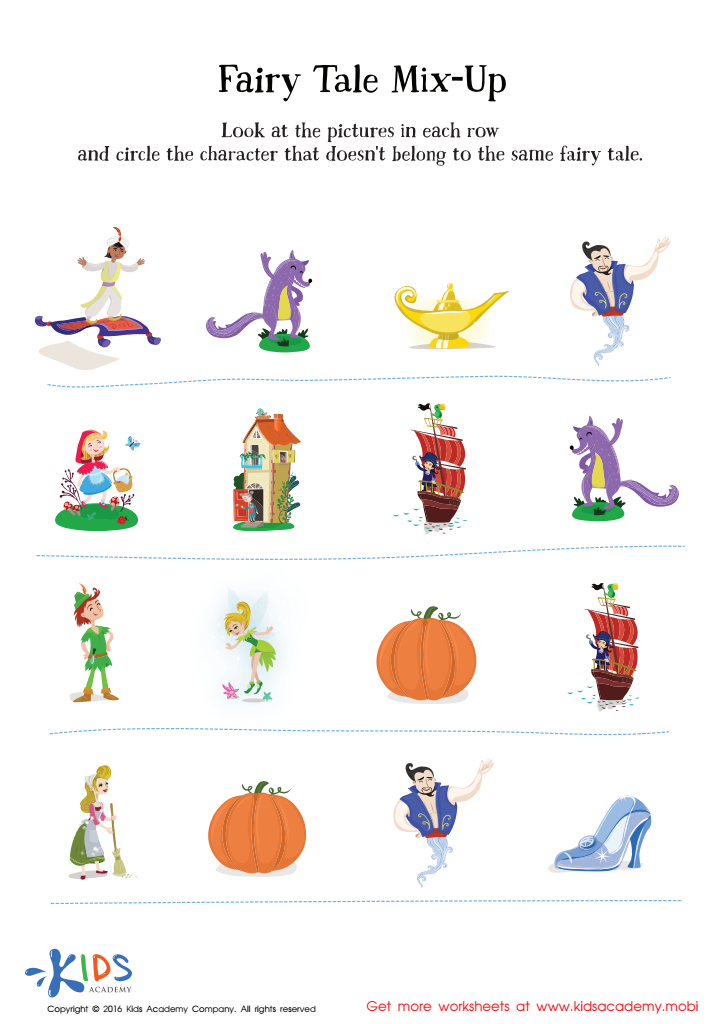
Fairy Tale Worksheet: Story Mix Up
Kids love fairy tales! Encourage your child to engage with their favorite stories using our vibrant worksheet. It'll help sharpen cognitive and comprehension skills, build problem-solving skills, and strengthen classification skills. Beforehand, read or watch the fairy tales and talk about each one's characters and elements. Your child will love the story and time spent together! Print the worksheet and get ready for a magical experience.
Fairy Tale Worksheet: Story Mix Up
Worksheet
Join Kids Academy for Free
Who is primarily going to use this learning content?


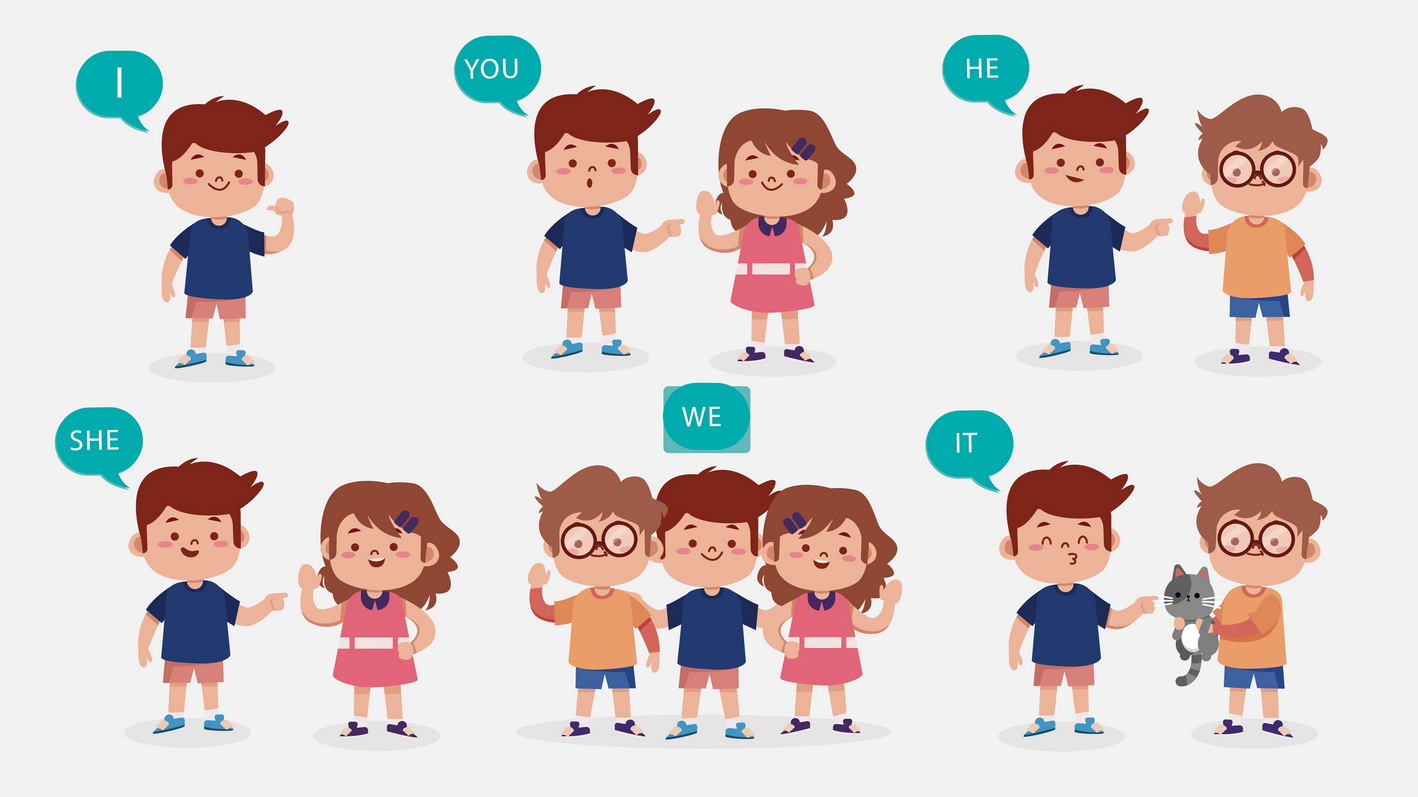




Story sequencing Extra Challenges are crucial activities for young children aged 3-4, as they play a pivotal role in early cognitive and language development. Parents and teachers should care about these exercises because they lay a strong foundation for critical thinking and analyzing events in logical order. By engaging in story sequencing, young learners practice recalling events and arranging them chronologically, which enhances their memory and organizational skills.
Furthermore, these challenges promote literacy and pre-reading skills. When children understand the sequence of a story, they grasp the concept of the beginning, middle, and end, which is fundamental for understanding texts and narratives as they progress in their reading journey.
Story sequencing also aids in oral language development. By retelling and discussing stories, children expand their vocabulary, improve sentence structure, and enhance their ability to communicate thoughts clearly. These are all essential skills for future academic success.
Moreover, these activities foster creativity and imagination. As children piece together parts of a story, they often come up with their own interpretations and versions, stimulating their creative thinking.
In sum, by prioritizing story sequencing exercises, parents and teachers can significantly boost a child's cognitive development, language proficiency, and imaginative abilities, all of which are vital during the formative years.








