Shape Recognition Extra Challenge Geometry Worksheets for Ages 3-4
6 filtered results
-
From - To
Unlock your child’s geometric potential with our Shape Recognition Extra Challenge Geometry Worksheets, designed specifically for ages 3-4! These engaging worksheets foster early math skills by introducing children to an array of shapes, from circles and squares to triangles and rectangles. Each activity encourages critical thinking and boosts recognition abilities, allowing little learners to identify and differentiate shapes with ease. Bright, colorful illustrations and fun exercises make learning an enjoyable experience. Whether used at home or in the classroom, these worksheets provide additional practice to enhance your child's understanding of geometry basics while laying a strong foundation for future math success!
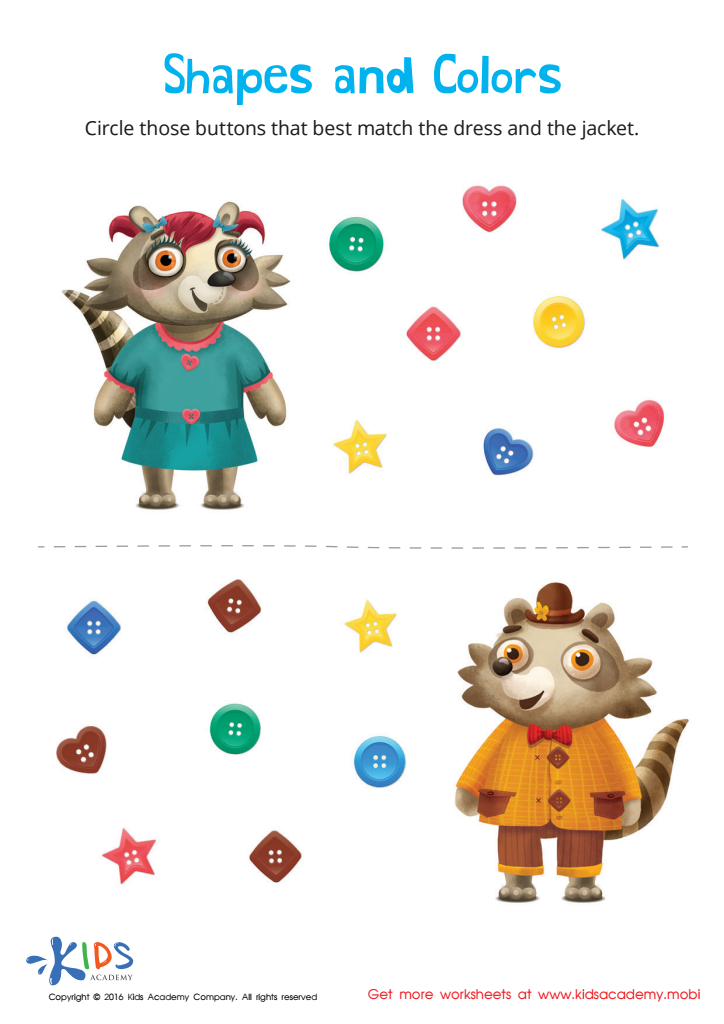
Matching: Shapes and Colors Worksheet
 Assign to My Students











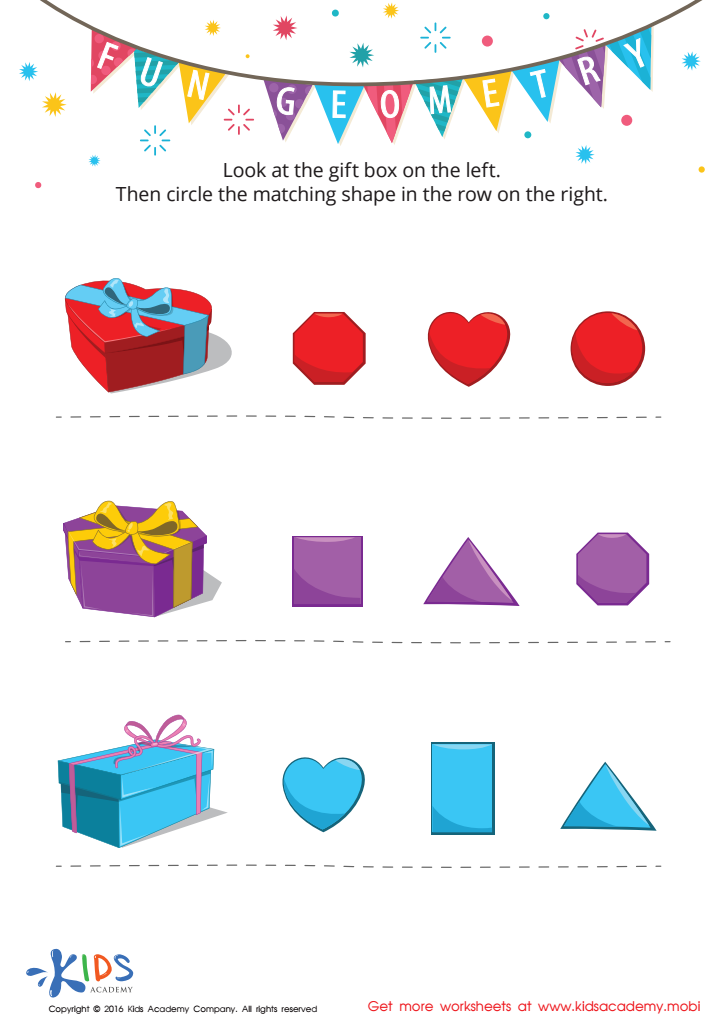
Fun Geometry Worksheet
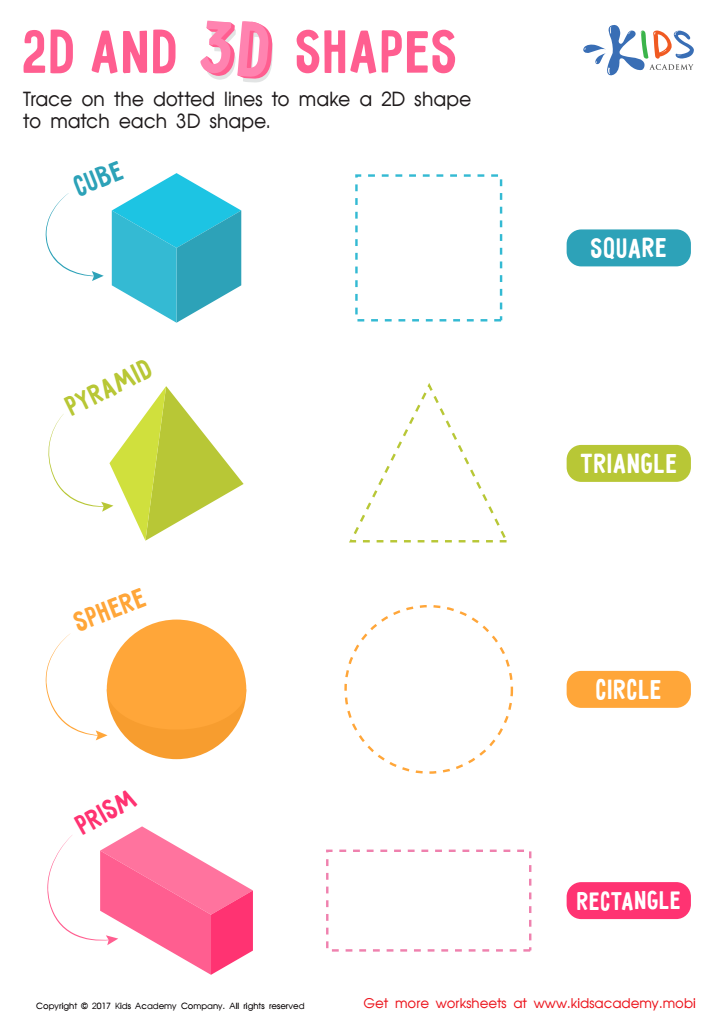
2D and 3D Shapes Worksheet
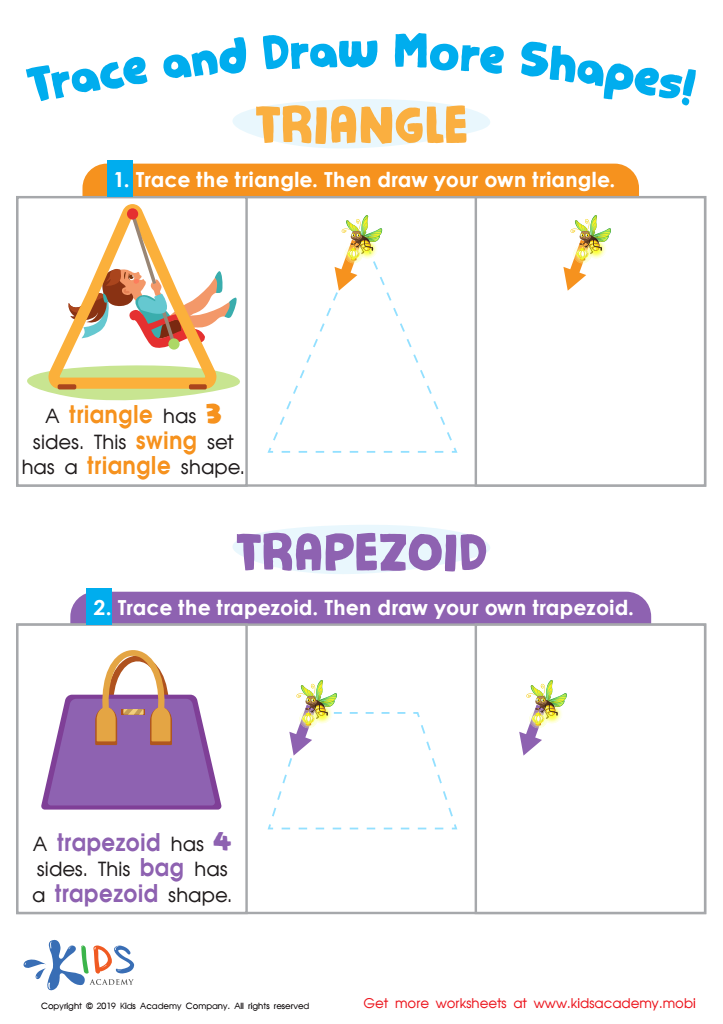
Trace and Draw More Shapes Worksheet
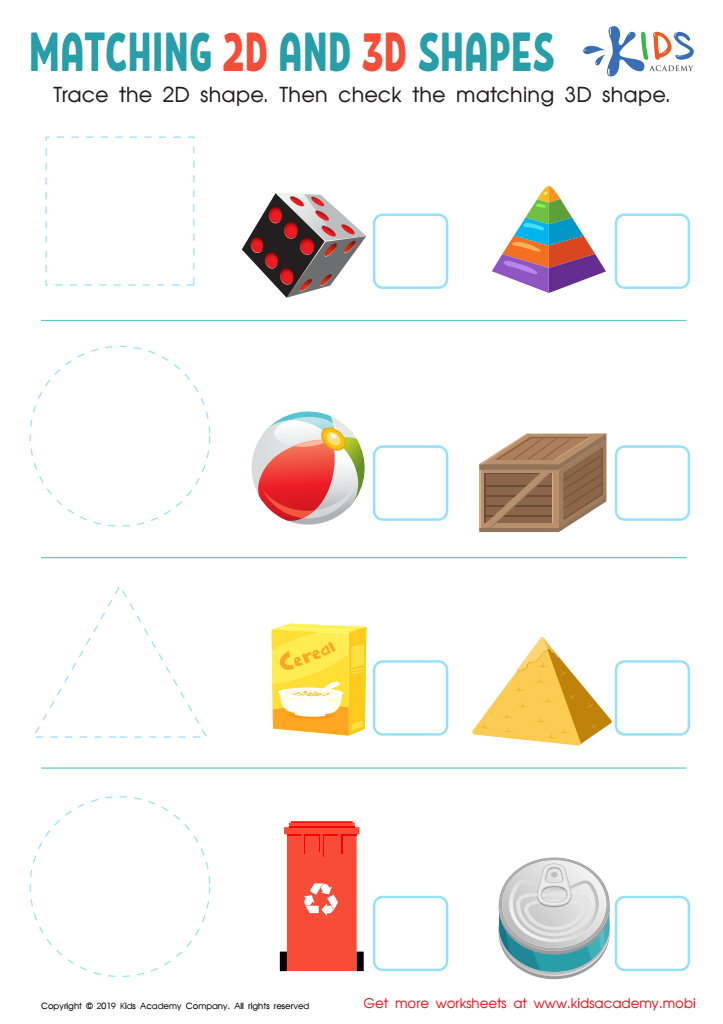
Matching 2D and 3D Shapes Worksheet
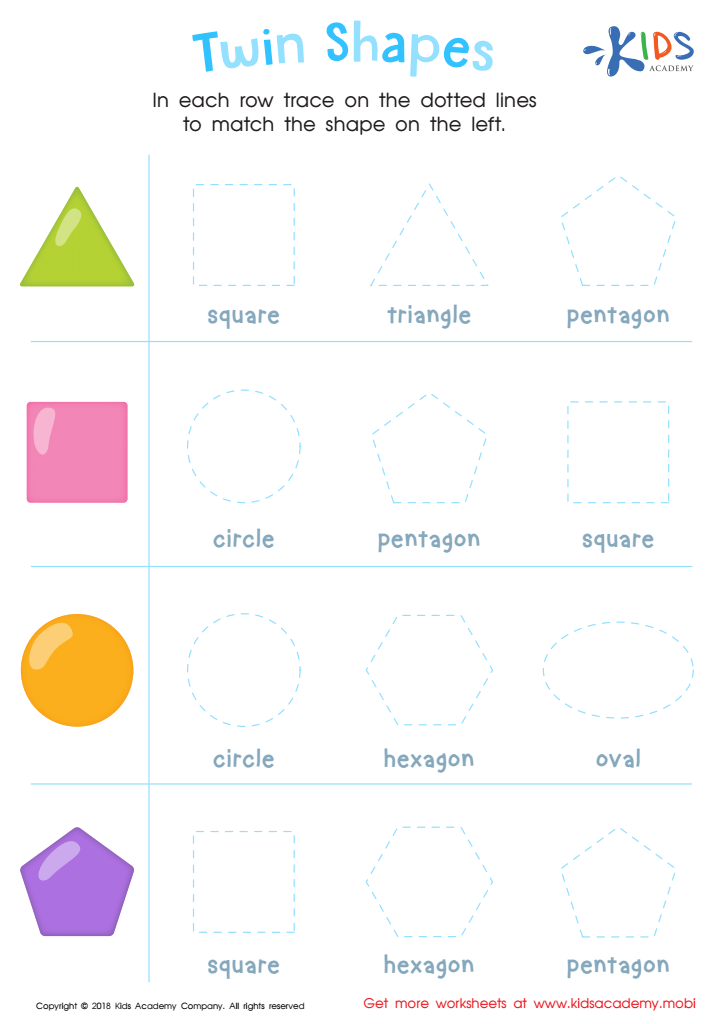
Twin Shapes Dot-to-Dot Worksheet








Shape recognition is a crucial developmental milestone for children aged 3-4, serving as the foundation for essential cognitive skills. Engaging in Shape Recognition Extra Challenge activities introduces young learners to geometry in a fun, interactive manner. Parents and teachers should care about this because it not only enhances a child's ability to identify various shapes—such as circles, squares, and triangles—but also fosters problem-solving skills, spatial awareness, and critical thinking.
The ability to recognize and categorize shapes helps children make sense of the world around them. It aids in building foundational math skills necessary for future learning, as well as improving fine motor and language development through activities that may involve sorting, drawing, or naming shapes. Furthermore, incorporating these challenges maintains children's interest and motivation, providing a sense of accomplishment as they master new concepts.
Ultimately, early exposure to geometry through shape recognition cultivates a love for learning and sets the stage for more complex math concepts later on. By prioritizing these activities, parents and teachers actively contribute to a child’s holistic development, ensuring they are well-prepared for academic success.








