Word Recognition Extra Challenge Worksheets for Ages 3-5
9 filtered results
-
From - To
Our Word Recognition Extra Challenge Worksheets for ages 3-5 are designed to give young learners a head start in reading. Perfectly crafted to enhance early literacy skills, these worksheets provide engaging and educational activities focusing on word recognition and phonics. They cater to advanced learners, offering extra challenges to build vocabulary, improve spelling, and boost confidence in identifying and understanding words. These worksheets are an ideal resource for parents and teachers looking to ensure their preschoolers and kindergarteners excel in their early education journey. With fun and interactive tasks, children will enjoy learning while laying a strong foundation for future reading success.
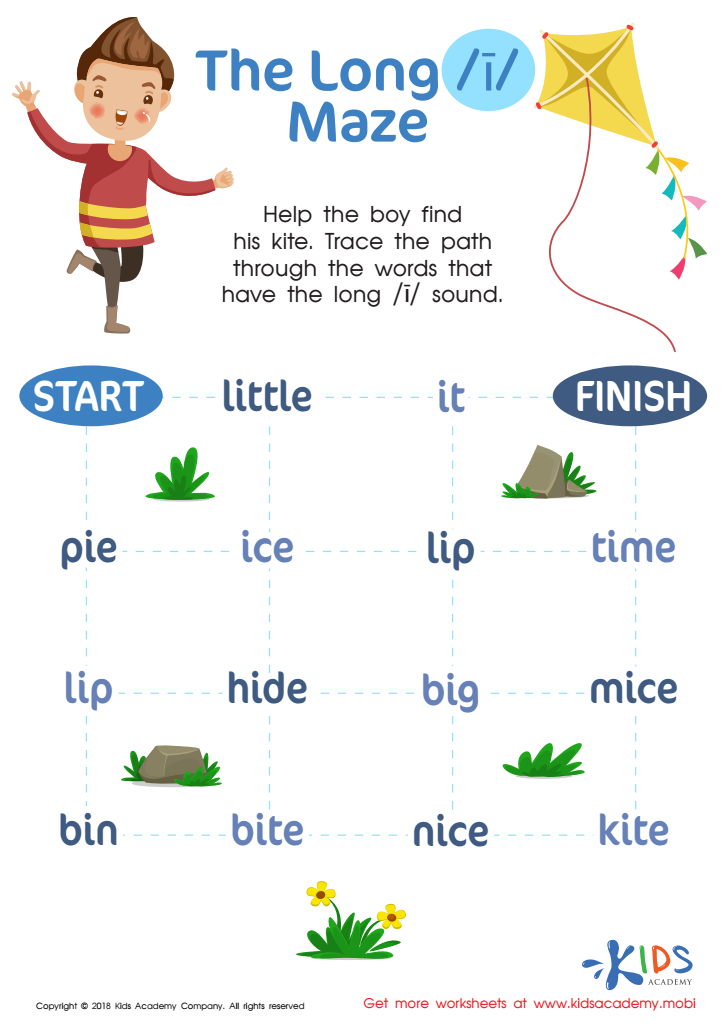
The Long I Maze Reading Worksheet
 Assign to My Students
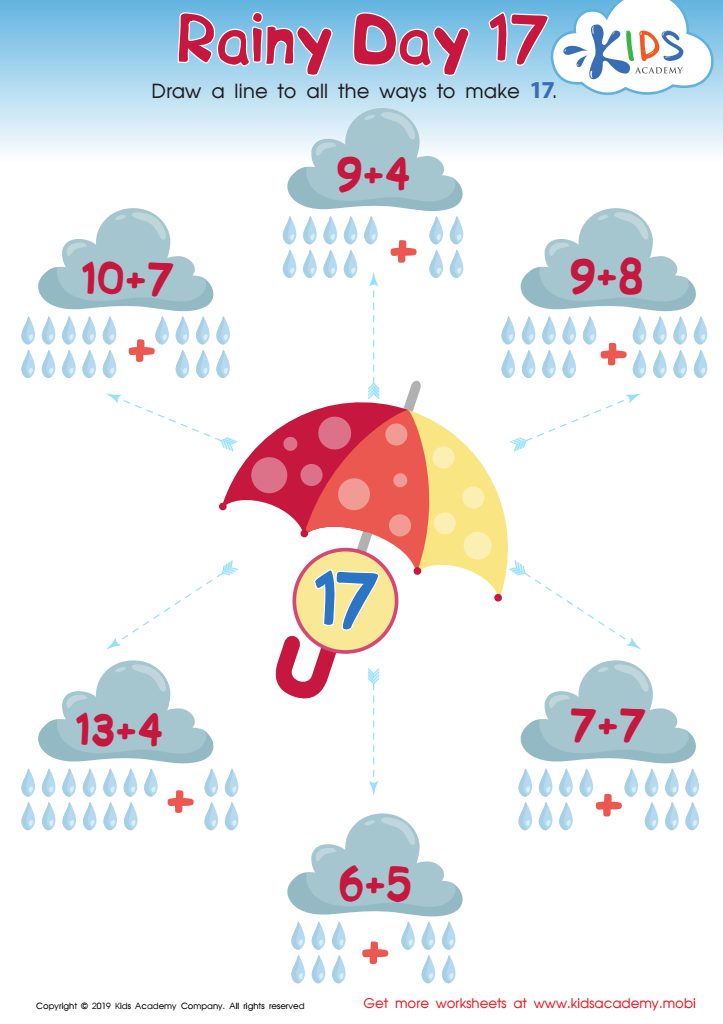
Rainy Day 17 Worksheet
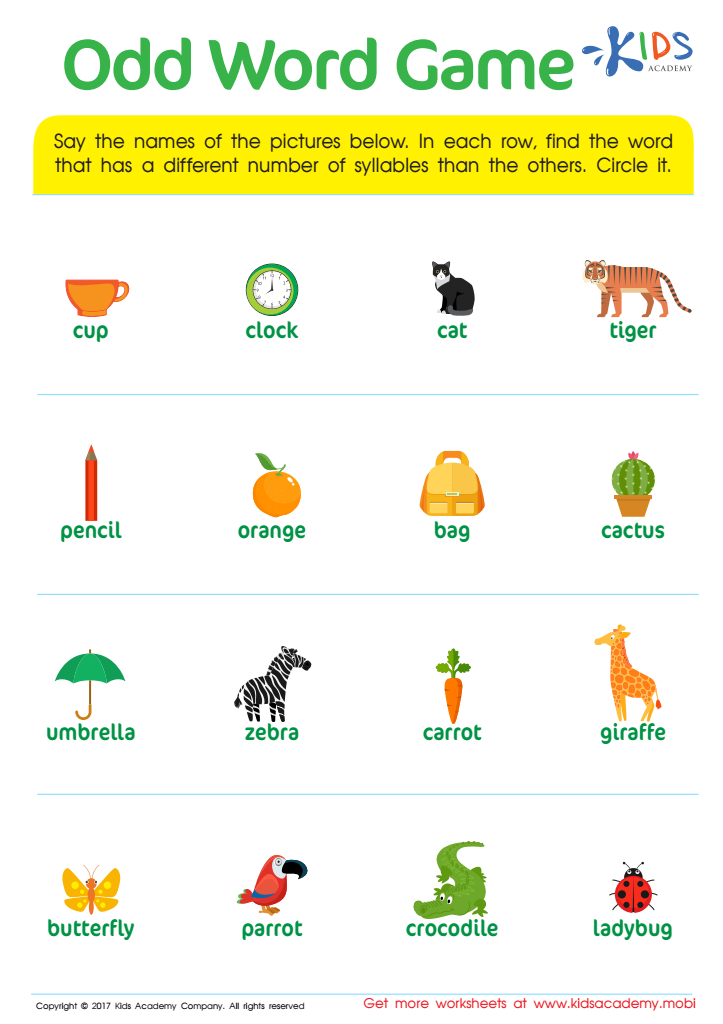
Count Syllables: Odd Word Game Worksheet
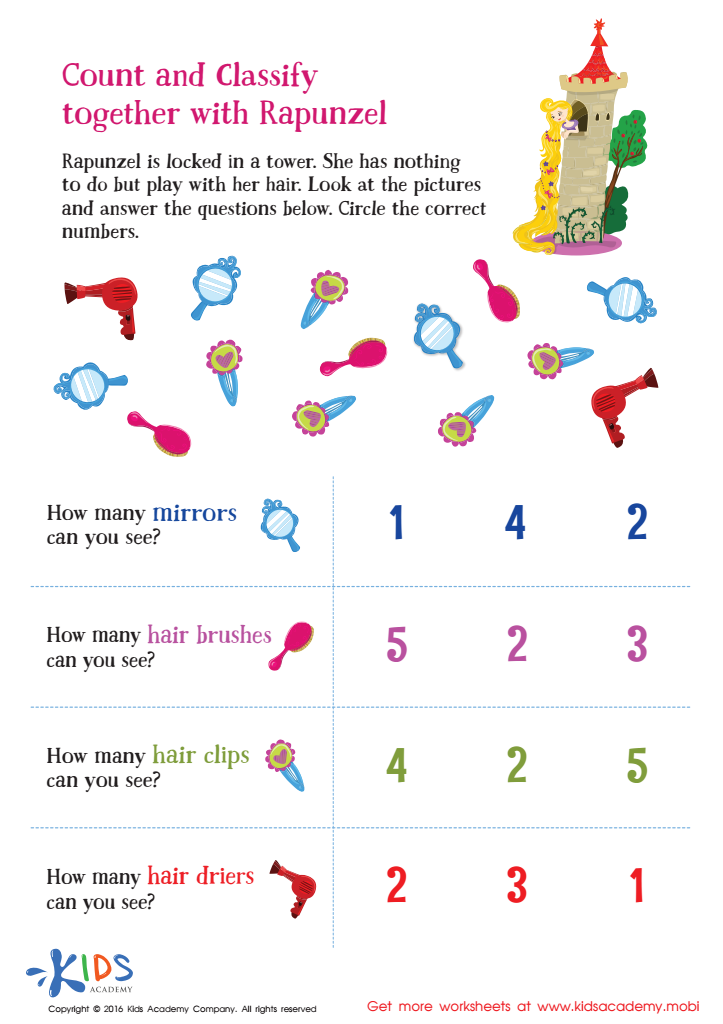
Fairy Tale Worksheet: Count and Classify with Rapunzel
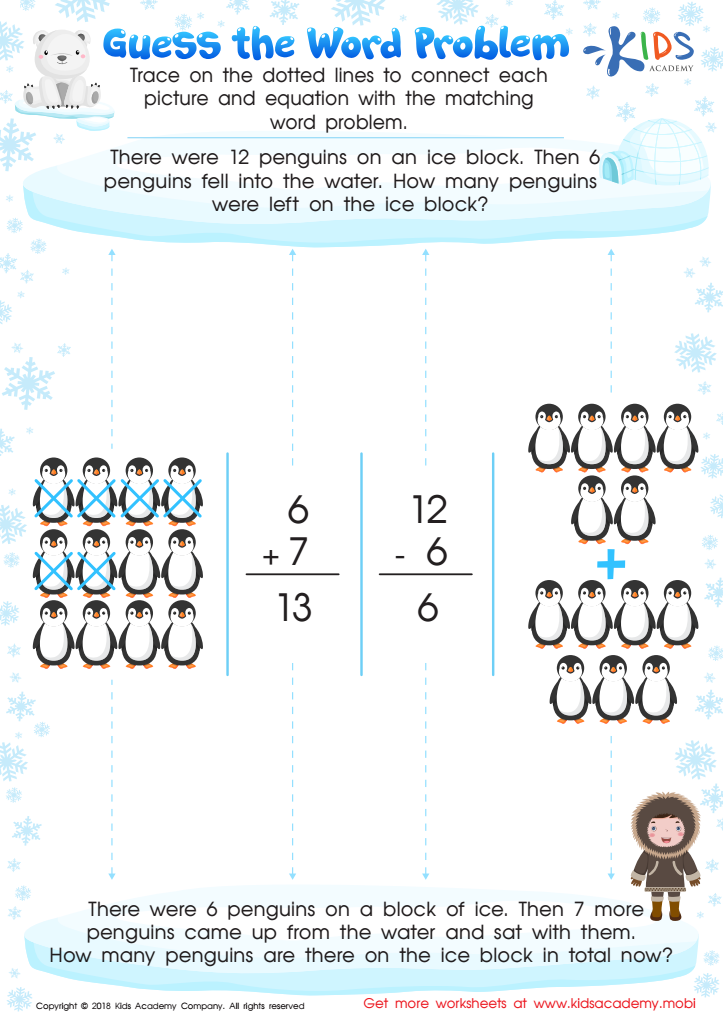
Guess the Word Problem Worksheet
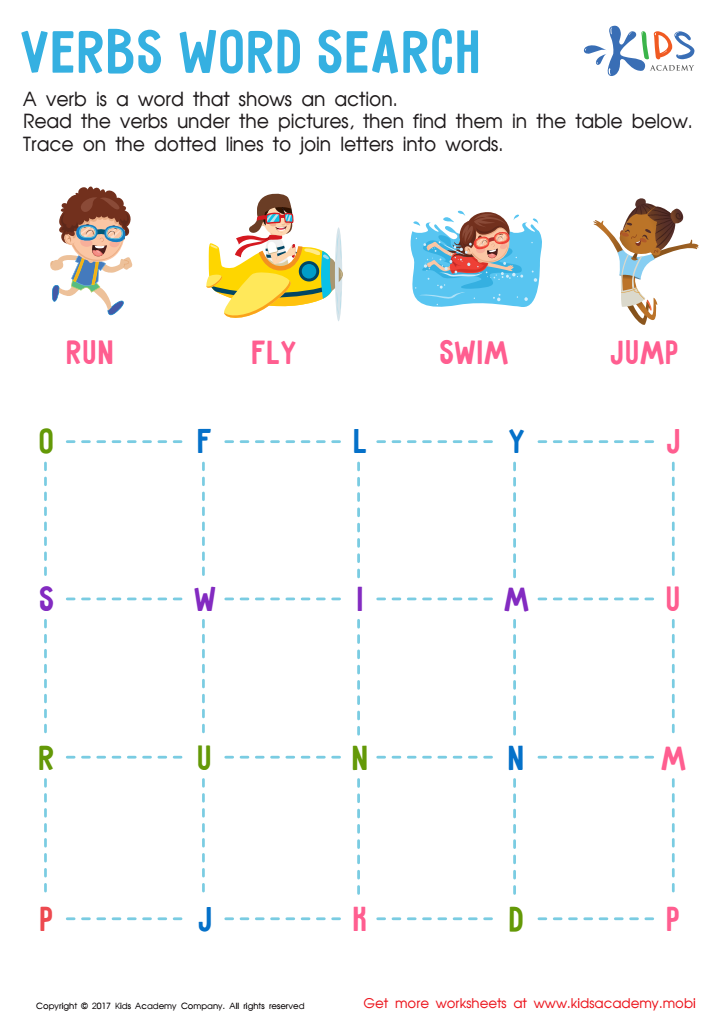
Verbs Word Search Worksheet
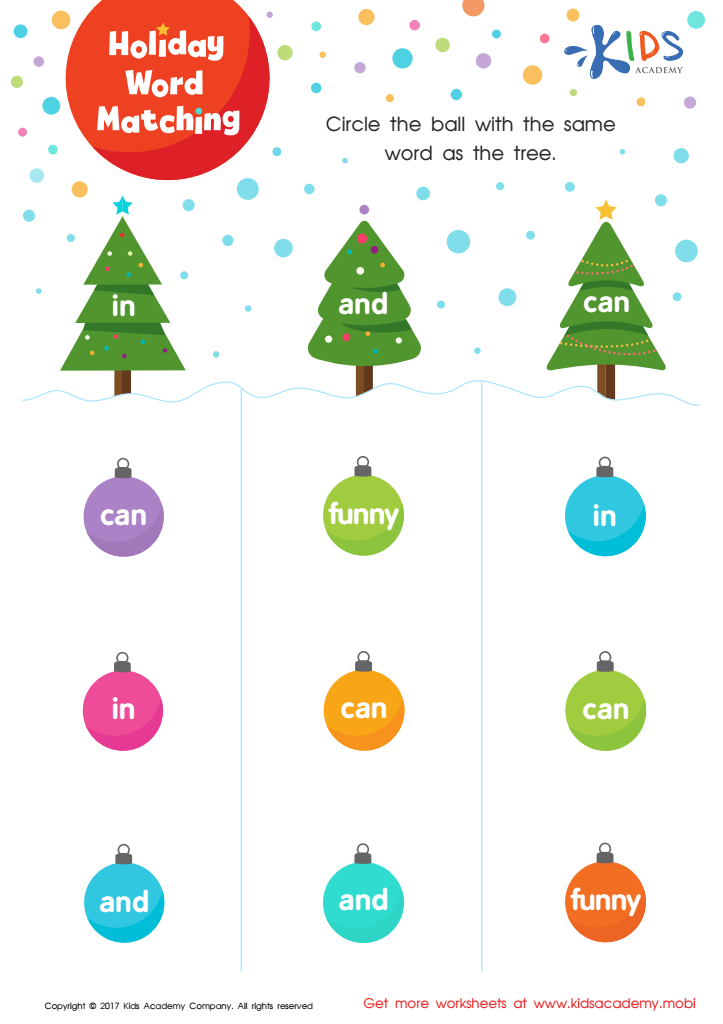
Holiday Word Matching Worksheet
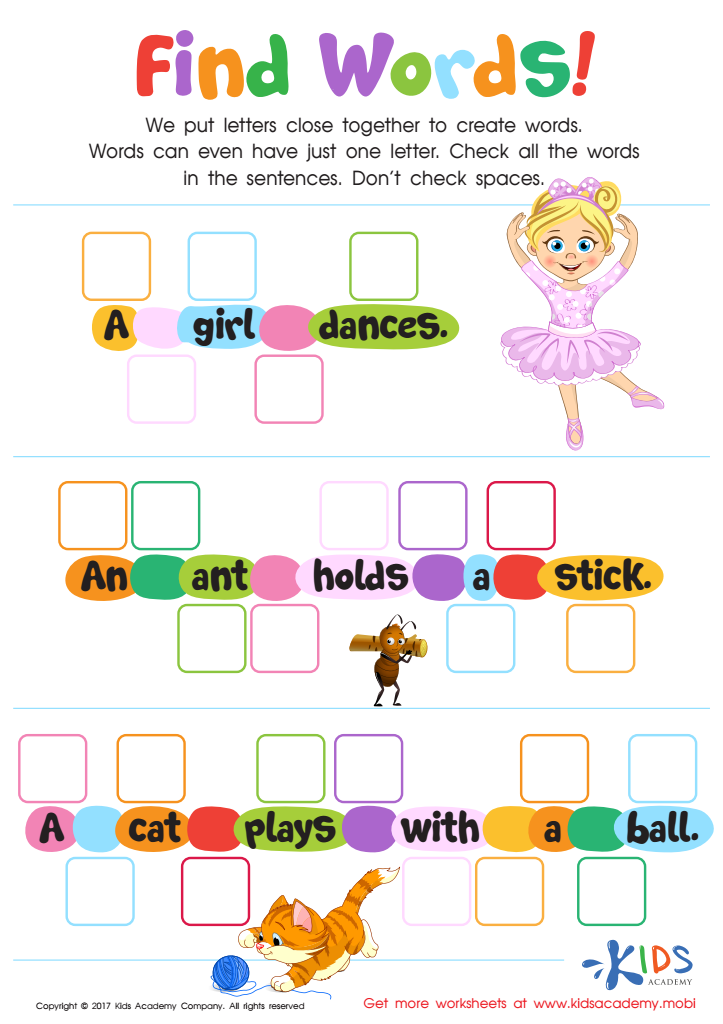
Find Words Worksheet







Word recognition is a fundamental aspect of early literacy development, and understanding why extra challenges are beneficial for children aged 3-5 can highlight its importance for parents and teachers. In this crucial developmental phase, young learners are rapidly expanding their vocabulary, grasping the basics of phonics, and beginning to understand language patterns. Providing extra word recognition challenges not only boosts their cognitive and linguistic capabilities but also sets a solid foundation for future academic success.
Introducing additional challenges can make learning to read more engaging and enjoyable. When children encounter a diverse range of words in playful or story-based settings, they naturally develop curiosity and motivation to learn. This active engagement promotes better retention and recall of vocabulary.
Moreover, strengthening word recognition skills early on helps children become more confident readers. Early proficiency in word recognition lays the groundwork for smoother transitions to reading sentences and, eventually, entire texts. This early advantage often leads to improved comprehension skills and overall academic performance.
For parents and teachers, fostering a love for reading through extra word recognition activities not only supports literacy development but also contributes to a child's overall intellectual growth. Investing time in these activities empowers children as enthusiastic, capable readers who are well-prepared for the broader challenges of formal education.








