Phonics Skills Extra Challenge Worksheets for Ages 3-6
6 filtered results
-
From - To
Boost your child's phonics prowess with our "Phonics Skills Extra Challenge Worksheets for Ages 3-6." Perfect for young learners ready to advance their reading foundations, these engaging activities target crucial phonemic awareness and sound combinations. Richly illustrated and designed for extra fun, each worksheet is tailored to reinforce and stretch emerging reading skills. From blending sounds to recognizing patterns, our worksheets provide the much-needed extra challenge to keep your little one captivated and progressing. Ideal for preschoolers and kindergarteners, watch their confidence and excitement for reading grow as they master essential phonics skills!
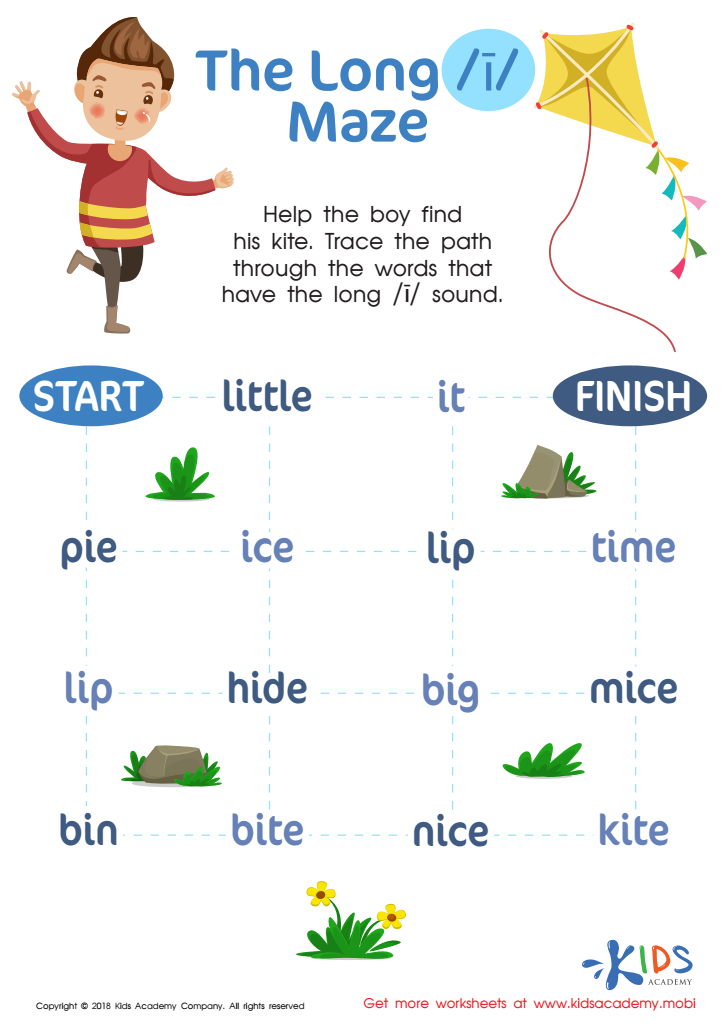
The Long I Maze Reading Worksheet
 Assign to My Students
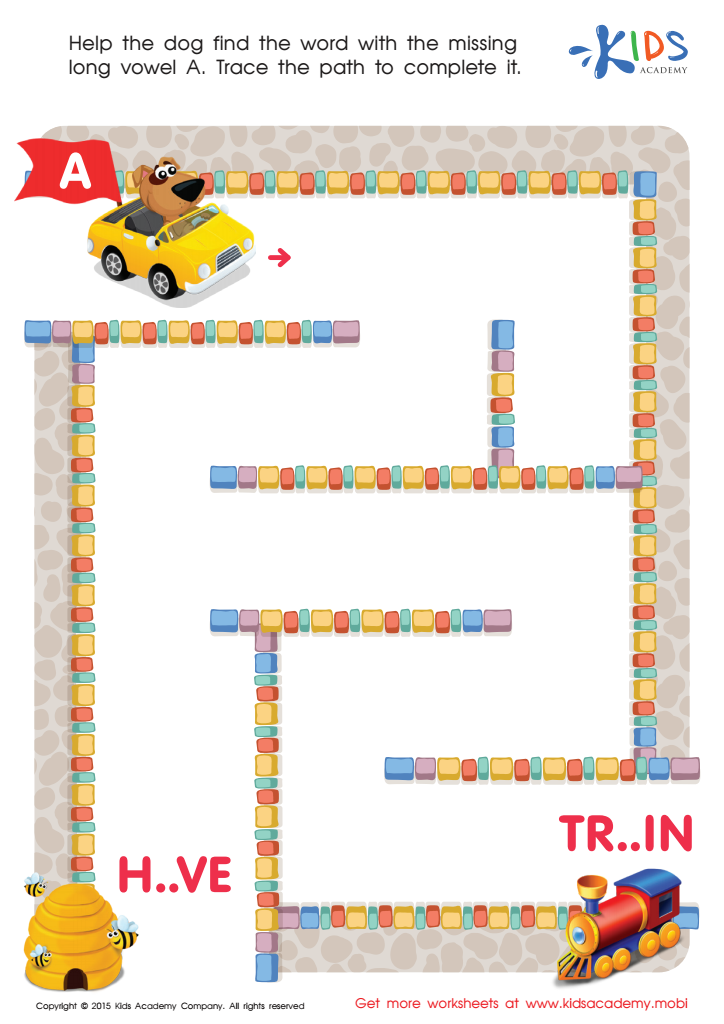
Long Vowel Sound A Worksheet
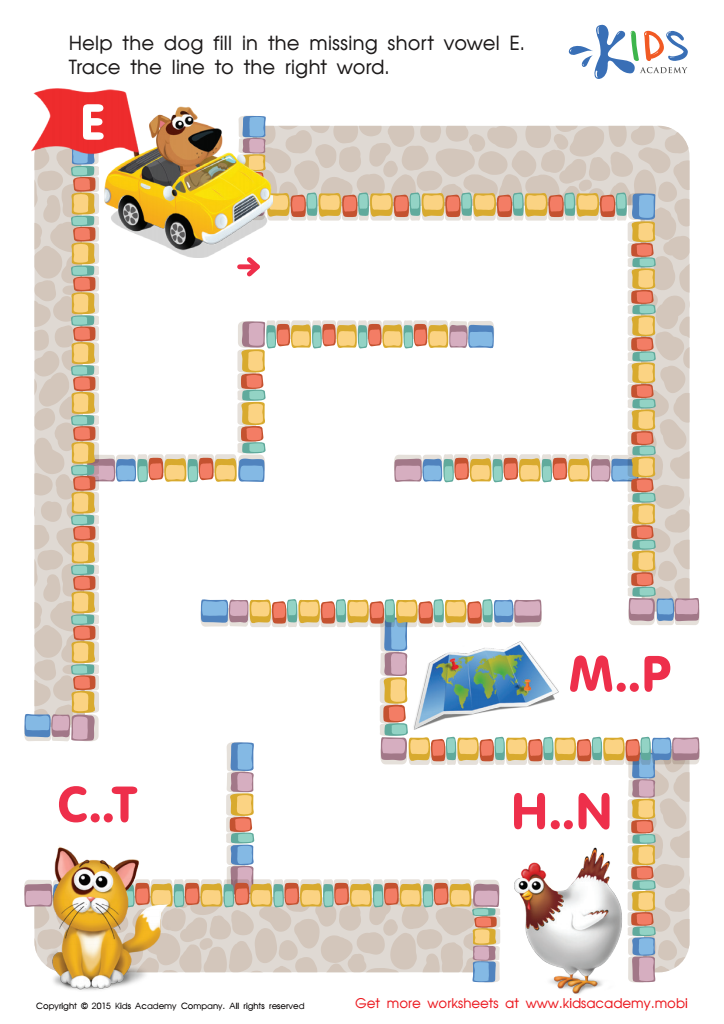
Short Vowel Sound E Worksheet
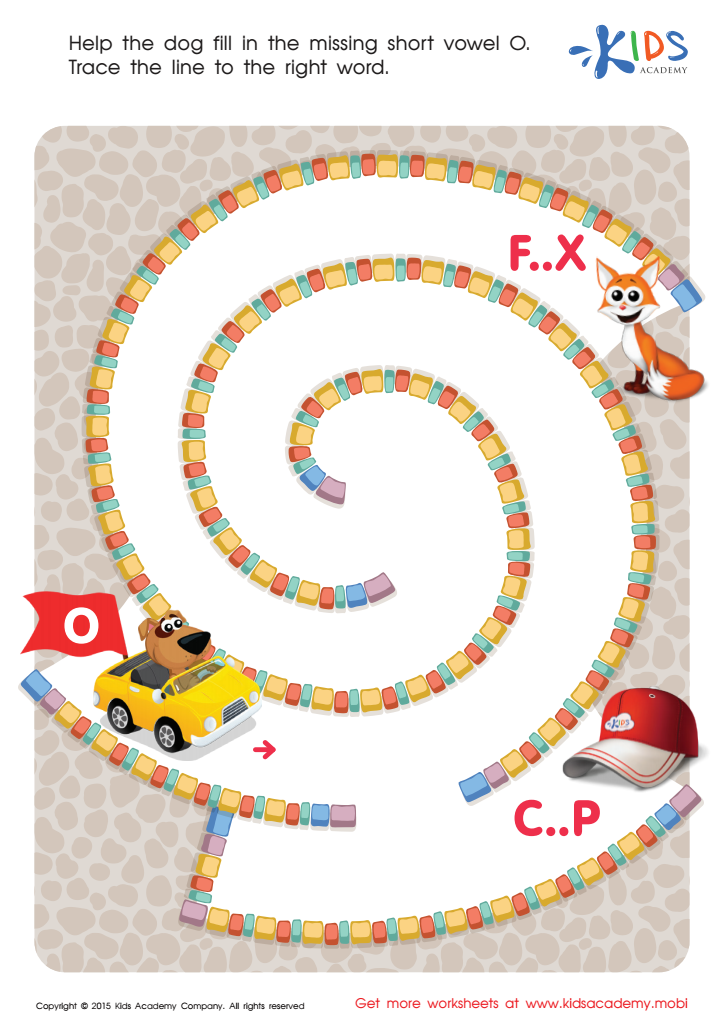
Short Vowel Sound O Worksheet
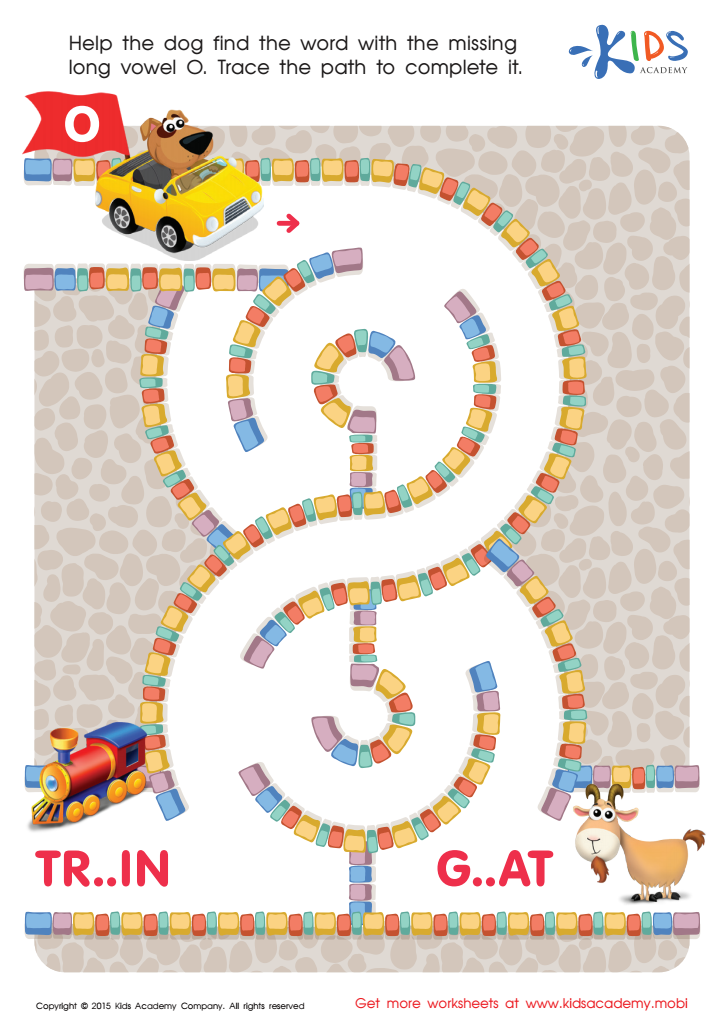
Long Vowel Sound O Worksheet
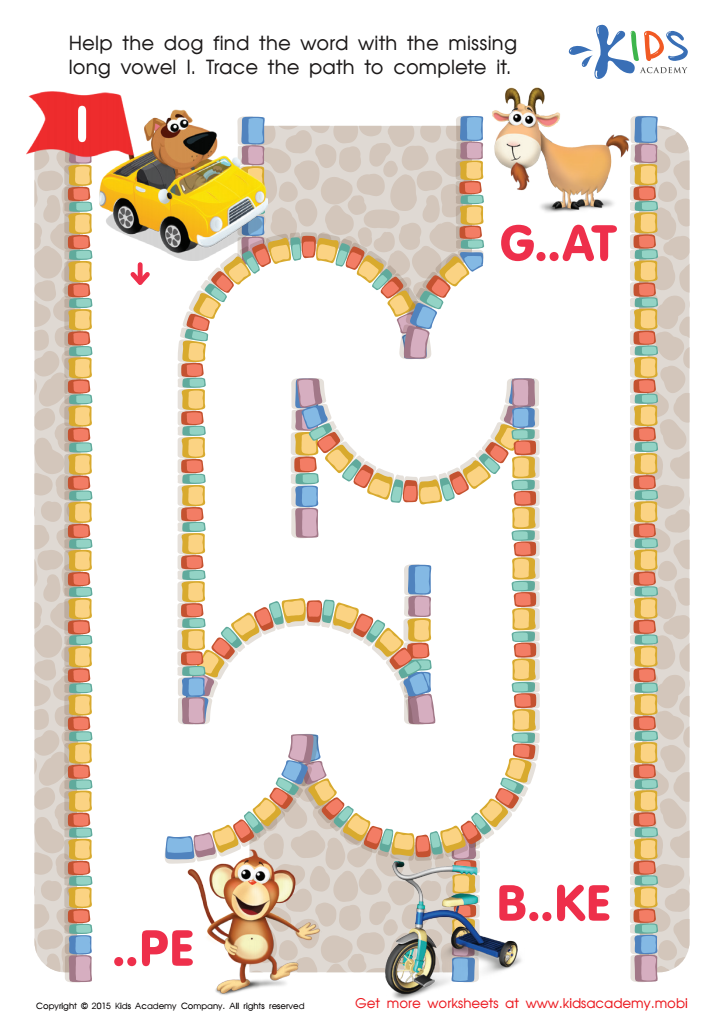
Long Vowel Sound I Worksheet








Phonics skills are critical building blocks for early literacy, laying the foundation for reading and writing. For children aged 3-6, engaging them in extra phonics challenges is immensely beneficial. This period is a crucial window for cognitive and language development, where children are highly receptive to learning sounds, letters, and word patterns.
Phonics instruction helps children understand the relationship between letters and sounds, allowing them to decode words efficiently. This fundamental skill enables them to read fluently and comprehend texts more easily. Extra phonics challenges provide additional practice, helping to reinforce and strengthen these skills, leading to better mastery.
For parents or teachers, incorporating these additional exercises ensures that no child is left behind. It provides an opportunity to identify early on if a child is struggling with certain sounds or letter combinations and address these issues promptly. This proactive approach prevents future reading difficulties, which can affect a child’s confidence and academic success.
Moreover, extra phonics challenges can make learning fun and interactive, fostering a positive attitude towards reading. Activities like games, flashcards, and songs engage young children, making their learning experience enjoyable and effective. By prioritizing phonics skills, parents and teachers are investing in a child's long-term literacy development, setting them up for a lifetime of learning.








