Problem-Solving Skills Extra Challenge Worksheets for Ages 3-6 - Page 3
61 filtered results
-
From - To
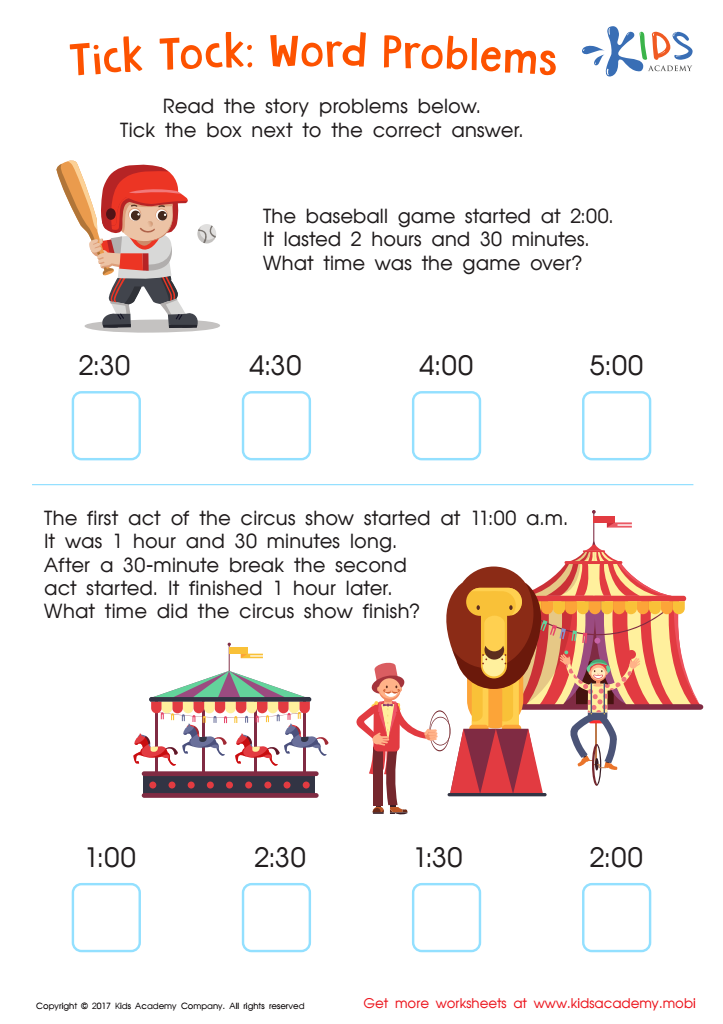
Tick Tock Word Problems Time Worksheet
 Assign to My Students
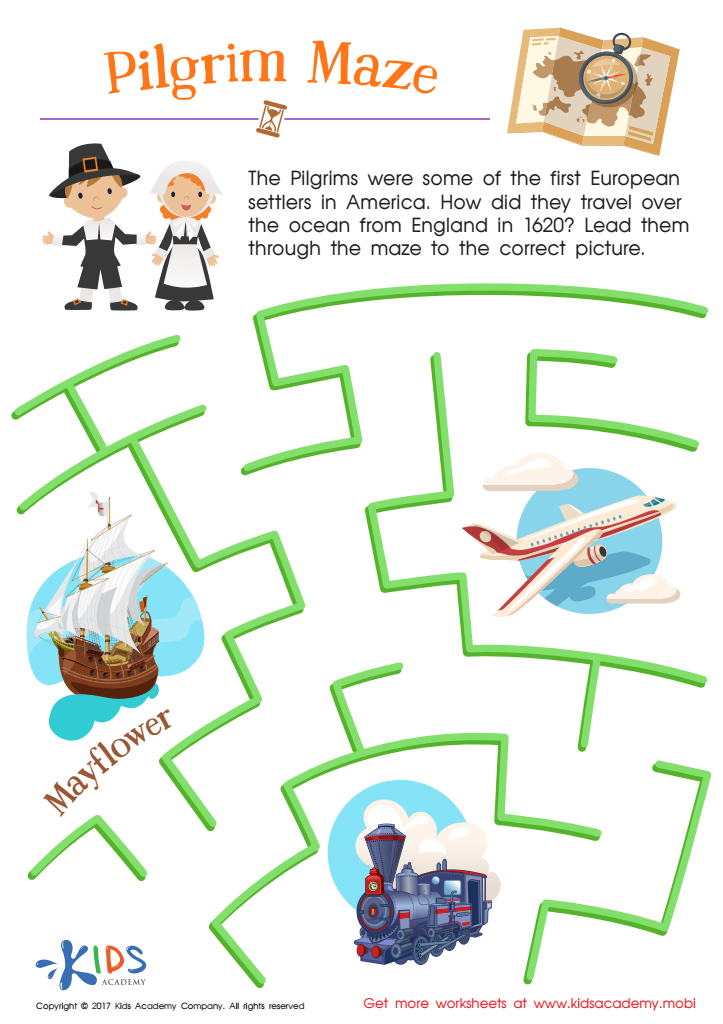
Pilgrim Maze Worksheet
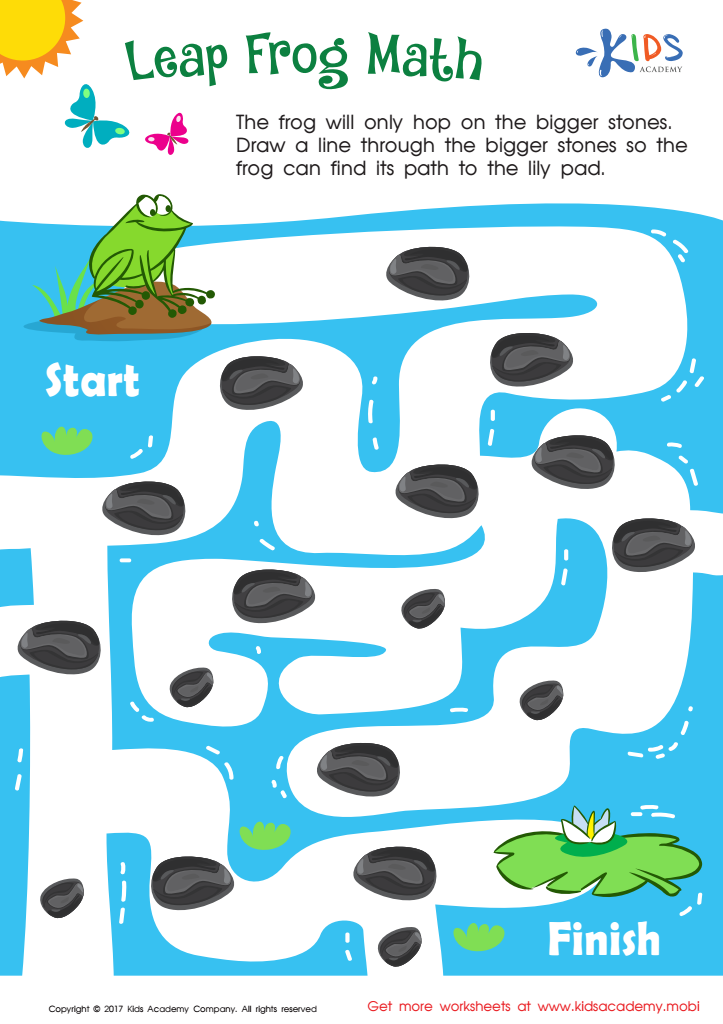
Math Puzzle Worksheet
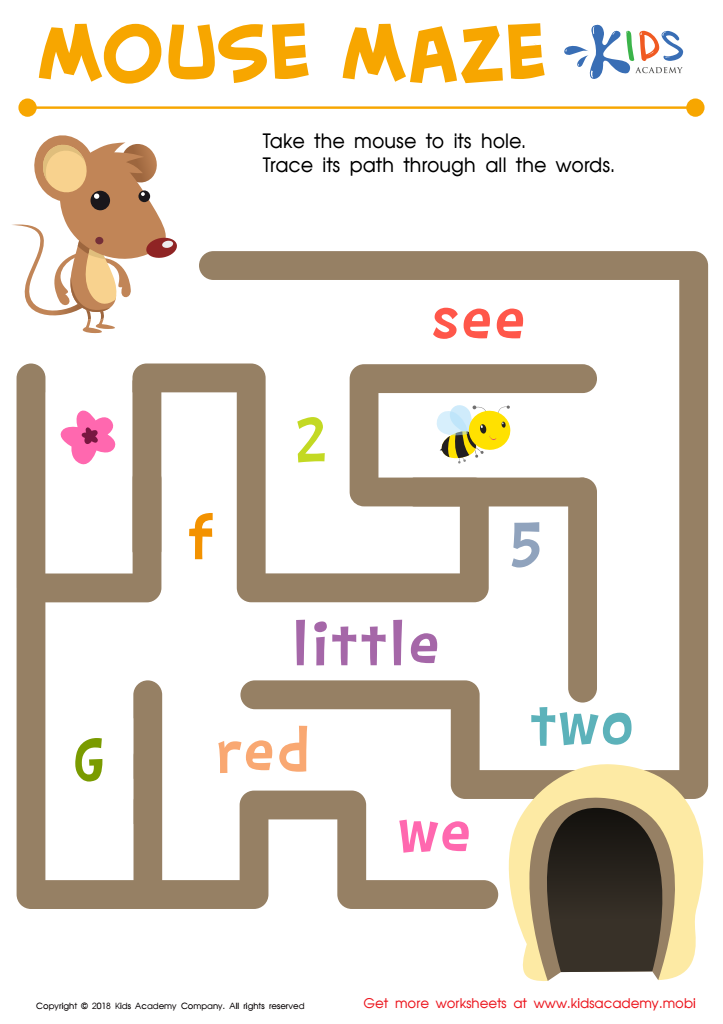
Find Words Mouse Maze Worksheet
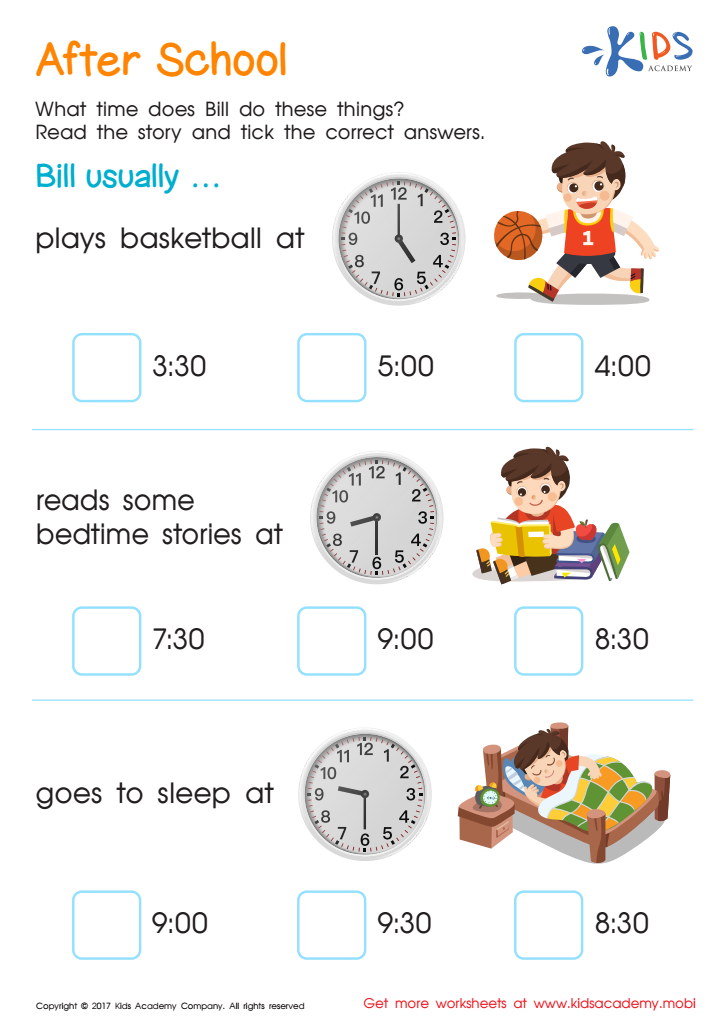
After School Time Printable
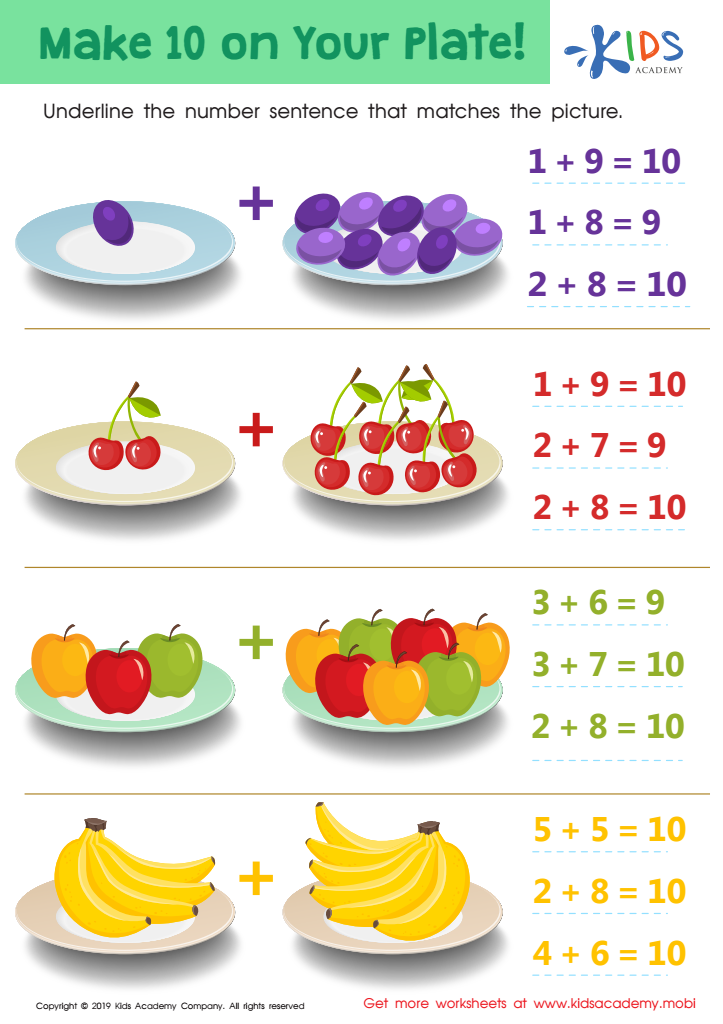
Make 10 on Your Plate! Worksheet
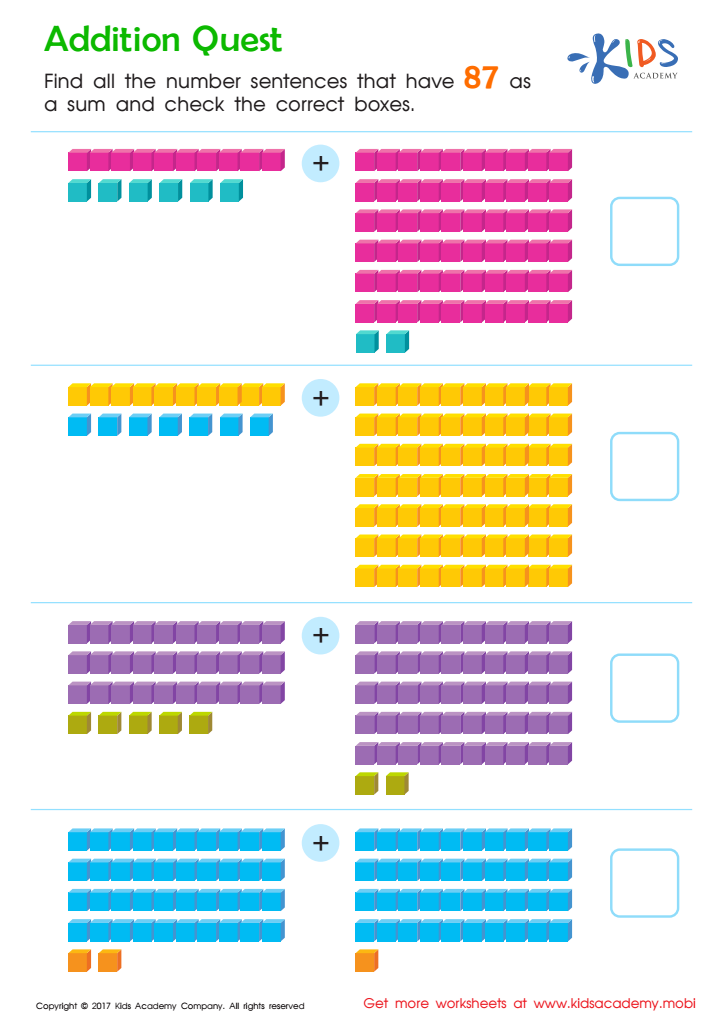
Addition Quest Worksheet: Part 1
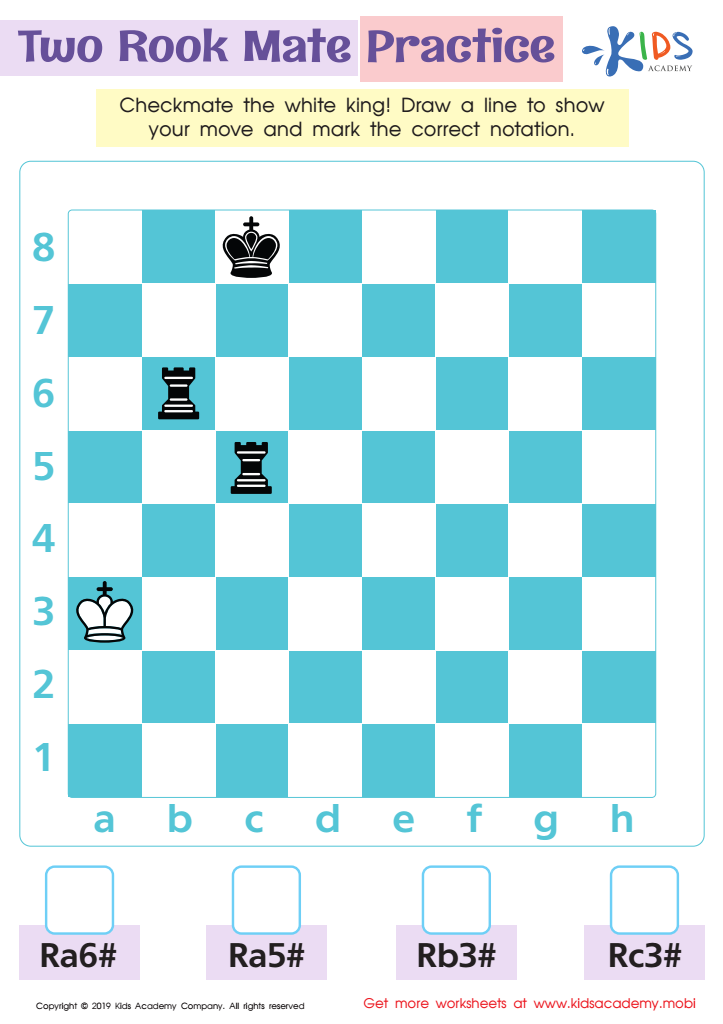
Two Rook Mate Practice Worksheet
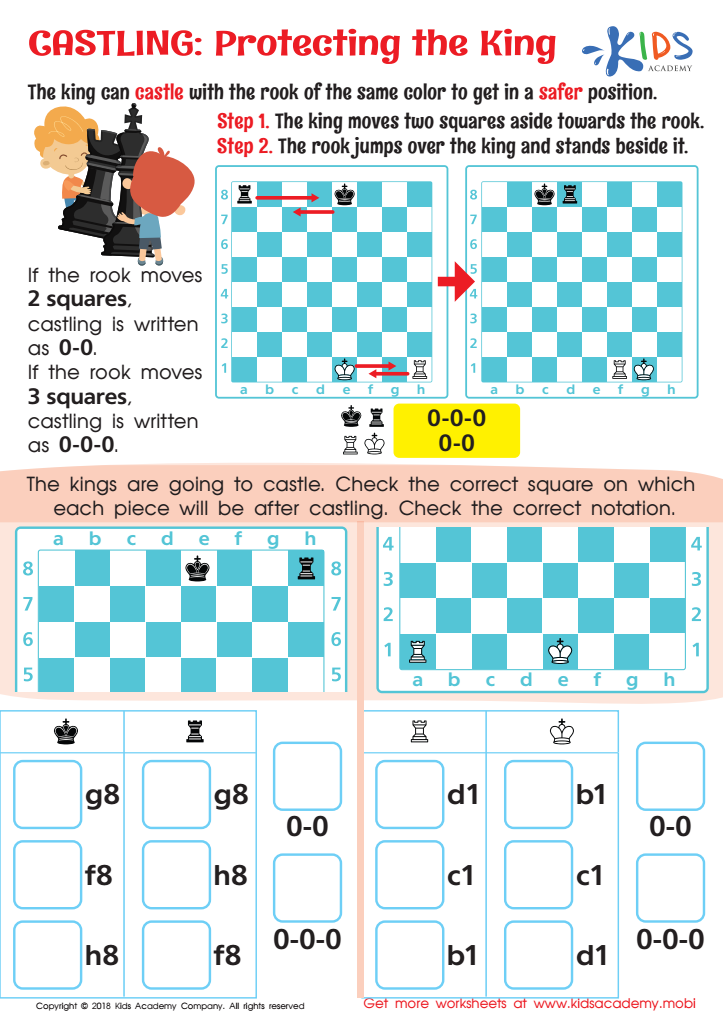
Castling: Protecting the King Worksheet
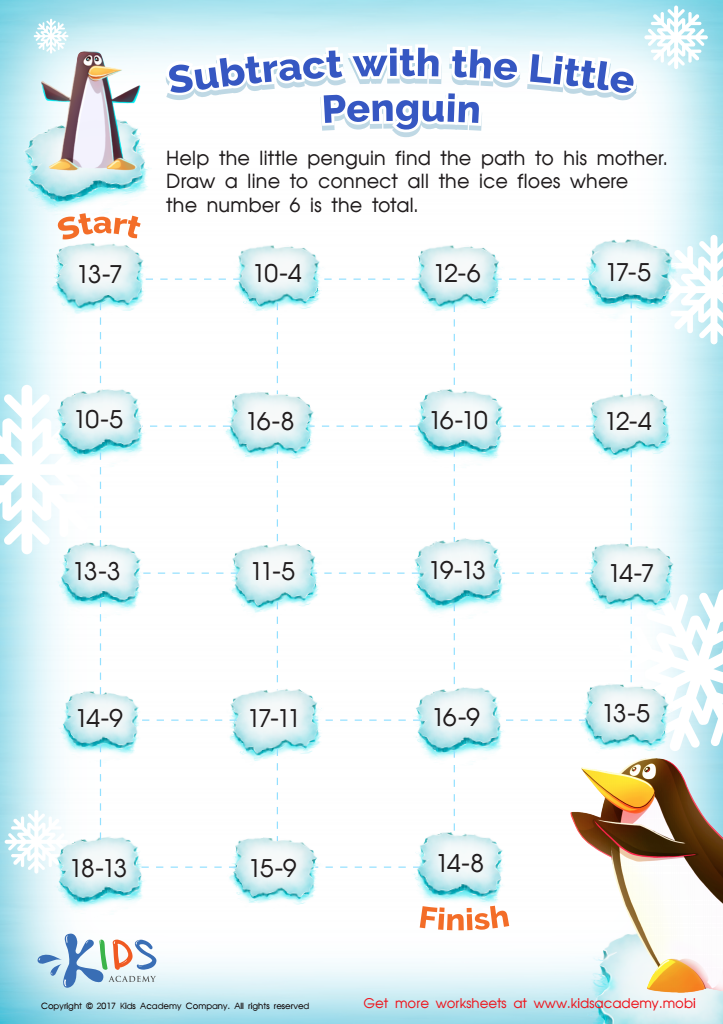
Subtract With The Little Penguin Substraction Worksheet
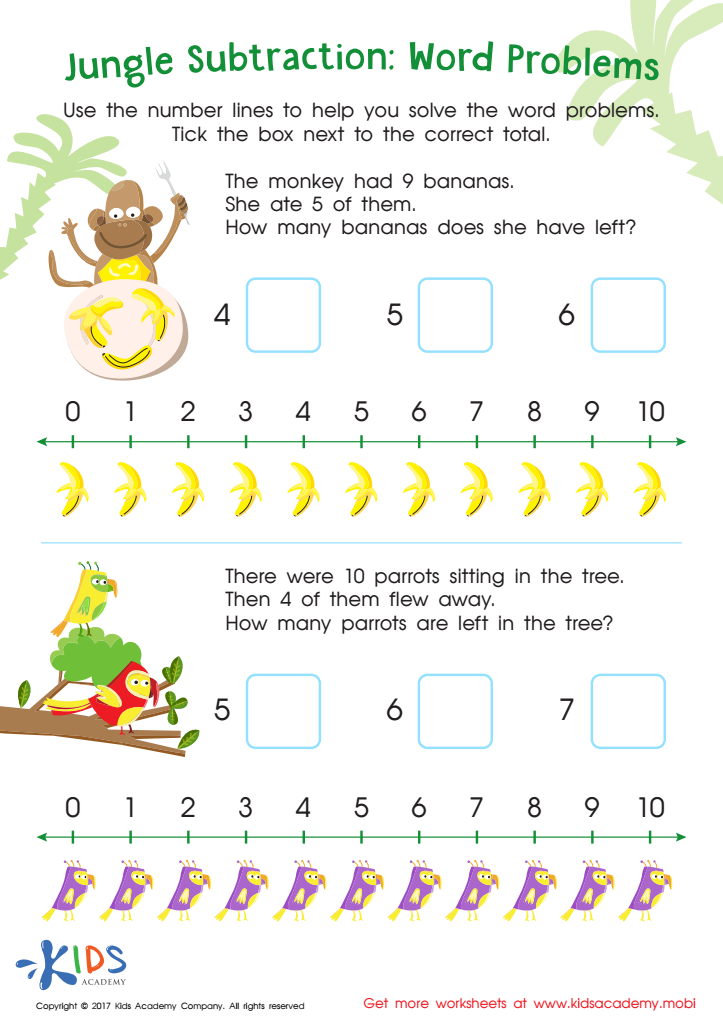
Jungle Subtraction Word Problems Substraction Worksheet
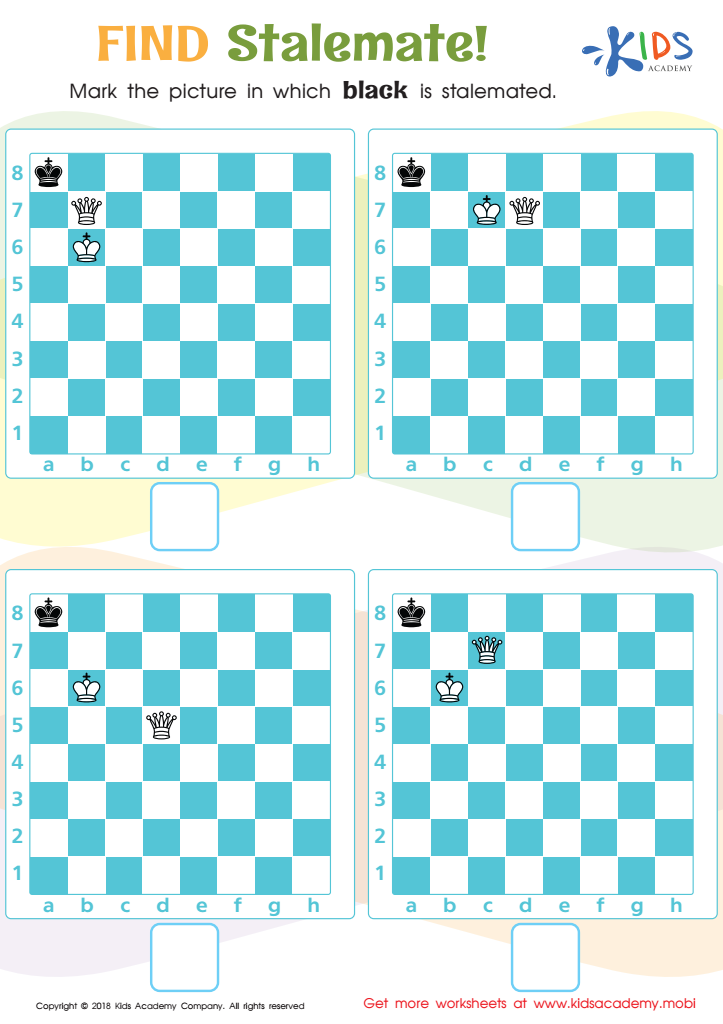
Find Stalemate! Worksheet
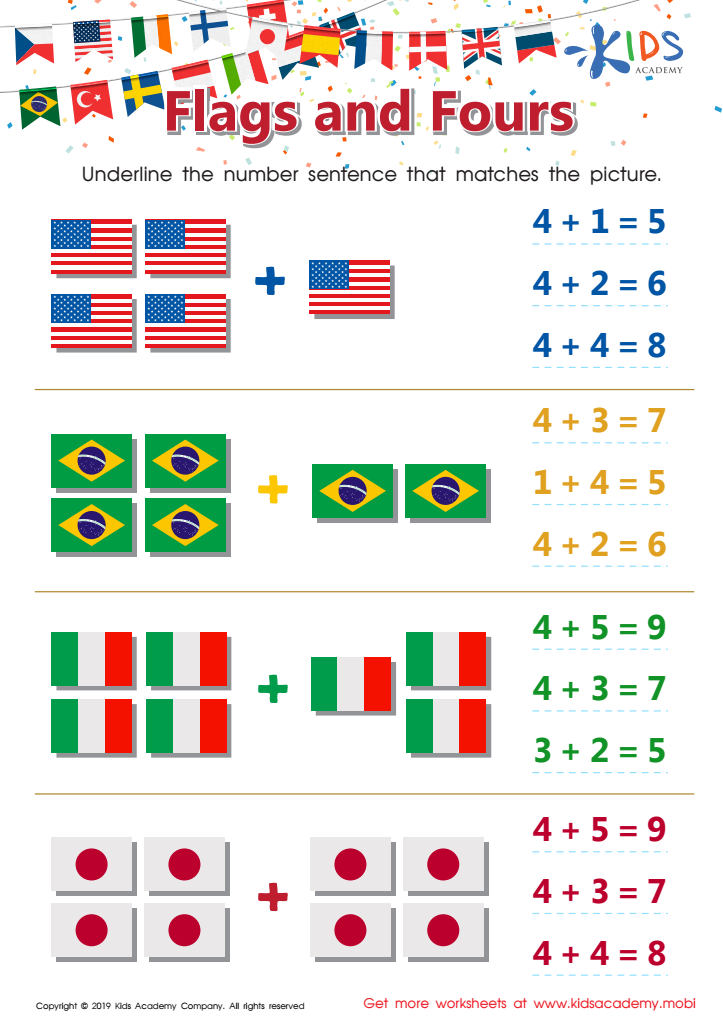
Flags and Fours Worksheet








Developing problem-solving skills in young children aged 3-6 is crucial for their cognitive, social, and emotional growth. These skills help children learn how to approach challenges independently and foster critical thinking from an early age. By engaging in problem-solving extra challenges, children are encouraged to think creatively and analytically, which builds a solid foundation for their future academic success.
Parents and teachers play a vital role in nurturing these skills. When children are faced with problems, they learn to explore various solutions, weigh options, and understand that setbacks are part of the learning process. This enhances resilience, allowing them to tackle obstacles with confidence. Moreover, problem-solving activities often involve collaboration, promoting social skills such as communication, sharing, and empathy.
Encouraging problem-solving in early childhood helps develop a growth mindset, which teaches children that their abilities can improve with effort and practice. It prepares them not just for school but for life. By prioritizing these activities, parents and teachers empower children to become independent thinkers and effective collaborators in the future. Investing time in these extra challenges equals investing in children’s overall development, equipping them to face an increasingly complex world.








