
Vocabulary Building Extra Challenge Worksheets for Ages 3-6
16 filtered results
Difficulty Level
Grade
Age
-
From - To
Subject
Activity
Standards
Explore our "Vocabulary Building Extra Challenge Worksheets" designed for young learners aged 3-6! These engaging and interactive worksheets are crafted to enhance vocabulary development through playful activities. Each worksheet encourages children to identify, match, and use new words in context, fostering language skills while making learning fun. Our resources cater to various learning styles, ensuring every child can enjoy and benefit from vocabulary enrichment. Perfect for parents, teachers, or anyone looking to support early literacy, these worksheets create a solid foundation for communication skills that will last a lifetime. Unlock your child's potential with our exciting vocabulary challenges today!
Favorites
With answer key
Interactive
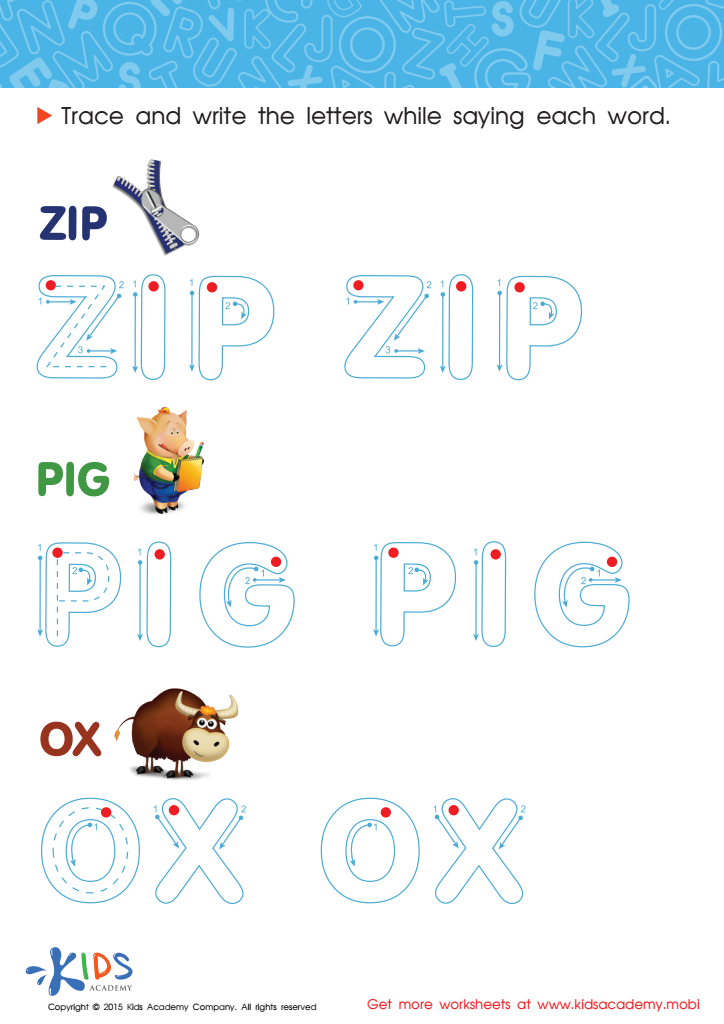
A Zip, a Pig and an Ox Spelling Worksheet
Check out this vocabulary building worksheet with three new words. Learn to say them, then trace and write them. Have fun with Kids Academy's writing practice worksheets and build your vocab! Do the tasks with care.
 Assign to My Students
A Zip, a Pig and an Ox Spelling Worksheet
Worksheet
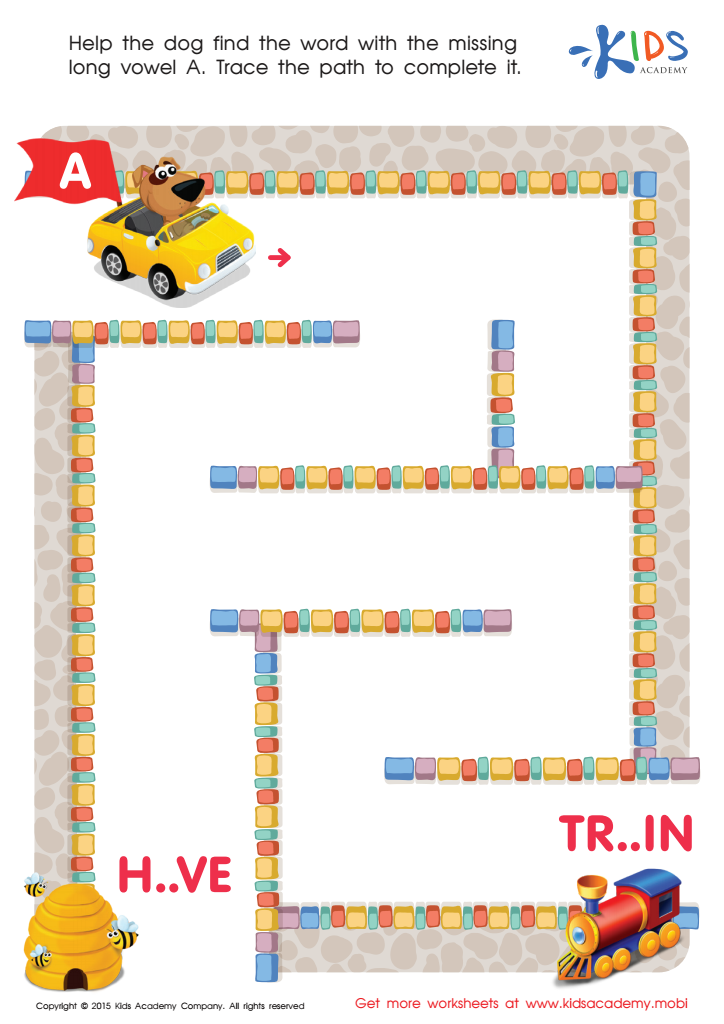
Long Vowel Sound A Worksheet
Teach your young learner about the long vowel A with this colorful free printable phonics worksheet. The long vowel A says its name while the short vowel A does not. Complete the worksheet by tracing the root to the toy train and helping the dog by filling in the missing letter A. Have them practice writing and spelling with phonics while having fun!
Long Vowel Sound A Worksheet
Worksheet
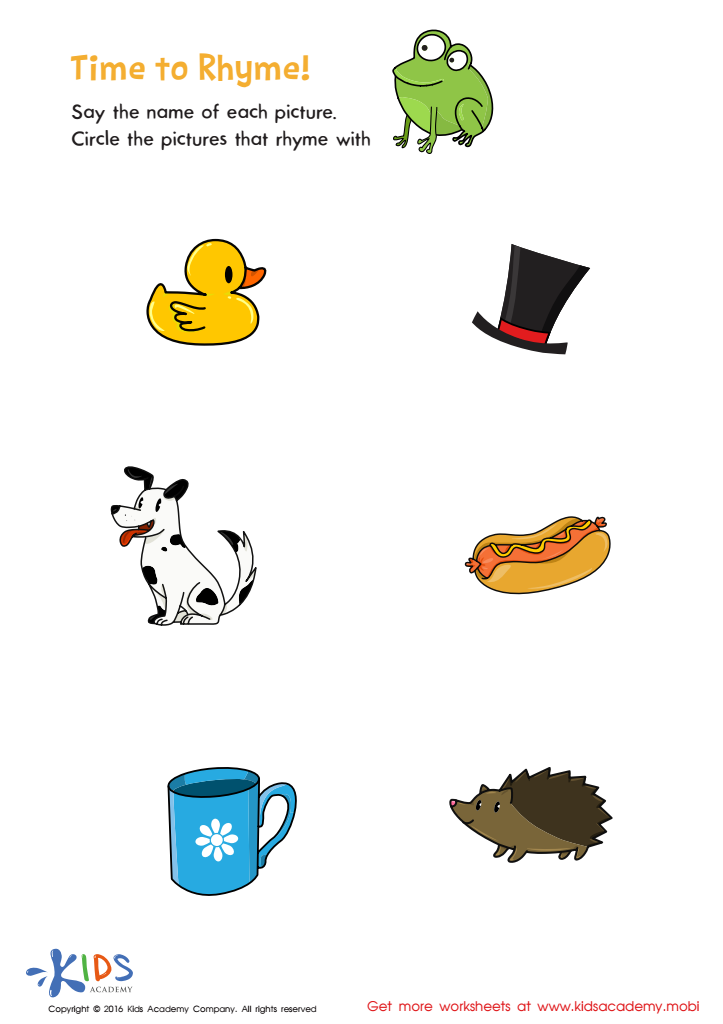
Rhyming Worksheet: Time to Rhyme Rhyming Worksheet
This worksheet offers learning, cognition and creative fun! It recognizes and identifies rhyming words, encourages mental tasks to improve focus and lets your child express their creativity through coloring. Writing the word for each picture adds to the fun and helps them identify rhyming words. Have them circle matching rhyming words for more coloring fun!
Rhyming Worksheet: Time to Rhyme Rhyming Worksheet
Worksheet
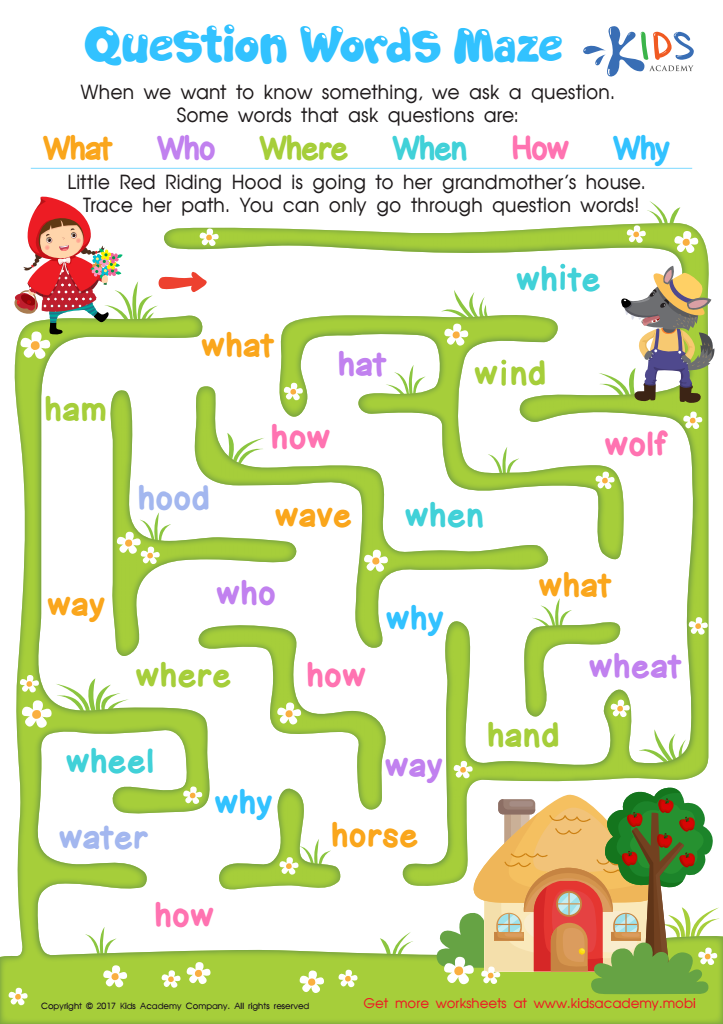
Question Words Maze Worksheet
Start each query with the right words: practice using the "who", "what", "where", "when" and "how" of questions in this fun maze. Guide Little Red Riding Hood away from the wolf and to her grandmother's house with a pencil, tracing a path through the question words only, leaving the wolf and other words behind.
Question Words Maze Worksheet
Worksheet
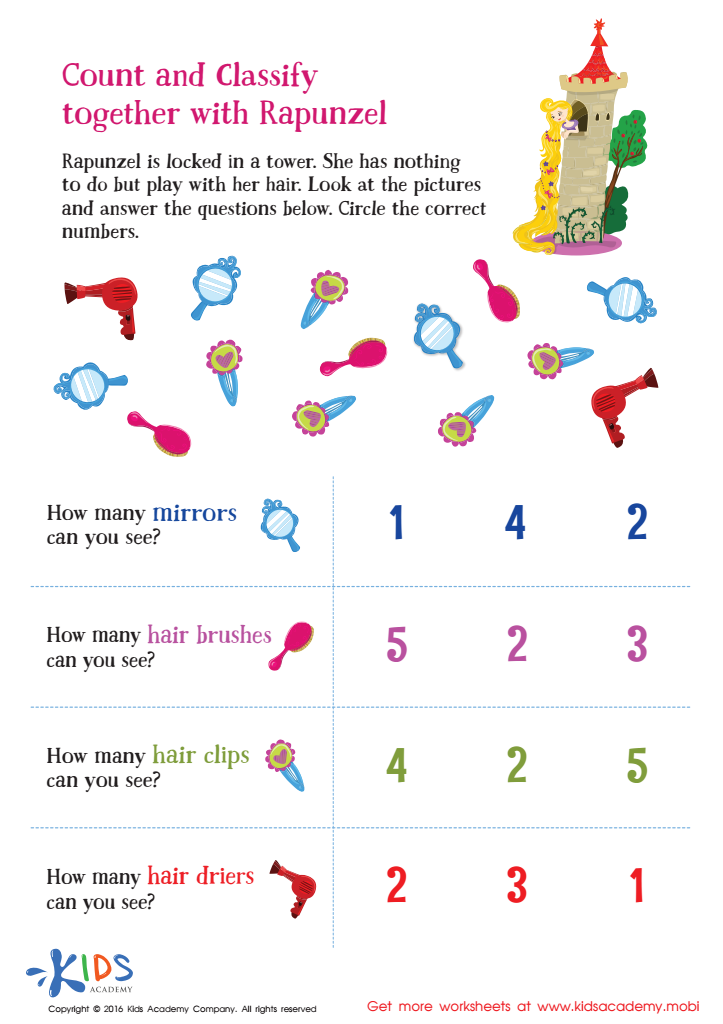
Fairy Tale Worksheet: Count and Classify with Rapunzel
Get printing and shine a light on your pre-math skills!
Fairy Tale Worksheet: Count and Classify with Rapunzel
Worksheet
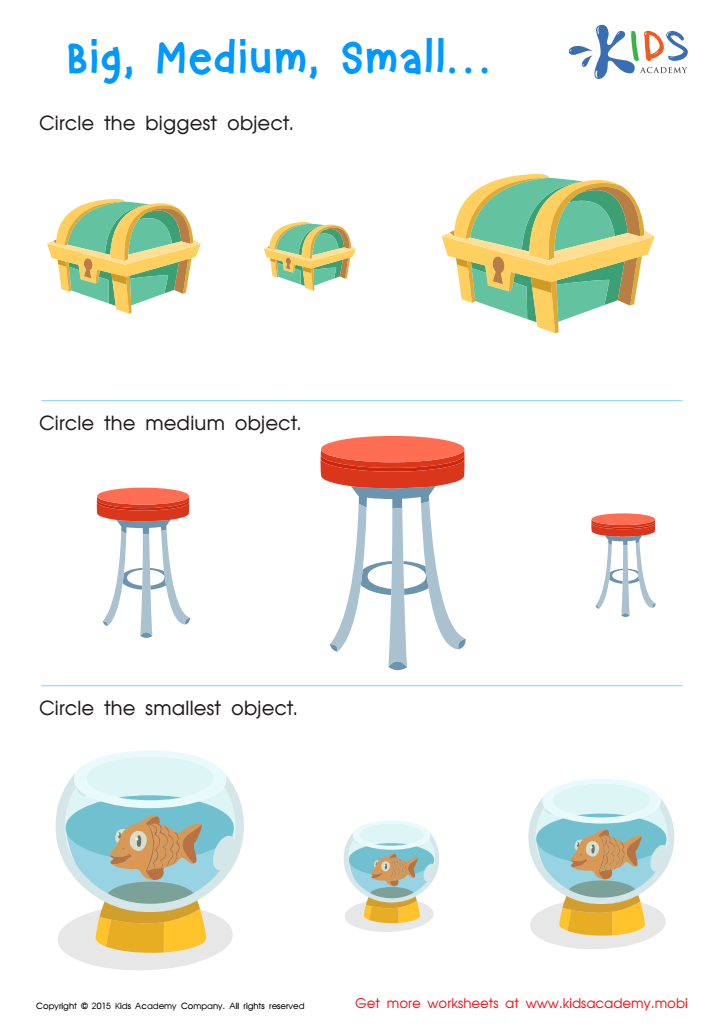
Big Medium Small Worksheet
Kids practice size words as they spot big, medium, and small objects. It's an entertaining way to help children describe the world around them.
Big Medium Small Worksheet
Worksheet
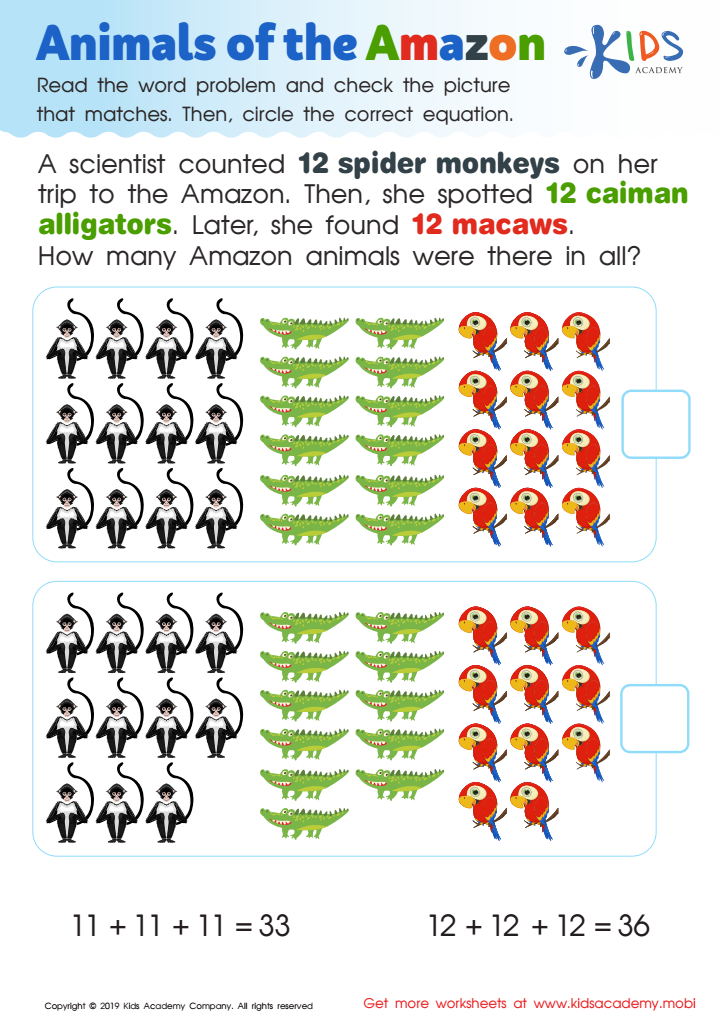
Animals of Amazon Worksheet
Kids will love exploring the Amazon while solving addition problems on this colorful PDF worksheet. They need to pay attention to the bolded info in each word problem to figure out the equation picture that matches. It's an exciting way to learn about the Amazon and practice adding multiple numbers!
Animals of Amazon Worksheet
Worksheet
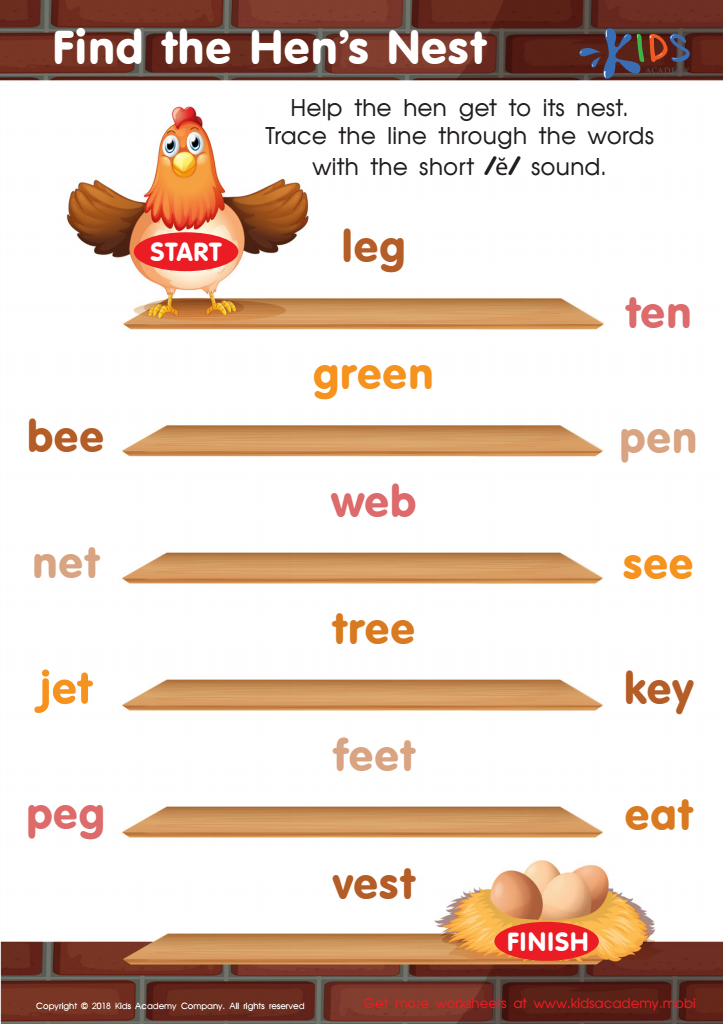
Find Hens Nest Reading Worksheet
Learning the short and long «e» sound can be tricky for kids just starting to learn the alphabet. Make it fun with this worksheet: it leads your kindergarten child to a hen's nest by following words with the short «e» sound. They'll be able to identify words with the sound by the end of the exercise.
Find Hens Nest Reading Worksheet
Worksheet
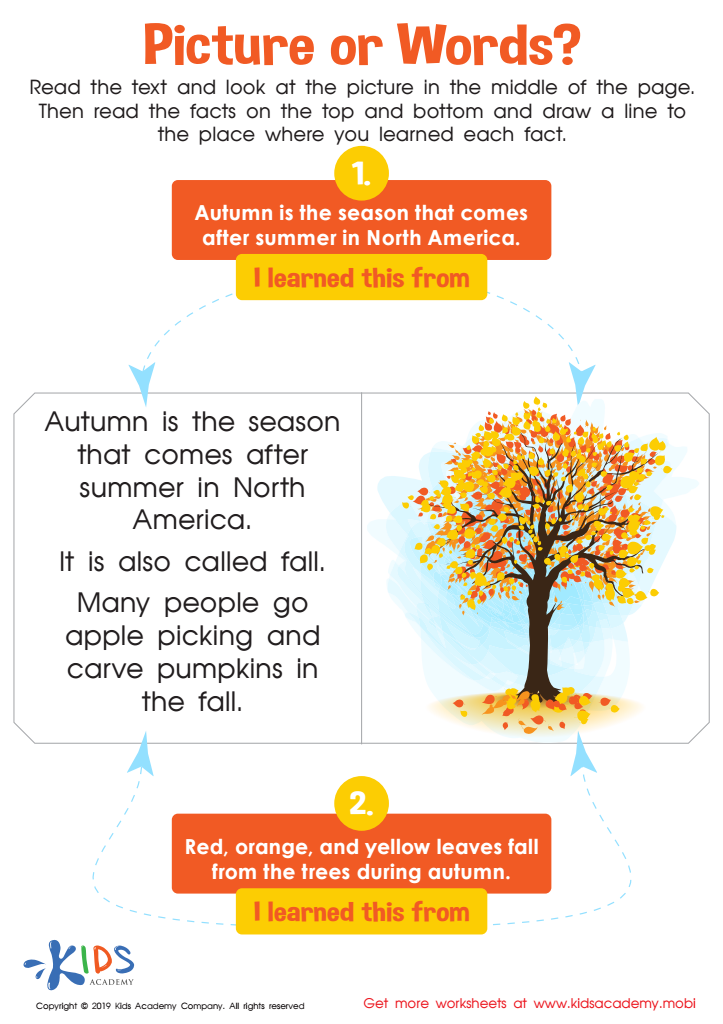
Picture Words Worksheet
Pictures are key for early reading skills. Remind children to use all resources when reading passages to understand meaning. With the free PDF, kids can learn through pictures & words, then answer questions based on what they learned. This hits home that all info in text is valuable, pics included!
Picture Words Worksheet
Worksheet
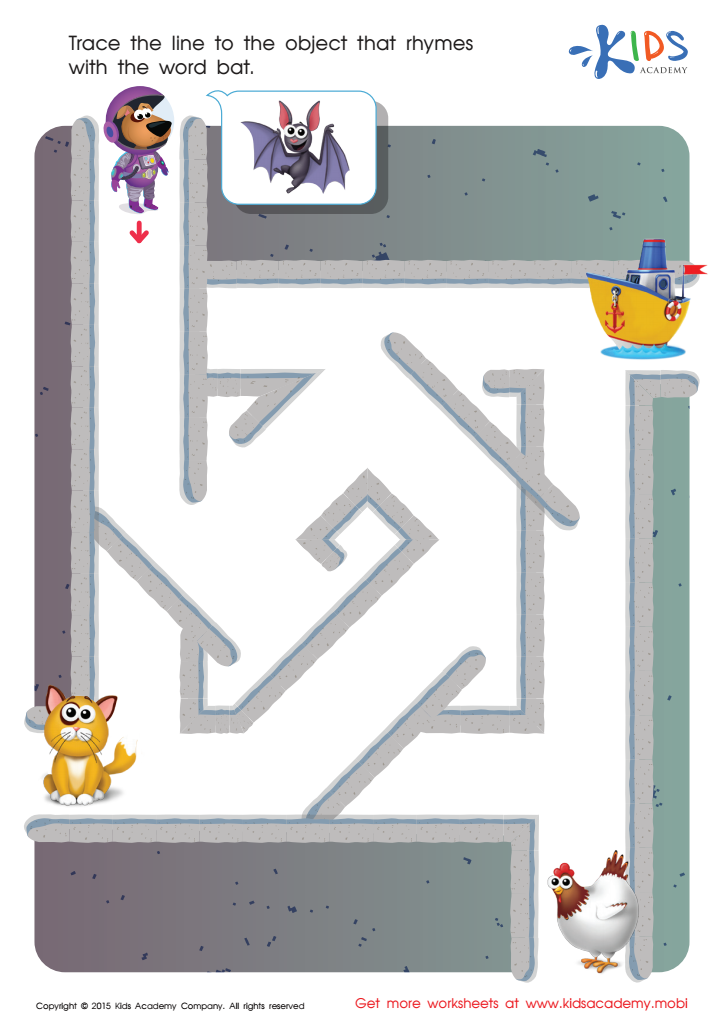
Bat Rhyming Words Worksheet
Get new reading and vocabulary worksheets to help make learning enjoyable for you and your kids. Join the dog and match the objects that rhyme. Have a blast!
Bat Rhyming Words Worksheet
Worksheet
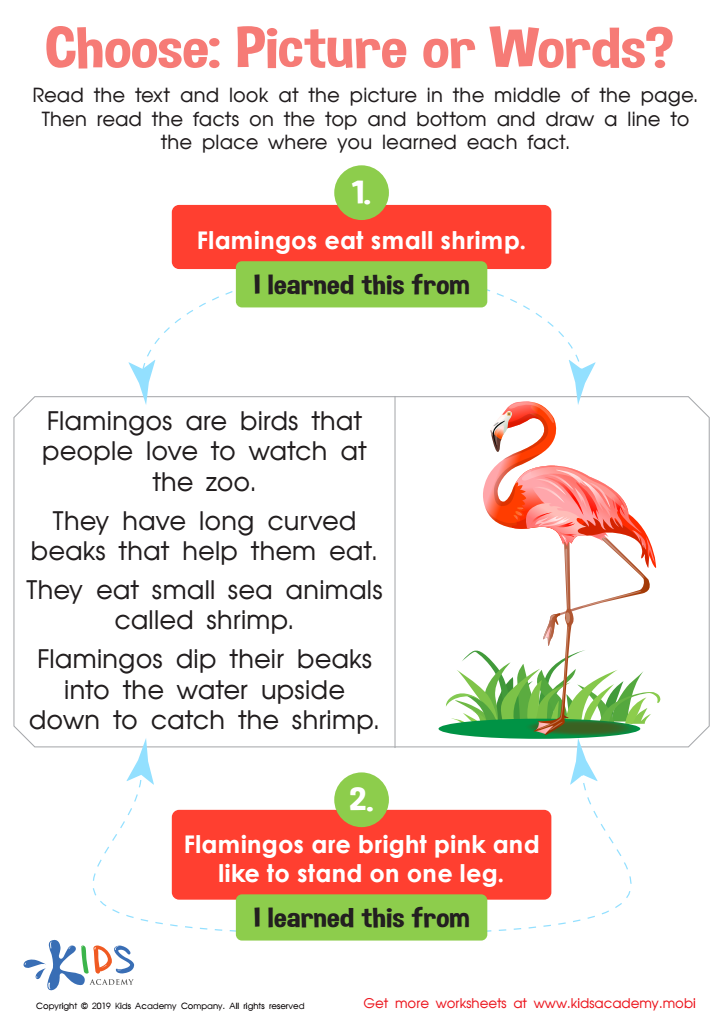
Choose Picture Words Worksheet
Pictures are powerful tools for children learning to read. Early readers apply their prior knowledge and pictures to create understanding. This PDF worksheet lets them understand the combined power of pictures and words, by having them choose one to answer how they learned the facts about flamingoes.
Choose Picture Words Worksheet
Worksheet
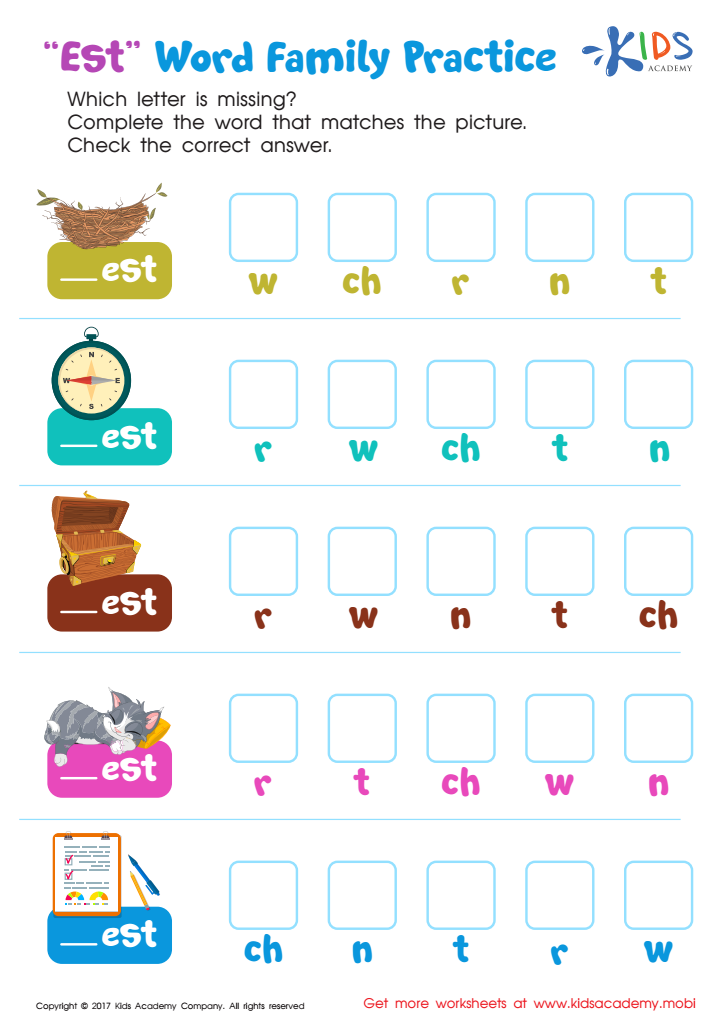
Words Family "est" Spelling Worksheet
Pictures are great for motivating kids as they learn. This spelling worksheet on words ending in "est" will help kids gain confidence and recognition in their spelling ability.
Words Family "est" Spelling Worksheet
Worksheet
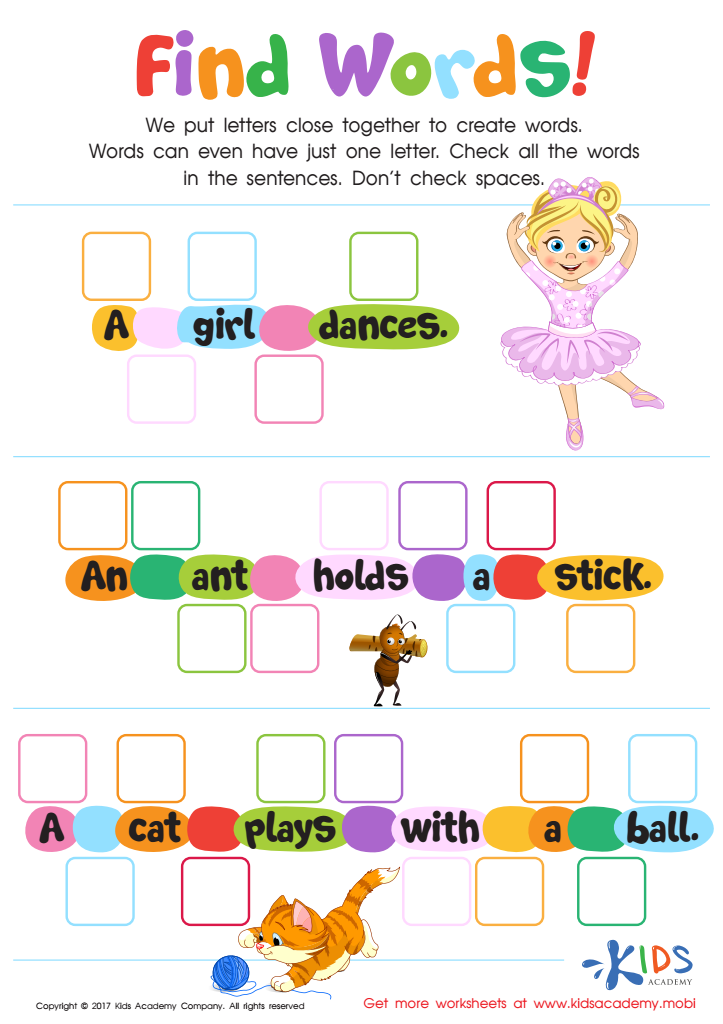
Find Words Worksheet
Help your little learner recognize that one letter words can be words too using this fun worksheet! As they work on it, they'll learn how to spot the gaps between words and become more familiar with written language. Download it now and get them started!
Find Words Worksheet
Worksheet
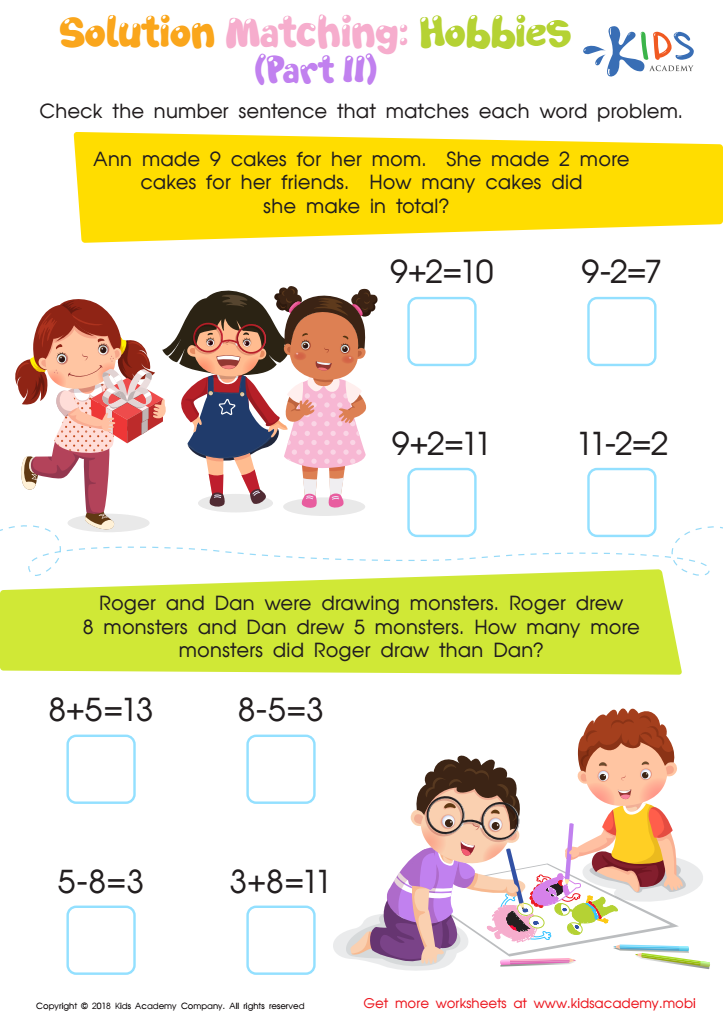
Solution Matching: Hobbies. Part 2 Worksheet
This fun printable worksheet has word problems featuring hobbies your children enjoy! With your child, read through each problem, understanding the numbers and key phrases indicating addition or subtraction. Then, match the correct equation with the solution by checking the box. Math problems are more enjoyable to solve when they’re realistic and engaging!
Solution Matching: Hobbies. Part 2 Worksheet
Worksheet
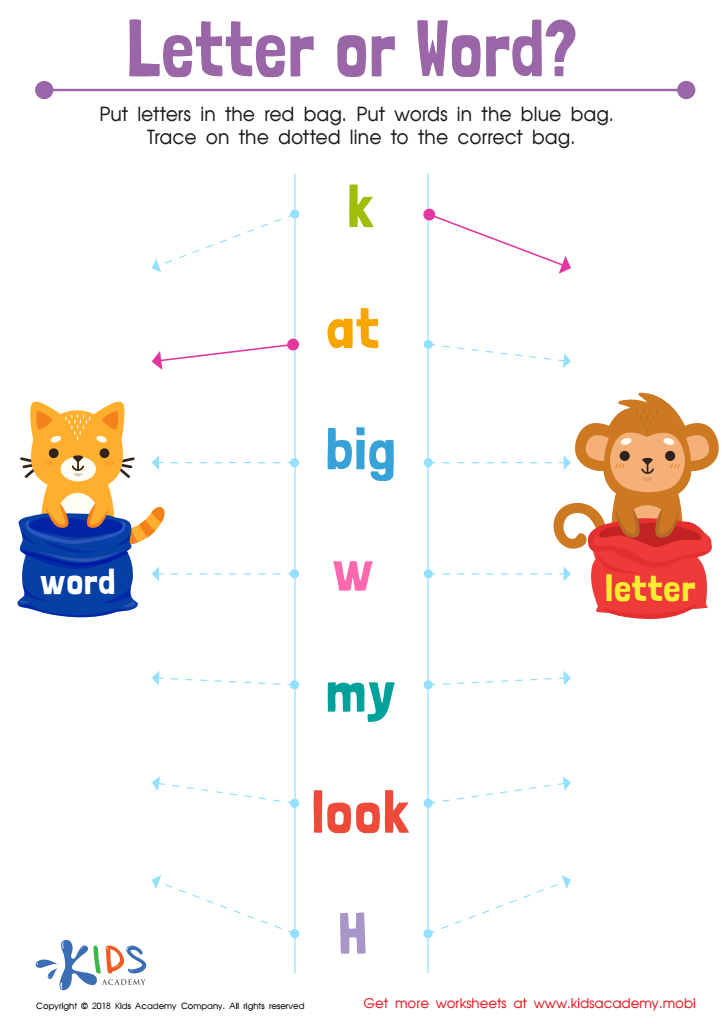
Letter or Word? Worksheet
Help your kids differentiate between words and letters. If they can recite their alphabets and identify common words, this tracing sheet will be a breeze. Have them trace on the dotted lines to place the letters in the red bag with the kitten, and the words in the blue bag with the monkey.
Letter or Word? Worksheet
Worksheet
Join Kids Academy for Free
Who is primarily going to use this learning content?




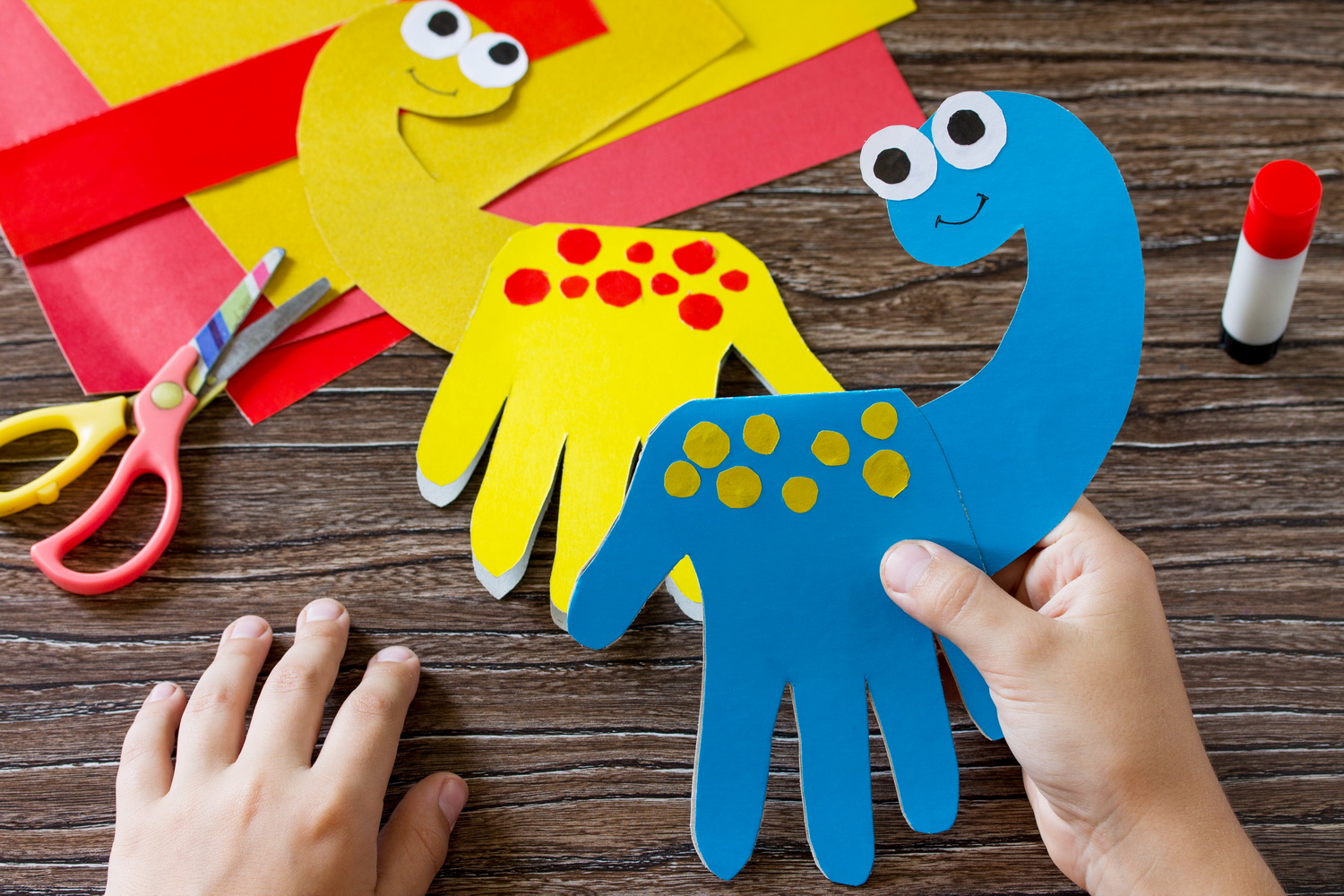


Vocabulary building is a crucial aspect of early childhood development, especially for children ages 3-6. During these formative years, children are rapidly acquiring language skills, and expanding their vocabulary is fundamental to their overall cognitive and social development. Engaging in a Vocabulary Building Extra Challenge can significantly benefit both learners and educators.
First, a rich vocabulary enhances reading comprehension and writing abilities, setting the stage for academic success in later years. When children learn new words and their meanings, they become better equipped to express their thoughts, emotions, and ideas clearly and creatively.
Second, vocabulary influences social interactions. A well-rounded vocabulary allows young children to communicate effectively with peers and adults, fostering collaboration and relationship-building skills.
Additionally, vocabulary activities often encourage exploration and play, making learning enjoyable and interactive. This keeps children engaged and motivated in their educational journey, laying a strong foundation for lifelong learning.
For parents and teachers, participating in challenges enriches home and classroom experiences. It provides opportunities for structured learning and play together, reinforcing a sense of community and support, essential for nurturing a positive learning environment. By focusing on vocabulary building, caregivers can cultivate confident communicators ready to tackle life's challenges.








