Extra Challenge Matching Worksheets for Ages 3-6 - Page 2
28 filtered results
-
From - To
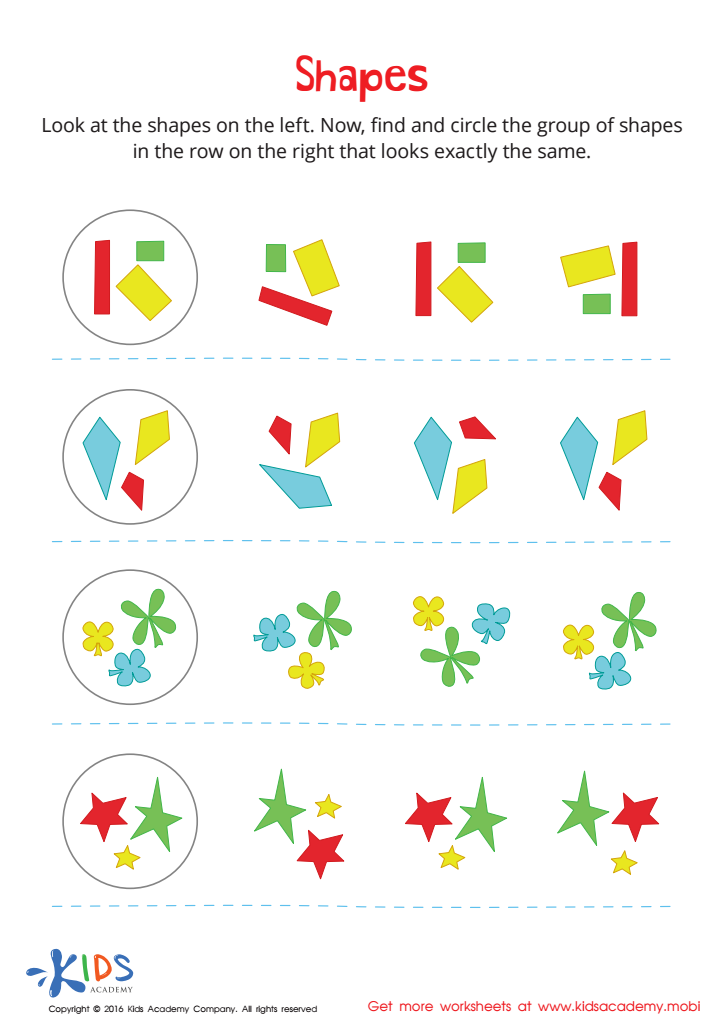
Shapes Worksheet
 Assign to My Students
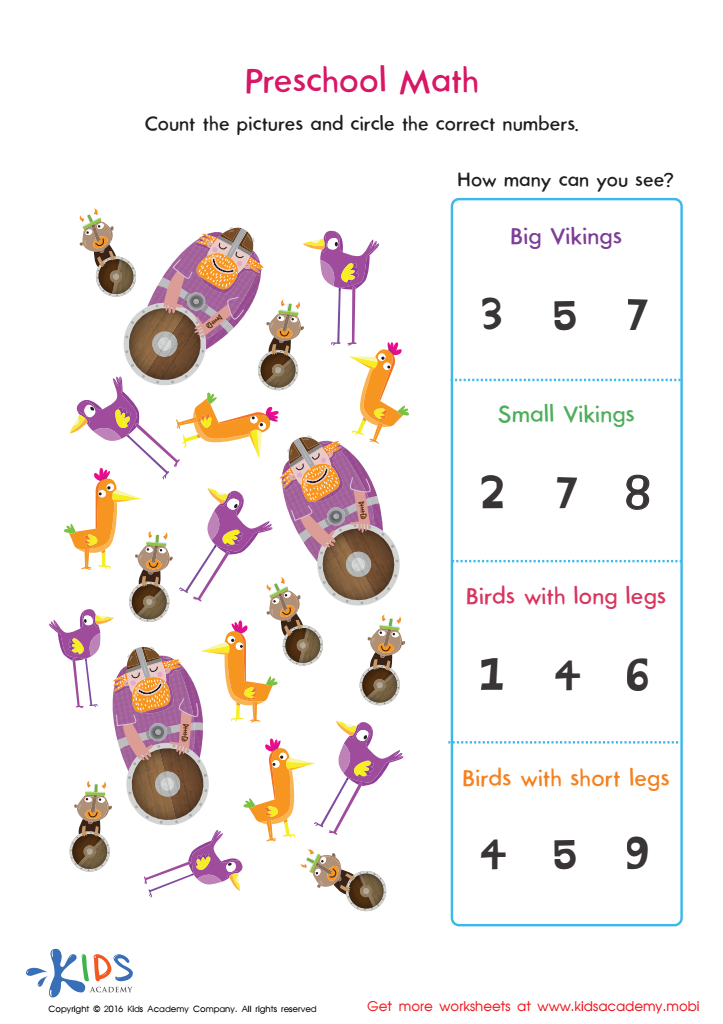
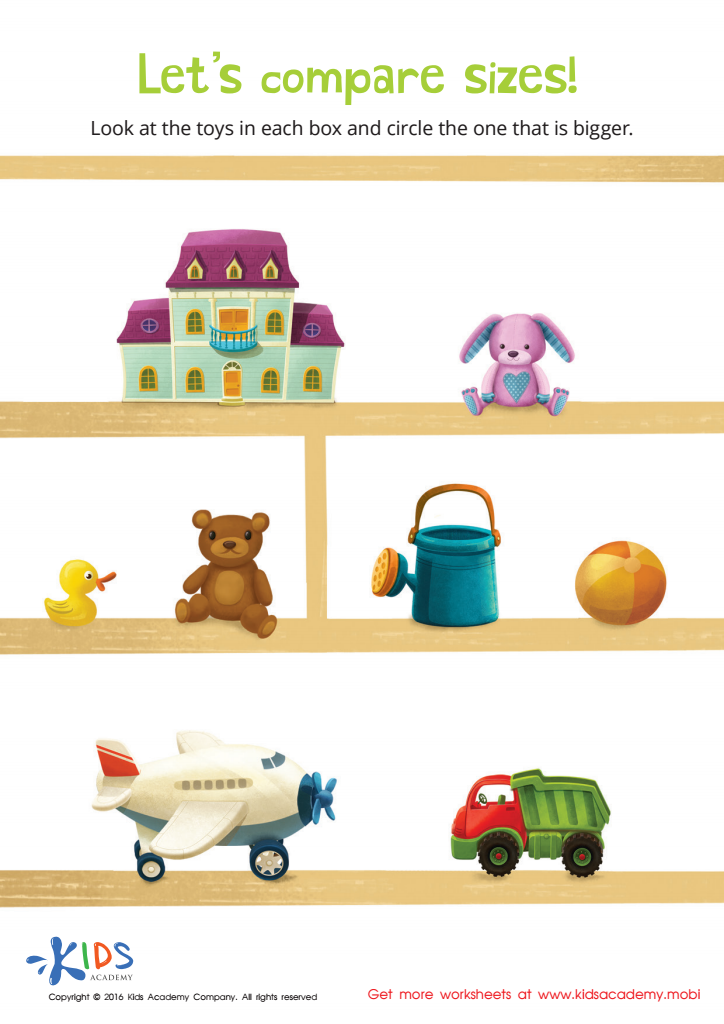
Classifying by Size Sorting Worksheet
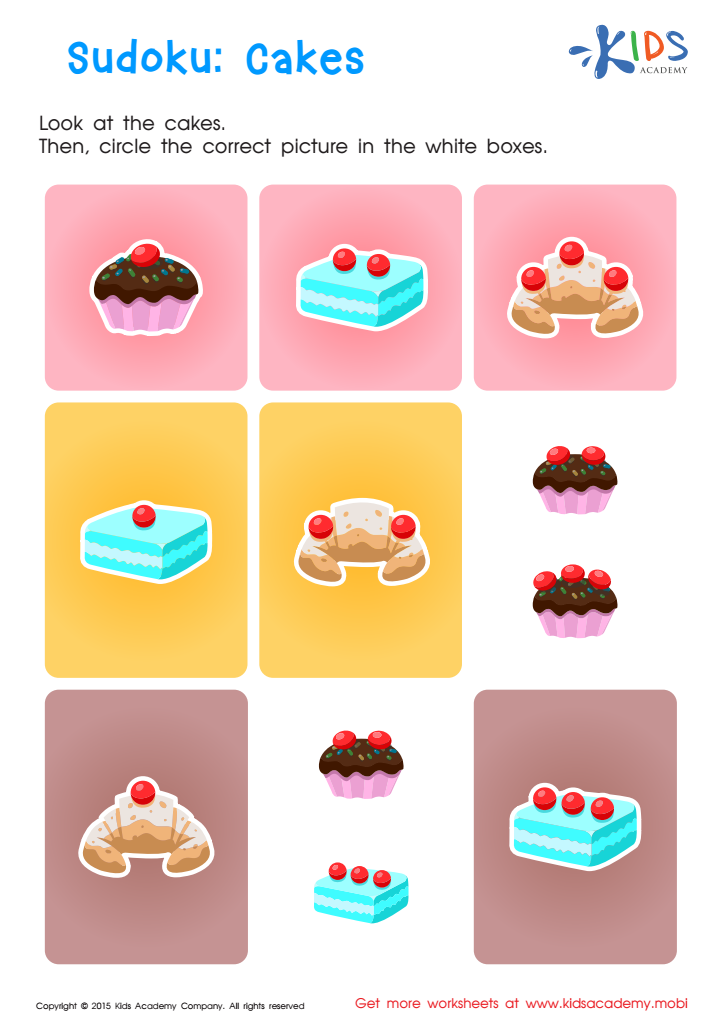
Sudoku Worksheet







Extra Challenge Matching activities are essential for children ages 3 to 6 because they play a critical role in developing foundational cognitive skills. These activities, which involve matching objects, shapes, colors, or patterns, engage young learners in critical thinking and problem-solving, enhancing their ability to recognize relationships and make connections.
For parents and teachers, ensuring that children participate in such activities aids in boosting memory retention and recall, as young learners need to remember the attributes of various items to match them correctly. This improves their short-term and working memory, which are crucial for learning new information.
Furthermore, matching exercises help develop fine motor skills and hand-eye coordination. As children manipulate objects to find matches, they refine their control over hand movements, a fundamental skill for writing and other tasks.
Matching also introduces early math concepts, such as categorizing and organizing, laying a foundation for more complex mathematical reasoning. Activities often promote language development too, as they encourage children to describe what they see and why certain items go together, enriching their vocabulary and understanding of descriptive terms.
Finally, incorporating matching challenges fosters positive social interactions. Children learn to take turns, share materials, and work collaboratively, boosting their socialization skills. Engaging children in Extra Challenge Matching thus supports holistic developmental growth, making it a vital early education tool.