Color recognition Extra Challenge Worksheets for Ages 3-7
10 filtered results
-
From - To
Enhance your child's color recognition skills with our engaging "Color Recognition Extra Challenge Worksheets" for ages 3-7. Designed to boost learning through play, these printable worksheets offer advanced exercises that help children identify, match, and differentiate colors with ease. Our activities are crafted to stimulate young minds, encouraging critical thinking and fine motor skills development. Perfect for parents and teachers looking for effective educational tools, these worksheets provide a fun, challenging way to reinforce color knowledge, preparing children for future learning success. Download them today to add an extra layer of excitement to your child’s educational journey.
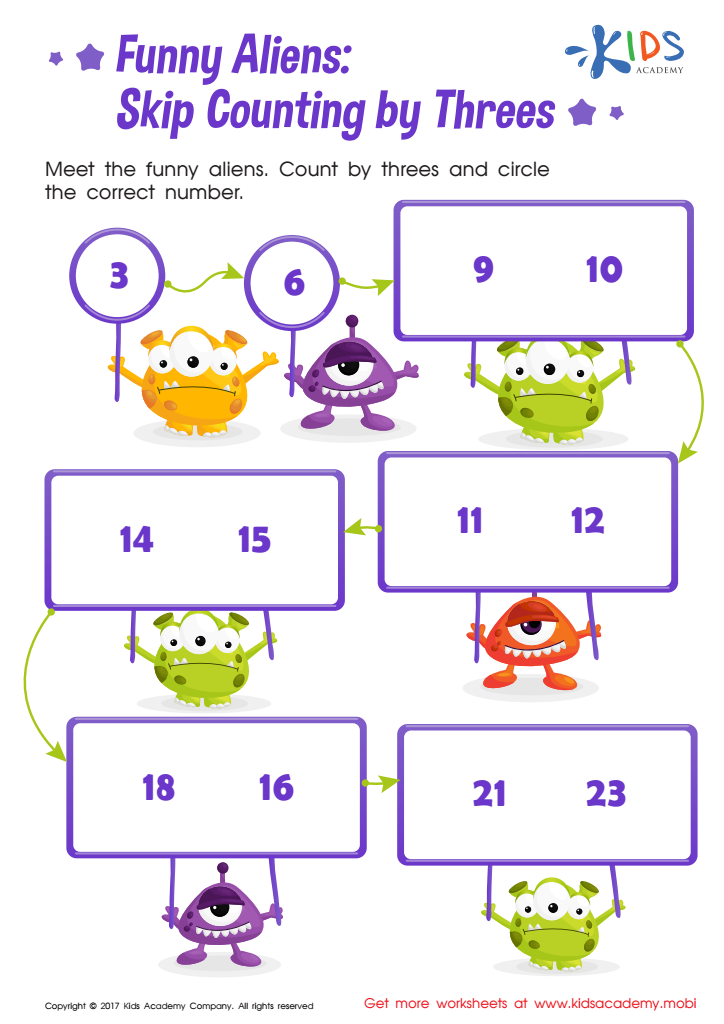
Skip Counting by 3s: Funny Aliens Printable
The Netherlands Printable
 Assign to My Students
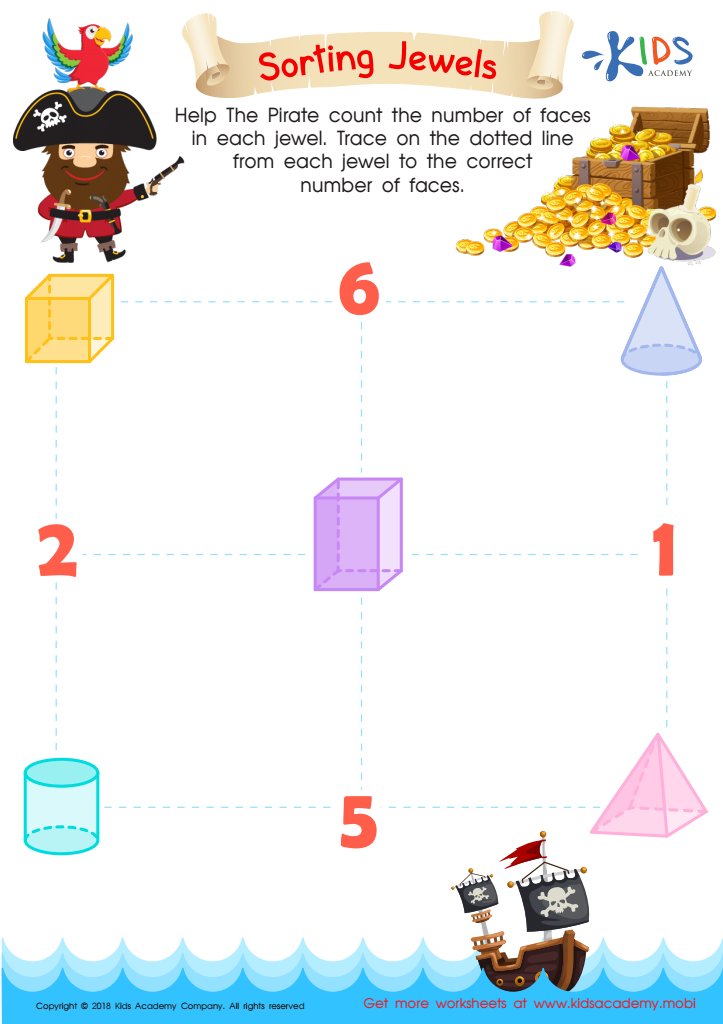
Sorting Jewels Worksheet
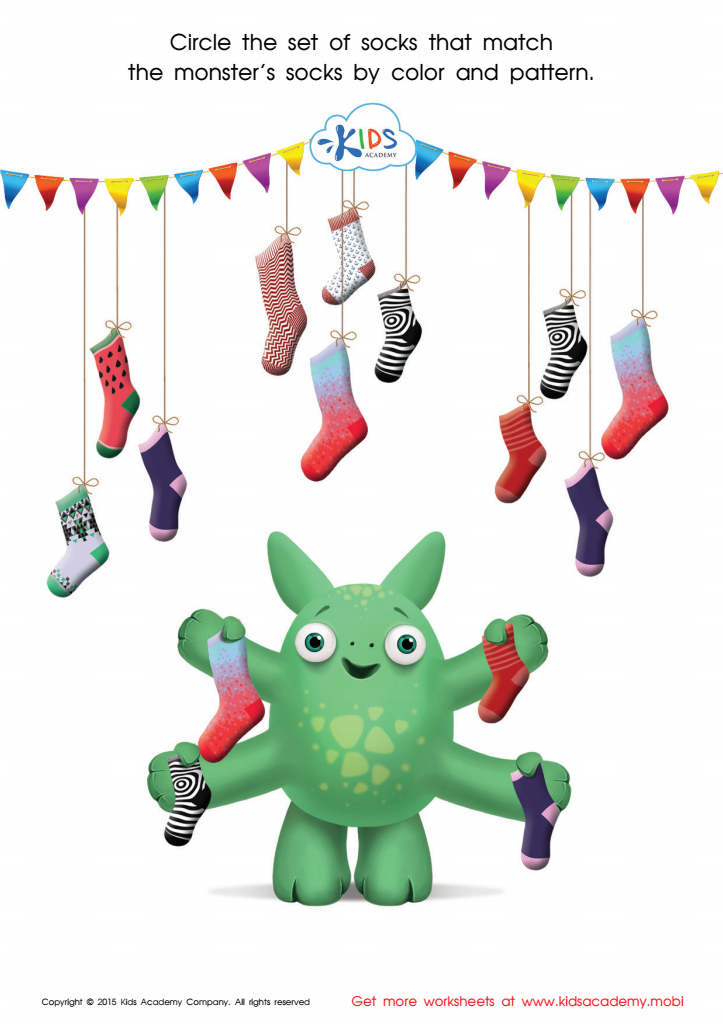
Sort the Monster's Socks Worksheet
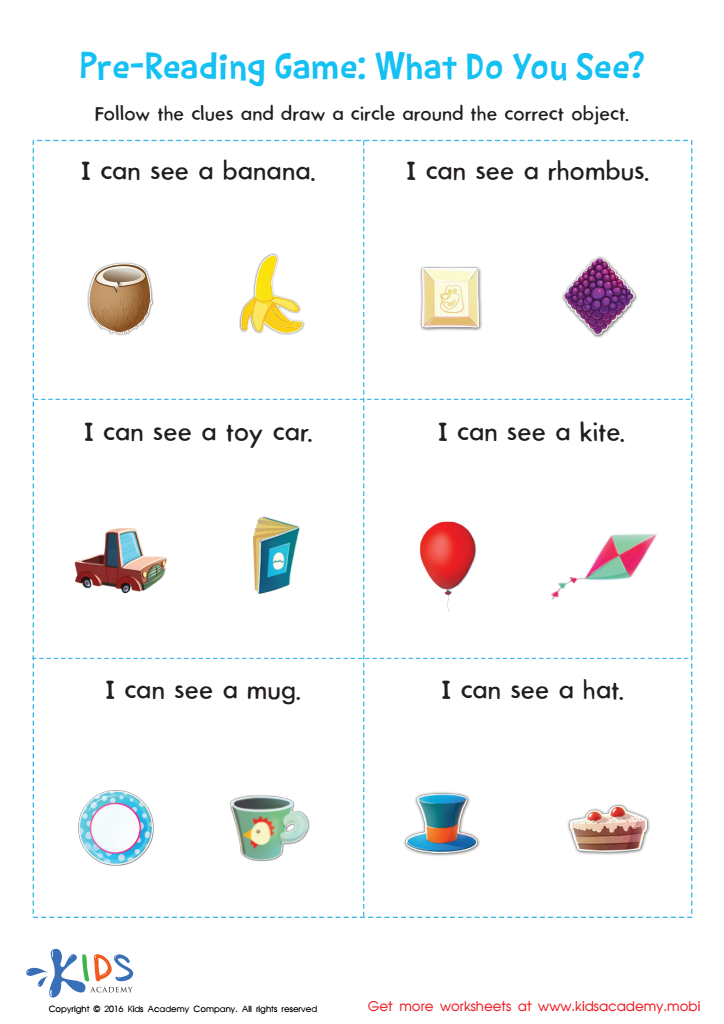
Pre–reading Worksheet: What Do You See?

Santa Claus Tracing Winter Words Worksheet
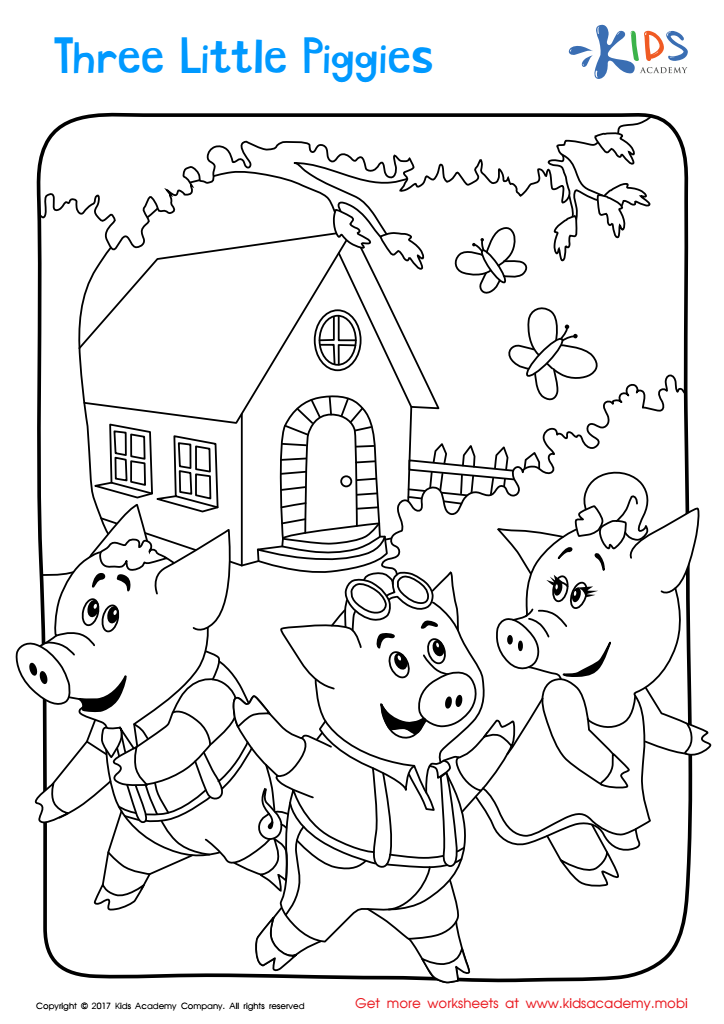
Three Little Piggies Printable Coloring Page
Assign to My Students
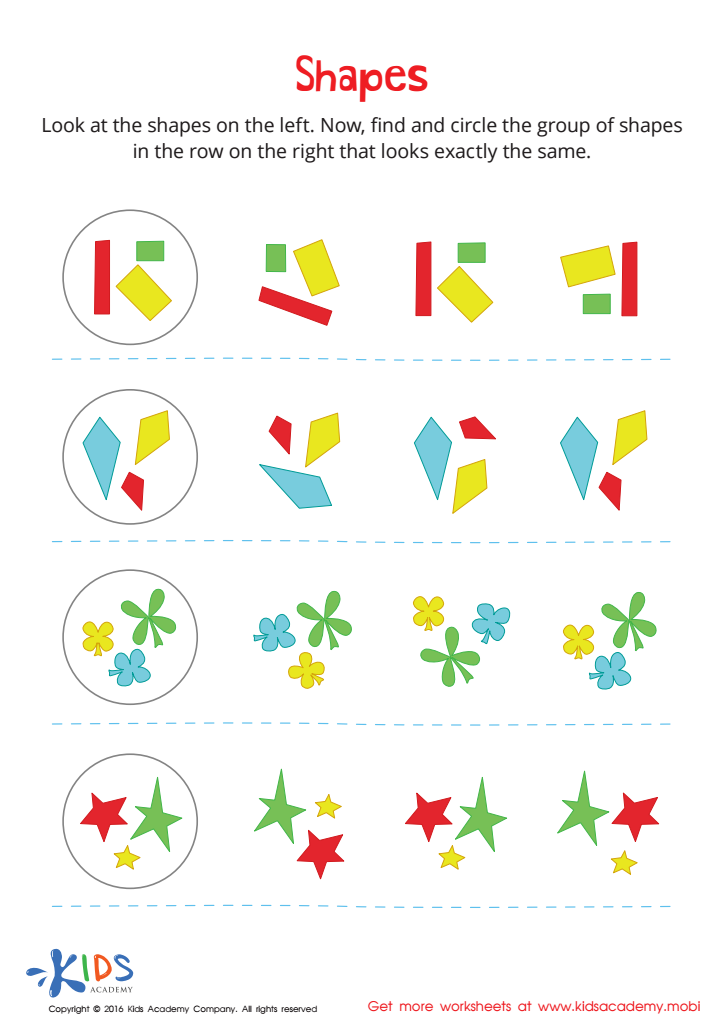
Shapes Worksheet
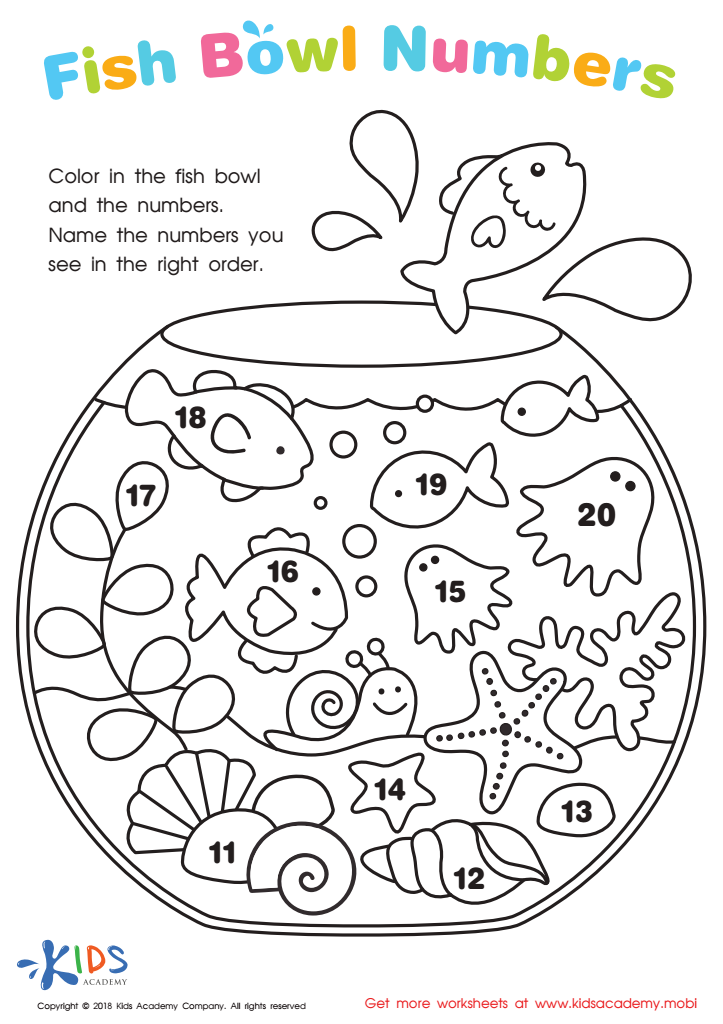
Fish Bowl Numbers Worksheet
Assign to My Students
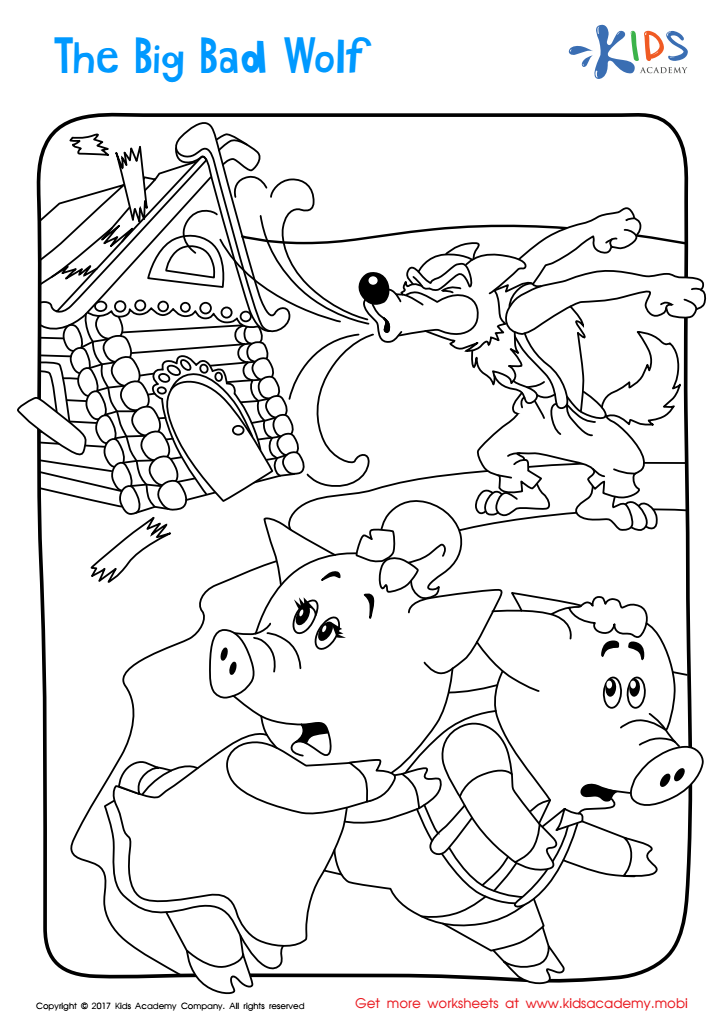
Big Bad Wolf Printable Coloring Page
Assign to My Students








Color recognition is a foundational skill for young children, typically developing between ages 3 and 7. This skill is not merely about identifying colors but serves as a significant building block for broader cognitive, linguistic, and motor skills. For parents and teachers, emphasizing color recognition through extra challenges is critical for several reasons.
Firstly, color recognition enhances vocabulary and communication skills. When children learn the names of different colors, they expand their descriptive language abilities. This helps them effectively describe objects, enhancing their spoken and written communication.
Secondly, incorporating colors into activities sharpens children's visual perception. Tasks like sorting objects by color improve attention to detail and discrimination skills, crucial for reading and math development. Parents and teachers can use everyday opportunities to emphasize colors, thereby strengthening children's observational skills.
Moreover, creative activities involving color recognition stimulate cognitive and artistic growth. Drawing, coloring, or crafting with various hues fosters creative expression and fine motor skills. Extra challenges such as mixing colors, identifying shades, or recognizing patterns promote problem-solving and analytical thinking.
Color recognition is integral to daily life, aiding in safety (like recognizing traffic signals) and scienctific understanding (observing plant colors, for example). For these reasons, incorporating extra color recognition challenges enriches early childhood development, laying a strong foundation for lifelong learning.








