Comparing Fractions Extra Challenge Worksheets for Ages 3-7
5 filtered results
-
From - To
Unlock your child's mathematical potential with our Comparing Fractions Extra Challenge Worksheets designed for ages 3-7! These engaging and age-appropriate worksheets help young learners develop essential fraction comparison skills in a fun and interactive way. Each worksheet includes colorful visuals and relatable examples, making the learning process enjoyable. Perfect for classroom activities or home learning, our challenges promote critical thinking and boost confidence in math. Whether your child is just starting to explore fractions or ready to take on a new level of difficulty, these worksheets will provide the perfect extra practice to enhance their understanding of fractions. Start the adventure today!
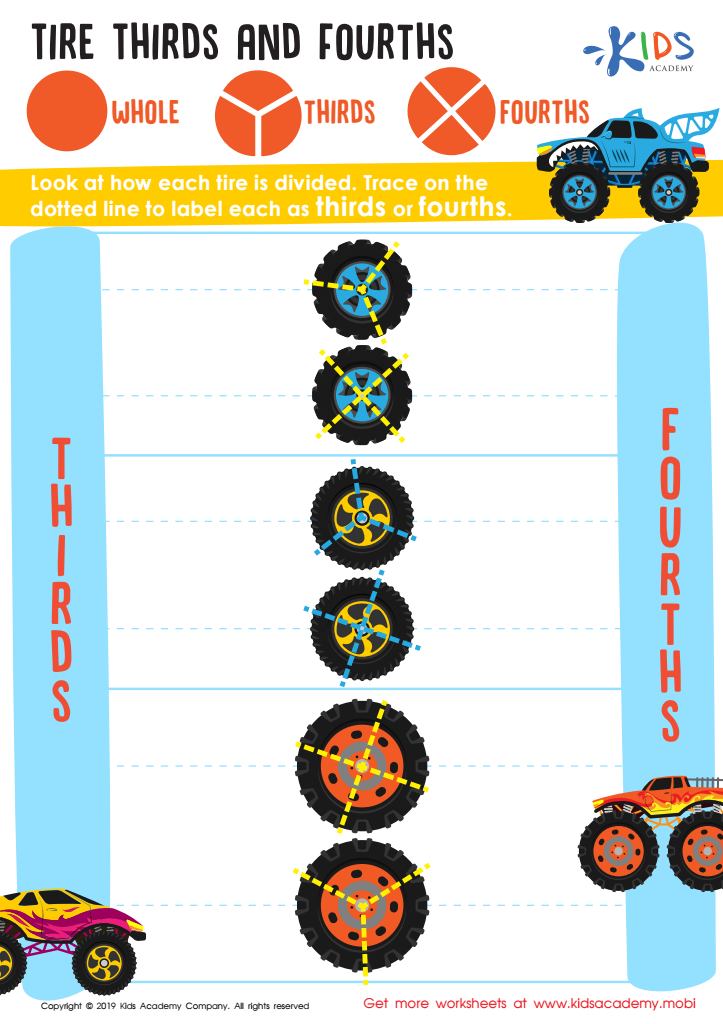
Tire Thirds and Fourths Worksheet
 Assign to My Students
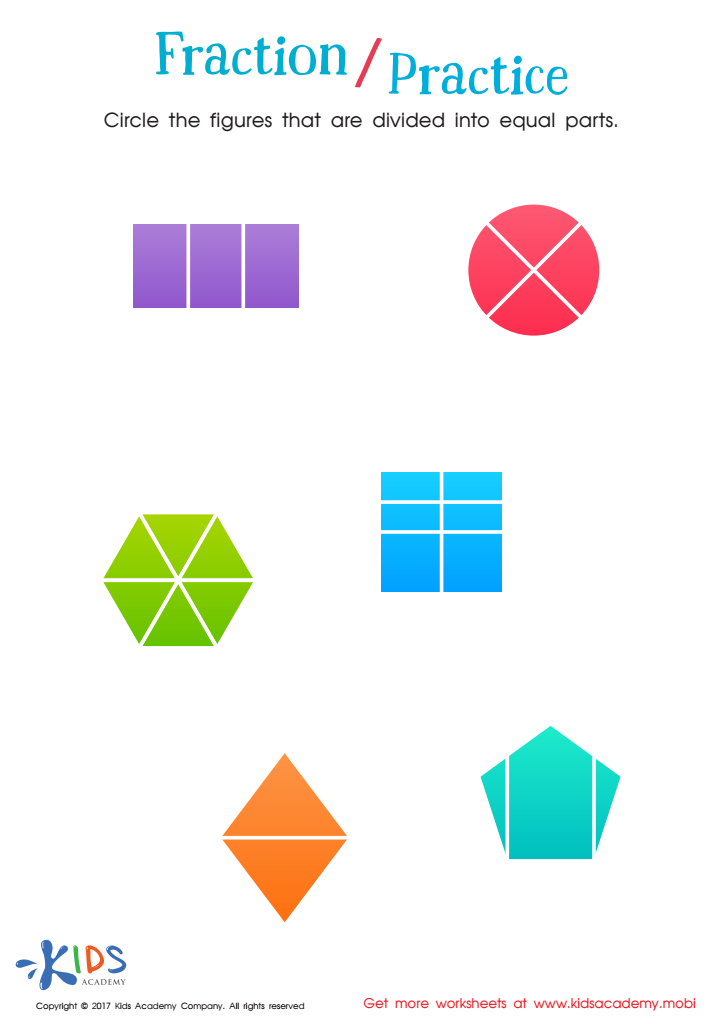
Fractions: Shapes Worksheet
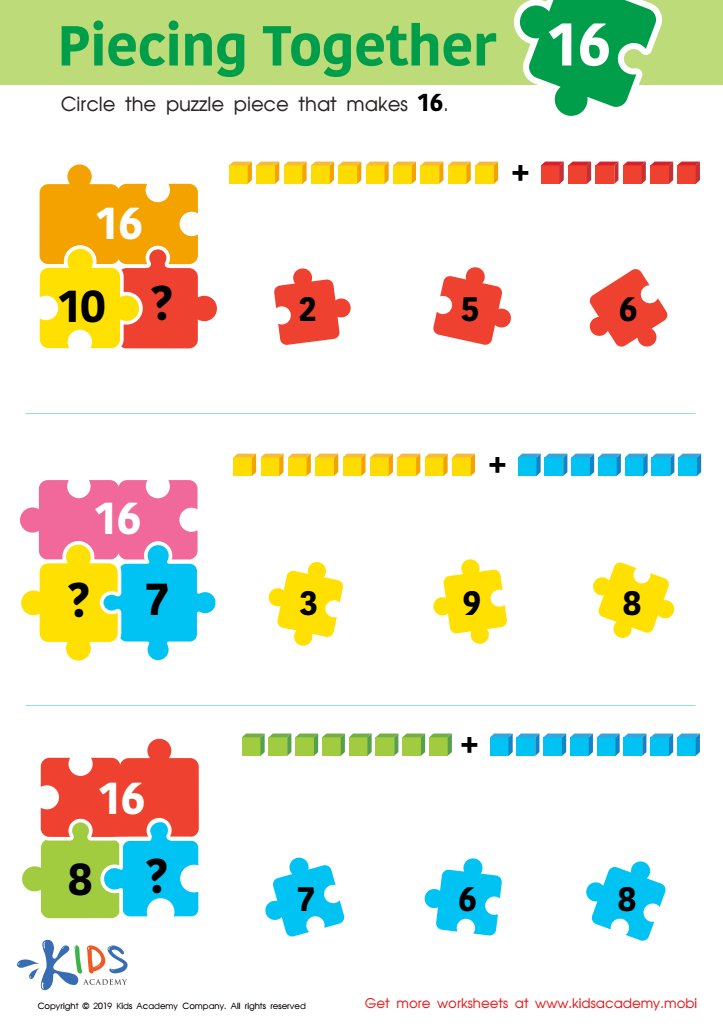
Piecing Together 16 Worksheet
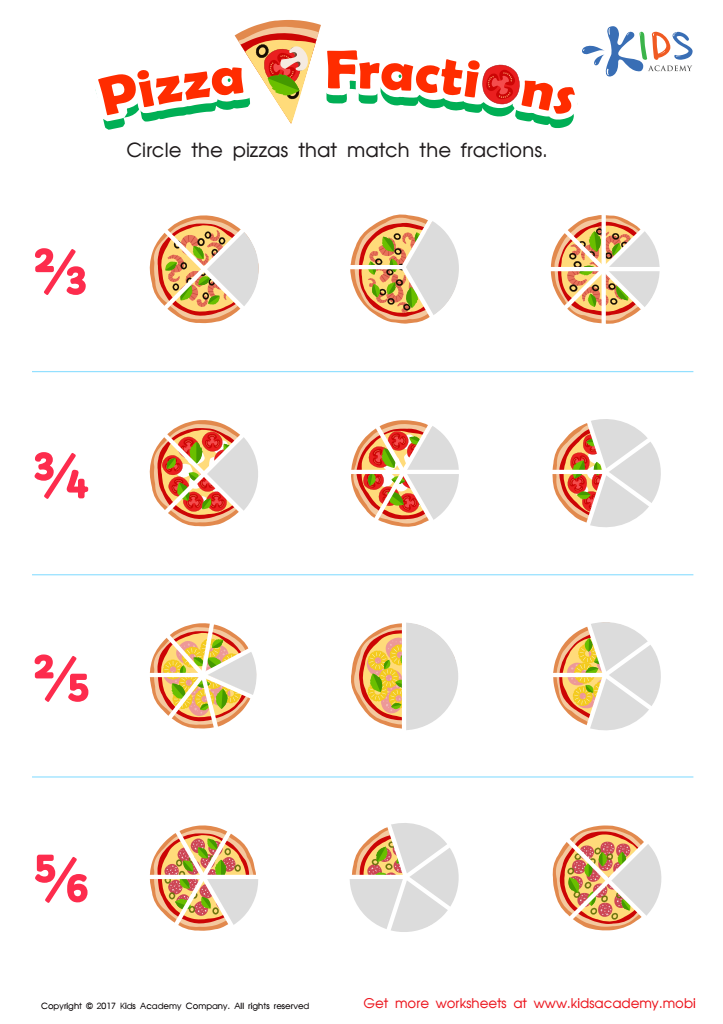
Fractions: Pizza Printable
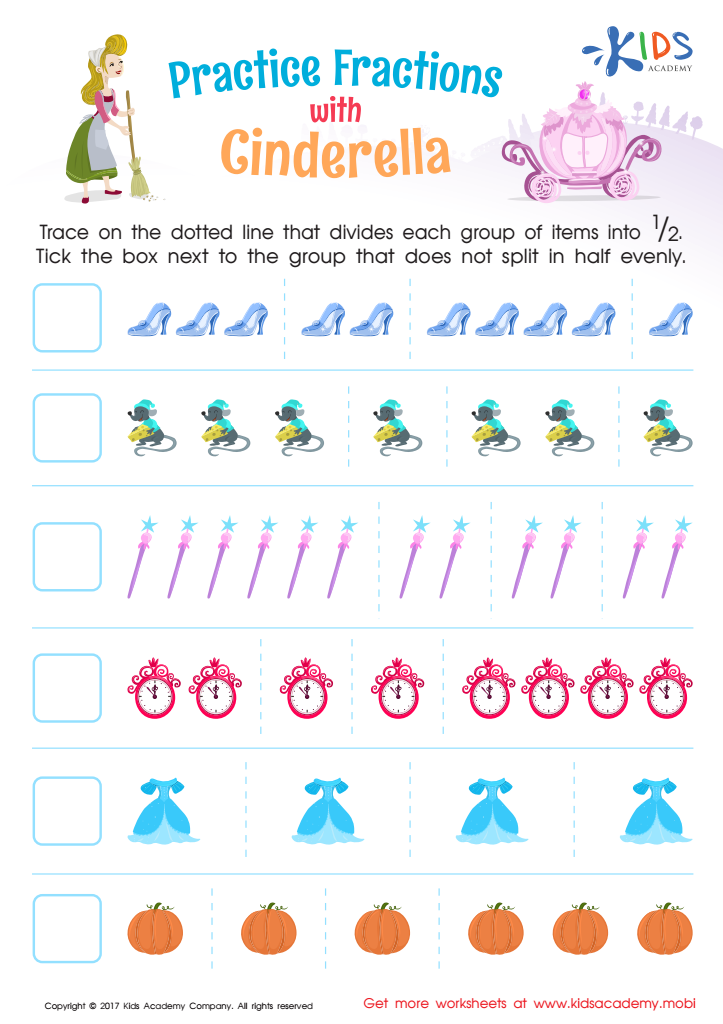
Fractions: Cinderella Printable





Parents and teachers should care about the "Comparing Fractions Extra Challenge" for children ages 3-7 because early exposure to mathematical concepts lays a strong foundation for later learning. Understanding fractions helps young learners develop critical thinking and problem-solving skills. Comparing fractions introduces children to essential mathematical vocabulary and concepts, enhancing their overall numeracy.
Moreover, engaging with comparing fractions fosters patience and perseverance, essential attributes for children as they navigate more complex mathematical ideas in the future. This extra challenge promotes not only cognitive skills but also social skills when done in group settings, encouraging collaboration and communication among peers.
Additionally, early math experiences correlate with improved performance in later academic stages. By incorporating fun, interactive challenges, parents and teachers can create an enthusiastic learning environment, reducing math anxiety and fostering a positive relationship with the subject.
Lastly, introducing such challenges makes math relatable to real-life scenarios, helping children to grasp the practical significance of fractions in everyday activities, like cooking or sharing. Overall, prioritizing activities like comparing fractions significantly influences children's confidence, interest, and capabilities in mathematics, setting them up for long-term success in their educational journey.








