Problem-Solving Skills Extra Challenge Worksheets for Ages 3-7 - Page 3
68 filtered results
-
From - To
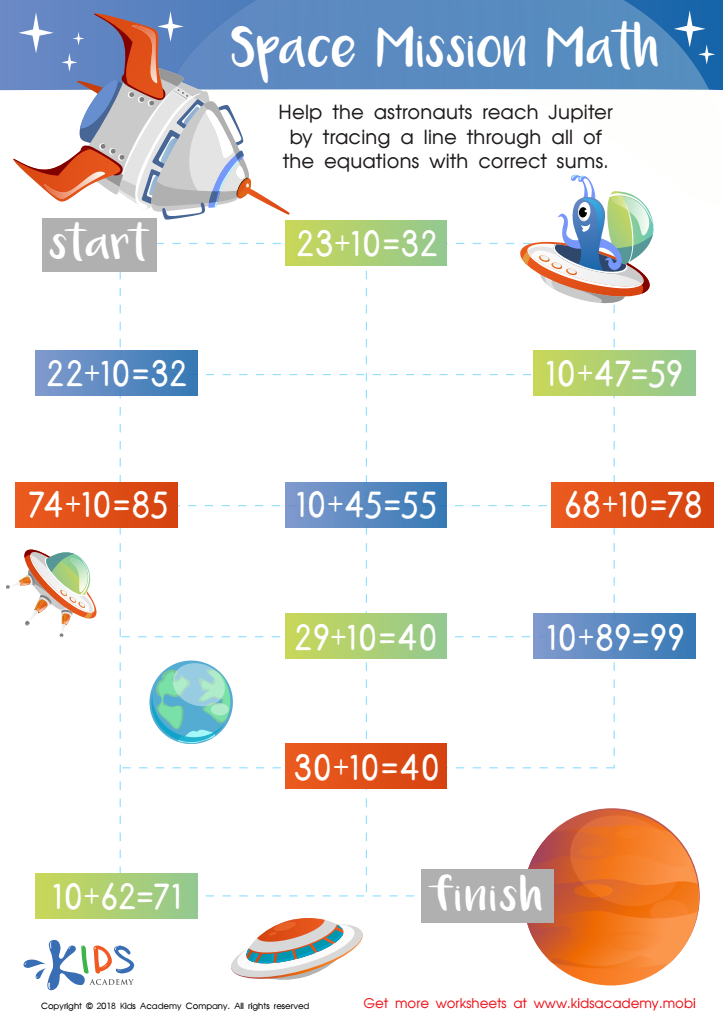
Space Mission Math Worksheet
 Assign to My Students
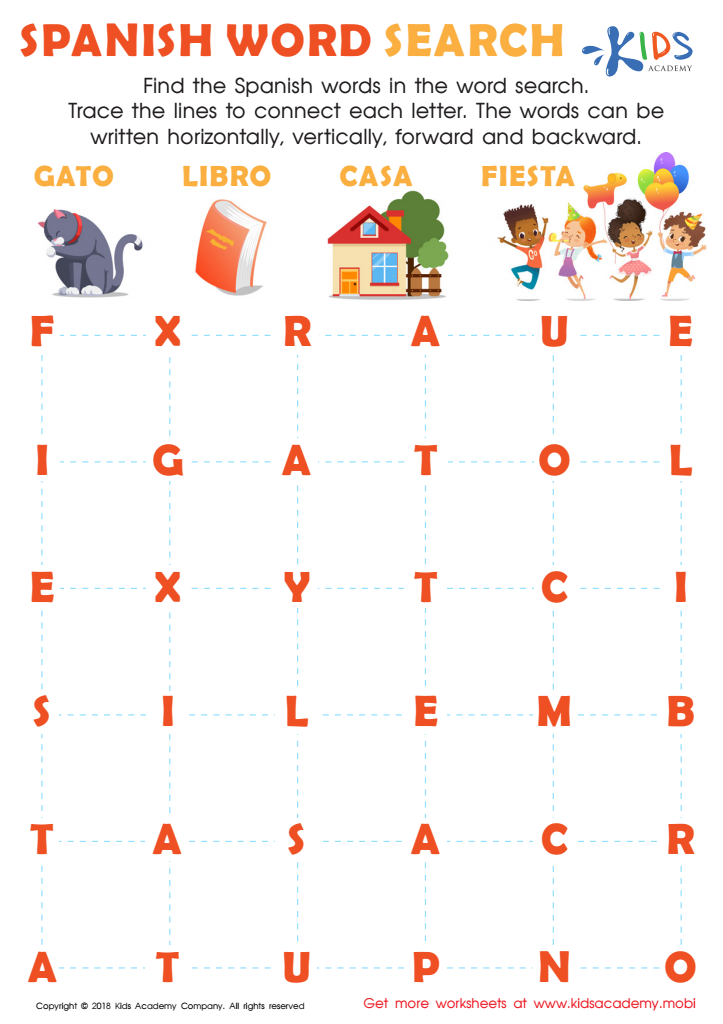
Spanish Word Search Worksheet
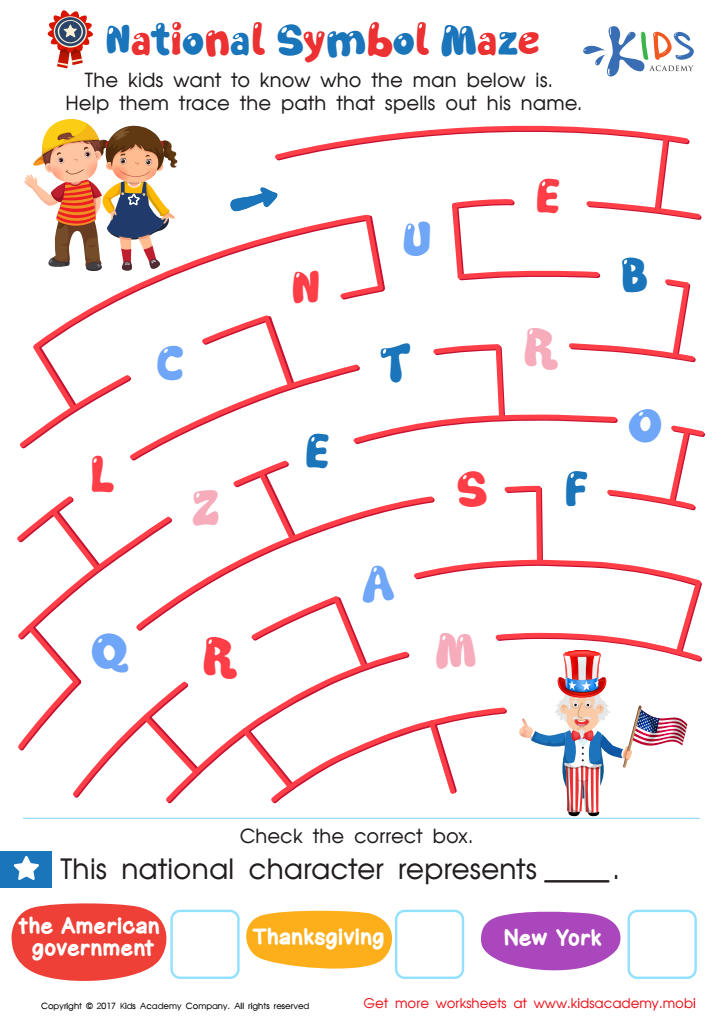
National Symbol Maze Worksheet
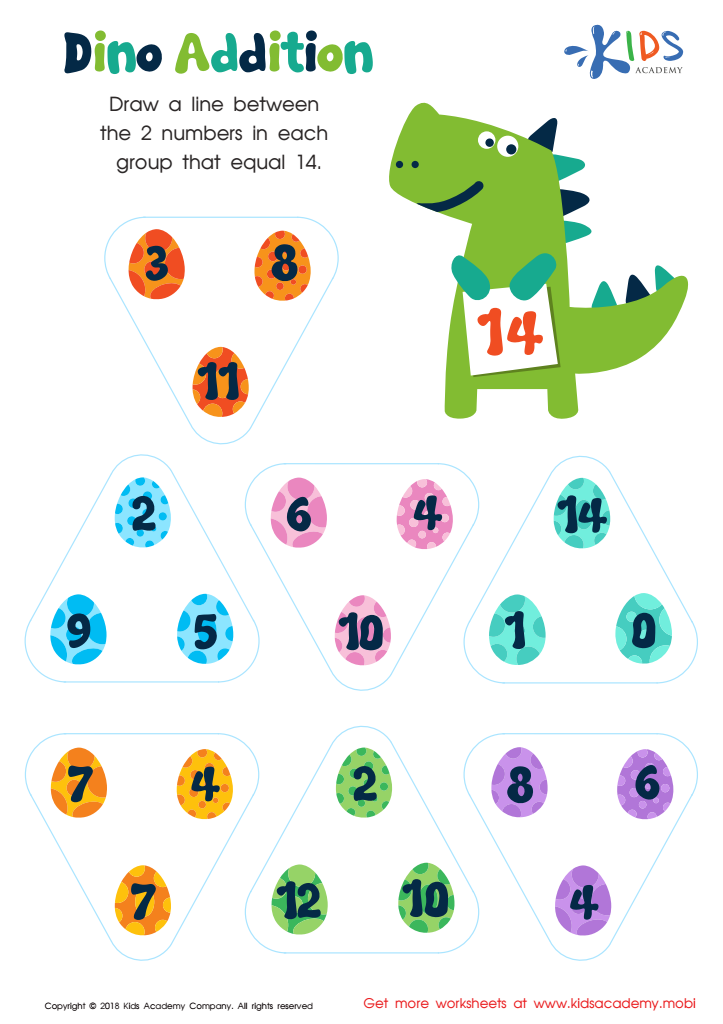
Dino Addition Worksheet
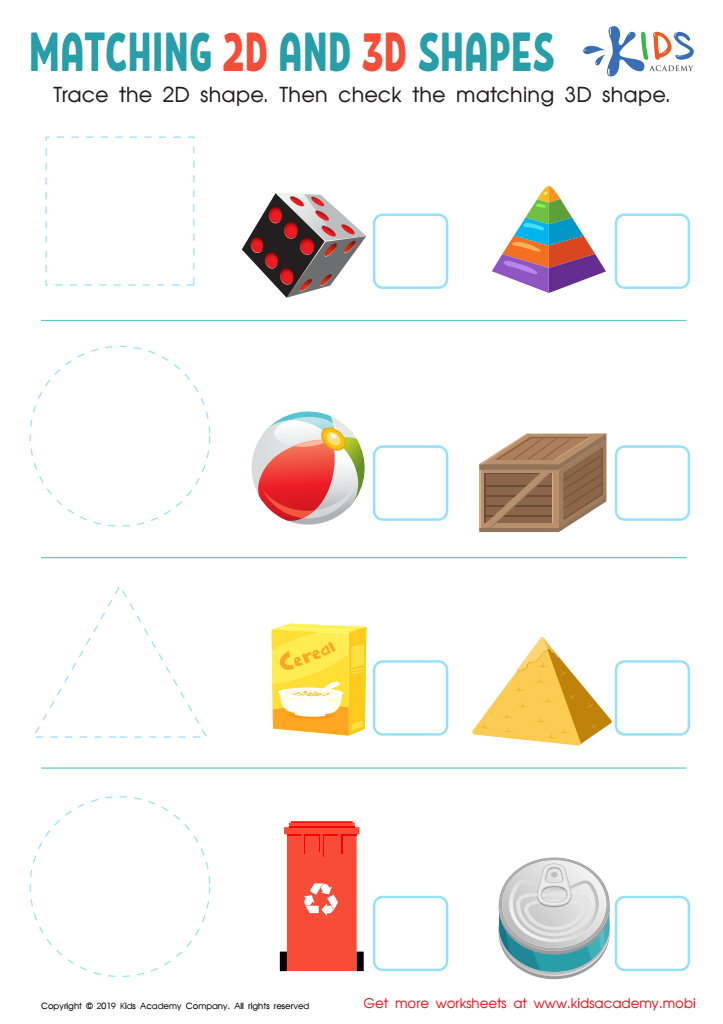
Matching 2D and 3D Shapes Worksheet
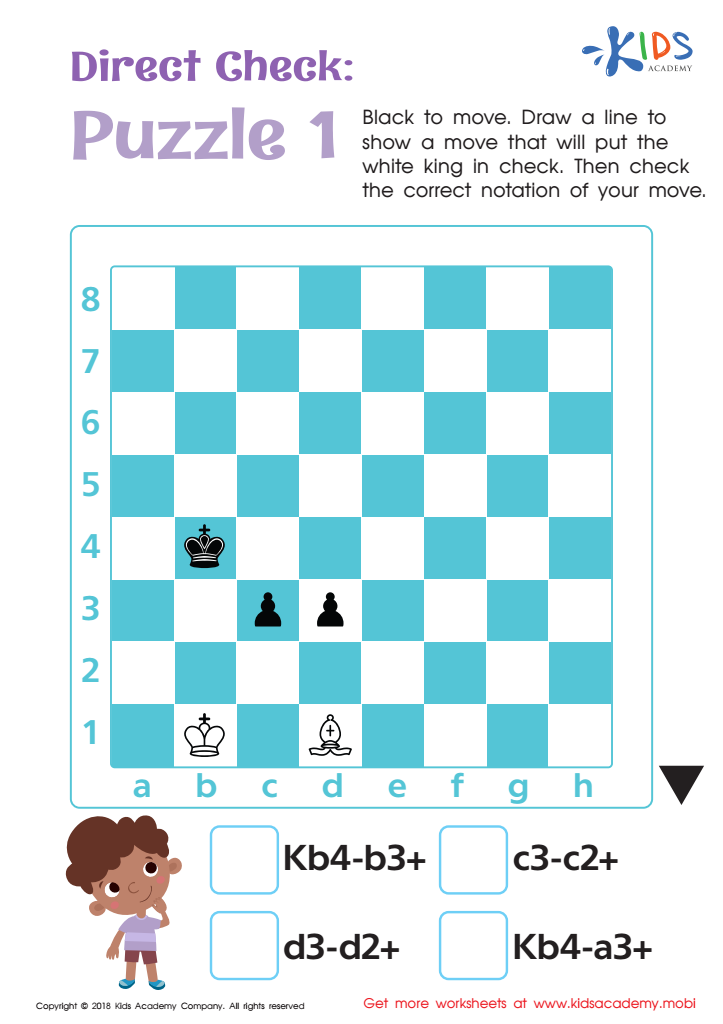
Direct Check: Puzzle 1 Worksheet

Leprechaun Maze Printable
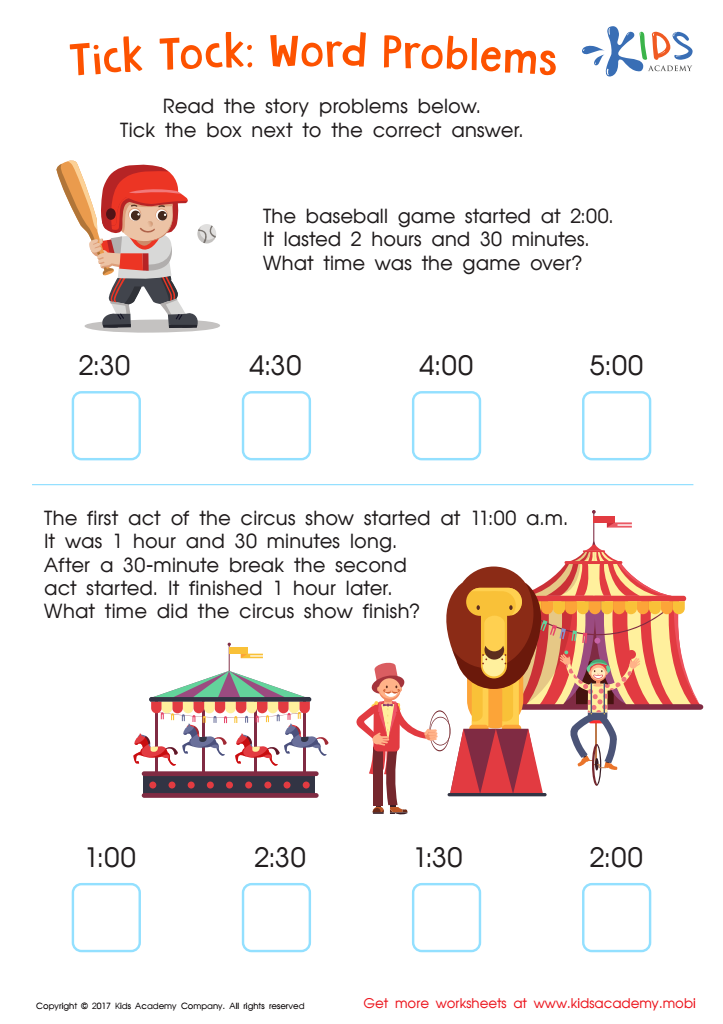
Tick Tock Word Problems Time Worksheet
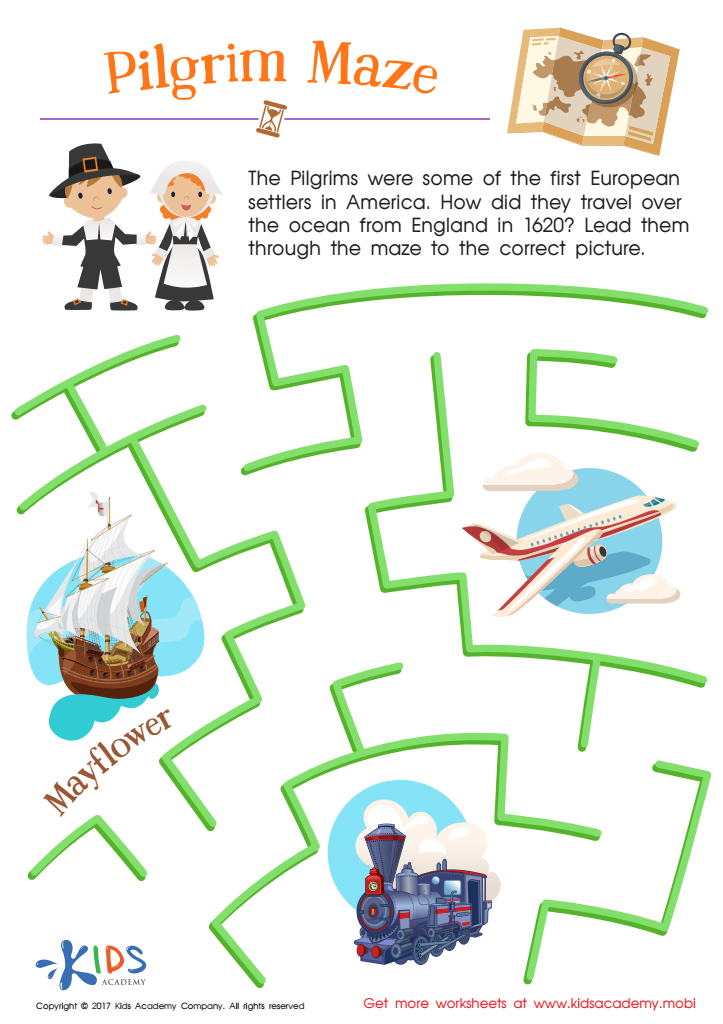
Pilgrim Maze Worksheet
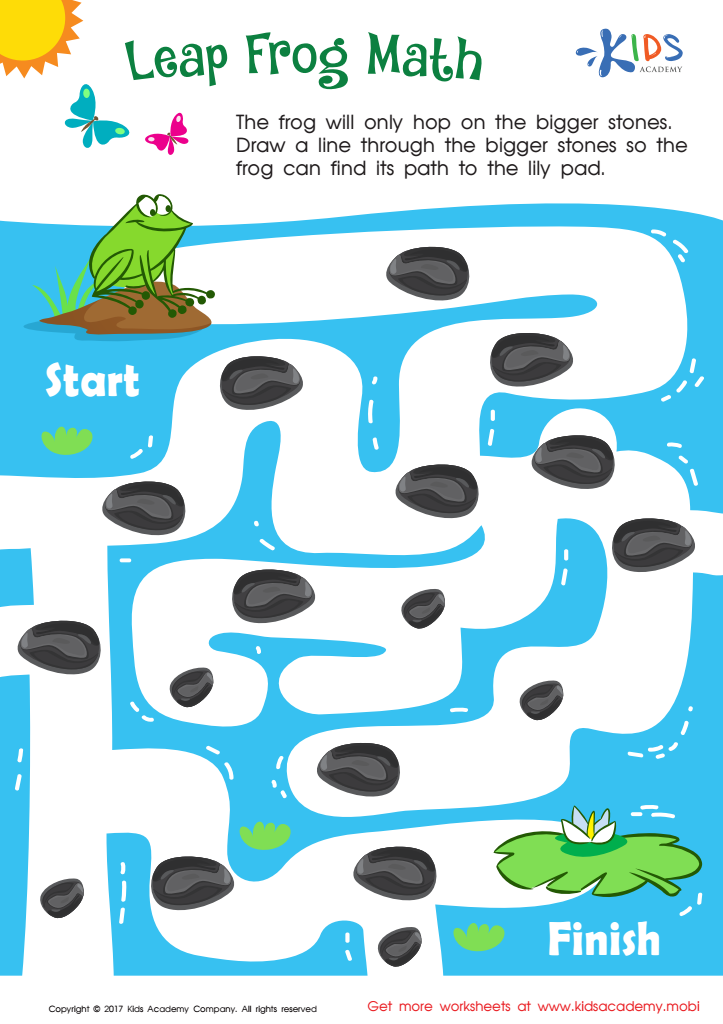
Math Puzzle Worksheet
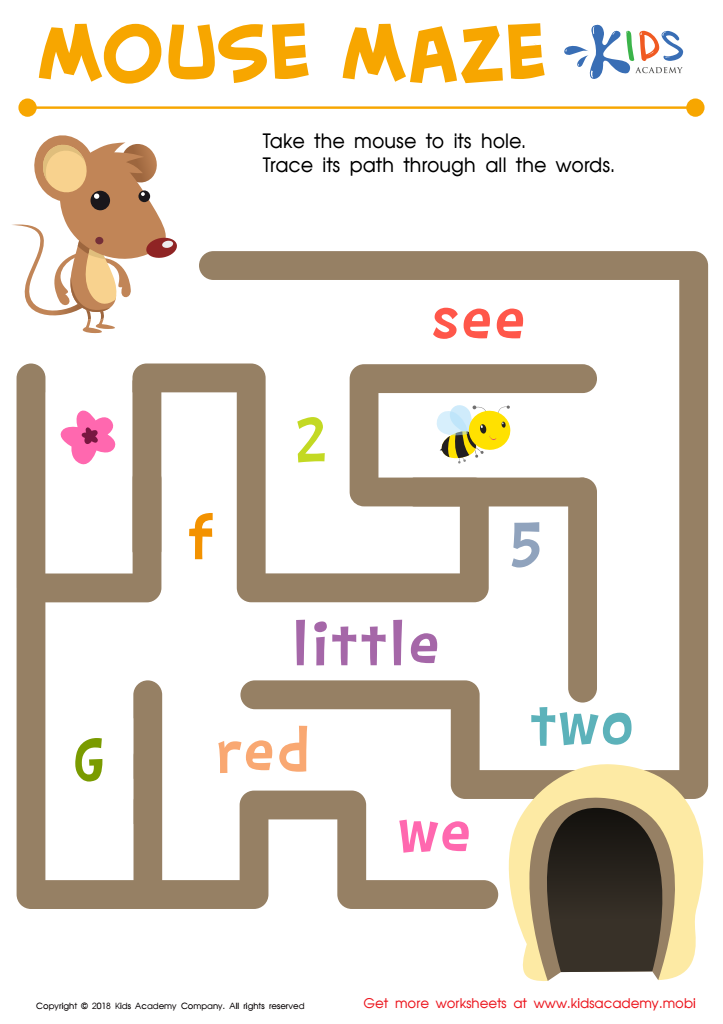
Find Words Mouse Maze Worksheet
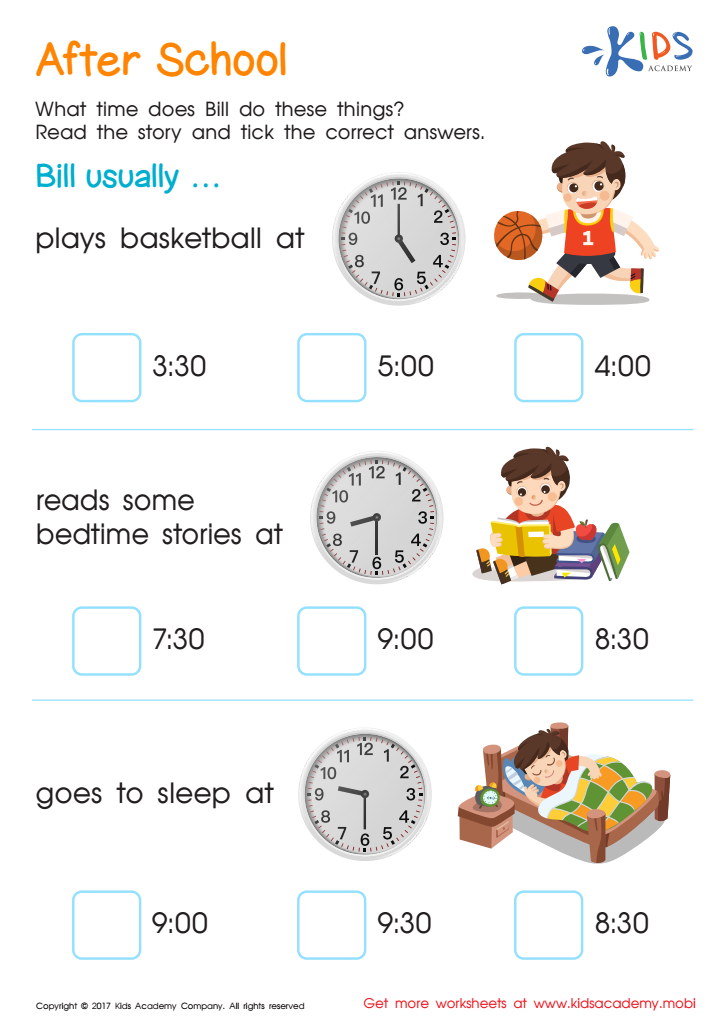
After School Time Printable
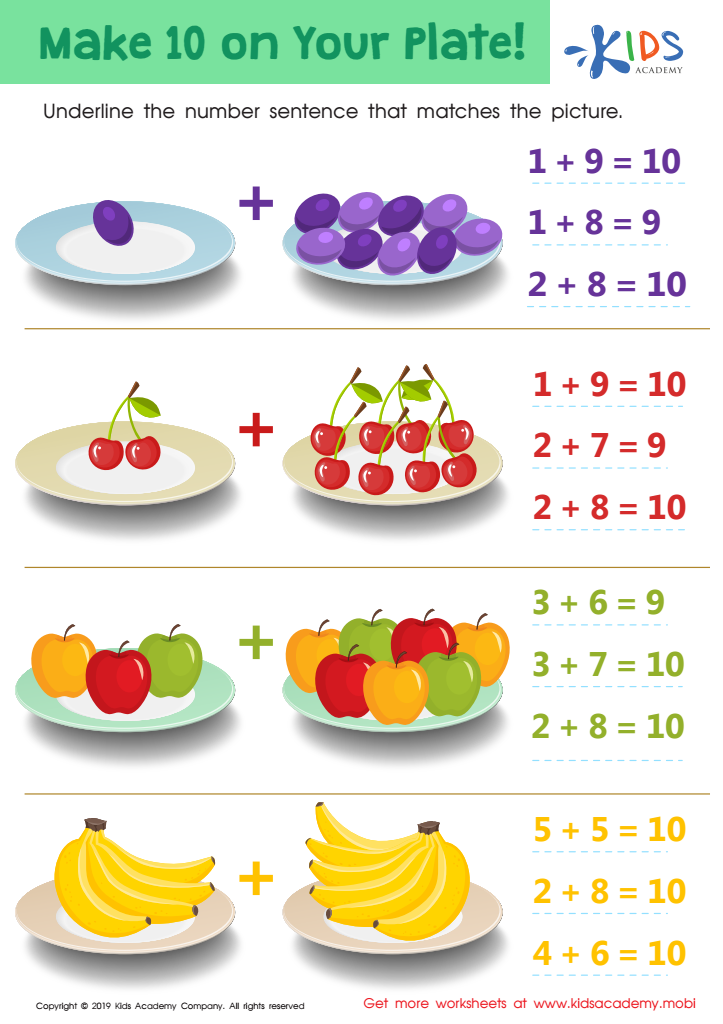
Make 10 on Your Plate! Worksheet
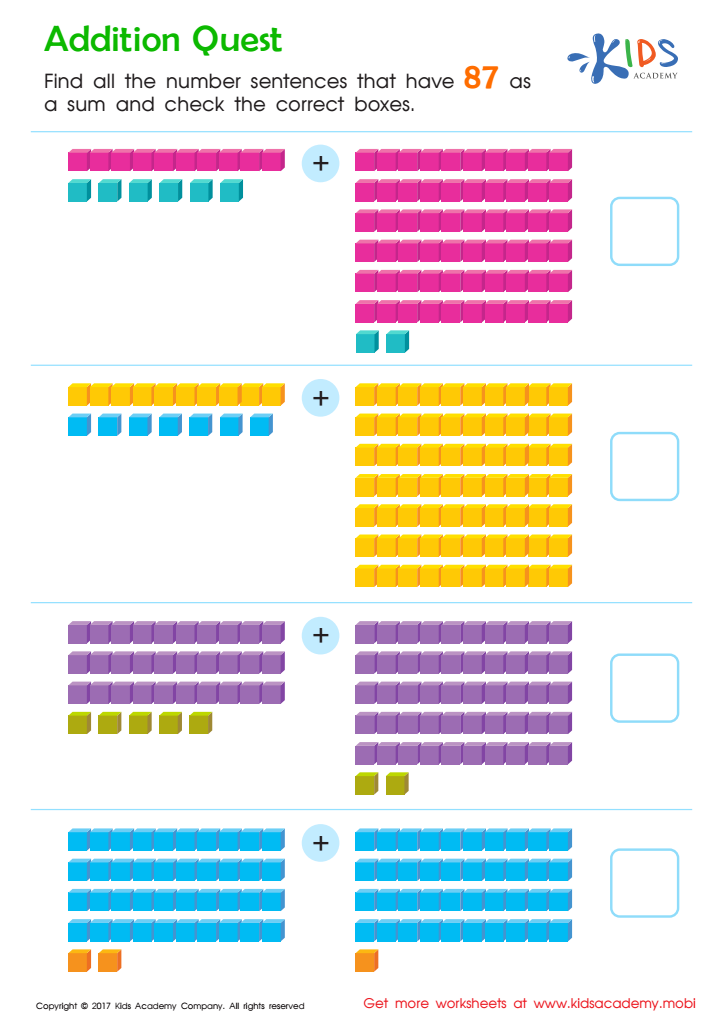
Addition Quest Worksheet: Part 1
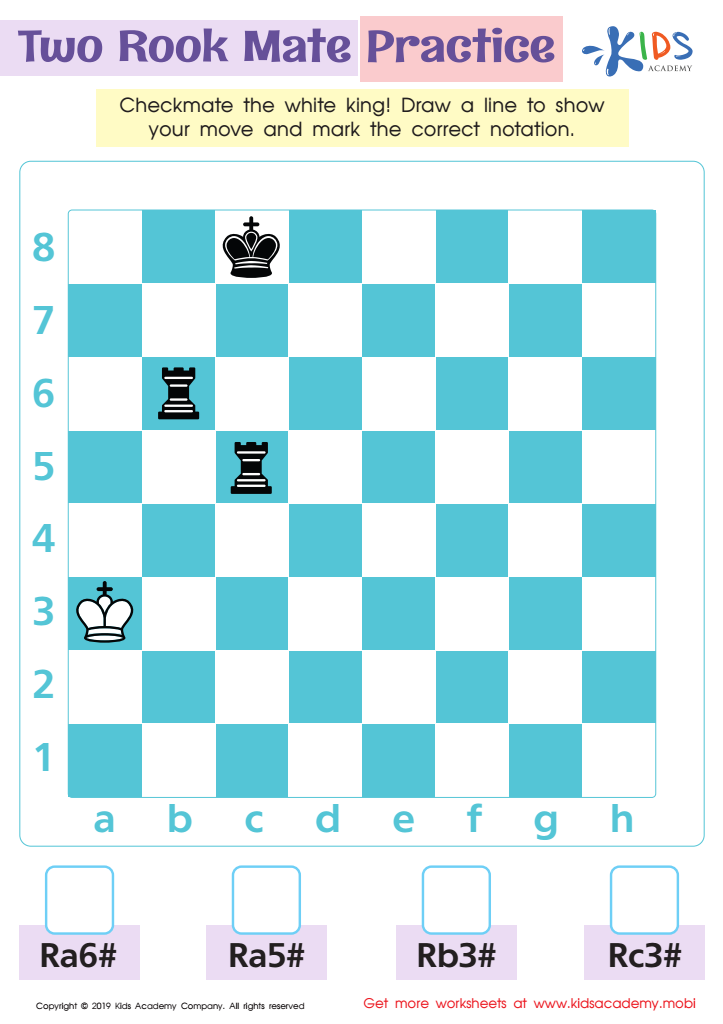
Two Rook Mate Practice Worksheet
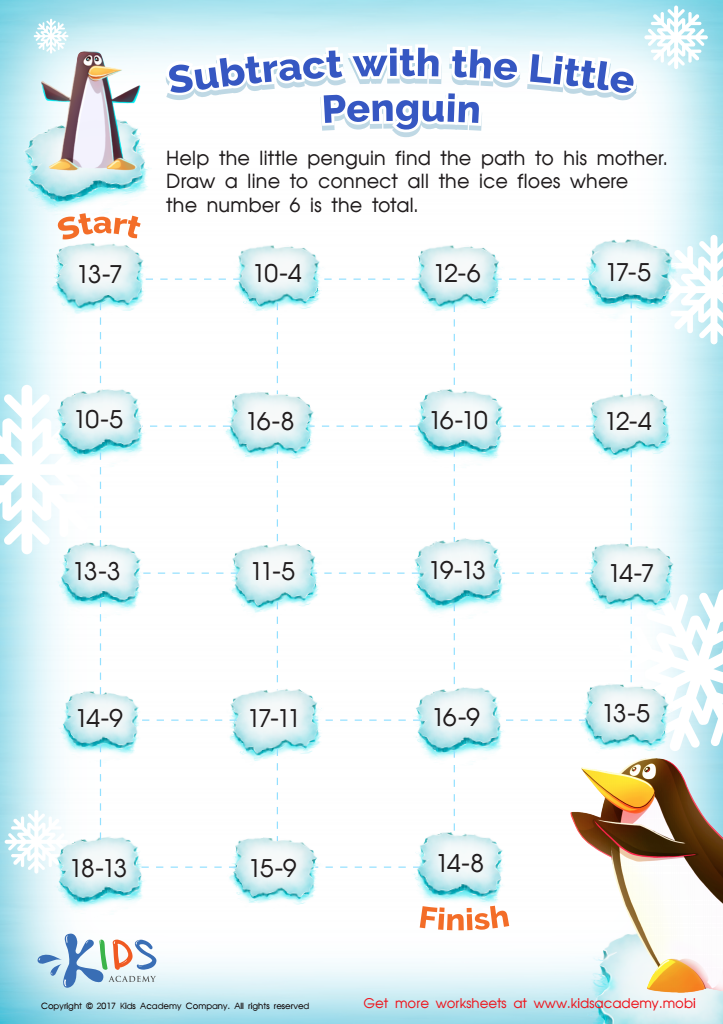
Subtract With The Little Penguin Substraction Worksheet
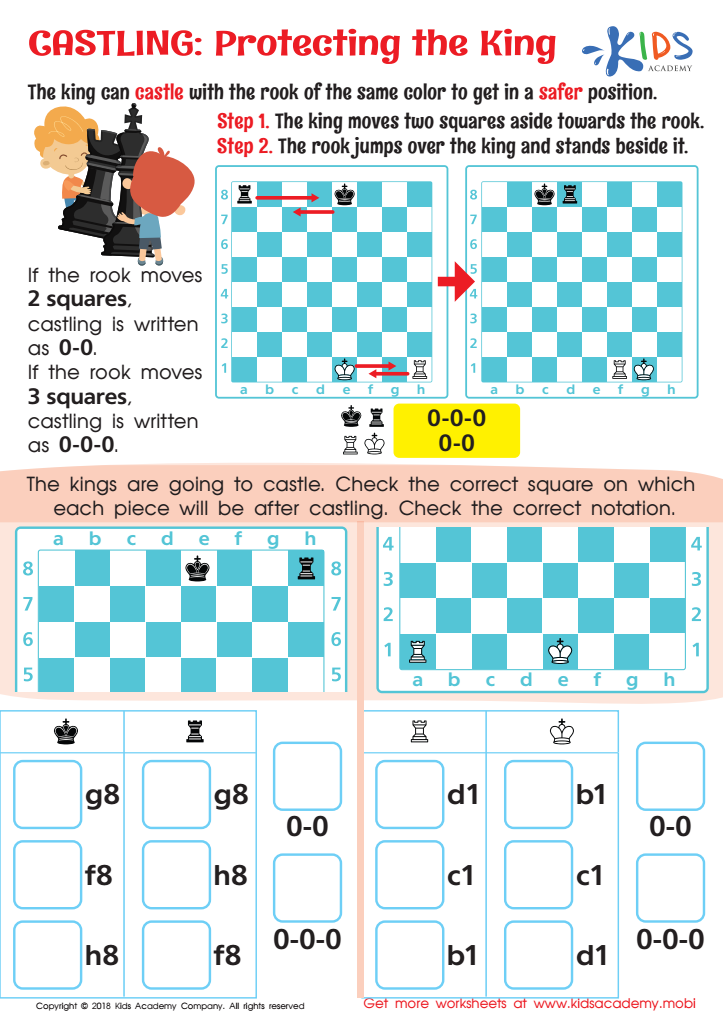
Castling: Protecting the King Worksheet
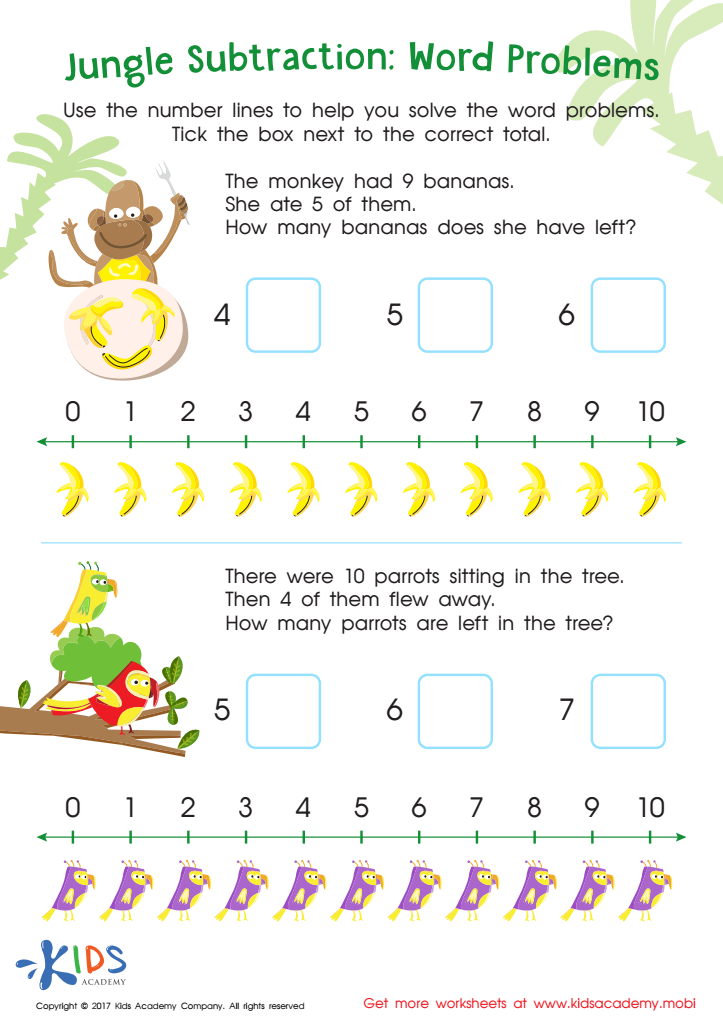
Jungle Subtraction Word Problems Substraction Worksheet
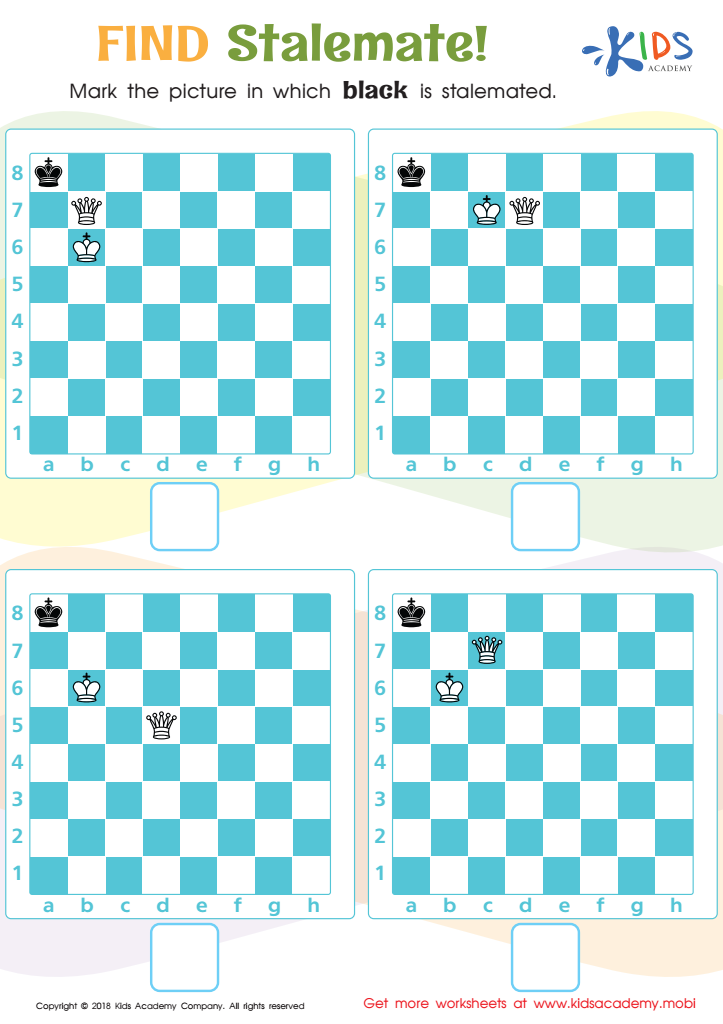
Find Stalemate! Worksheet
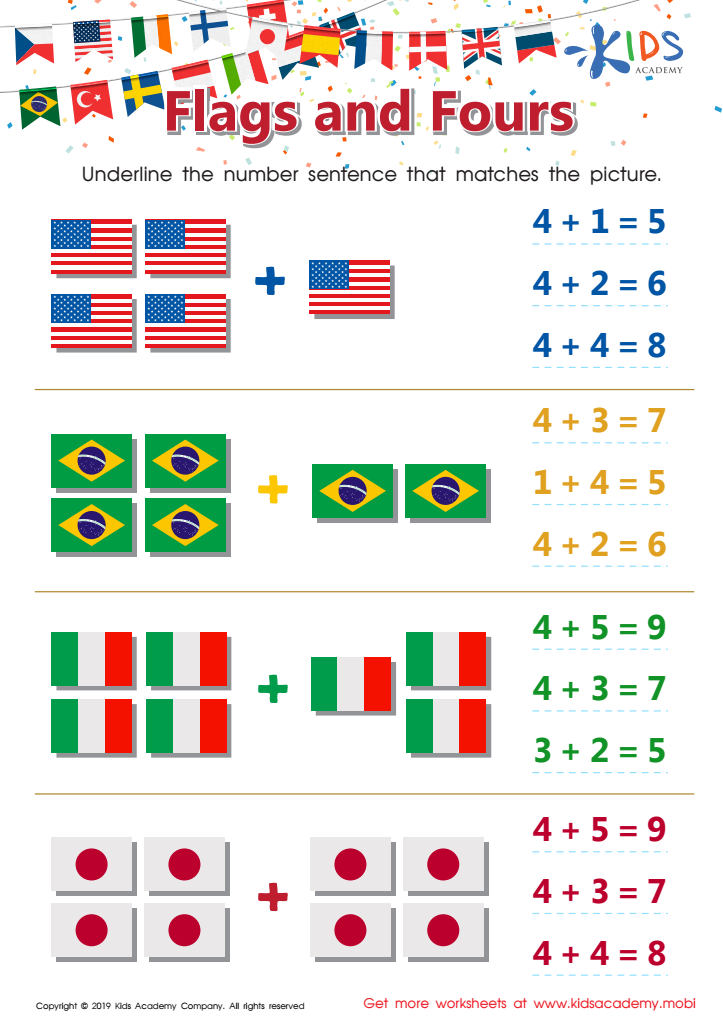
Flags and Fours Worksheet








Nurturing problem-solving skills in children ages 3–7 is crucial for their cognitive and social development. During these formative years, children are naturally curious and eager to explore. Engaging them in problem-solving activities encourages critical thinking and helps them understand the world around them more clearly. This foundation ultimately leads to improved academic performance, as problem-solving is integral to subjects like math and science.
For parents and teachers, integrating extra problem-solving challenges into daily routines cultivates patience, perseverance, and creativity in children. These skills not only serve academic purposes but also enhance their social interactions. Children learn to cooperate, communicate, and compromise more effectively when they navigate and solve problems together.
Furthermore, early exposure to problem-solving exercises can boost children's self-esteem. When they successfully resolve challenges, they experience a sense of accomplishment, which fosters a positive attitude towards learning and overcoming obstacles. Teachers and parents dedicated to this practice are not only helping children answer immediate questions but are also equipping them with tools for lifelong success.
These skills are foundational and echo throughout a child's life, influencing their ability to handle complex situations, be they academic, social, or emotional. Hence, those formative problem-solving activities are essential to raise well-rounded, resilient, and capable individuals.








