Number Sequencing Extra Challenge Numbers Worksheets for Ages 3-7
6 filtered results
-
From - To
Enhance your child's math skills with our "Number Sequencing Extra Challenge Worksheets" designed specifically for ages 3-7. These engaging and educational worksheets help young learners master the art of sequencing numbers through fun and interactive activities. By using colorful imagery and varying difficulty levels, children will develop critical thinking and problem-solving skills while working with number patterns and sequences. Ideal for home schooling, classroom use, or extra practice, our worksheets make learning numbers enjoyable and rewarding. Watch your child's confidence grow as they tackle each challenge and gain a solid foundation in early math concepts. Get started today!
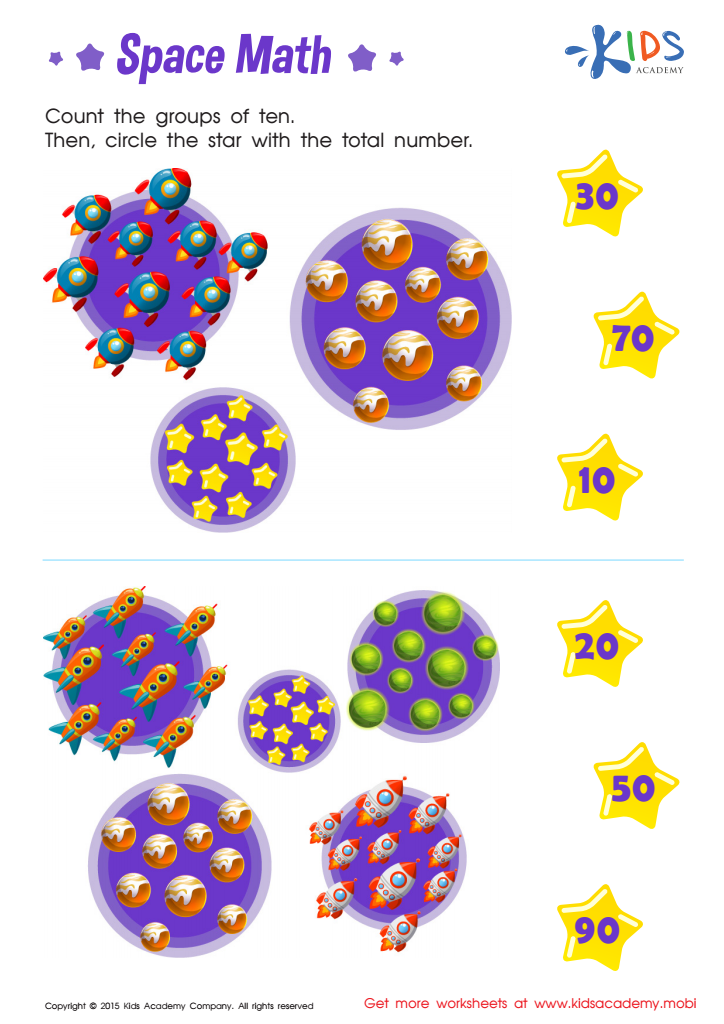
Learn dozens: Space math Worksheet
 Assign to My Students
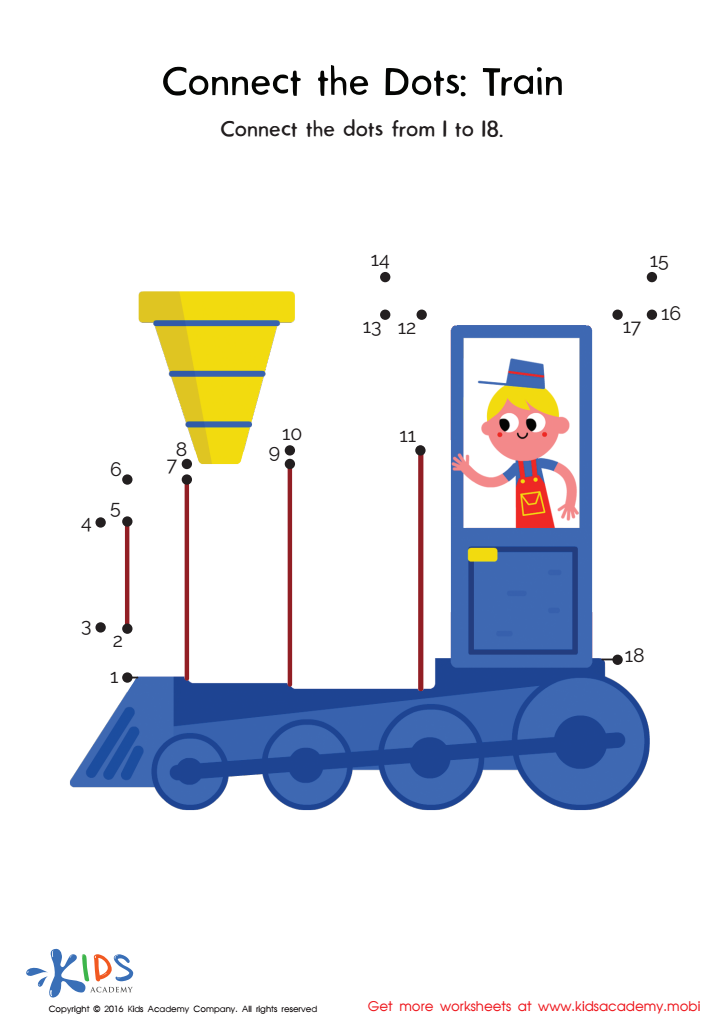
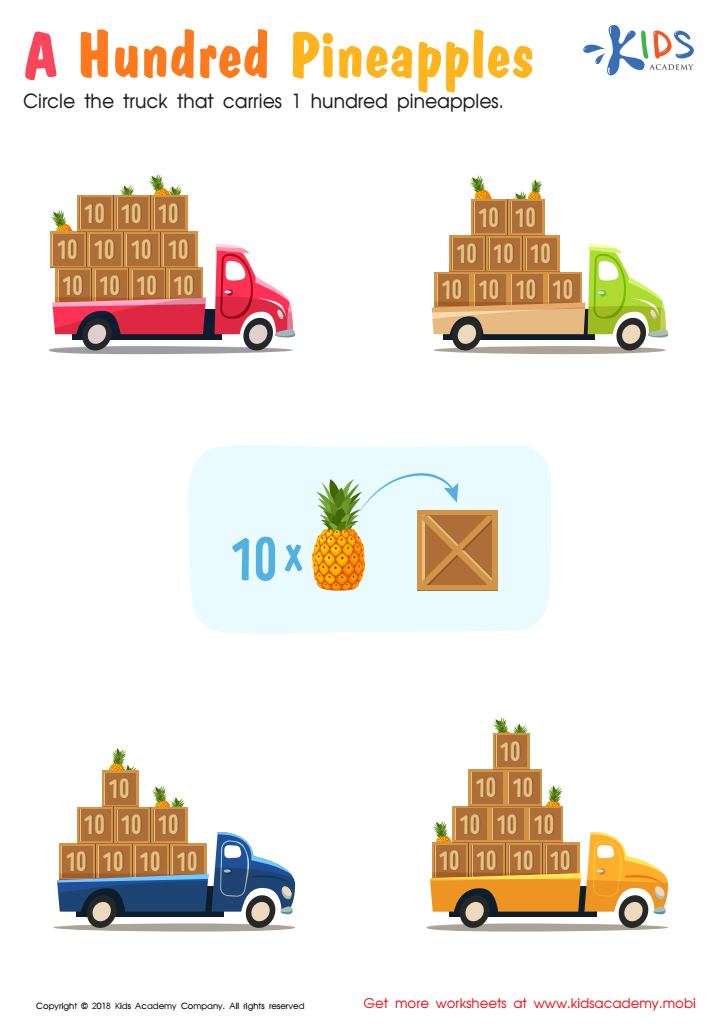
A Hundred Pineapples Worksheet

Pirate Ship Connect Dots Worksheet
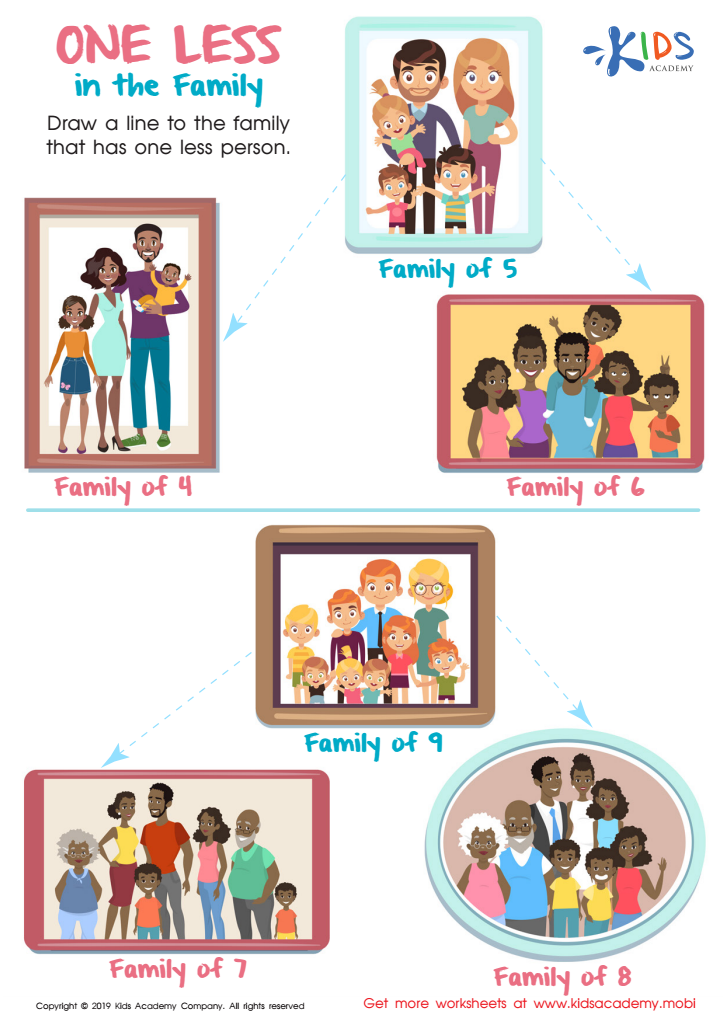
One Less in the Family Worksheet
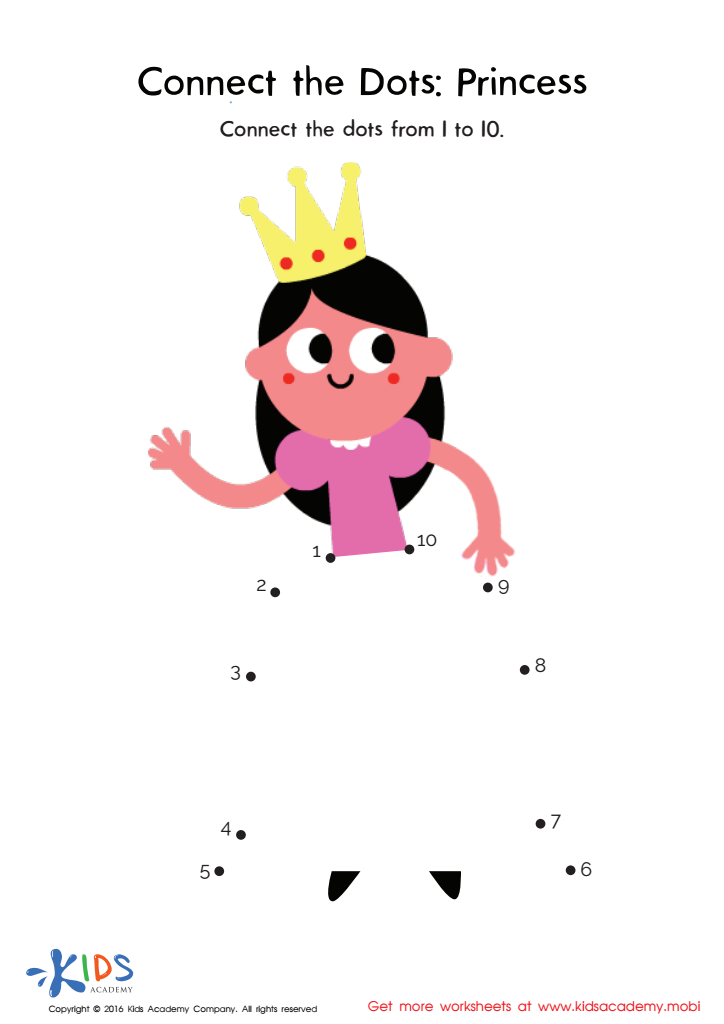
Princess Connect Dots Worksheet








Number sequencing is a foundational skill that plays a critical role in a child's mathematical development, especially for ages 3–7. Engaging in extra challenges helps reinforce this skill, allowing children to understand the order of numbers, which is crucial for counting, addition, subtraction, and more advanced mathematical concepts.
Parents and teachers should care about number sequencing challenges because they not only enhance a child’s ability to recognize patterns but also build cognitive skills such as problem-solving and critical thinking. By encouraging children to engage with complex number sequences, educators can cultivate a sense of achievement and boost confidence in their mathematical abilities.
Additionally, incorporating extra challenges offers opportunities for differentiated learning. Every child progresses at their own pace, and providing varied levels of difficulty helps cater to individual needs, ensuring that each child is both challenged and supported.
Moreover, these activities promote a joyful learning experience, fostering a positive attitude toward math. Early exposure to advanced number concepts ultimately aids in closing educational gaps and prepares children for future learning. Investing time in number sequencing enriches children's foundational numeric comprehension, vital for lifelong mathematical success.