Spatial awareness Extra Challenge Math Worksheets for Ages 3-8
9 filtered results
-
From - To
Unlock your child's potential with our Spatial Awareness Extra Challenge Math Worksheets for Ages 3-8! Designed for young learners, these worksheets focus on enhancing spatial reasoning, critical thinking, and problem-solving skills. Created by education experts, each activity engages kids through fun, hands-on tasks that make learning math enjoyable. Perfect for parents and teachers, our printable worksheets are ideal for supplementing classroom lessons or enriching at-home practice. Help your child build a strong math foundation with these challenging yet accessible worksheets, fostering both confidence and academic growth. Start the journey to spatial mastery today!
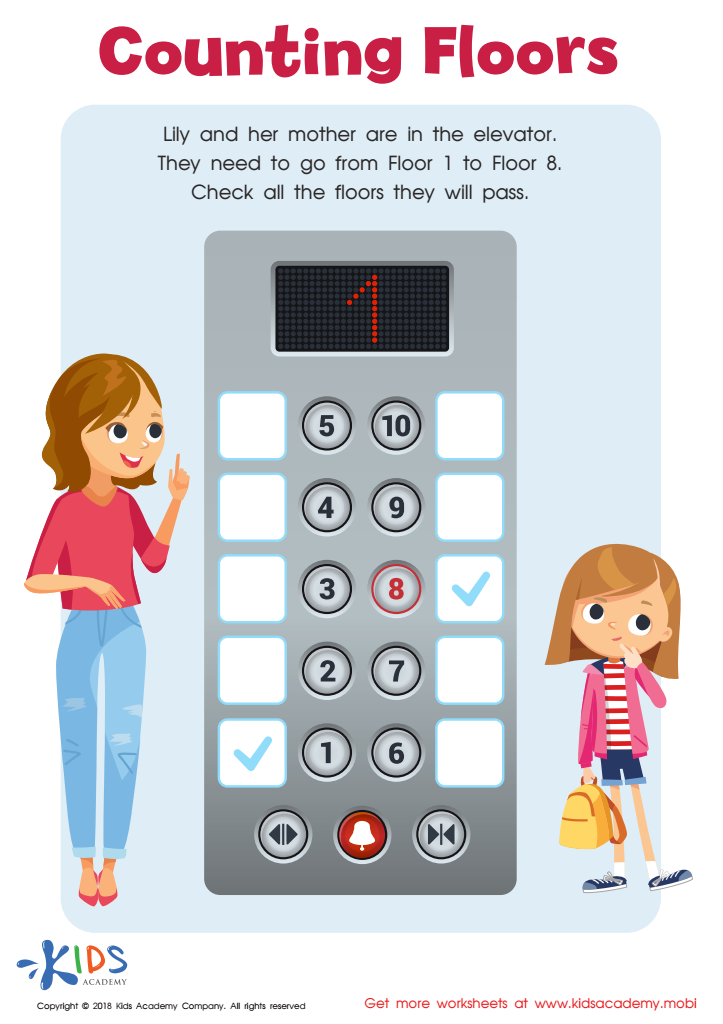
Counting Floors Worksheet
 Assign to My Students
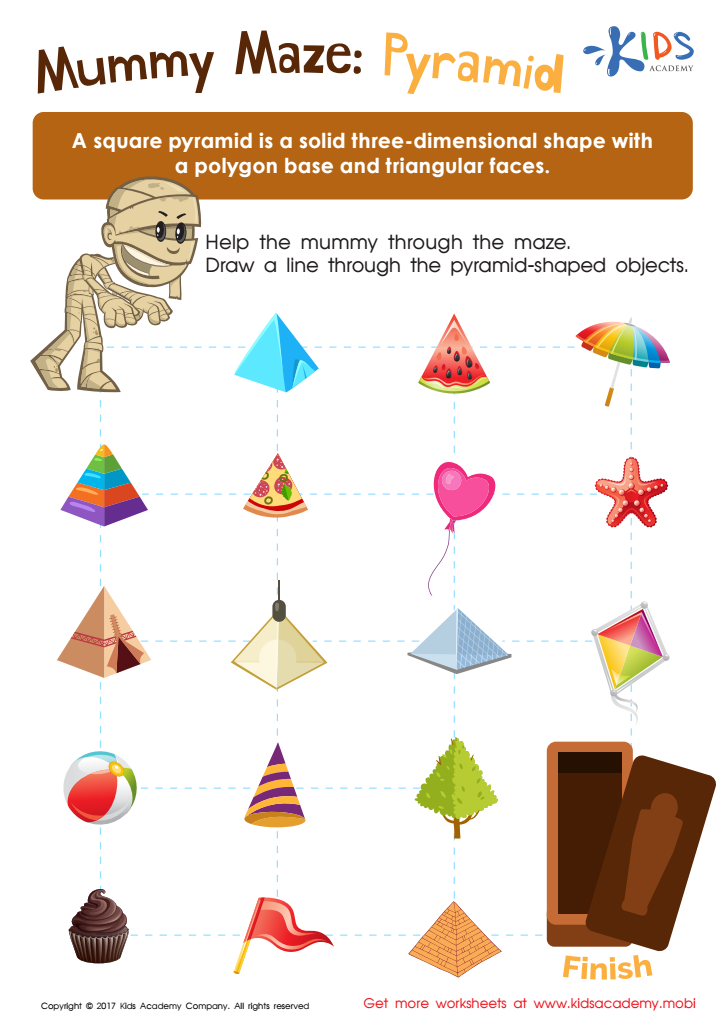
Mummy Maze: Pyramid Printable
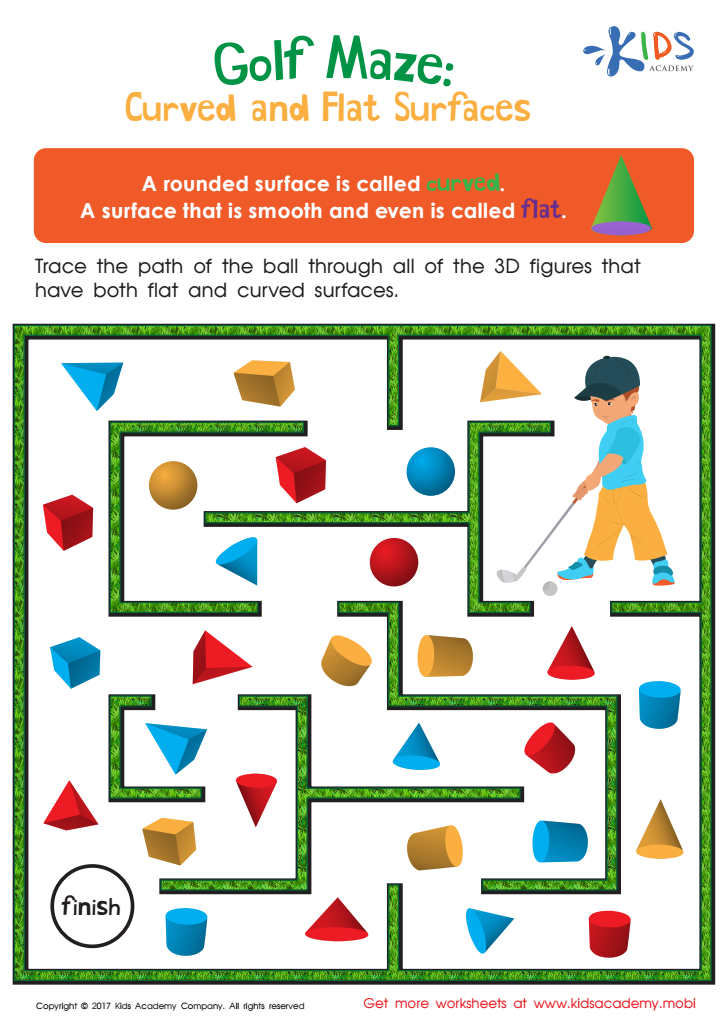
Golf Maze: Curved and Flat Surfaces Worksheet
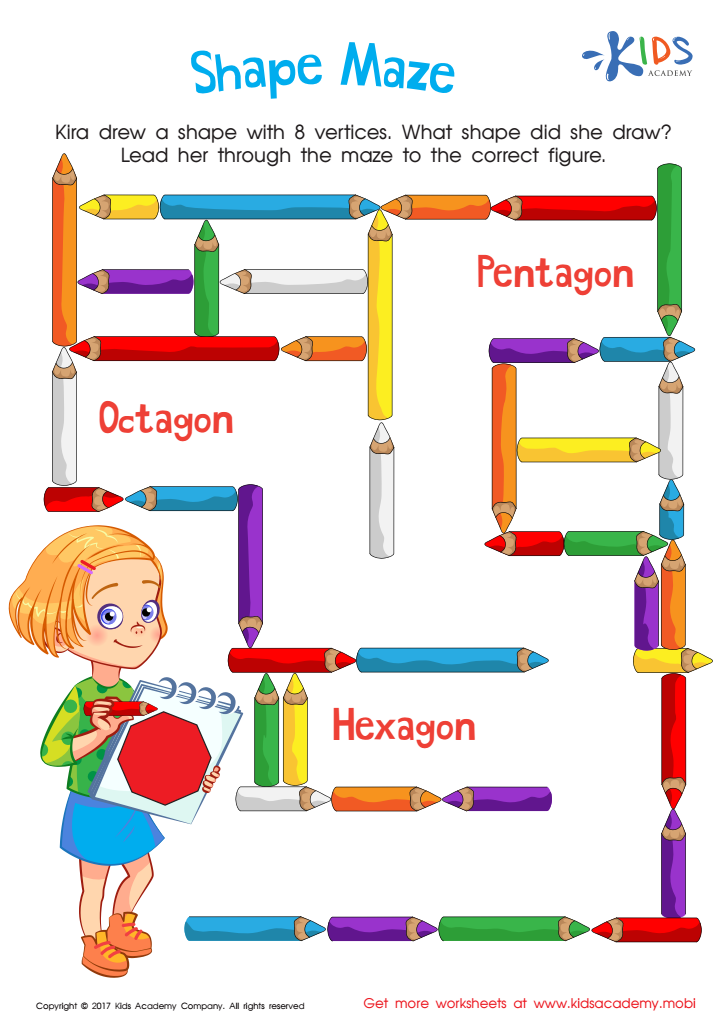
Shape Maze Worksheet
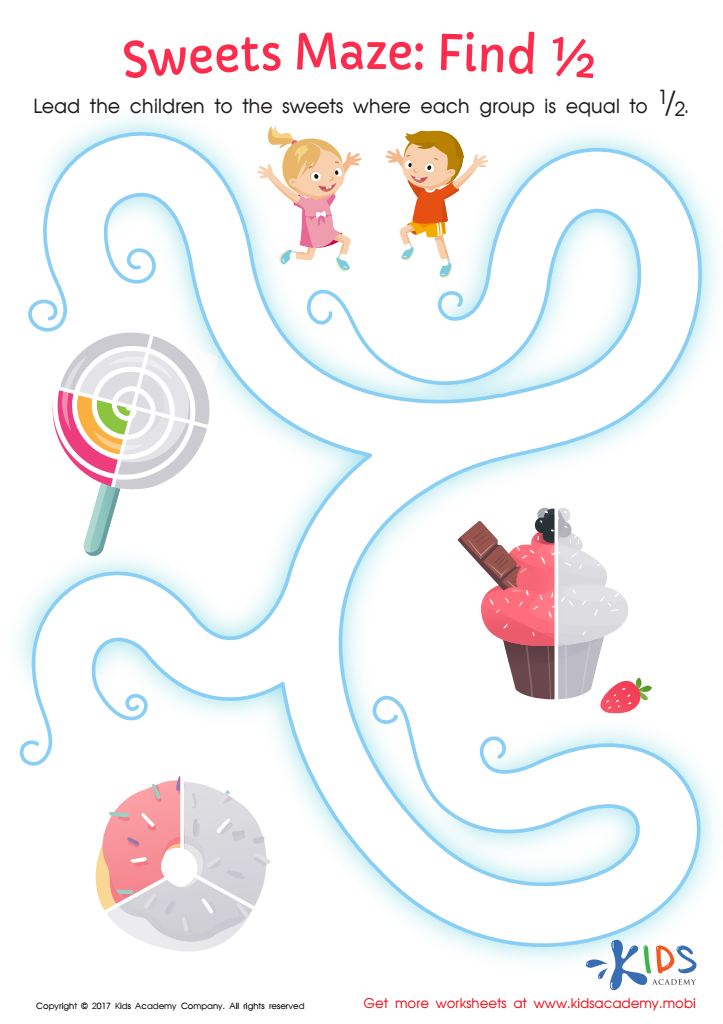
Fractions: Sweets Maze Worksheet
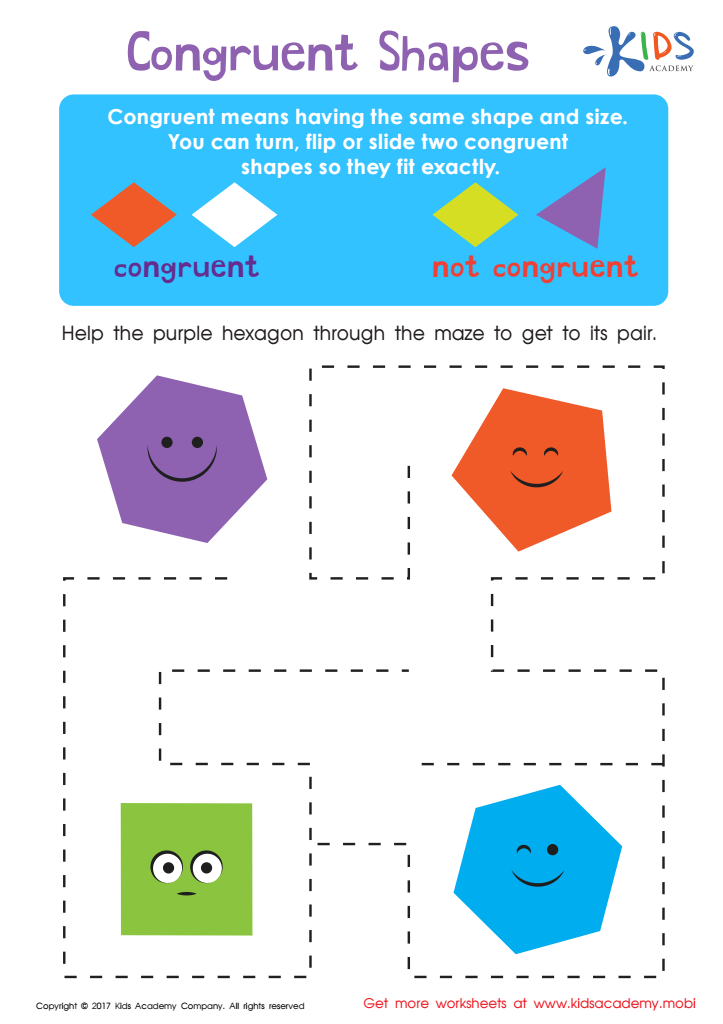
Congruent Shapes Worksheet
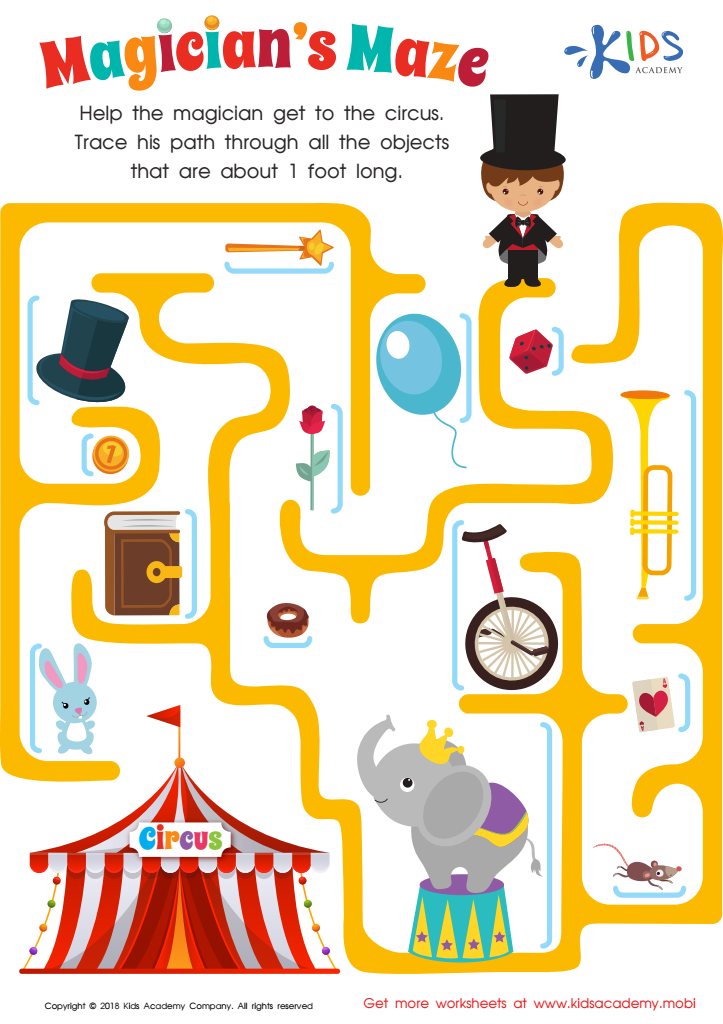
Estimating Length: Magician's Maze Worksheet
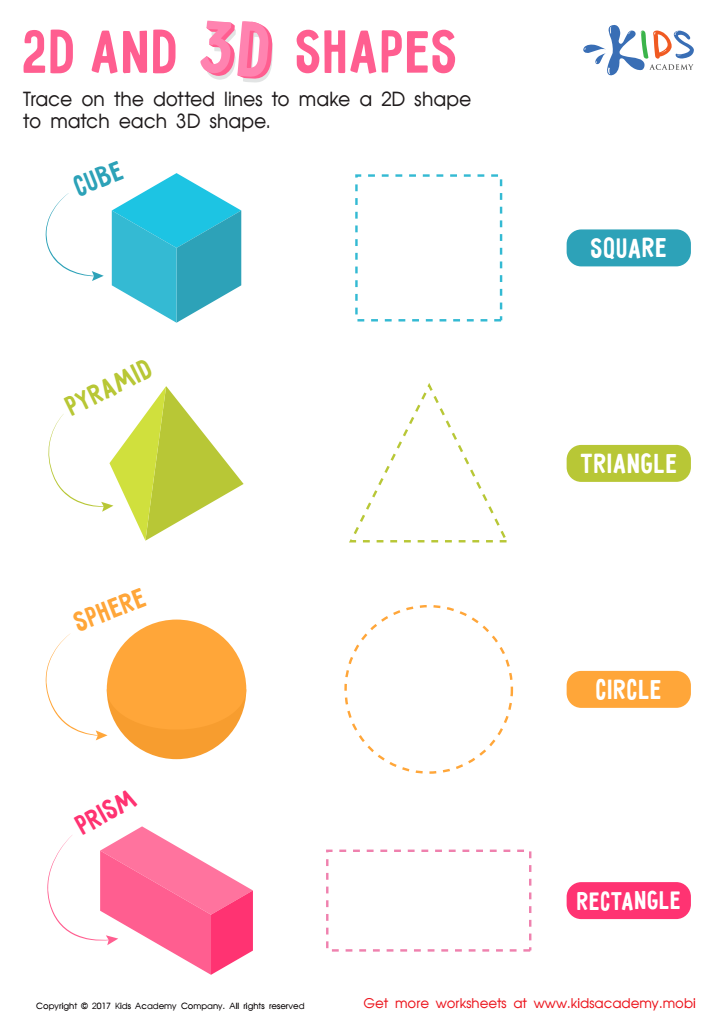
2D and 3D Shapes Worksheet
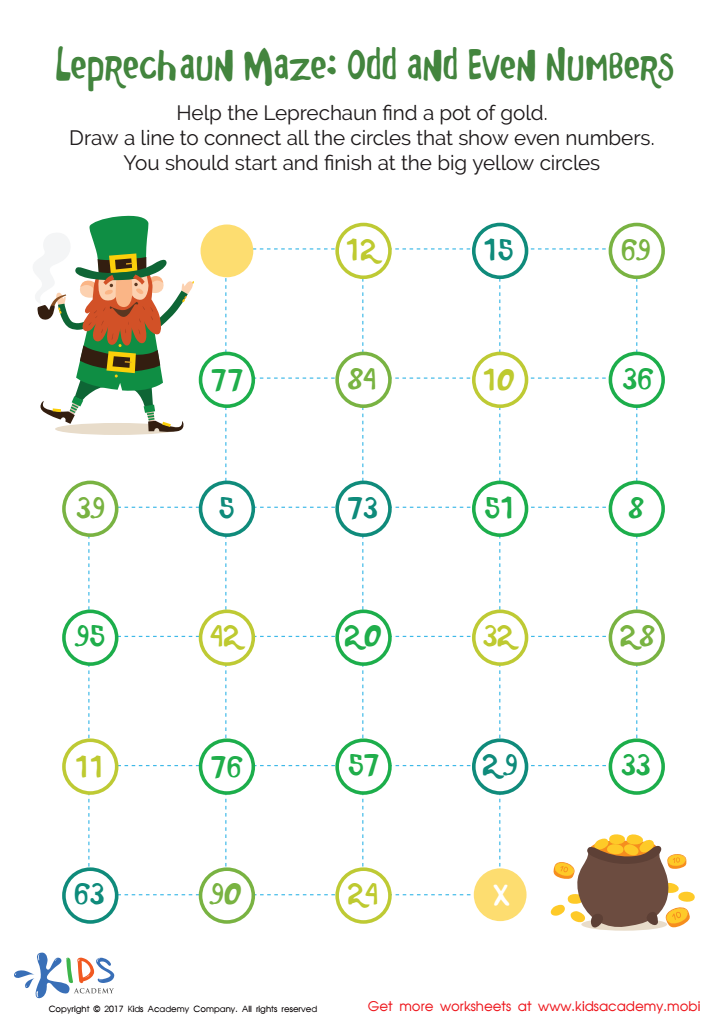
Leprechaun Maze Printable






.jpg)

Parents and teachers should prioritize Spatial Awareness Extra Challenge Math activities for children aged 3-8 because these exercises are vital for cognitive and developmental growth. Spatial awareness—the ability to understand and interact with the environment around us—is a foundational skill that influences a child's success in mathematics, reading, and everyday problem-solving.
Engaging young learners in spatial challenges helps them grasp essential concepts such as shapes, sizes, patterns, and the positions of objects in space. These skills are not just critical for academic achievement but also crucial for activities ranging from tying shoes to reading maps. When children enhance their spatial reasoning, they're better equipped to understand geometric relationships, which underpins more complex mathematical problem-solving they'll encounter later.
Additionally, spatial awareness activities boost fine motor skills, hand-eye coordination, and even social skills, as kids often work together during these challenges. They also encourage a playful and interactive learning environment where children can explore and experiment, fostering creativity and curiosity.
In sum, incorporating Spatial Awareness Extra Challenge Math into early education equips children with the skills necessary for academic success and day-to-day functioning, laying the groundwork for a lifetime of learning and effective problem-solving. Investing early in these activities makes learning math more intuitive and fun for young minds.








