Check out this FREE "Counting skills" Trial Lesson for age 3-9!

Connect Counting to Cardinality 1-5

Favorites
With answer key
Interactive
  • 3-9
  • Counting skills
  • Extra Challenge
Math PDF Worksheet: Count Little Owls

Count Little Owls Worksheet

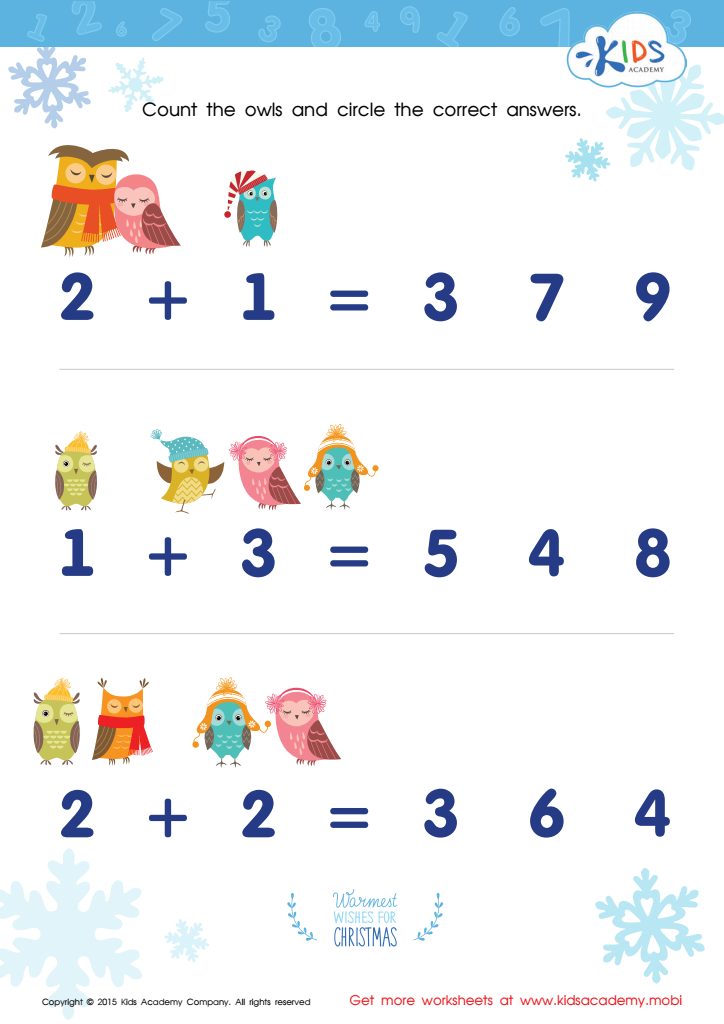
Math fun awaits! Count the cute little owls and practice adding single digits up to three indoors. Bright pictures help kids solve these simple problems. Get the free worksheets and enjoy the holiday season with Kids Academy!
Count Little Owls Worksheet
Worksheet
Counting Tens and Ones: Part 2 Worksheet

Counting Tens and Ones: Part 2 Worksheet

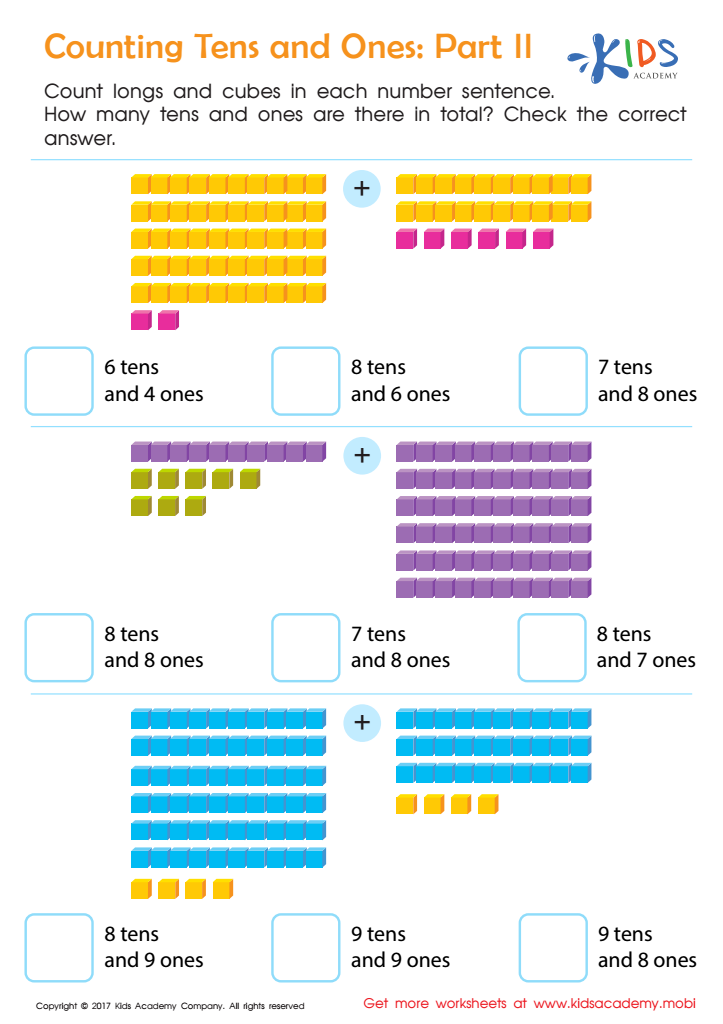
Adding two-digit numbers can be tough for kids. It's essential to give them a strong foundation of numeracy and math, not just teaching them to add. Use longs and cubes to help them get a visual grasp of place value and addition. This fun worksheet can help your child take their skills to the next level, with problems featuring larger numbers.
Counting Tens and Ones: Part 2 Worksheet
Worksheet
Kindergarten Counting Game Printable

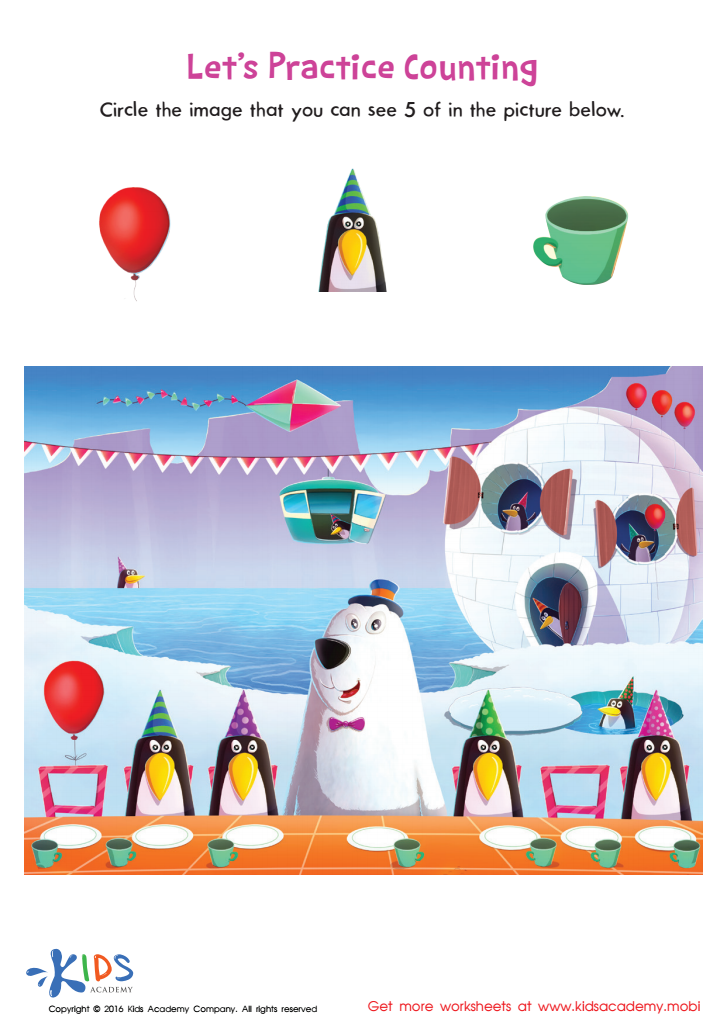
Counting Worksheet: Let's Practice Counting
Celebrate with the Arctic animals! This fun counting worksheet will help your child hone counting, problem-solving and attention skills. Let them explore important concepts through a process of elimination as they help the animals count guests and supplies. A great way to learn and have fun!
Counting Worksheet: Let's Practice Counting
Worksheet
Dot to Dot Numbers 1-10

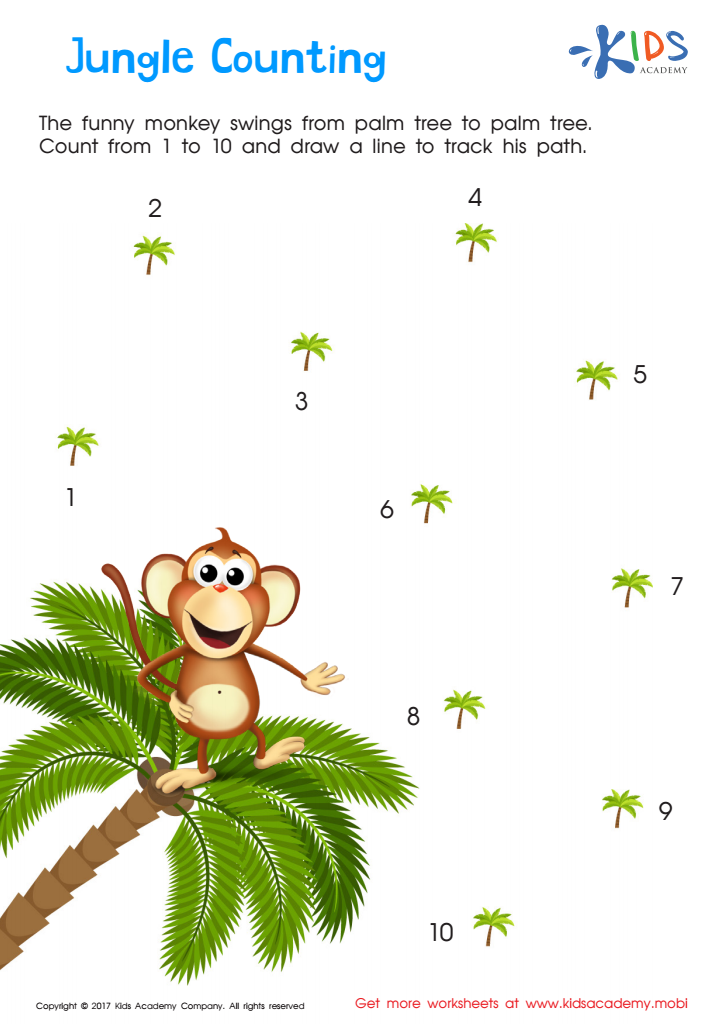
Jungle Counting Connect Dots Worksheet
Help your child count from 1-10 and practice problem solving skills with this dot to dot worksheet. Your child will enjoy helping the cute monkey swing from tree to tree while honing their math skills. Let them have a jungle-themed counting adventure!
Jungle Counting Connect Dots Worksheet
Worksheet
Nest of Eggs Worksheet

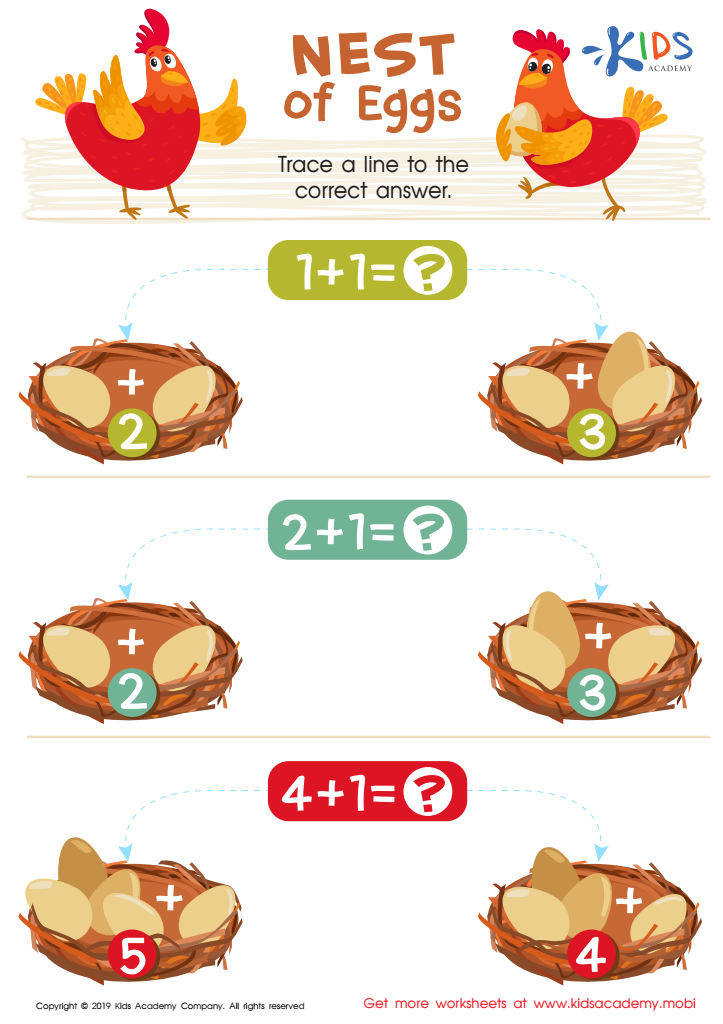
Nest of Eggs Worksheet

Help your kids learn math with this worksheet. First discuss the picture with them and then work through the three equations. Encourage them to trace the correct answer afterwards. With your assistance, they'll soon be able to confidently add numbers.
Nest of Eggs Worksheet
Worksheet
Fish Bowl Numbers Worksheet

Fish Bowl Numbers Worksheet

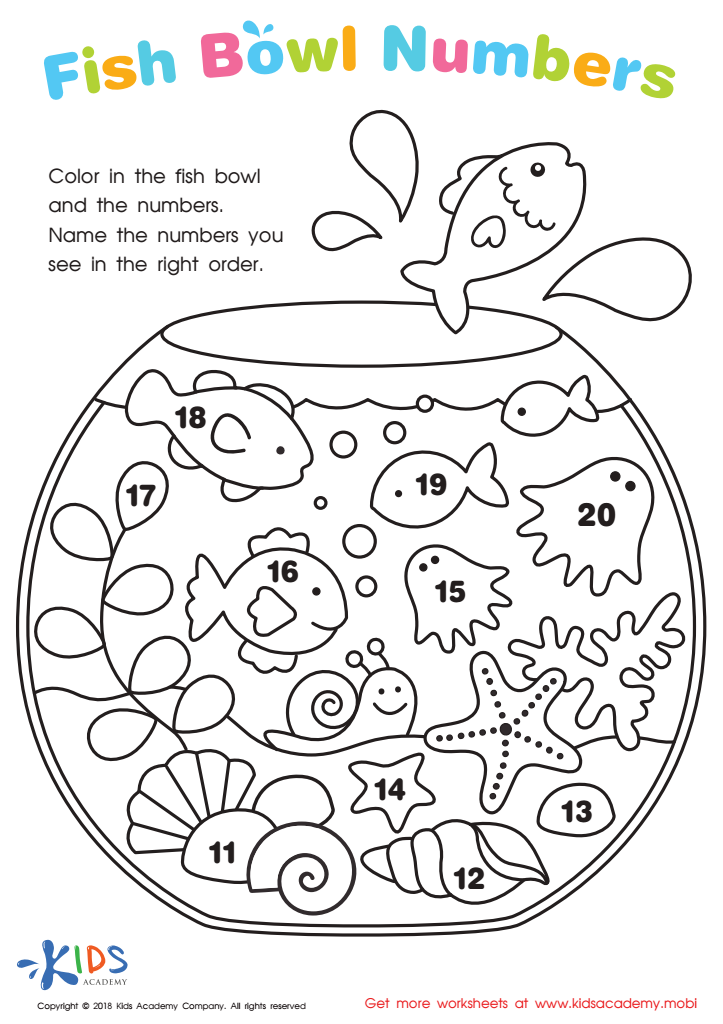
Let your kids count and color with this fun exercise! Ask them to read out the numbers in the fish bowl in order, then help them pick out colors for the fish bowl and numbers. An easy-peasy activity for kids who can count - they'll have lots of fun!
Download (PDF)
Assign to My Students
Fish Bowl Numbers Worksheet
Worksheet
Printable Counting Worksheet for Preschool

Counting Worksheet: Preschool Math

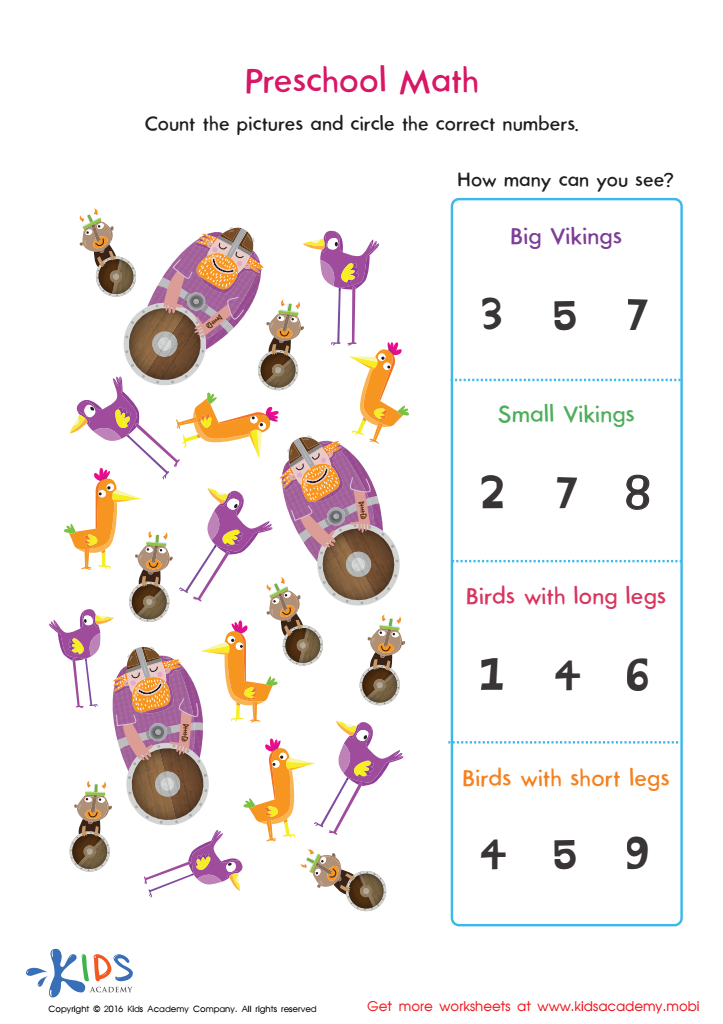
Help your child practice counting and reading at the same time!
Counting Worksheet: Preschool Math
Worksheet


... 2 3

Counting skills are foundational for children's early numeracy development, and offering extra challenges is crucial for deepening their understanding and fostering a lifelong love of learning. For children aged 3-9, developing strong counting abilities extends beyond simply reciting numbers. It builds critical thinking, pattern recognition, and problem-solving skills that are essential for more complex mathematical concepts later on.

Parents and teachers should care about providing counting challenges because they stimulate cognitive growth and curiosity. Early counting exercises, like counting objects or skip counting, lay the groundwork for basic arithmetic operations, such as addition and subtraction. More advanced counting challenges encourage children to think analytically and logically. By presenting these challenges hierarchically, children remain engaged, feel a sense of accomplishment, and are motivated to tackle more difficult problems.

Moreover, strengthening counting skills enhances children's confidence in their abilities, setting a positive trajectory for future academic pursuits. This is particularly important in the early years when attitudes towards learning are being formed. By paying attention to counting skills and progressively challenging children within their developmental stages, parents and teachers foster not only academic competence but also a resilient, growth-oriented mindset that benefits children across all areas of their education.