Counting skills Extra Challenge Worksheets for Ages 3-9 - Page 2
55 filtered results
-
From - To
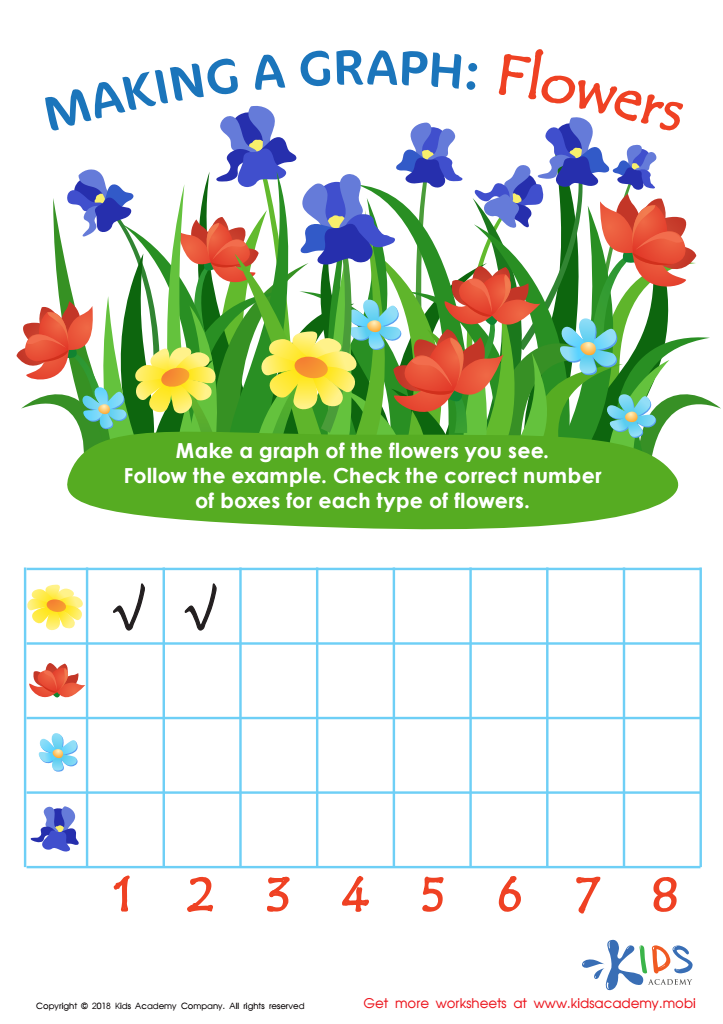
Making a Graph: Flowers Worksheet
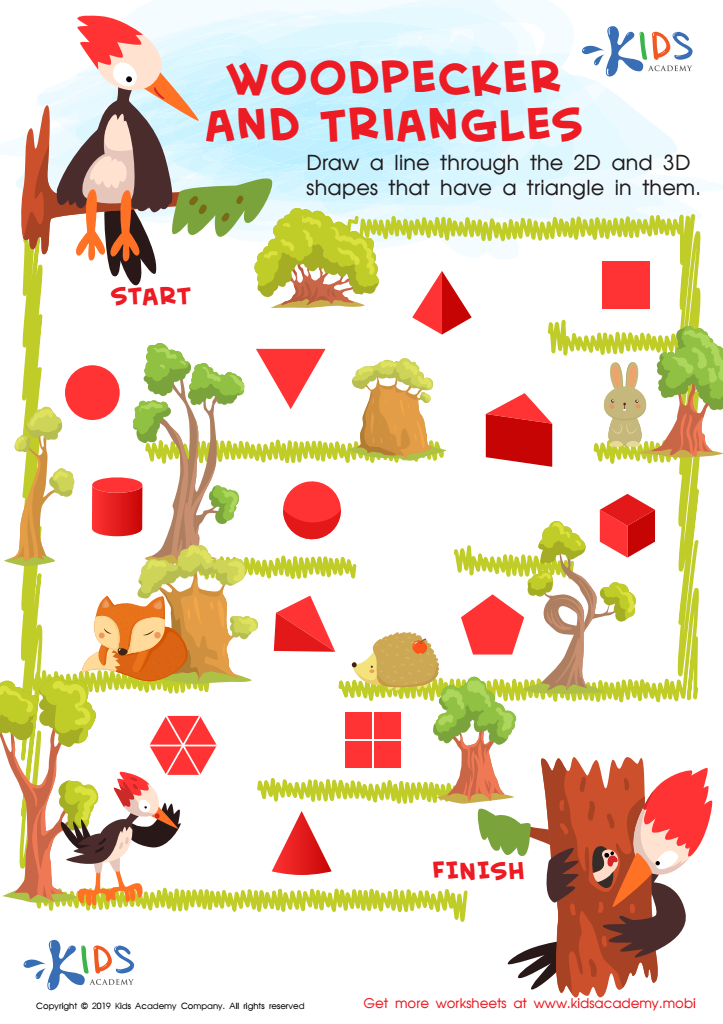
Woodpecker and Triangles Worksheet
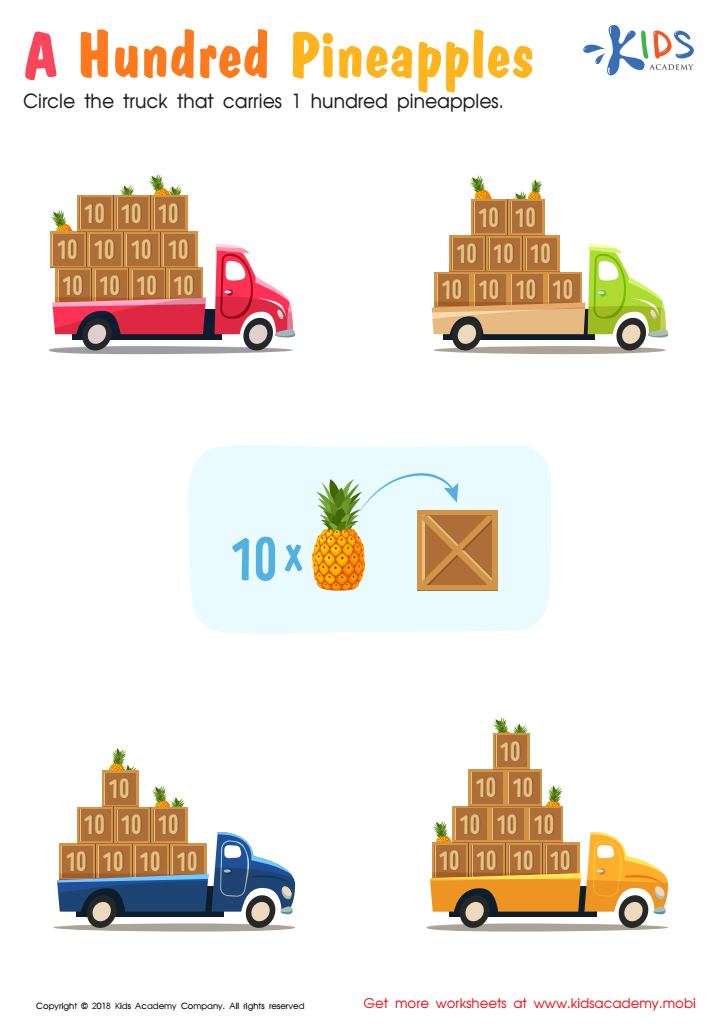
A Hundred Pineapples Worksheet
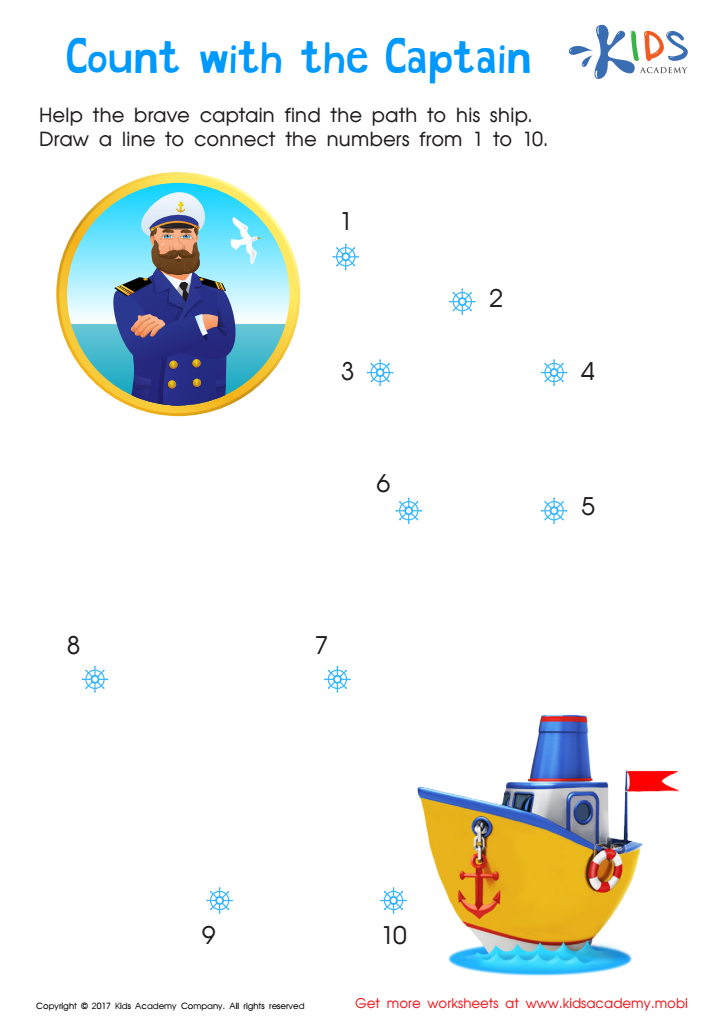
Count with the Captain Connect Dots Worksheet
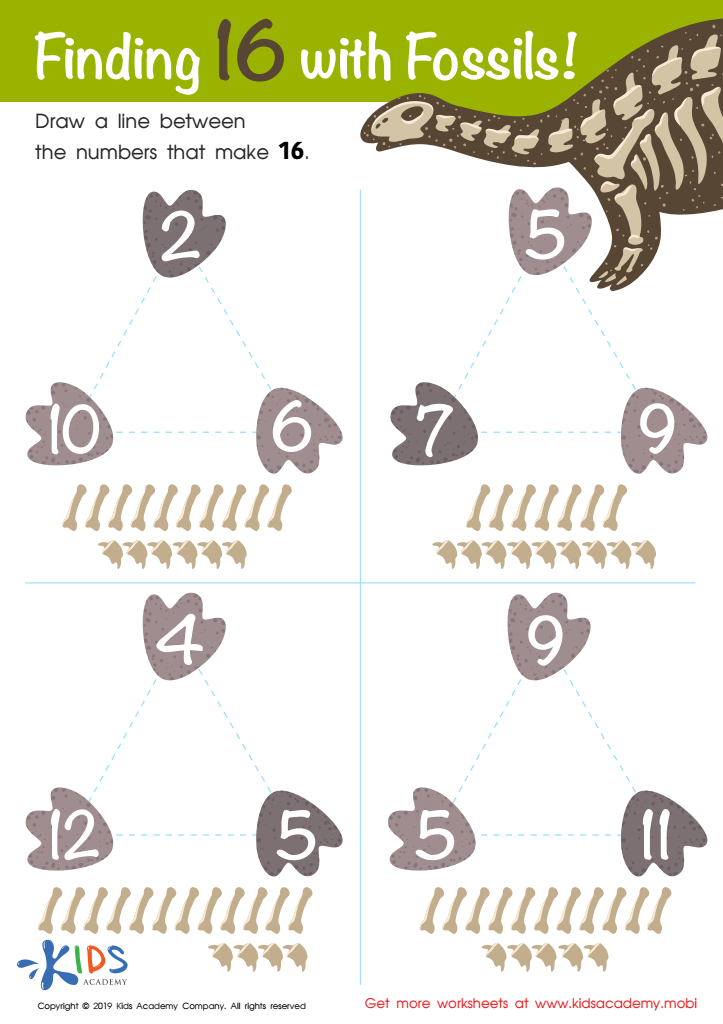
Finding 16 With Fossils Worksheet

Learn Number For Kindergarten Worksheet
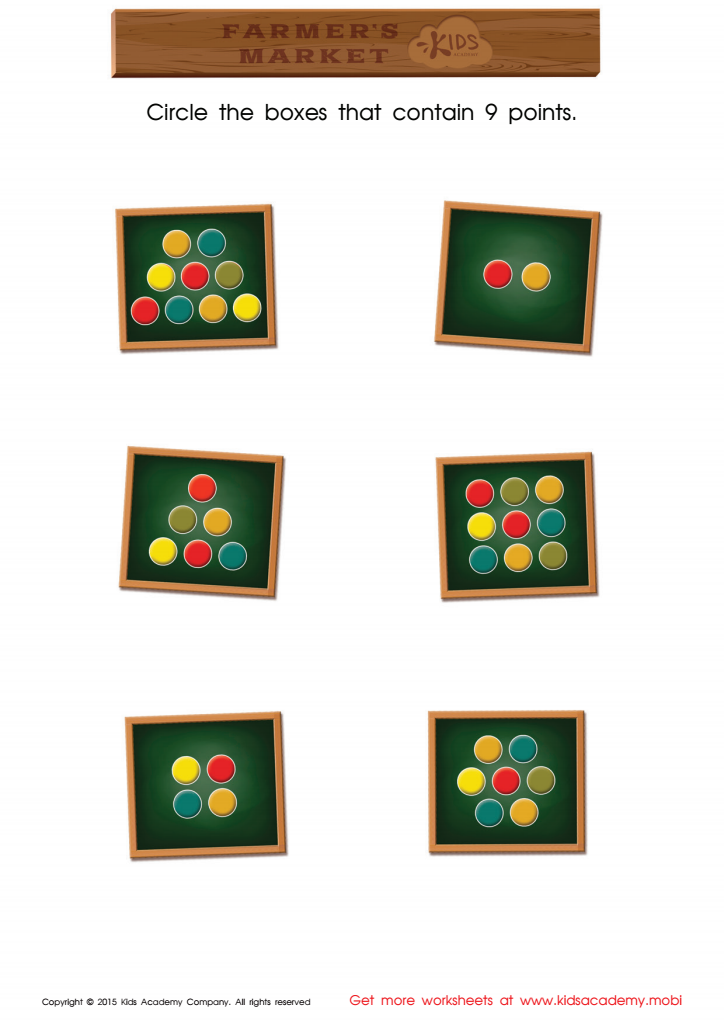
Count and Match Points 9 Math Worksheet
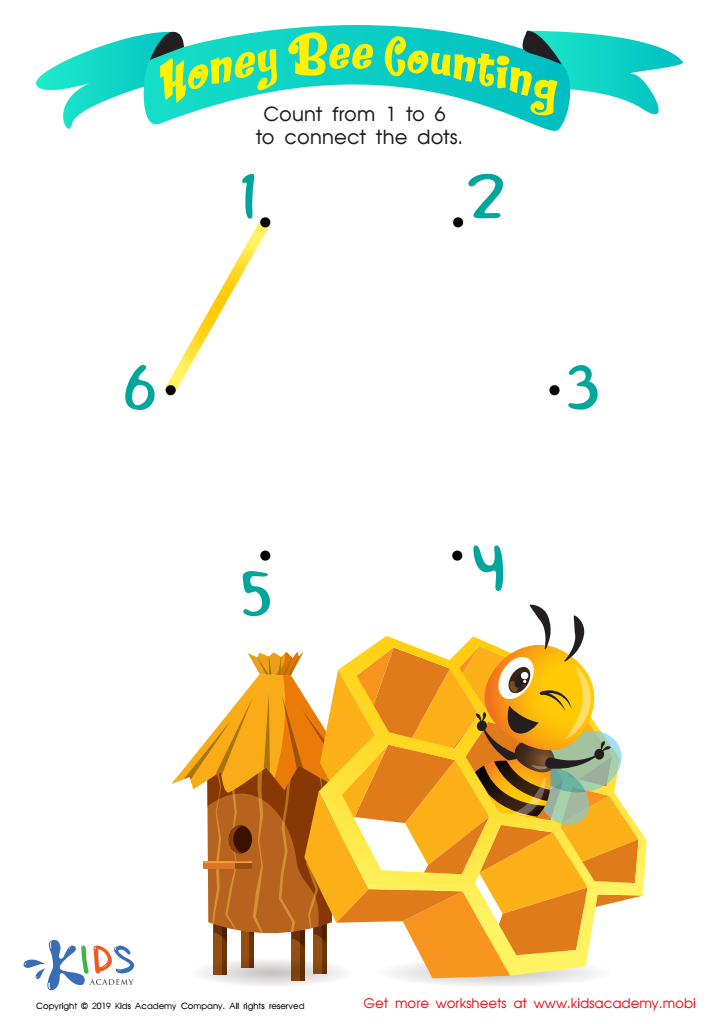
Honey Bee Counting Worksheet
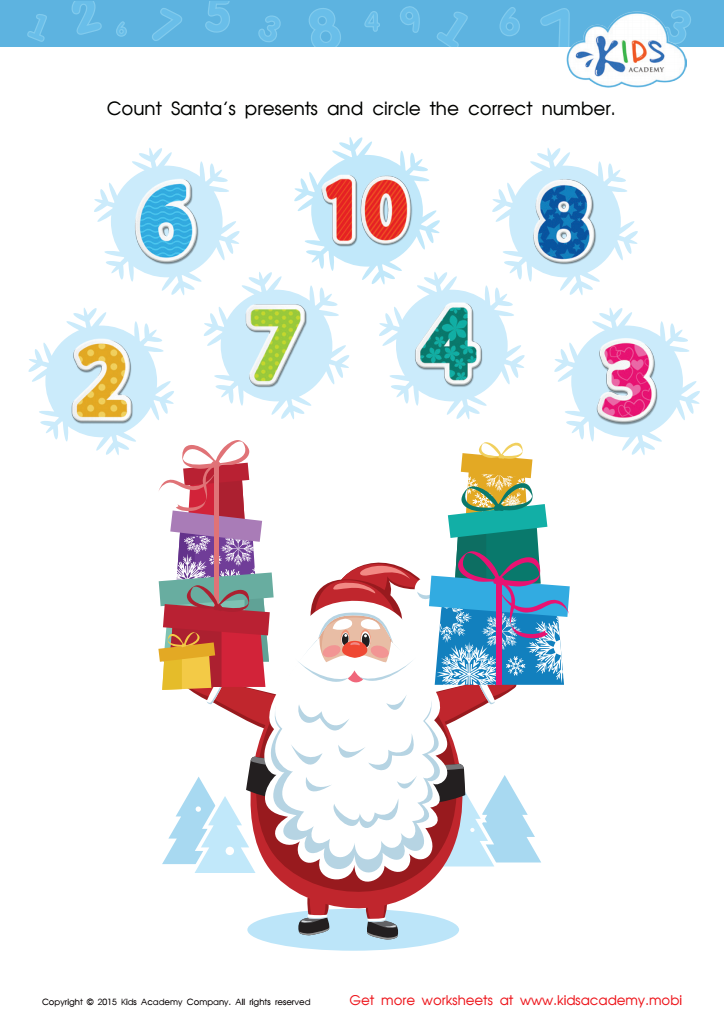
Count Santa's Presents Worksheet
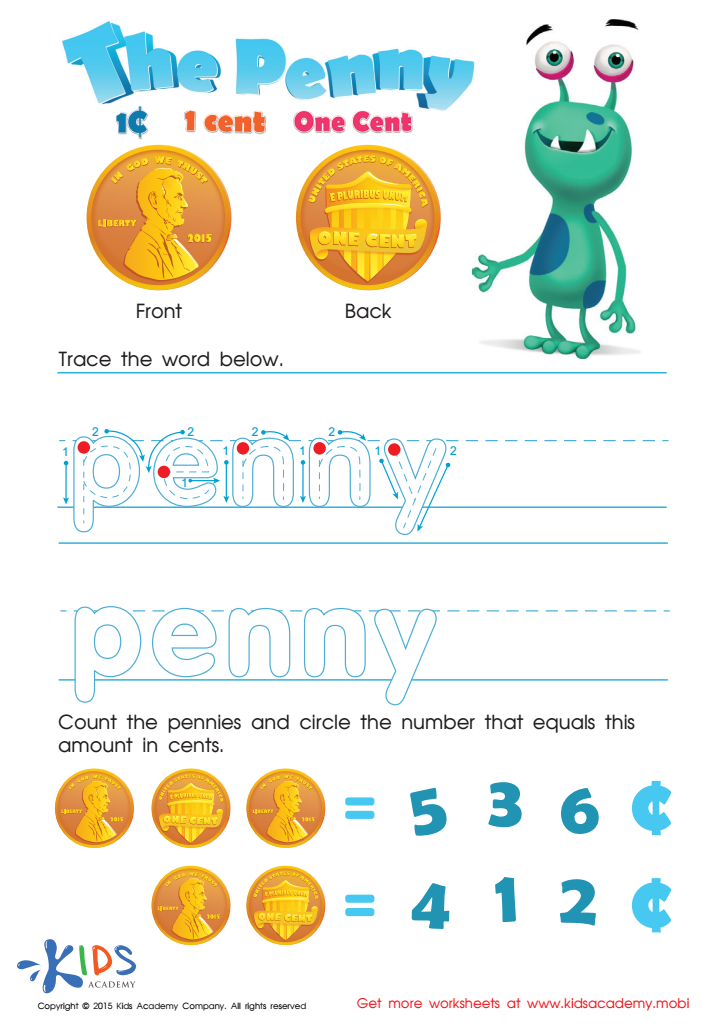
One Cent or the Penny Money Worksheet
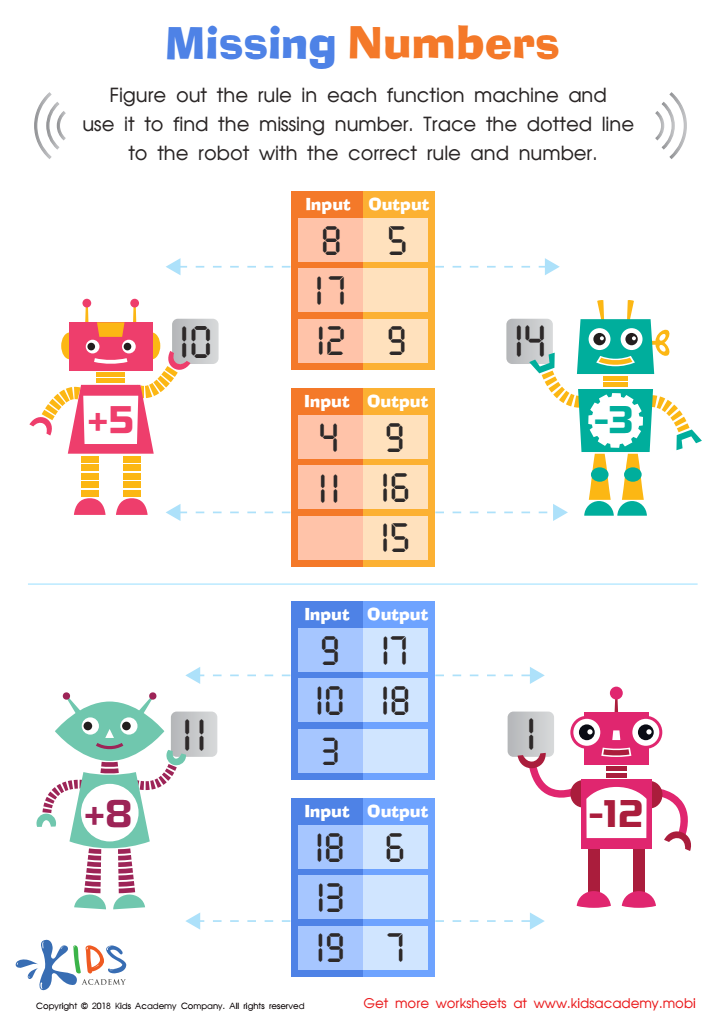
Missing Numbers Worksheet
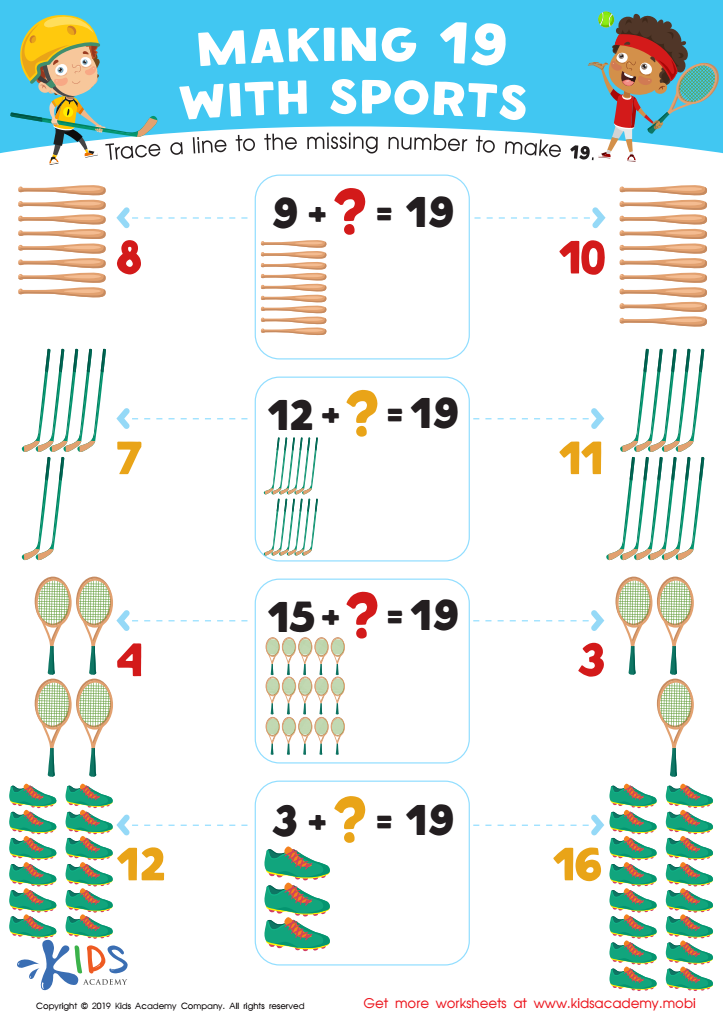
Making 19 with Sports Worksheet
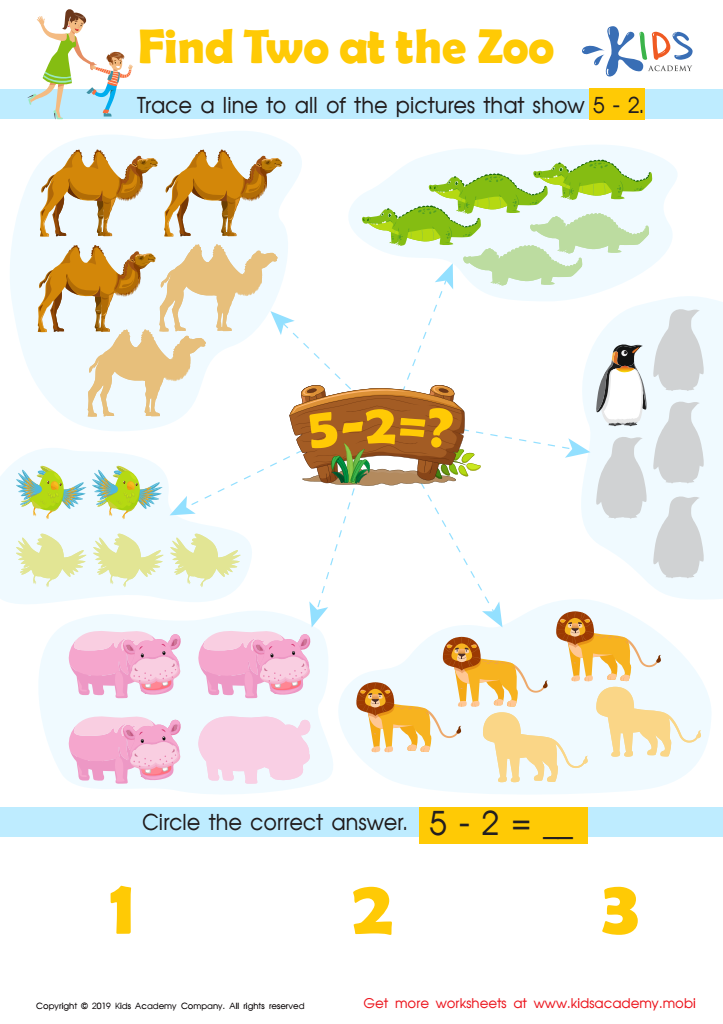
Find Two at the Zoo Worksheet
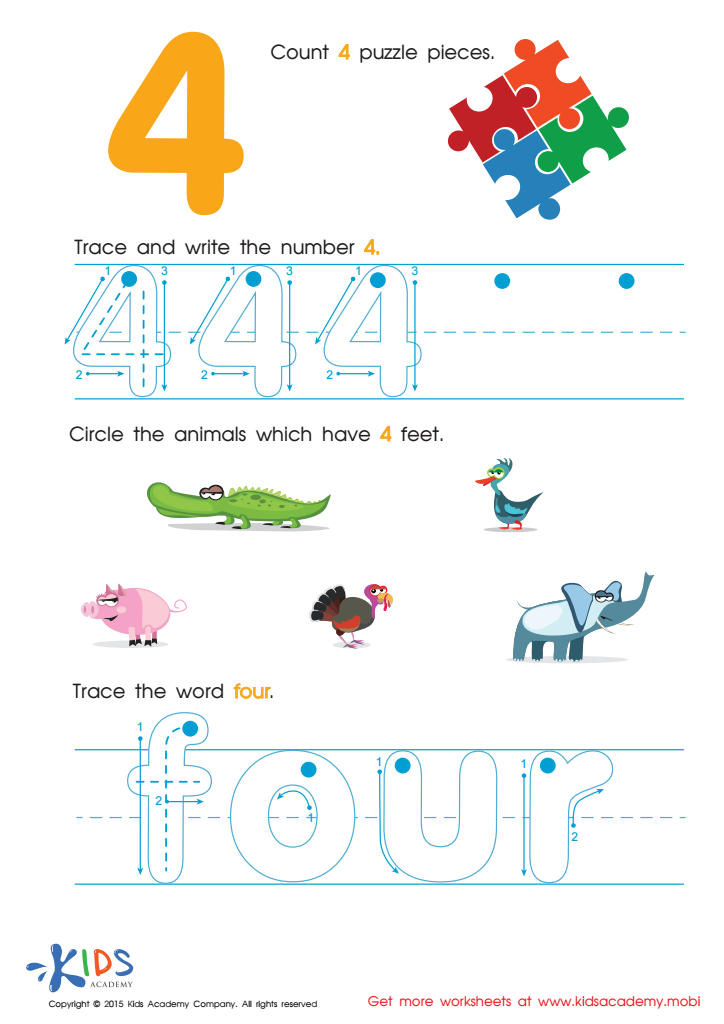
Teaching Children to Write Number 4 Worksheet
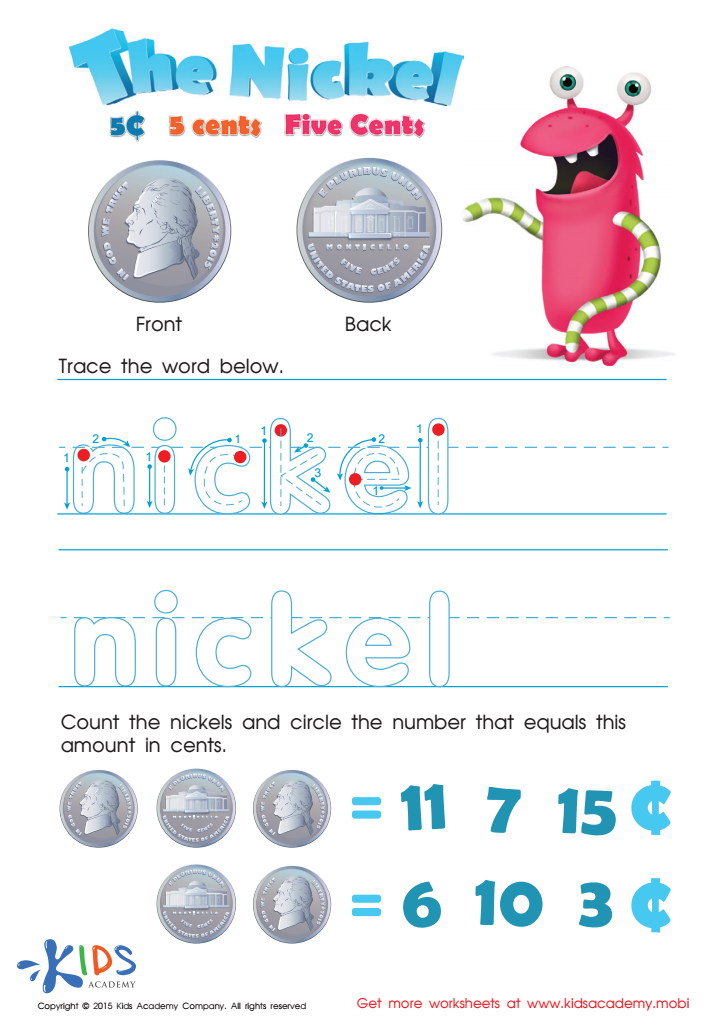
Five Cents or the Nickel Money Worksheet
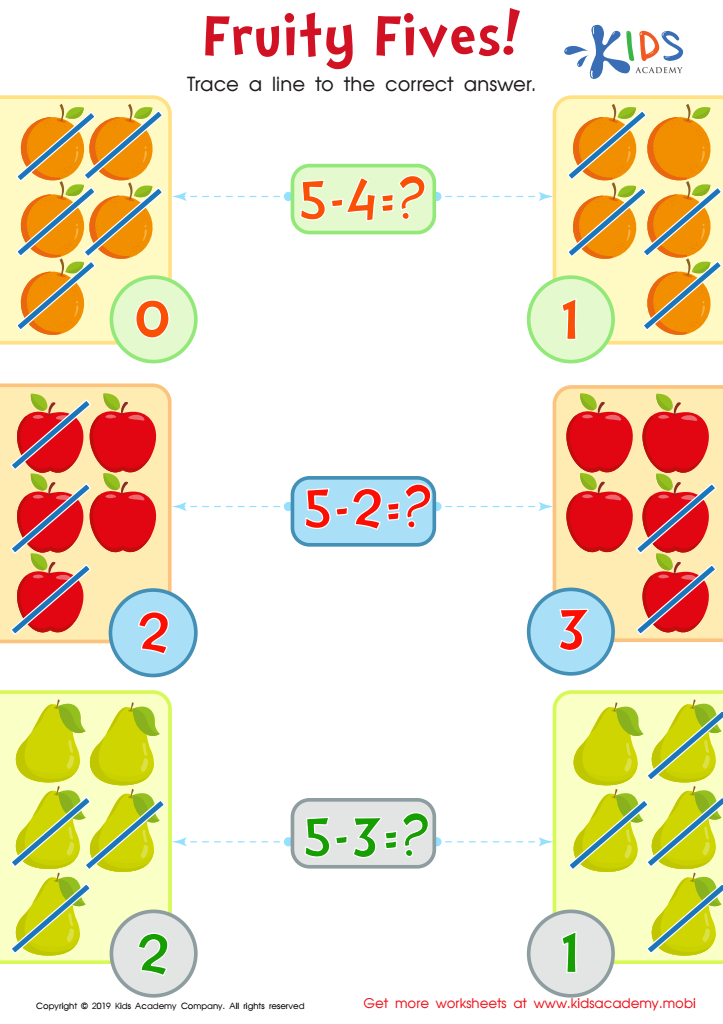
Fruity Fives! Worksheet
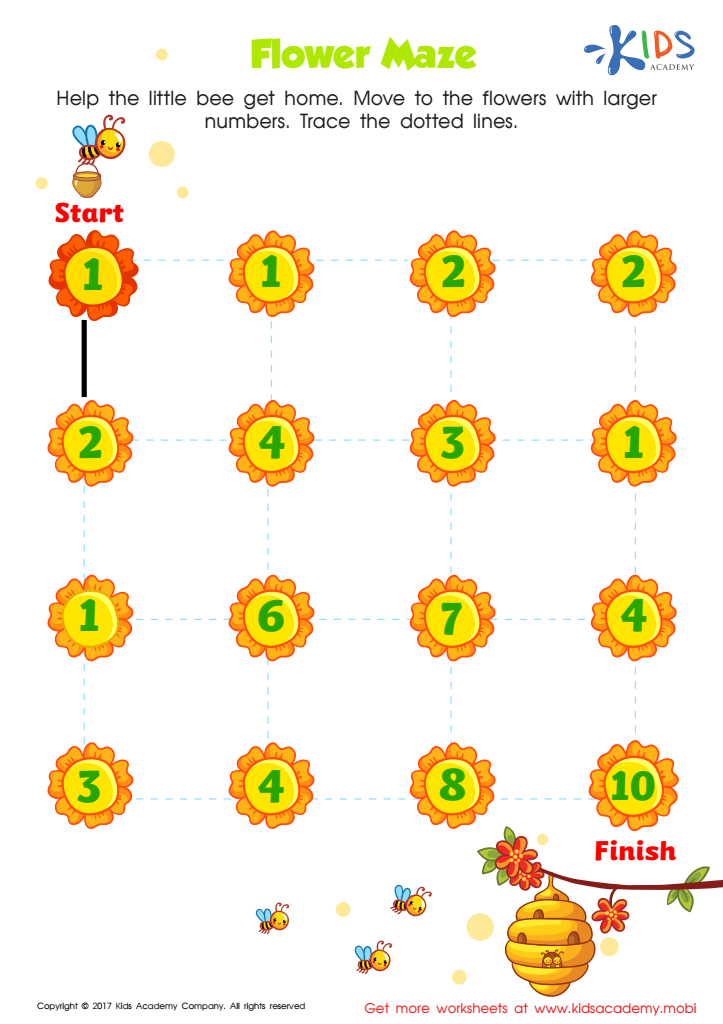
Number Maze For Kindergarten Printable
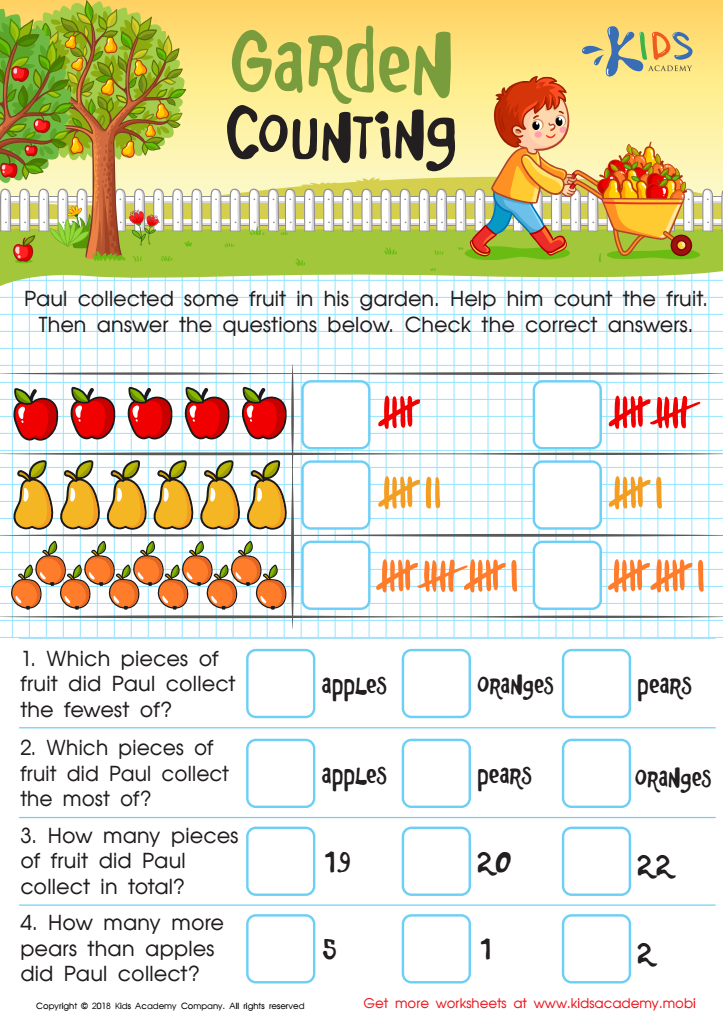
Garden Counting Worksheet
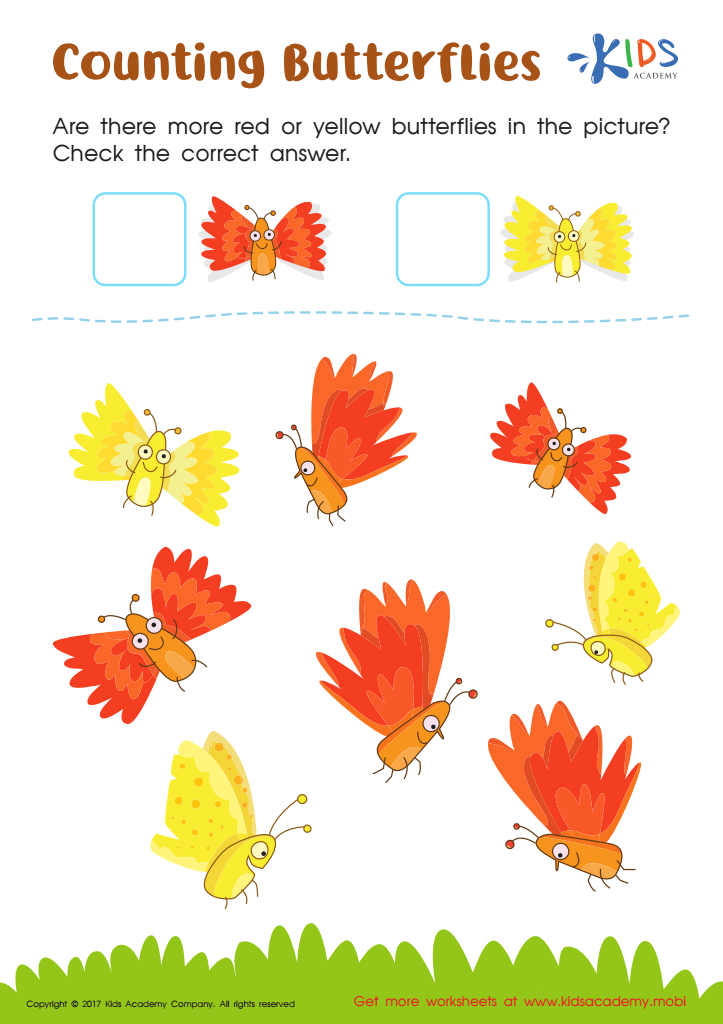
Counting Butterflies Worksheet
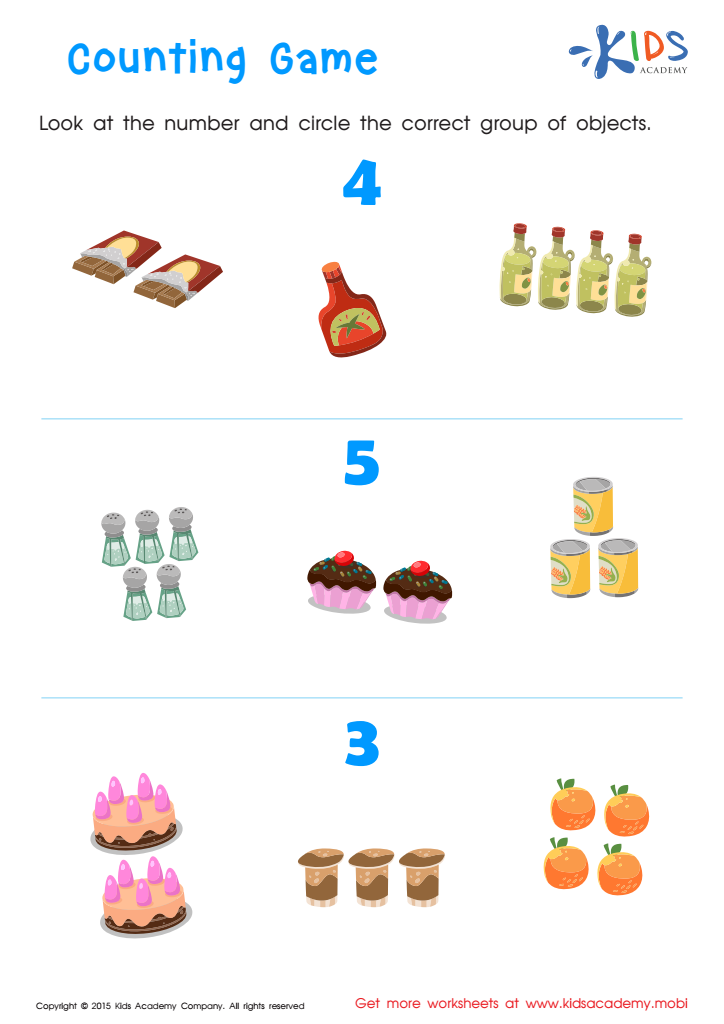
Counting Worksheet
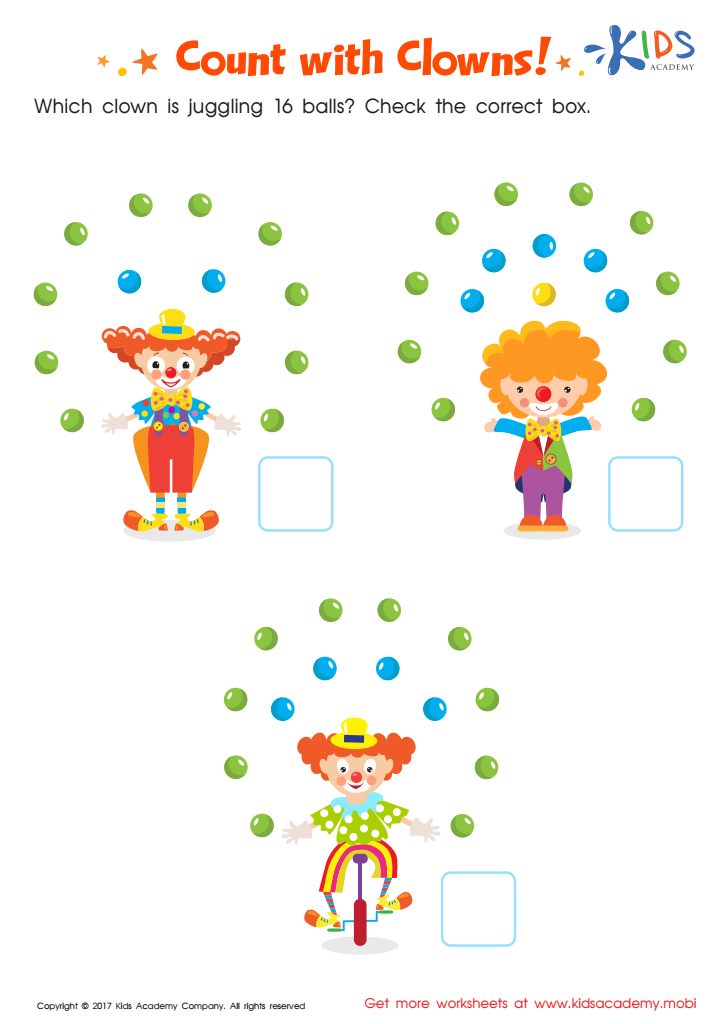
Count with Clowns Worksheet
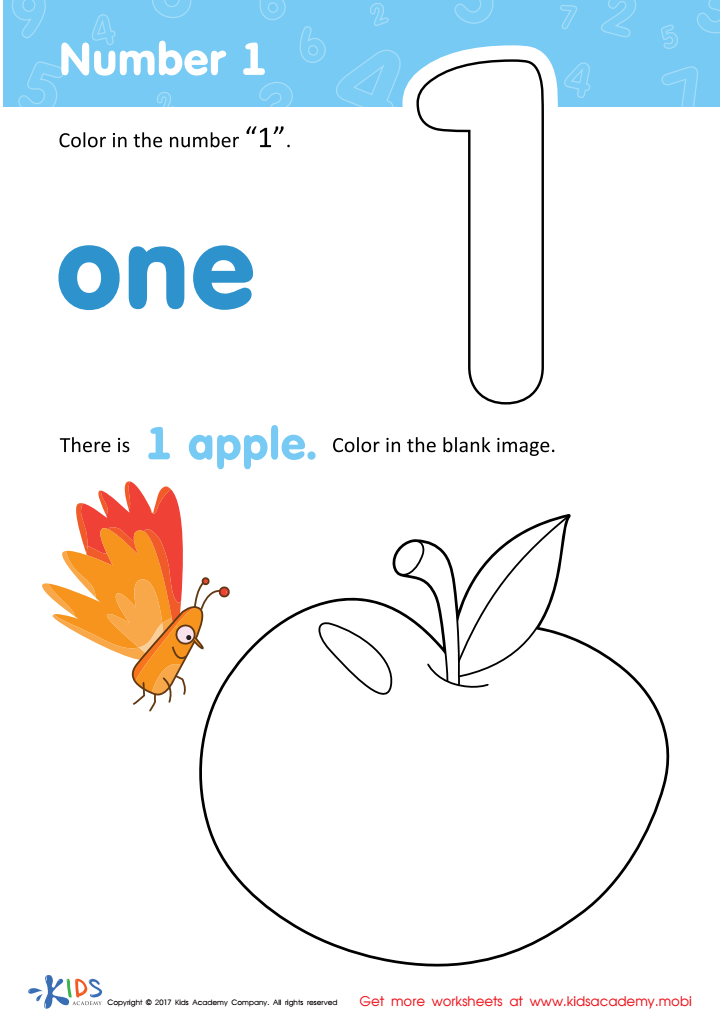
Number 1 Printable
 Assign to My Students
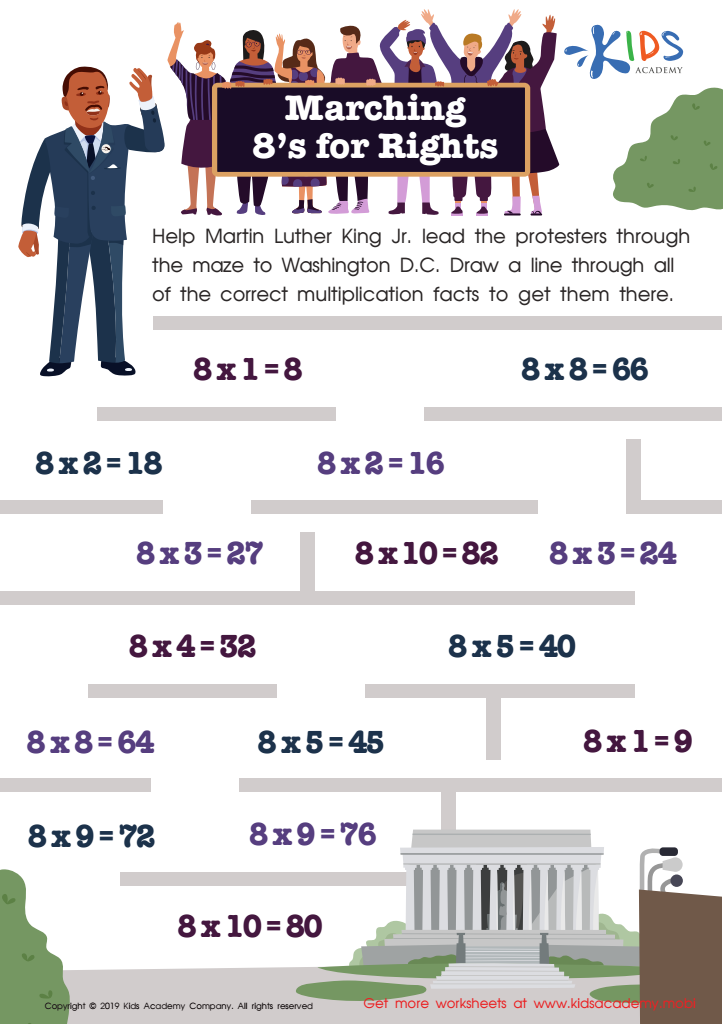
Marching 8’s for Rights Worksheet
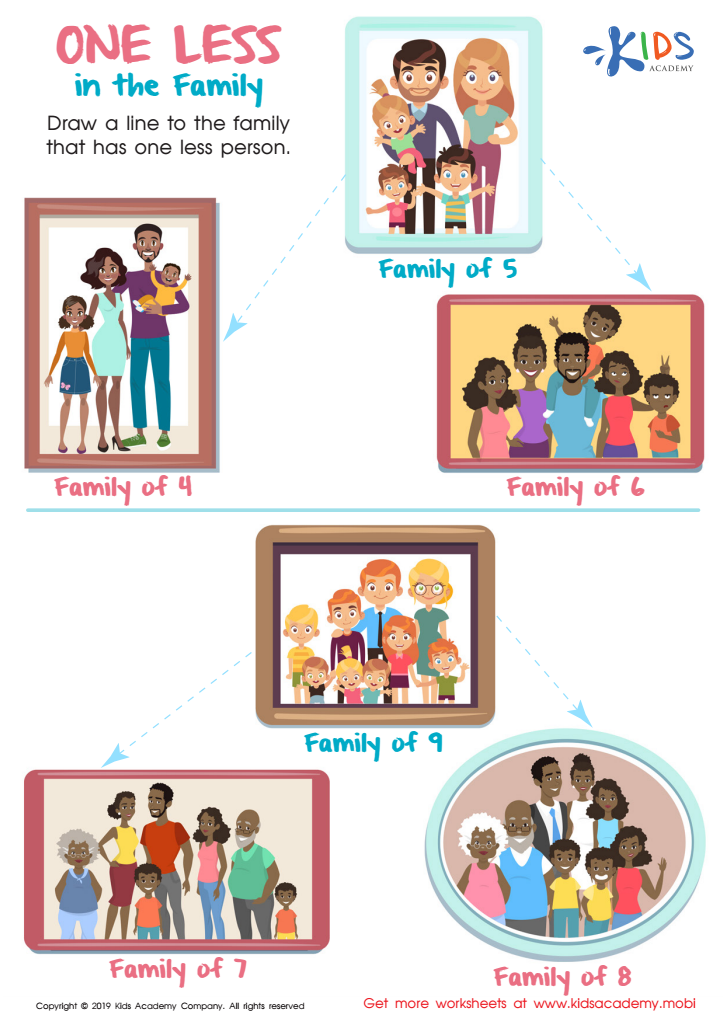
One Less in the Family Worksheet








Counting skills are foundational for children's early numeracy development, and offering extra challenges is crucial for deepening their understanding and fostering a lifelong love of learning. For children aged 3-9, developing strong counting abilities extends beyond simply reciting numbers. It builds critical thinking, pattern recognition, and problem-solving skills that are essential for more complex mathematical concepts later on.
Parents and teachers should care about providing counting challenges because they stimulate cognitive growth and curiosity. Early counting exercises, like counting objects or skip counting, lay the groundwork for basic arithmetic operations, such as addition and subtraction. More advanced counting challenges encourage children to think analytically and logically. By presenting these challenges hierarchically, children remain engaged, feel a sense of accomplishment, and are motivated to tackle more difficult problems.
Moreover, strengthening counting skills enhances children's confidence in their abilities, setting a positive trajectory for future academic pursuits. This is particularly important in the early years when attitudes towards learning are being formed. By paying attention to counting skills and progressively challenging children within their developmental stages, parents and teachers foster not only academic competence but also a resilient, growth-oriented mindset that benefits children across all areas of their education.








