Observational skills Extra Challenge Worksheets for Ages 3-9
3 filtered results
-
From - To
Boost your child's attention to detail with our Observational Skills Extra Challenge Worksheets for ages 3-9! These engaging printables are specially designed to enhance young learners' ability to observe, compare, and analyze. Each worksheet presents fun, challenging tasks that captivate children's interests while developing critical thinking and attention to detail. Perfect for both classroom and at-home use, these worksheets help kids build a solid foundation for academic success. Give them the tools they need to become keen observers of the world around them in an enjoyable and educational manner. Unlock your child's full potential with Kids Academy today!
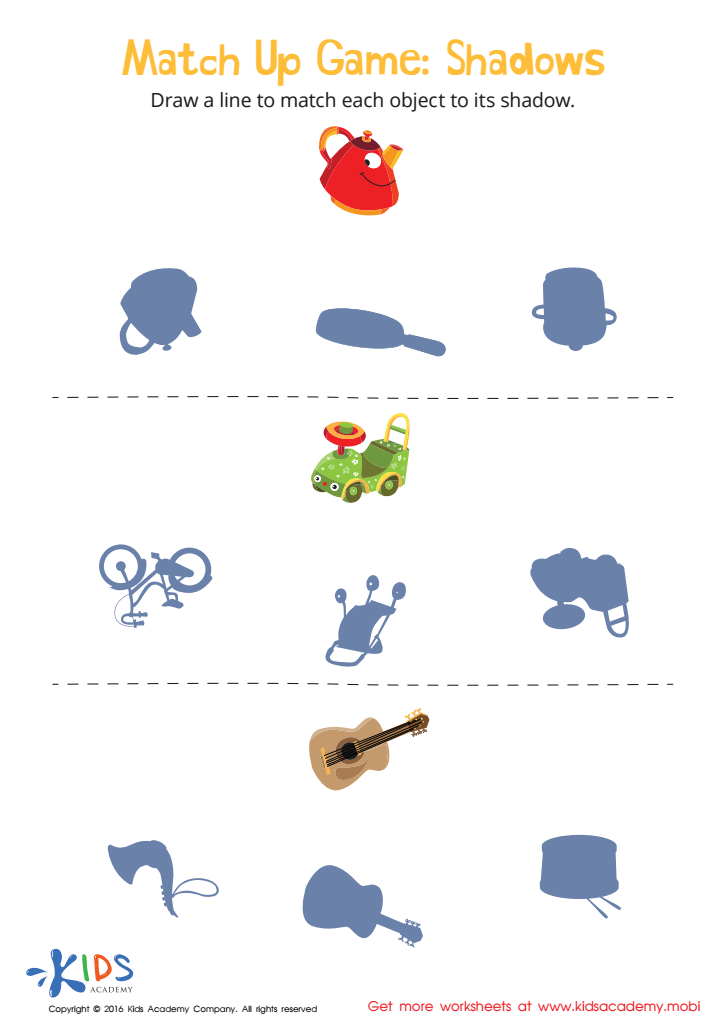
 Assign to My Students
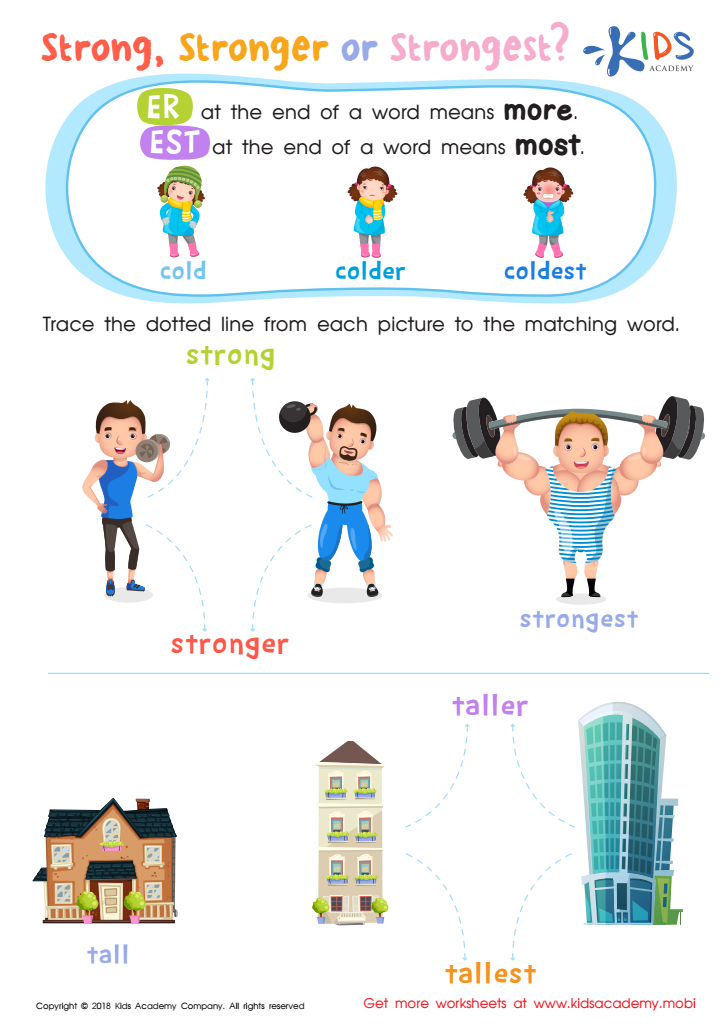
Strong or Stronger? Worksheet
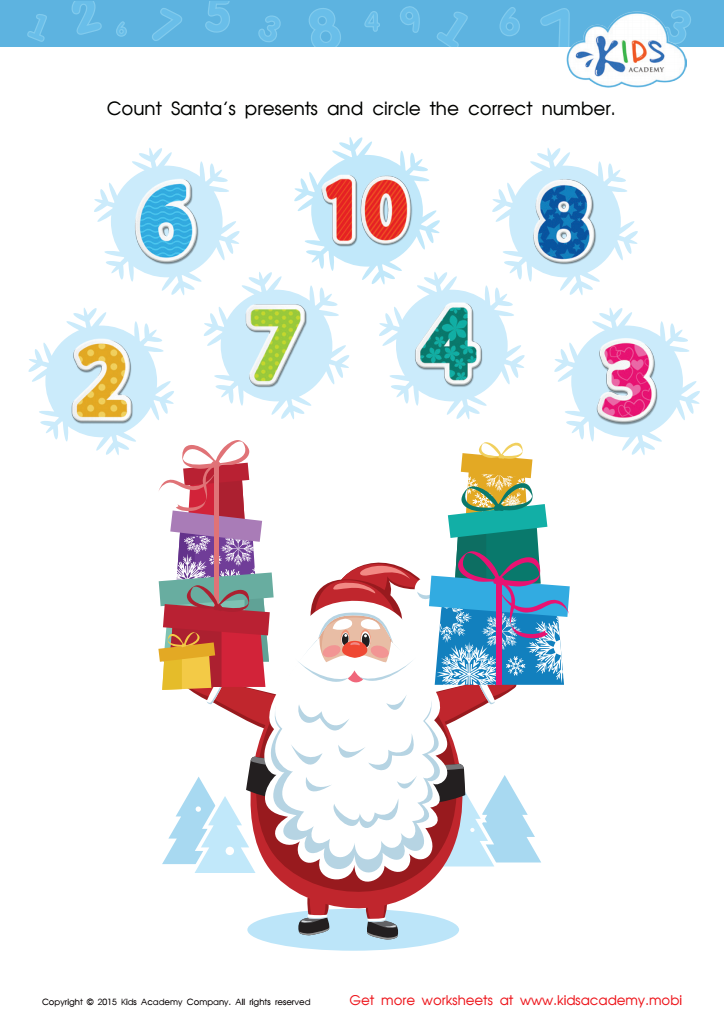
Count Santa's Presents Worksheet




Observational skills are crucial for children's cognitive and social development, and incorporating the Observational Skills Extra Challenge for ages 3-9 in educational activities benefits both parents and teachers. These challenges focus on enhancing a child's ability to notice and understand the world around them which promotes numerous developmental gains.
Firstly, observational skills enhance children's attention to detail. When they are set tasks that require careful observation, they learn to notice subtle differences and complexities in their environment. This ability is the foundation for academic skills in reading, writing, and math, where attention to detail is paramount.
Secondly, improving observational skills aids in critical thinking and problem-solving. Children who can observe closely are better at comparing, contrasting, and making logical connections, essential skills throughout their academic journey and daily life.
Thirdly, engaging in such challenges boosts social-emotional skills. For instance, by perceiving others' facial expressions and body language more accurately, children develop empathy and improve their communication.
Lastly, these skills foster a deeper connection and curiosity about the world. A curious child asks questions, seeks to learn more, and has a broader understanding of their surroundings, setting a positive trajectory for lifelong learning.
Hence, by caring about and integrating observational skills exercises, parents and teachers can significantly contribute to holistic child development.








