Shape identification Extra Challenge Worksheets for Ages 3-9
6 filtered results
-
From - To
Introducing our "Shape Identification Extra Challenge Worksheets" designed for children aged 3-9! These engaging, printable worksheets offer a fun and interactive way to enhance shape recognition and spatial awareness. Ideal for early learners, the activities are tailored to different skill levels, ensuring each child is challenged appropriately. From basic shapes to complex patterns, our worksheets foster critical thinking and problem-solving skills while keeping young minds intrigued. Empower your child with the confidence to identify various shapes and improve their fine motor skills. Perfect for home or classroom use, these resources will make learning about shapes an enjoyable adventure!
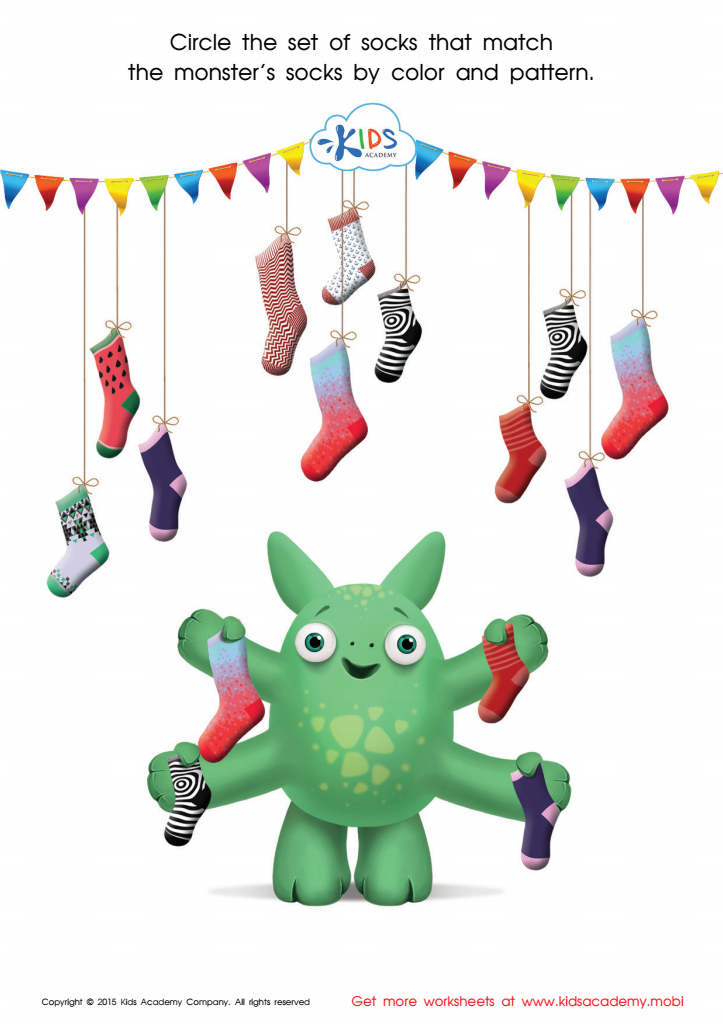
Sort the Monster's Socks Worksheet
 Assign to My Students
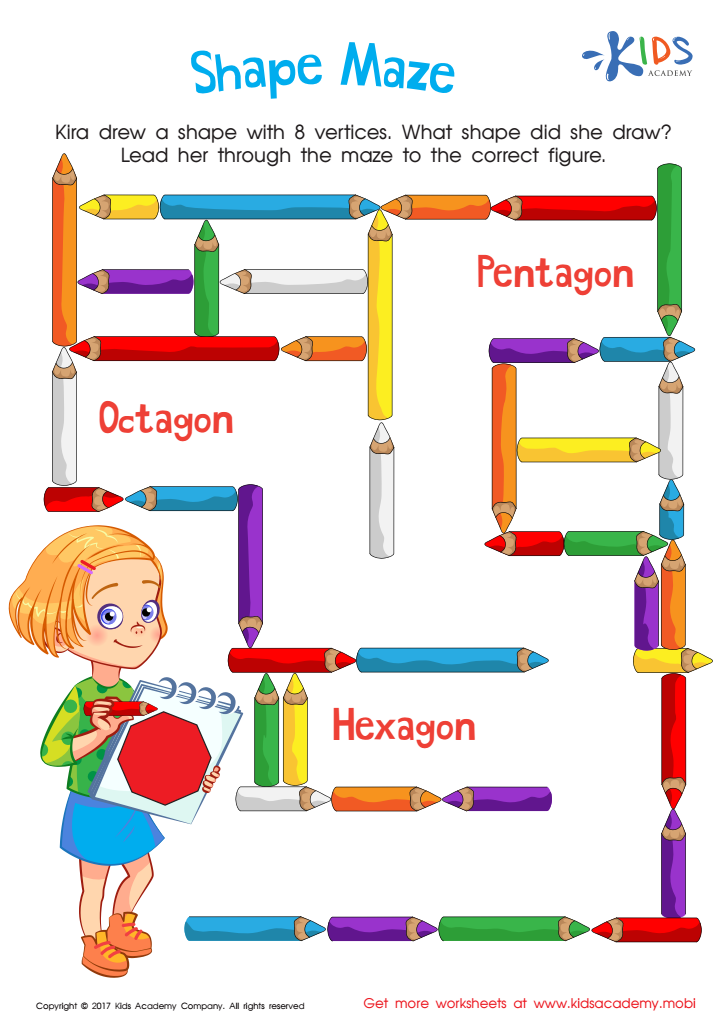
Shape Maze Worksheet
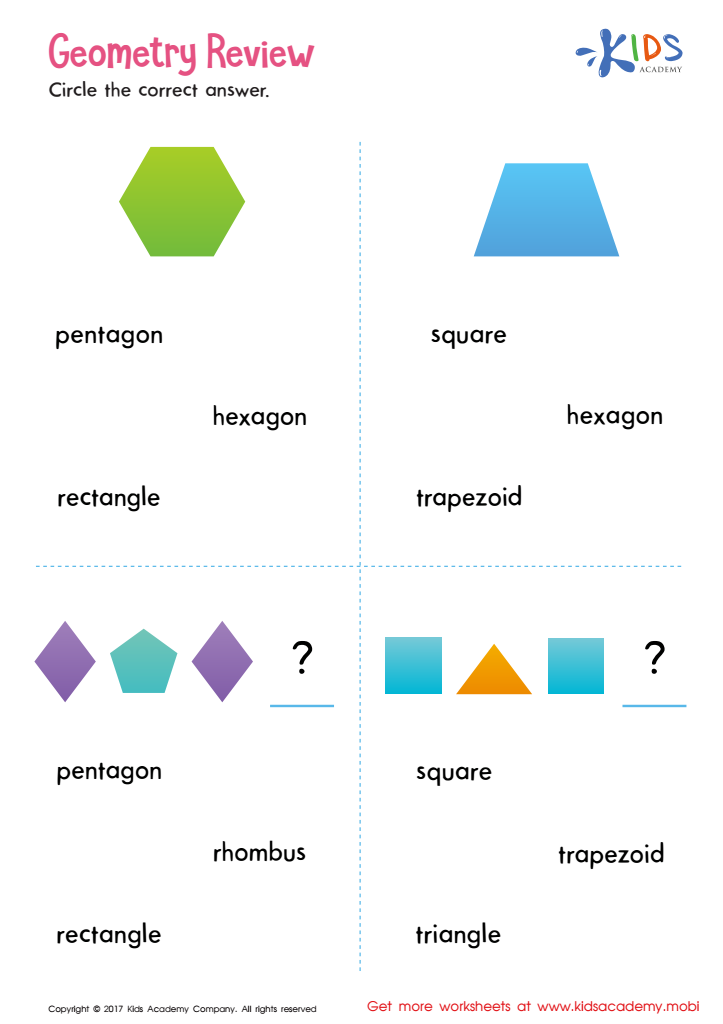
Geometry Review Printable
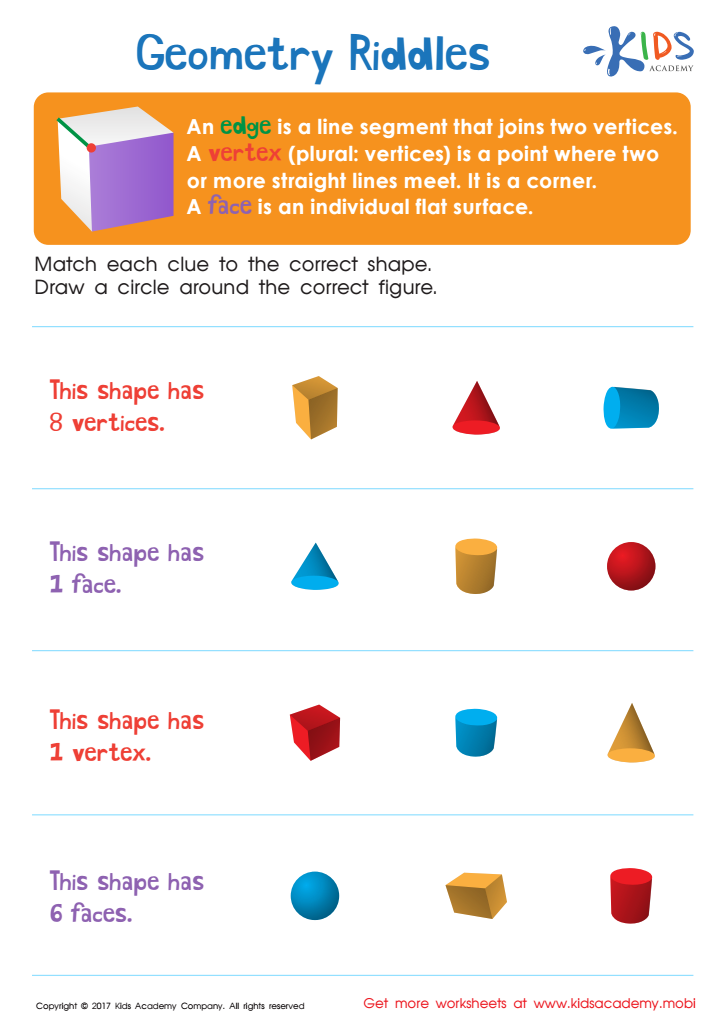
Geometry Riddles Printable
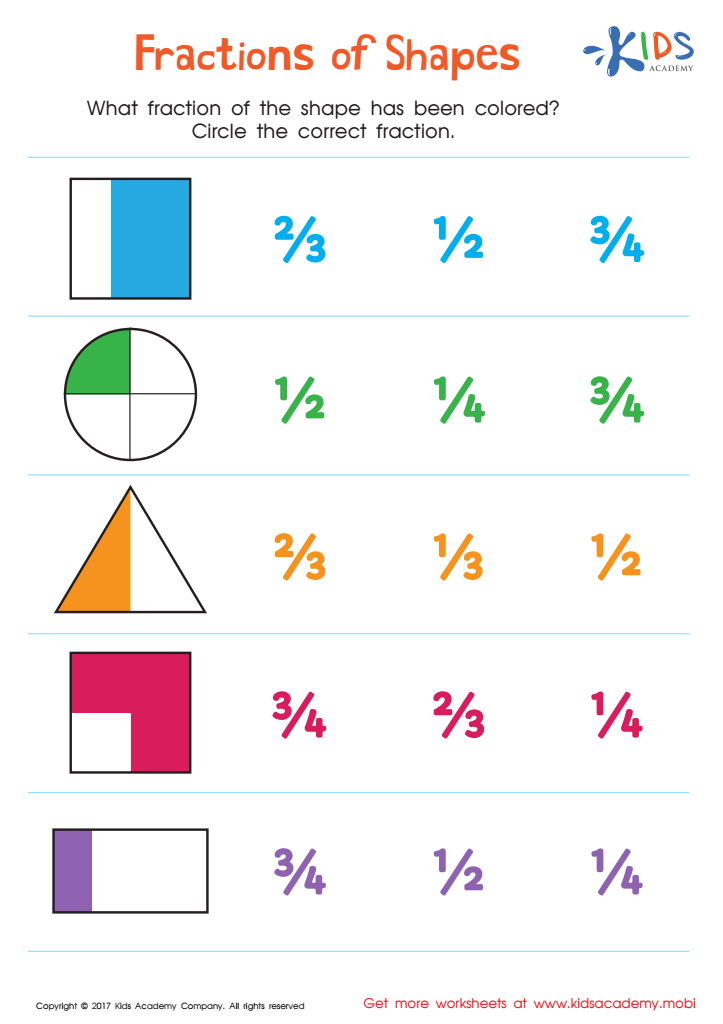
Fractions of Shapes: Math Concept Worksheet
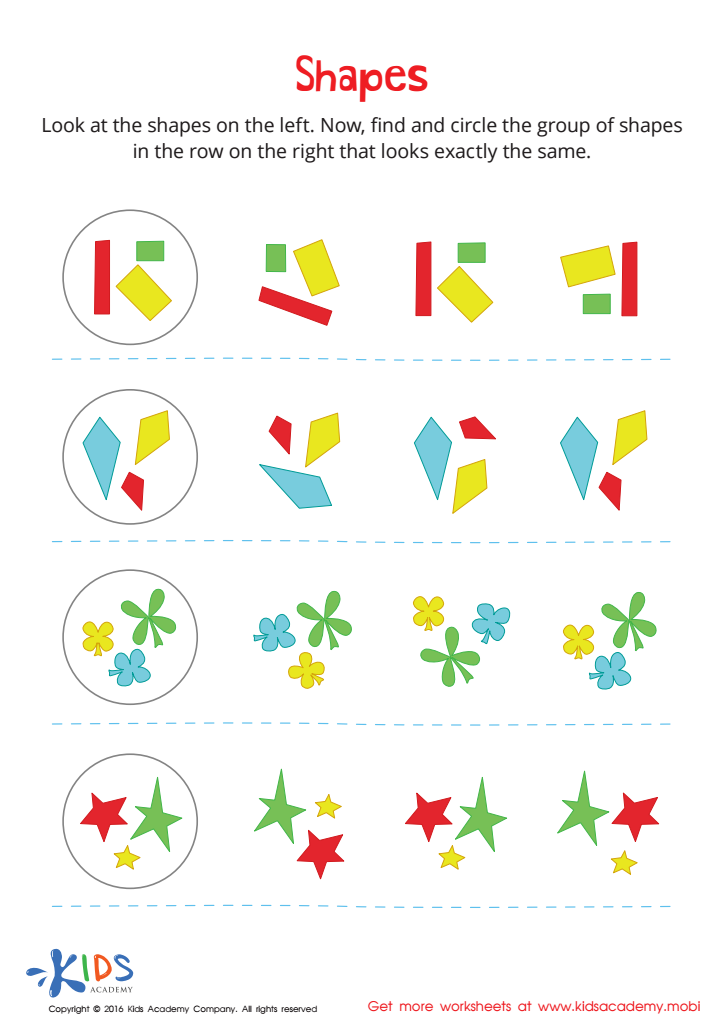
Shapes Worksheet




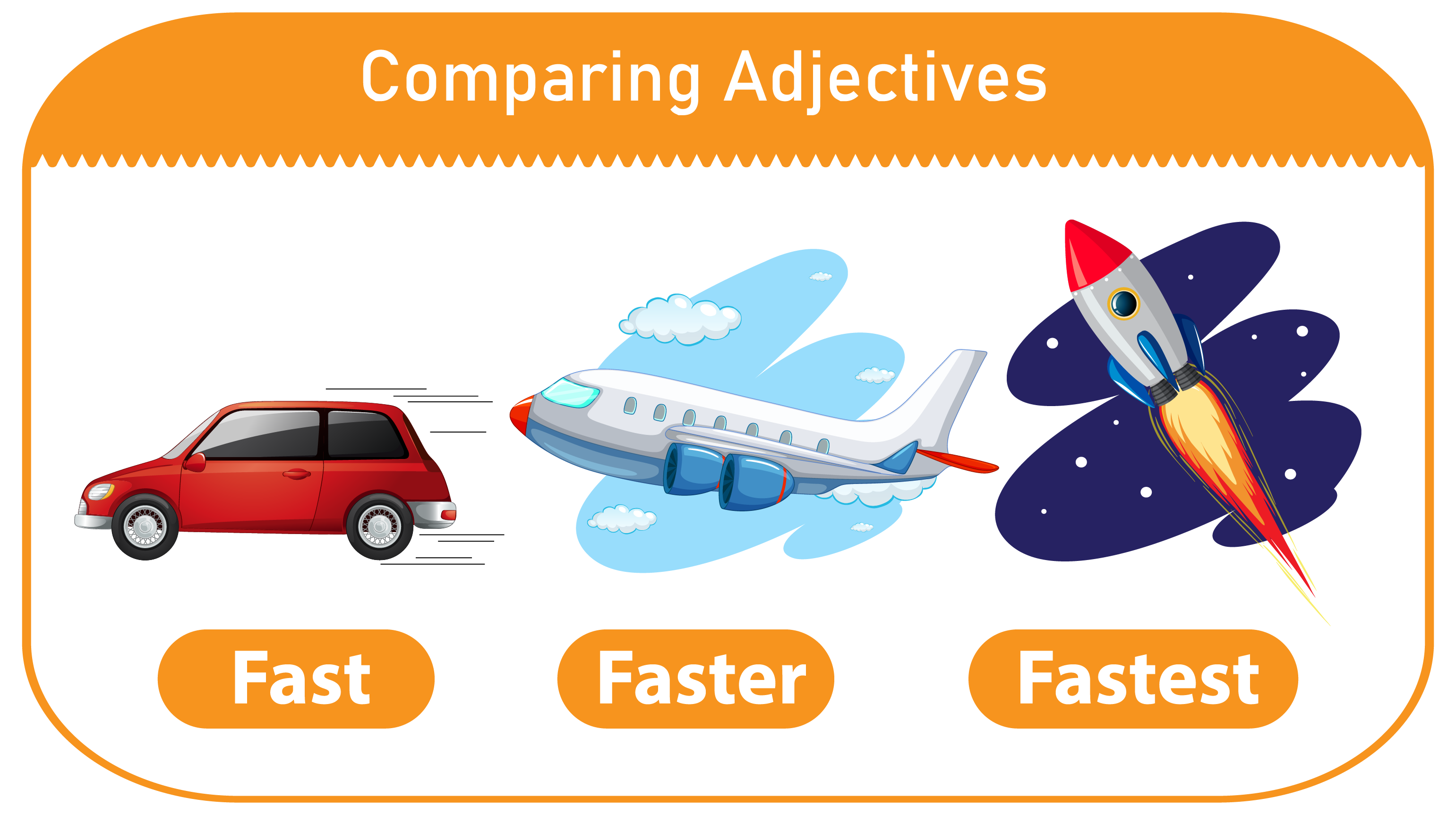



Shape identification is a fundamental skill for young learners, particularly those aged 3-9. Understanding shapes lays the groundwork for essential math skills, geometry, and spatial reasoning, which are crucial as children progress in their education. By engaging in activities that challenge their shape identification abilities, young learners enhance cognitive development, improve critical thinking skills, and boost their confidence.
For parents and teachers, encouraging shape identification fosters a child’s creativity and problem-solving capabilities. Extra challenges can captivate a child's interest, turning learning into an enjoyable game and encouraging independent exploration. Such activities help develop fine motor skills as children color, cut, or manipulate shapes, integral to their overall physical development.
Moreover, regular practice helps children recognize shapes in their everyday environment—an important connection to real-world applications. The ability to identify shapes can enhance children's vocabulary, as they learn to describe their surroundings more effectively. When parents or teachers show interest in shape-related activities, they not only boost the child’s motivation but also strengthen the bond between adult and child, facilitating a collaborative learning environment. Ultimately, caring about shape identification challenges empowers children with key skills that contribute to their future academic success and personal growth.








