Shape Recognition Extra Challenge Geometry Worksheets for Ages 3-9
13 filtered results
-
From - To
Welcome to our "Shape Recognition Extra Challenge Geometry Worksheets for Ages 3-9"! These engaging and interactive worksheets are designed to enhance your child's understanding of shapes through fun and challenging activities. Tailored for young learners, our resources focus on recognizing, naming, and differentiating various shapes, promoting essential early math skills. Each worksheet incorporates colorful graphics and stimulating tasks aimed at keeping children motivated while learning. Perfect for at-home practice or classroom use, these worksheets make geometry accessible and enjoyable. Join us in nurturing your child's confidence in shape recognition and fostering a strong foundation in geometry today!
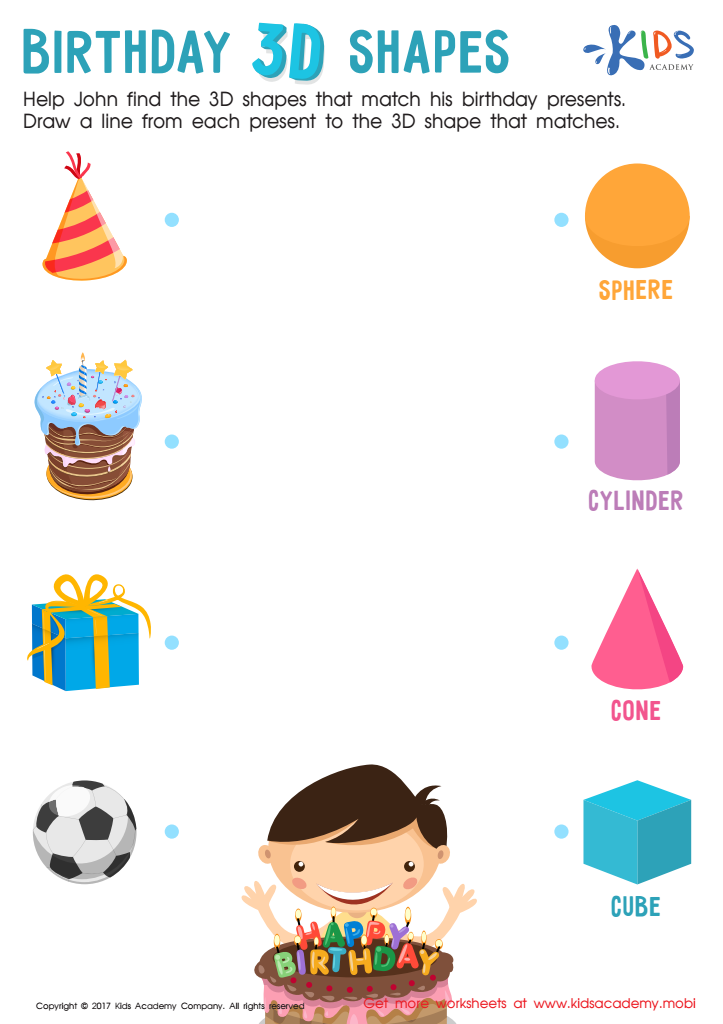
Birthday 3D Shapes Worksheet
 Assign to My Students











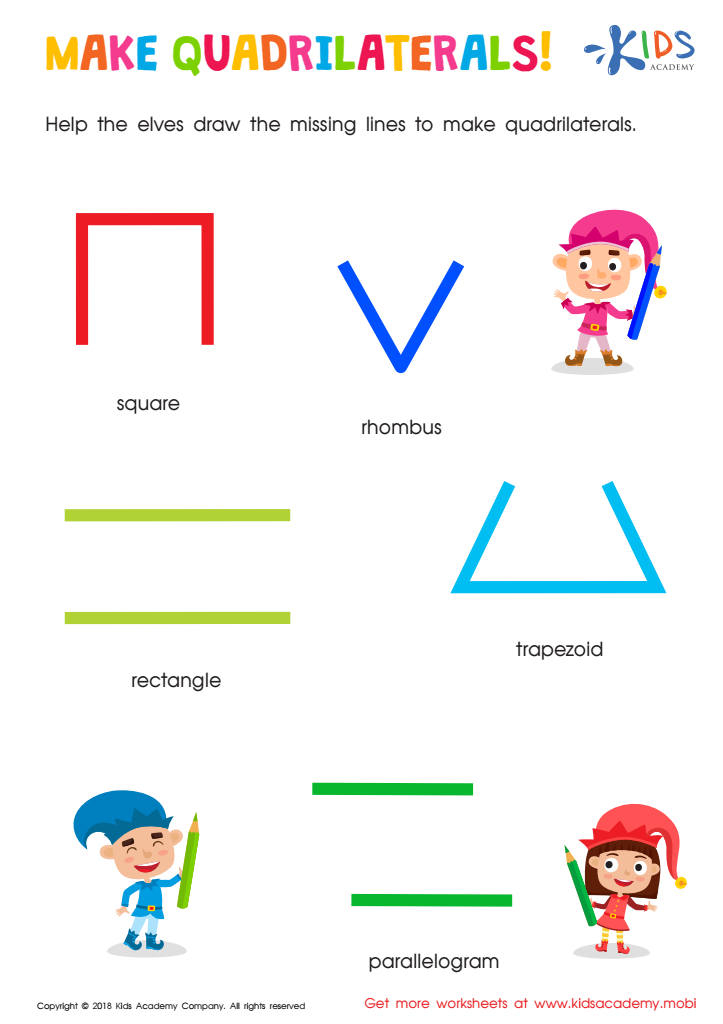
Make Quadrilaterals Worksheet
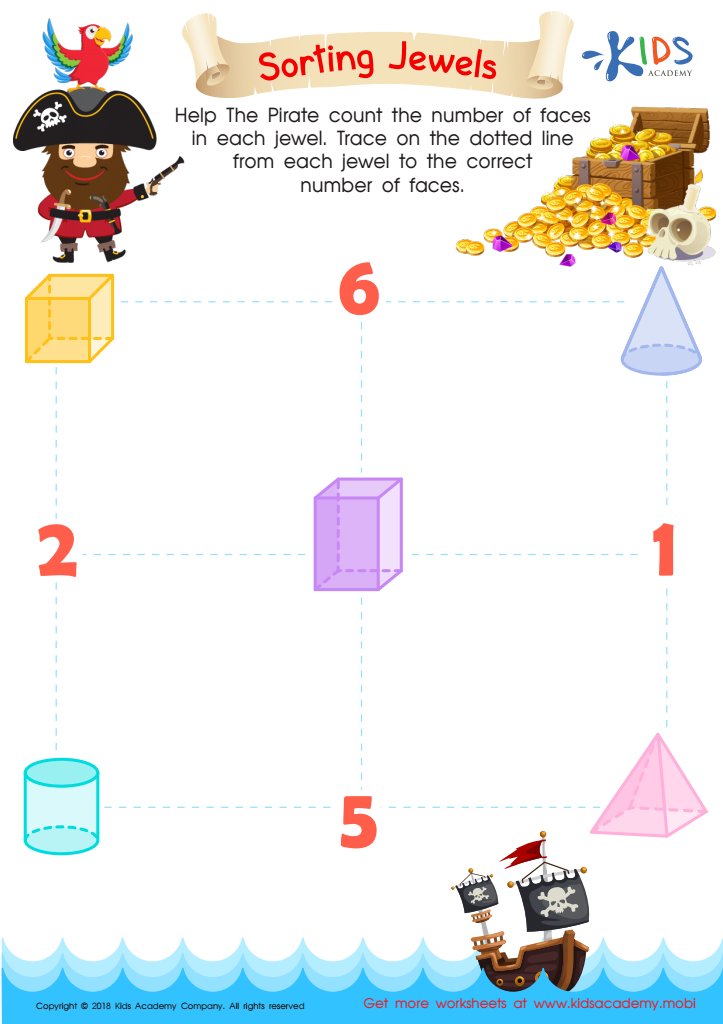
Sorting Jewels Worksheet
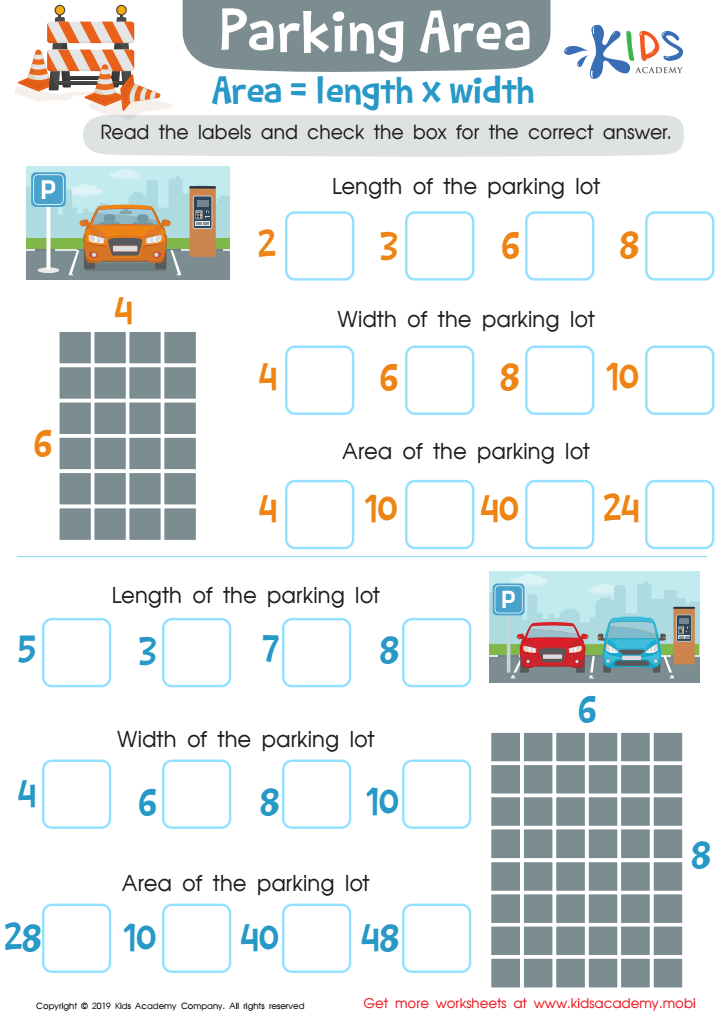
Parking Area Worksheet
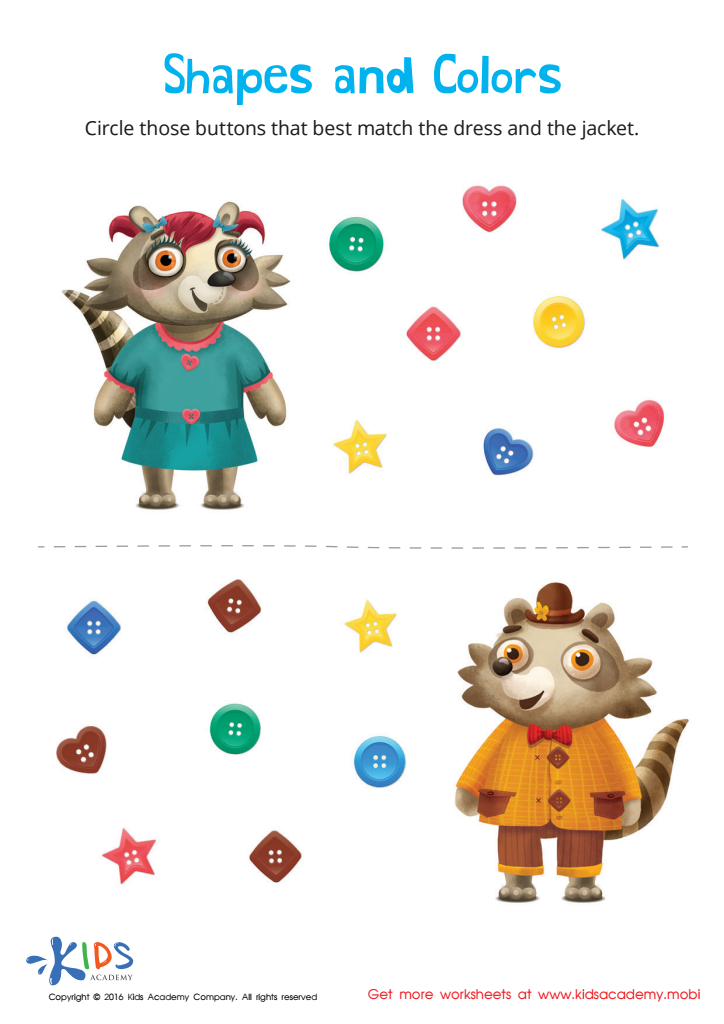
Matching: Shapes and Colors Worksheet
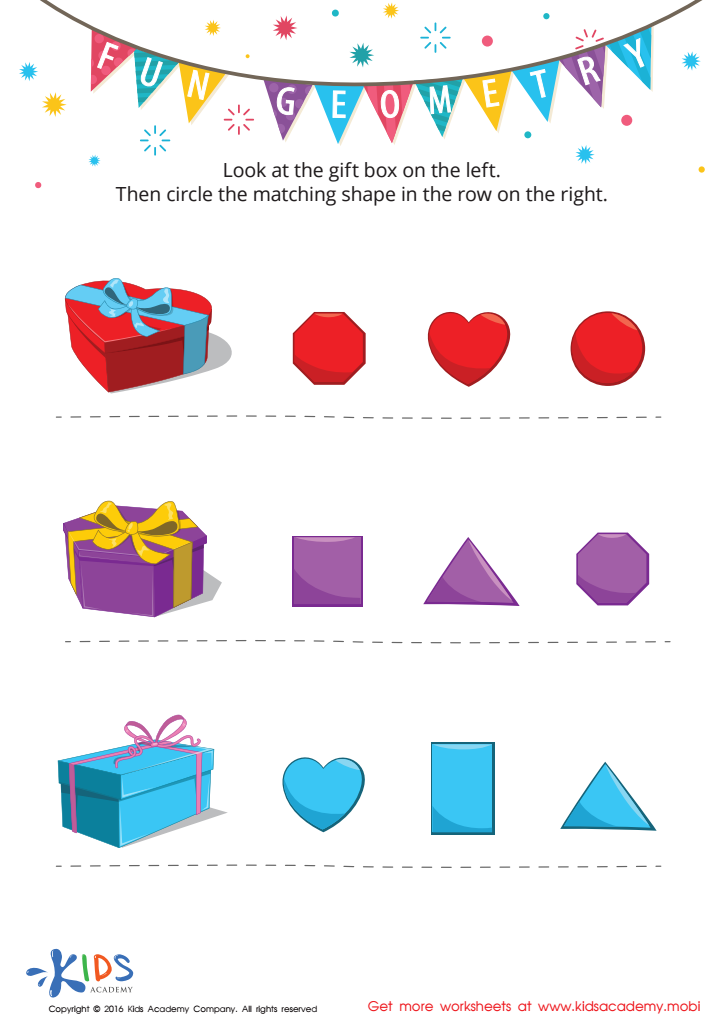
Fun Geometry Worksheet
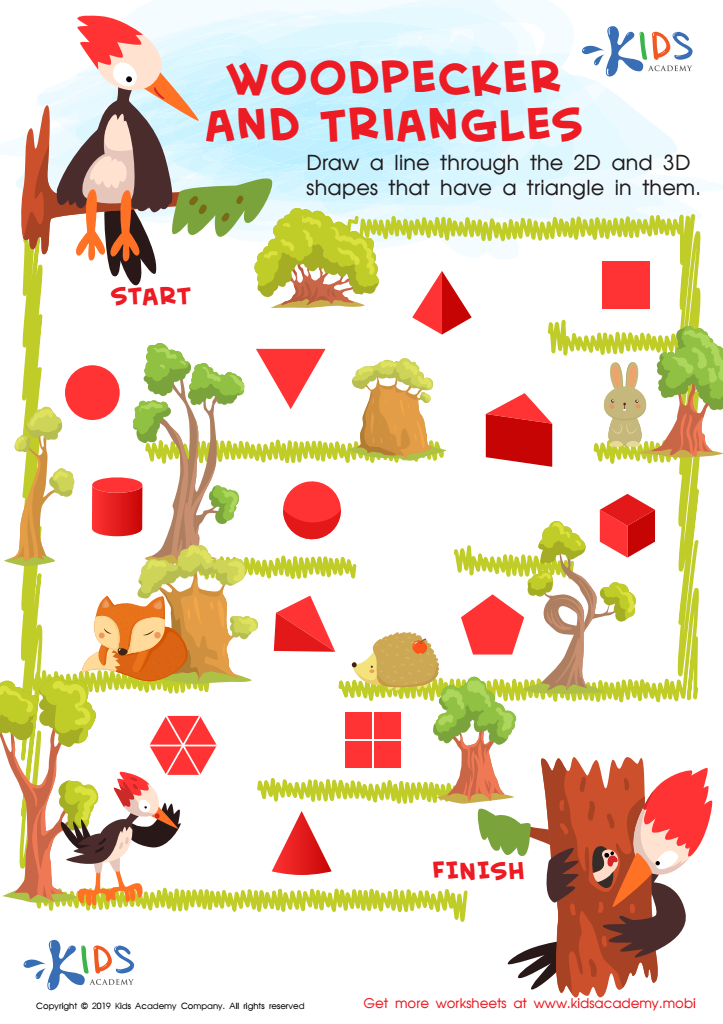
Woodpecker and Triangles Worksheet
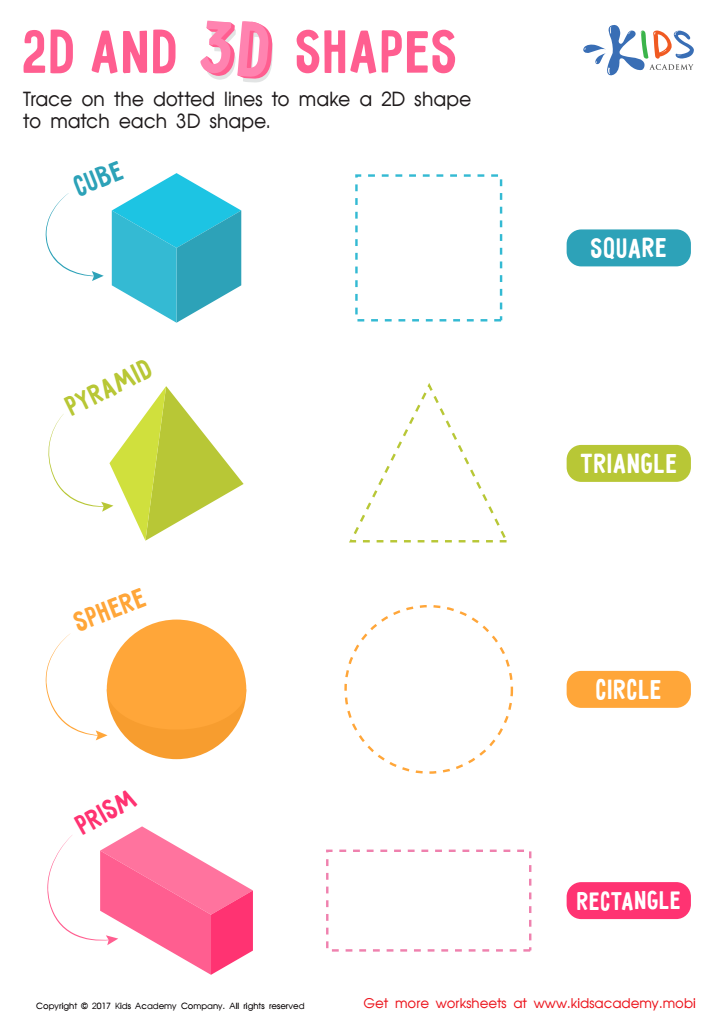
2D and 3D Shapes Worksheet
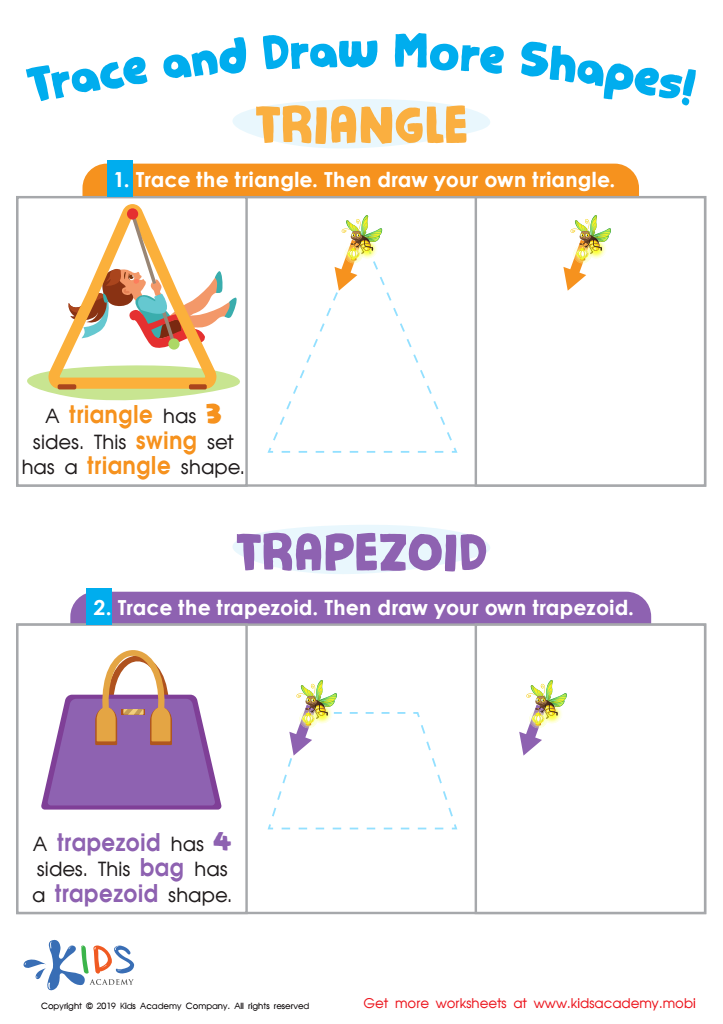
Trace and Draw More Shapes Worksheet
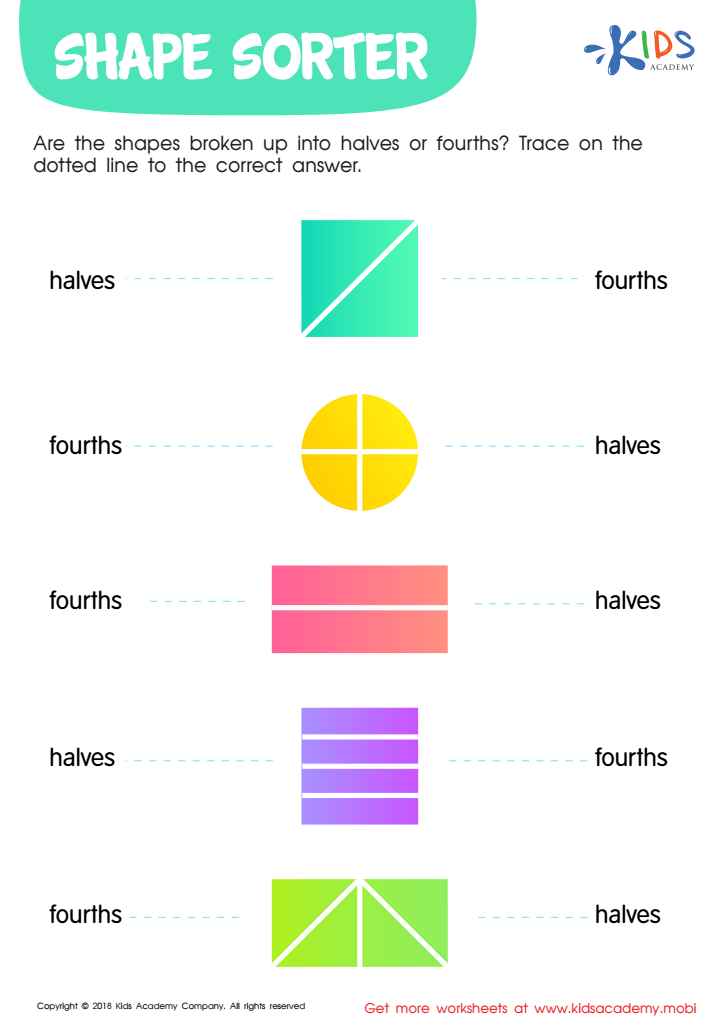
Shape Sorter Worksheet
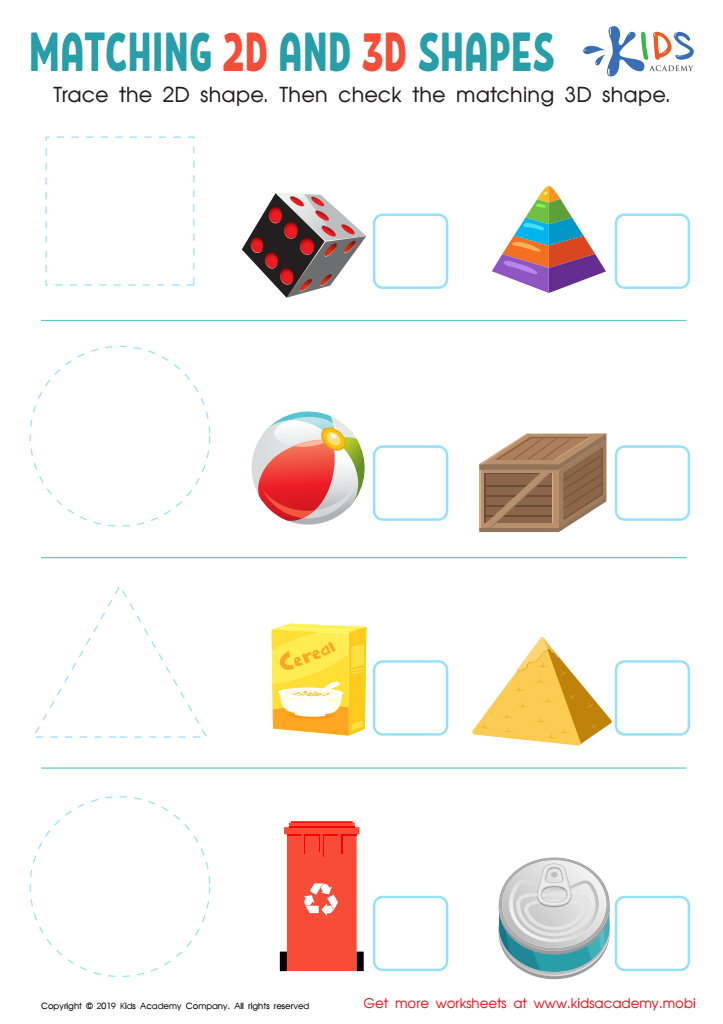
Matching 2D and 3D Shapes Worksheet
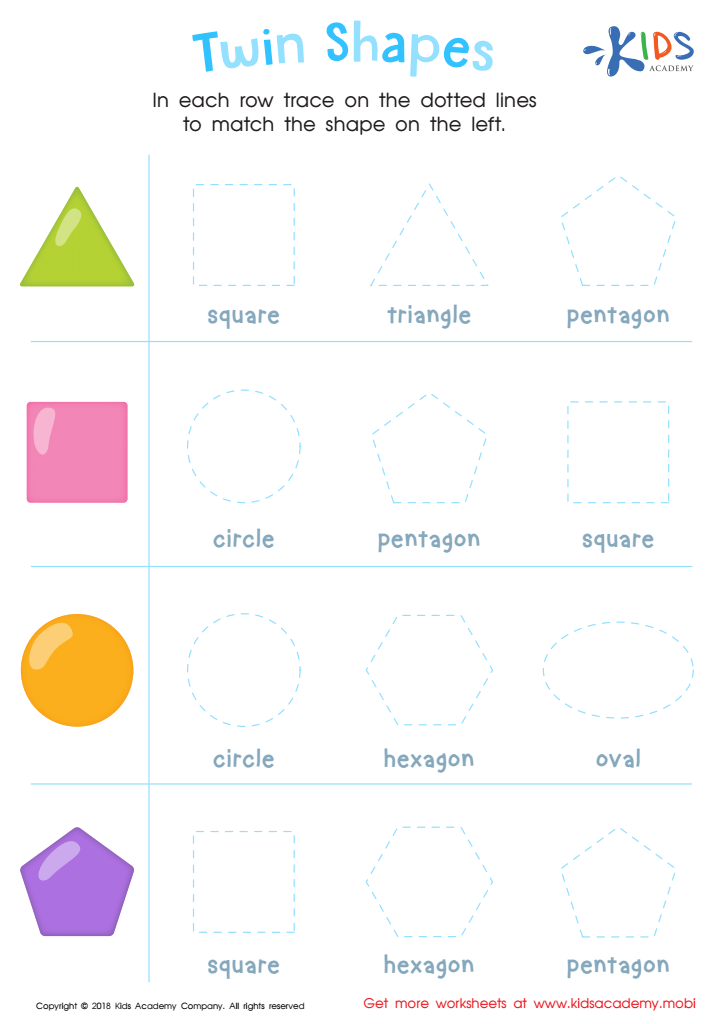
Twin Shapes Dot-to-Dot Worksheet
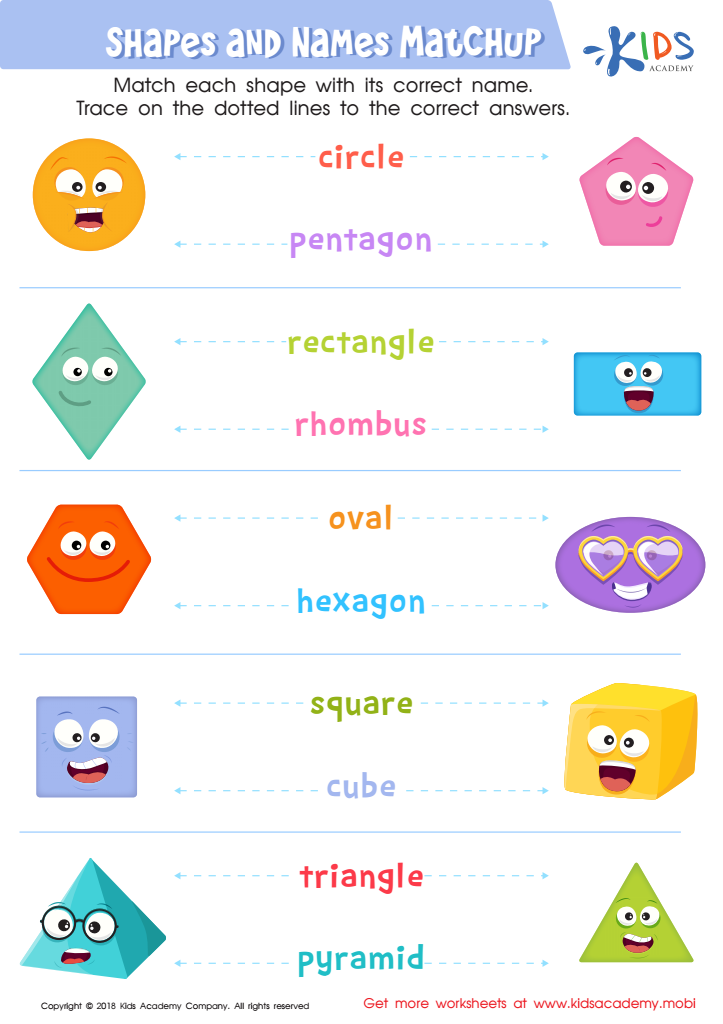
Shapes and Names Matchup Worksheet








Shape Recognition Extra Challenge Geometry programs are crucial for the developmental growth of children aged 3-9. At this age, children are incredibly receptive to learning and can significantly benefit from refined shape recognition skills. This aspect of early education lays a foundation for critical thinking, problem-solving, and spatial awareness.
First, learning to recognize and categorize shapes enhances cognitive abilities. Children learn to identify different shapes, fostering analytical skills as they explore geometric relationships in their environment. This foundational skill supports future learning in mathematics and encourages logical reasoning.
Additionally, engaging in shape recognition helps improve fine motor skills. Many activities associated with shape lessons, such as drawing, cutting, and building, require dexterity, promoting hand-eye coordination.
Socially, group activities centered around shape recognition nurture teamwork and communication. Children learn to share ideas and collaborate, promoting social skills essential in school and life.
Furthermore, incorporating challenges in shape recognition captures children's attention, enhances their motivation, and builds resilience as they tackle progressively difficult tasks. This dynamic approach keeps learning exciting and is key for sustained interest in STEM fields as they grow.
In summary, prioritizing shape recognition in early education benefits cognitive development, motor skills, social interactions, and a strong foundation for future academic pursuits.








