Mathematical reasoning Extra Challenge Math Worksheets for Ages 3-9
12 filtered results
-
From - To
Our "Mathematical Reasoning Extra Challenge Math Worksheets for Ages 3-9" are designed to stretch young minds and enhance critical thinking skills. Perfect for early learners and growing mathematicians, these worksheets present engaging problems that require logic, pattern recognition, and strategic thinking. Activities cover essential math topics, including counting, arithmetic, and geometry, fostering a deep understanding through interactive tasks. Ideal for both classroom use and homeschooling, our printable worksheets make learning both challenging and fun, ensuring children develop the mathematical reasoning skills essential for academic success. Unlock your child's potential with our expertly crafted math challenges.
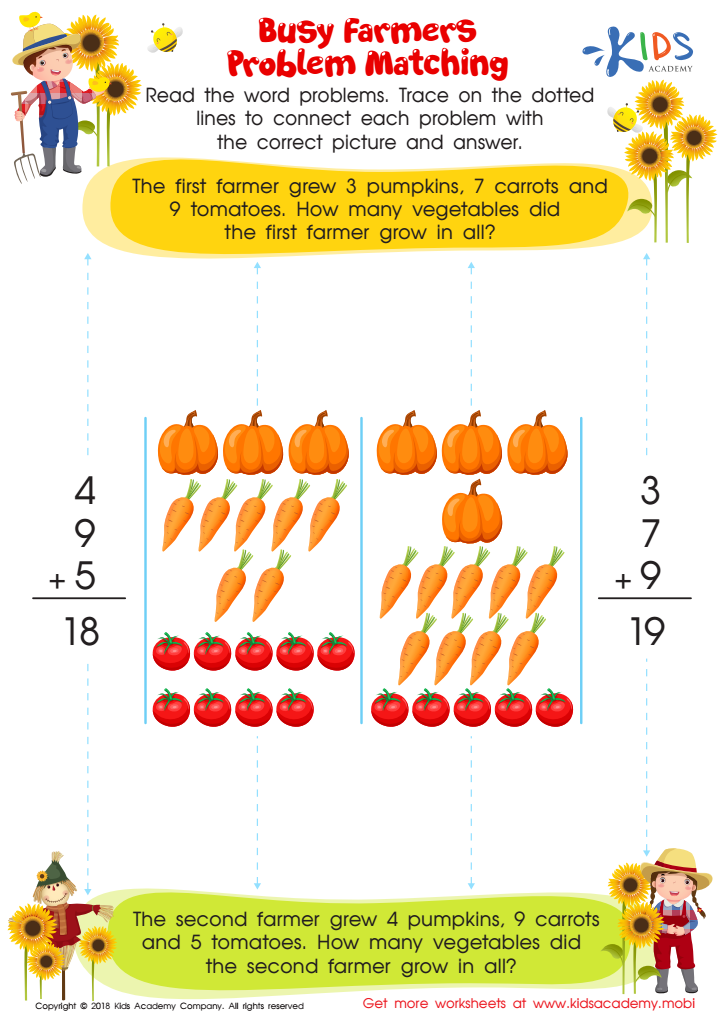
Busy Farmers: Problem Matching Worksheet
 Assign to My Students
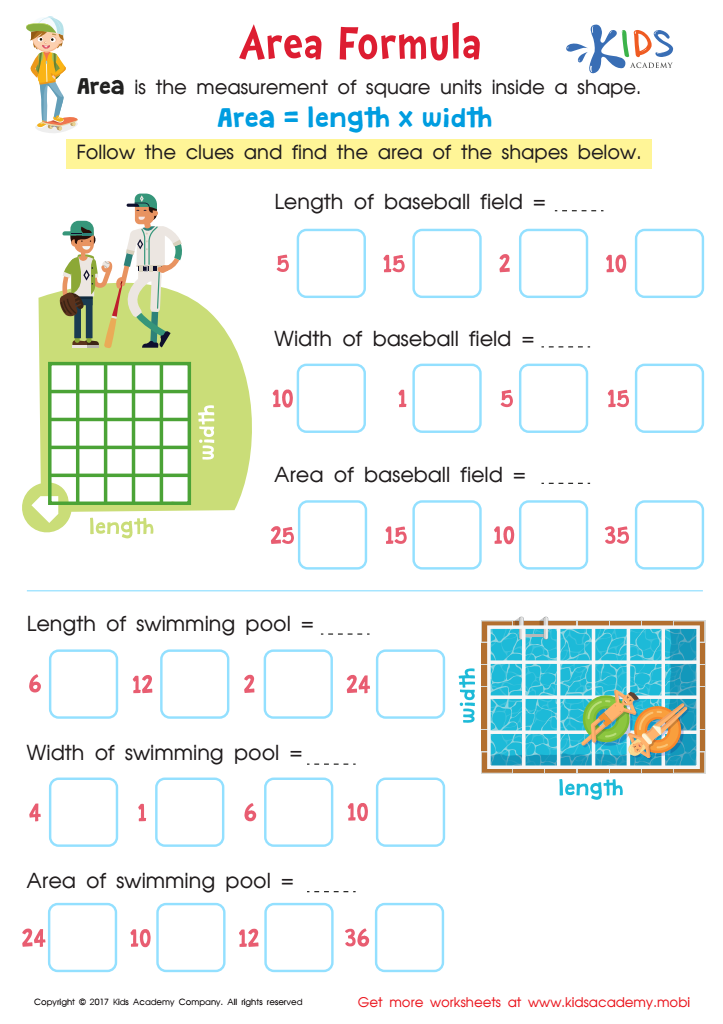
Area Formula Worksheet
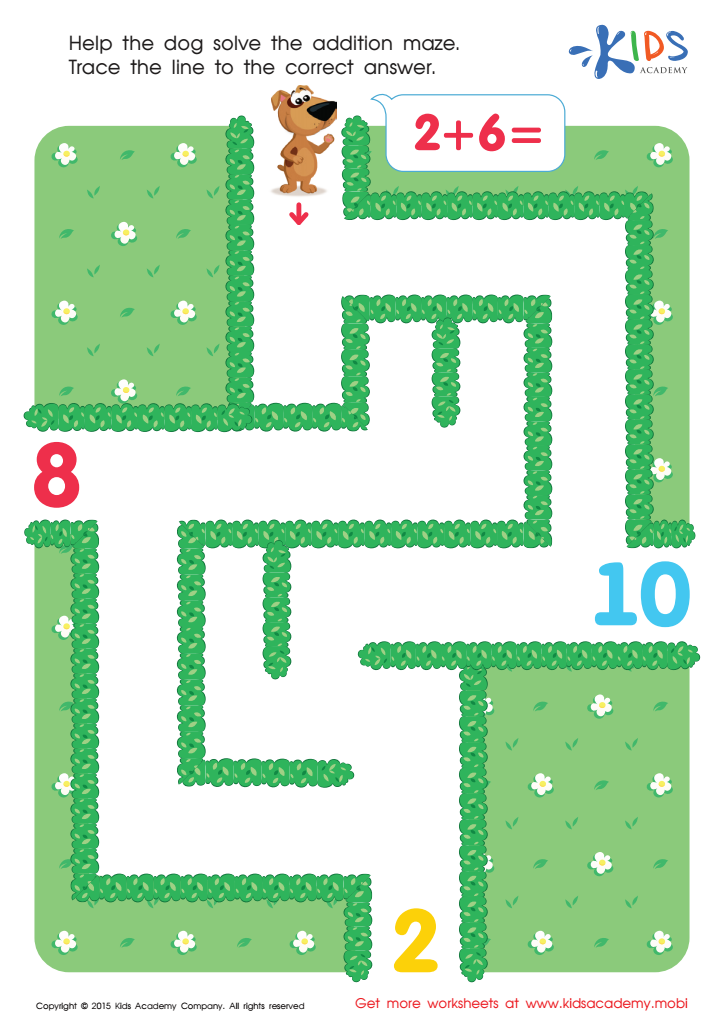
Two Plus Six Addition Worksheet
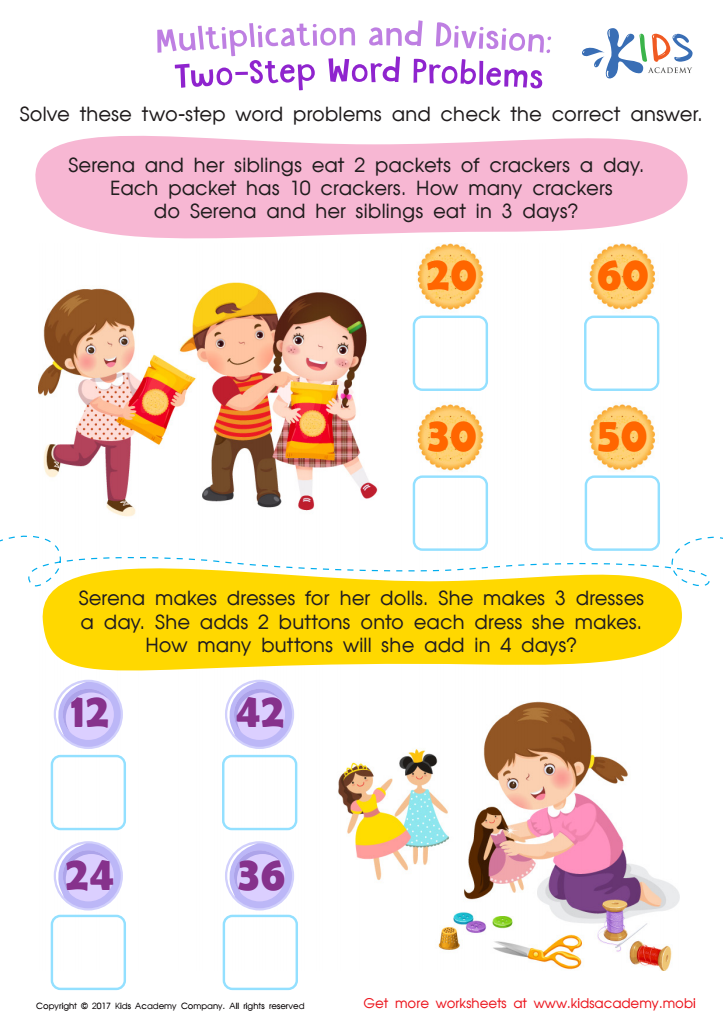
Two Step Word Problems Worksheet
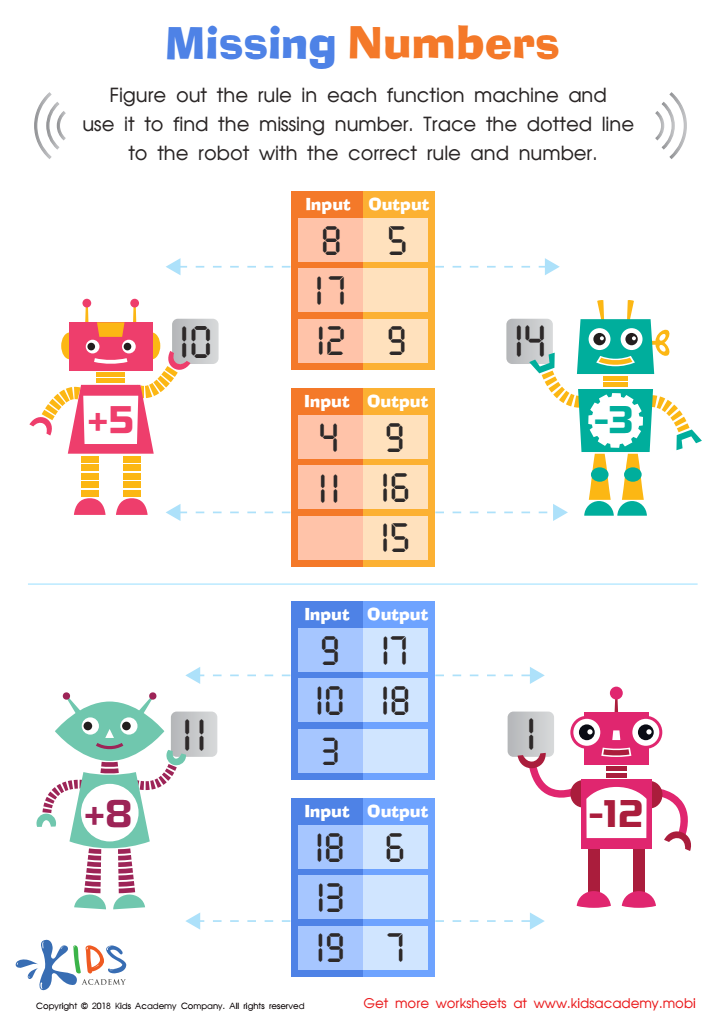
Missing Numbers Worksheet
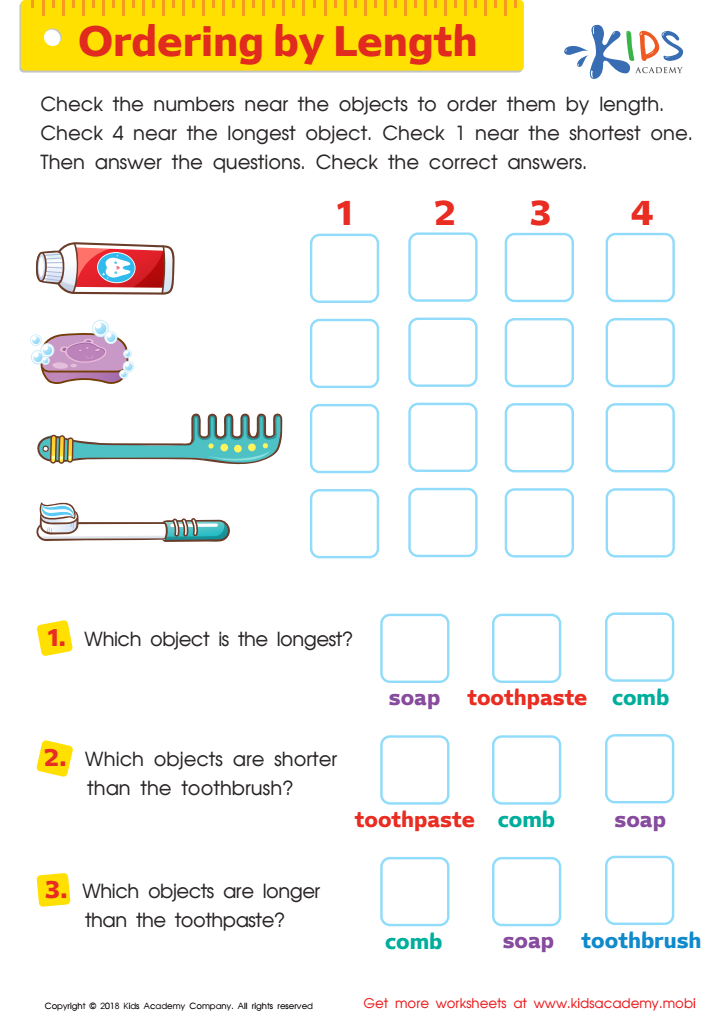
Ordering by Length Worksheet
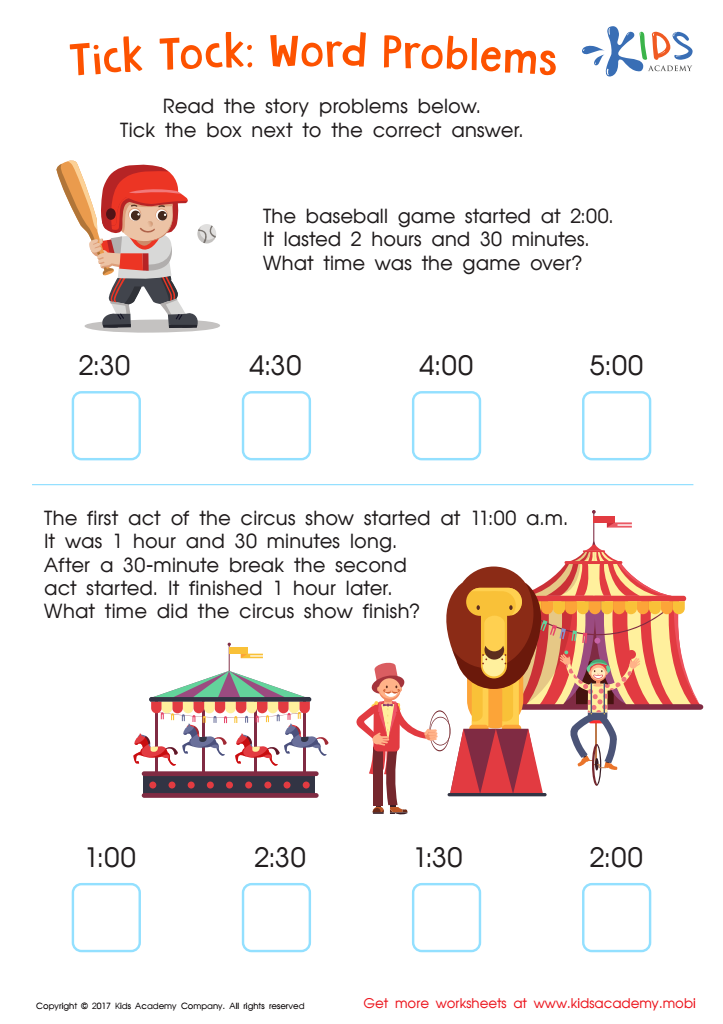
Tick Tock Word Problems Time Worksheet
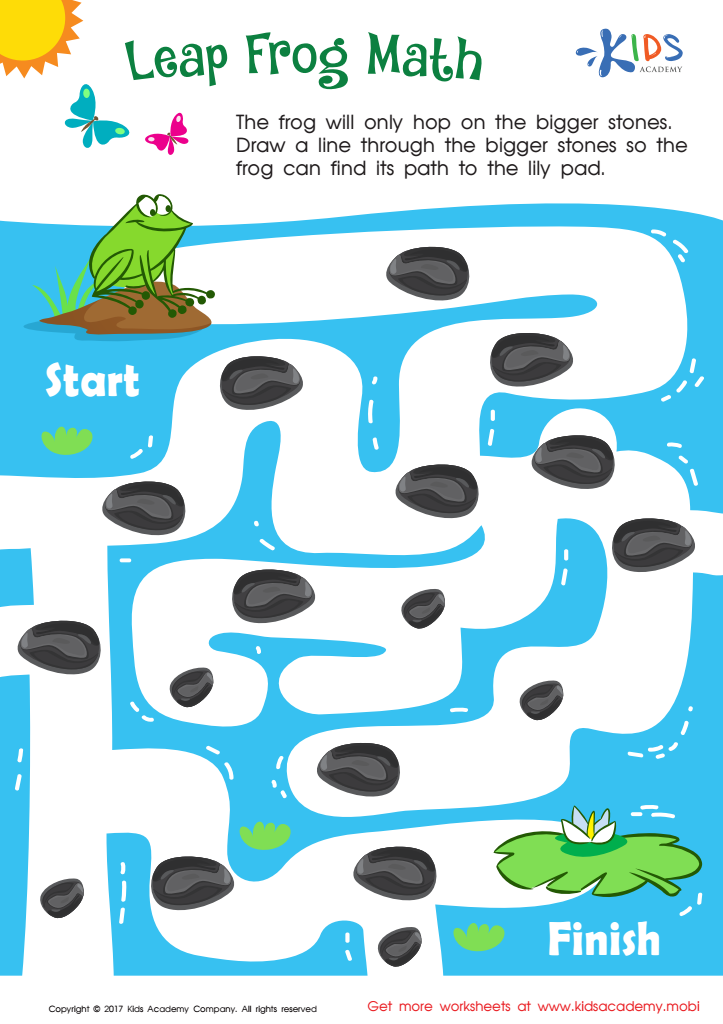
Math Puzzle Worksheet
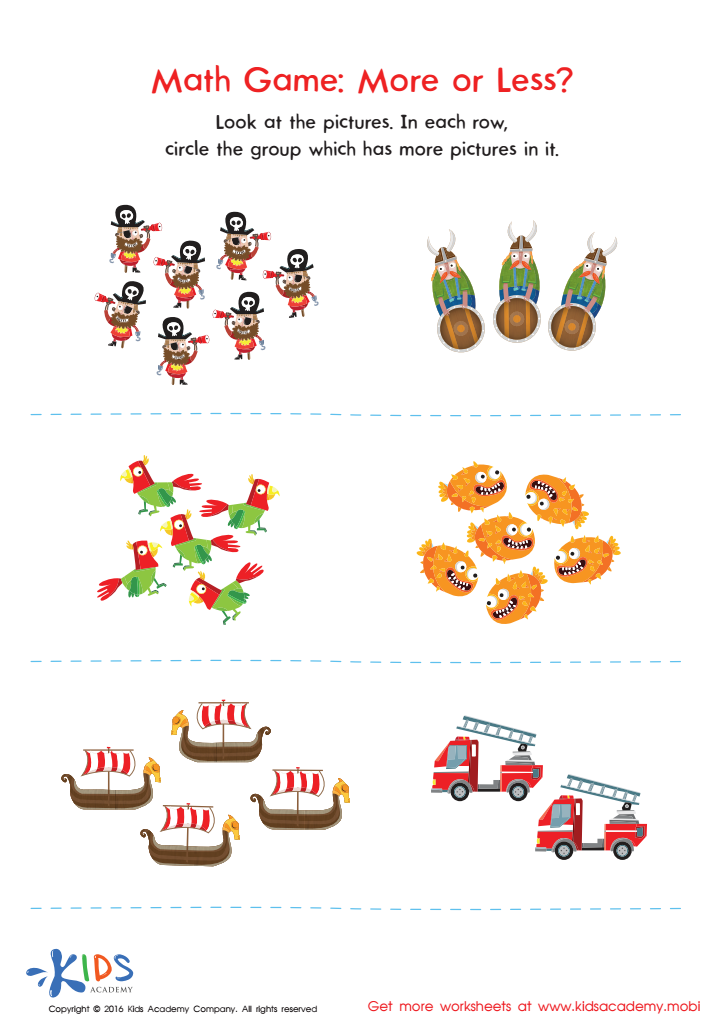
More or Less Worksheet
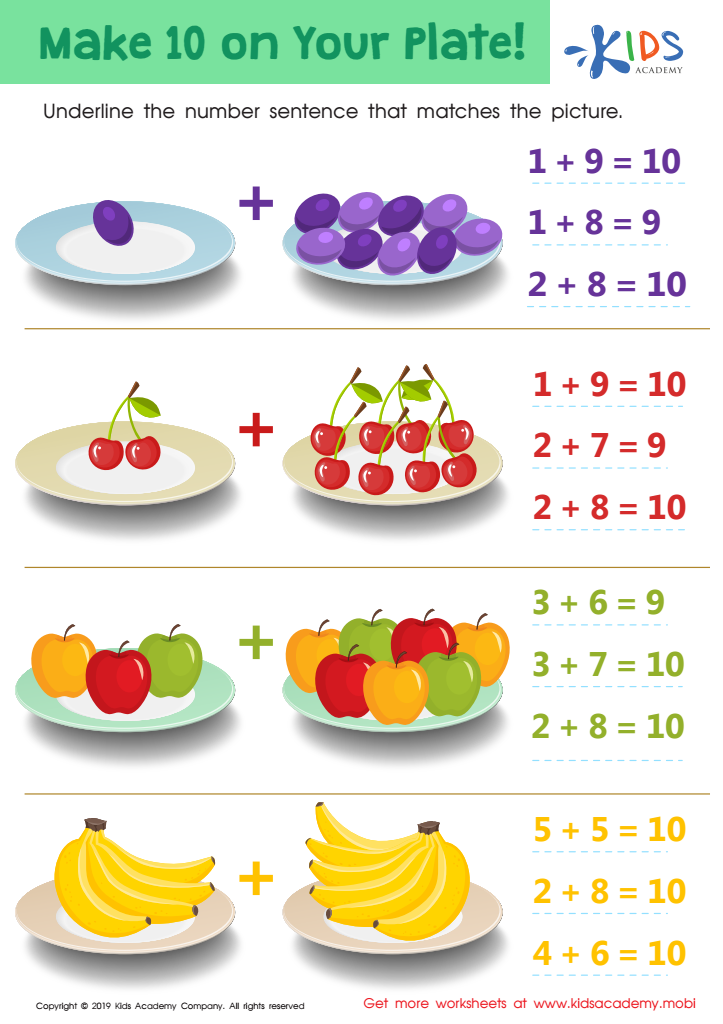
Make 10 on Your Plate! Worksheet
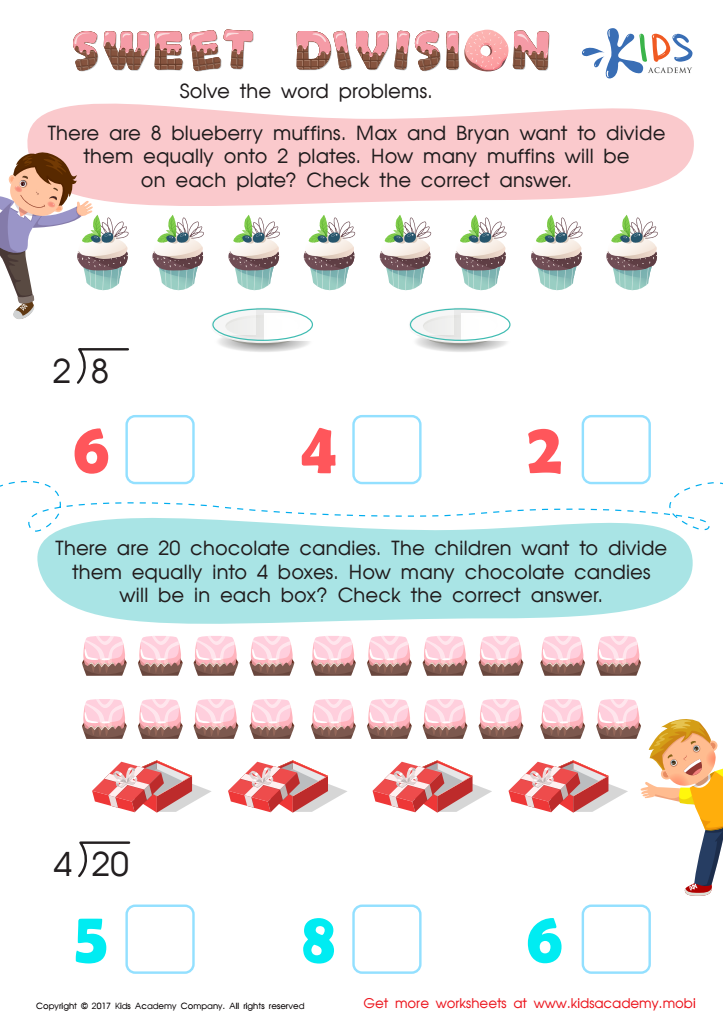
Division Word Problems Worksheet
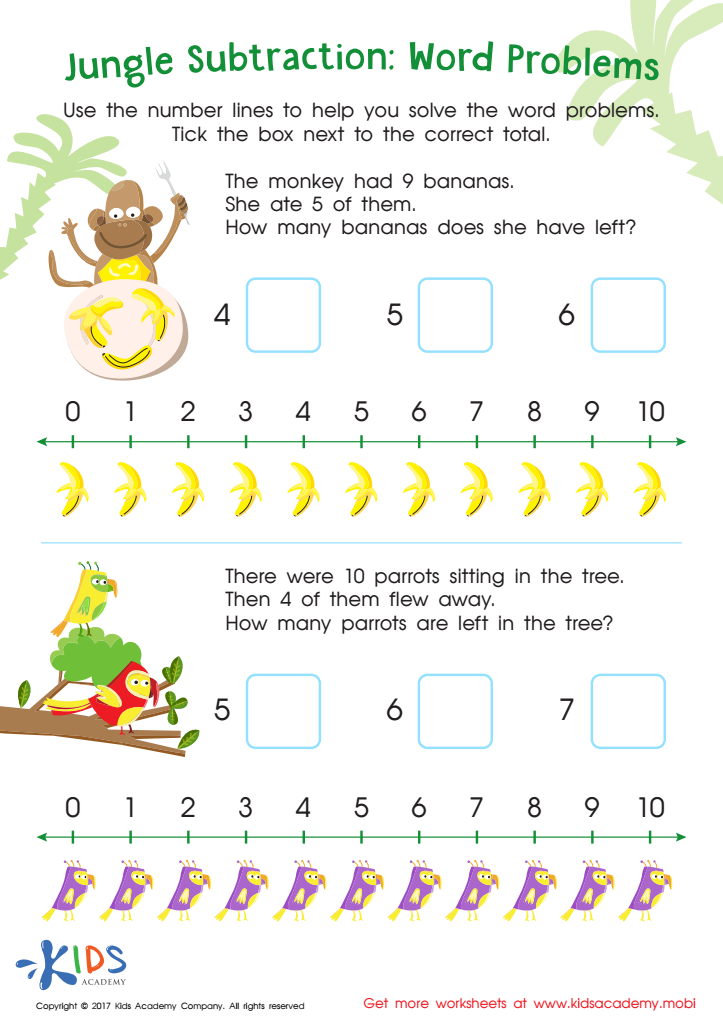
Jungle Subtraction Word Problems Substraction Worksheet








Parents and teachers should care about engaging children aged 3-9 in Mathematical Reasoning Extra Challenge activities because early exposure to math concepts lays a crucial foundation for lifelong learning and problem-solving abilities. At this critical developmental stage, young minds are highly receptive to absorbing new skills, and fostering mathematical reasoning helps build essential cognitive competencies.
For one, mathematical reasoning enhances logical thinking. When children tackle challenging math problems, they learn to approach complex situations methodically, analyze patterns, and develop solution-oriented mindsets. These skills transcend math, benefiting areas like reading comprehension and scientific inquiry, and even everyday decision-making.
Early engagement in challenging math exercises also builds confidence. As children successfully navigate through difficult problems, their competence and self-esteem burgeon, making them more enthusiastic and resilient learners. This attitude of perseverance is invaluable across all educational fields.
Moreover, it has been observed that early mathematical proficiency can predict academic success in later years. Extra Challenge Math activities kindize curiosity, spark imagination, and make learning fun, establishing a positive association with math from the outset.
By prioritizing these advanced exercises, parents and teachers aren't merely teaching math; they're sculpting diligent thinkers, nurturing problem solvers, and instilling a deep-rooted appreciation for learning that lasts a lifetime.








