Reading Skills Extra Challenge Worksheets for 3-Year-Olds
6 filtered results
-
From - To
Discover our "Reading Skills Extra Challenge Worksheets for 3-Year-Olds," designed to ignite a love for reading from an early age! These engaging worksheets offer fun and interactive activities that enhance letter recognition, phonemic awareness, and vocabulary development tailored for young learners. Each activity encourages children to think critically and develop their reading skills through engaging exercises that promote creativity and comprehension. Perfect for parents and educators, our worksheets are crafted to be both educational and enjoyable, ensuring a holistic learning experience. Give your child the tools they need to thrive in reading with our supplemental worksheets, fostering a strong foundation for lifelong literacy!
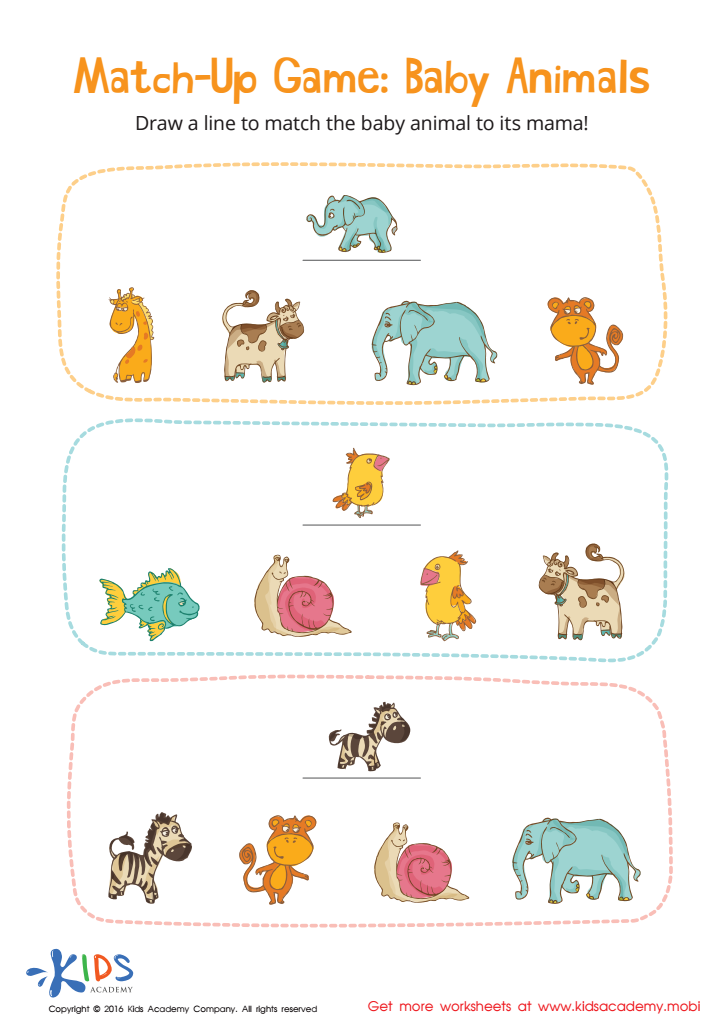
Baby Animals Match-Up Worksheet
 Assign to My Students
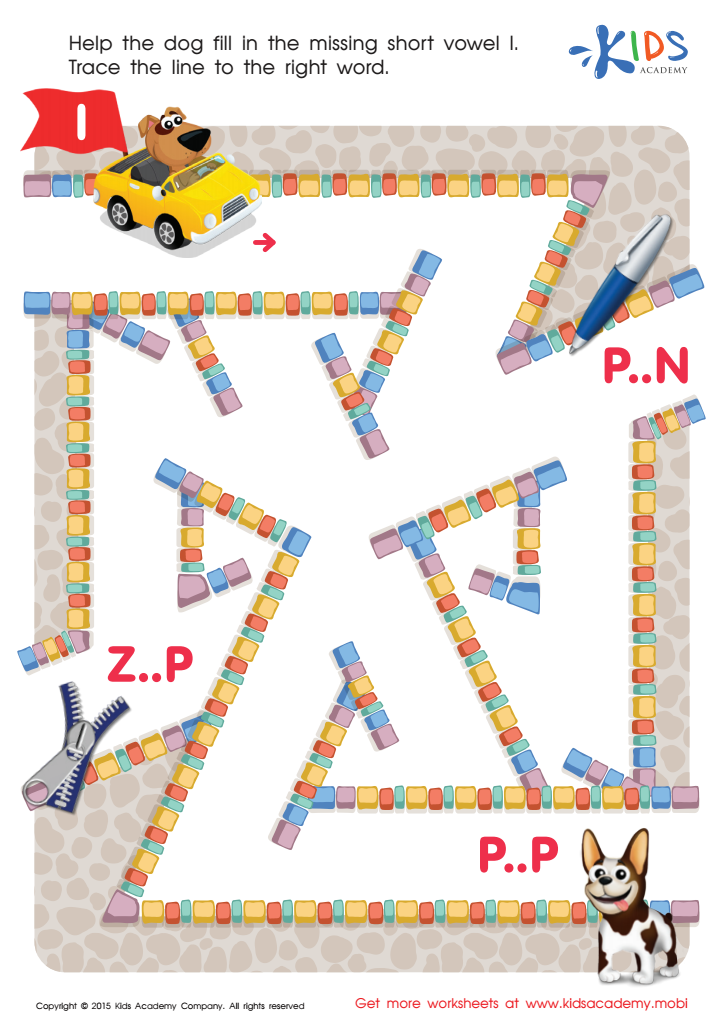
Short Vowel Sound I Worksheet
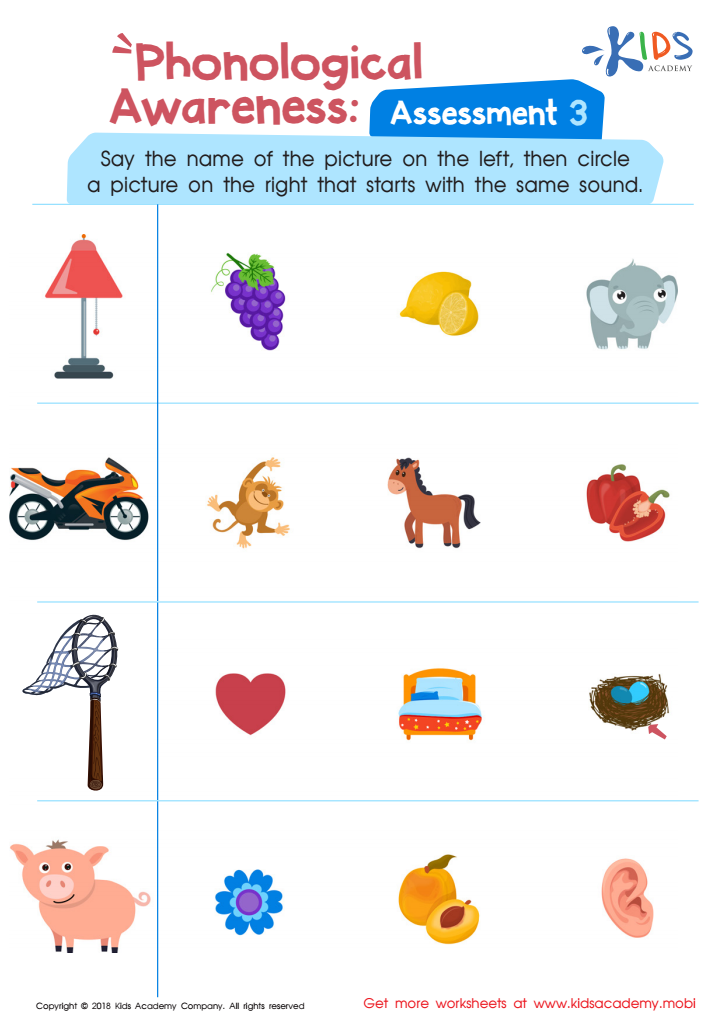
Phonological Awareness: Assessment 3 Worksheet
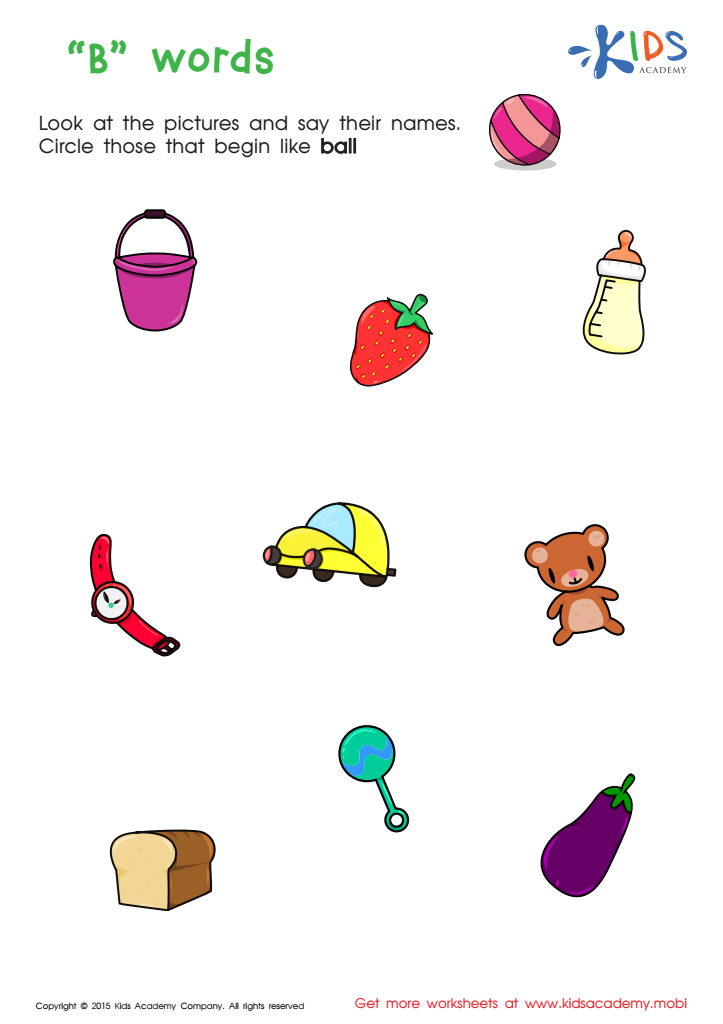
First Words Worksheet
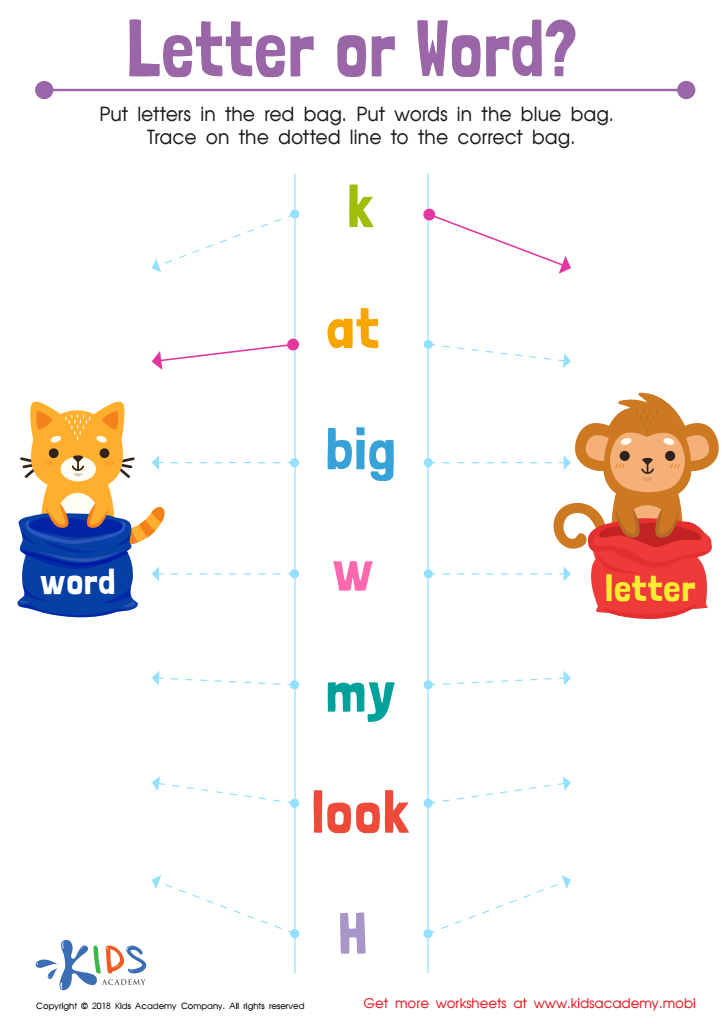
Letter or Word? Worksheet
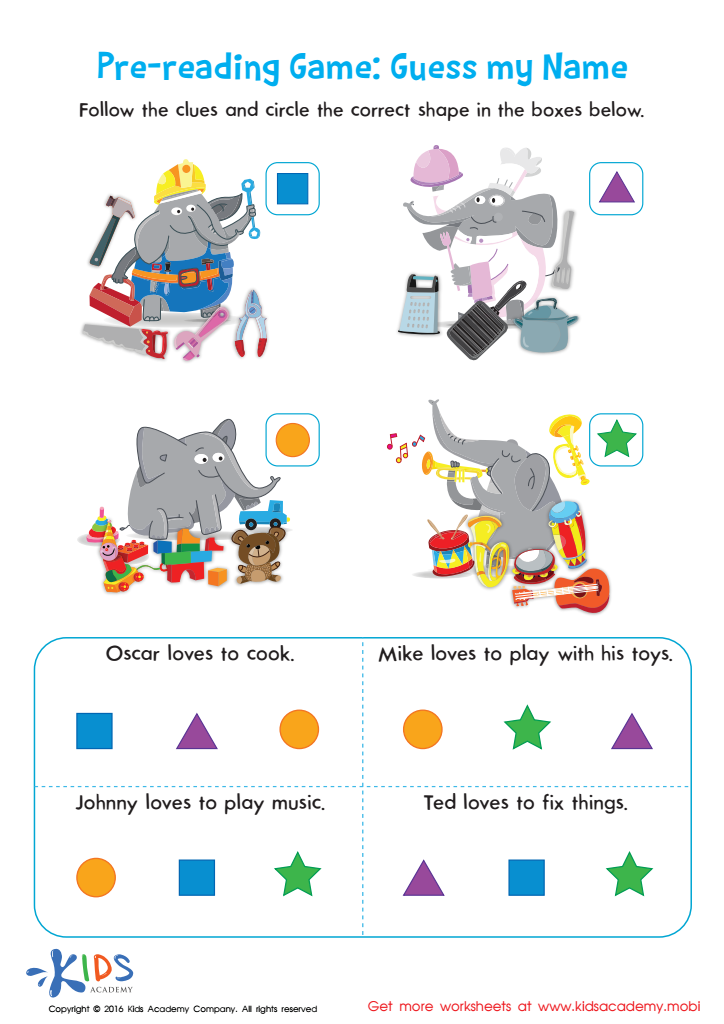
Pre Reading Worksheet Guess My Name


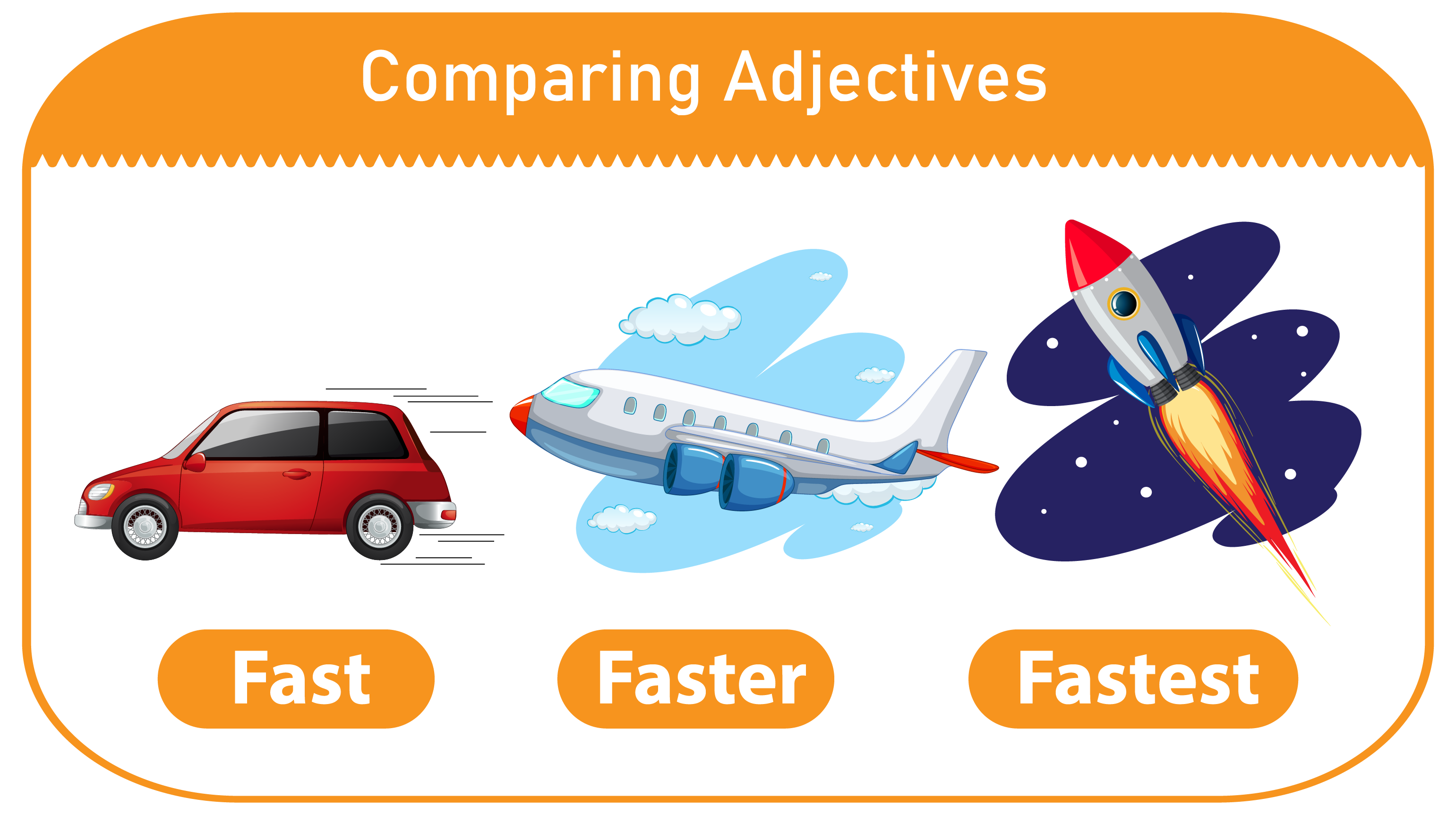





Parents and teachers should prioritize Reading Skills Extra Challenge for 3-year-olds because early literacy lays a foundational framework for lifelong learning. At this age, children are particularly receptive to language, and providing them with enhanced reading challenges stimulates cognitive development, attention span, and imagination. Engaging them with diverse reading materials and activities promotes vocabulary expansion and comprehension skills, which are crucial for future academic success.
Moreover, participating in reading challenges nurtures a love for books and stories, encouraging curiosity and fostering creativity. It can also enhance social skills, as children often engage in group activities centered around reading, leading to improved communication abilities.
In incorporating a range of challenging reading experiences, parents and teachers can identify and support individual learning styles. This proactive approach can help mitigate potential learning difficulties later on, ensuring that children feel confident and competent as they progress through school.
Furthermore, early reading skill development has been linked to improved performance in other subjects, making it a critical area of focus for holistic development. Ultimately, investing time and resources into enriching reading programs empowers children, paving the way for academic achievement and a productive, enjoyable educational journey.








