Vowel Recognition Extra Challenge Worksheets for 3-Year-Olds
7 filtered results
-
From - To
Discover our engaging Vowel Recognition Extra Challenge Worksheets designed specifically for 3-year-olds! These worksheets provide a fun and interactive way for young learners to become familiar with both short and long vowel sounds. Featuring colorful illustrations and playful activities, children can enhance their phonemic awareness while improving their reading skills. The worksheets are tailored to cater to different learning styles, encouraging exploration and creativity. With easy-to-follow instructions, these activities foster independent learning and ensure that every child develops confidence in their vowel recognition abilities. Perfect for home or classroom use, these worksheets will make learning vowels an exciting adventure!
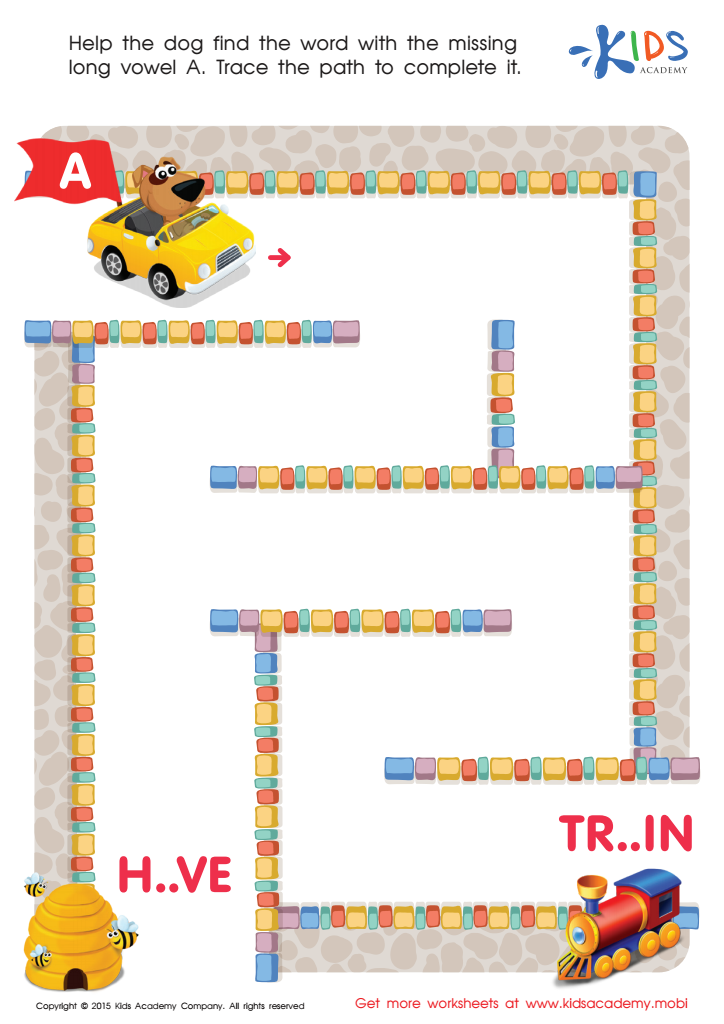
Long Vowel Sound A Worksheet
 Assign to My Students
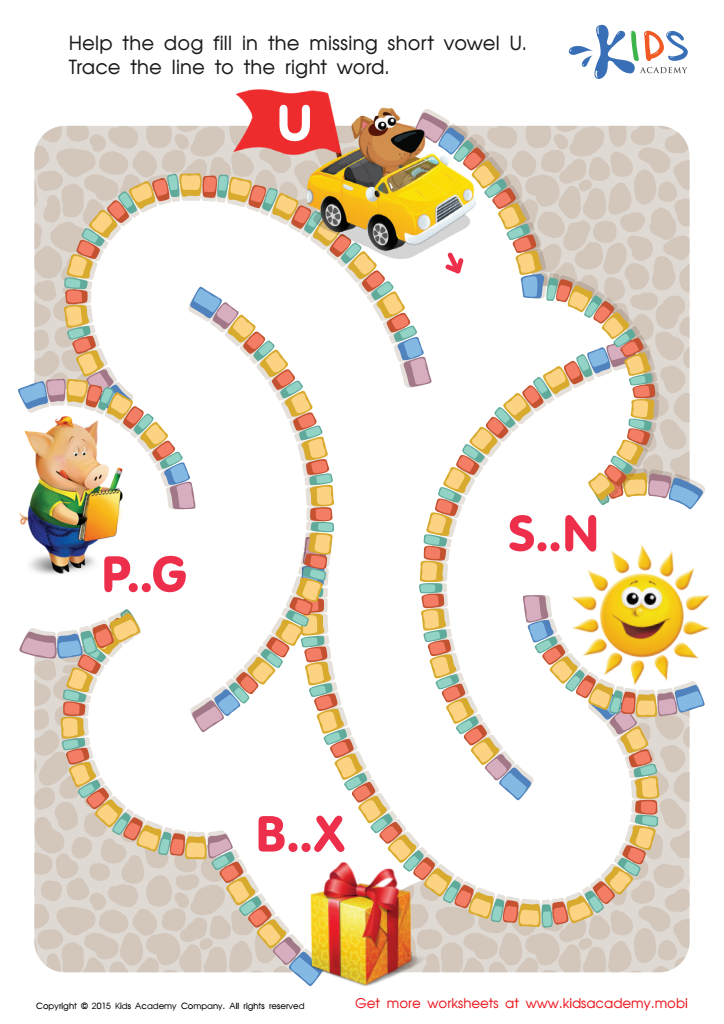
Short Vowel Sound U Worksheet
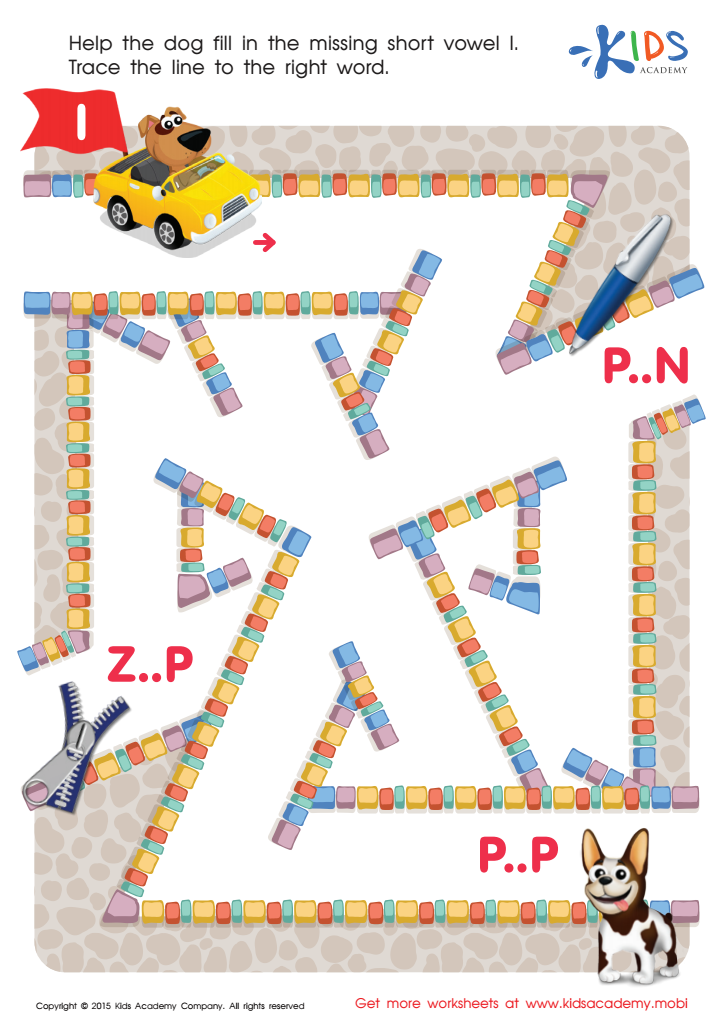
Short Vowel Sound I Worksheet
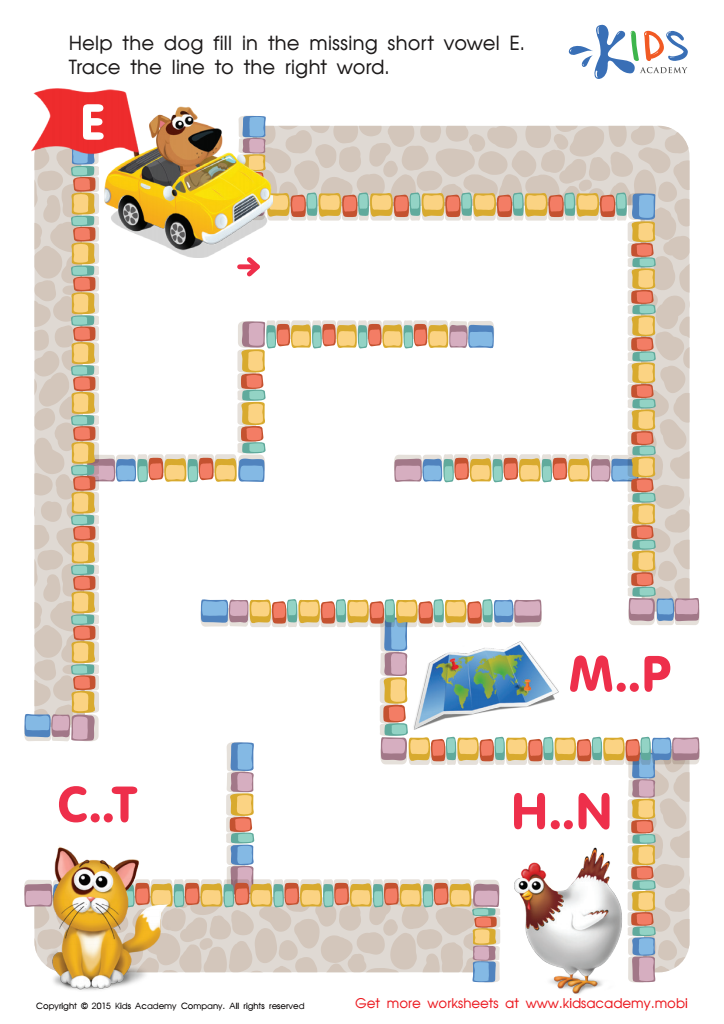
Short Vowel Sound E Worksheet
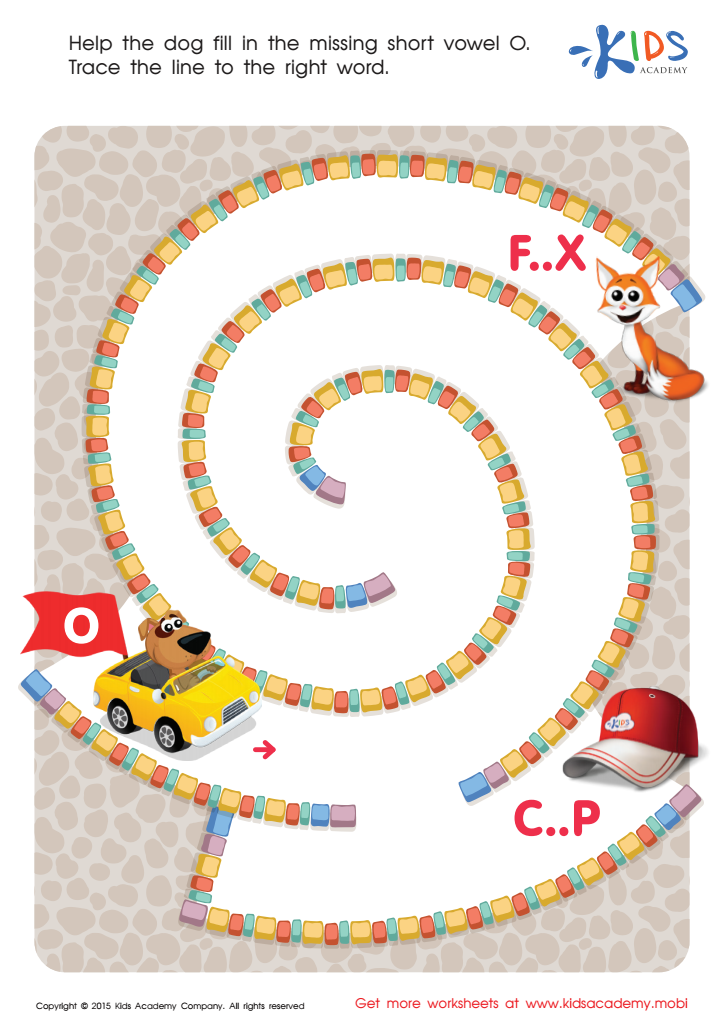
Short Vowel Sound O Worksheet
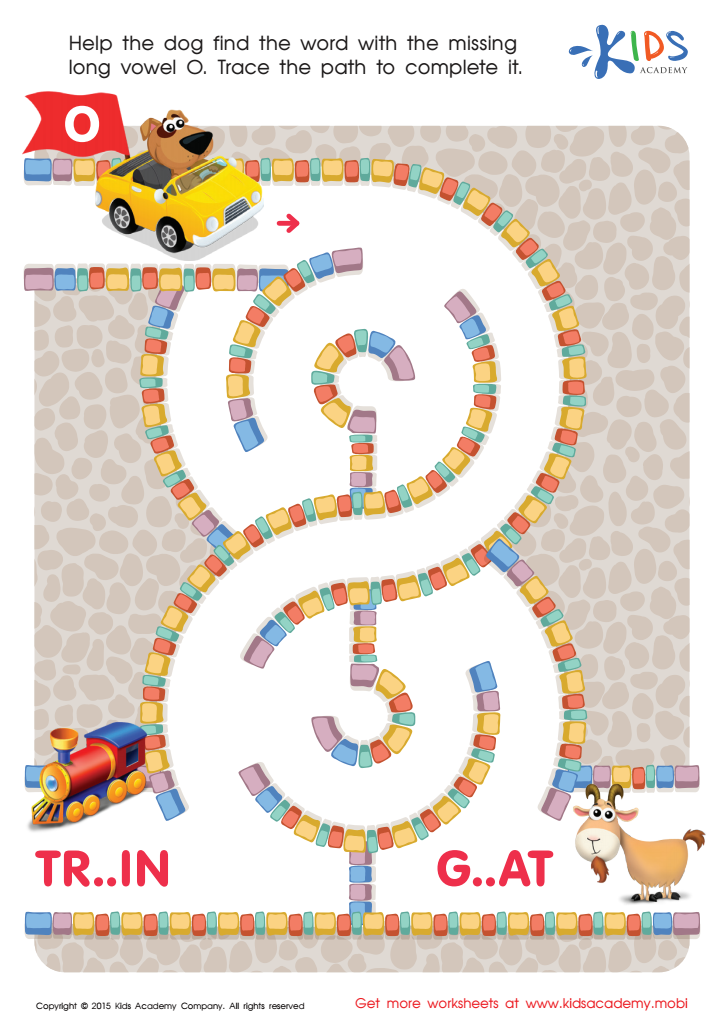
Long Vowel Sound O Worksheet
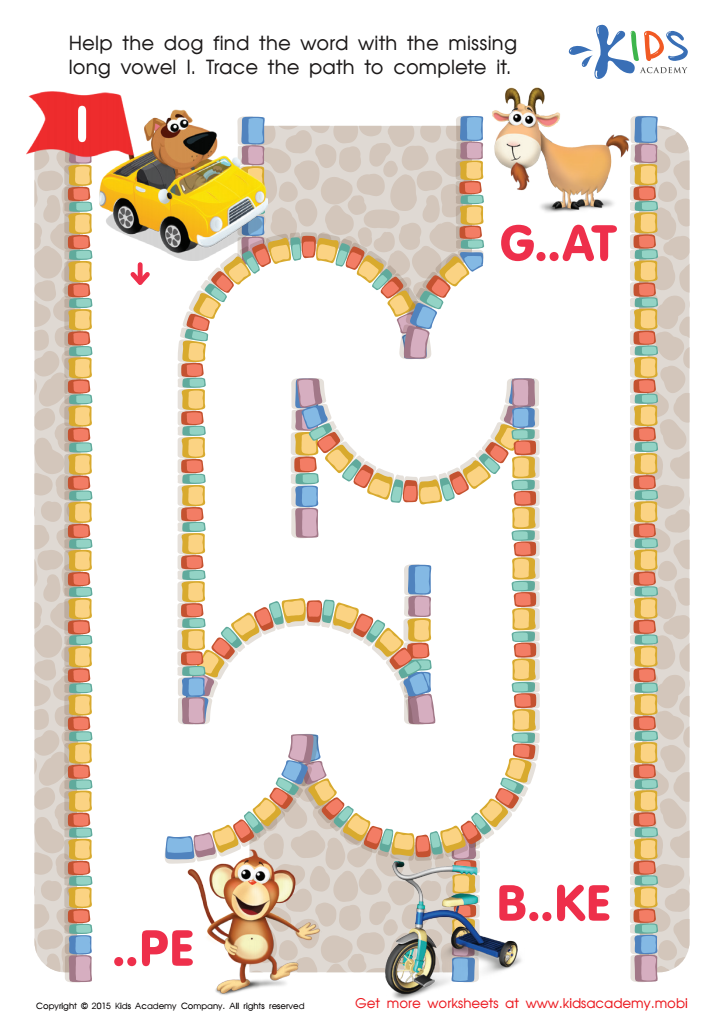
Long Vowel Sound I Worksheet






Vowel recognition is a foundational skill in early literacy development, making it crucial for parents and teachers to focus on this aspect, especially for 3-year-olds. Early exposure to vowel sounds fosters phonemic awareness, a critical component in learning to read and write. By engaging in Vowel Recognition Extra Challenge activities, children can enhance their ability to hear, identify, and manipulate vowel sounds, thereby setting the stage for successful reading.
Moreover, 3-year-olds are at a pivotal stage for language acquisition; their brains are rapidly developing and absorbing language cues. Parents and teachers who introduce playful, fun challenges can cultivate a love for learning while reinforcing important language skills. Incorporating vowels into games, songs, and storytelling can make learning interactive and enjoyable, helping children retain information more effectively.
Additionally, building a robust understanding of vowels helps children with word decoding, which is fundamental to reading fluency and comprehension later on. Ensuring that children develop these skills before formal schooling helps smooth their transition into more structured learning environments. Ultimately, prioritizing vowel recognition not only prepares young learners for academic success but also boosts their confidence and enthusiasm for language, laying the groundwork for lifelong literacy.








