Basic Counting Extra Challenge Worksheets for Ages 4-5
3 filtered results
-
From - To
Explore our "Basic Counting Extra Challenge Worksheets" designed specifically for young learners aged 4-5! These engaging and fun worksheets enhance early counting skills while providing an extra challenge for budding mathematicians. Each worksheet features colorful illustrations and interactive exercises that make counting enjoyable and help reinforce number recognition, one-to-one correspondence, and basic math concepts. Perfect for classroom use or at-home learning, our resources encourage children to practice independently, fostering confidence and a love for numbers. Unlock your child's potential and support their developmental journey with these carefully crafted worksheets that make counting a delightful adventure!
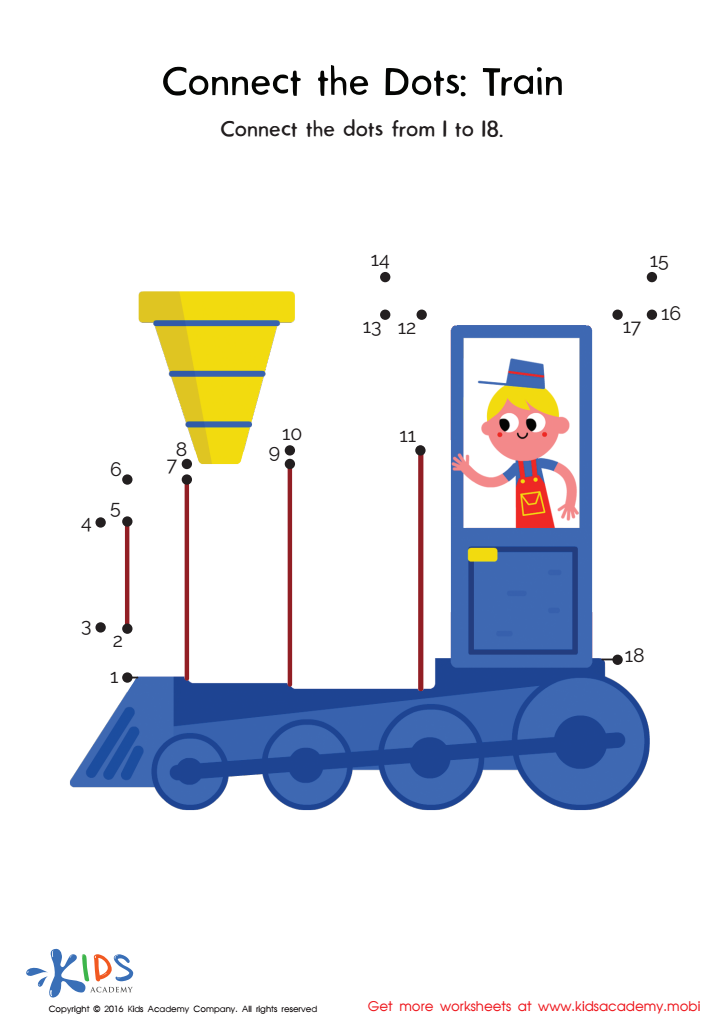
 Assign to My Students
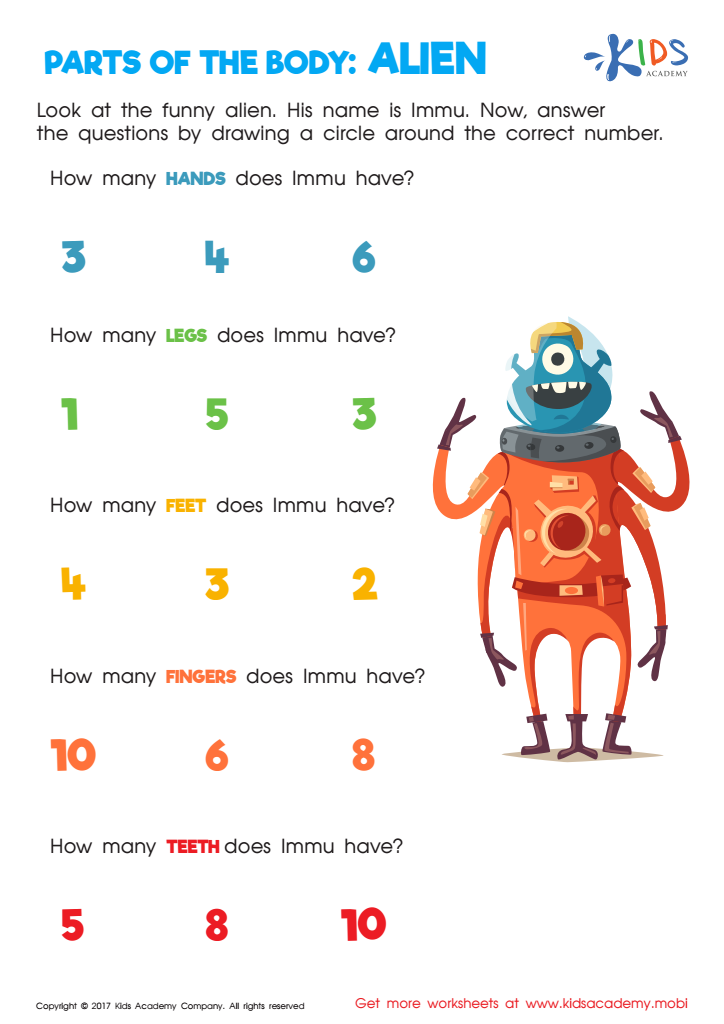
Alien Worksheet
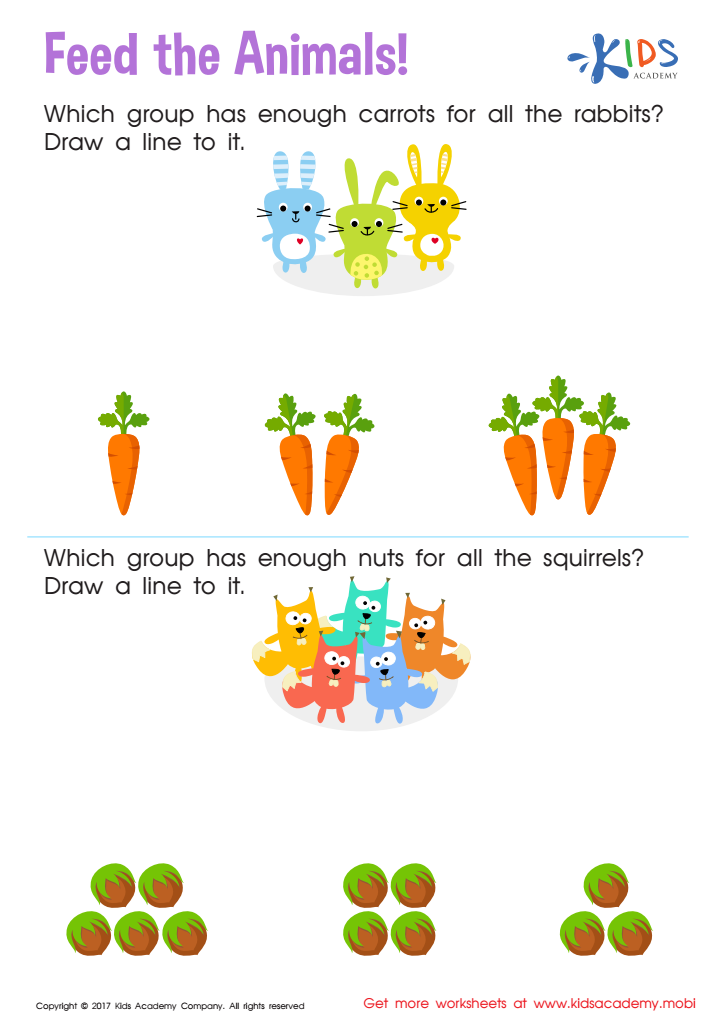
Count and Match: Feed the Animals Worksheet








Parents and teachers should care about the Basic Counting Extra Challenge for ages 4-5 because early numeracy skills form the foundation for later mathematical understanding and cognitive development. At this age, children are like sponges, eagerly absorbing information, and engaging in counting challenges can significantly enhance their learning experiences.
Participating in counting activities can foster critical thinking and problem-solving skills, as children learn to understand quantities, comparisons, and basic number patterns. These experiences not only promote academic growth but also build confidence in their abilities, encouraging a positive attitude towards math as they advance through their education.
Additionally, the Basic Counting Extra Challenge can spark creativity and imagination among young learners. Using engaging materials and games makes the learning process enjoyable, leading to better retention and an inspired love for numbers.
So, by supporting these extra challenges, parents and teachers reinforce a child’s natural curiosity while equipping them with essential skills that will assist with more complex mathematics later on. Ultimately, fostering a strong numerical foundation at an early age will empower children, setting them up for success academically and beyond.








