Discover our engaging "Pattern Recognition Extra Challenge Worksheets" designed specifically for children aged 4-5! These worksheets are perfect for developing critical thinking and cognitive skills through fun and interactive pattern recognition activities. Each worksheet is crafted to encourage young learners to identify, create, and extend patterns using vibrant images, shapes, and colors. Our extra challenge series enhances your child's ability to spot trends and logic in play, fostering creativity and critical analysis. Suitable for home or classroom use, these printable resources will keep your preschoolers entertained while strengthening their analytical skills. Dive into the world of patterns and watch your child shine!

Check out this FREE "Pattern recognition" Trial Lesson for age 4-5!

Color Words

Favorites
With answer key
Interactive
  • 4-5
  • Pattern recognition
  • Extra Challenge
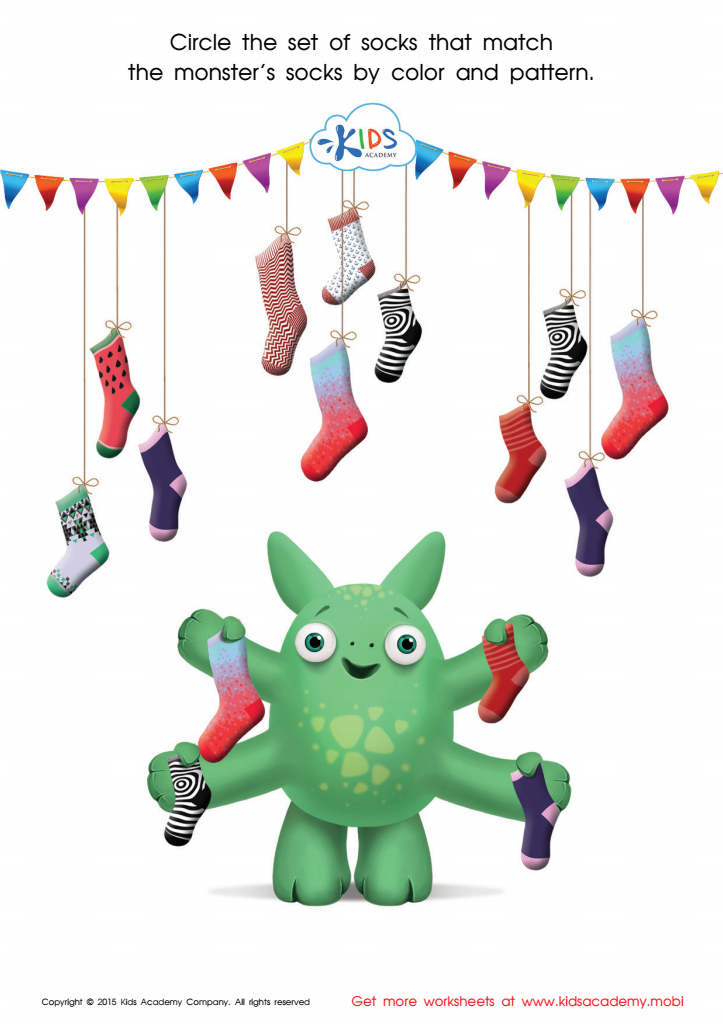
Math Game: Sort the Monster’s Socks

Sort the Monster's Socks Worksheet

Let your little one challenge herself and practice with matching Monster socks. She must be very attentive to match the same socks and draw a line connecting them!
Sort the Monster's Socks Worksheet
Worksheet
Preschool Sudoku Printable

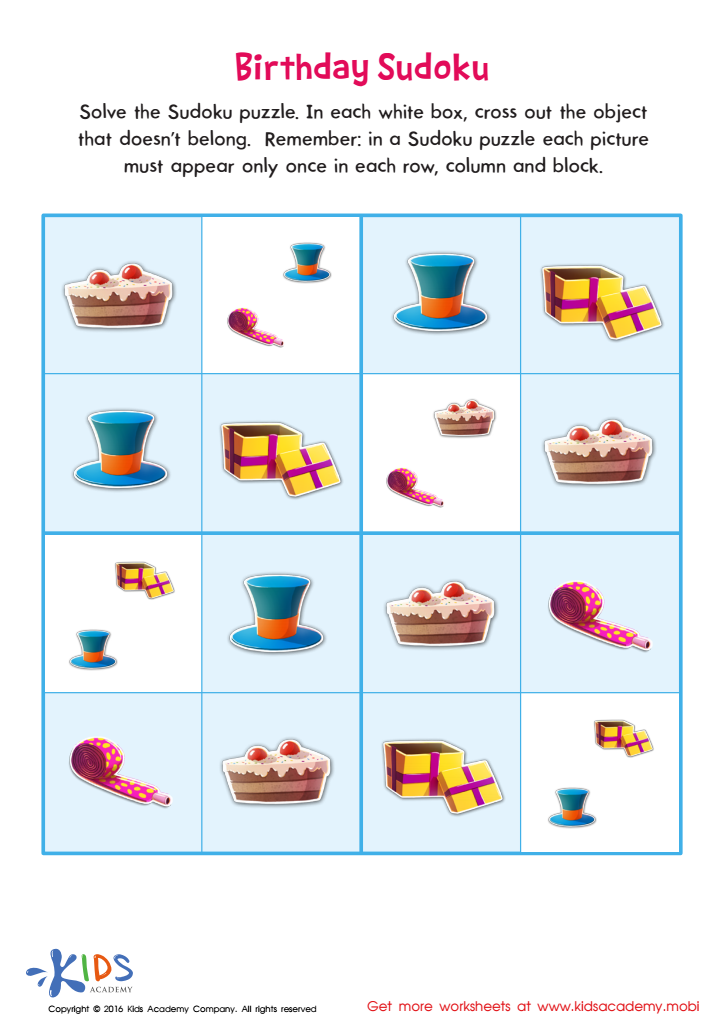
Birthday Sudoku Sorting Worksheet

With this Sudoku printable, your child will have fun and strengthen their problem-solving skills.
Birthday Sudoku Sorting Worksheet
Worksheet
Picture Pattern Worksheet

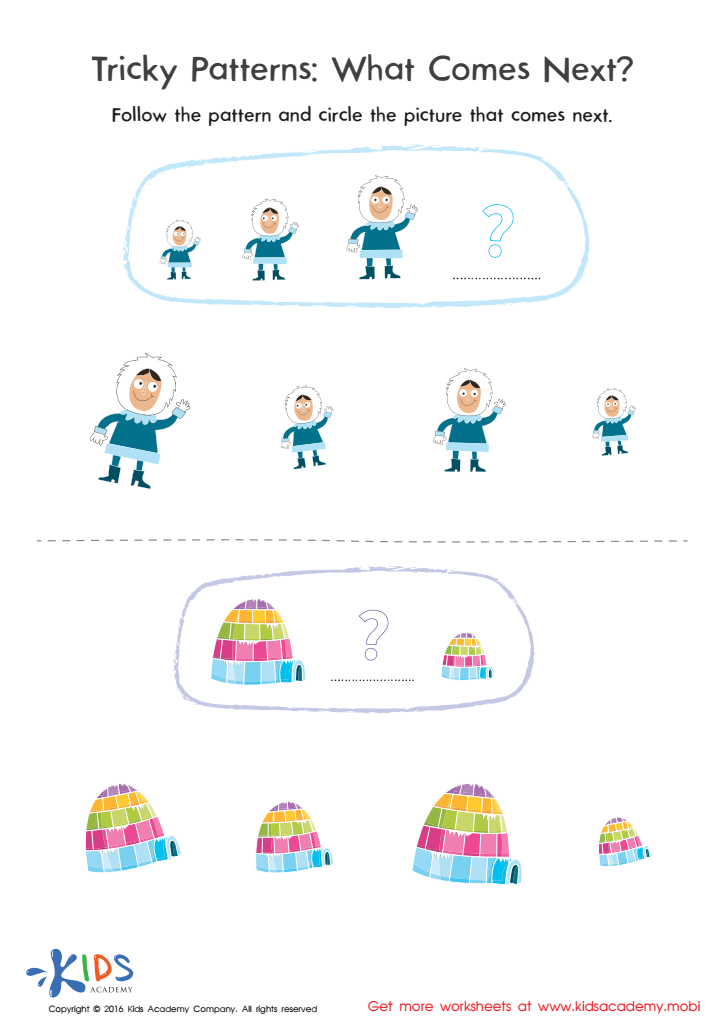
Tricky Patterns Size Worksheet
Give your child a head start on critical thinking with this picture pattern worksheet! It's an intriguingly fun way to help them master important skills like spatial reasoning, critical thinking, and logical reasoning. They'll differentiate between shapes, complete the pattern with a logical answer, and look for and understand patterns. It's the perfect foundation for future math skills, setting them up for future success!
Tricky Patterns Size Worksheet
Worksheet
Read from Left to Right: Hats and Spiders Worksheet

Read from Left to Right: Hats and Spiders Worksheet

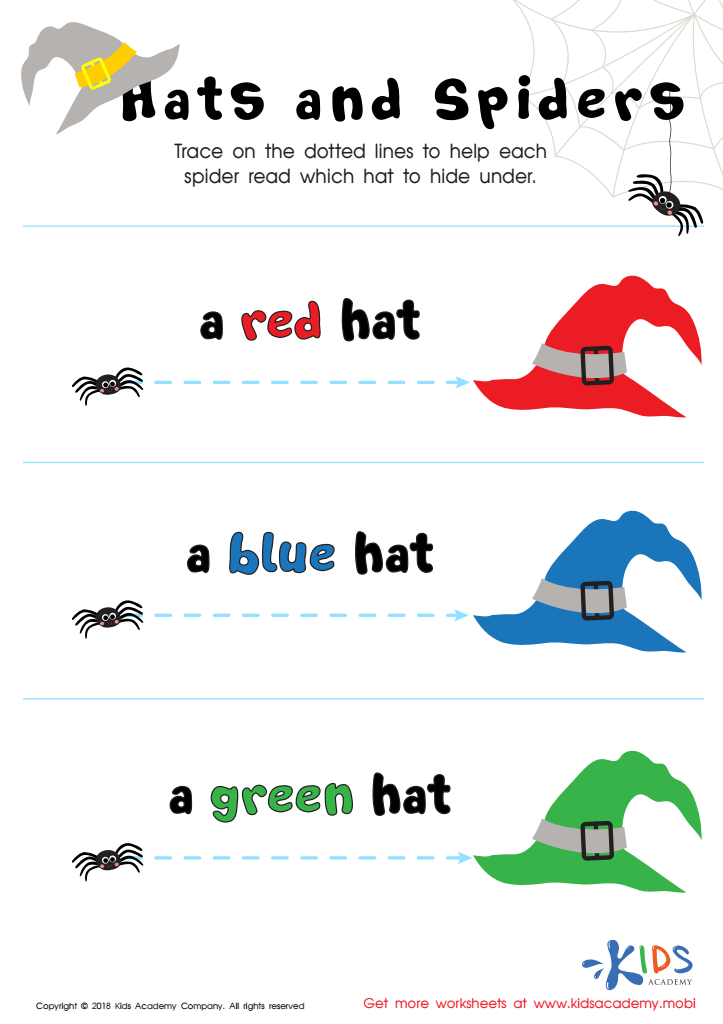
Do your kids love or fear spiders? Either way, they'll enjoy helping the little critters with this traceable worksheet. Ask them to read out the words in the picture, explaining it's the description of the hats. Then help them trace on the dotted lines, so the spiders know which hat to hide under.
Read from Left to Right: Hats and Spiders Worksheet
Worksheet
Identifying patterns worksheet pdf

Identifying Patterns Worksheet

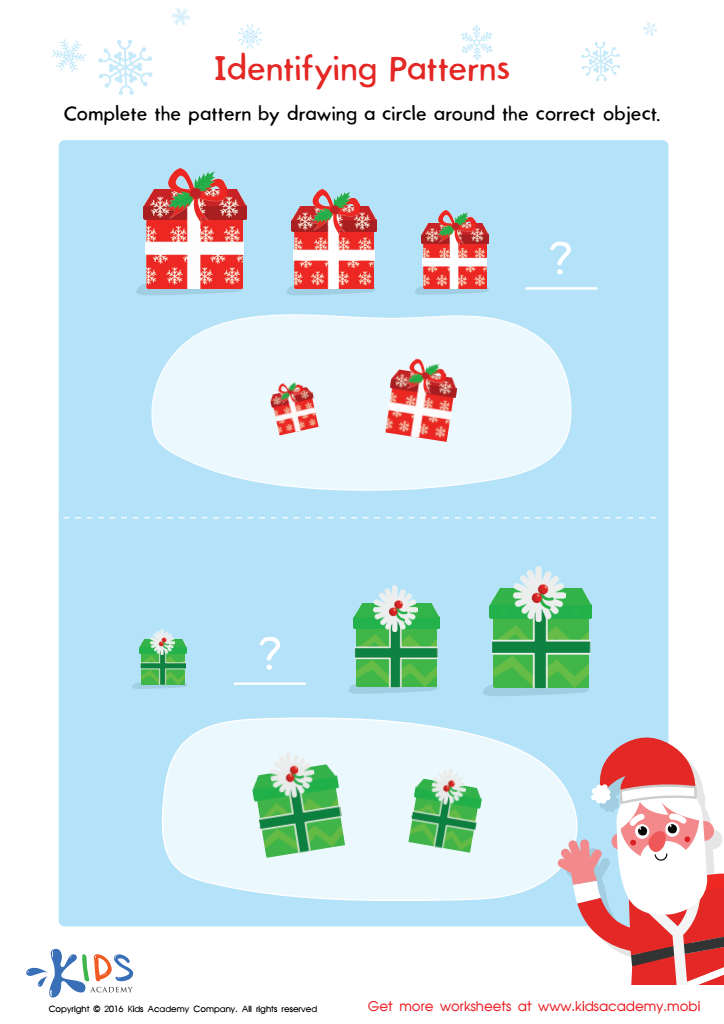
Kids can have fun as they learn with this festive worksheet! They'll practice early math skills while identifying patterns with colorful Christmas presents. Have your child get ready for the holidays by finding out which box comes next in the pattern!
Identifying Patterns Worksheet
Worksheet
Run, Protect or Capture Worksheet

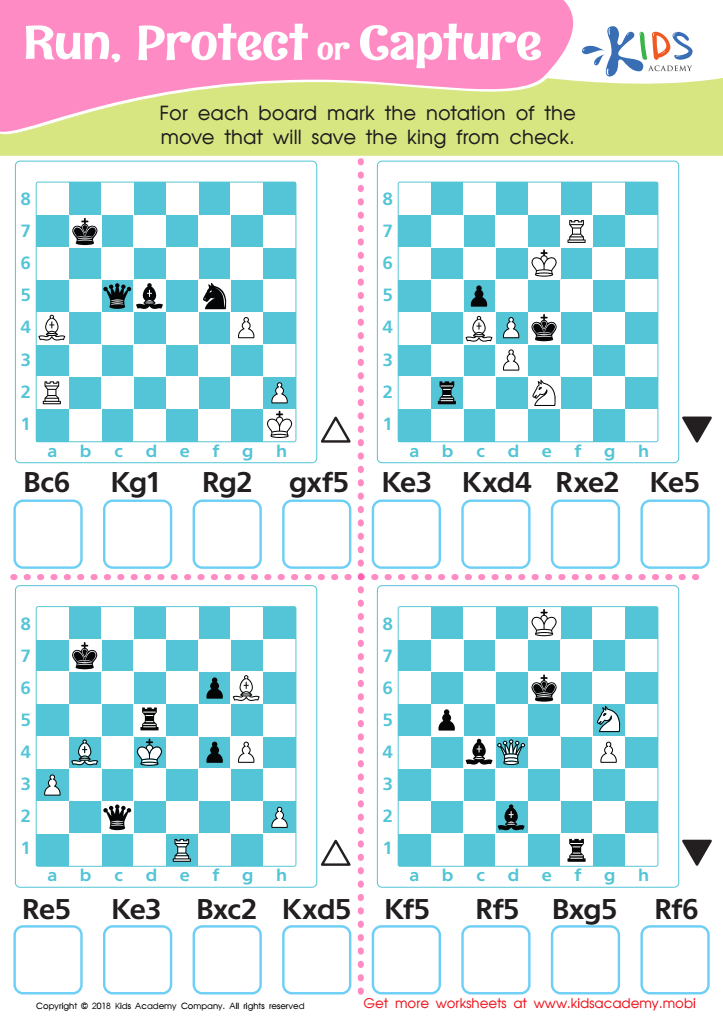
Run, Protect or Capture Worksheet

When kids play chess, they're not only striving to win - they're sharpening their critical thinking and problem-solving prowess. With this free PDF worksheet, they learn how to protect their king from check, whether it's running away, shielding it or capturing the checking piece. Sample boards offer them the chance to practice.
Run, Protect or Capture Worksheet
Worksheet
Flags and Fours Worksheet

Flags and Fours Worksheet

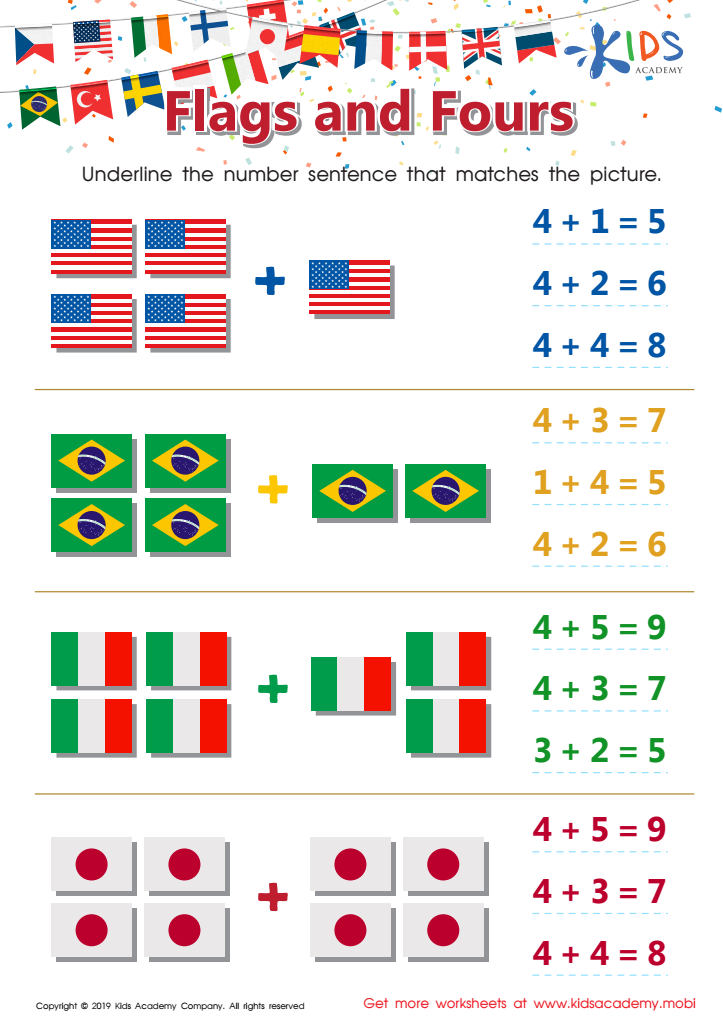
Have your kids identify country flags from this colorful printout. Then, ask them to underline the number sentence that goes with each flag. Combining math with national flag recognition strengthens kids' knowledge of both, promoting an understanding of identity and numbers.
Flags and Fours Worksheet
Worksheet


Pattern recognition is a critical cognitive skill that serves as the foundation for various aspects of learning and development in children ages 4-5. For parents and teachers, fostering this skill is essential for several reasons. Firstly, pattern recognition enhances mathematical abilities, as children who can identify and predict patterns are better equipped to understand concepts such as counting, addition, and subtraction.

Moreover, recognizing patterns aids in language development. Children learn to grasp the structure of language through repetitive patterns in speech, such as rhymes or syllables, enhancing their reading and communication abilities.

Additionally, engaged participation in pattern-related activities promotes critical thinking and problem-solving skills. When children explore patterns, they learn to make connections and predictions, skills needed for scientific exploration and general reasoning.

Furthermore, incorporating extra challenges in pattern recognition activities keeps learning engaging and enjoyable. It encourages creativity and allows children to explore concepts in a playful manner.

Ultimately, when parents and teachers prioritize pattern recognition, they equip children with essential skills that will benefit them academically and in everyday life, setting a strong foundation for lifelong learning and success.